This Area's Housing
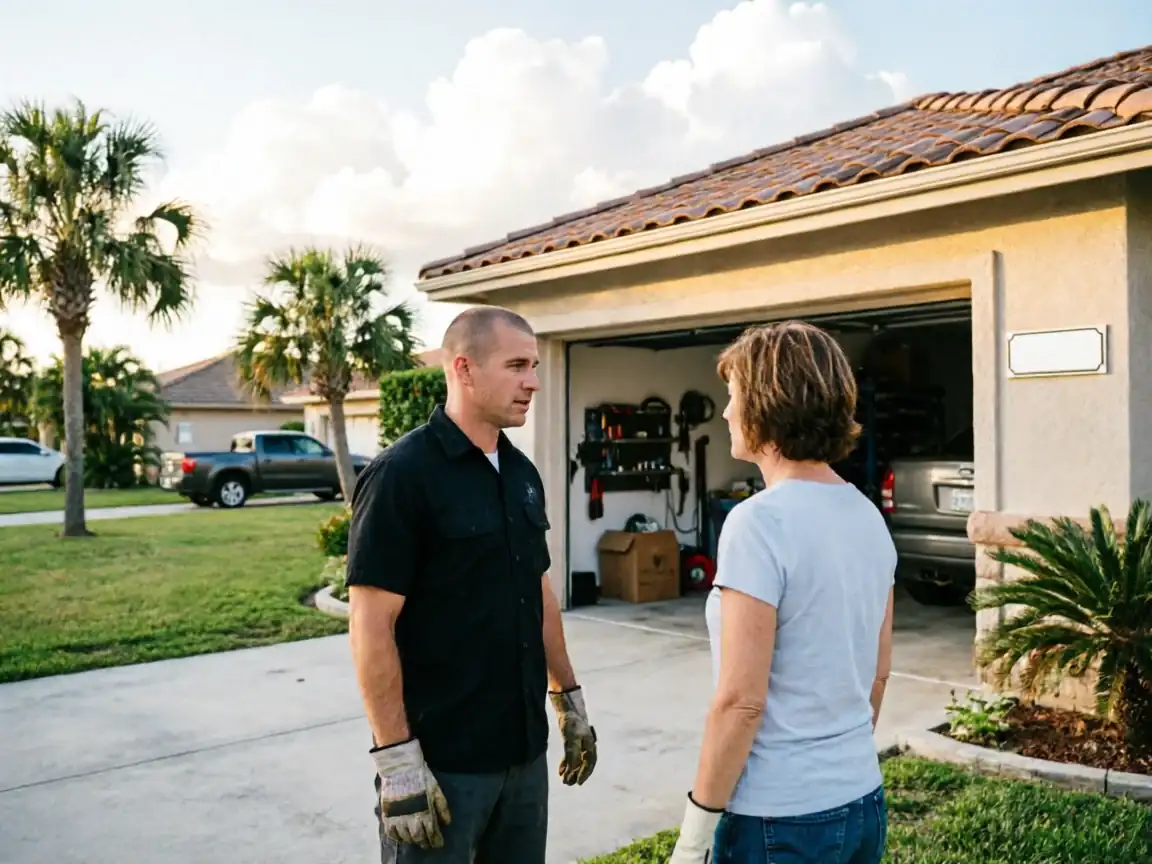
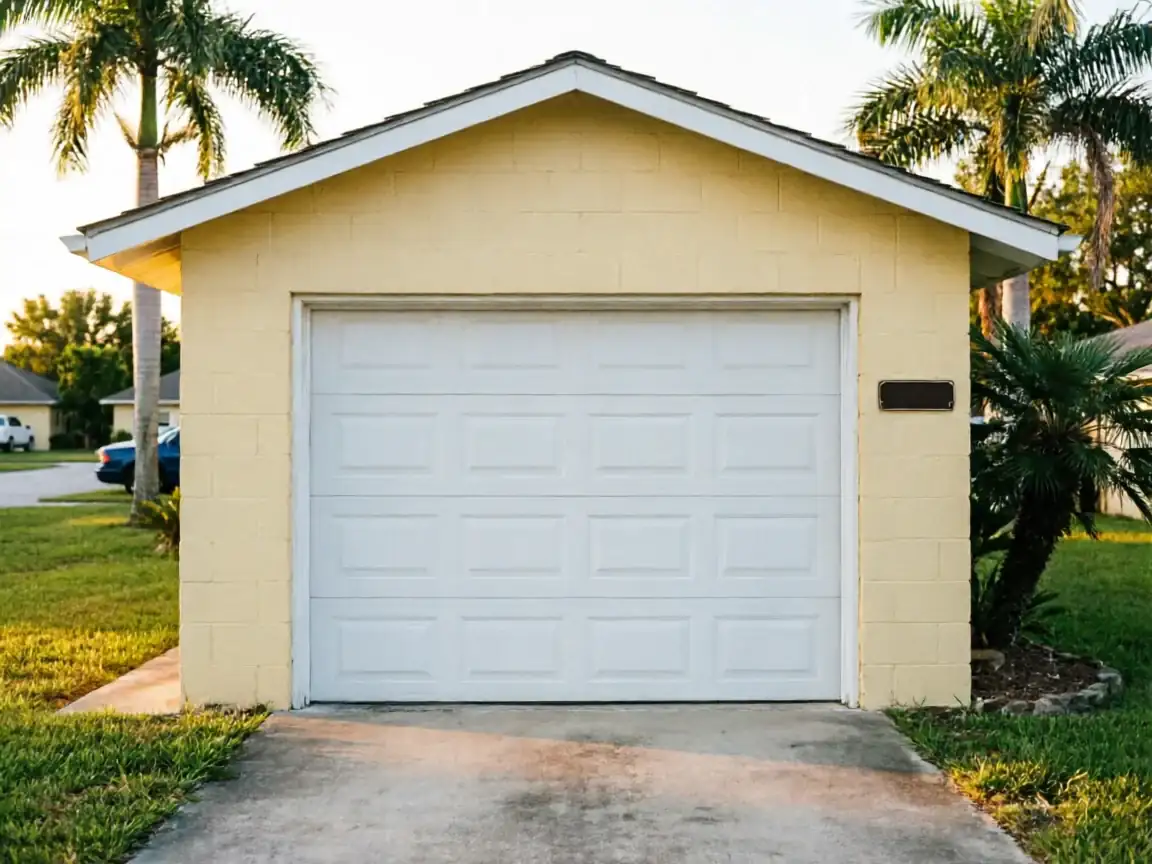
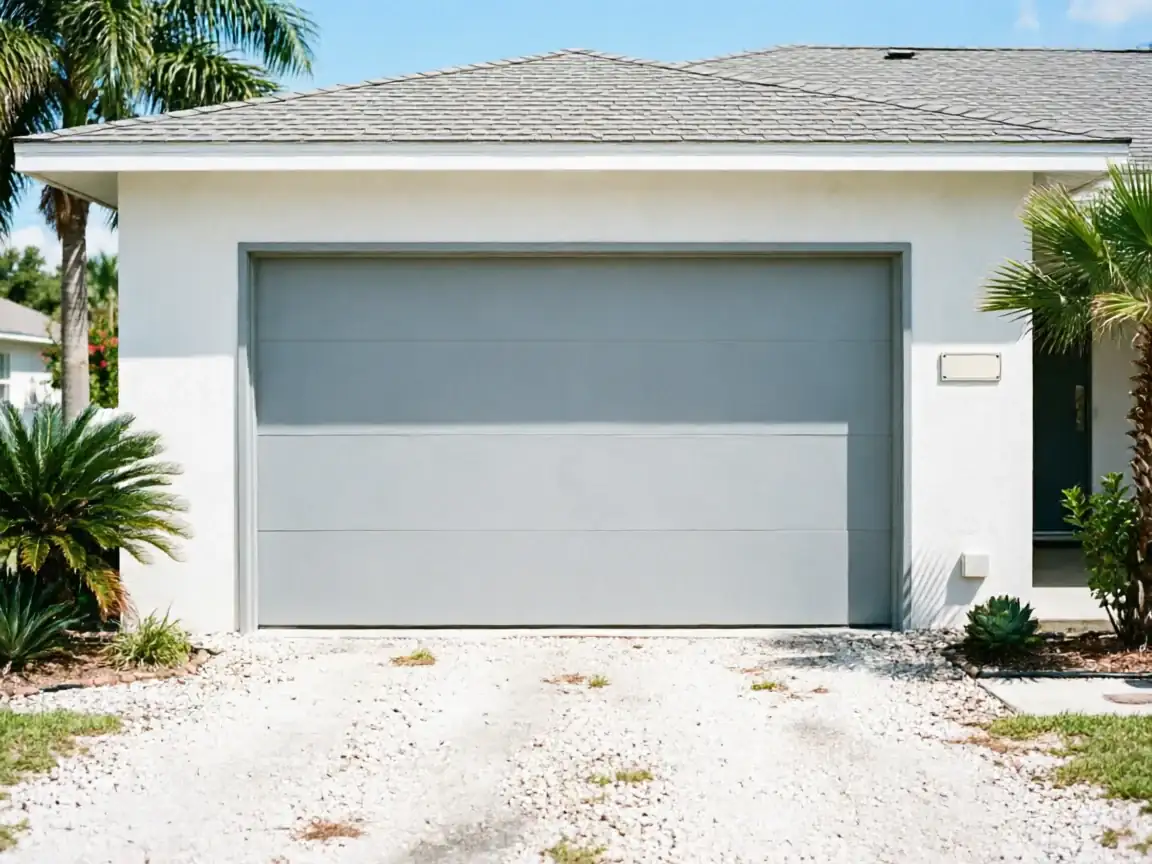
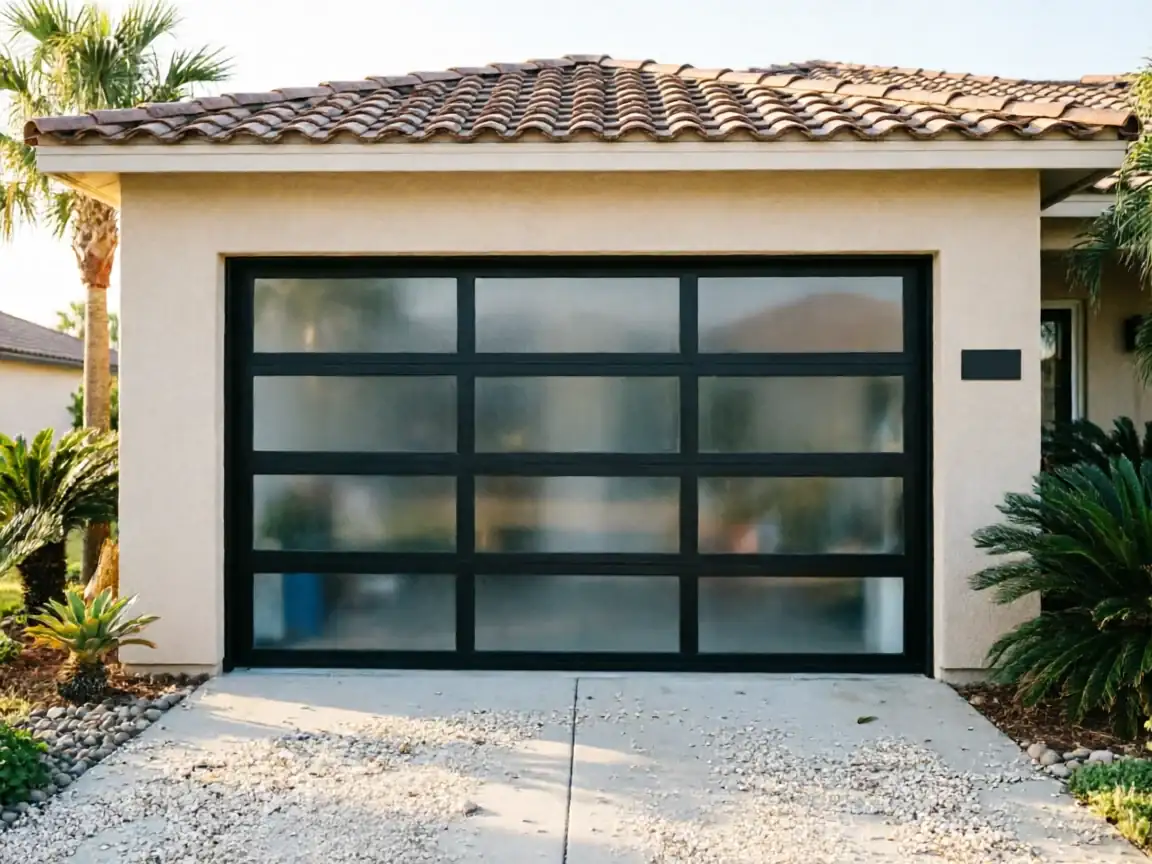
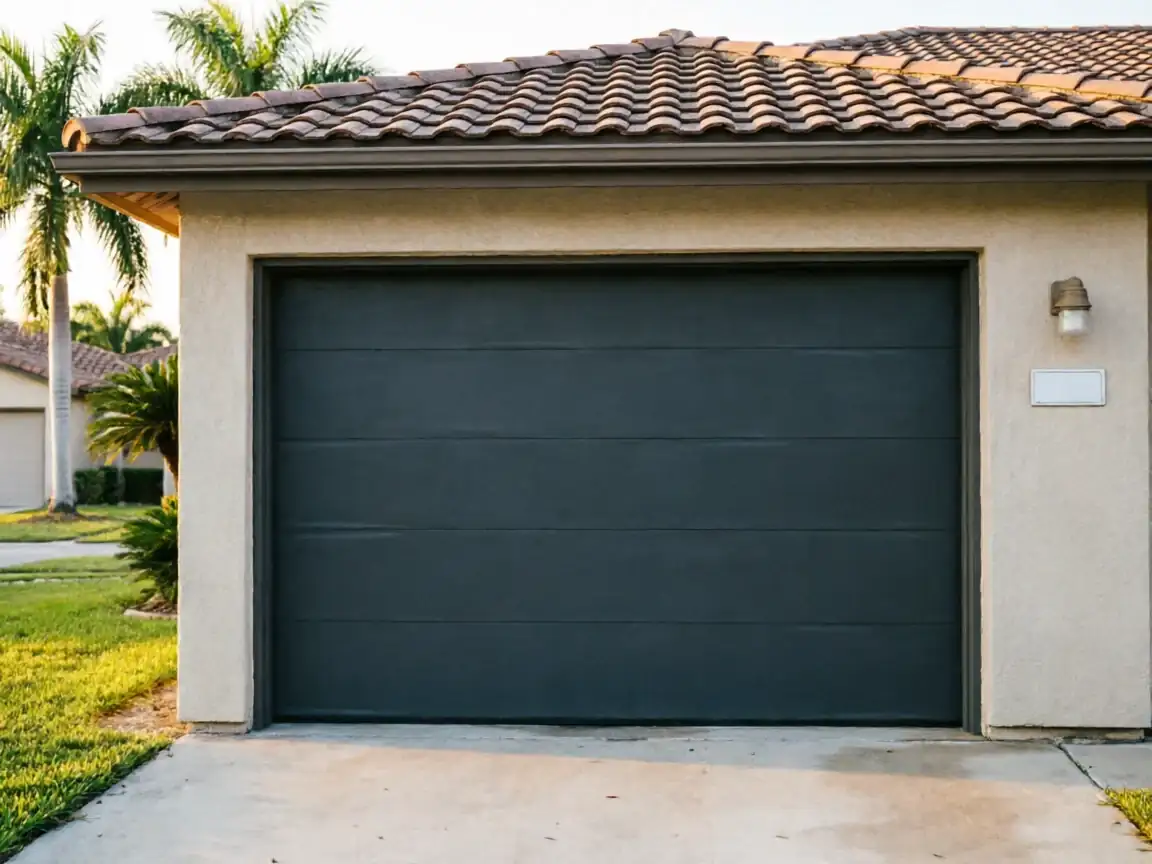
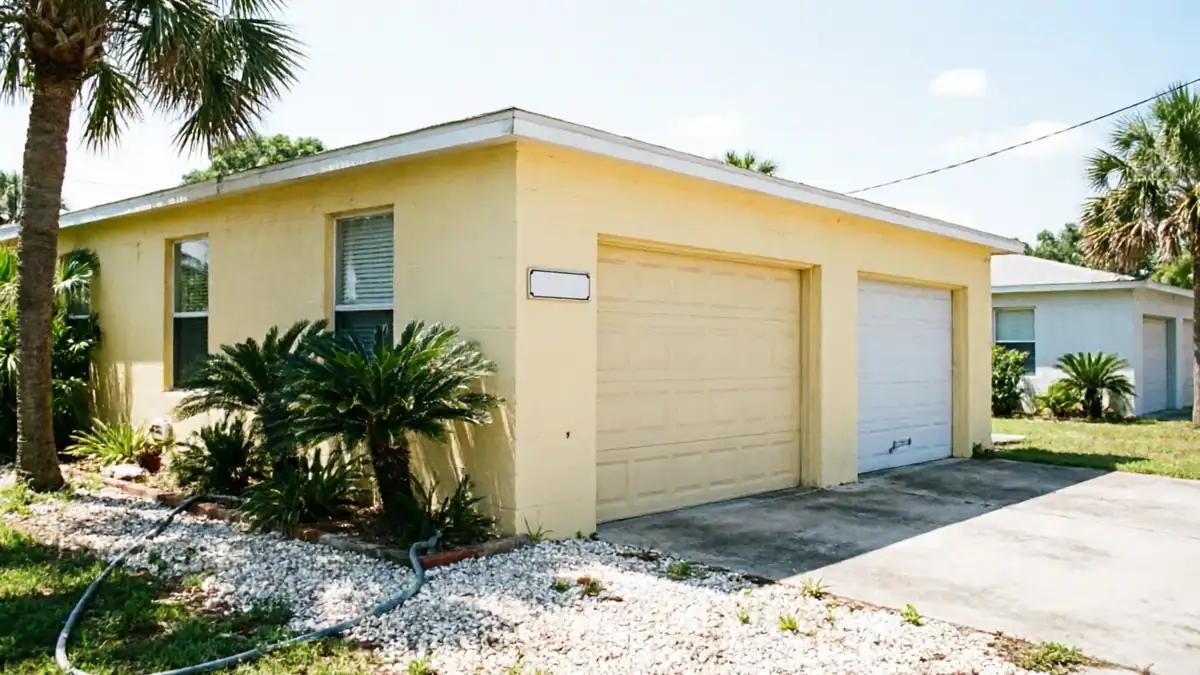
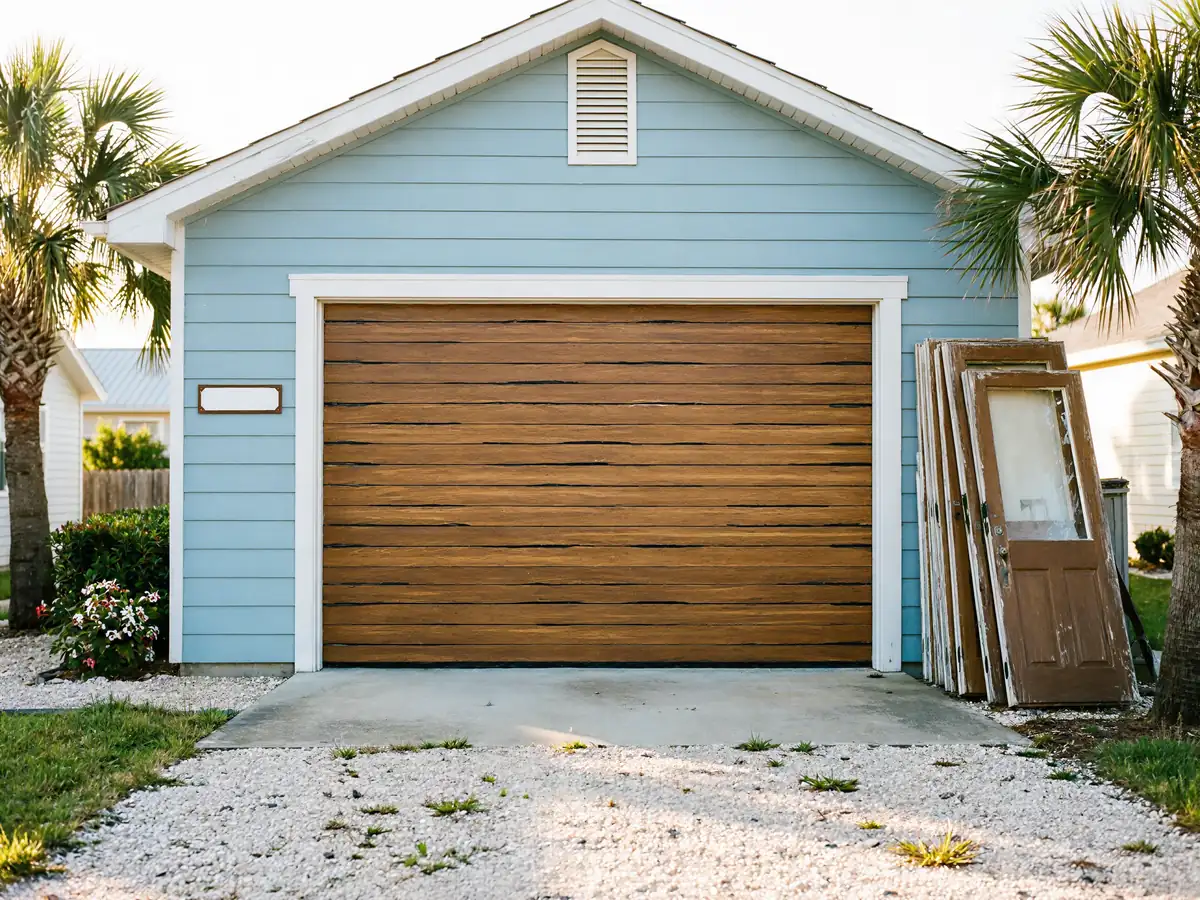
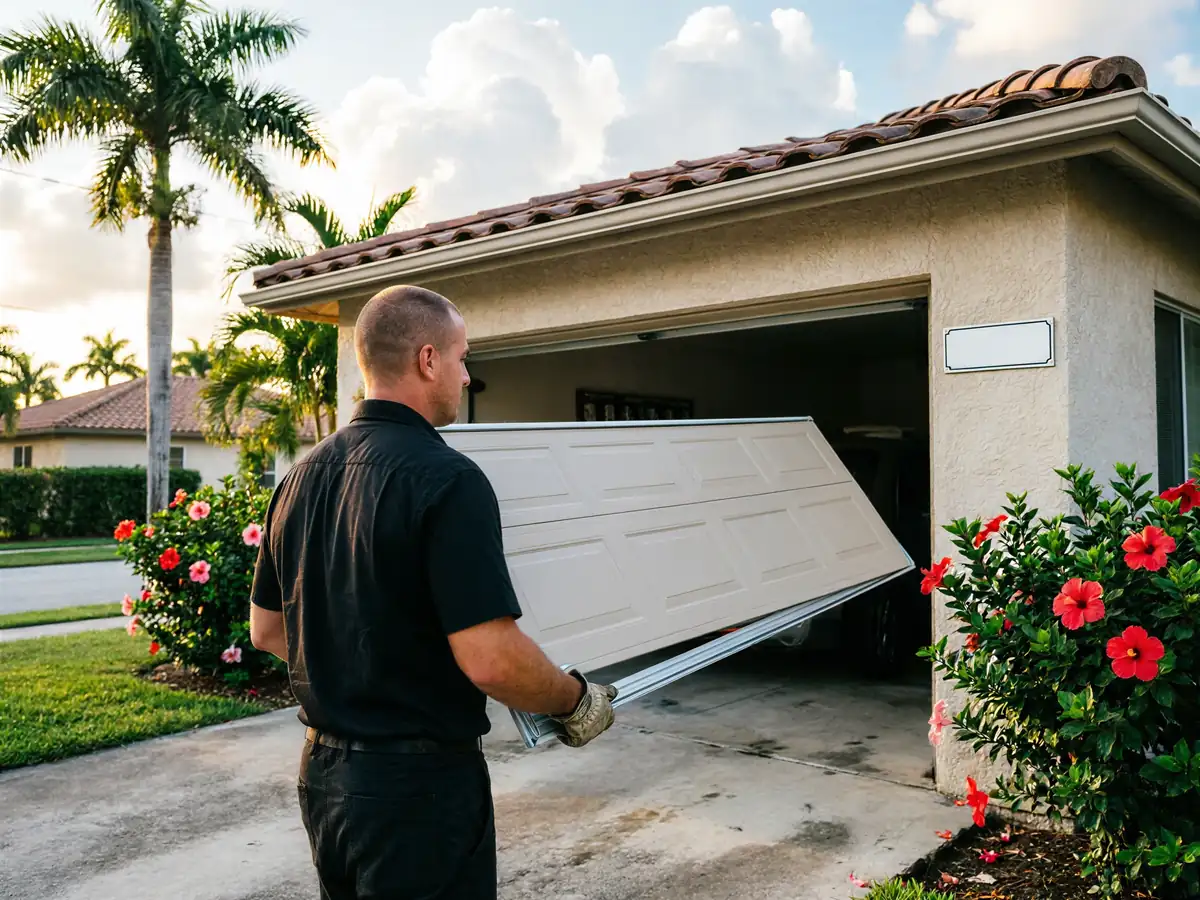
Lake Butler sits about 5 miles from our shop in Winter Garden, and the houses here skew newer than a lot of what we see across the rest of the service area. The median build year here lands around 2004, well past the 1987 median for the wider territory, which runs from 1964 up through 2021 across the 47 communities we cover. That gap matters more than it sounds. A neighborhood built in 2004 was built to a newer Florida code cycle, with garage doors rated for different wind loads and openers that came standard with photo-eye sensors rather than retrofitted ones. With 5,820 households here and a median income of $178,750, we also see more two-car and three-car garages with matching insulated steel doors bought as a pair, not mismatched replacements from different decades. When something fails here, it's usually a factory part reaching the end of its life, not a patched-together system from three different eras.
What We Do Not Do
We don't keep a crew or a stocked truck sitting in Lake Butler. Every job here is a trip out from Winter Garden, about 5 miles, so we schedule around that drive rather than pretending we're already on the block. We also don't try to force a repair on a door that's cheaper to replace outright - with housing stock this age, torsion springs and openers are usually still within a normal service life, so most calls here are genuine fixes, not upsells. We won't quote a repair over the phone without seeing the spring size and opener model in person, because a 2004-era door can have hardware that looks standard but isn't once you open the panel. And we don't install off-brand openers we can't get parts for later - if a part is hard to source, we'll tell you before we order it, not after.
How That Shows Up in the Door
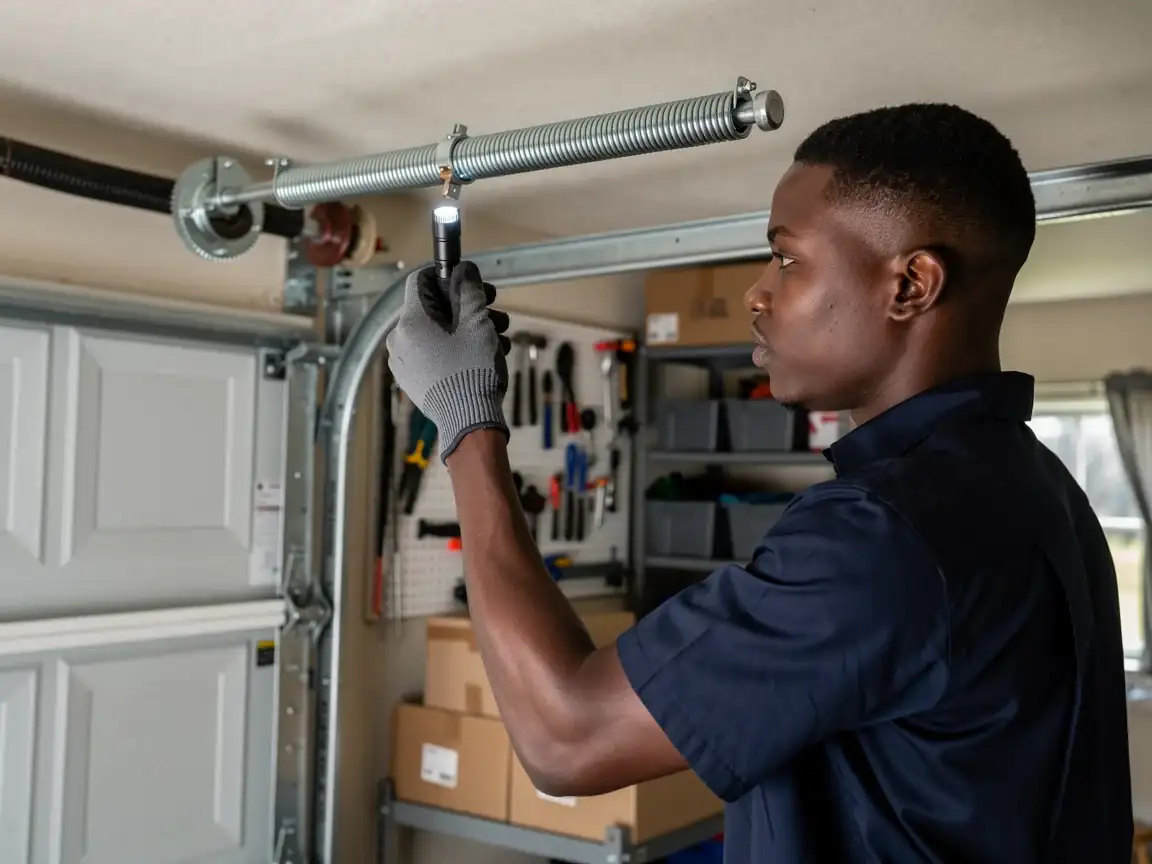
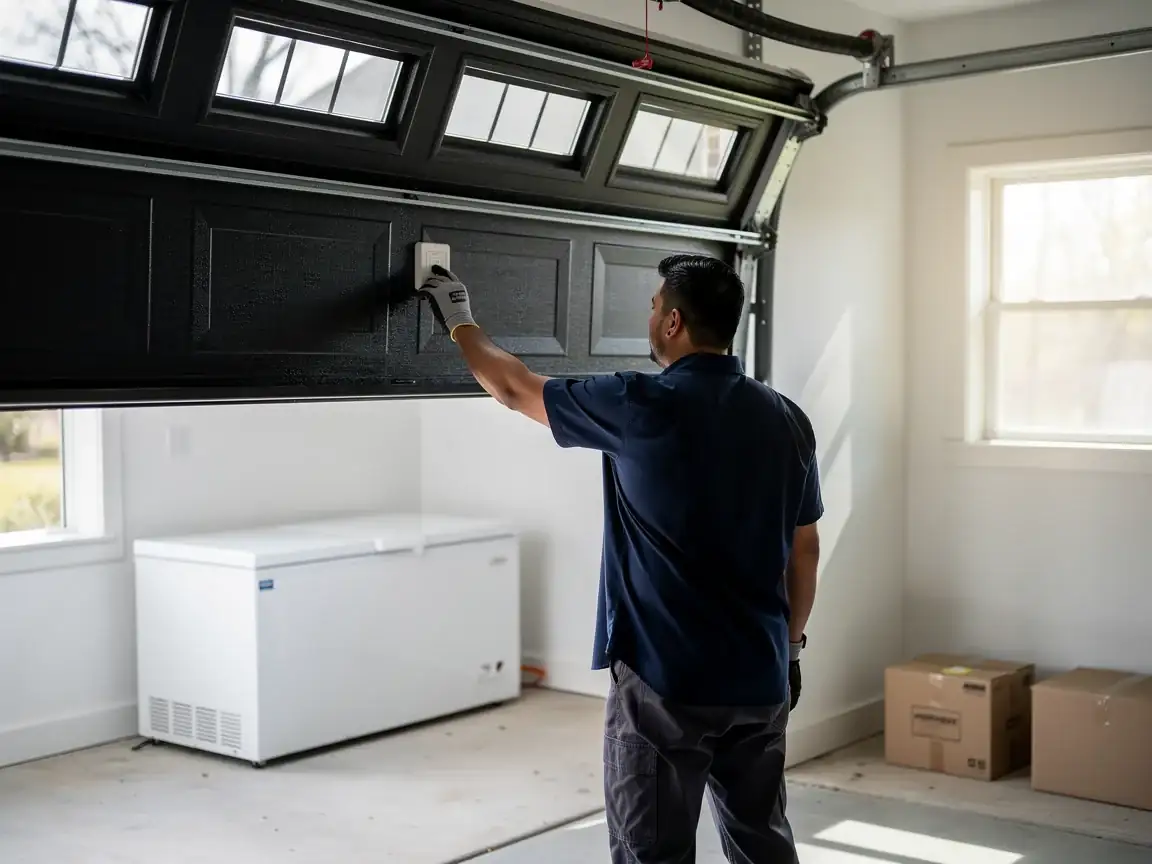
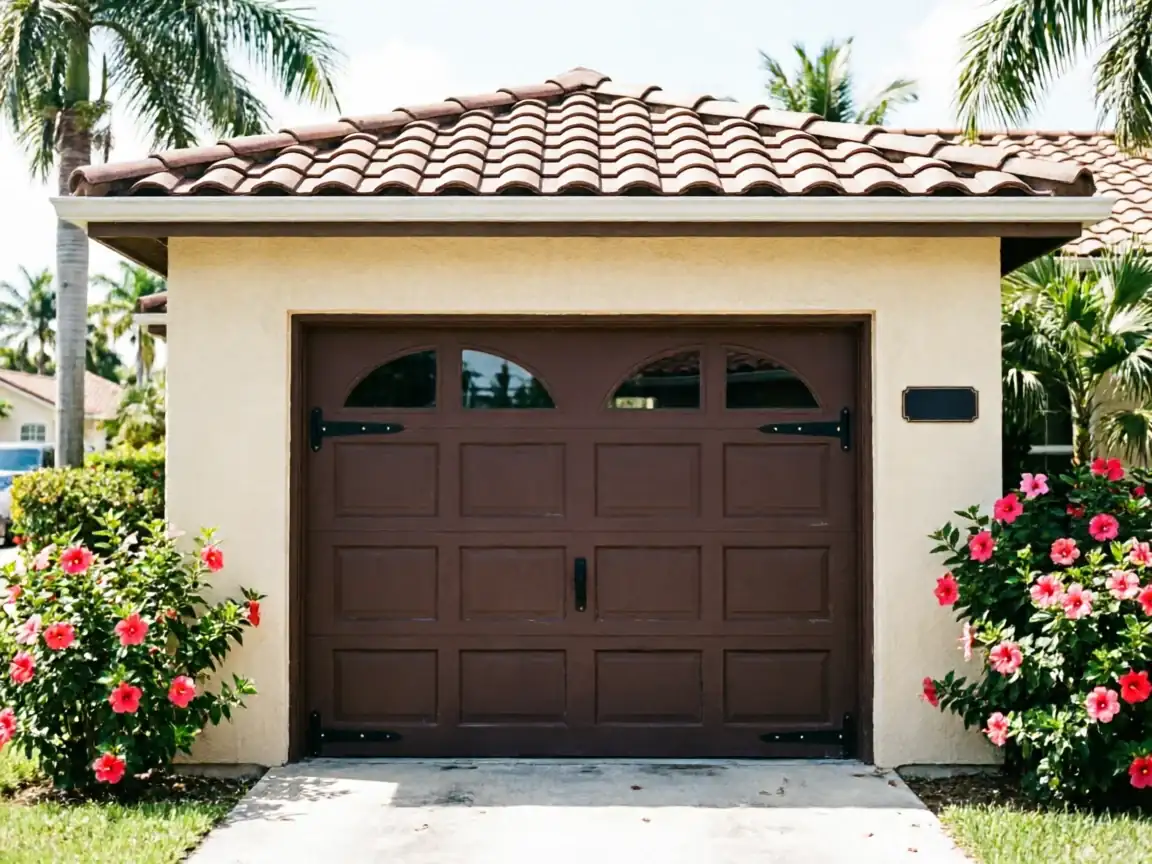
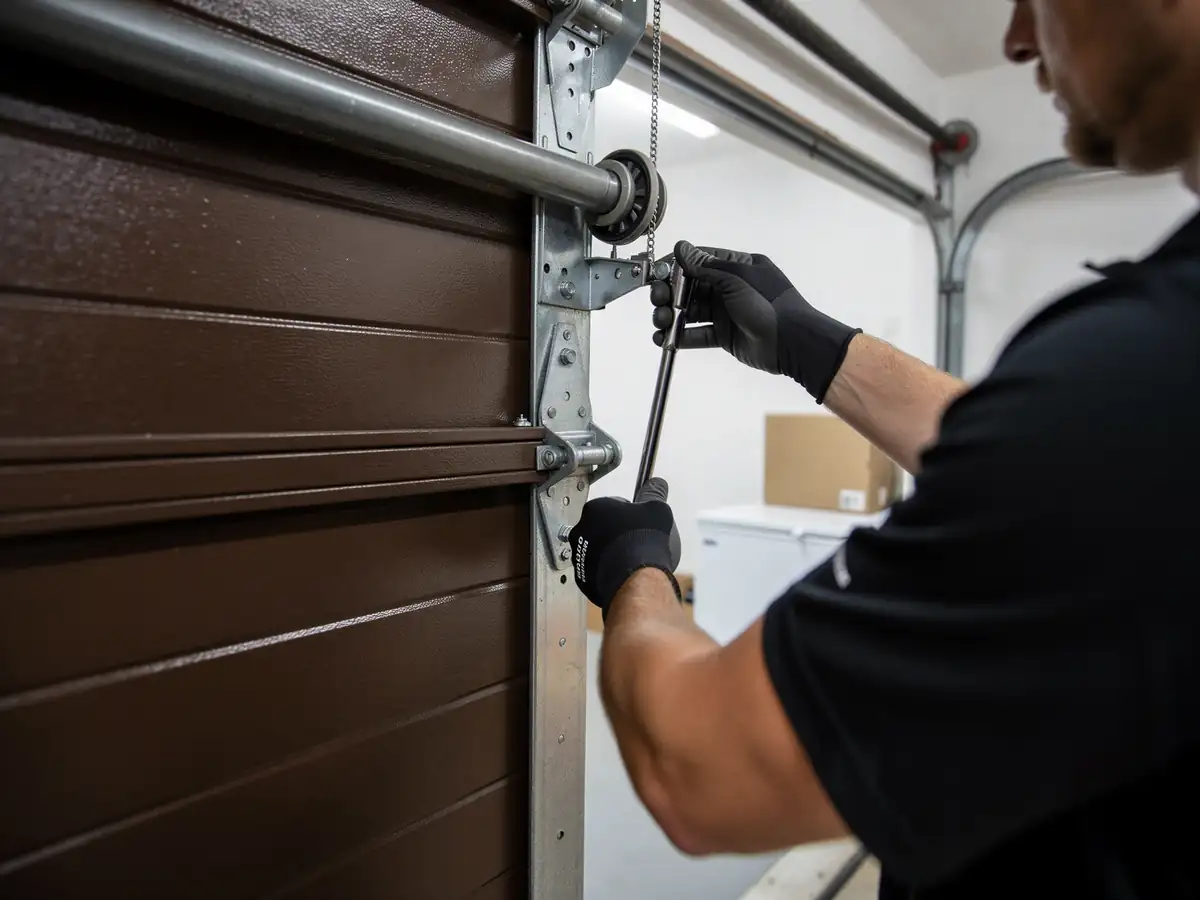
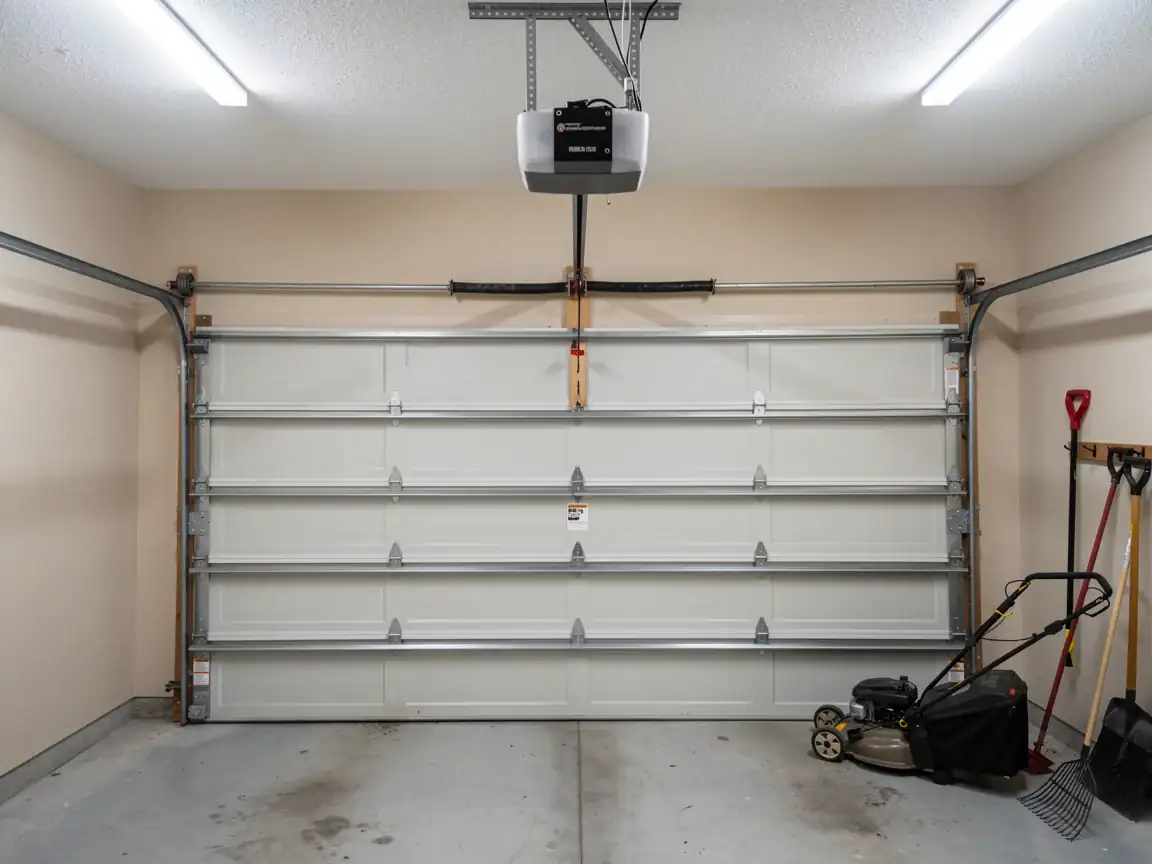
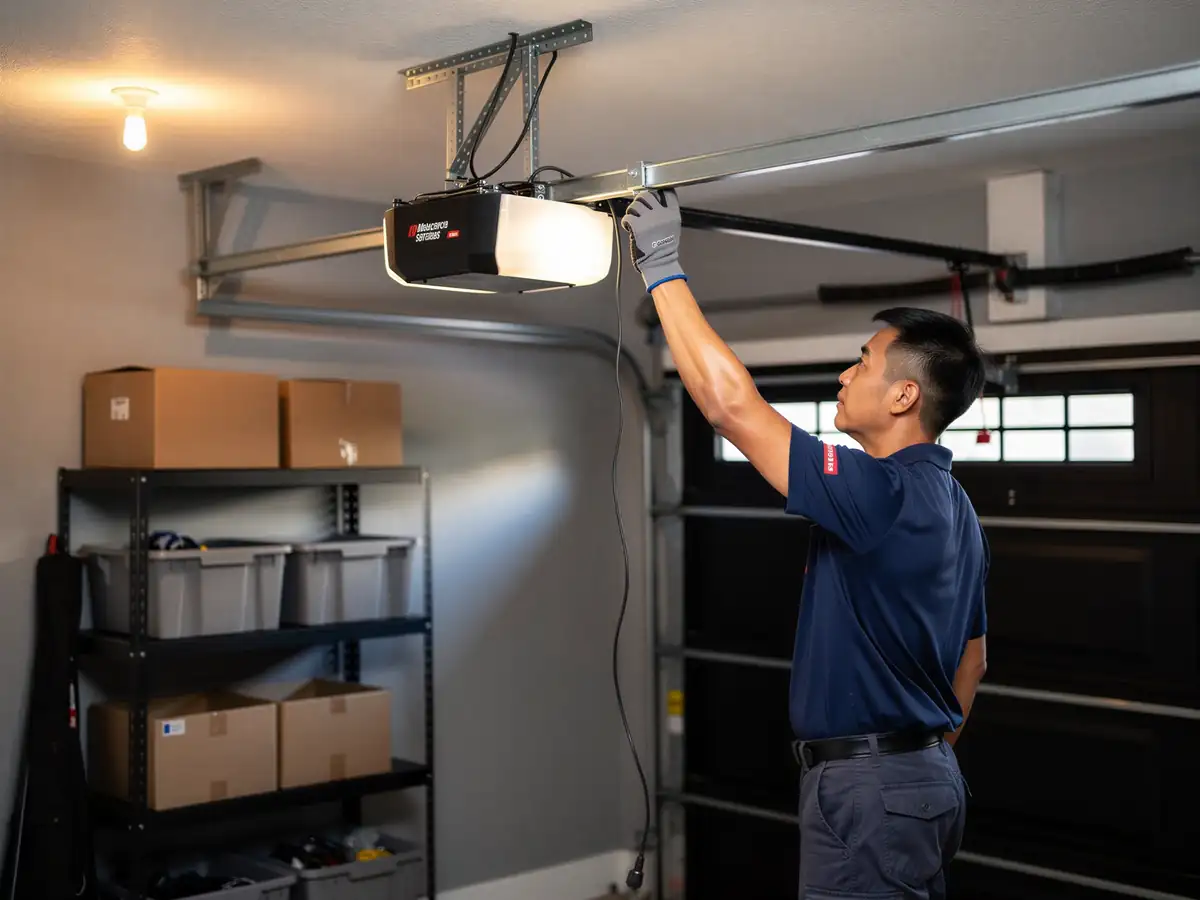
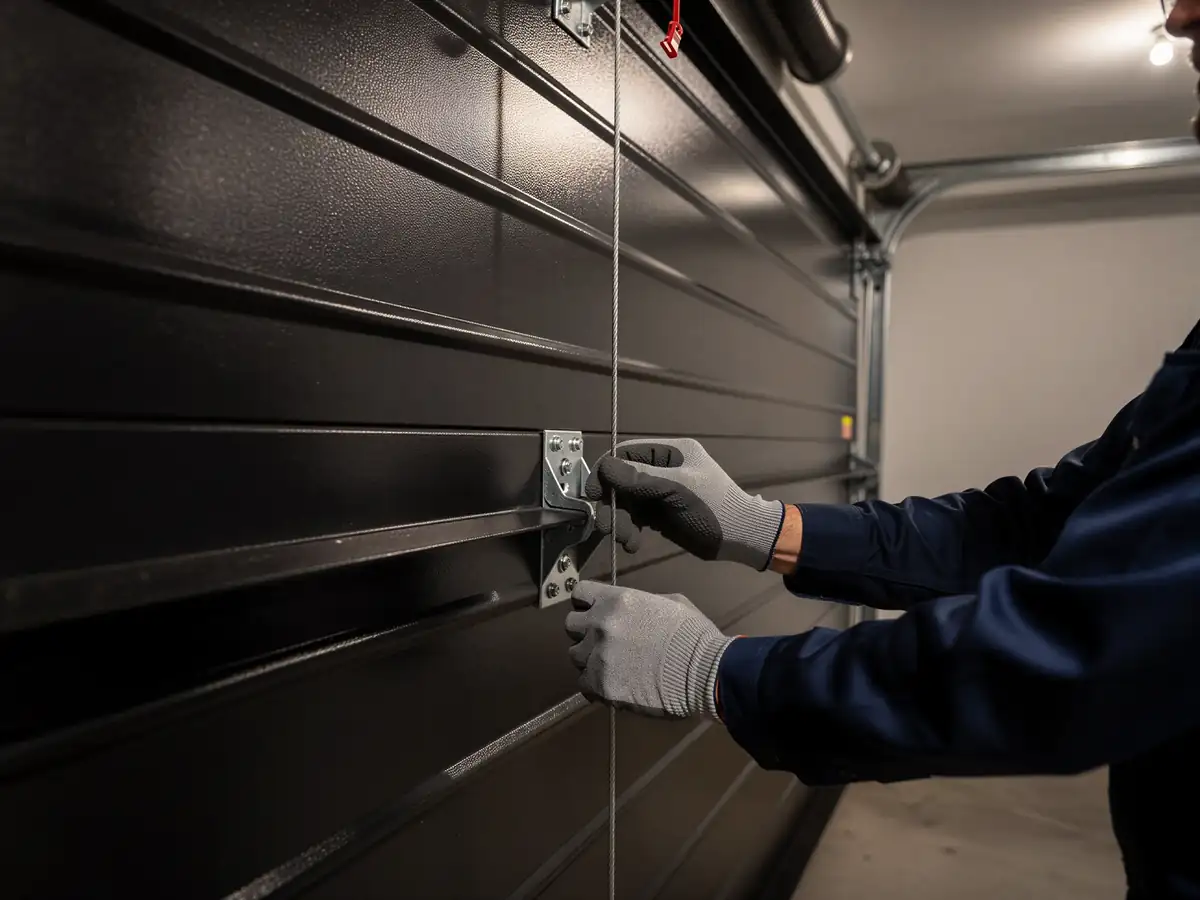
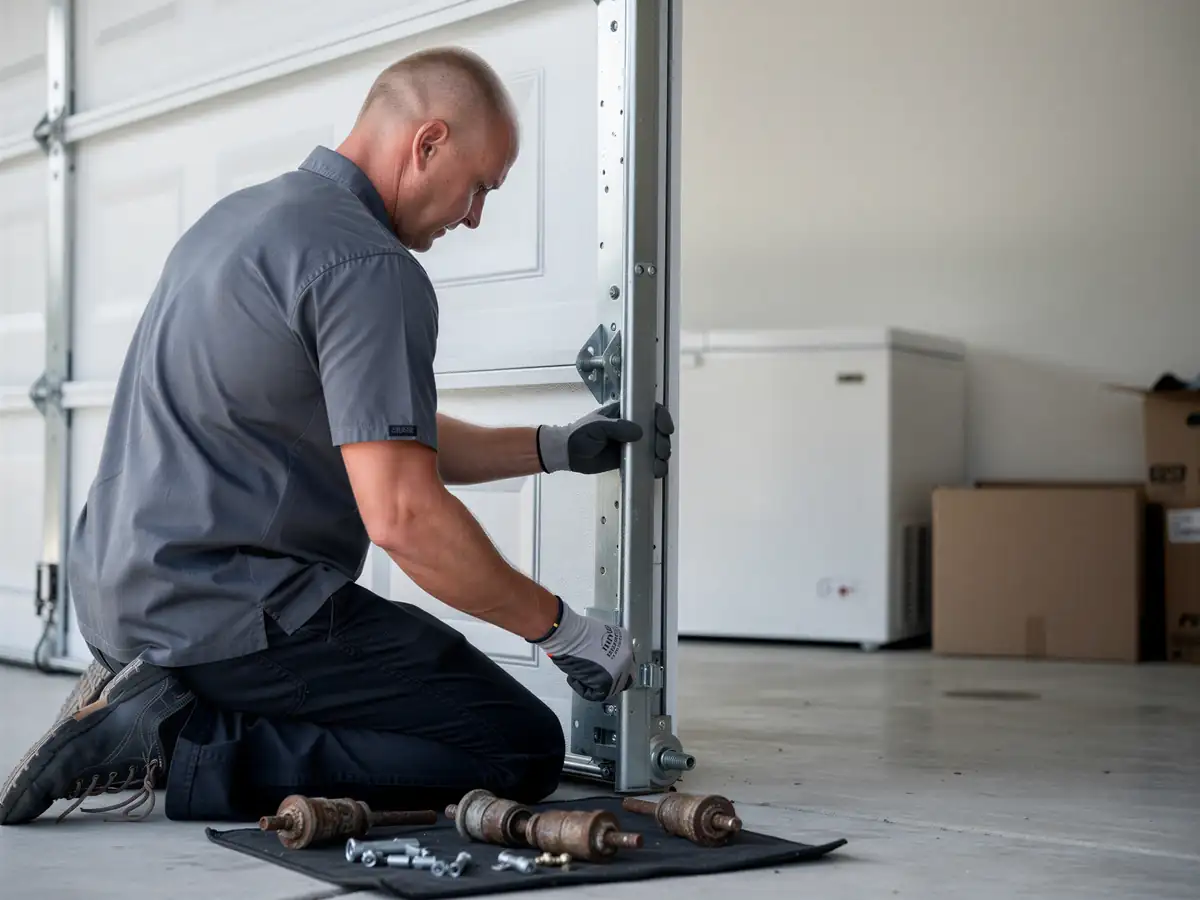
On a door built around 2004, the most common failure we see isn't a seized old torsion spring from the 1980s stock elsewhere in the territory - it's a worn extension or torsion spring that's simply hit its cycle count after two decades of normal use, or a plastic drive gear in the opener that's finally stripped. Steel panel doors from this era also tend to have factory-matched rollers and hinges, so a repair usually means sourcing the right gauge part rather than improvising with whatever fits. The mild temperate climate out here doesn't put much stress on the door itself - no deep freeze, no major thermal cycling - so most of what we find is straightforward mechanical wear, not weather damage. The honest limitation: if a 2004-built door's springs or opener have genuinely reached the end of their service life, replacement parts for that specific model can take longer to source than a same-day fix, and we'll say so up front instead of promising a same-visit repair we can't back up.