What You Are Seeing
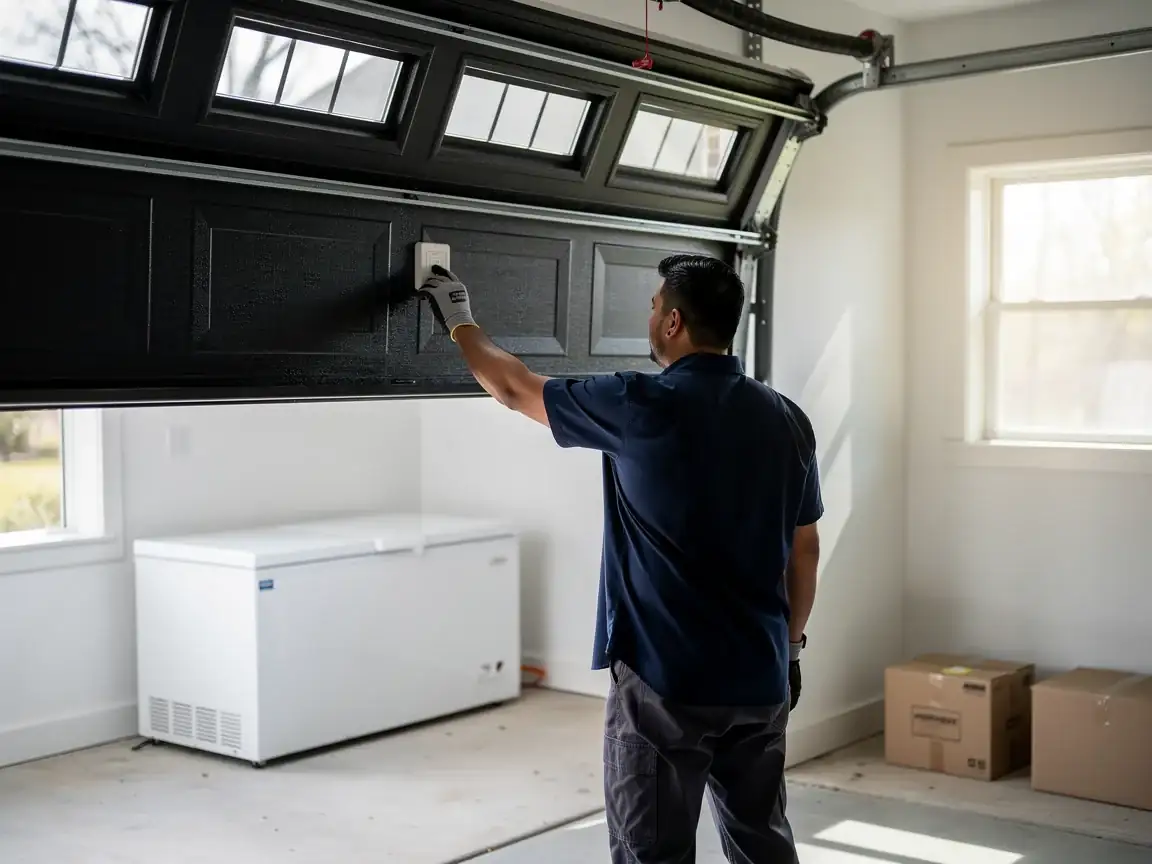
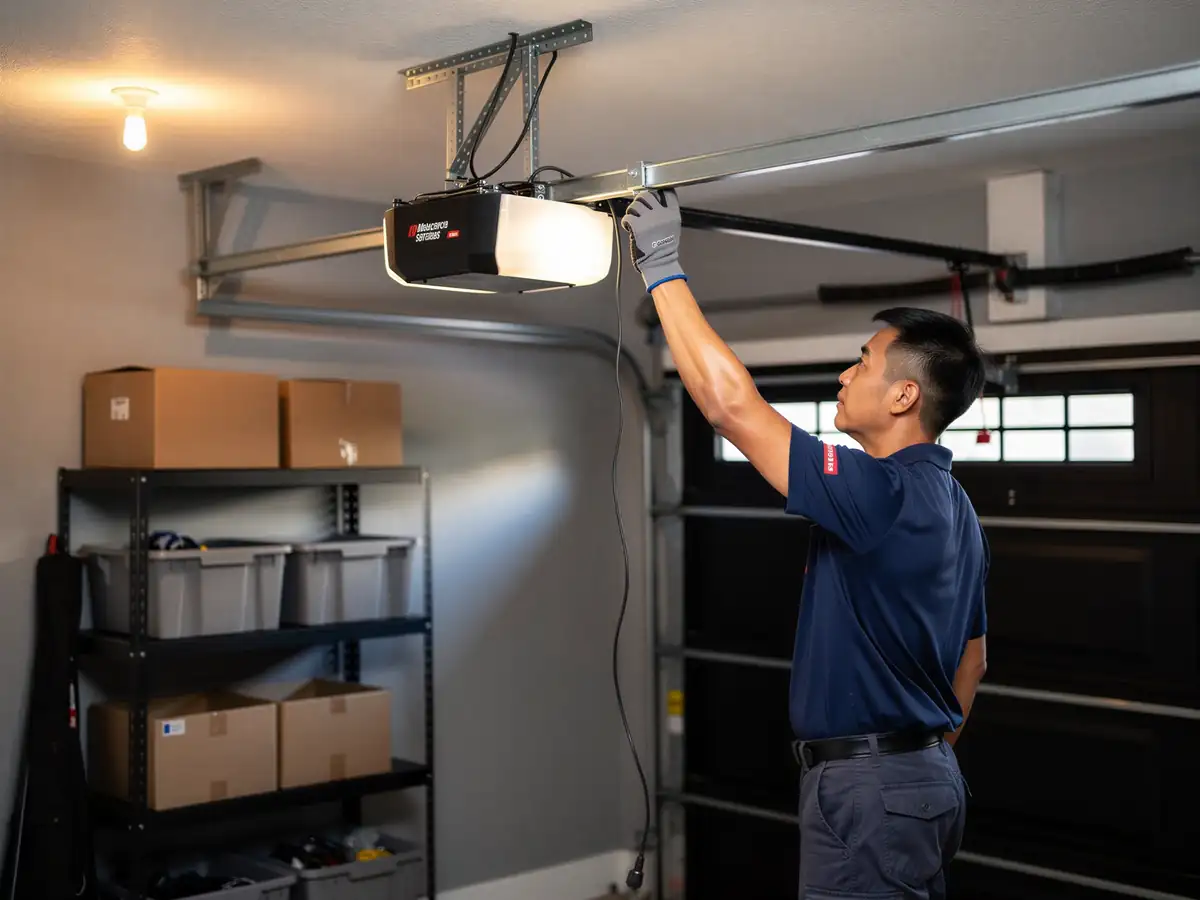
If you called us, it's probably one of three things: the door shudders or stops halfway on the track, the opener strains and grinds before the door moves, or you've noticed a spring that looks stretched, gapped, or just plain snapped. Sometimes it's quieter than that - a door that closes crooked, a remote that only works some days, a panel that's started to bow.
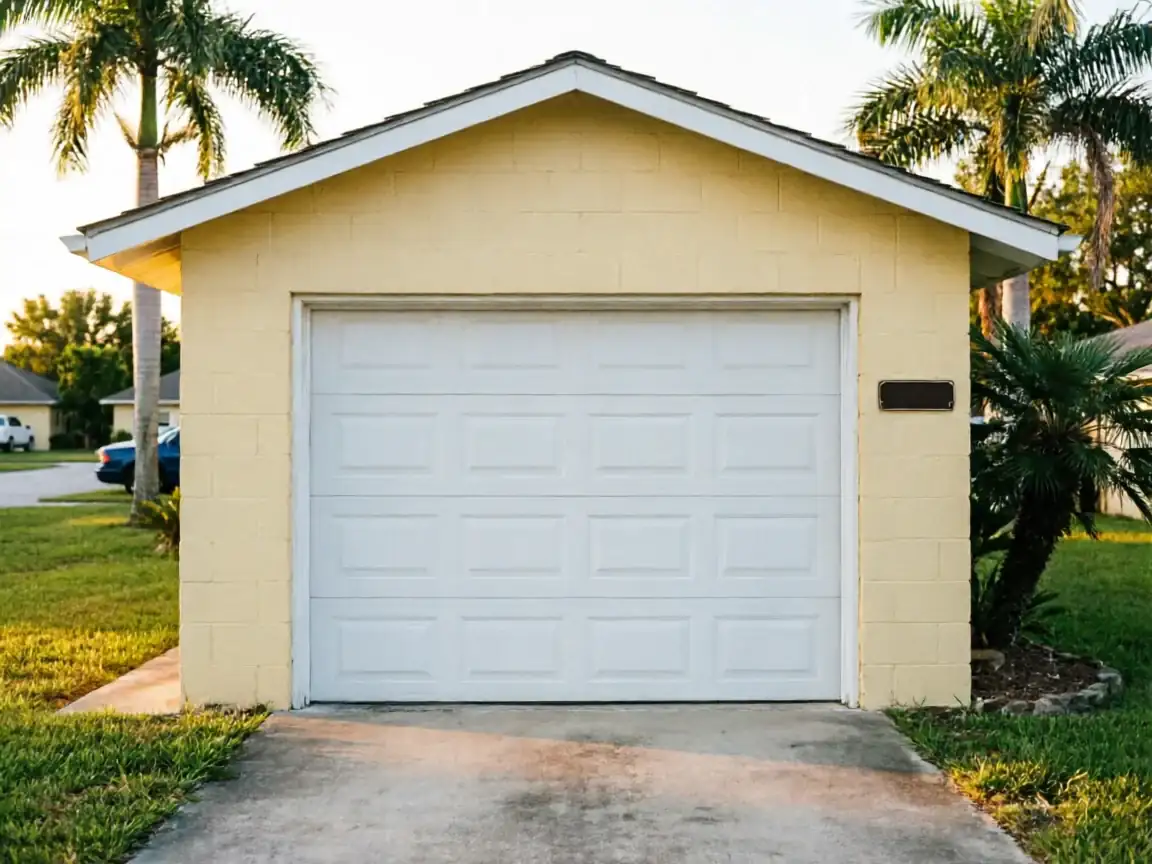
Winter Garden's housing stock runs from 1964 up through new builds in 2021, but the median lands around 1987, and across the 47 named areas in this service territory - from Oakland and Windermere a few miles out to Gotha, Lake Butler, and the rest - most of what's standing is 1980s and 90s construction. That means a lot of original or first-replacement torsion hardware, galvanized but not stainless, sized to openers that have since been swapped twice. When we show up, we're usually looking at hardware that's outlived at least one homeowner's ownership of the house.
If your door is one of the newer builds closer to 2021, the symptoms are different - usually an opener logic board or a sensor alignment issue rather than fatigued steel. Either way, what you're seeing is almost always traceable to age and use cycles, not a one-off fluke.
What It Costs
We're not going to put a number here that doesn't hold up once a tech is standing in your driveway looking at the actual spring wire gauge or opener model. What we can tell you is what drives the number up or down: whether it's a single door or a double, whether the spring is torsion or extension, how old the opener is and whether the circuit board or just the motor has failed, and whether the track needs realignment or full replacement.
Winter Garden's median household income sits at $84,955 across roughly 197,031 households, with about 102,889 of those owner-occupied - which is to say, most of the people calling us own the house and are weighing a repair against the cost of letting it go. A repair on a single spring or a roller set is a different conversation than replacing an opener that's twenty years old, and we'll tell you straight which one you're actually facing before we start.
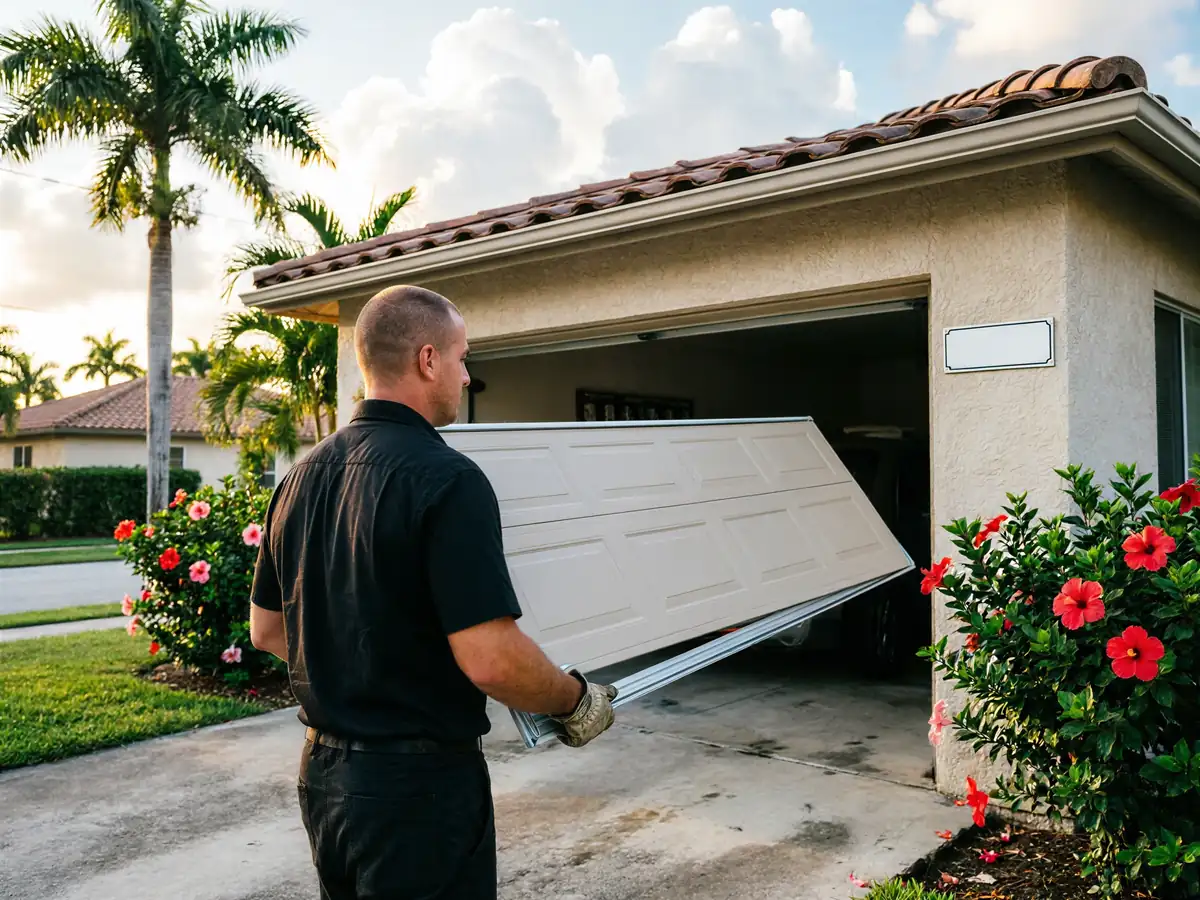
One honest limit: if your track is bent badly enough, or the door itself has warped from age, we're not going to quote you a patch job that won't hold. Sometimes replacement is the cheaper option over two years even if the repair number looks smaller today.
Why It Happens Here
Winter Garden sits in a mild temperate climate band
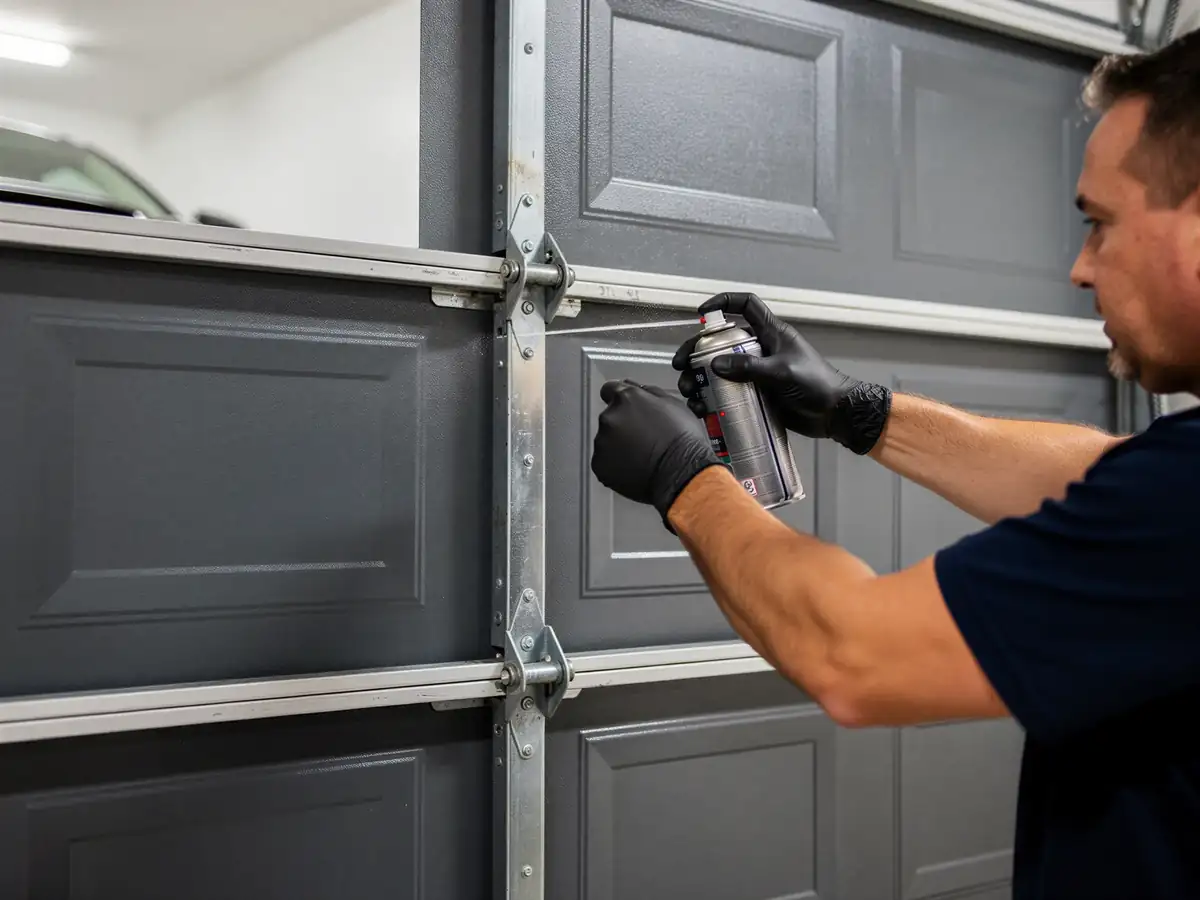
No hard freezes, no ice loading on the door, which is good news compared to a lot of the country. But mild doesn't mean nothing happens. Humidity cycles through the year here, and that steady damp-to-dry swing dries out factory lubricant on rollers and hinges faster than a drier climate would, and it slowly works rust into spring coils that aren't stainless.
Pair that climate pattern with the age of the housing stock
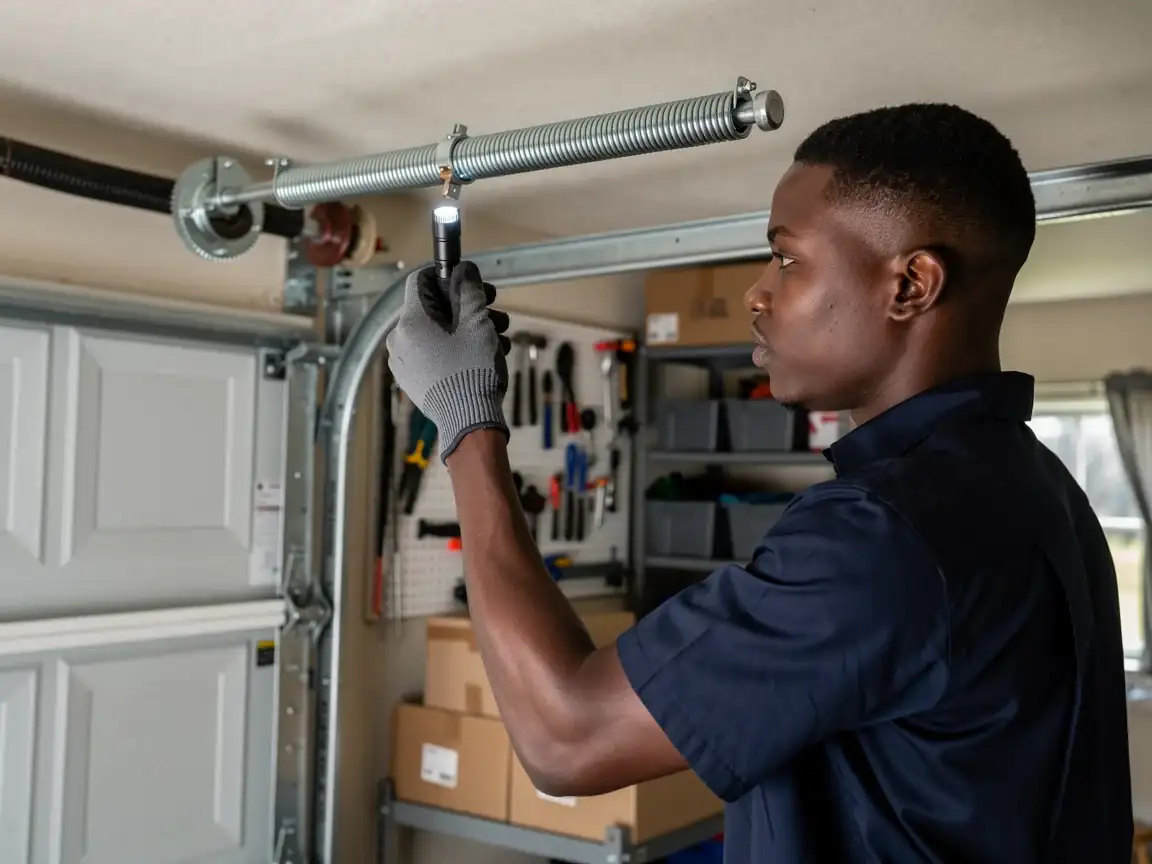
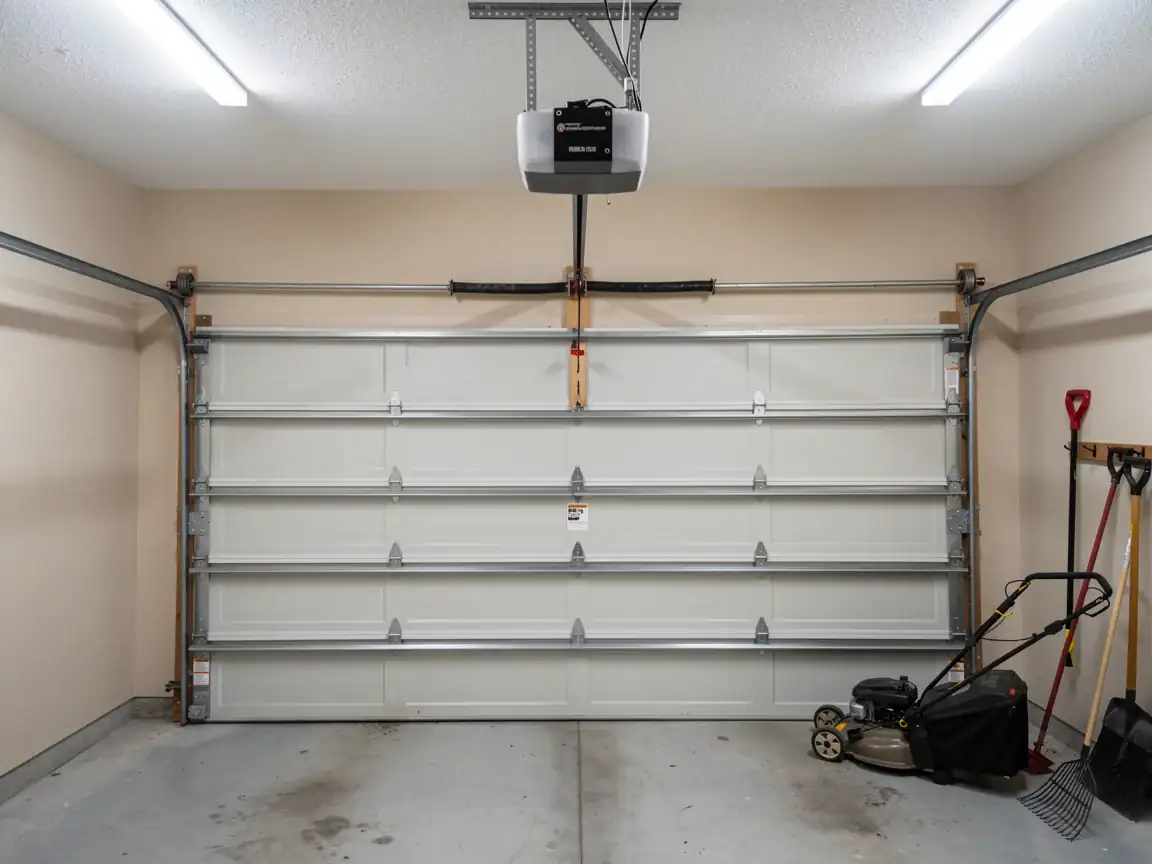
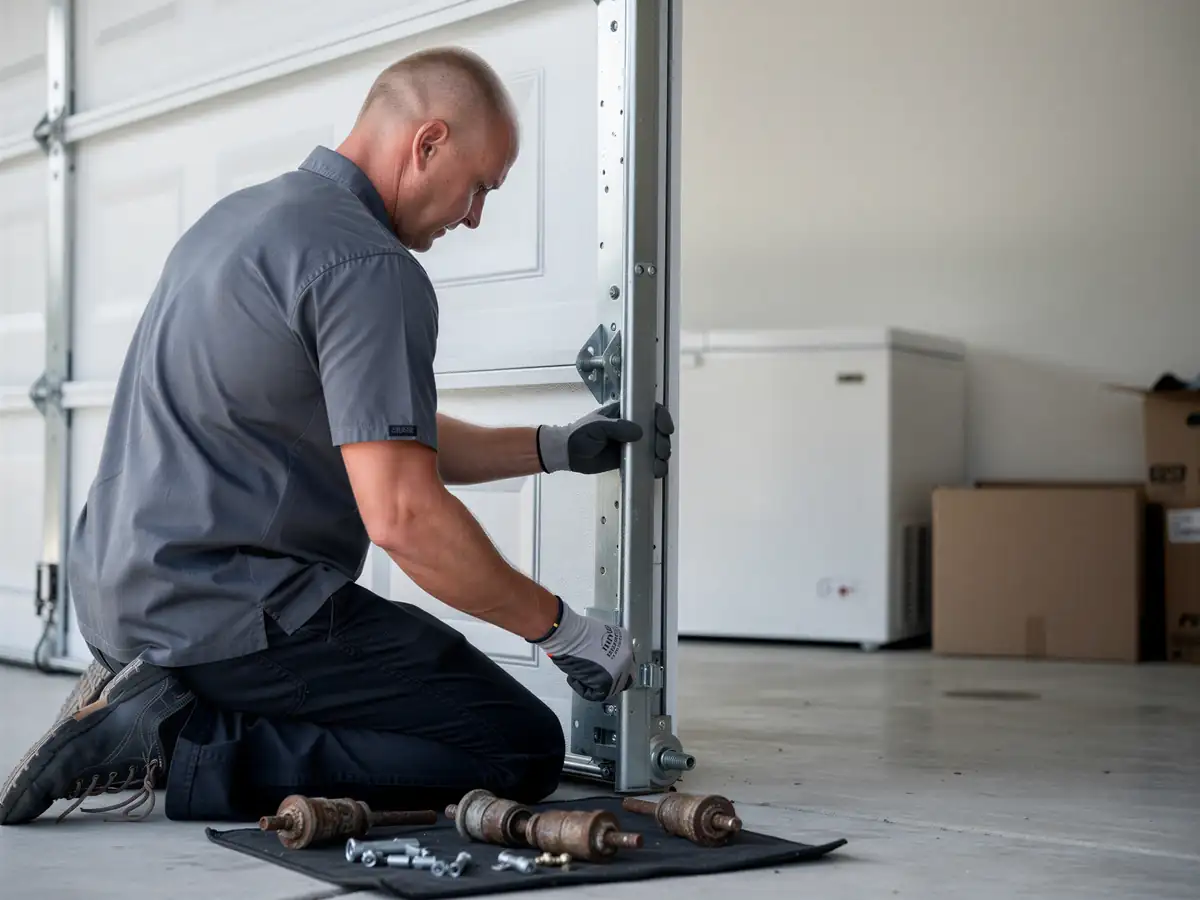
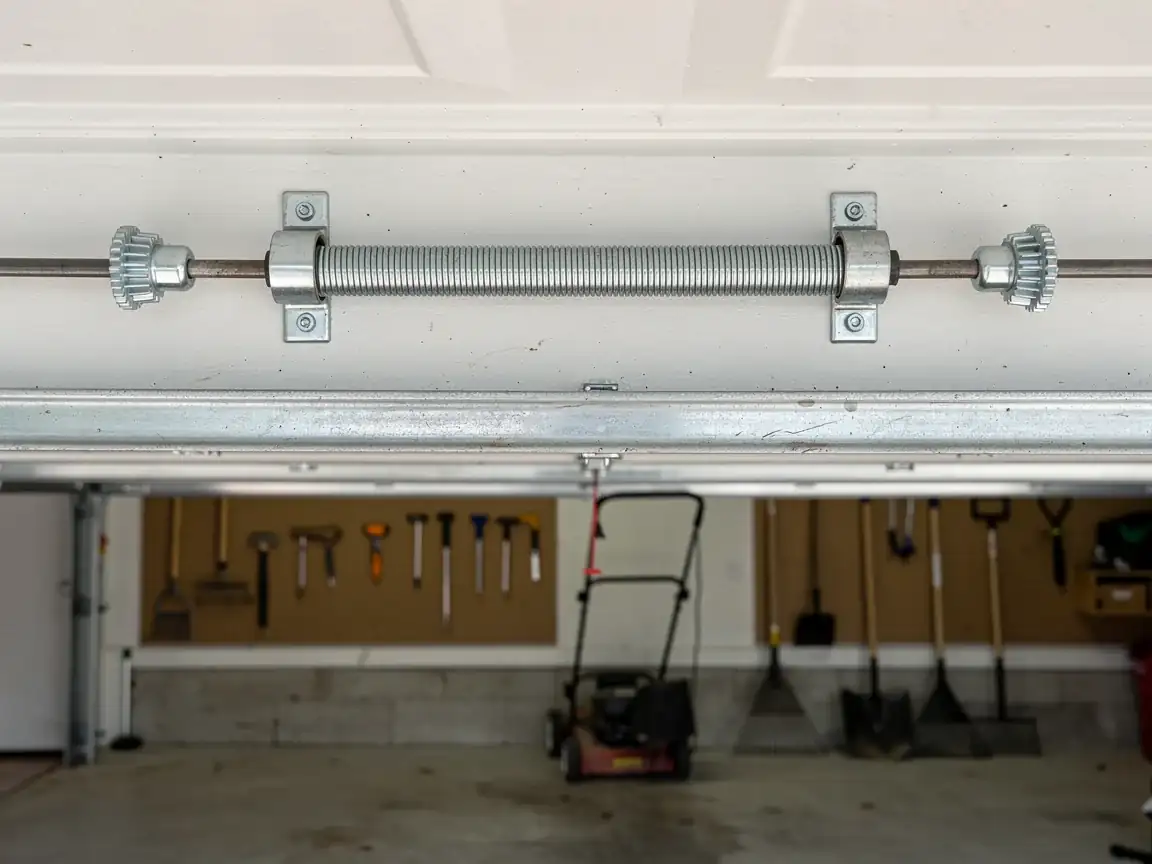
Built mostly 1964 through 2021, median 1987 - and you get a specific, common failure: torsion springs rated for a certain number of cycles that have been sitting through thirty-plus years of Florida humidity, used daily, with the factory lubrication long gone. The spring doesn't usually give out dramatically. It loses tension gradually, the opener starts working harder to compensate, and eventually either the spring snaps or the opener motor burns out trying to do the spring's job.
It's not a dramatic story
It's just steel fatigue plus humidity plus time, and in a service area where most houses are thirty-plus years old, that combination shows up on our schedule every week.
What Can Go Wrong
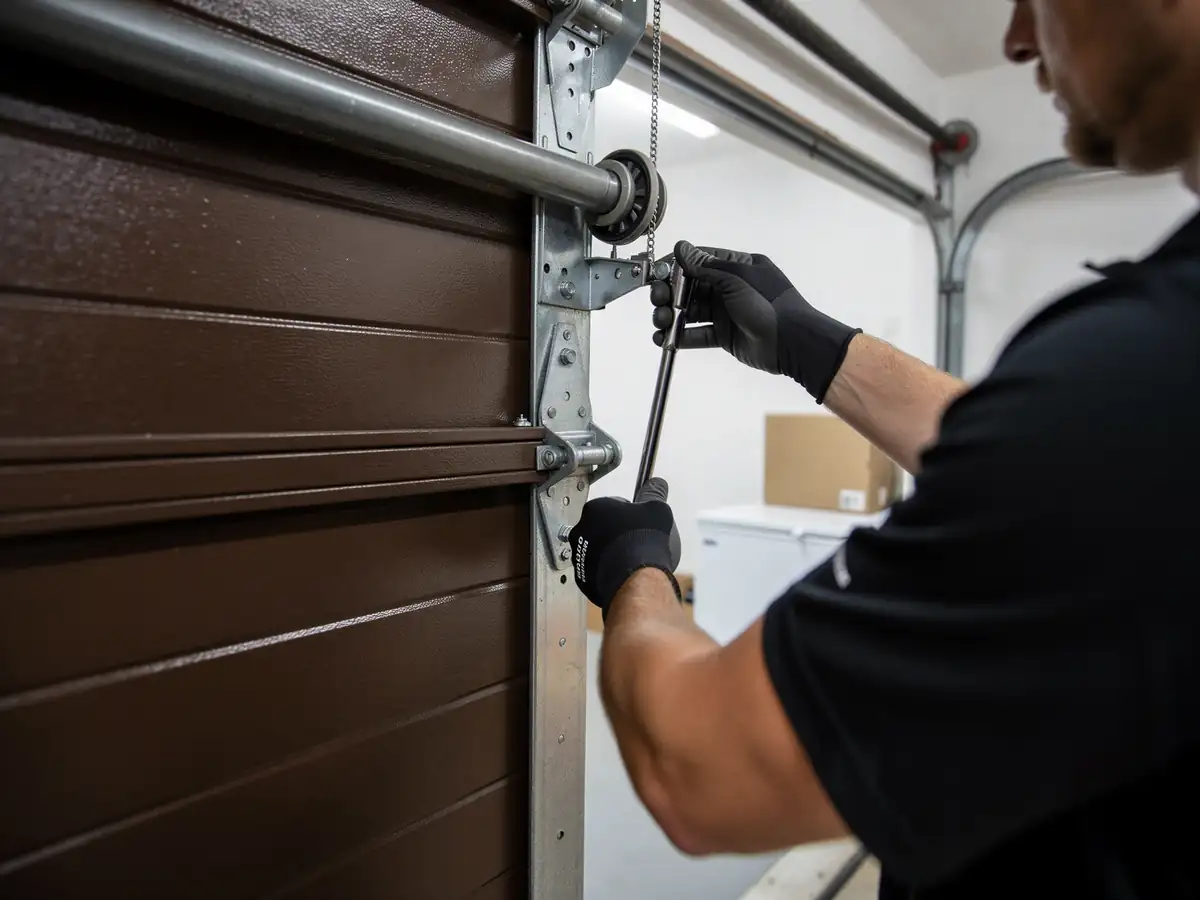
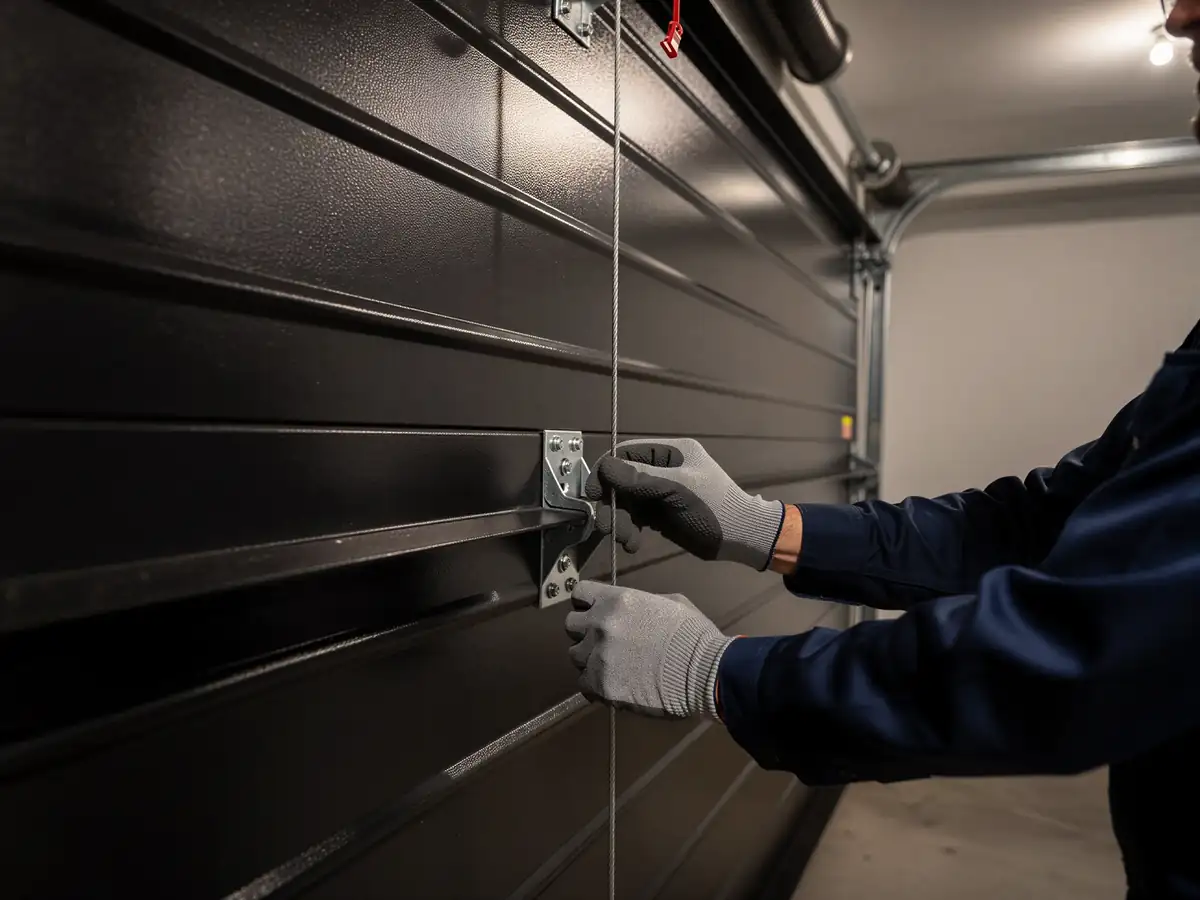
A torsion spring under tension is not a small thing to ignore. If it's audibly straining, or you've seen one cable fraying near the drum, that's not a wait-and-see situation - a spring or cable failure under load can drop a door fast, and it can take fingers or worse with it if someone's hands are near the track when it happens.
Left alone, a struggling opener motor will usually burn out trying to lift a door whose springs aren't doing their share of the work anymore. That turns a spring repair into a spring-plus-opener replacement, which is a bigger bill for the same root cause. Rollers that have gone dry from the humidity cycles here will also wear the track unevenly, and an out-of-true track eventually means the door binds or jumps the track entirely.
We don't recommend DIY spring work - torsion springs store enough energy to cause serious injury, and it's one job we're always willing to talk someone out of doing themselves. If your opener is original to a house built in the 80s or 90s, it's also worth asking us to check the spring at the same visit, since the two tend to fail close together in a house this age.