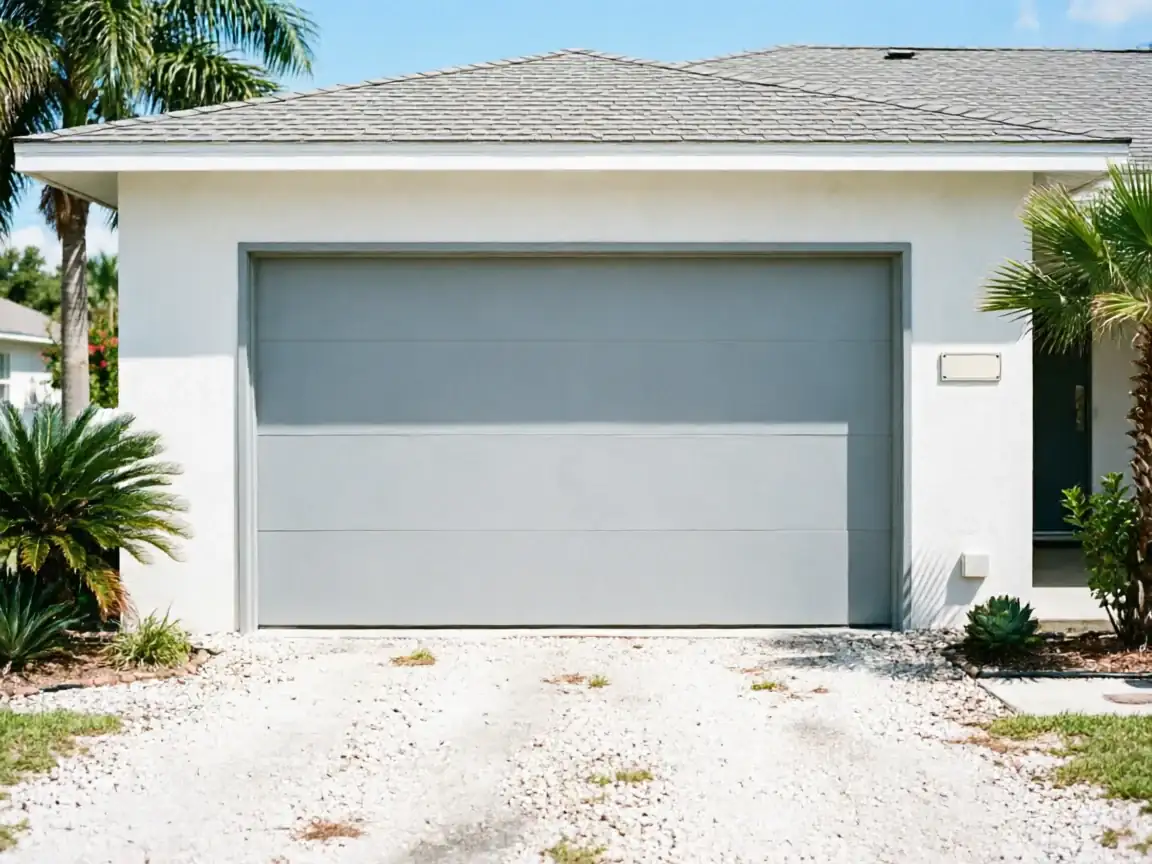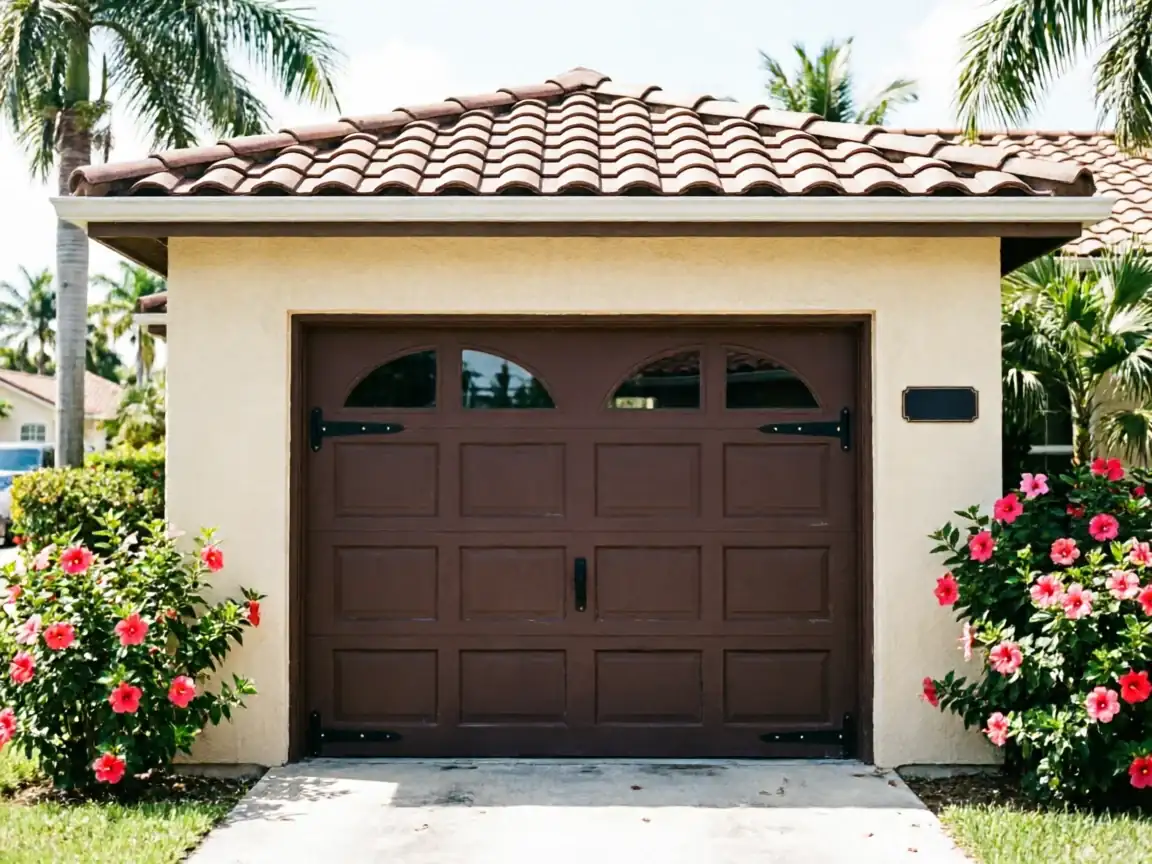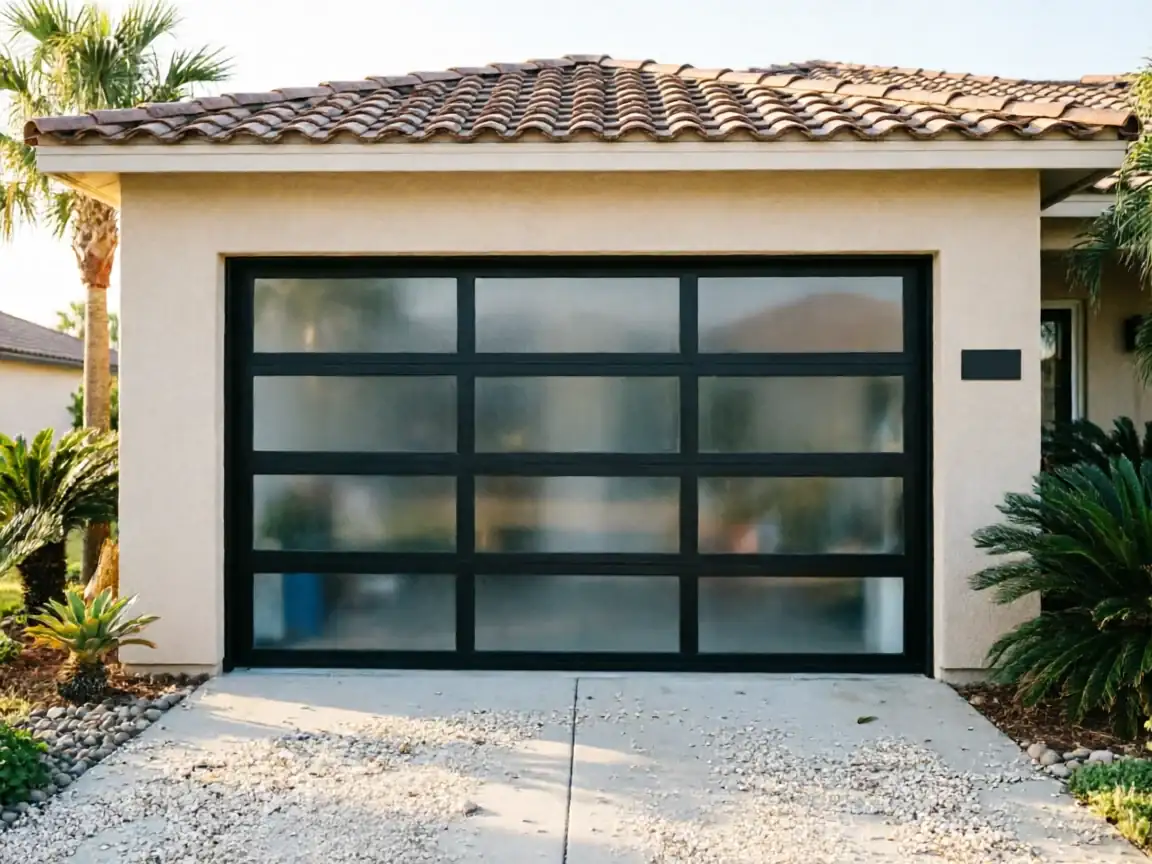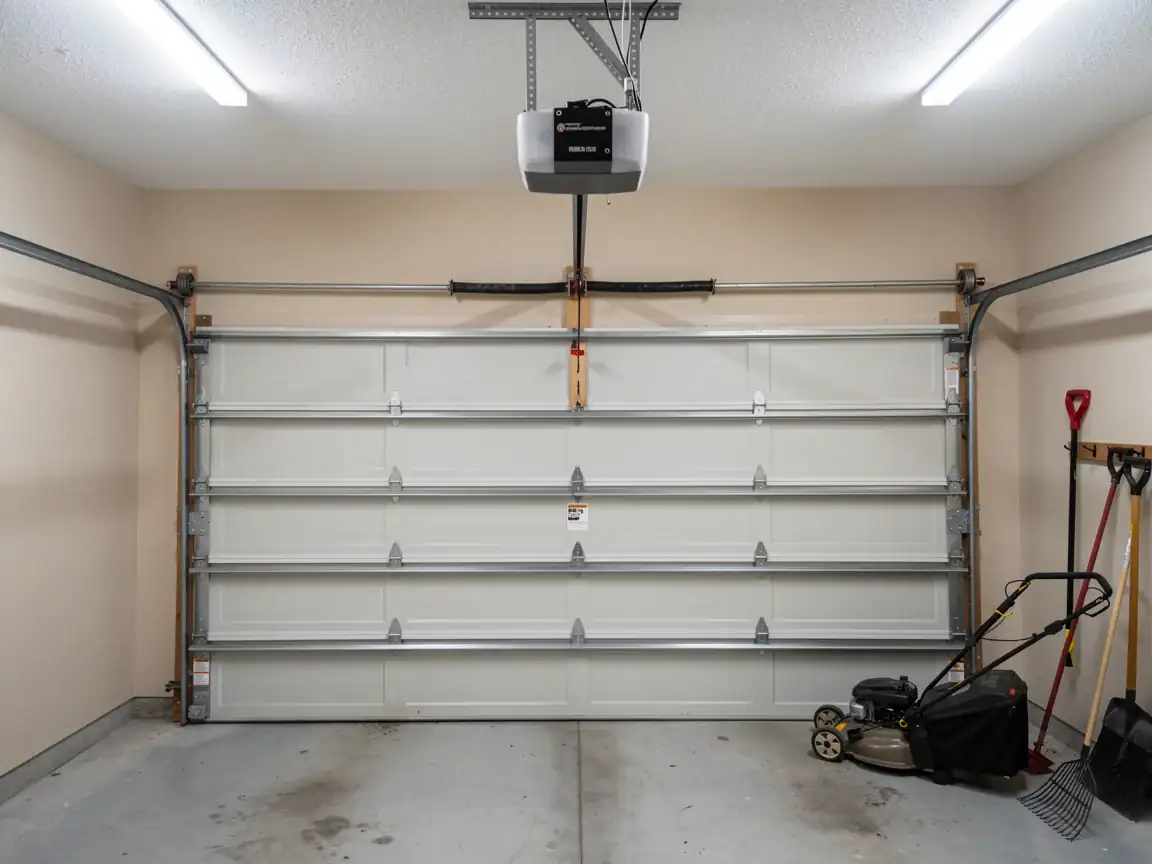
What It Costs
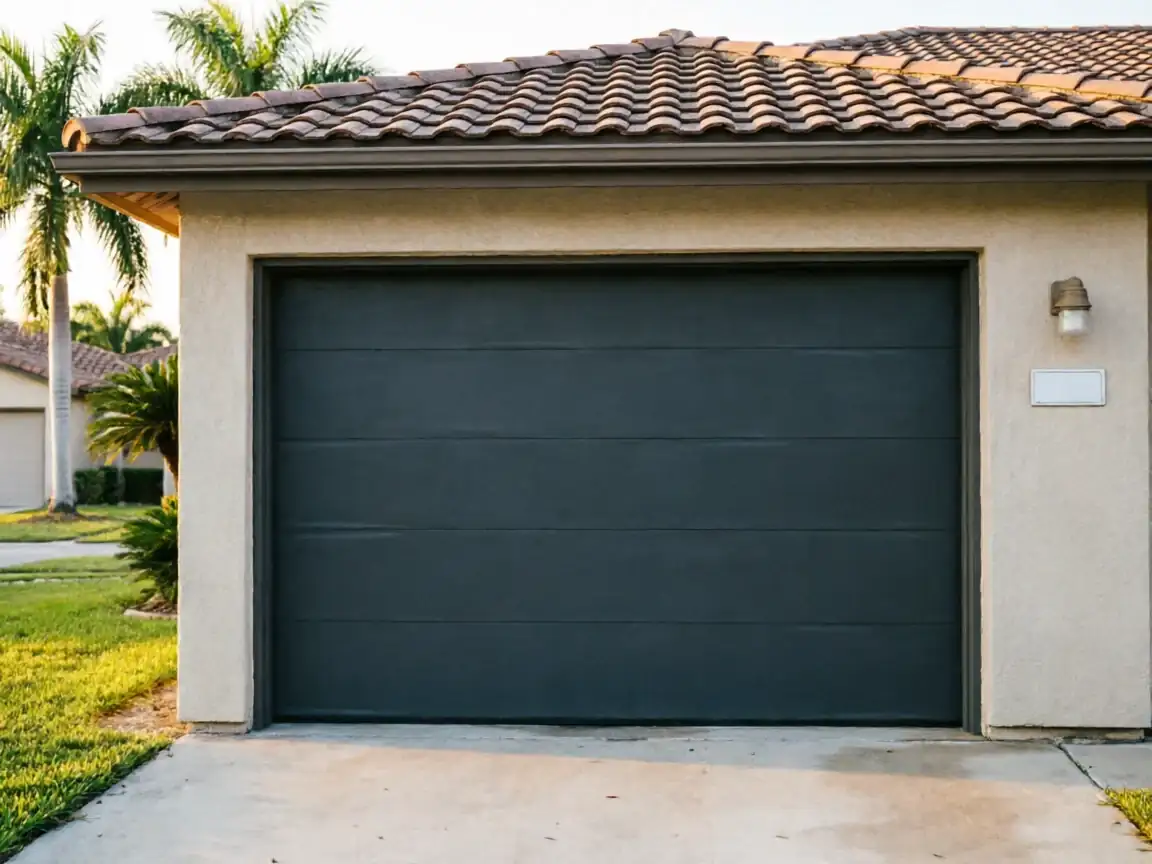
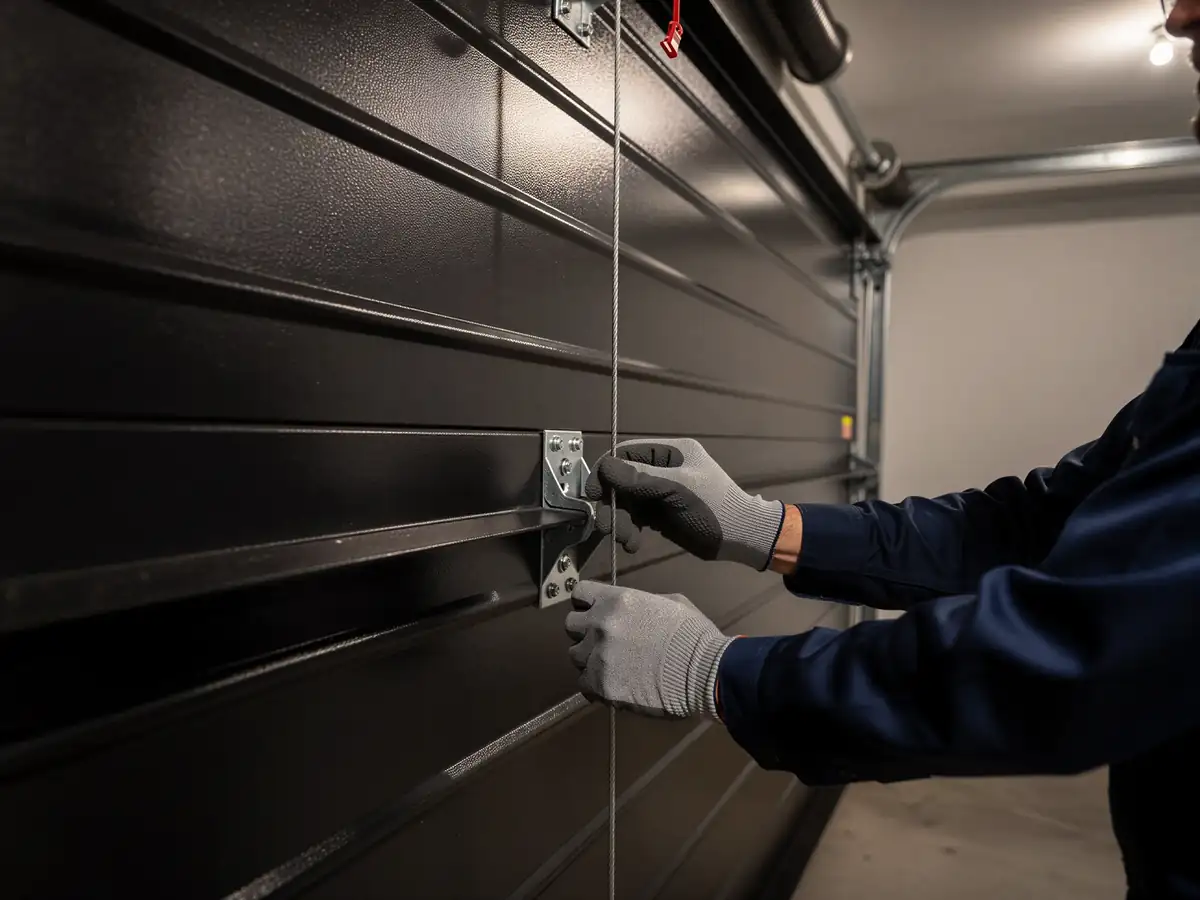
We don't post a flat number here because panel pricing depends on what's actually on the house, and Lake Butler is a different case than a lot of what we see closer to Winter Garden. With most homes built around 2004, you're looking at doors that are still within their original steel or composite panel run - no obsolete wood-composite sections, no discontinued profiles from the 1980s. That usually keeps cost down because the panel style is more likely to still be in production or to have a close match available. What drives the number is whether it's a single panel or a full section, whether the track and hinges need adjusting to take a new panel cleanly, and whether paint-matching matters to you. We'll give you a number after we look at the door, not before.
How Long You Are Without the Door
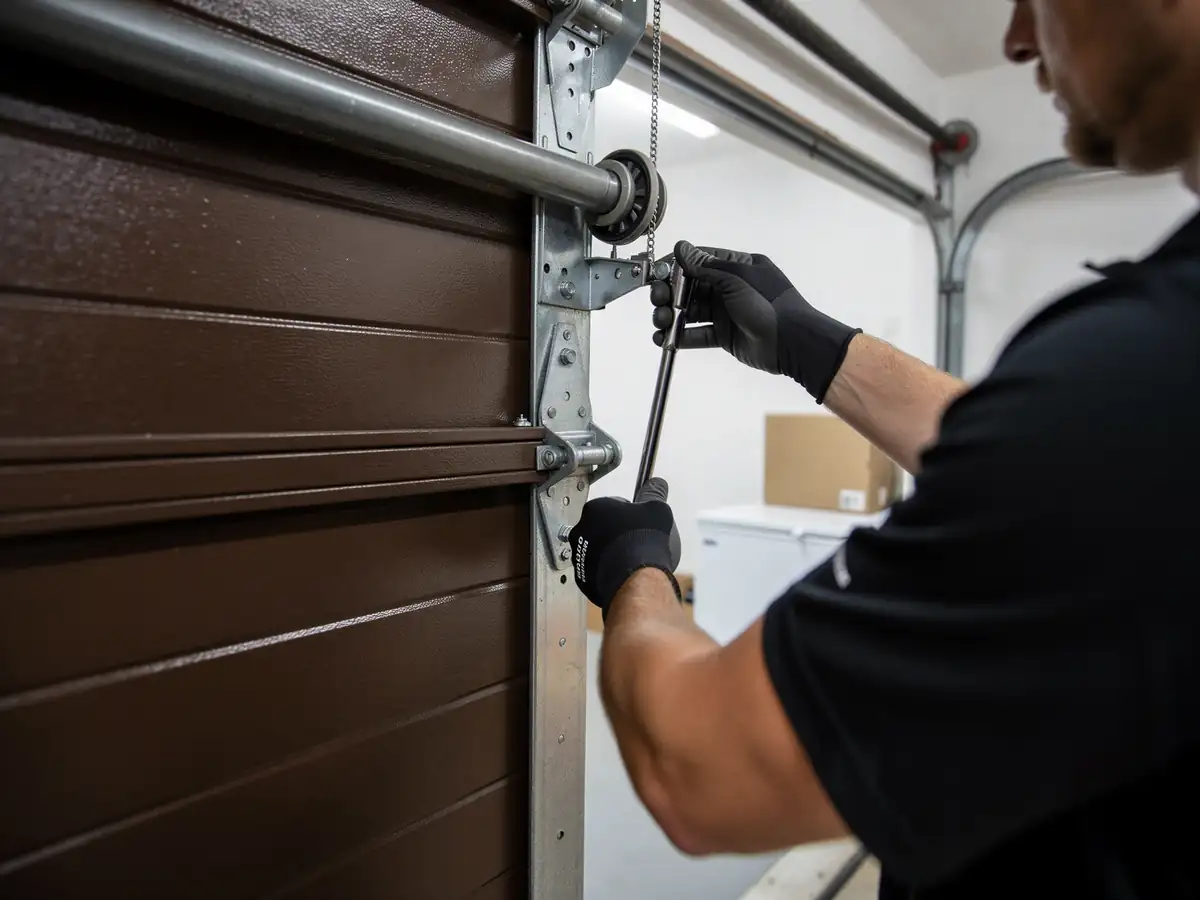
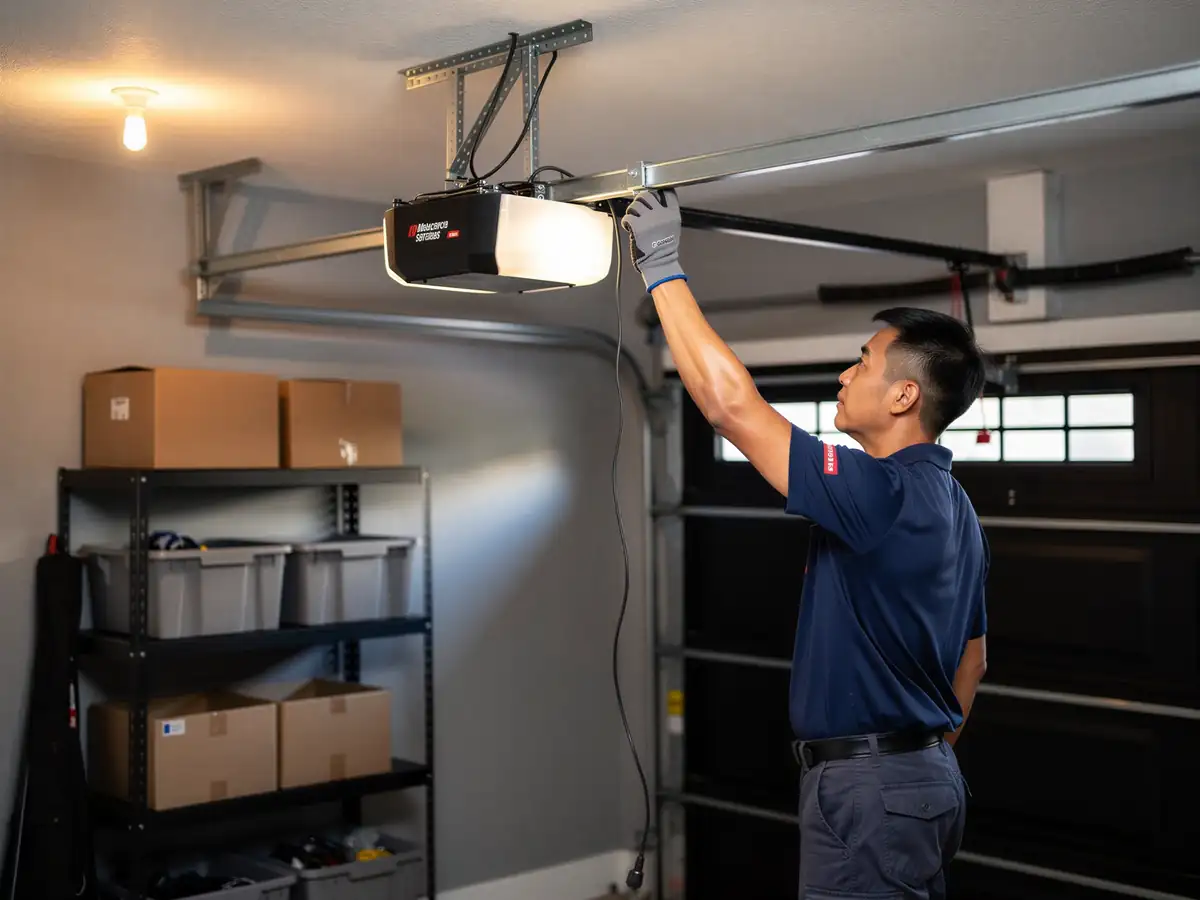
A single panel swap on a door this age is usually a same-visit job once the part is on the truck or ordered in. Because the housing stock here is newer, hardware alignment tends to be more cooperative - less rust, less warping, fewer surprises once we pull a damaged section. That doesn't mean zero surprises. If the track got bent in whatever hit the panel, or if the opener's travel limits need resetting after the new section goes in, that adds time to the same visit rather than a second trip. We're coming from Winter Garden, about 5 miles out, so the drive isn't the bottleneck - the parts fit and the adjustment are.
Stocked Parts
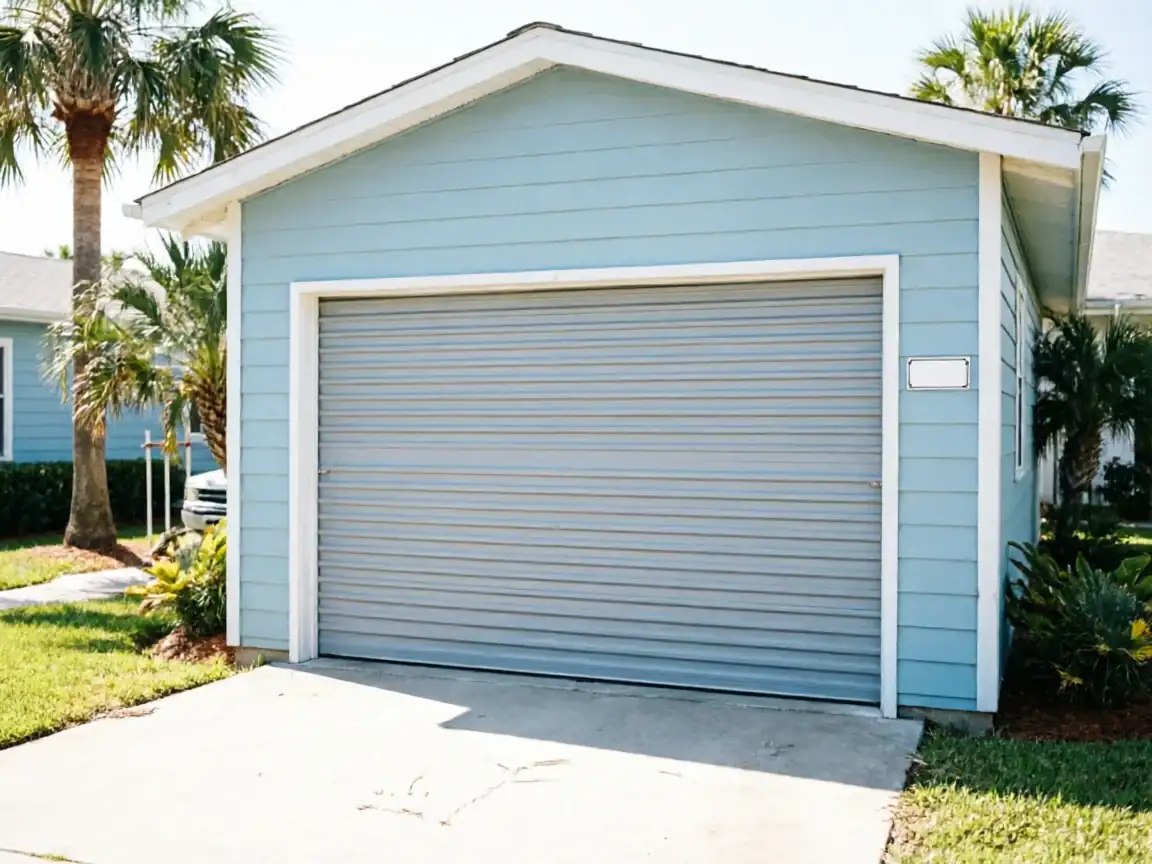
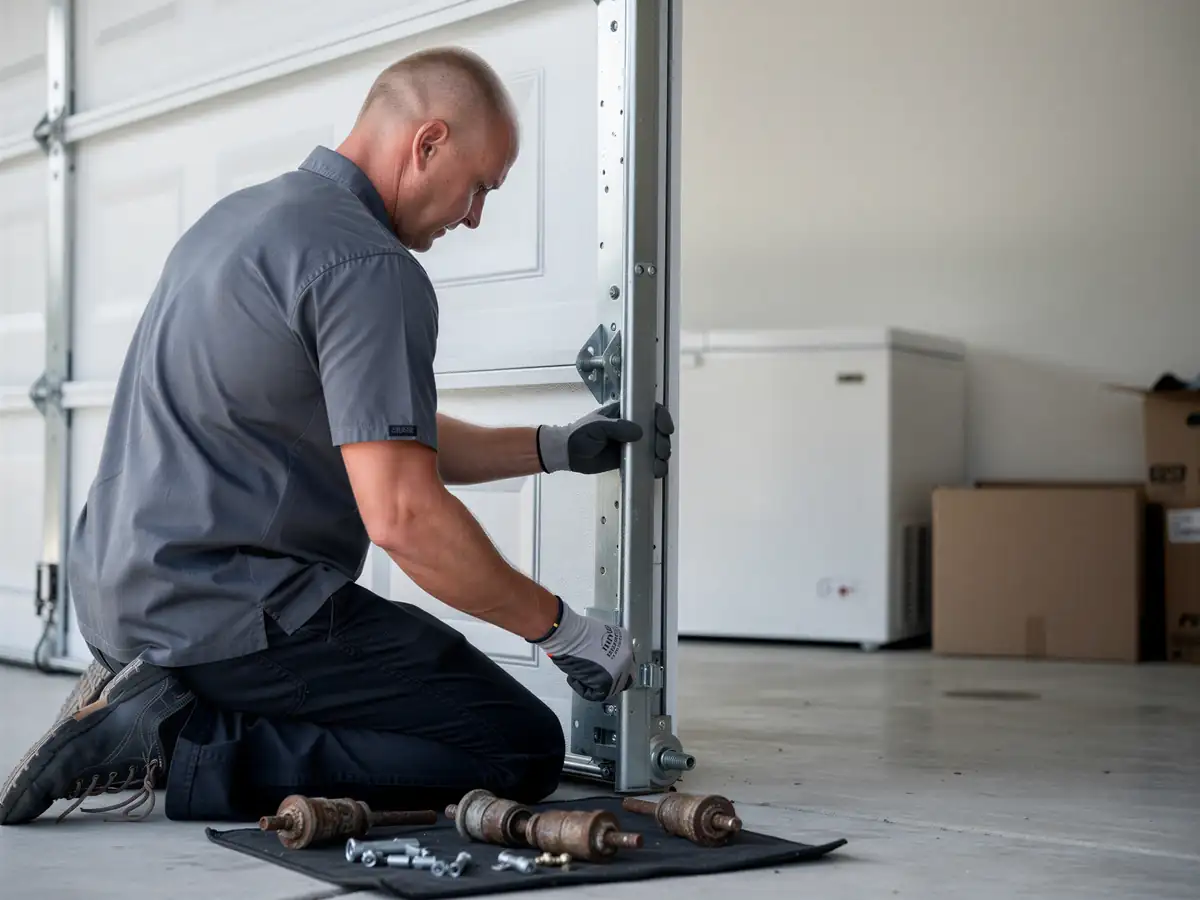
Because most of Lake Butler's garage doors date to around 2004 rather than the 1980s stock that's common elsewhere in the areas we cover, the panel profiles are more likely to be current production lines, which means a better shot at an exact match sitting on the truck instead of a special order. Older doors from the 1960s through 80s often need a panel sourced to match a discontinued run, and that's the kind of job where we're honest that it can take longer. Here, the newer build years work in your favor - less hunting, less waiting, more jobs closed on the first visit.
What You Are Seeing
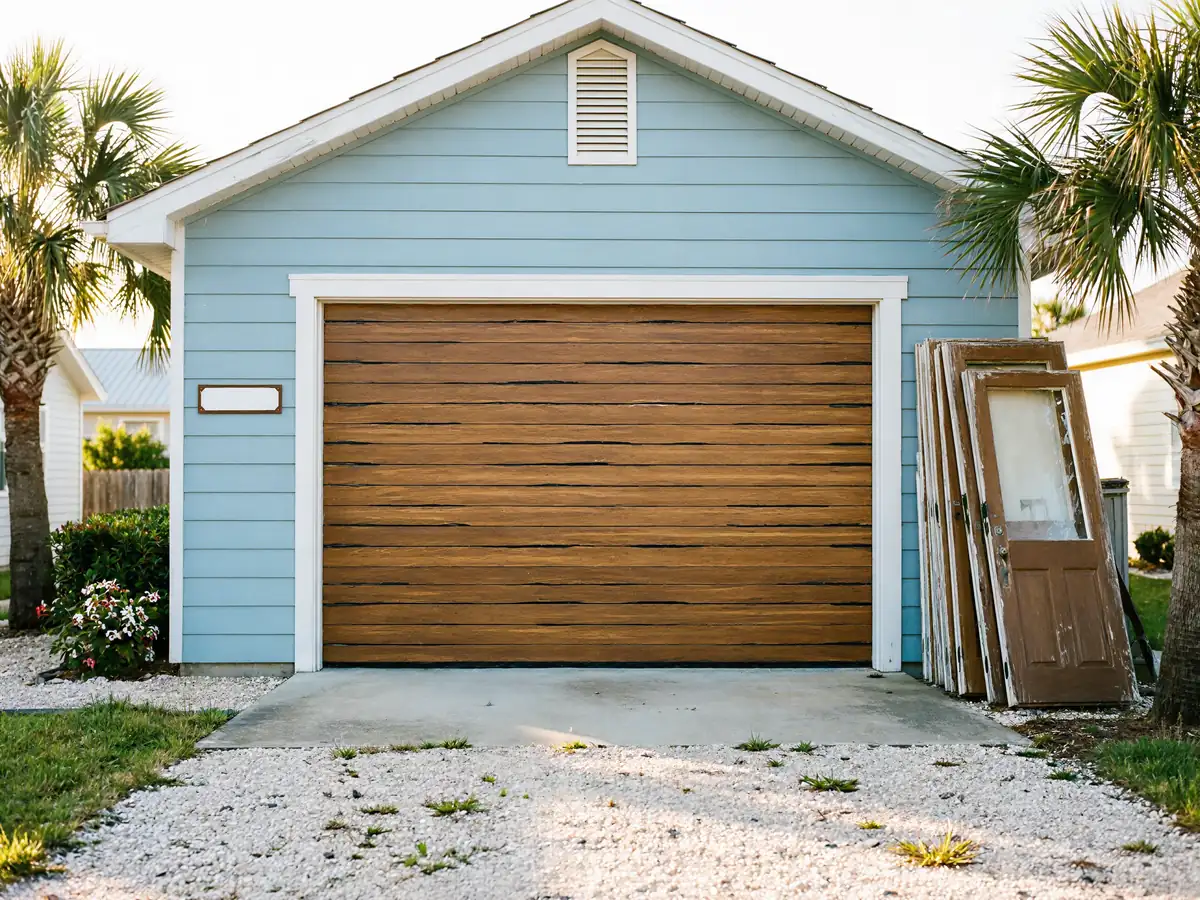
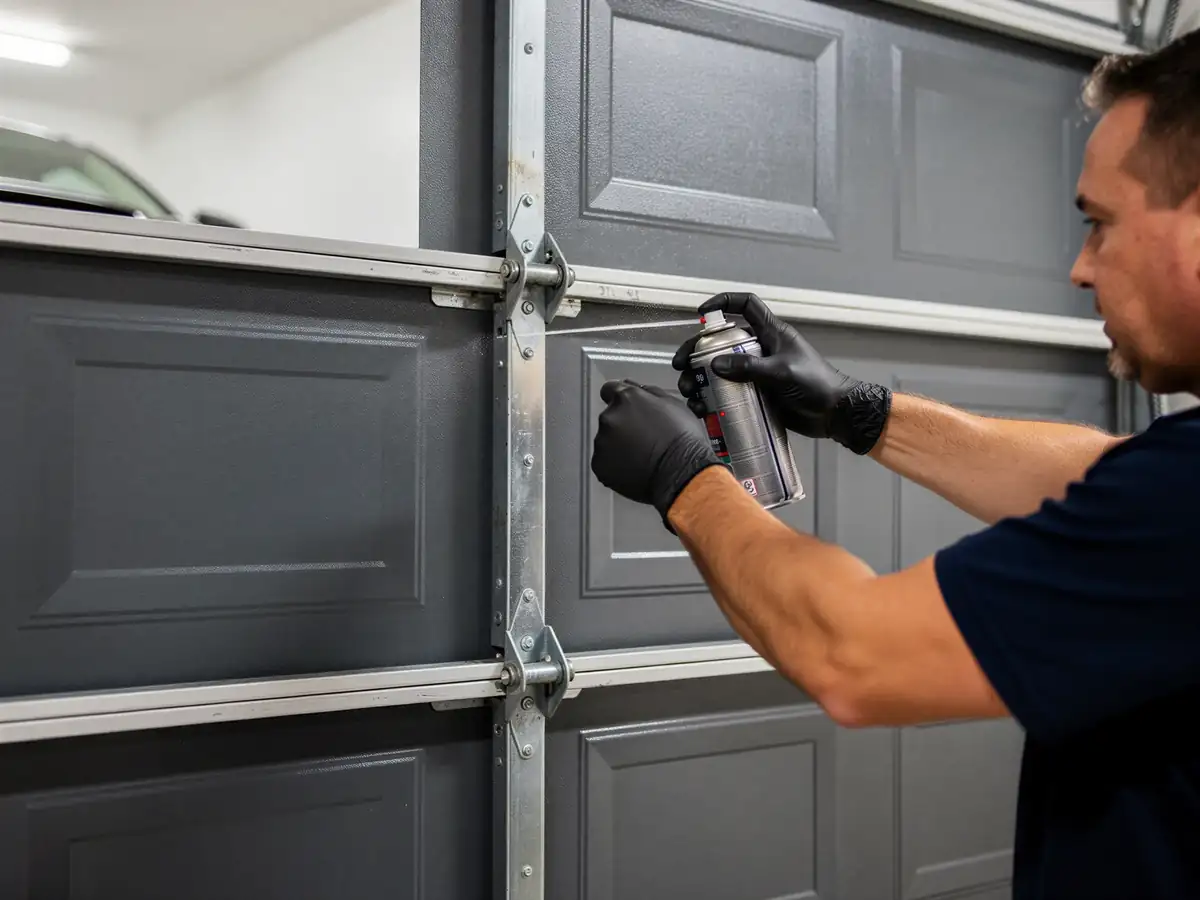
On a 2004-era door, panel damage usually comes from an impact - a car bumper, a dropped ladder, a trailer hitch backing in wrong - rather than age-related failure. You won't typically see the rust-through or wood rot we deal with on older doors in parts of the service area built decades earlier. What you will see on a dent or crack is whether it's cosmetic or structural: a shallow dent that doesn't affect the track run can sometimes wait, but a crack at a hinge point or a section that's bowed enough to bind the rollers needs replacing before it takes out the opener trying to force a door that won't travel straight.