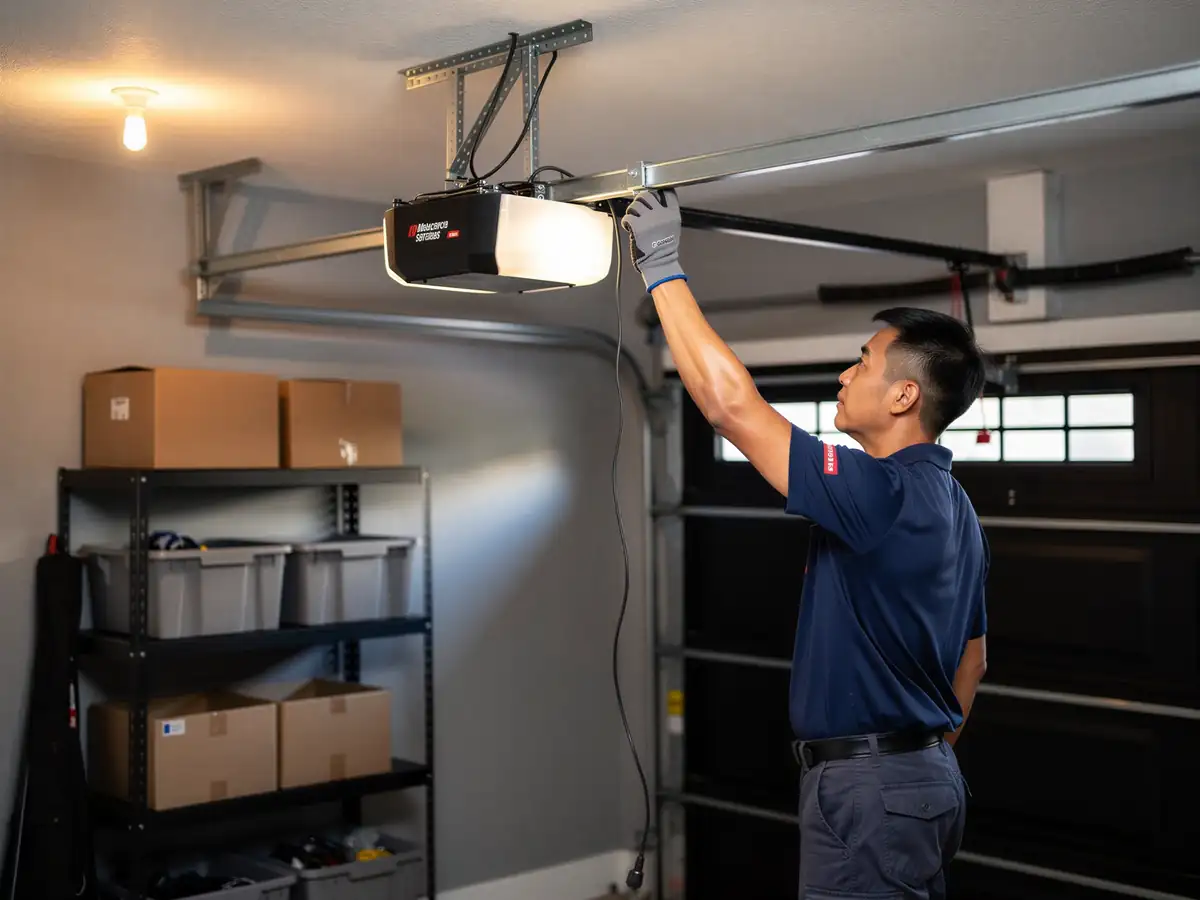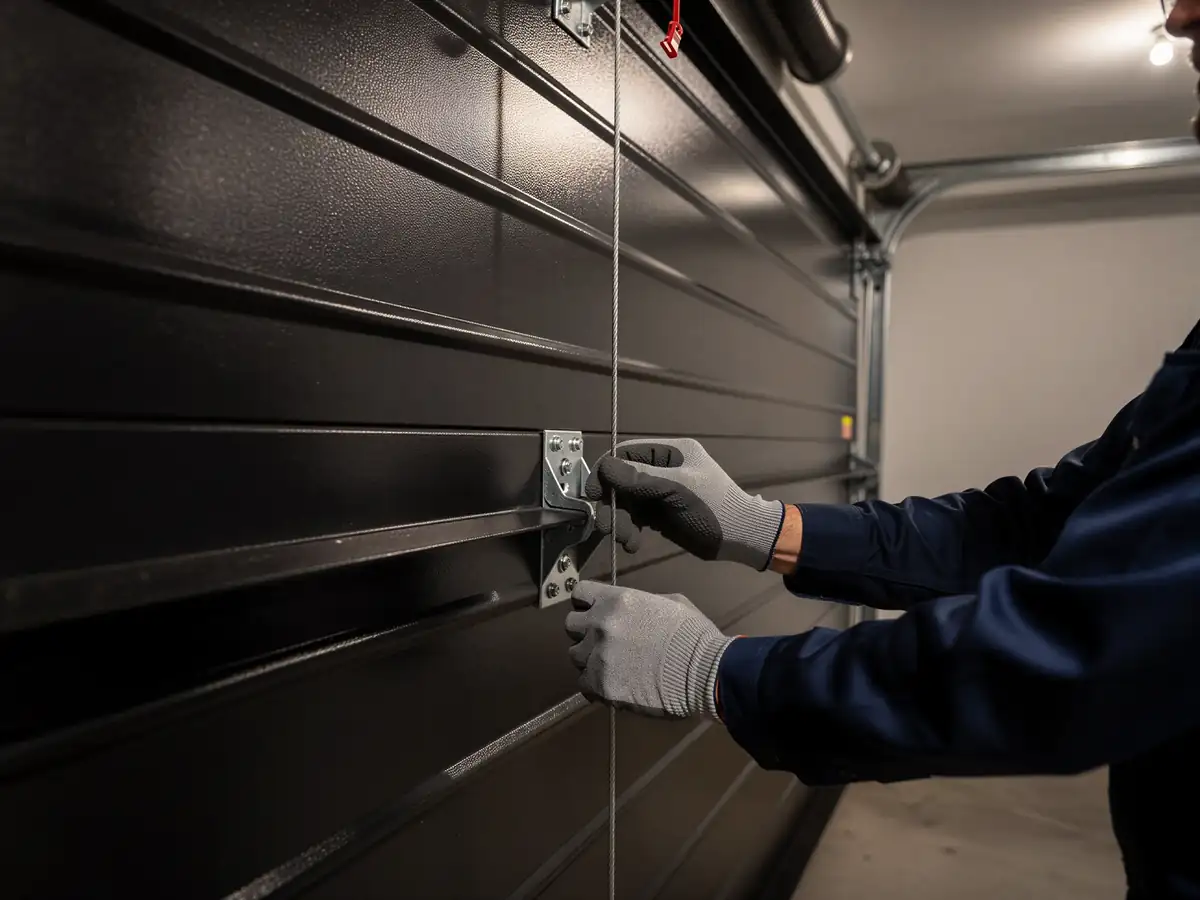
What You Are Seeing
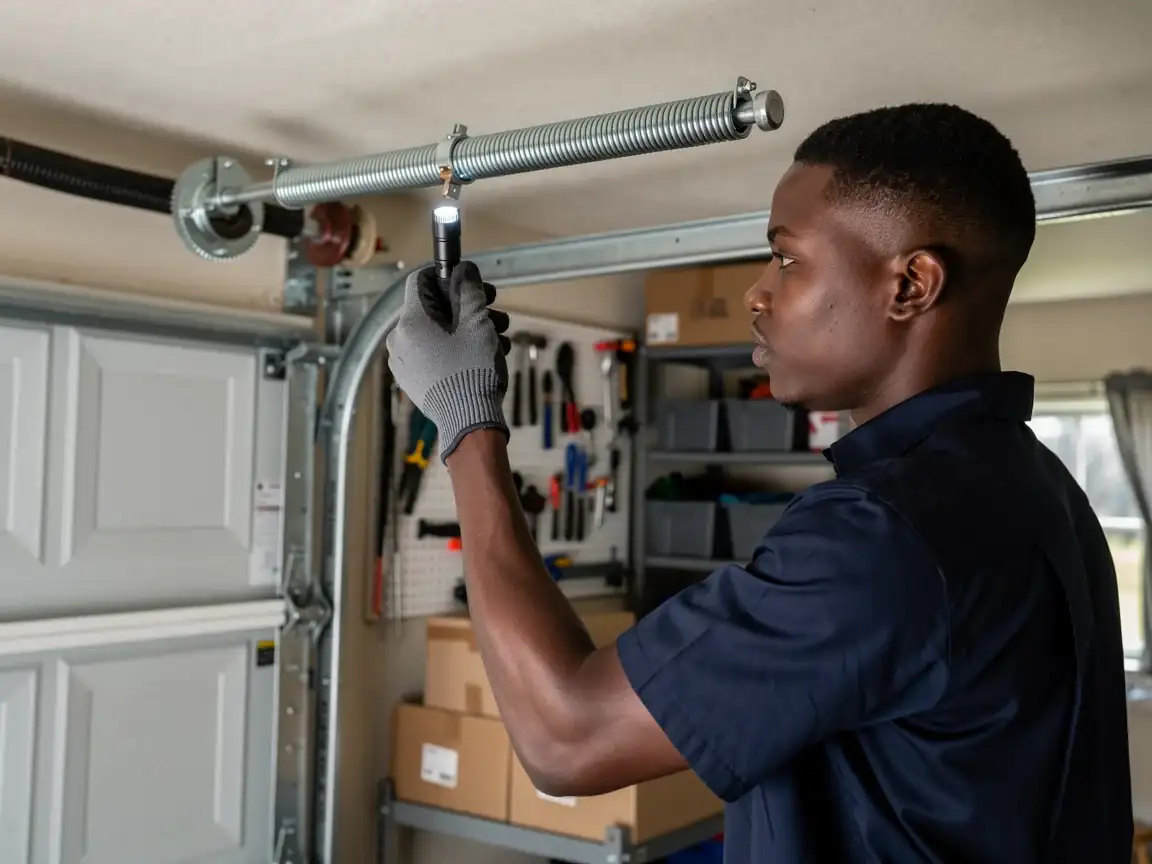
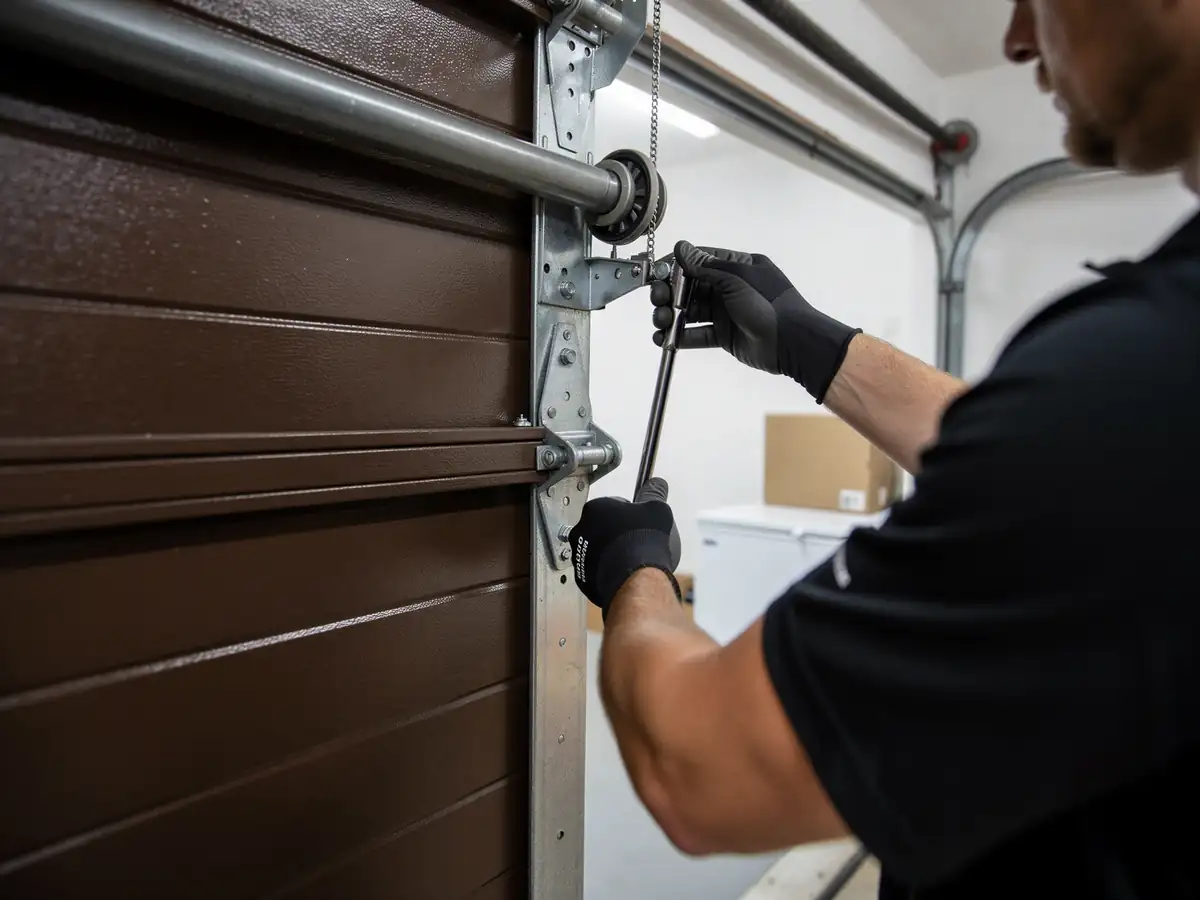
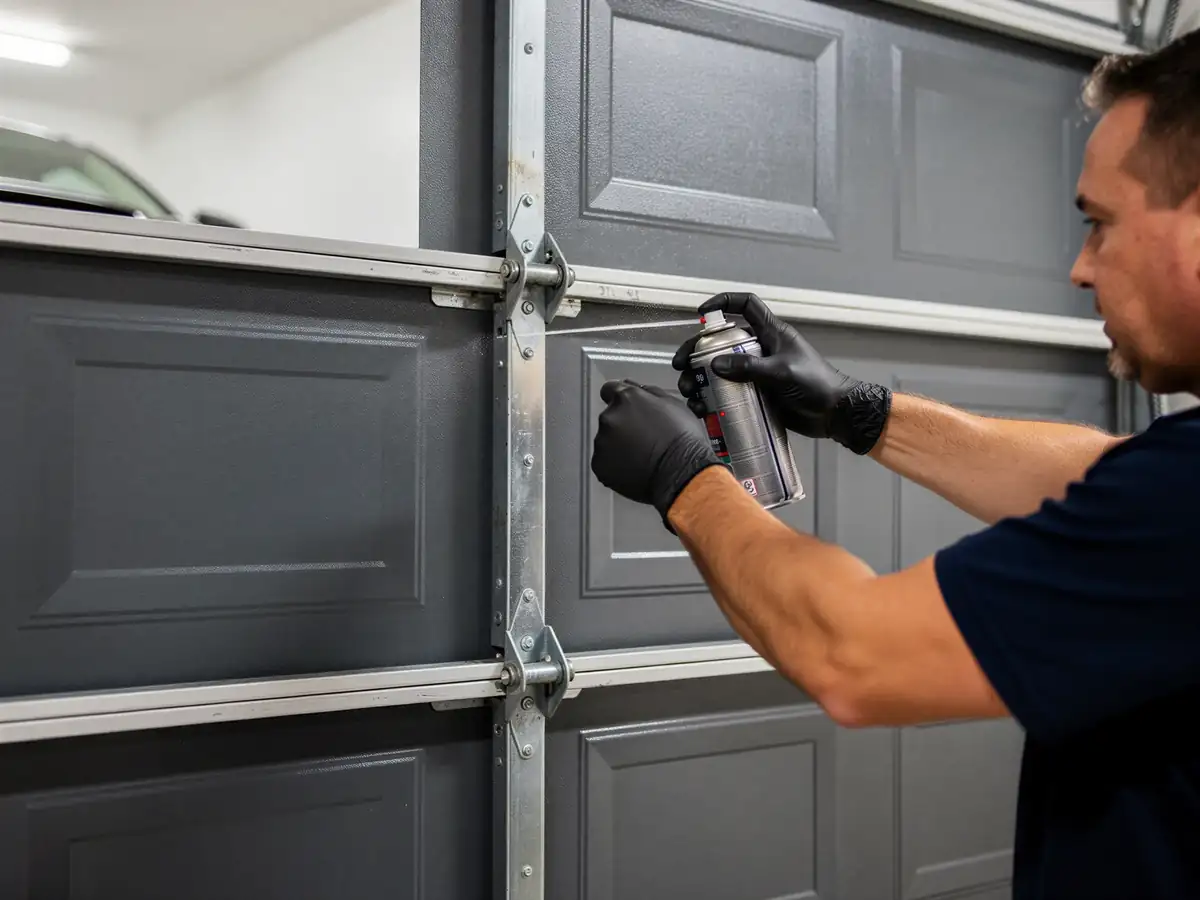
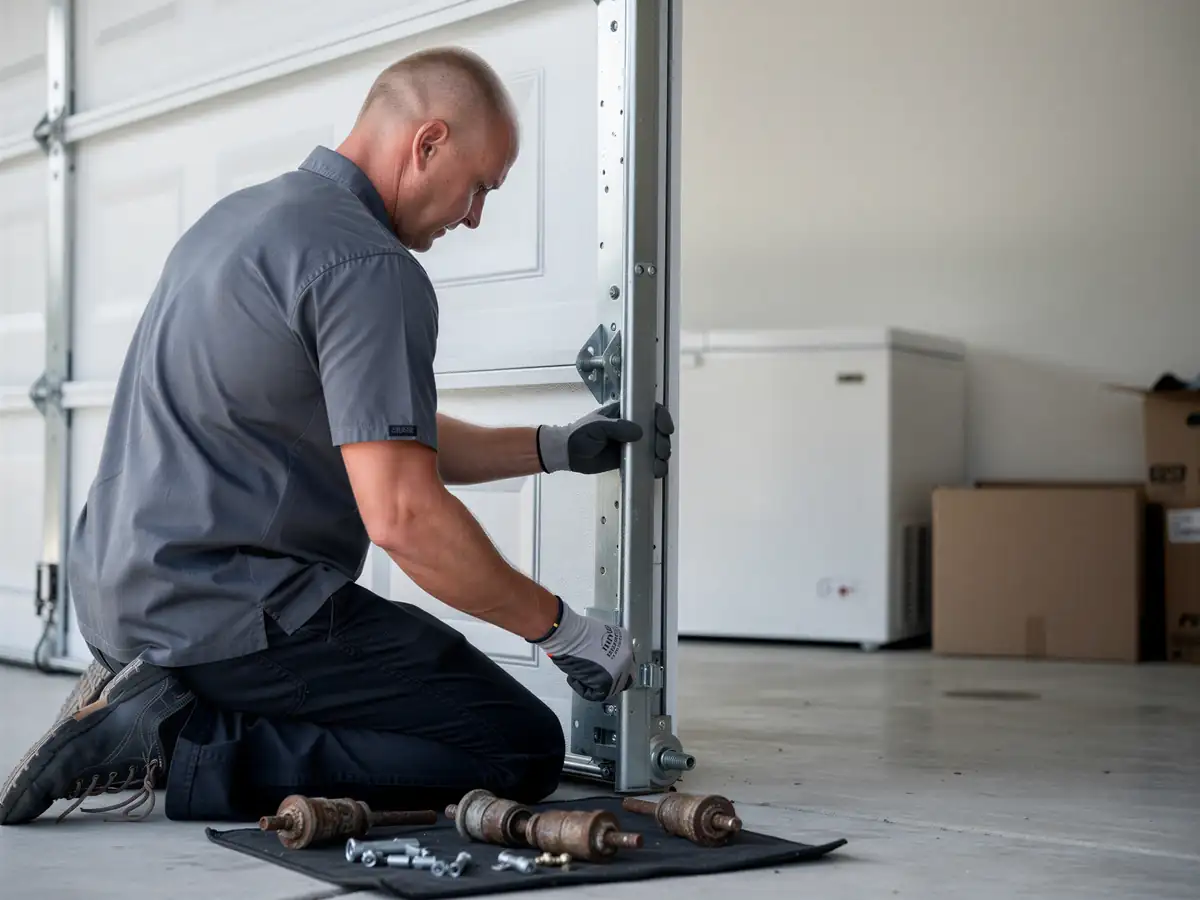
If your door is grinding, hopping in the track, or making a sharp click every few inches as it travels, the rollers are usually the reason. Nylon rollers wear down over years of travel and start to flat-spot or crack at the stem. Steel rollers, common in older builds across this area, lose their bearings and start to rattle or bind in the track. You might notice the door hesitate at the same spot every cycle, or see a roller wheel that looks chipped or egg-shaped instead of round.
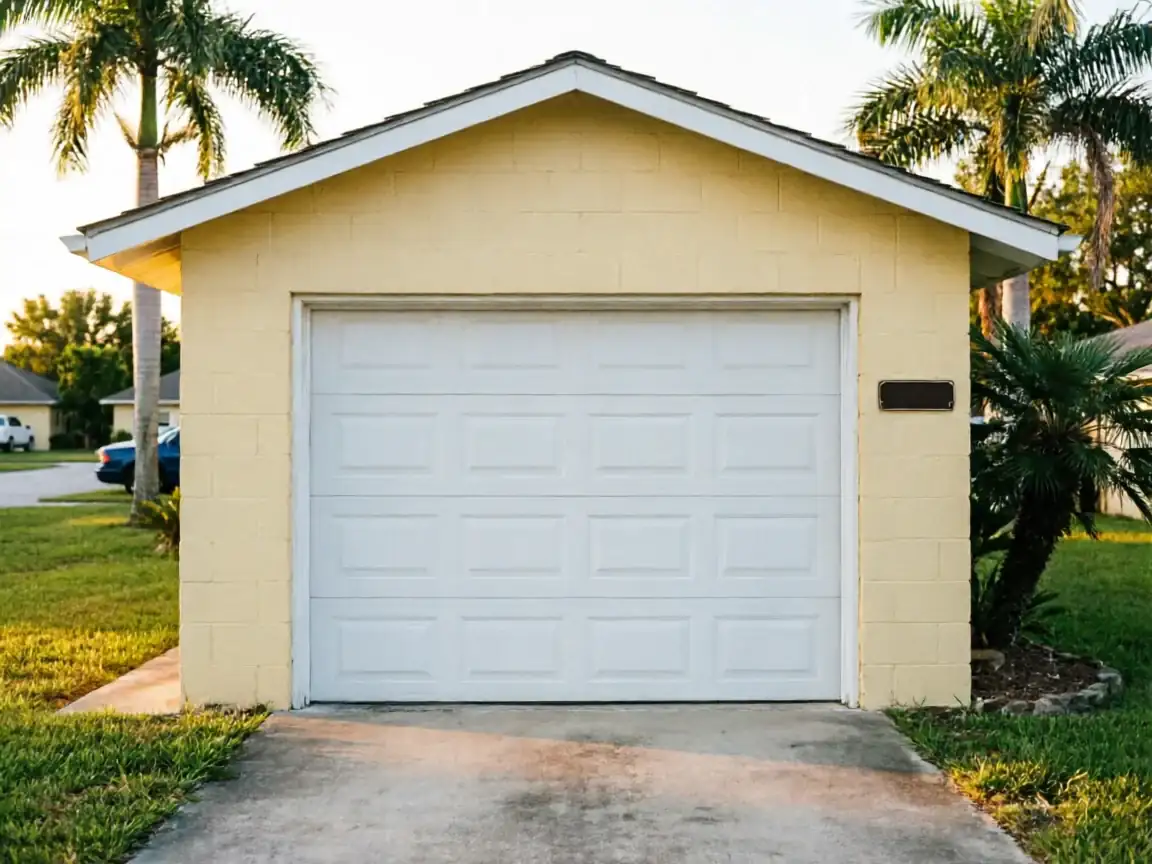
A lot of the housing stock here dates from the 1960s through the early 2000s, with the bulk of it built in the 1980s and 1990s, and most of those homes are still running whatever rollers came on the original door or the last full replacement. That's decades of cycles on steel wheels and plain bearings never meant to last forever. When a roller finally gives out, it doesn't always announce itself with a loud bang - sometimes it's just a slow, grinding complaint every time the door opens.
A stuck or seized roller puts side load on the track and the hinge it's bolted to. Left alone, that stress bends the track rail or cracks the hinge, which turns a roller job into a bigger repair.
What It Costs
Roller replacement pricing depends on a few things we can't guess from a web page: how many rollers are worn versus just one or two, whether you want nylon or steel, and whether the track or hinges took damage from the bad roller. A full set replacement costs more than swapping two or three rollers on one side, and nylon rollers run higher than basic steel but run quieter and last longer in most homes we see.
We don't publish a flat number here because it's not honest to - a single-roller fix on a door that's otherwise fine is a different job than a full-set swap on a door with a bent track. What we can tell you: this is a parts-and-labor repair, not a full door replacement, and it's one of the more affordable fixes we do. If a technician gets out there and finds the track is bent or a cable is frayed too, that gets priced separately and we'll walk you through it before any work starts.
Why It Happens Here
Winter Garden sits in a mild temperate climate band
No deep freezes, no extreme swings - which sounds like it should be easy on garage door hardware. In some ways it is: you don't get the metal contraction and expansion that cracks rollers in cold-winter states. But humidity and heat cycle every day here, and that steady damp warmth works differently. It dries out factory grease in roller bearings faster than a drier climate would, and it lets rust creep into steel roller stems and track rails, especially on doors facing afternoon sun or sitting near sprinkler overspray.
Across the area - homes built anywhere from the 1960s through 2021
With most of the stock from the 1980s and 90s - a lot of original hardware has simply reached the end of its service life at the same time. A roller that was fine ten years ago is often the roller failing now, not because of one bad event but because nylon and steel both have a ceiling on cycle count, and three or four decades of daily use gets you there. That's the pattern we see on repair calls across Winter Garden and the surrounding towns in this service area - not storm damage, just ordinary wear catching up with ordinary age.
What Can Go Wrong
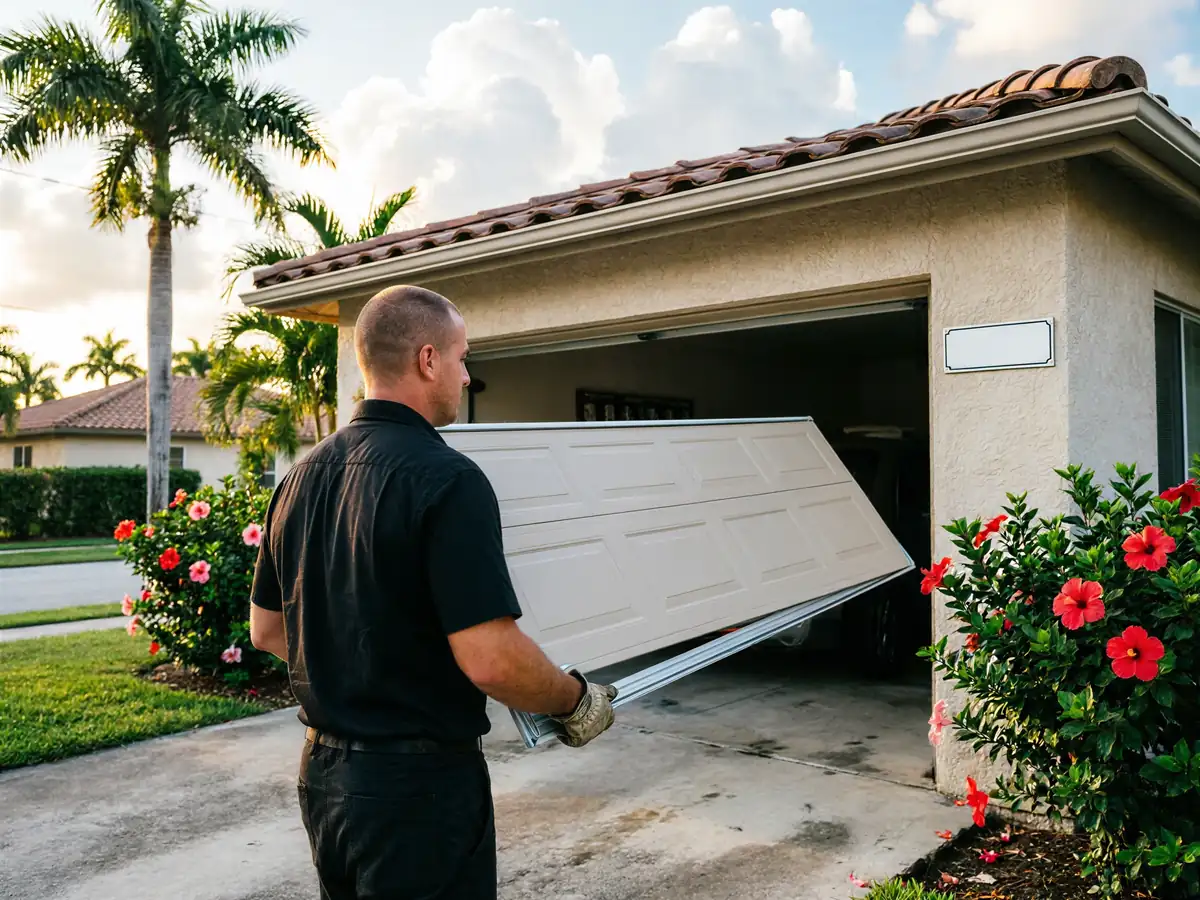
A worn roller rarely stays a simple fix if it's ignored. The most common escalation is the roller jumping the track entirely, which can jam the door half-open or half-closed and sometimes bends the track rail enough that it needs straightening or replacing - a bigger job than the roller itself.
Second, a seized roller puts extra strain on the opener. If the opener motor keeps trying to pull a door that's binding on a bad roller, you risk burning out the drive gear or stripping the chain or belt, which turns a roller repair into an opener repair too.
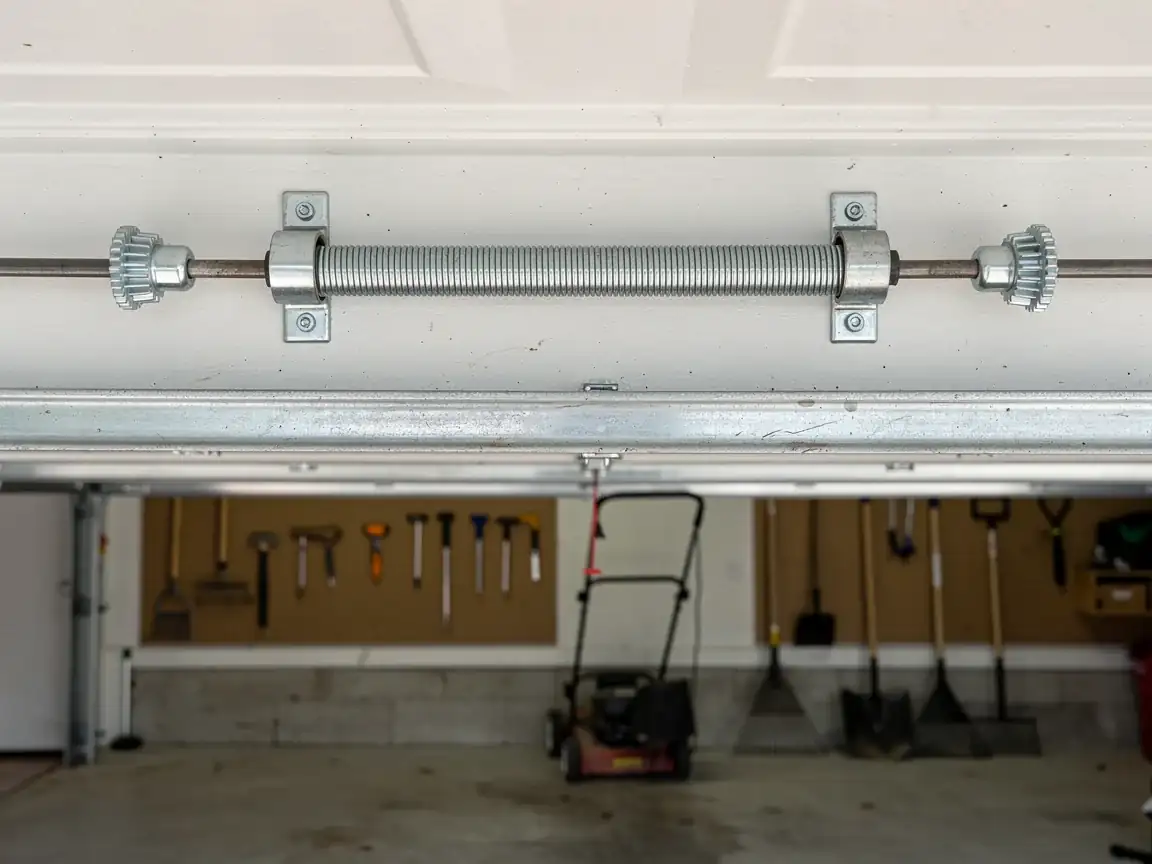
Third, and this is the one we'd flag honestly: if the rollers are original to a door that's also showing a rusted spring, frayed cable, or a warped panel, roller replacement alone won't fix the real problem. In that case, replacing just the rollers is a short-term patch, and we'll say so rather than sell you a job that doesn't address what's actually failing. Sometimes the honest answer is that the door itself is due, not just the rollers riding in it.