The Problem
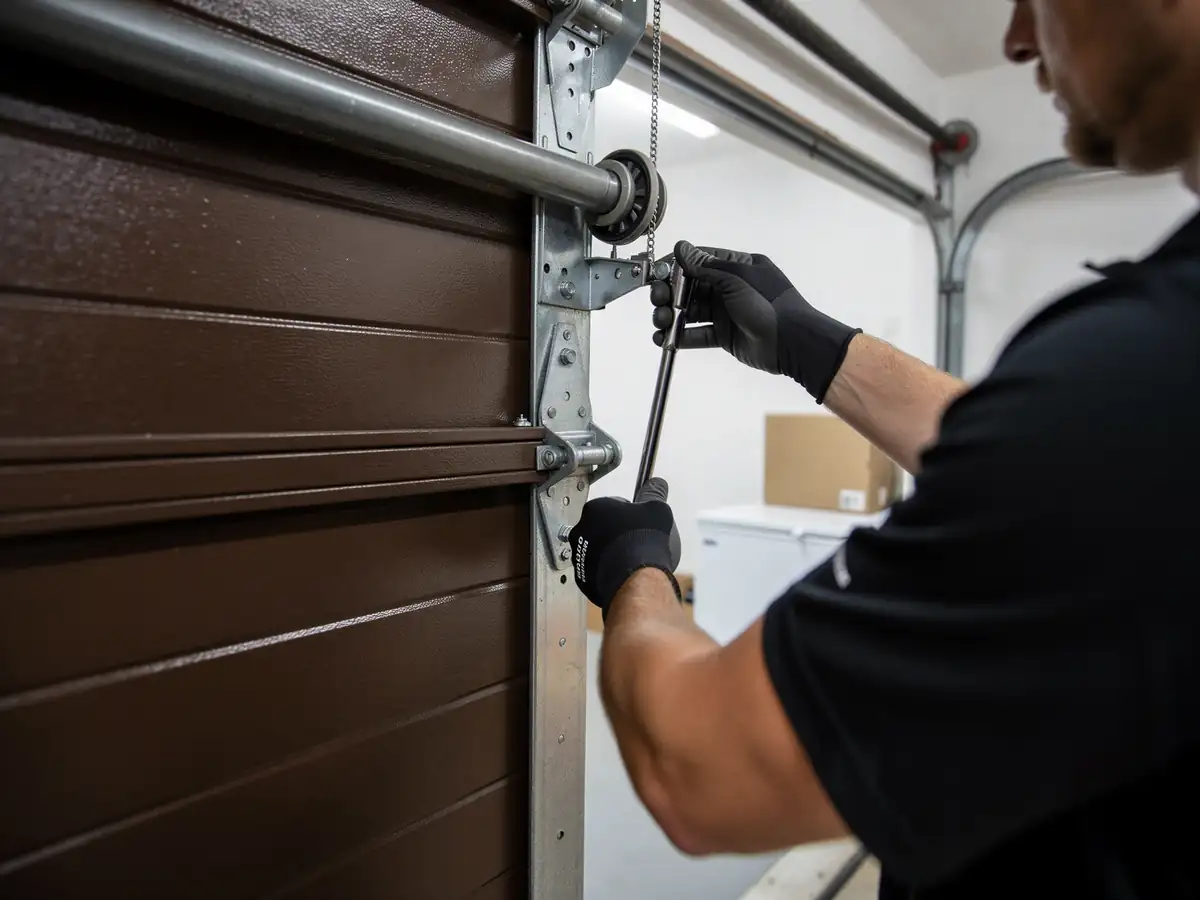
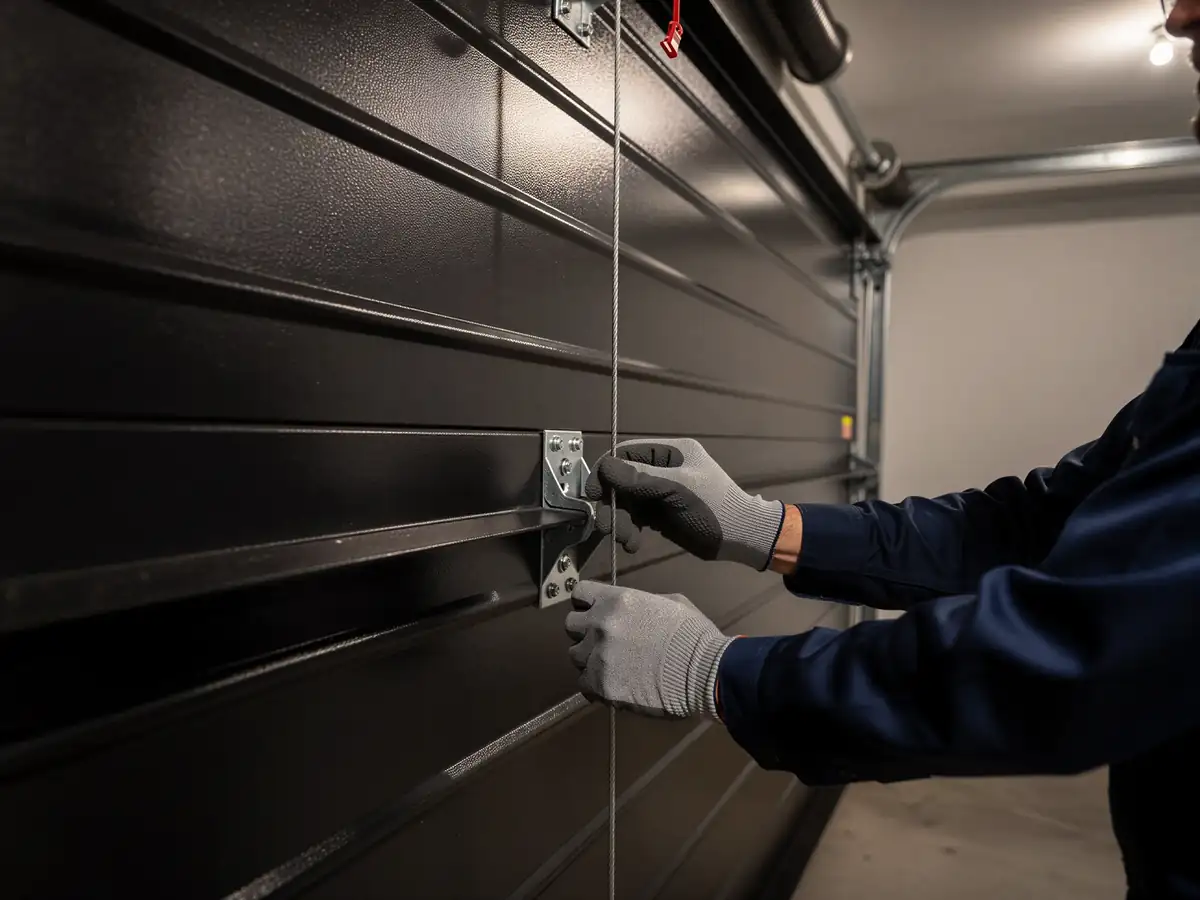
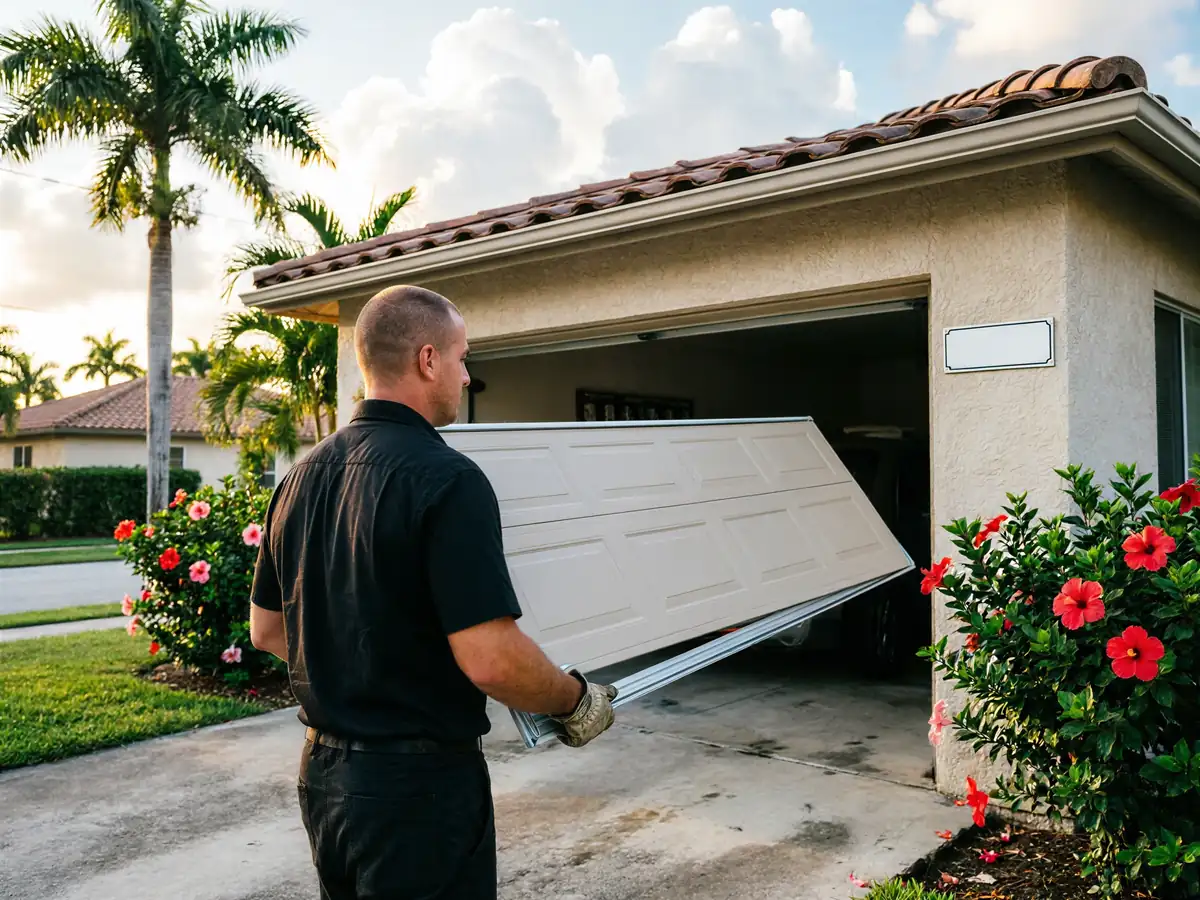
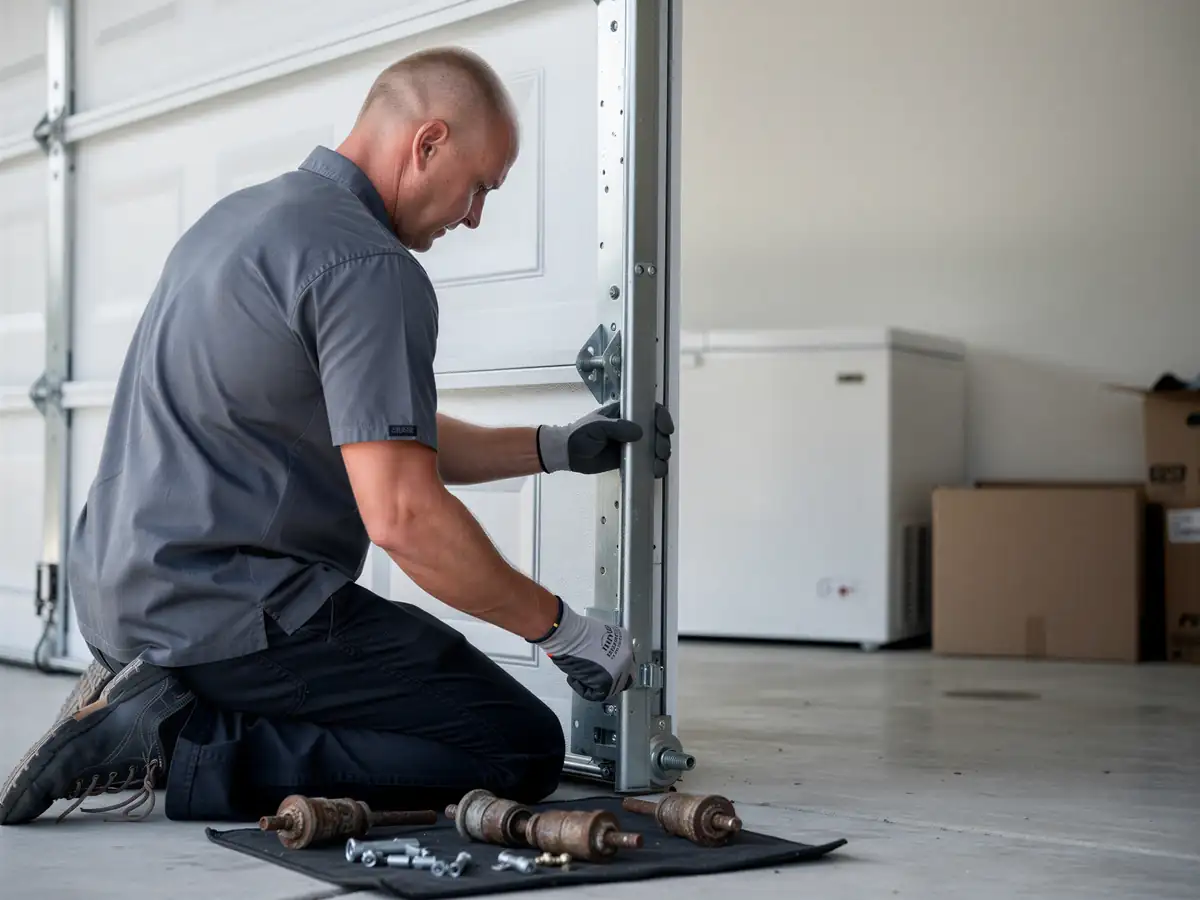
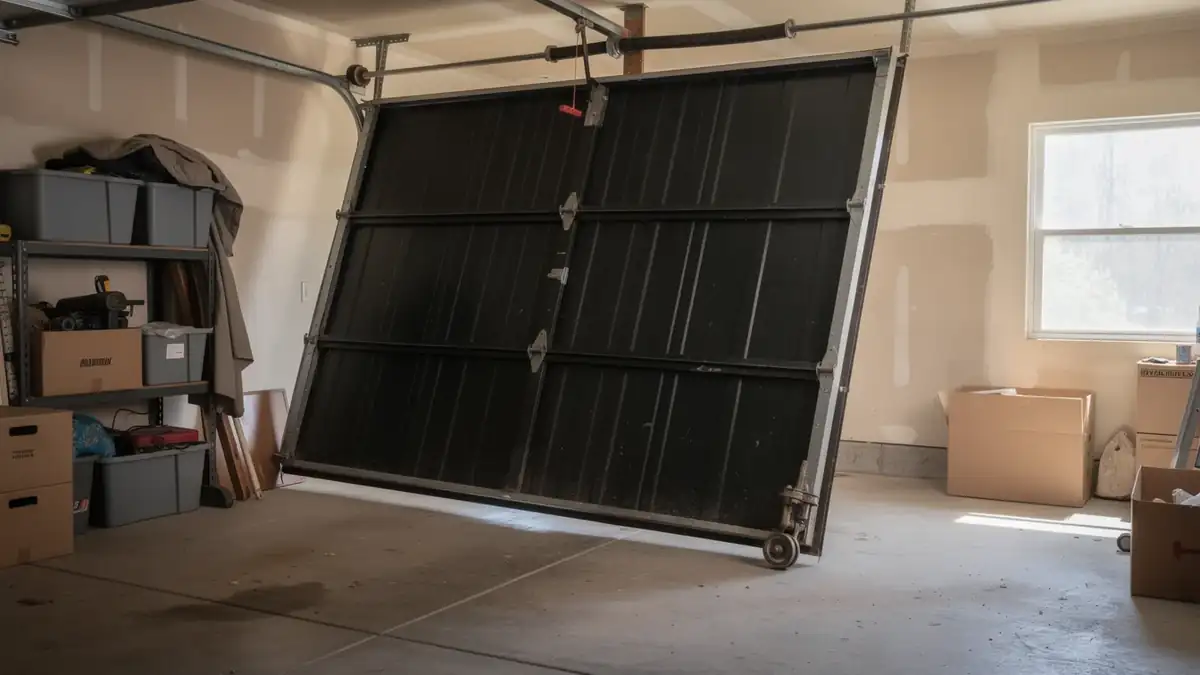
A door off track doesn't happen in one dramatic moment, usually. It happens over months, sometimes years, as the rollers walk a little further out of the channel with every open-and-close cycle until one day the door binds, drops crooked, or comes free of the track entirely. Around Winter Garden, where most houses in the 47 named communities in this service area were built between 1964 and 2021 with the bulk of that stock going up in the 1980s and 90s, we see the same pattern again and again: the track hardware is original to the house. Steel brackets that have held a door's weight for thirty-plus years develop play at every mounting point. A bent track, a loose bracket, a roller worn down to a stub - any one of these lets the door wander sideways under its own weight instead of riding straight up and down. The door doesn't fail all at once. It drifts, then it jumps.
The Common Mistake
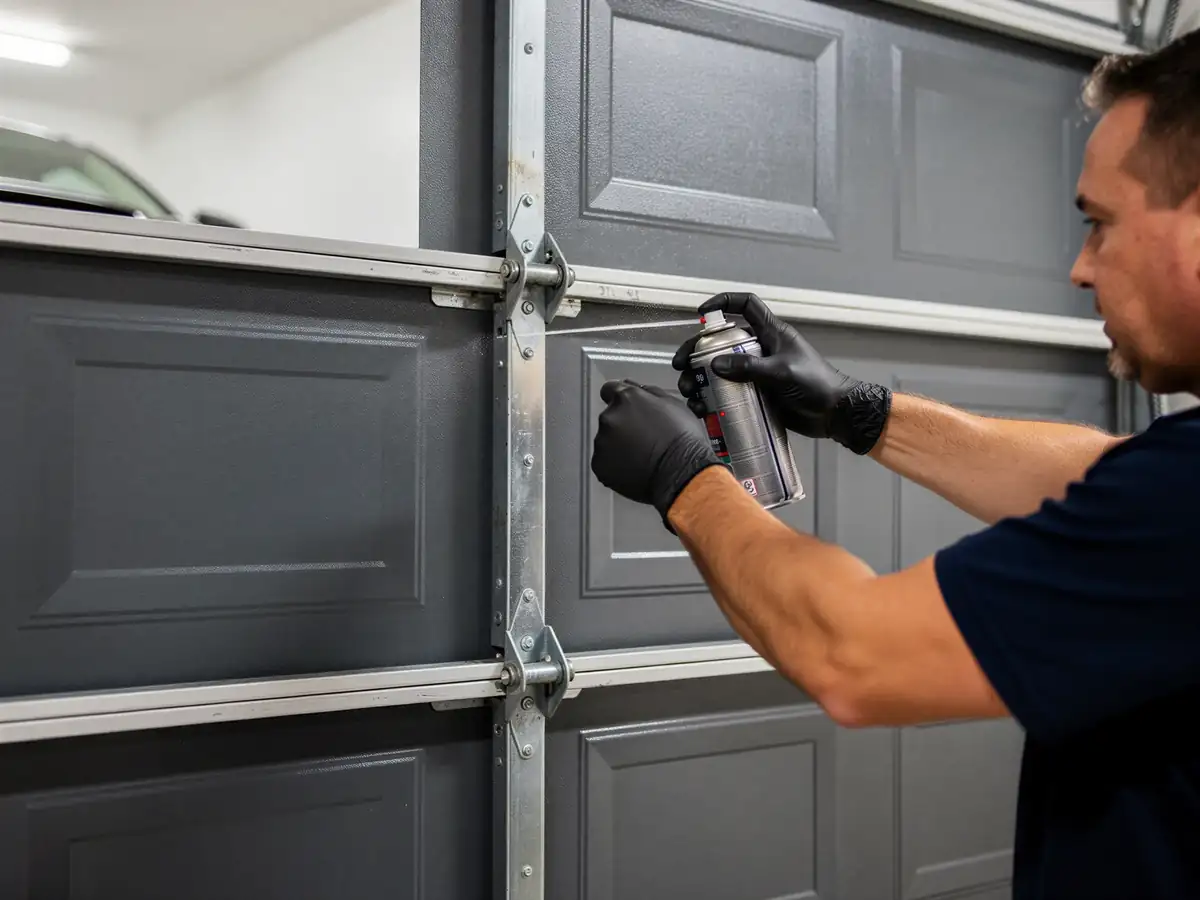
The mistake we see most often is forcing a door that's already binding. If a door starts to stick partway through its travel, the instinct is to hit the wall button again, or pull the manual release and shove it the rest of the way by hand. Both make a marginal problem worse. A door that's rubbing against a bent track section will bend that section further every time it's forced past the tight spot, and a door pulled by hand with the opener still engaged can snap a roller clean off its stem. The other mistake is treating the symptom instead of the cause - tightening a loose bracket without checking whether the track itself has pulled away from the framing. On a lot of the 1980s and 90s builds in this area, the wood jamb the track is lagged into has shifted slightly over the decades, so the bracket keeps loosening no matter how many times you retighten it until the jamb issue gets addressed.
When to Call Someone
If a door has already jumped the track, don't keep running the opener. Every cycle with a roller outside the channel bends that section of track a little more, and what starts as a simple realignment turns into a track replacement. Call if you see daylight between the roller and the track, if the door sits visibly crooked in the opening, or if it's making a grinding or popping sound as it travels. We'll be straight with you: if the track is only bent in one short section, that section can often be swapped out without replacing the whole run, and that's the cheaper fix. But if the bend is long, or the track is pitted with rust from age, patching it is a waste of a trip - full replacement holds up better and we'll tell you when that's the honest call instead of billing you twice.