This Area's Housing
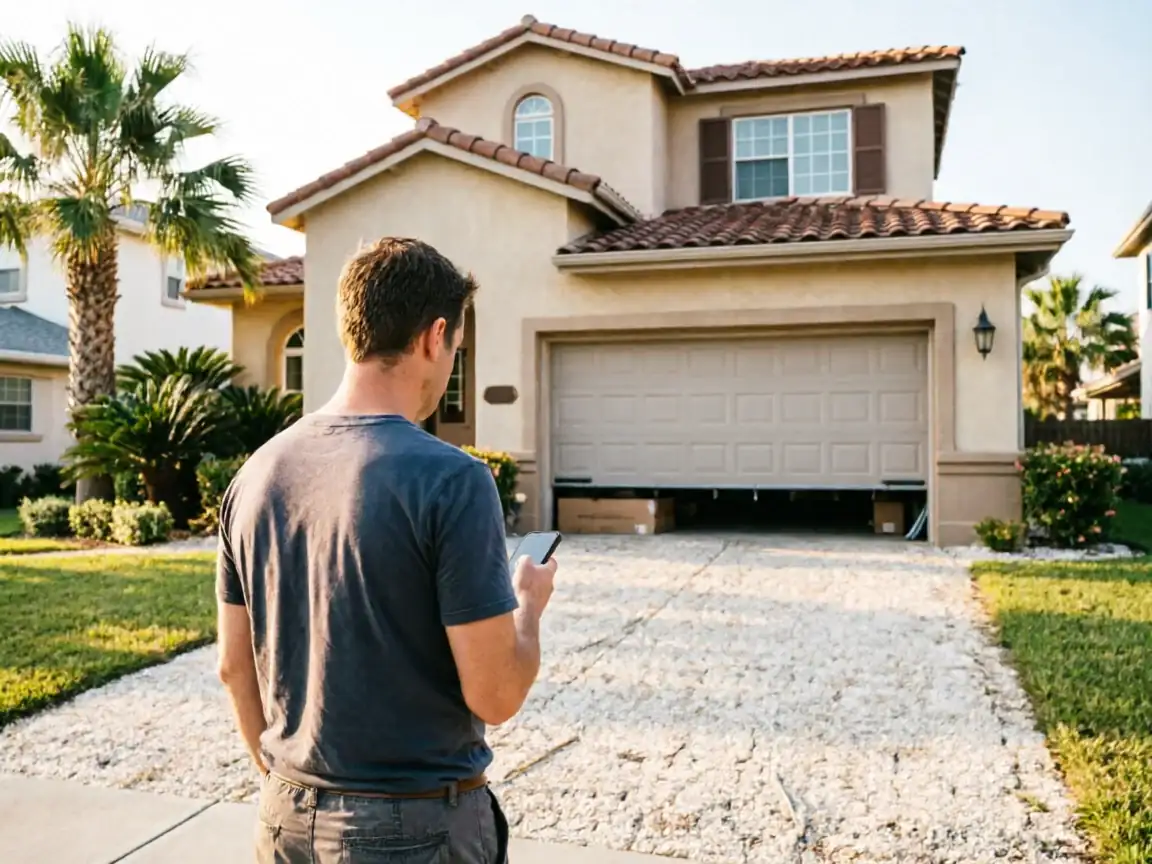
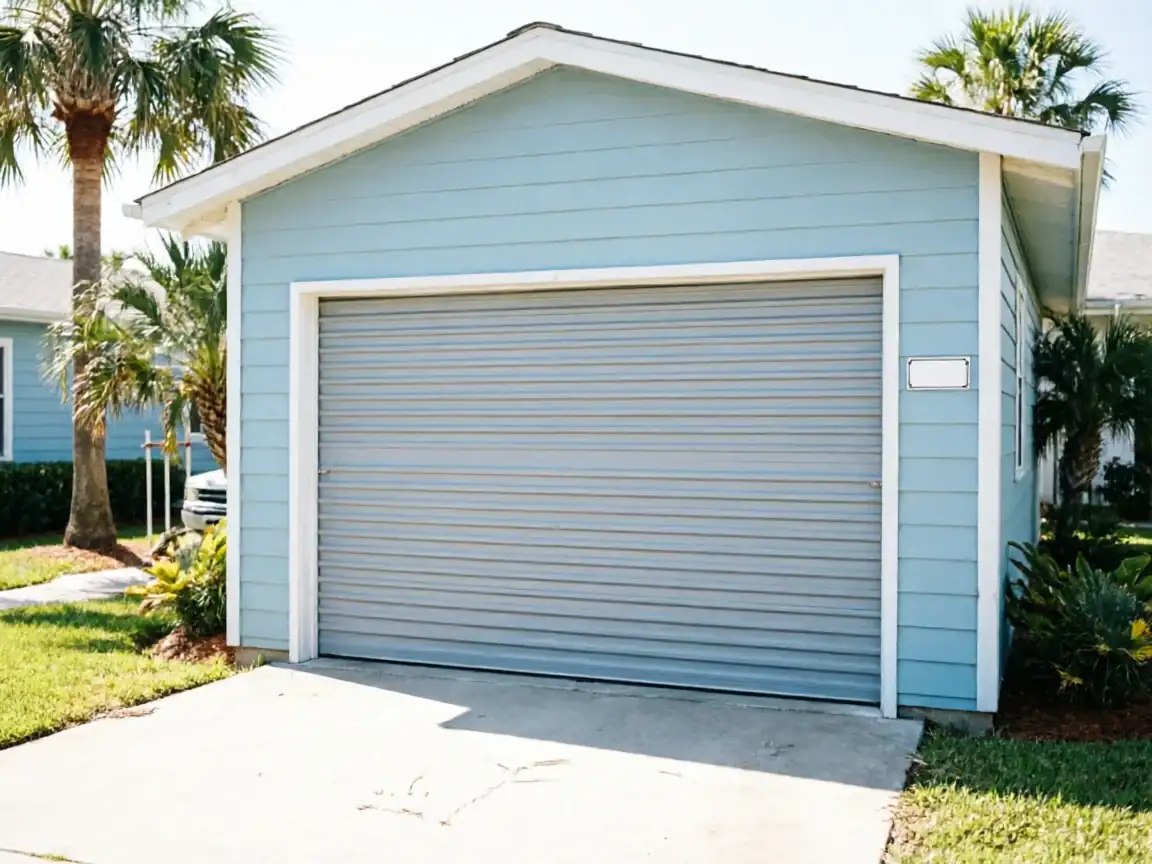
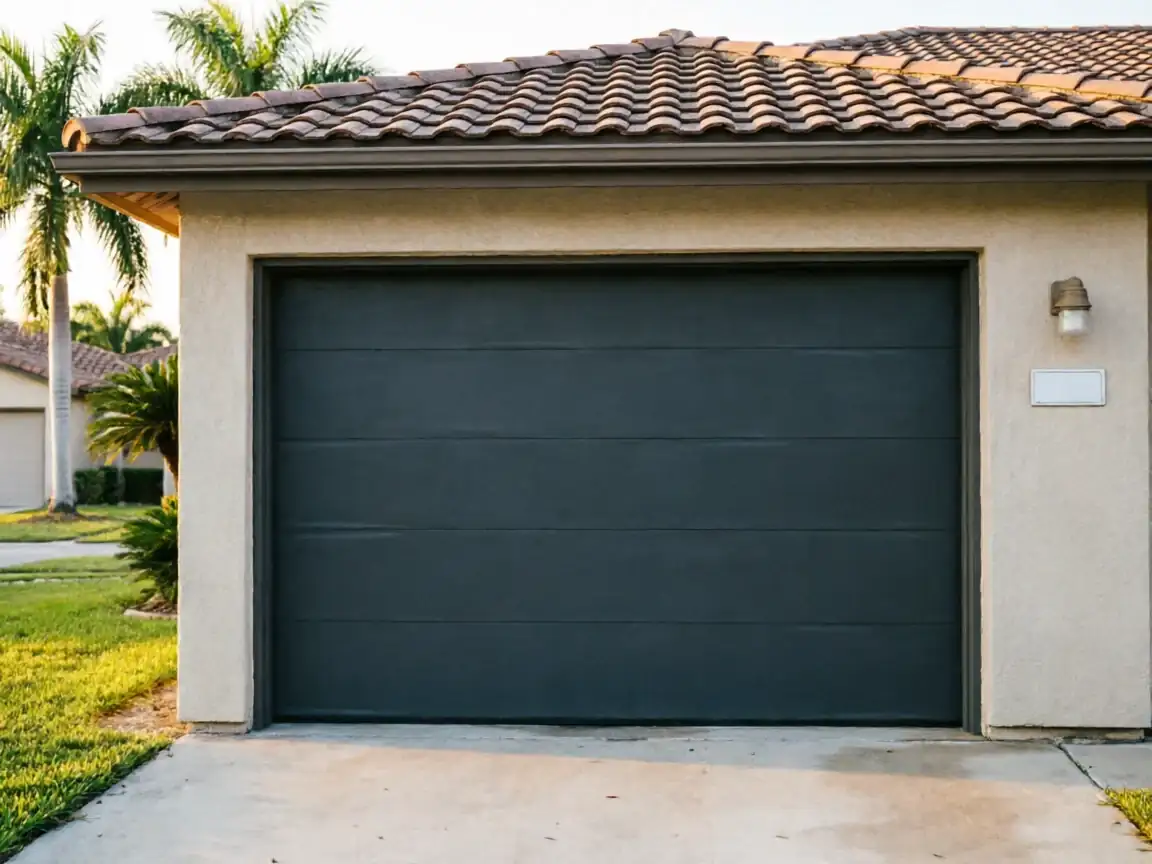
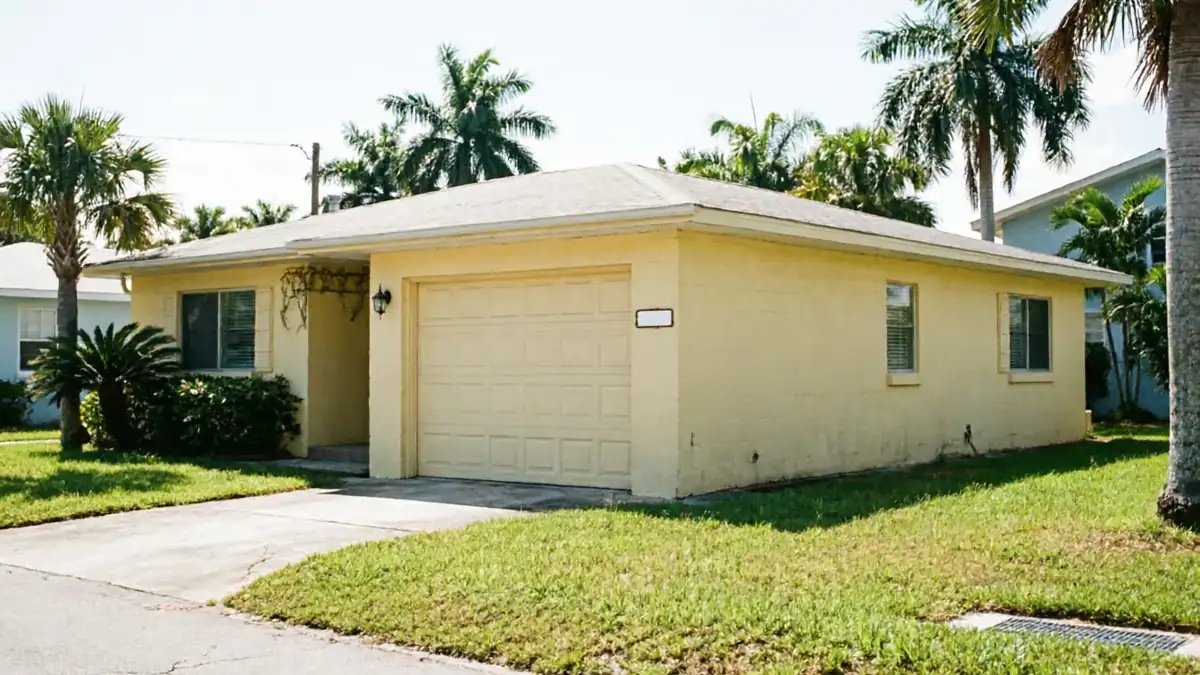
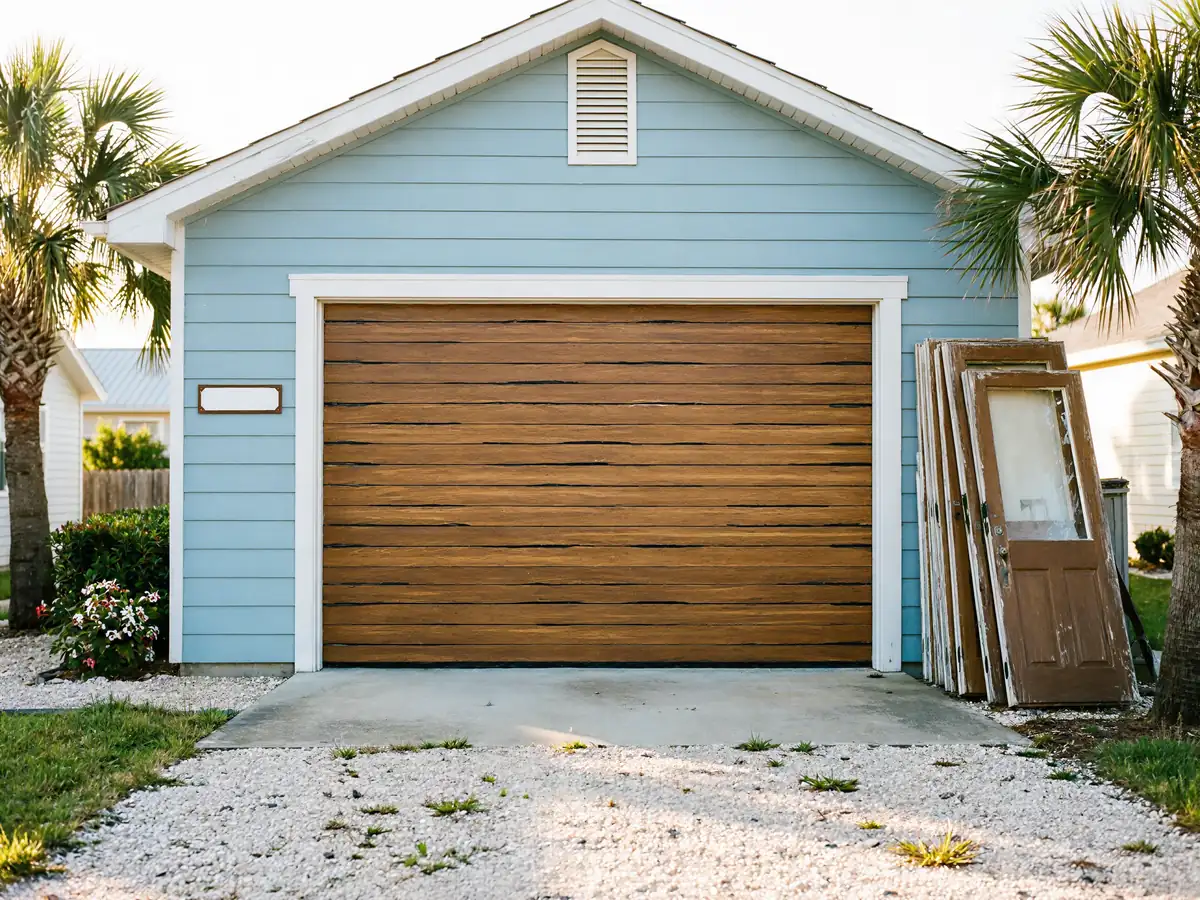
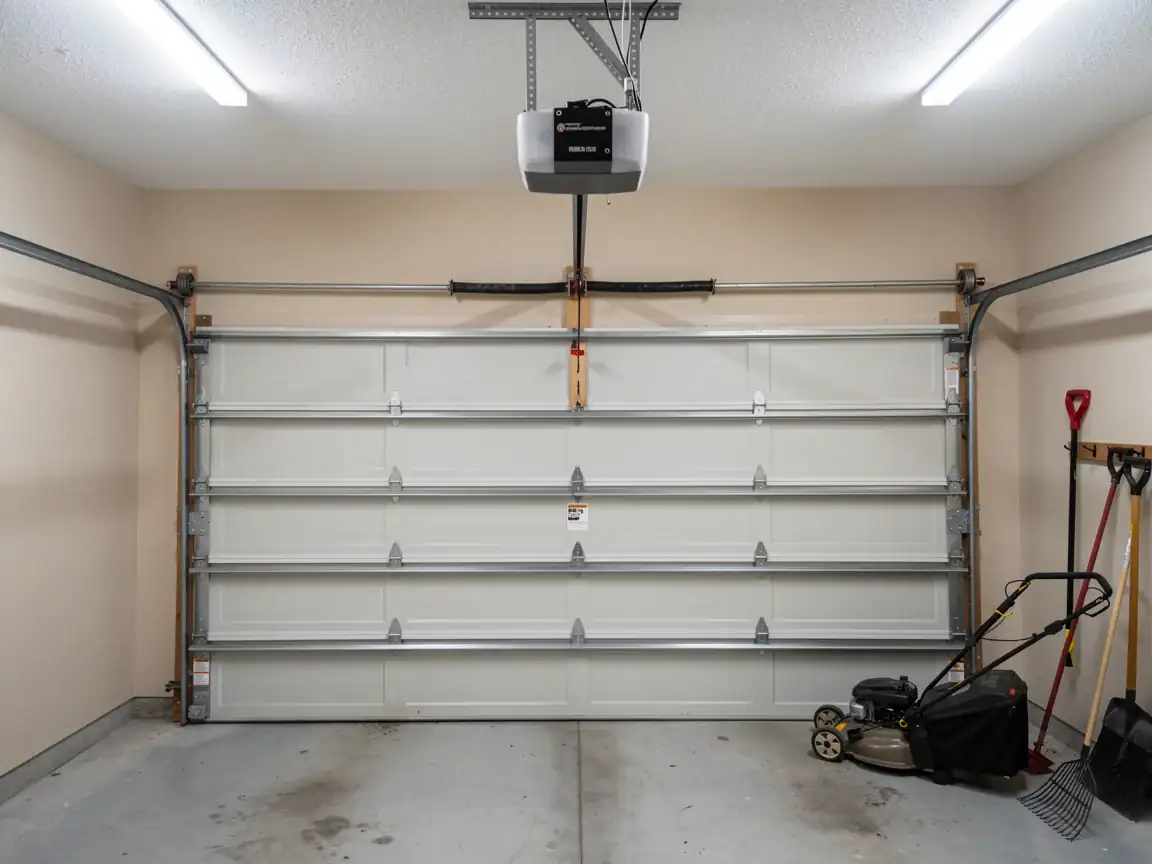
Oakland is a different animal from most of the territory we cover out of Winter Garden. Across the wider service area the median home was built in 1987, but here in Oakland the median build year is 2008 - two decades newer. That gap matters more than it sounds like it should. A door and opener from 2008 is built to a different standard than one from the 1980s: thicker steel, factory-installed photo-eye sensors as a baseline rather than a retrofit, and openers that almost always shipped with rolling-code remotes instead of fixed-code dial switches. With 1,205 households in Oakland, this isn't a handful of outlier new builds pulling up an average - it's the norm for the area. What you won't find much of here are the single-piece wood-look doors or the exposed torsion springs on a center bracket that show up constantly on older stock elsewhere in our coverage area. Oakland's doors are younger, generally better sealed, and the failures we see tend to be wear-and-use problems - worn rollers, a sagging bottom bracket, a logic board on an opener that's finally hitting the end of its run - rather than the structural fatigue you get with a 40-year-old door.
What We Do Not Do
We don't install gate operators or handle anything on a security gate system - that's a different trade and a different set of parts entirely. We also won't tell you to replace a door when a spring swap or a track realignment solves the problem; on housing this age, a full replacement is rarely the right call unless the panel itself is damaged or the opener is genuinely obsolete. If a part needs to be special-ordered - some opener logic boards from specific manufacturers run into lead time - we'll tell you that up front rather than quote a same-day fix we can't back up. We're honest that we travel in from Winter Garden rather than keeping a truck stationed in Oakland itself, so if you need us at a precise hour we'll give you a realistic window, not a guess.
How That Shows Up in the Door
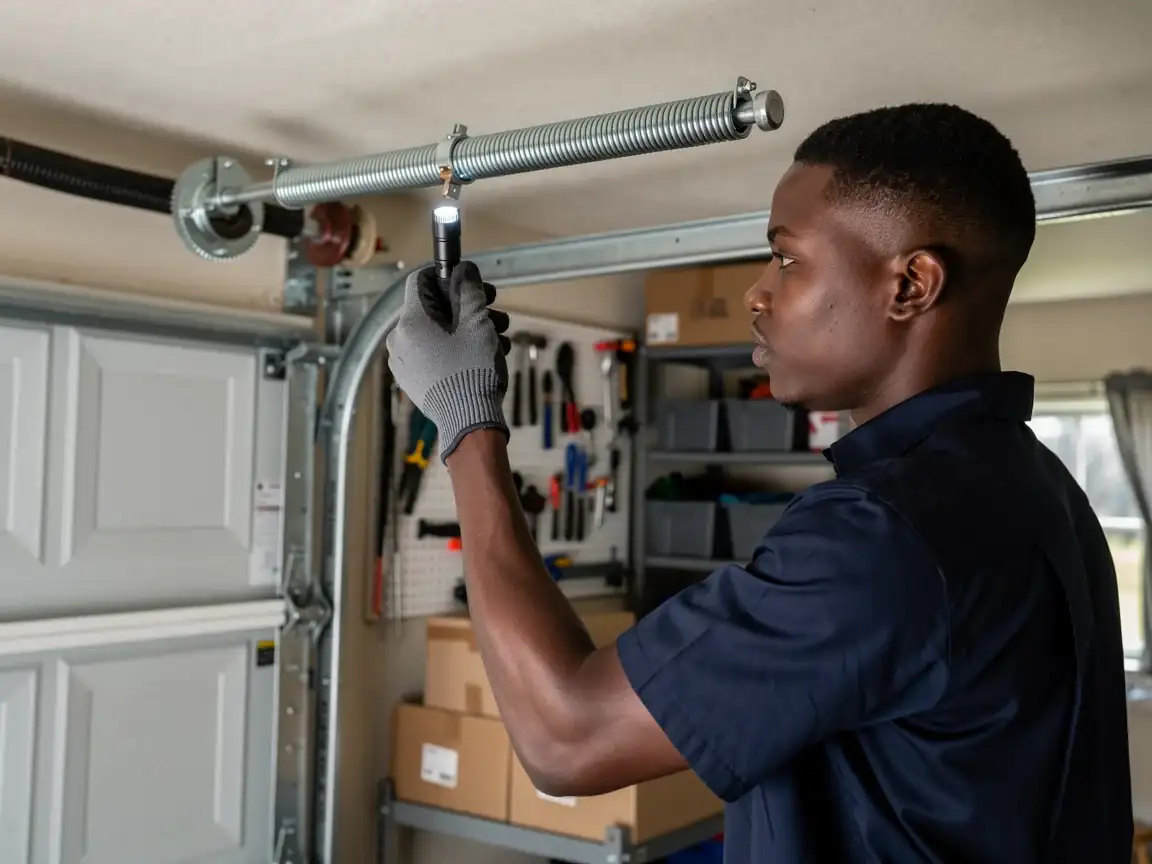
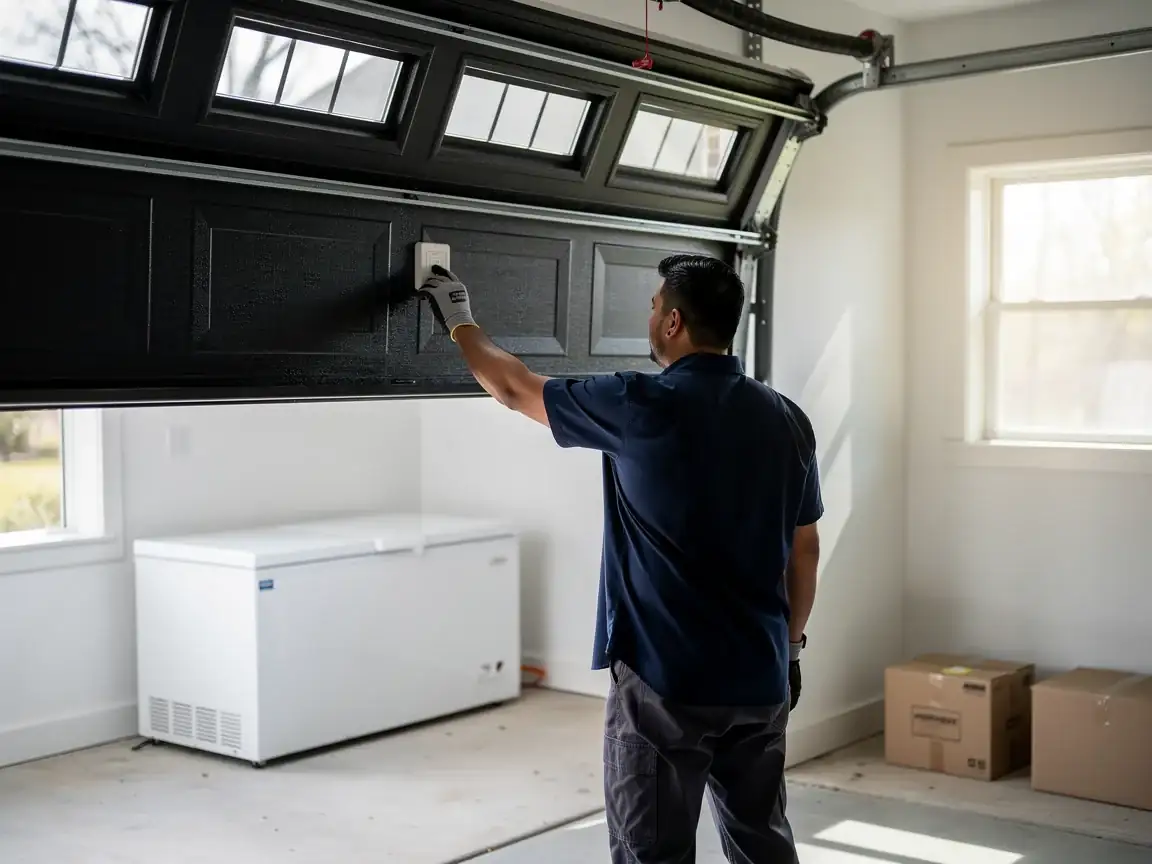
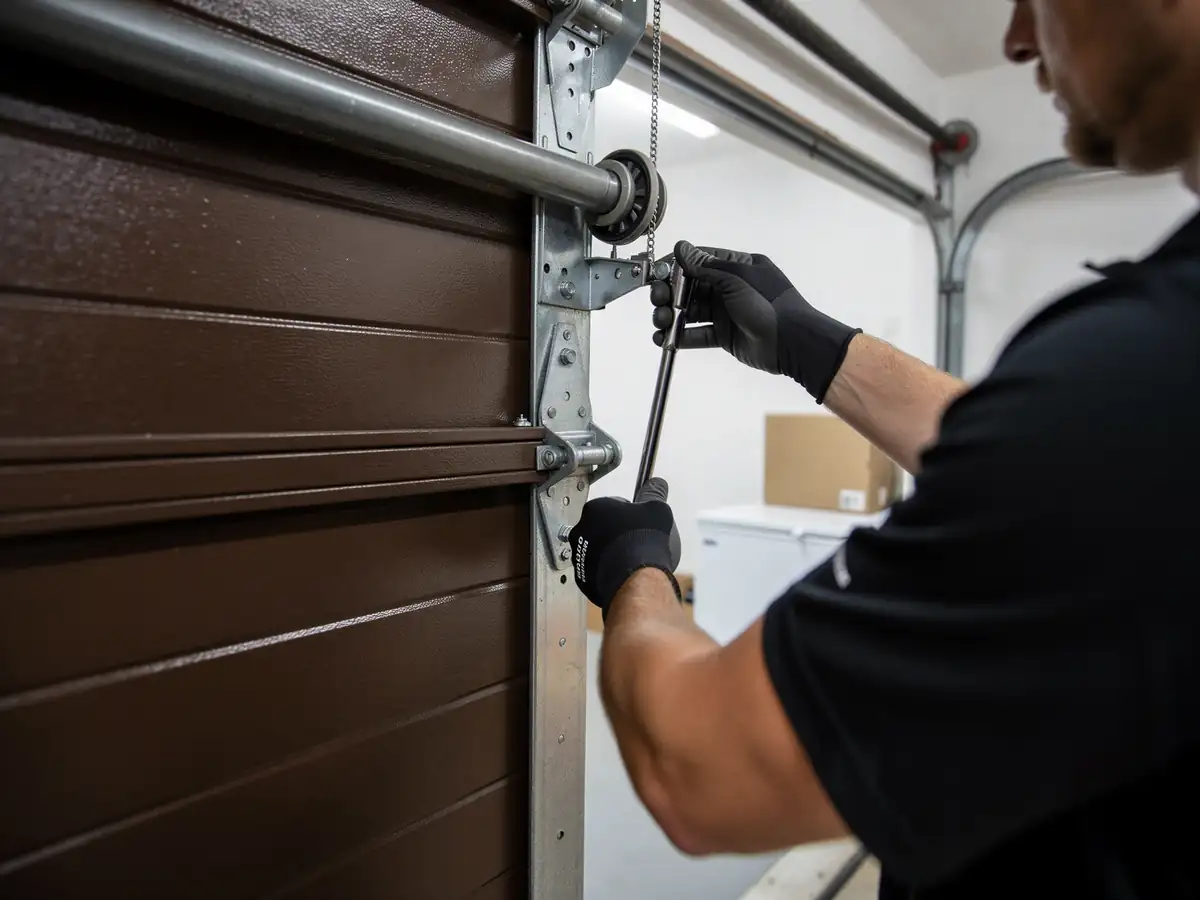
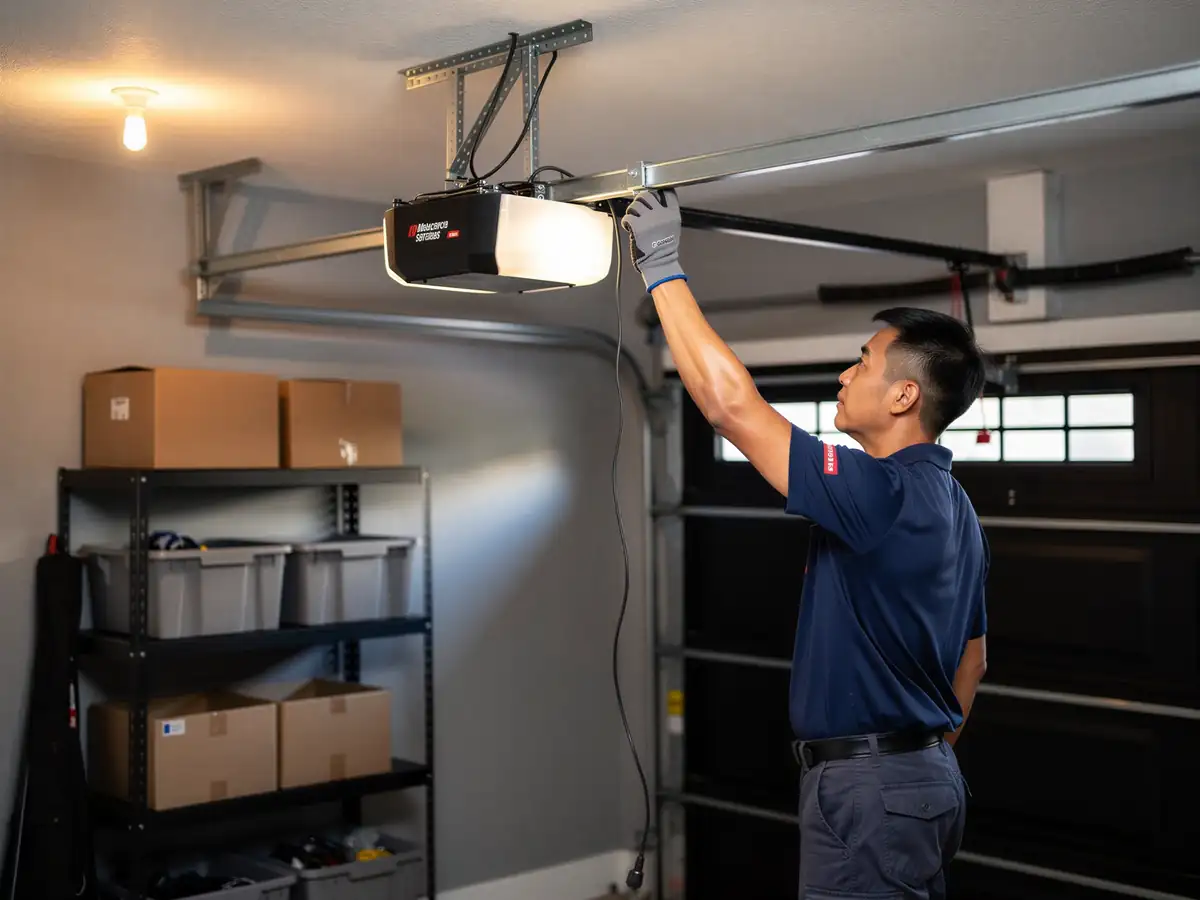
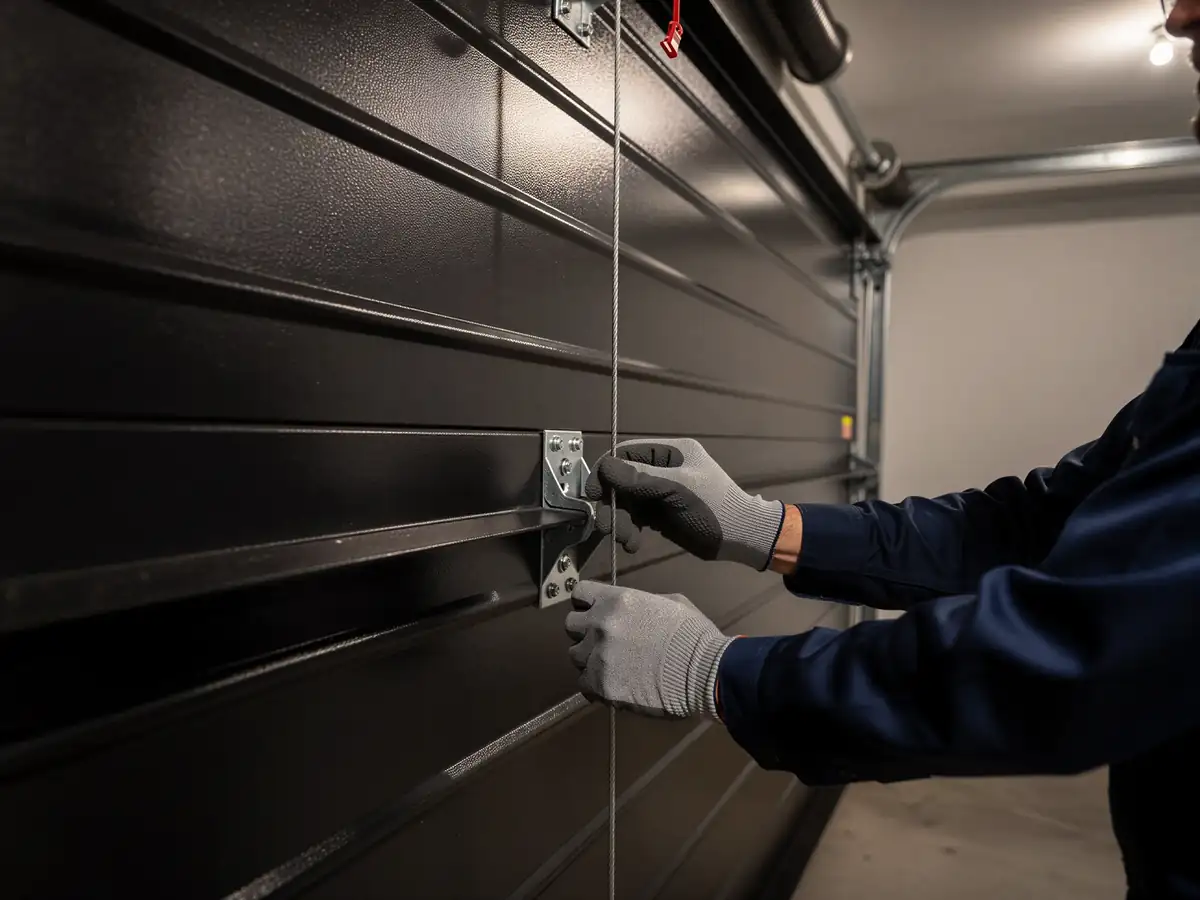
Because most of Oakland's housing dates to around 2008, the common calls we get here look different from the ones we get in older pockets of the territory. We're rarely dealing with a torsion spring that was installed before anyone on the job today was working - more often it's a spring that's simply reached the end of its cycle count on a door that's otherwise in good shape. Opener issues tend to be electronic rather than mechanical: a circuit board failing, a remote that's lost its code, a safety sensor knocked out of alignment rather than one that was never installed. At a median household income of $142,917 in Oakland, we also see more owners opting to replace an aging opener with a quieter or smart-enabled unit rather than nurse an old one along, which is a reasonable call on a door that's otherwise structurally sound. The mild temperate climate here doesn't put the same stress on seals and hardware that extreme heat or freeze-thaw cycles would elsewhere, so when something fails on a 2008-era Oakland door, it's usually a part reaching the end of its normal service life, not weather damage.