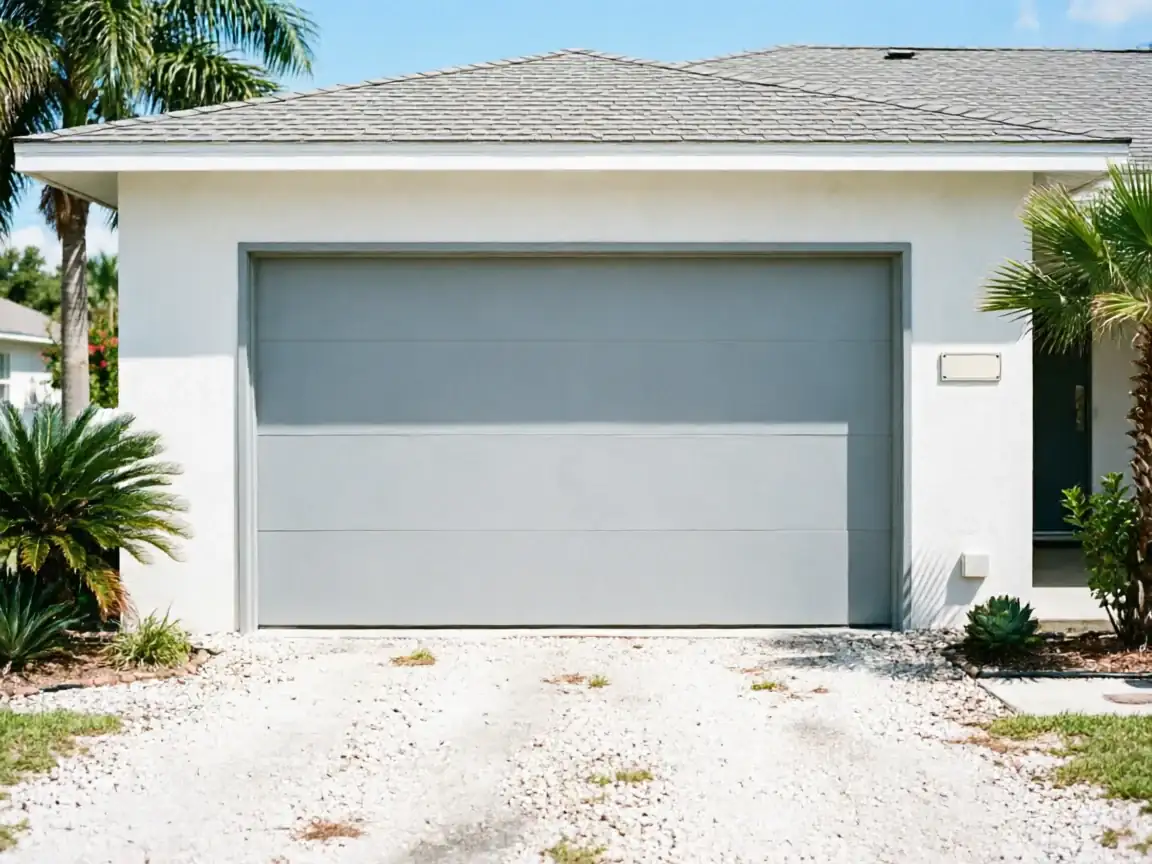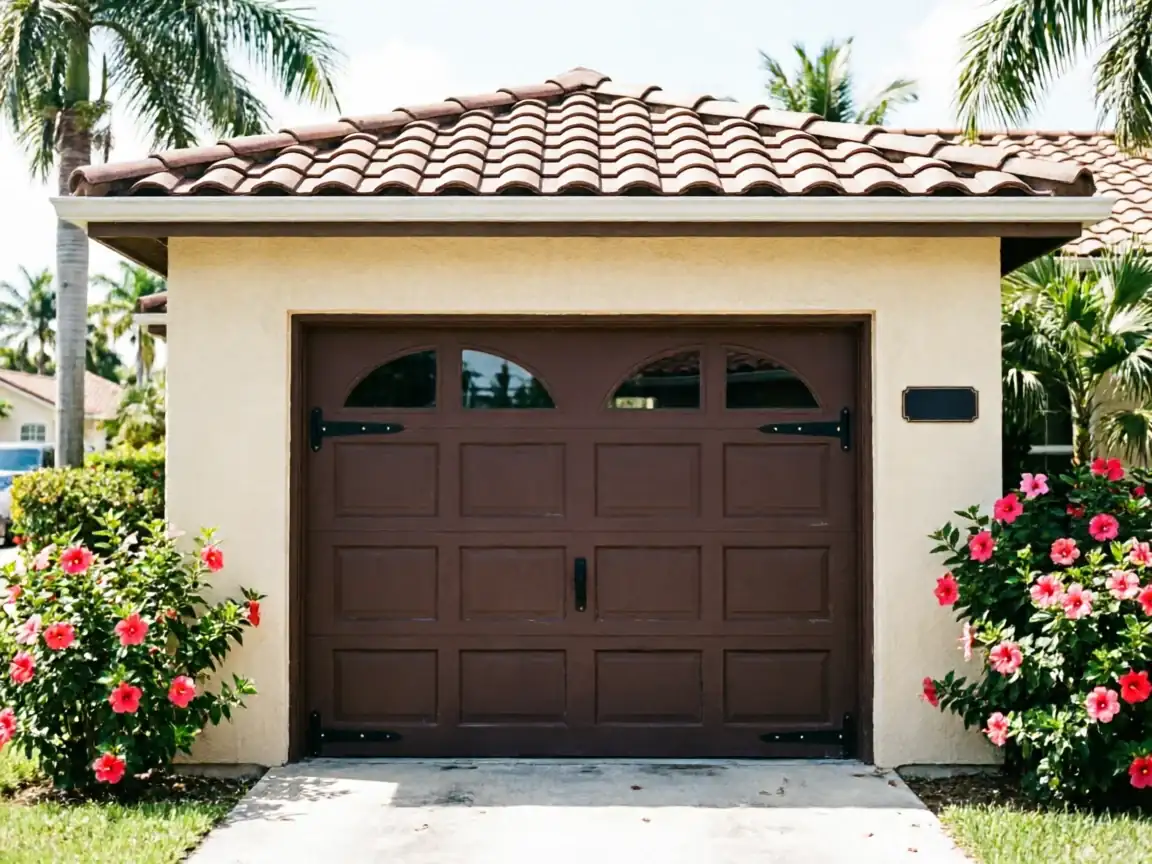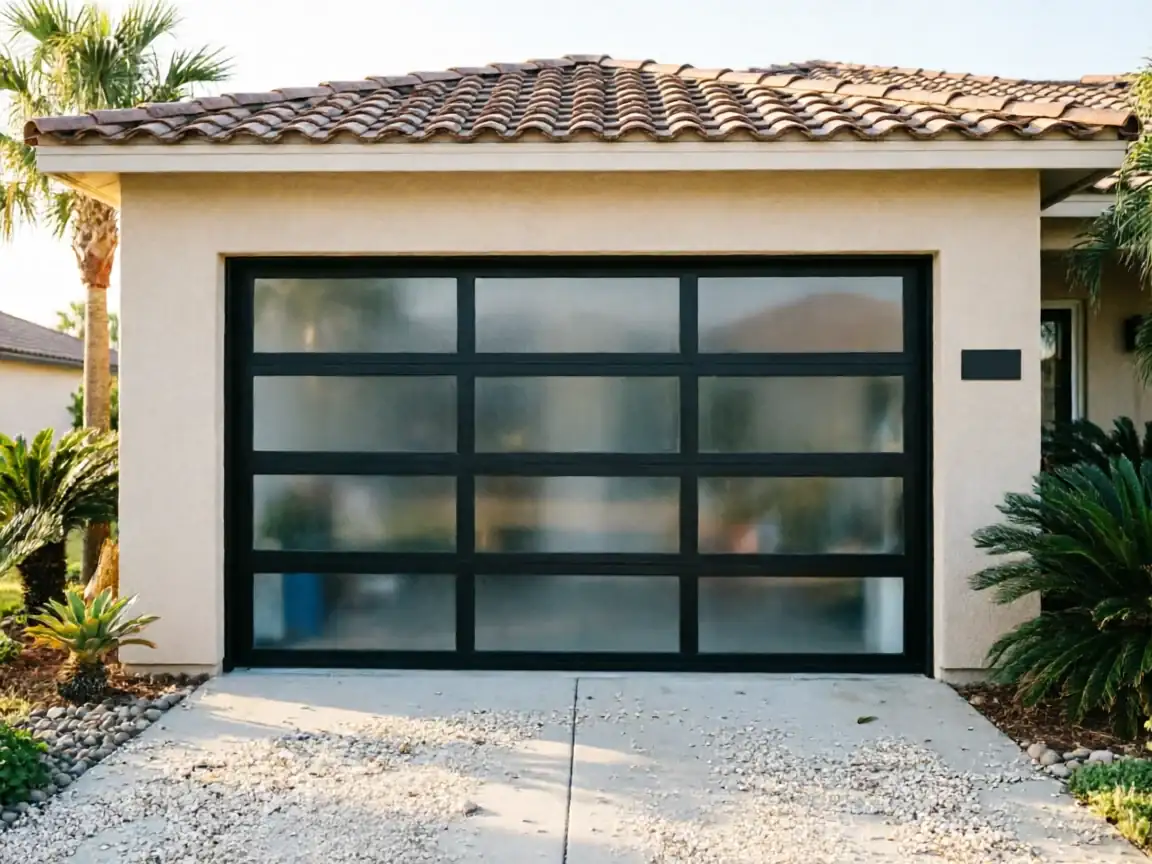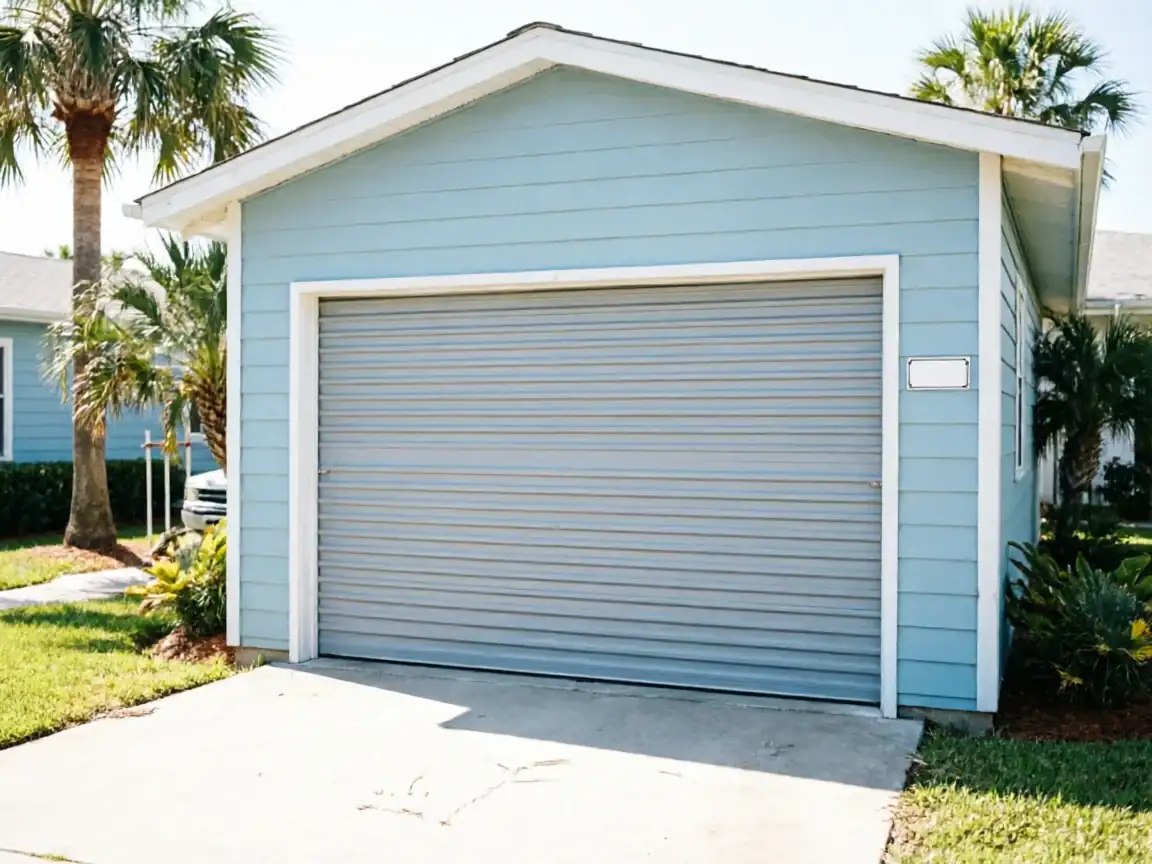
This Area's Housing
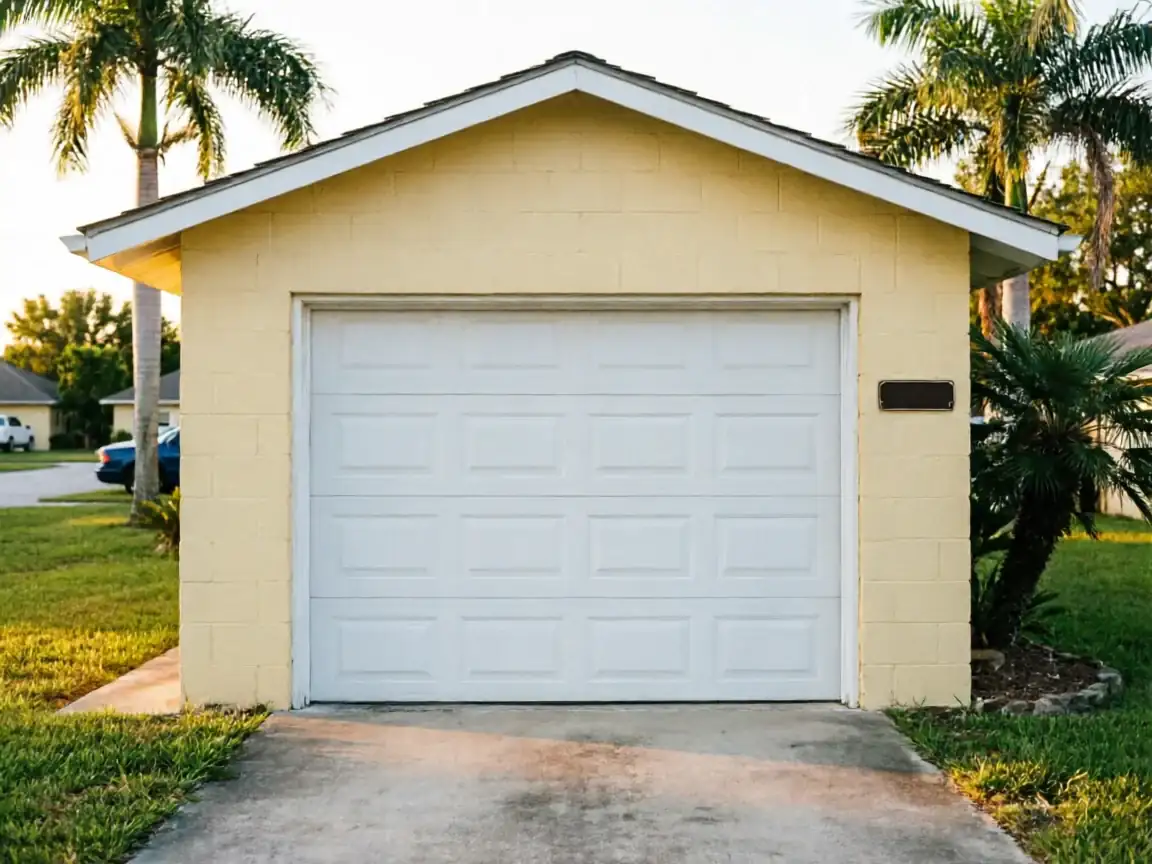
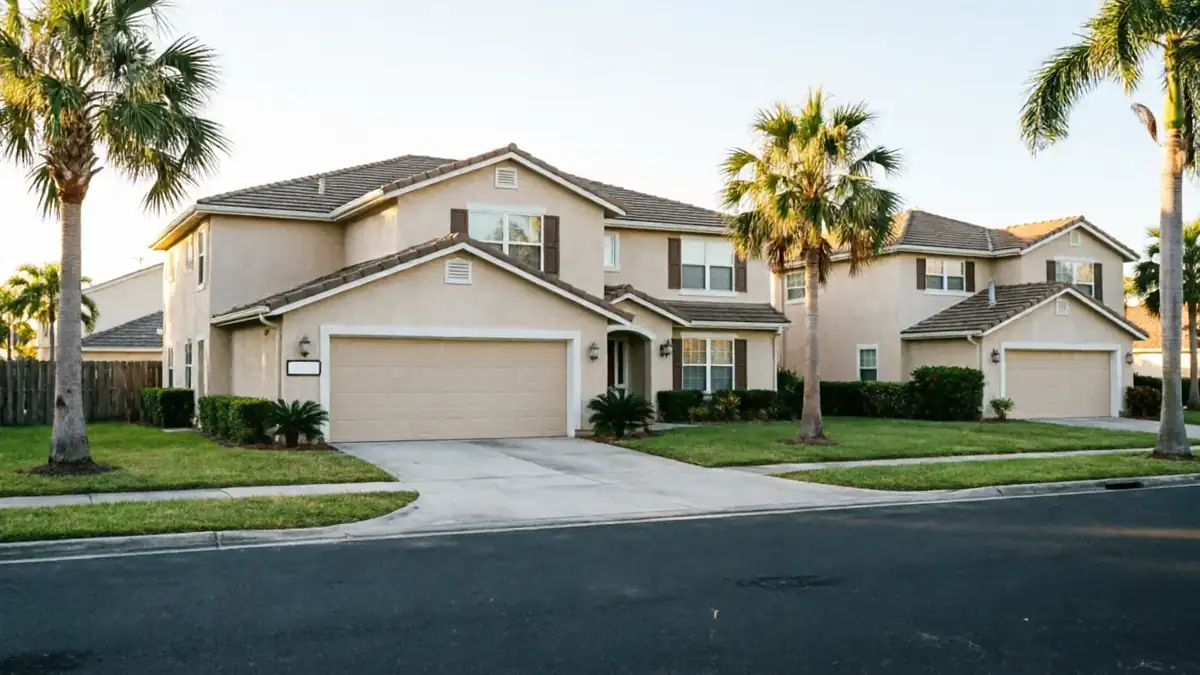
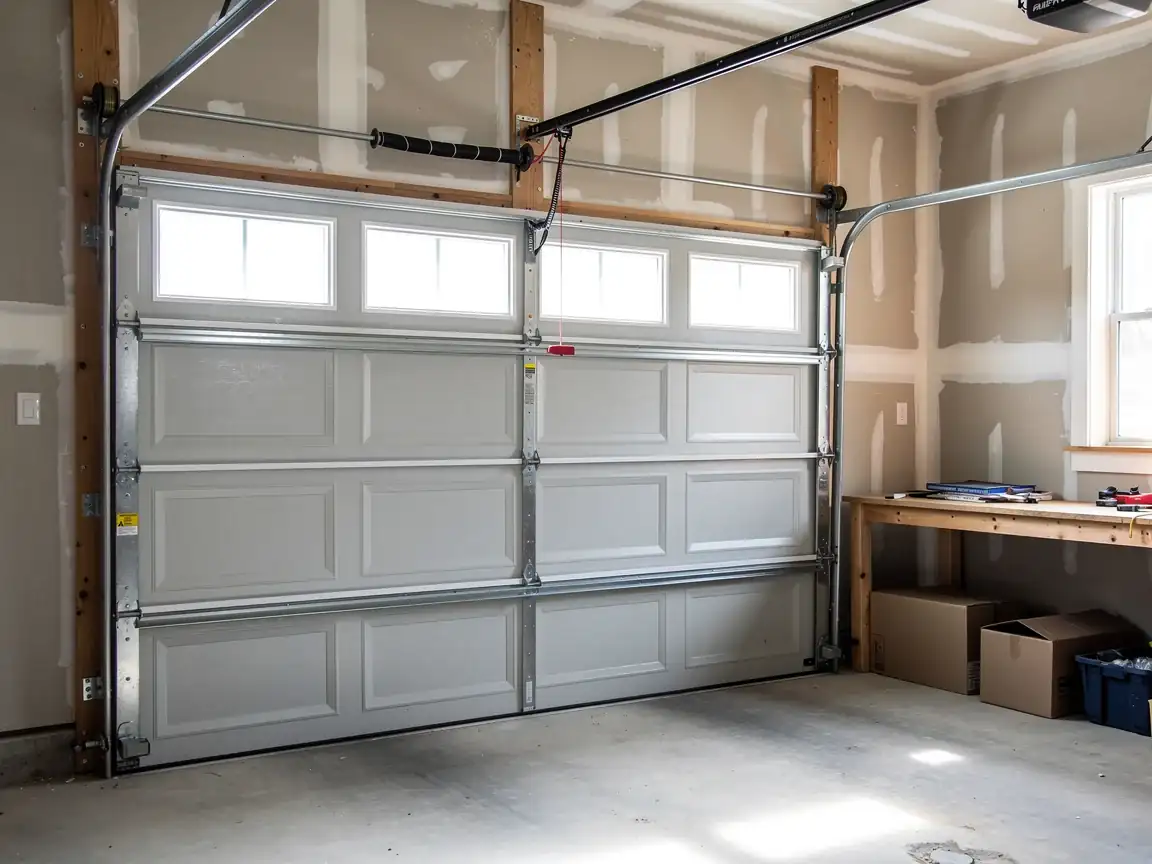
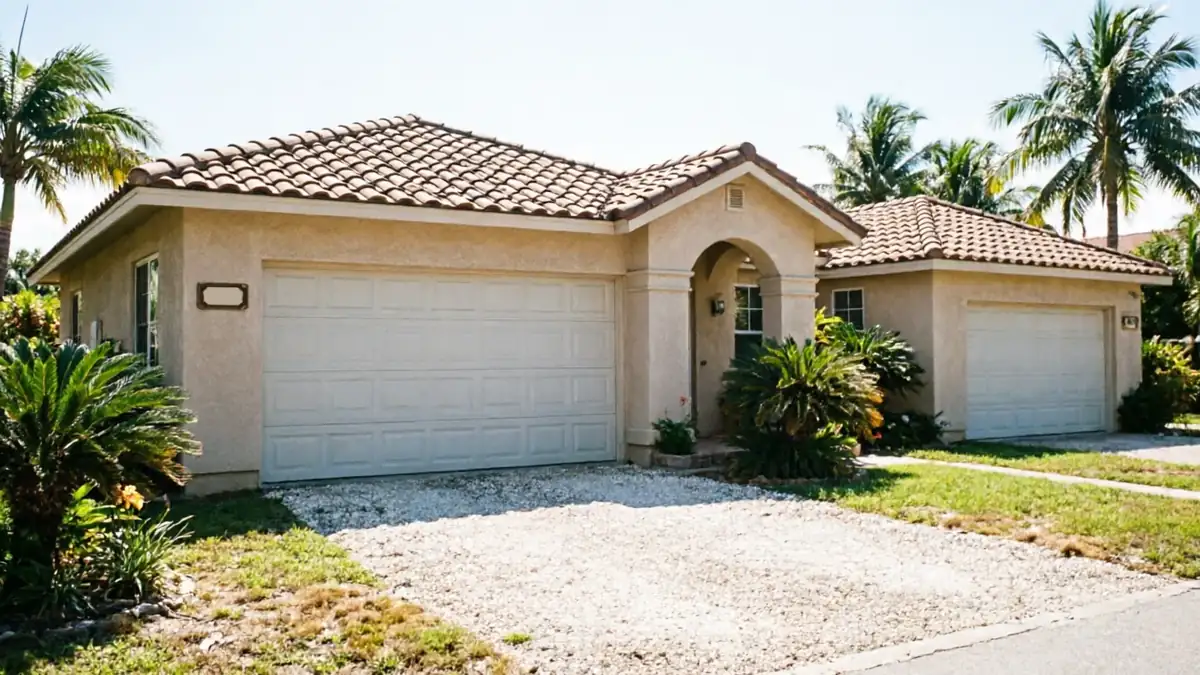
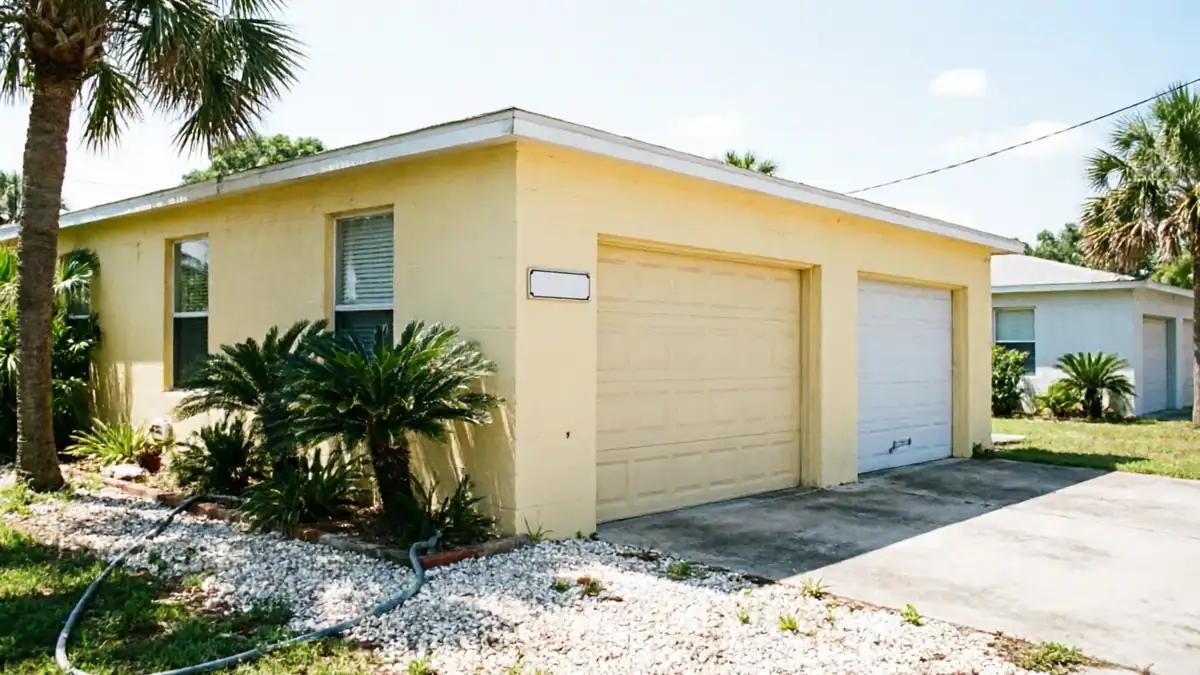
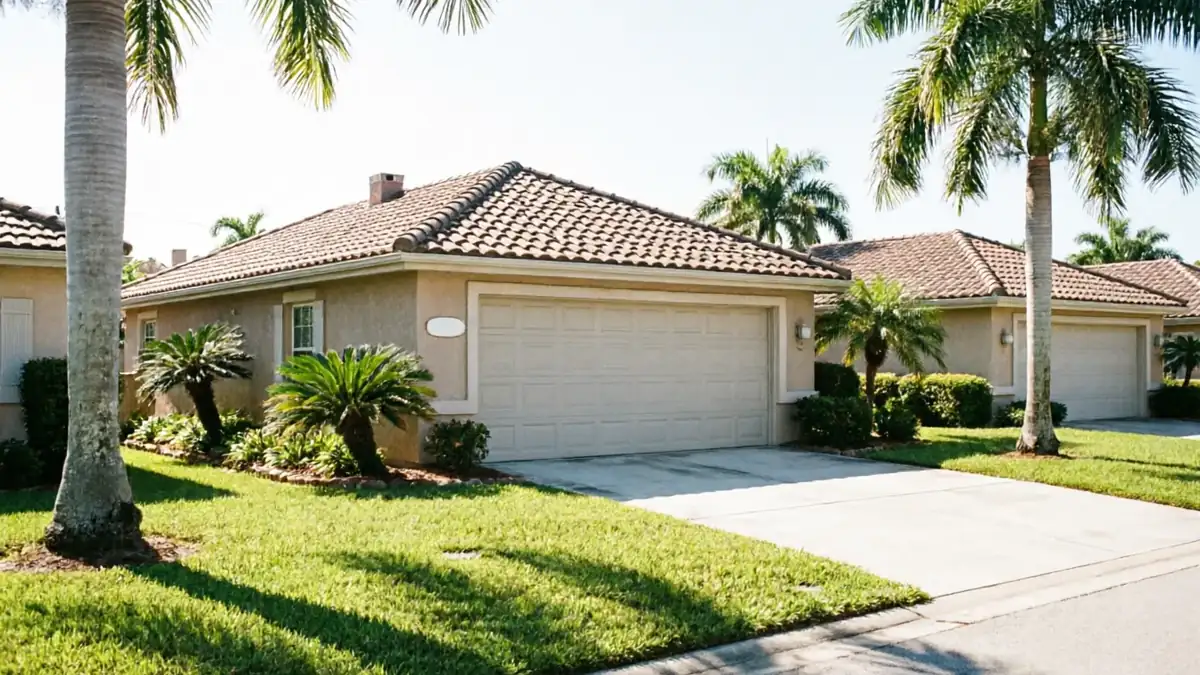
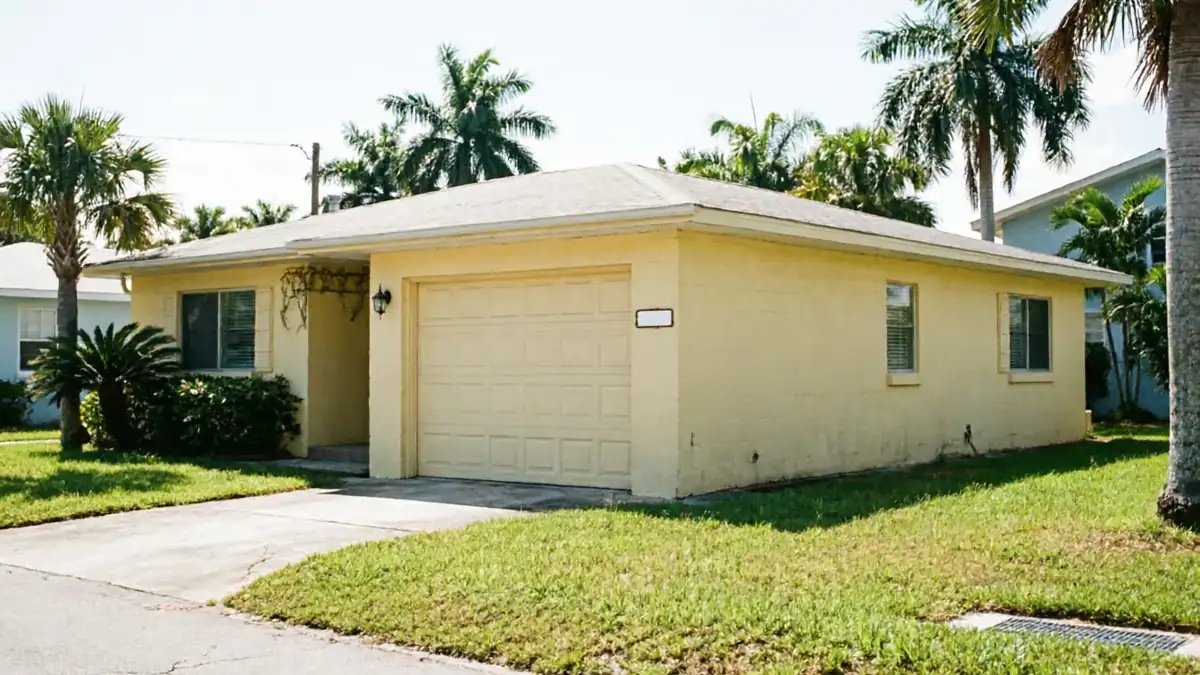
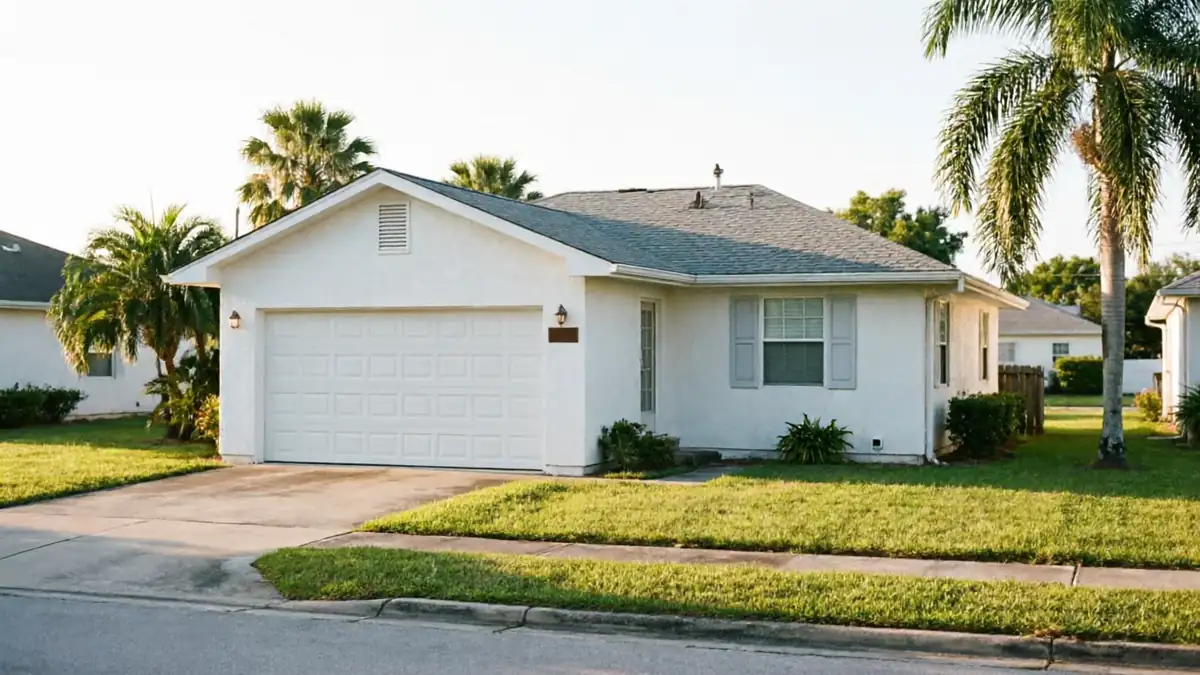
Windermere sits about 4 miles from our shop in Winter Garden, and the houses here skew a bit newer than a lot of the wider service area. Median build year is 1988, compared with 1987 across the 47 areas we cover, and the service-area range runs 1964 to 2021. That puts most Windermere garages into the late-80s window: steel sectional doors on extension or torsion springs, chain or screw-drive openers from the first wave of residential automation, and galvanized track that's held up fine but is starting to show 30-plus years of use at the rollers and hinges. This isn't the older stock you'll find in some of the inner areas we serve, where one-piece doors and side-mounted hardware are still common. Windermere's median household income is $156,042, well above the broader service-area figure of $84,955, and with 1,217 households in the area, it's a smaller, higher-value pocket than some of our other stops. Homes at this income level and build era tend to have upgraded openers at some point - we see a mix of original 1980s-90s hardware next to newer Wi-Fi-enabled units bolted onto decades-old track. Both call for different diagnostic approaches, and we check which one we're dealing with before we quote anything.
What We Do Not Do
We don't keep a depot or stage a truck in Windermere - every job here starts as a dispatch from Winter Garden, 4 miles out, so we're not the people to call for a same-hour emergency unless you're fine with that drive time built into the wait. We also don't replace a door outright when a $40 roller or a cable adjustment solves it; if your opener is from the original 1988-era build and the track geometry still works, we'd rather fix what's there than sell you a new system. On the other side, if the springs are original and the drums are pitted, we'll say so plainly instead of patching around it. We don't do structural garage conversions or framing work - that's a contractor job, not a door job. And we don't guess at parts: on an older torsion setup, we need to see the spring wire gauge and drum size in person before quoting, because a wrong spring on a heavy insulated door is a safety problem, not a convenience issue.
How That Shows Up in the Door
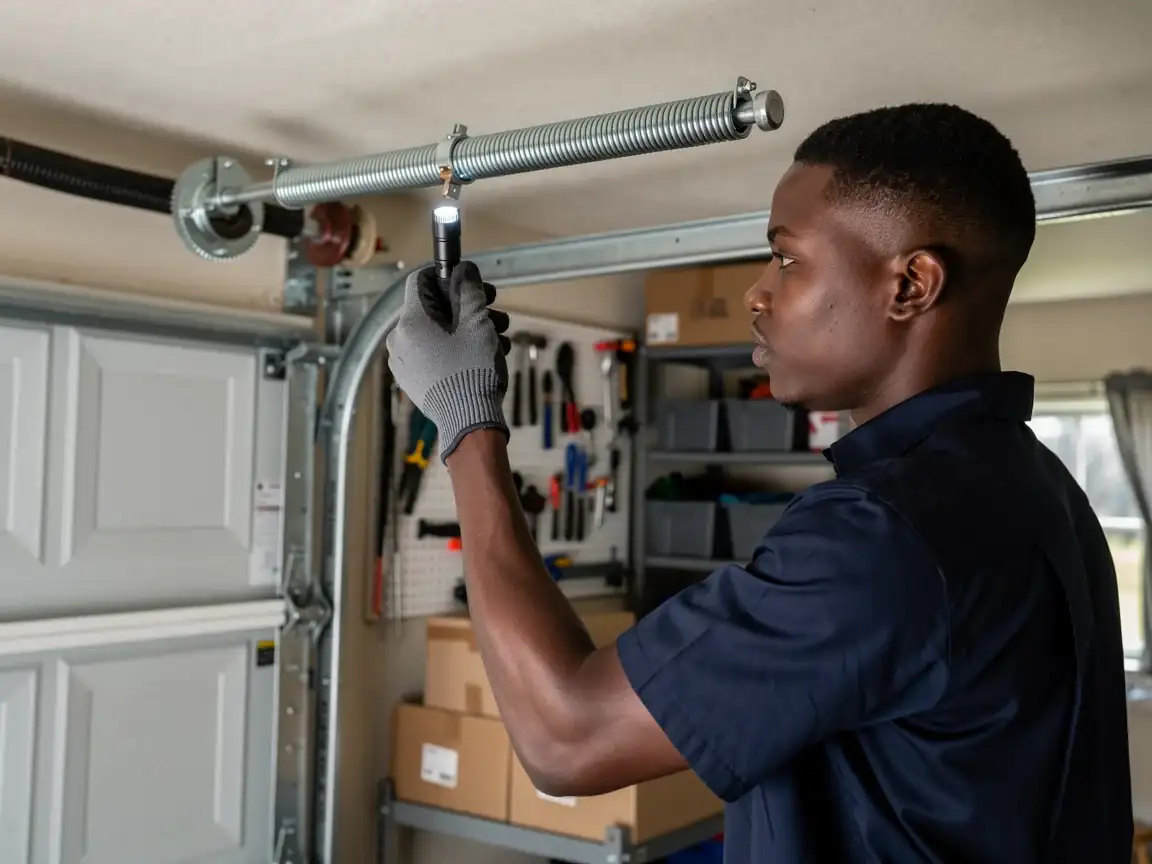
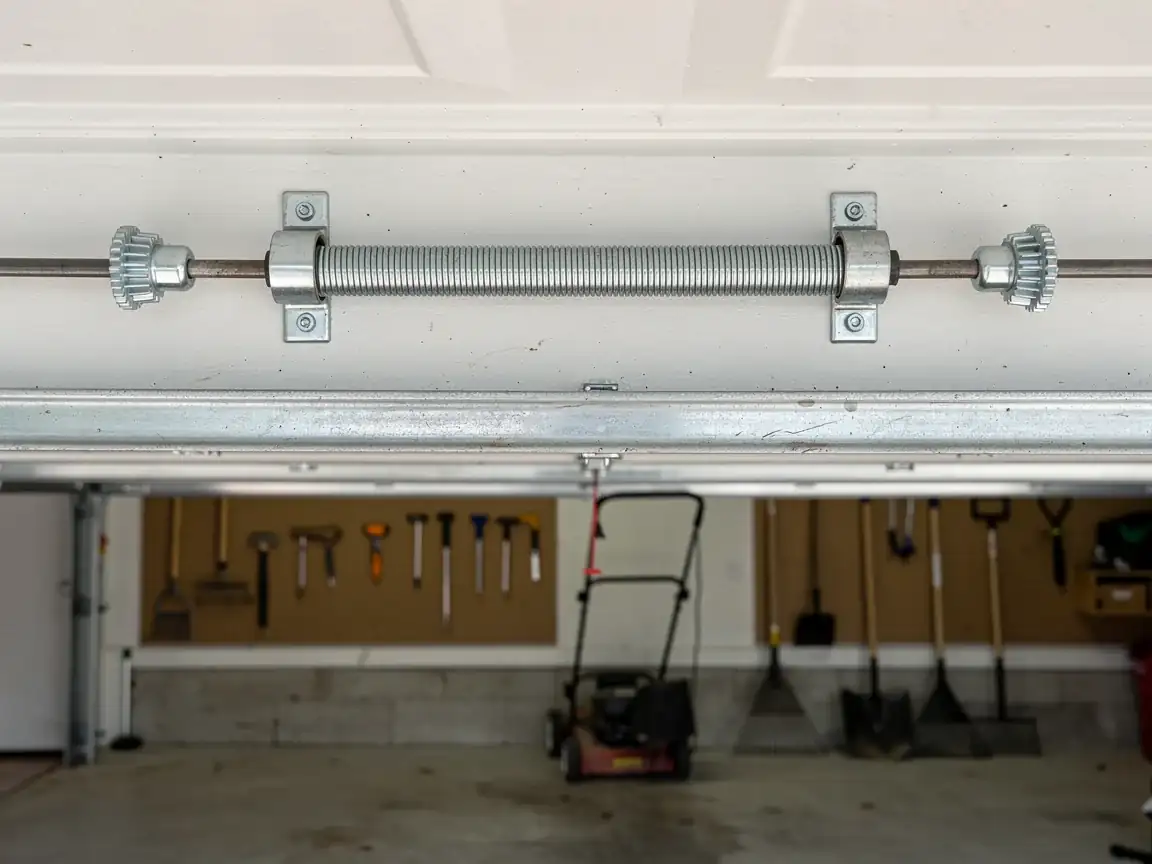
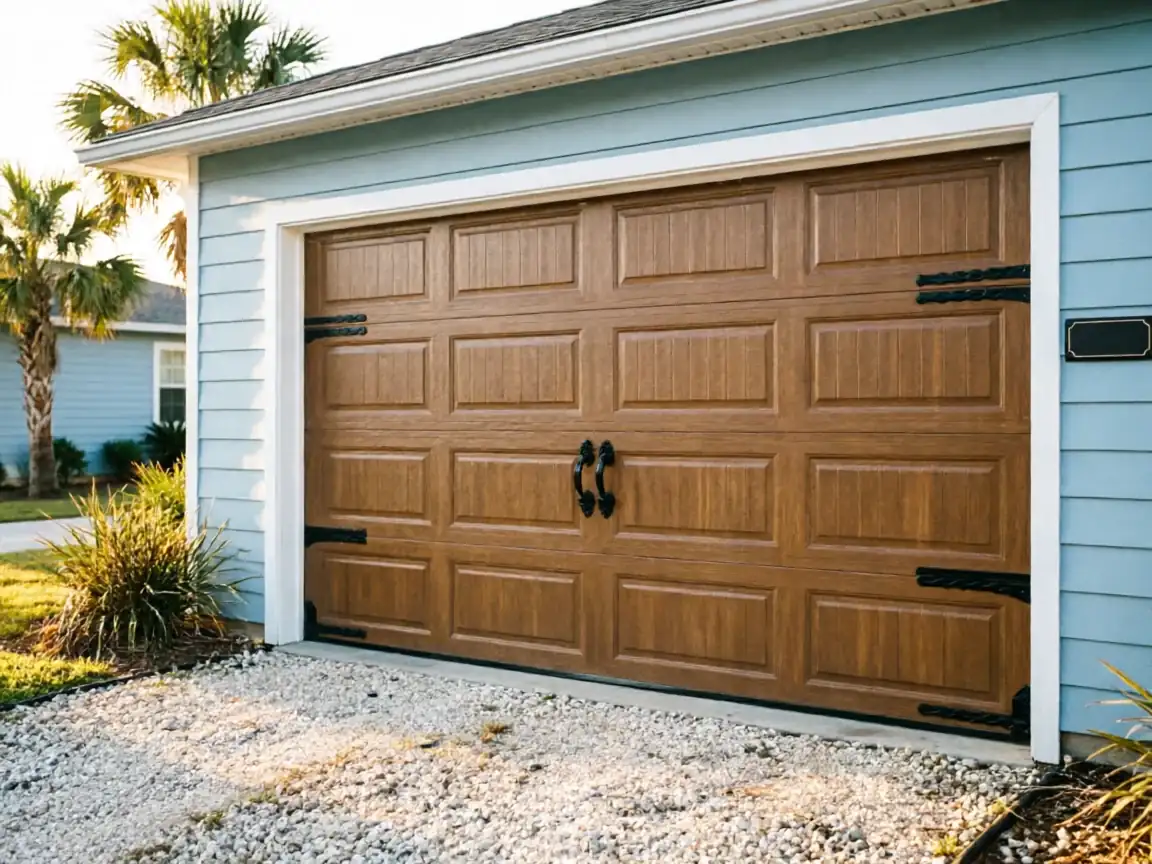
A 1988 median build year means a specific generation of hardware, and it shapes what actually breaks. Torsion springs from that era are typically oil-tempered and rated for a service life measured in cycles, not years - most have now outlived their rated cycle count several times over, so a snapped spring on a Windermere double door is often less a surprise and more a matter of time. Openers from the same window are usually chain-drive, and the ones still running are often the second or third motor on the original rail. The region's mild temperate climate (per F3) means we're not fighting the freeze-thaw cracking or extreme humidity swings that chew up seals and steel in other parts of the country, so panels here tend to fail from UV and age rather than weather damage. That's a small mercy - it means more of what we replace is wear-and-tear, not storm damage, and more of the original frame and track is salvageable when we do a spring or cable job instead of a full door swap.