This Area's Housing
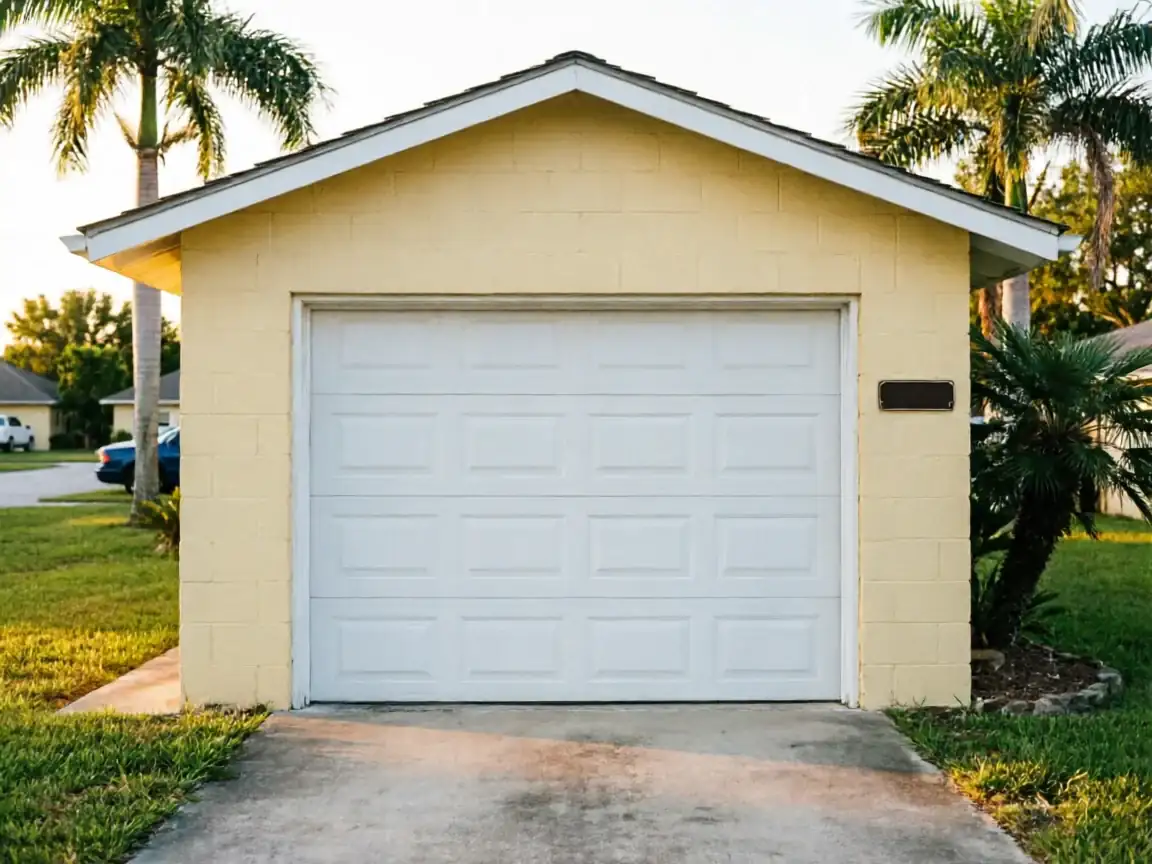
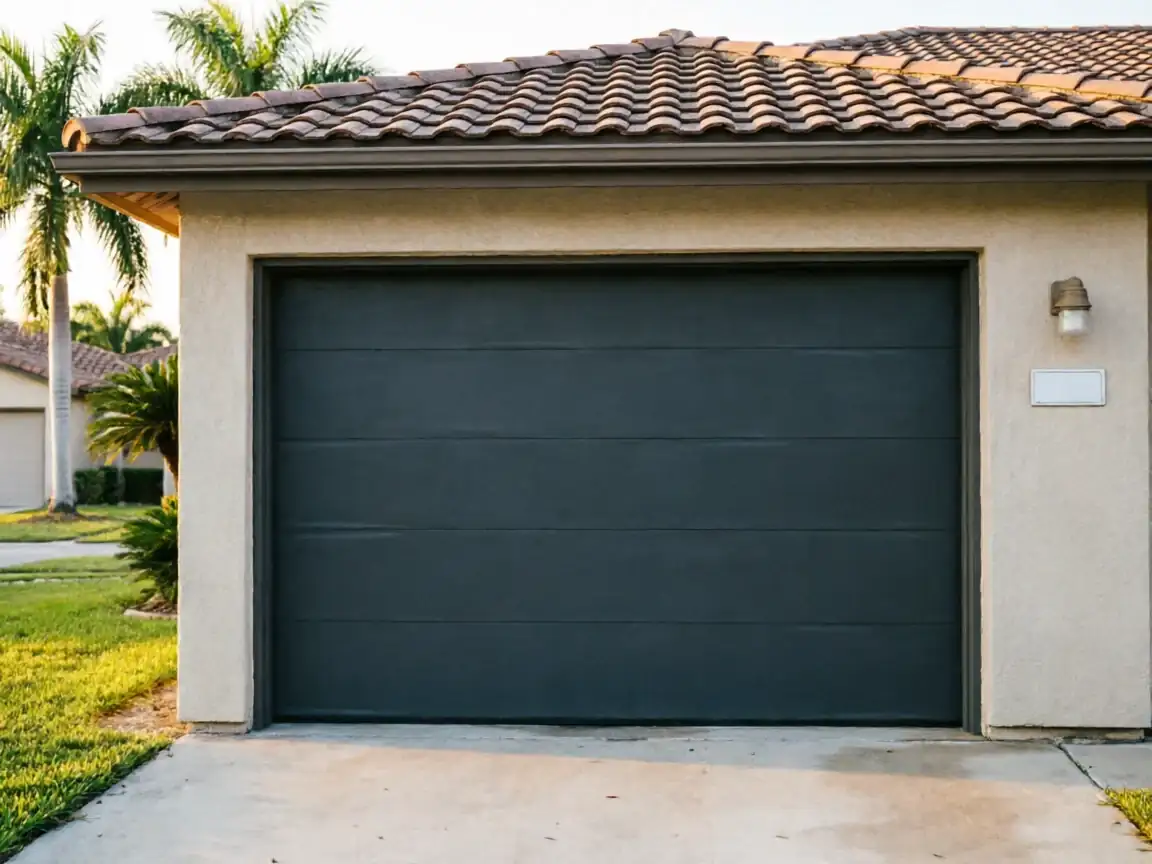
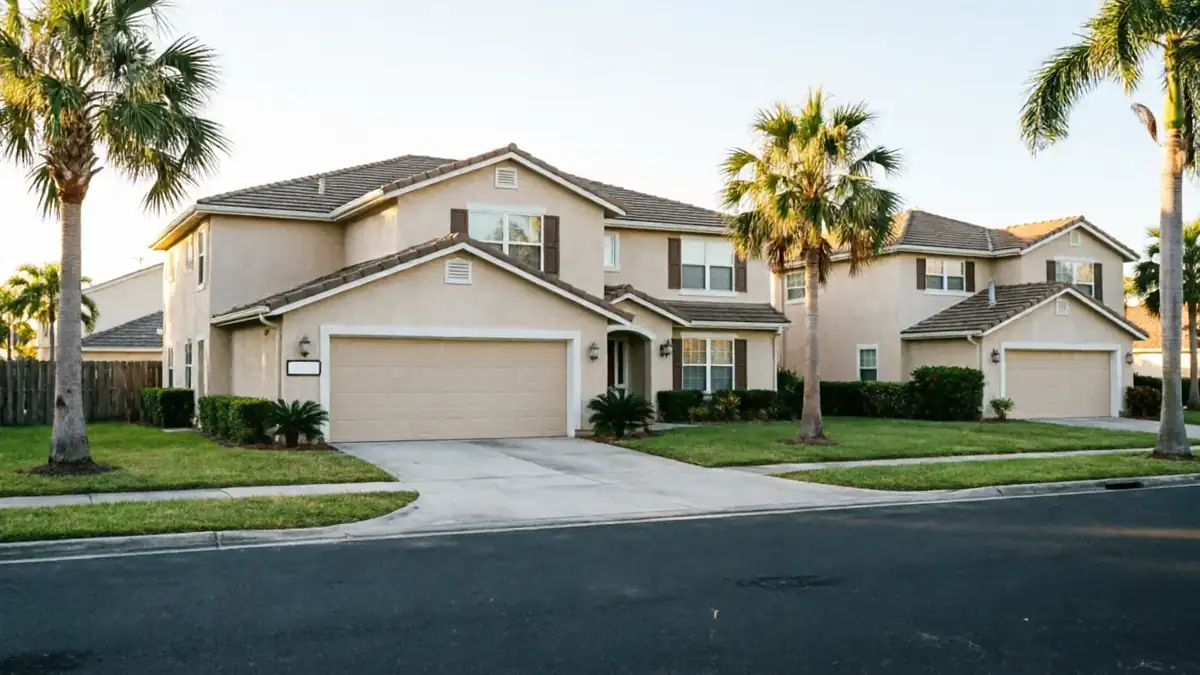
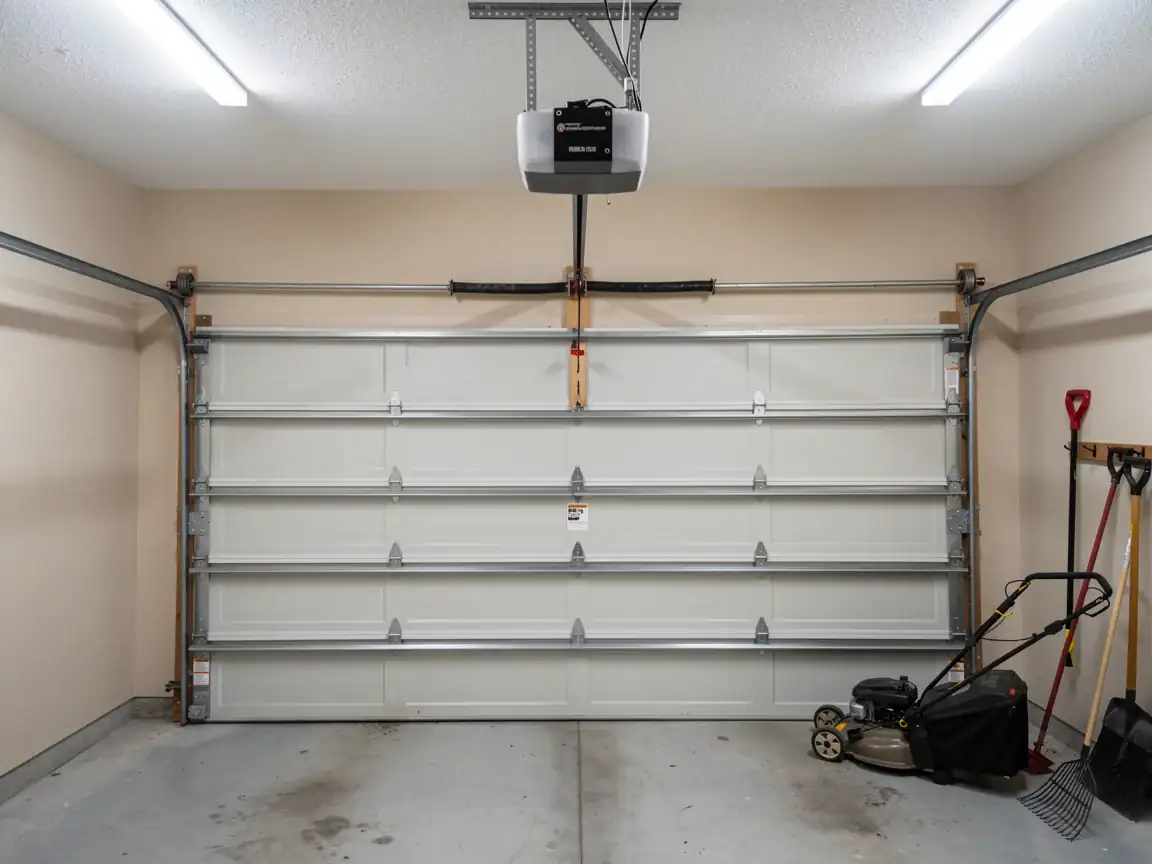
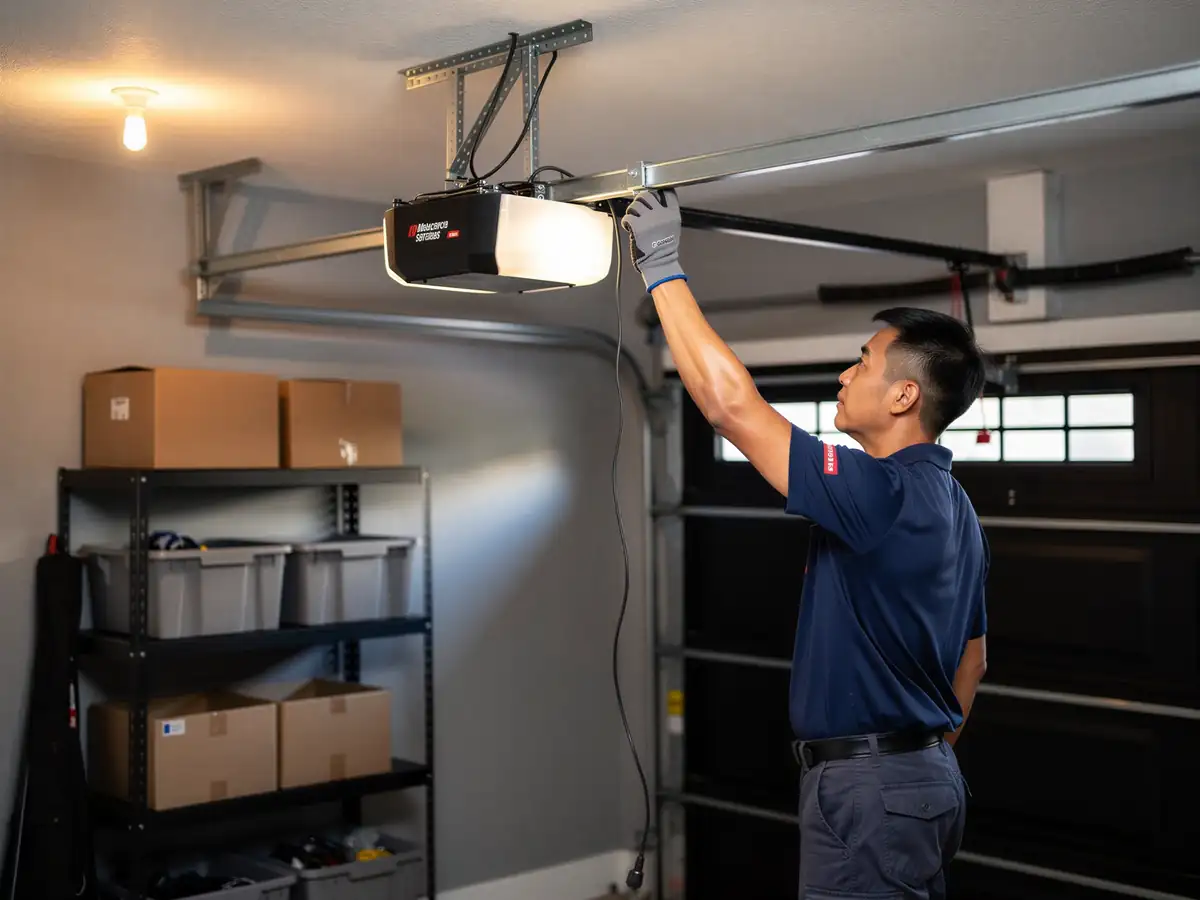
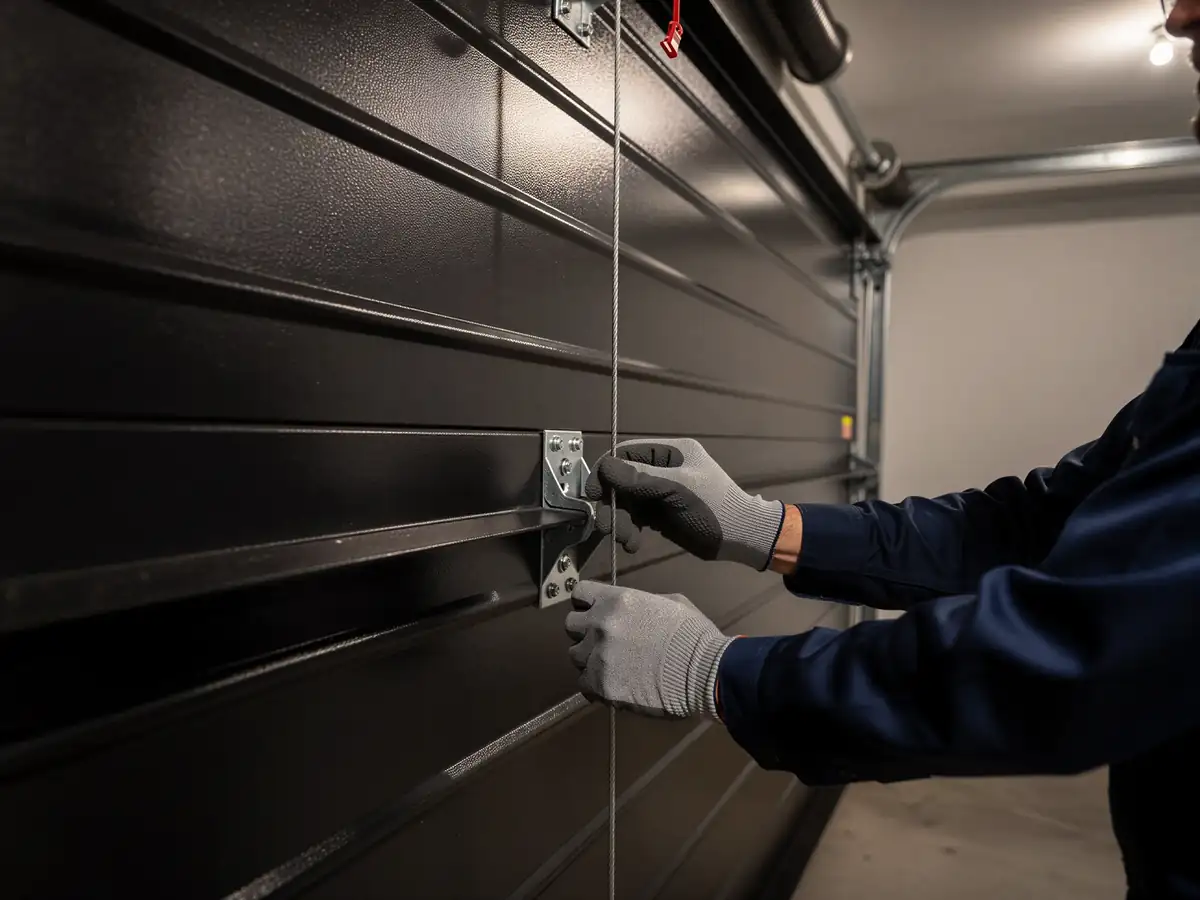
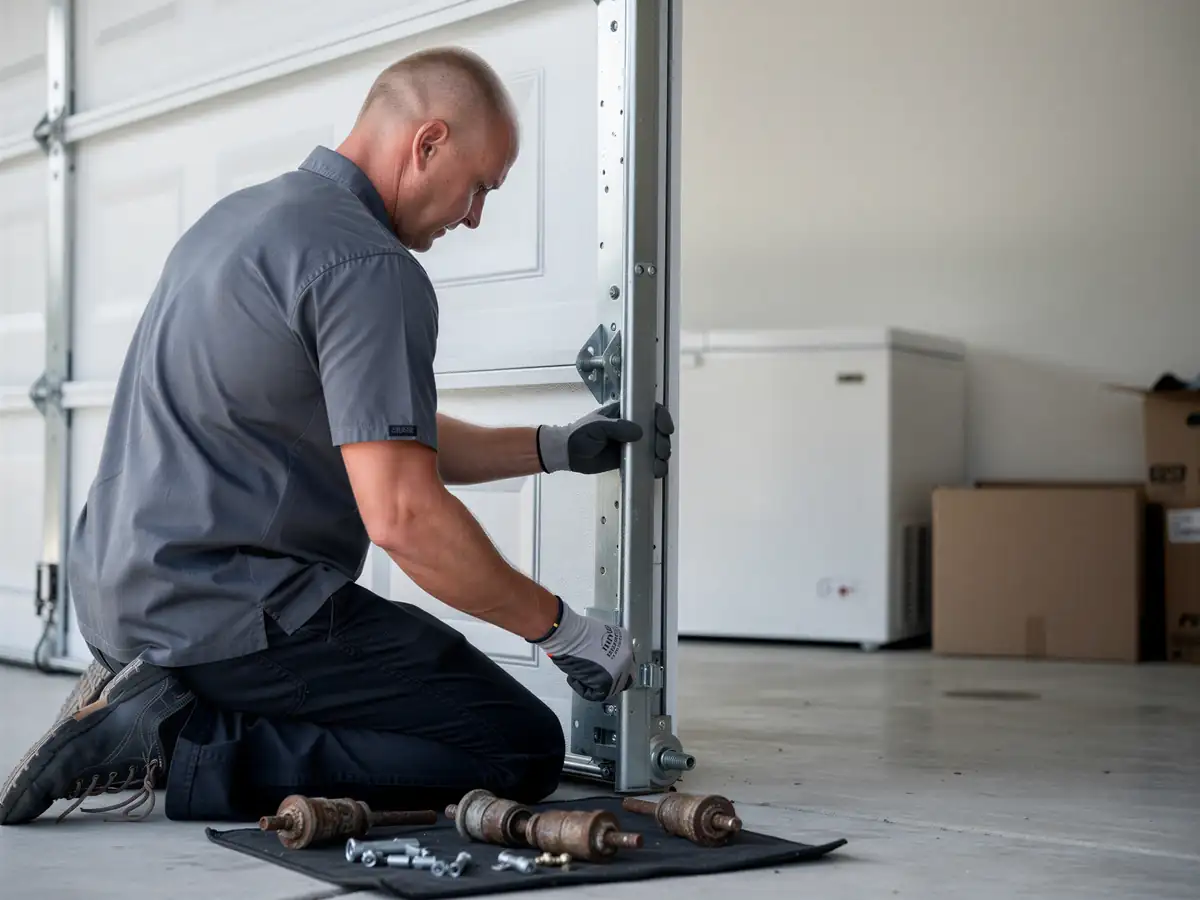
Most houses in South Apopka went up around 1984, which puts this pocket right in the middle of the broader 1964-2021 build window we see across the service area, but on the earlier side of the 1987 median. That decade of construction matters more than people think. A door installed in the early-to-mid 1980s is old enough that its original torsion spring has likely been replaced once already, and the opener - if it's still the first one - is a chain-drive unit with a wall button instead of a keypad. Steel sectional doors from that era often ran narrower track and lighter gauge panels than what gets installed today, so hardware swapped in later for a 'repair' doesn't always match what the door actually needs. With 2,373 households in this area, we're not talking about one style of house either - but the era is consistent enough that the failure patterns repeat: worn rollers in nylon sleeves that were never sealed bearings, cables that have stretched past spec, and center supports that were fine for a lighter door than what someone bolted on during a later upgrade.
What We Do Not Do
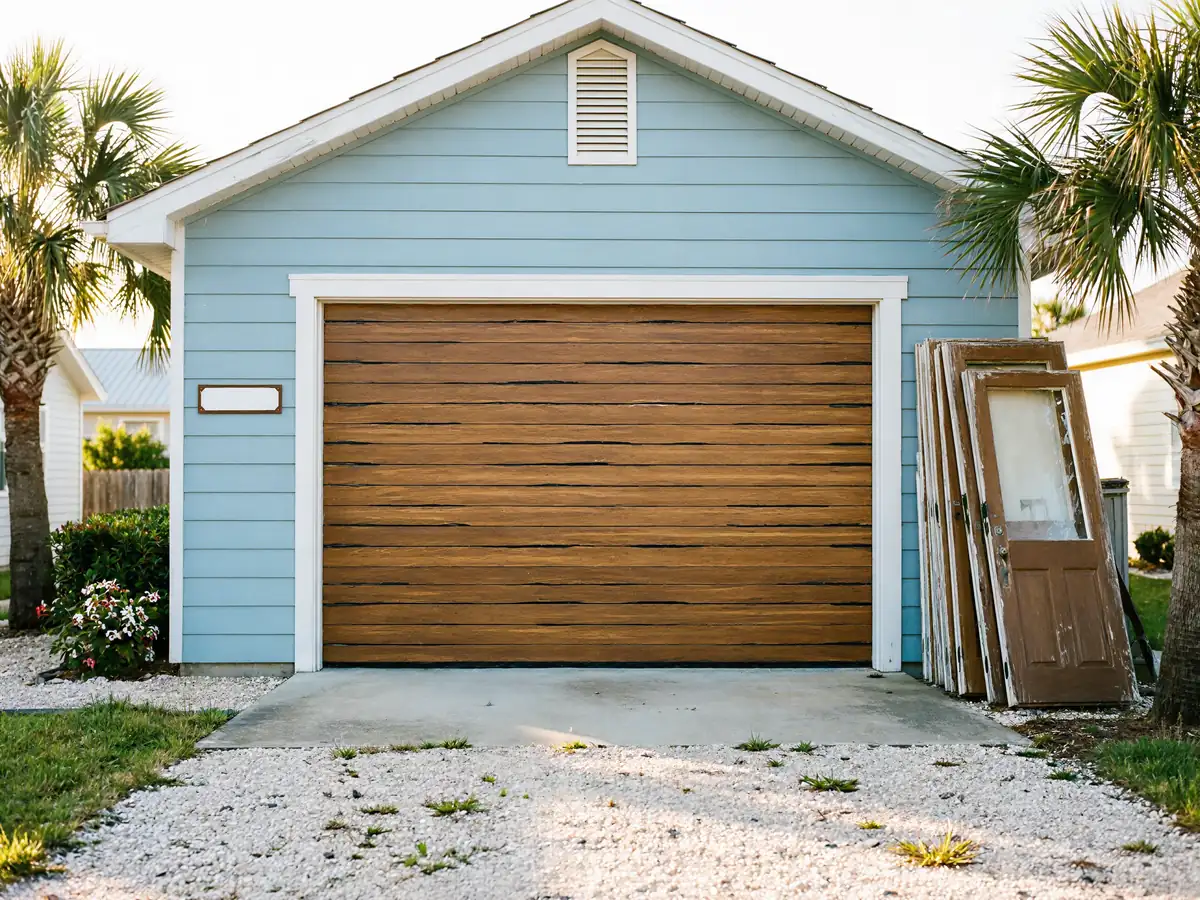
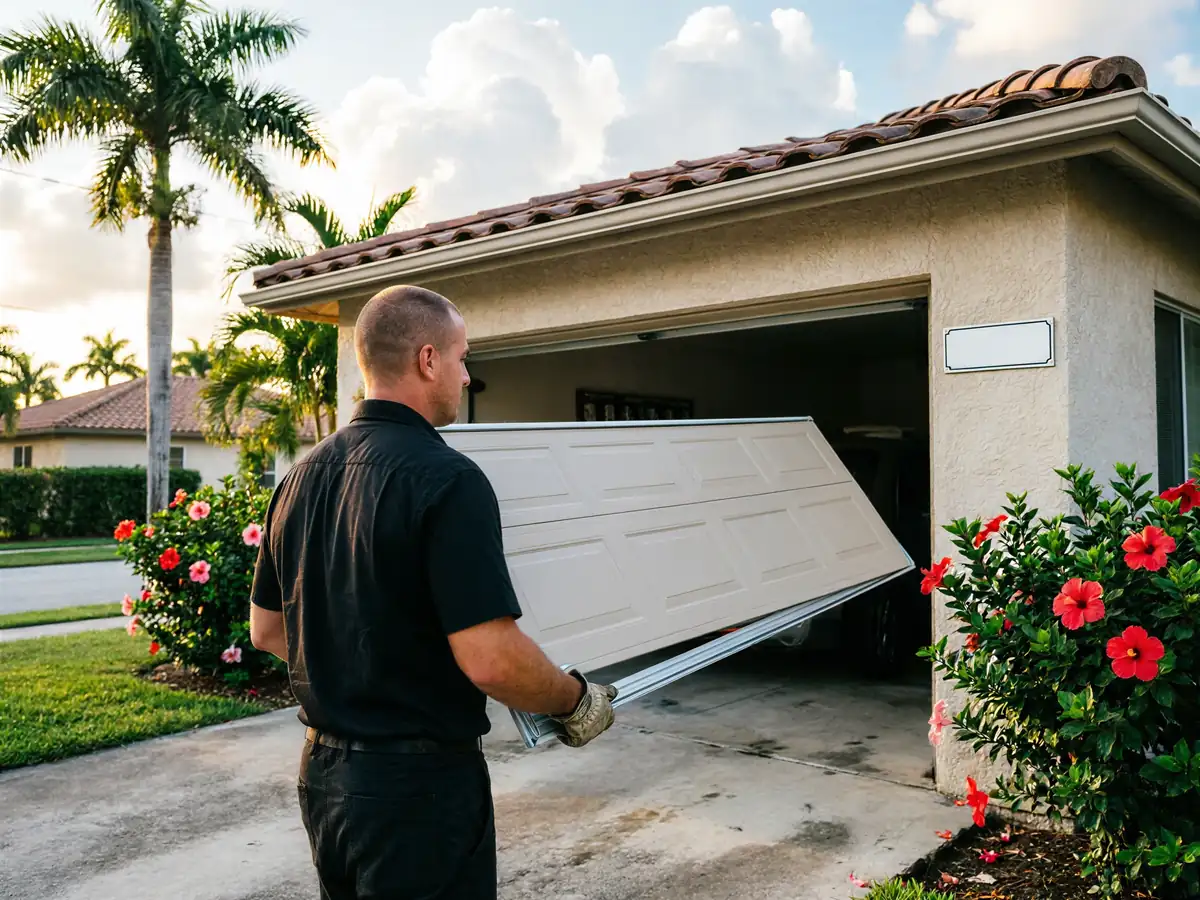
We don't carry every obsolete bracket or roller size on the truck, and on a door built in the 1984 range, sometimes the original part just isn't made anymore. When that happens we tell you straight - replacement hardware that fits close enough, or in some cases a new section or a full door, rather than forcing a part that'll fail again in six months. We also don't do cosmetic-only jobs like repainting a door that's structurally fine; that's not a repair call. And we don't try to talk a spring job into a full opener replacement if the opener's working - we fix what's broken, not what's convenient to sell.
How That Shows Up in the Door
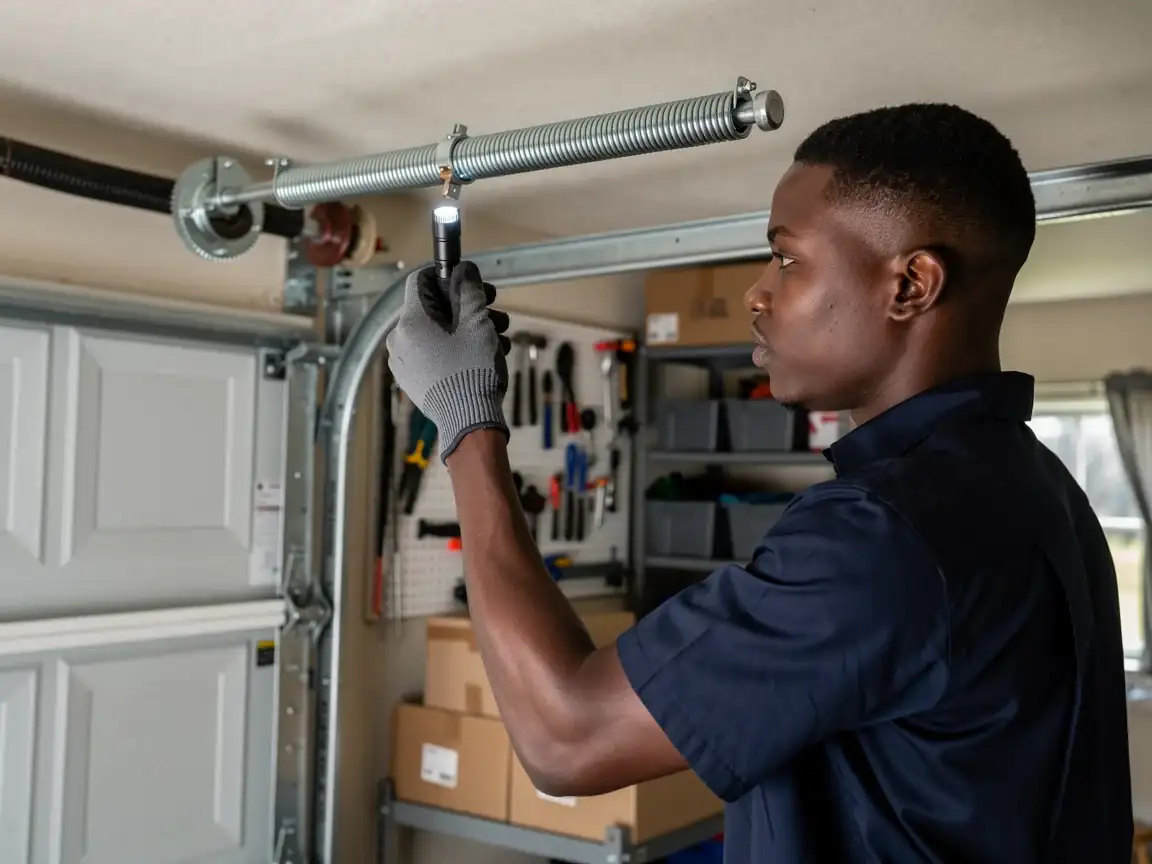
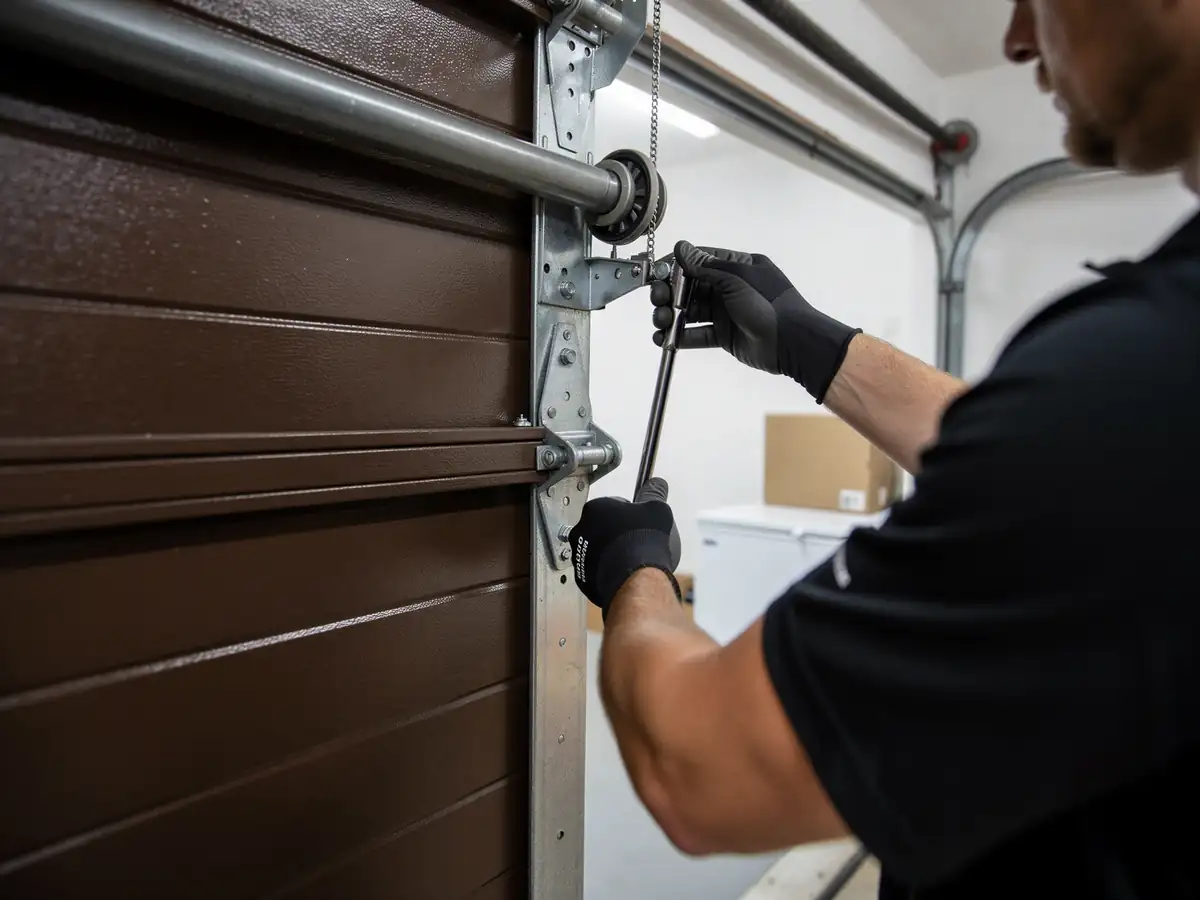
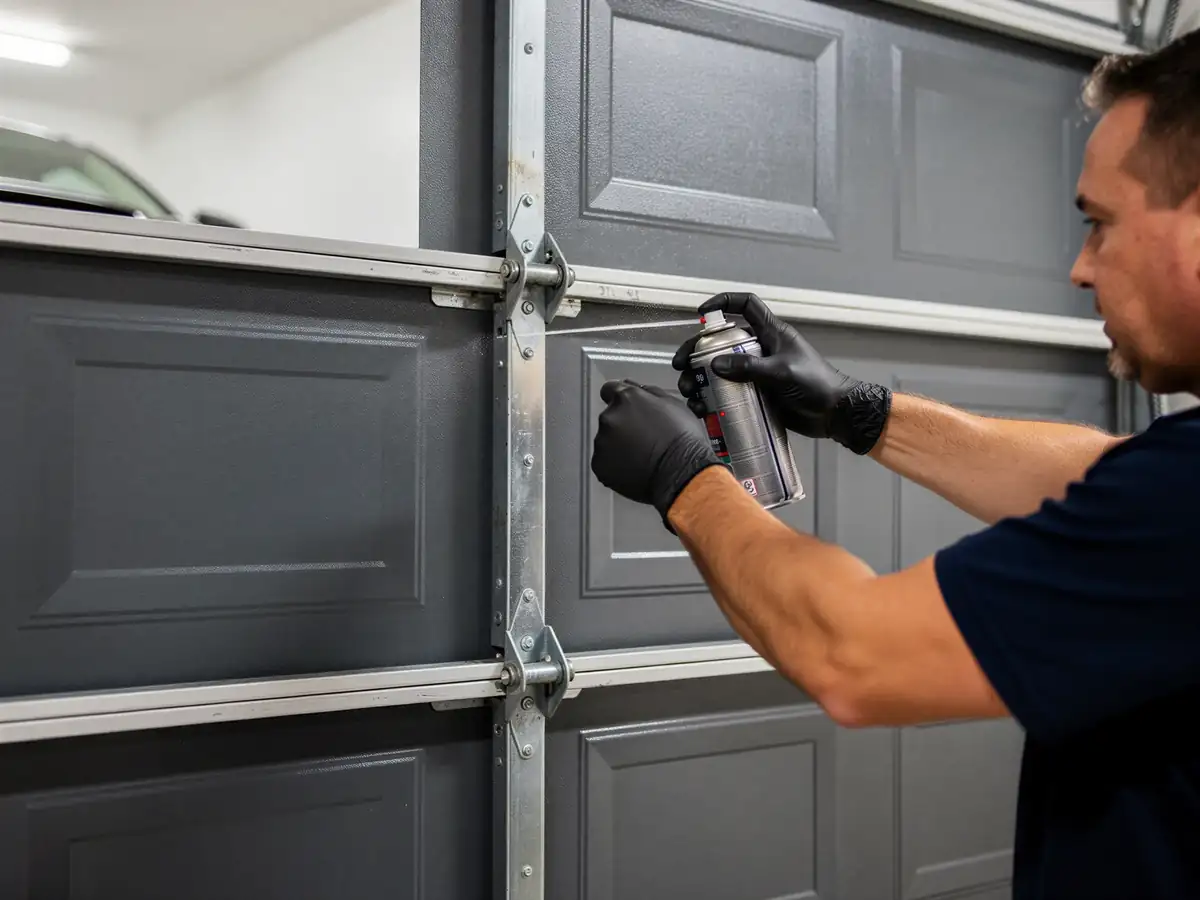
With a median household income of $54,427 here, noticeably below the $84,955 median across our wider service area, the calculus on repair versus replace tends to tip toward repair more often - and that's usually the right call on a door from the 1984 era anyway, since the steel frame and track on these older sectional doors is often still sound even when springs, cables, and rollers are shot. The mild temperate climate here is on your side too: no freeze-thaw cycling to crack panel seams, no extreme humidity swings snapping brittle plastic idler pulleys the way you'd see further north. What fails on these doors is mechanical wear, not weather damage - springs that have cycled tens of thousands of times, cables fraying at the drum, openers with worn gears inside the housing. Straightforward problems, and on a door built this long ago, usually cheaper to fix than to explain.