
The Problem
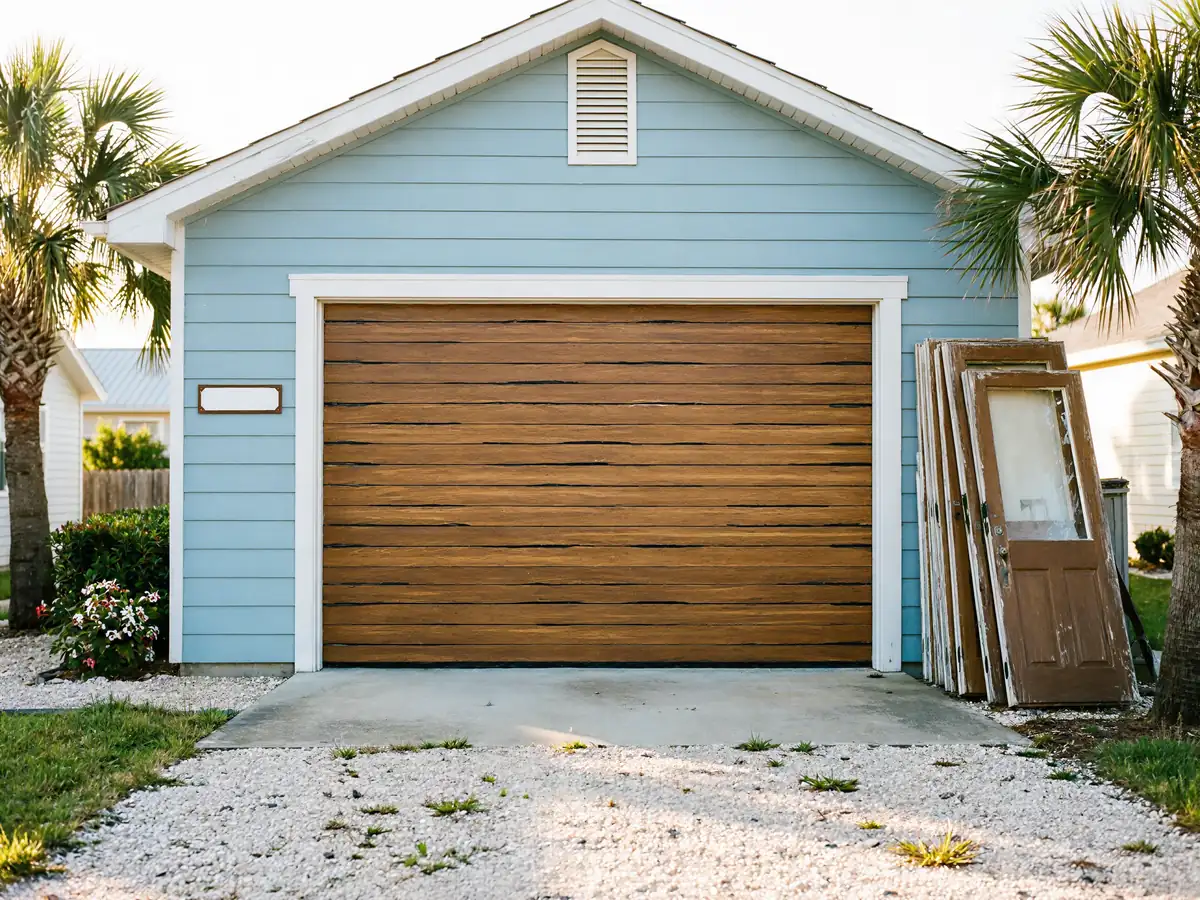
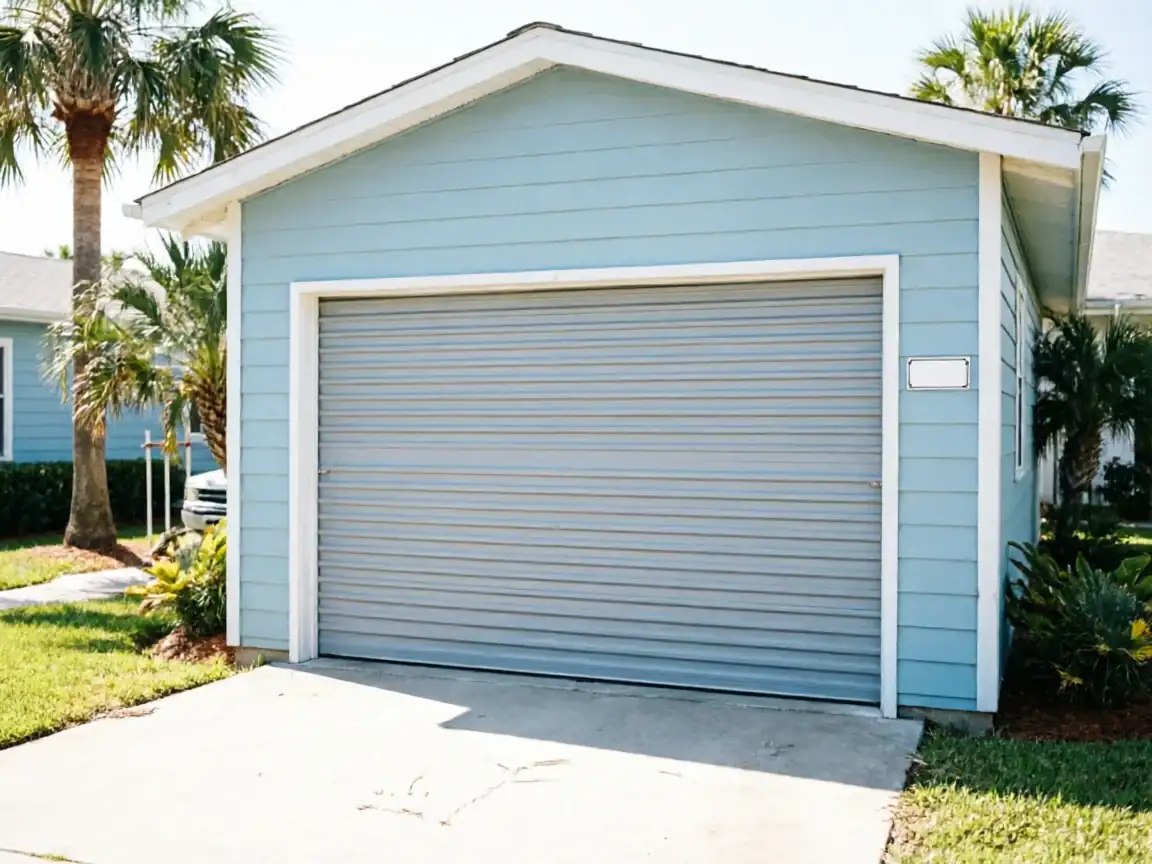
Most of the houses in this part of Winter Garden and the named areas around it went up somewhere between 1964 and 2021, with the median landing around 1987. That means a lot of the garage doors you see today are either original to a late-80s build or a swap-in replacement that got bolted onto hardware from that era. The confusion starts because an attached garage and a detached one get built to different standards even when they're going up in the same subdivision in the same decade. An attached garage shares a wall and often a ceiling joist with the living space. A detached one, out back or off to the side, doesn't share anything but a driveway. Owners assume the door itself doesn't care which kind of structure it's bolted to. It does. The track, the jamb framing, and how much the door has to resist to keep weather out of the house are different problems depending on which side of that wall you're standing on.
If your house falls into that 1964-2021 build window, which covers most of the service area, you're working with one of these two setups, not some hybrid. Knowing which one changes what actually needs attention.
The Common Mistake
The mistake we see most is someone fixing an attached garage door the same way they'd fix a detached one, because that's the only mental model anyone gave them. On an attached garage, a worn bottom seal or a gap in the weatherstripping isn't just a garage problem. That wall is shared with a bedroom or a laundry room, so a bad seal is pulling outside air straight into the house. On a detached garage, the same worn seal just means the garage itself runs warmer or cooler than the house. Nobody inside notices.
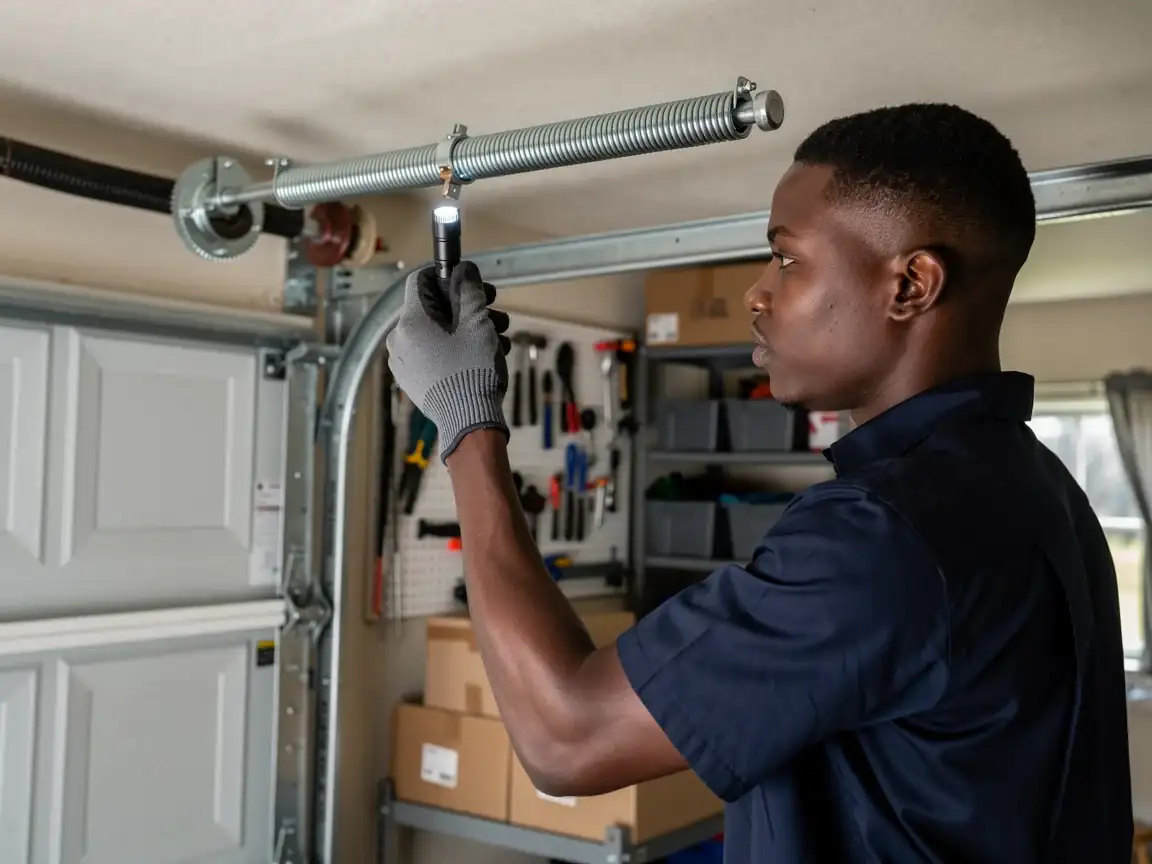
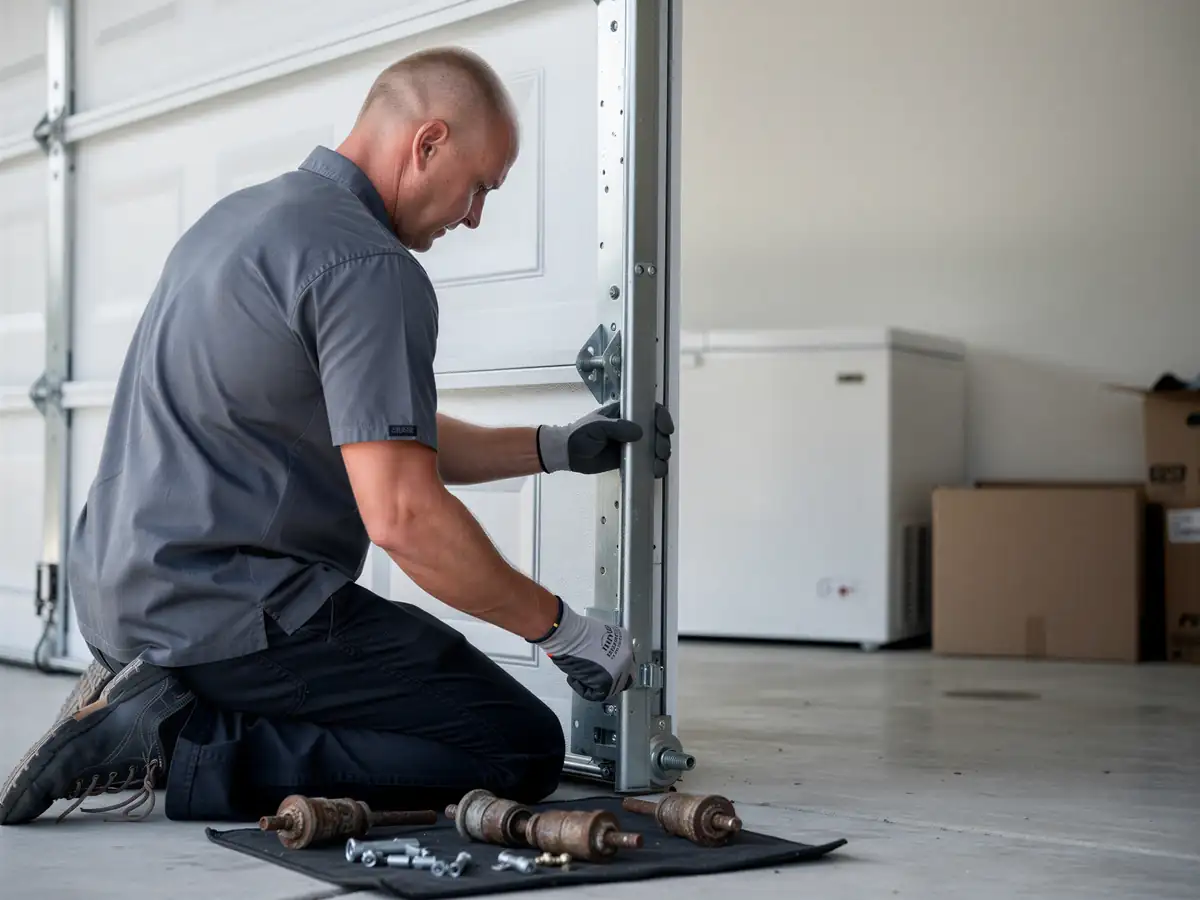
The other half of the mistake is treating hardware age the same way across both. A door and opener installed when the house went up in the 1980s or 90s is now 30-plus years old no matter which structure it's on. Torsion springs rated for that era's door weight, and track brackets sized to that era's framing, don't always match what's sold today. Owners patch the symptom, replace a roller or a cable, and don't ask whether the whole assembly is original to a house built when Reagan was still president. On an attached garage that mismatch shows up as noise and drafts in the house. On a detached one it shows up only when the door finally won't open.
What the Weather Here Does to It
The climate across this part of the service area is mild temperate
So you're not fighting the freeze-thaw cycle that cracks concrete footings and warps track brackets in colder states. That's the honest upside. What you are fighting is steady heat and humidity working on rubber seals, lubricant, and steel fasteners year-round instead of in short bursts. On an attached garage, that heat transfer through a bad seal or an uninsulated door matters more, because it's heat the house's own cooling system has to fight. On a detached garage, the same heat exposure just ages the hardware a little faster without costing anyone on their power bill.
Because there's no hard freeze working against the door
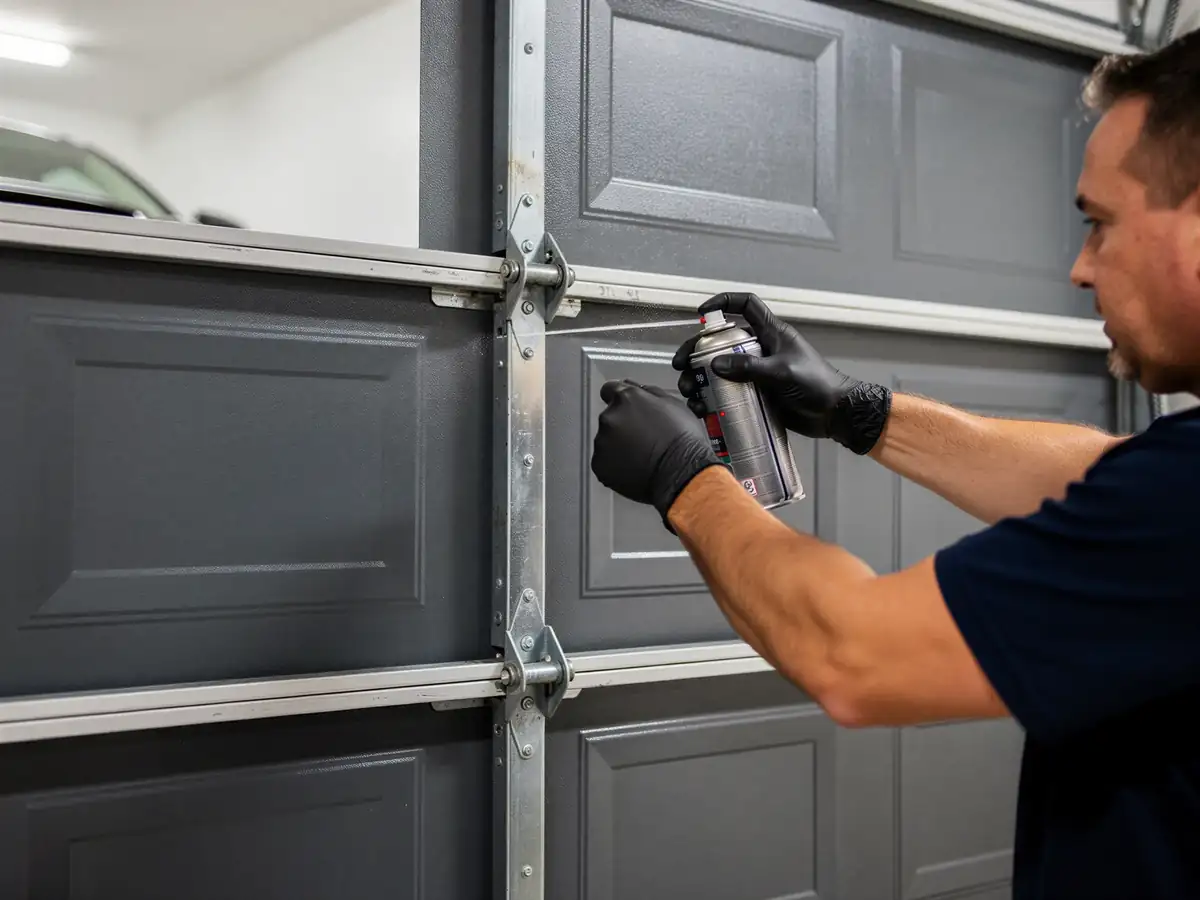
A lot of the original 1980s-90s hardware on these houses has lasted longer than it would up north. That's not a reason to ignore it. Galvanized springs and tracks still fatigue under steady cycling, and nylon rollers still dry out and crack in the heat even without ice ever touching them. The failure here tends to be slow and quiet rather than sudden, which is exactly why it gets missed until a cable snaps or a spring lets go.
When to Call Someone
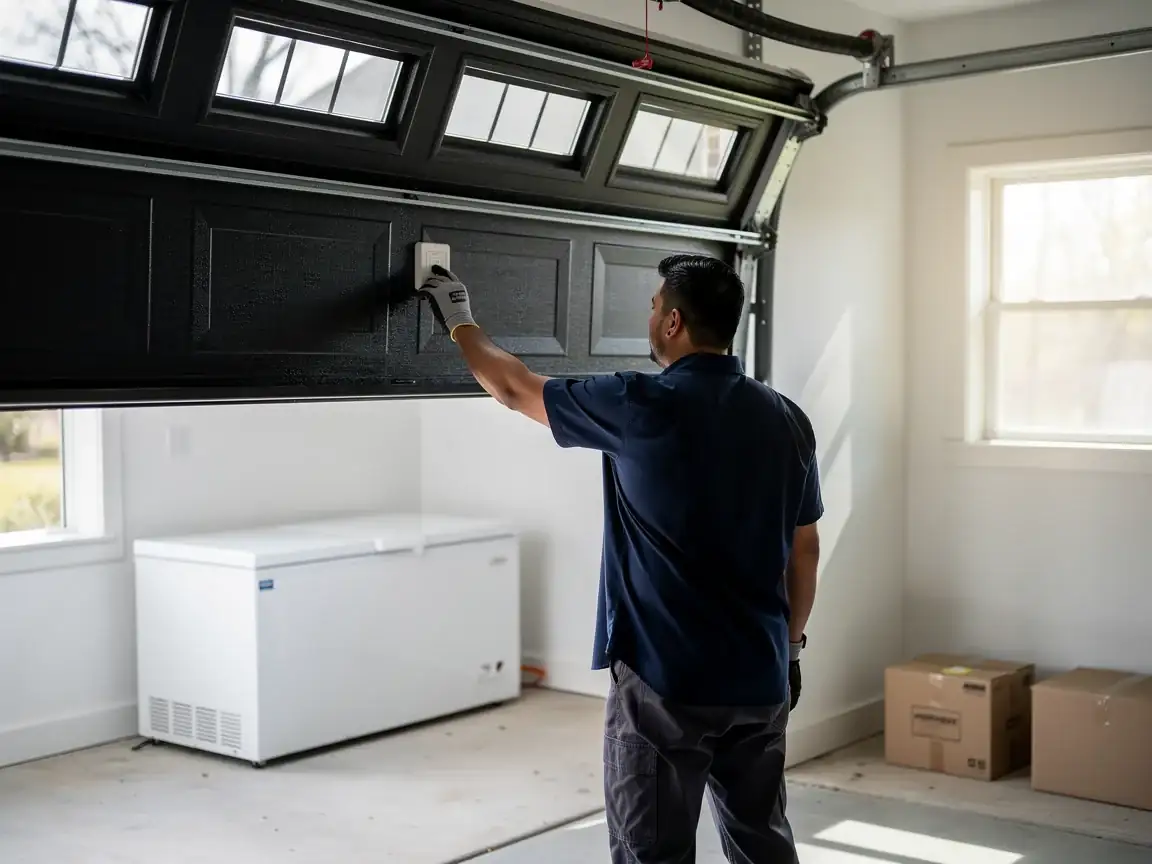
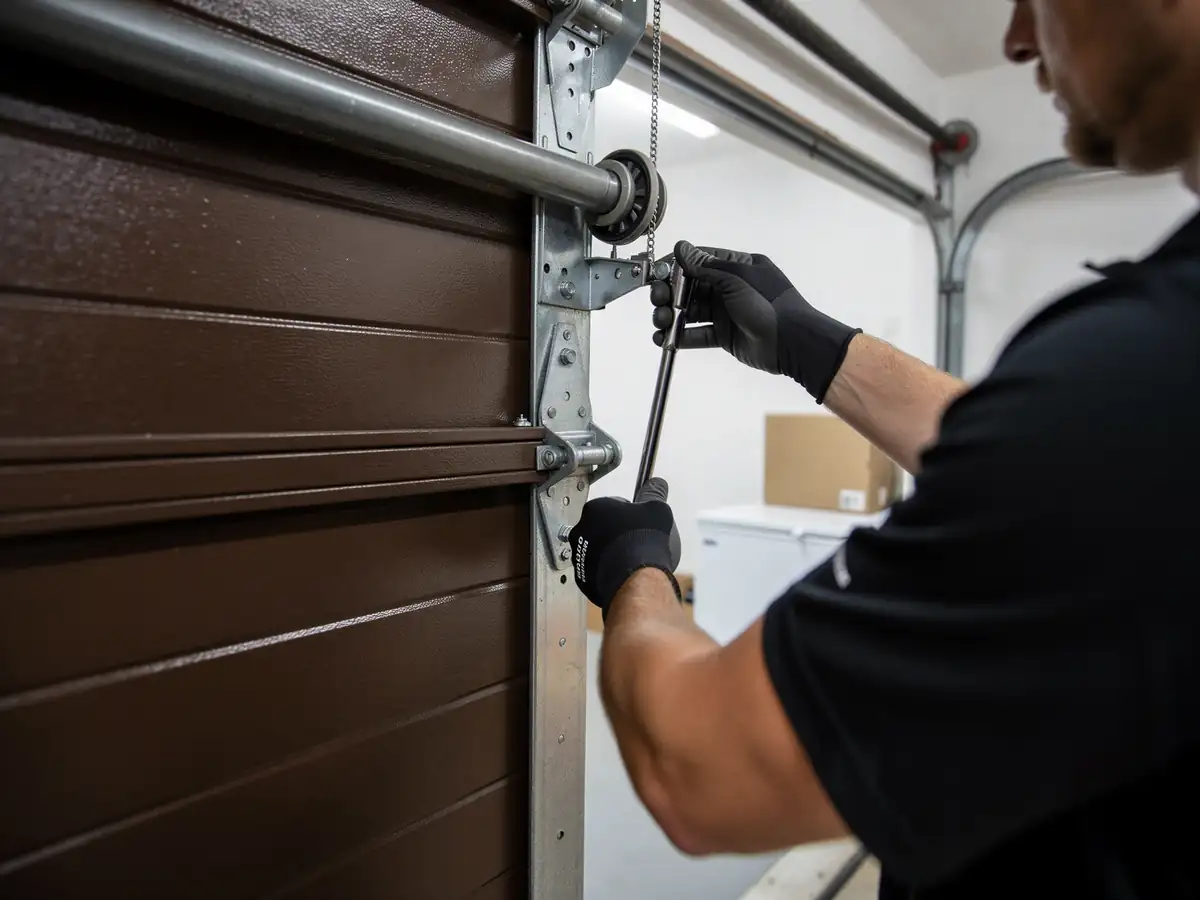
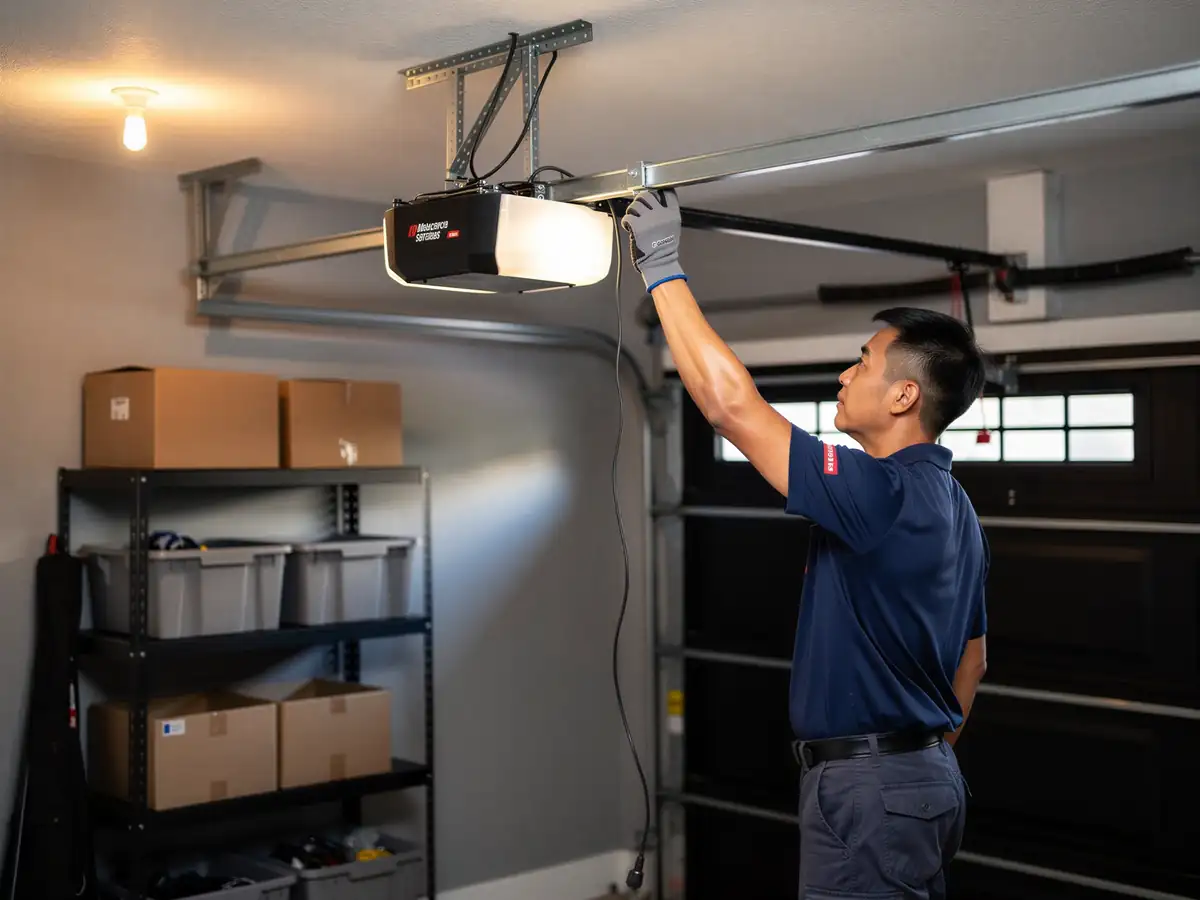
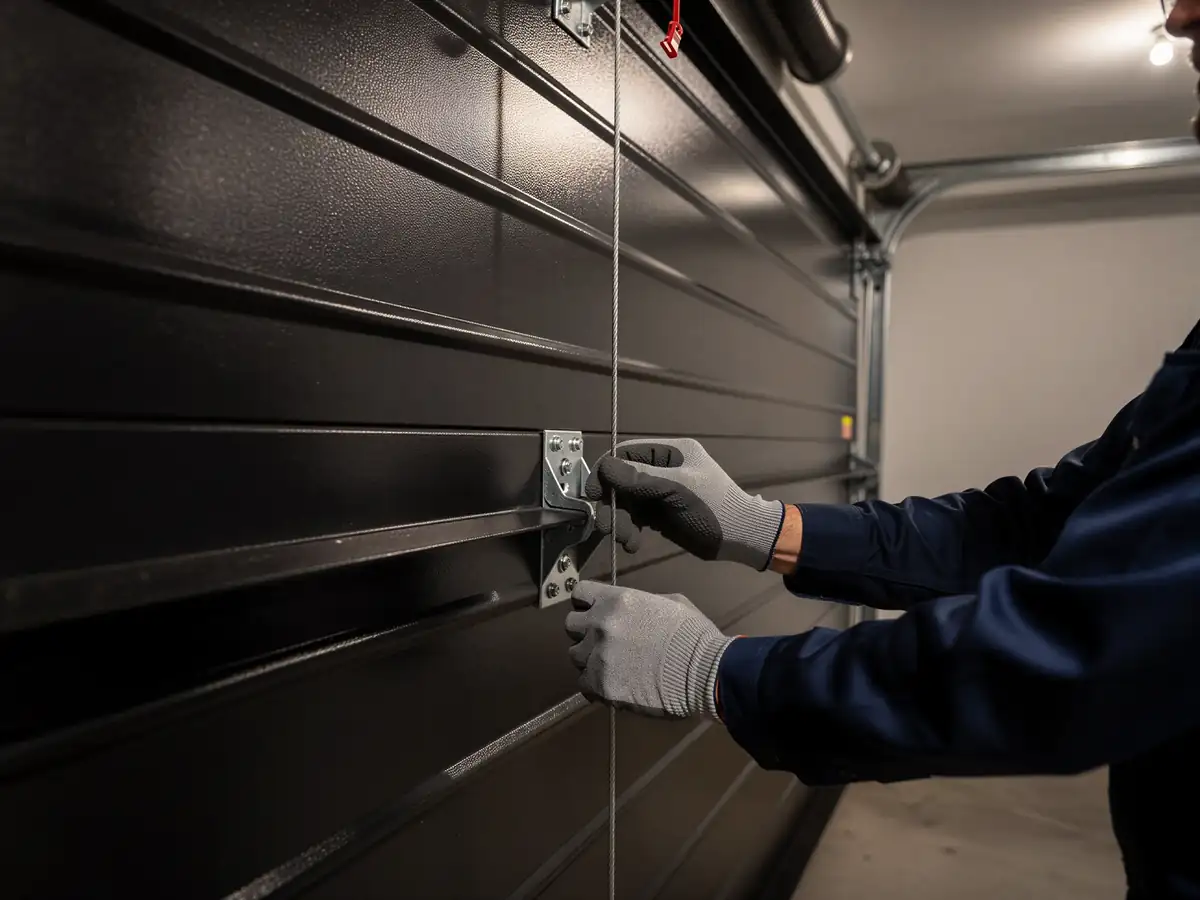
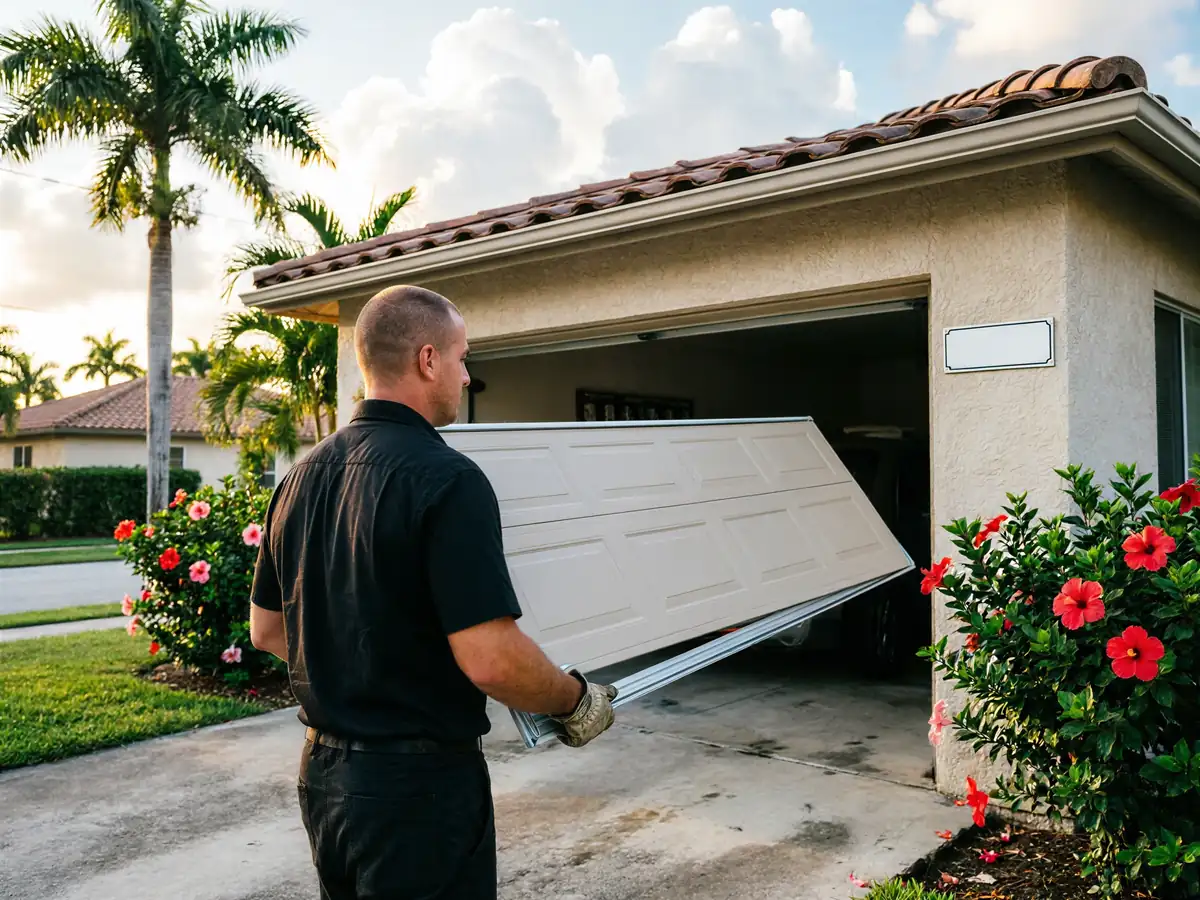
Call when a spring is broken, visibly gapped, or the door won't stay up on its own, that's not a DIY job and we won't pretend otherwise. Call when the track is bent or the door is binding on one side, especially on an attached garage where a stuck door can pull on the shared wall framing over time. Call when an opener on original hardware from a 1980s or 90s build starts grinding or reversing on its own, since matching parts for that generation of equipment isn't always something we can get off the shelf.
Here's the limitation worth stating plainly: if a door is original to a house built decades ago and the track, hinges, and springs are all original too, sometimes the honest answer is replacement, not another repair. Patching a 30-year-old system piece by piece on an attached garage, where failure means a draft or a stuck door right next to living space, usually costs more over a few years than doing it once. We'll tell you which situation you're in before we tell you what it costs.