The Problem
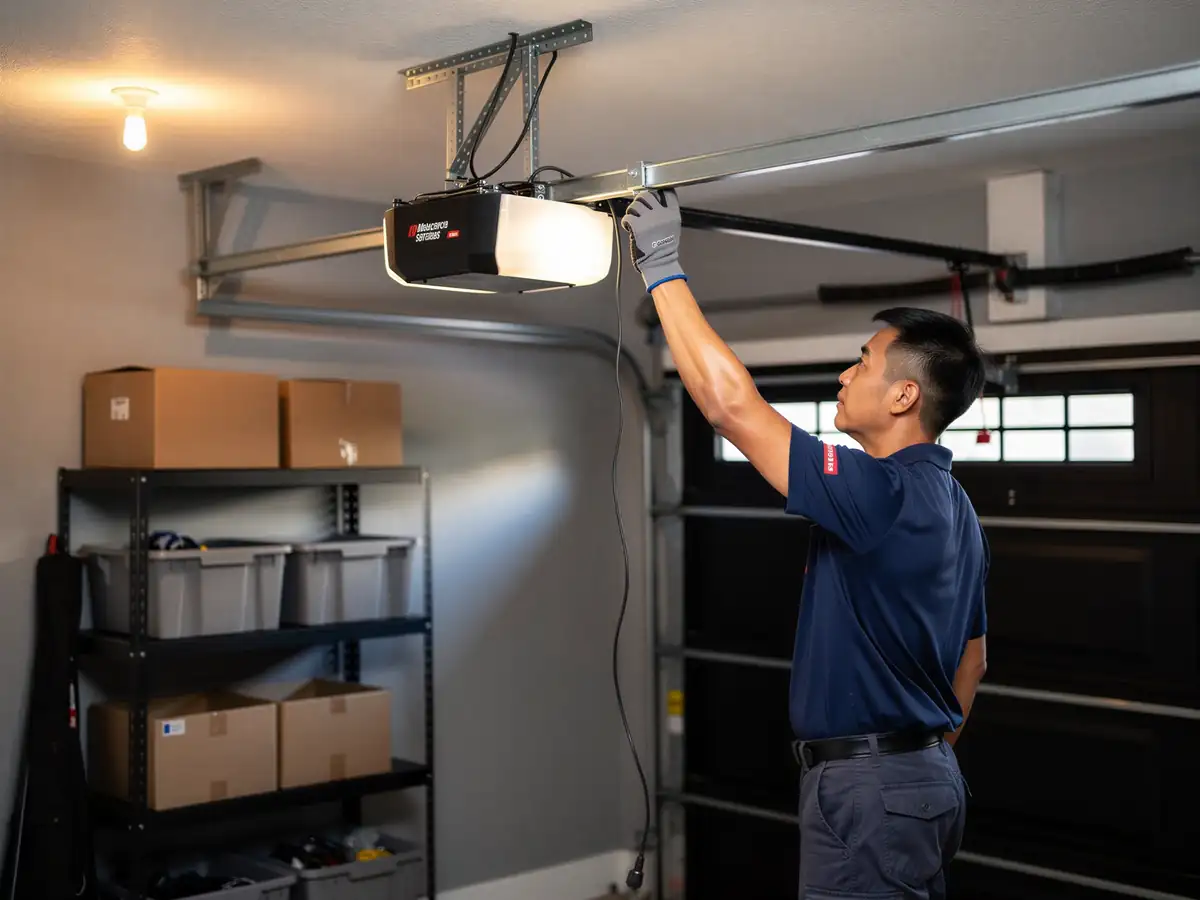
Most of the garage door openers we get called out on in Winter Garden aren't broken because the motor died. They're broken because the power went out, came back on, and the opener never recovered the way the owner expected it to. A chain-drive or belt-drive unit without battery backup doesn't just pause during an outage - it loses its position in the travel limits, and sometimes the wall control stops talking to the head unit at all. The homeowner's first guess is always "the opener's dead." Half the time it isn't. It's confused, not dead.
This matters more here than it would somewhere with newer housing stock. Winter Garden's homes were built anywhere from 1964 to 2021, but the median build year is 1987, and most of the broader market - the 47 named communities that make up this area - carry 1980s and 90s stock. That means a lot of openers still running are the originals, or close to it, installed in a decade when battery backup wasn't standard equipment and surge protection on a garage circuit was nobody's concern. When the power cuts, those units have nothing to fall back on.
The Common Mistake
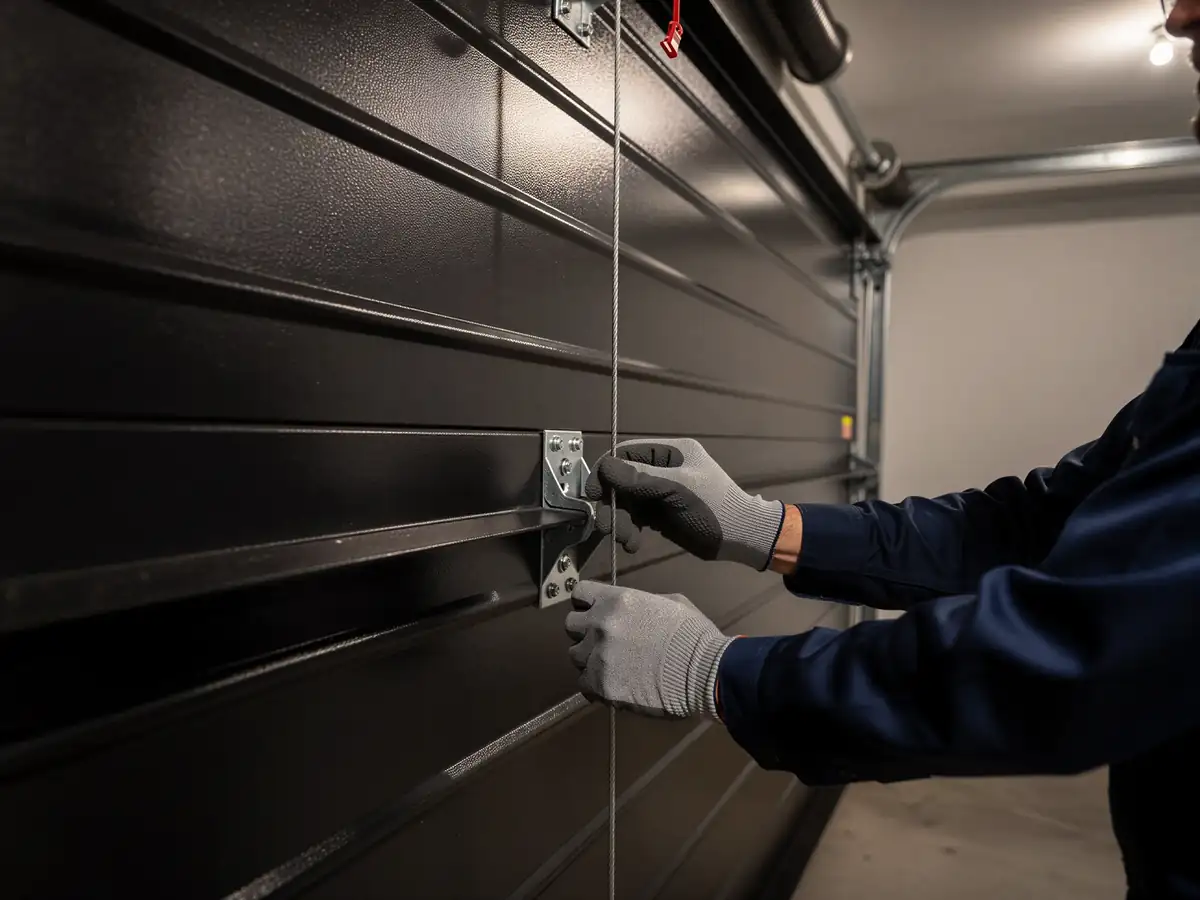
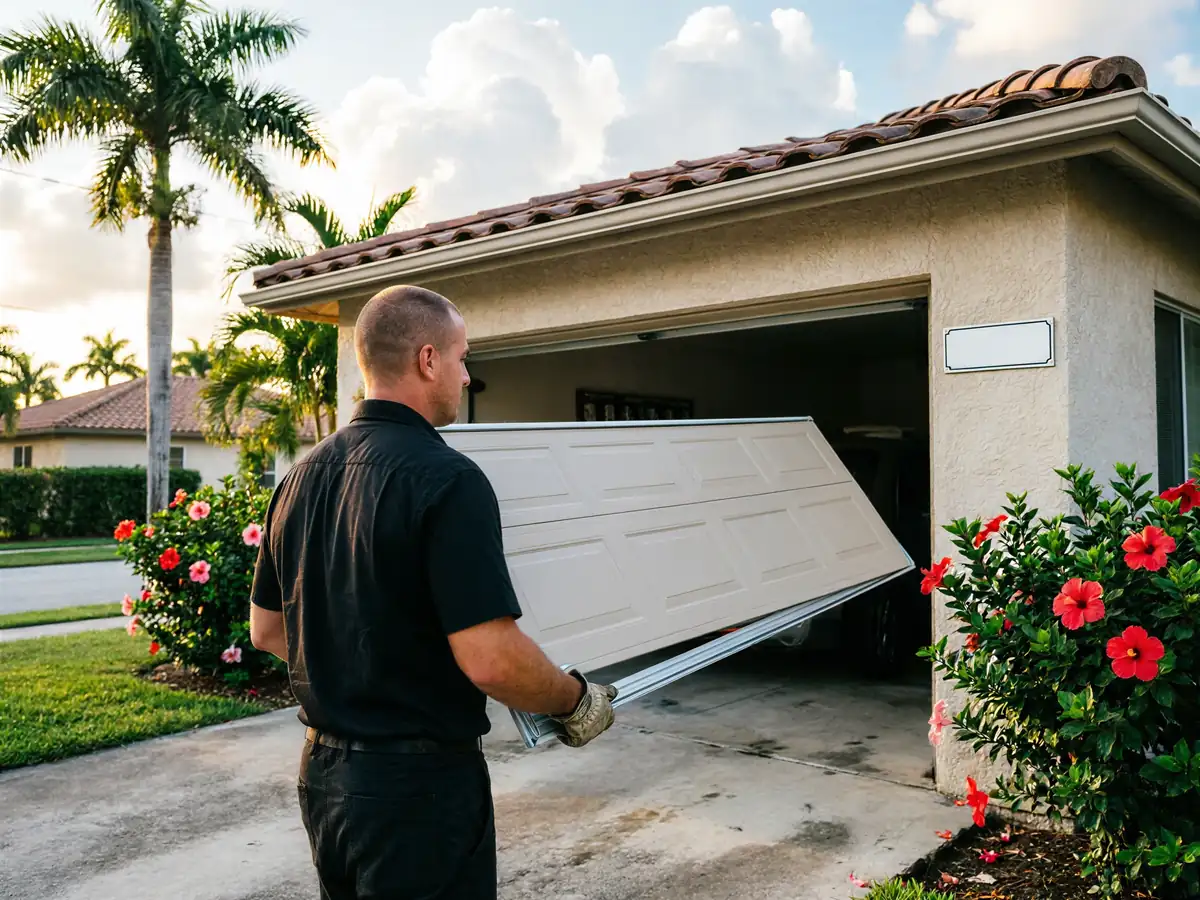
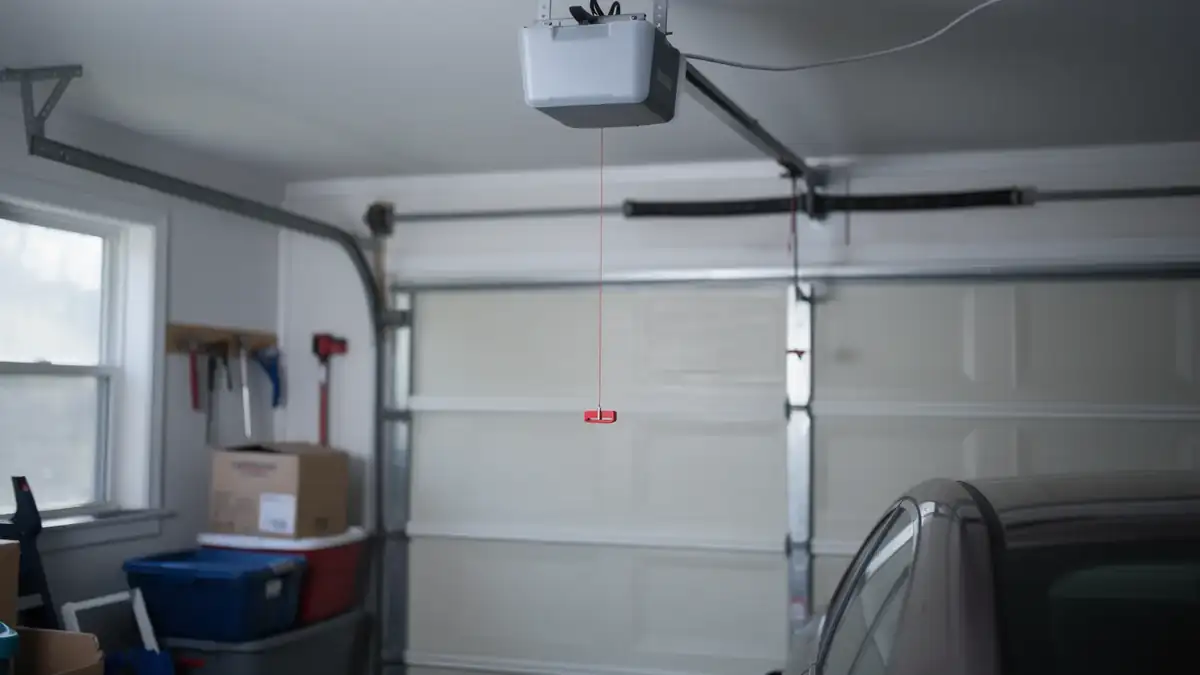
The mistake we see most is someone manually pulling the emergency release during a power cut, lowering the door by hand, then forgetting to re-engage the opener correctly once power's back. The carriage reconnects at the wrong point in the track, the opener thinks the door is somewhere it isn't, and now it's grinding or reversing for no visible reason. On an opener from the 1980s or 90s with no digital position memory to speak of, that mismatch doesn't fix itself. Someone has to manually reset the travel limits.
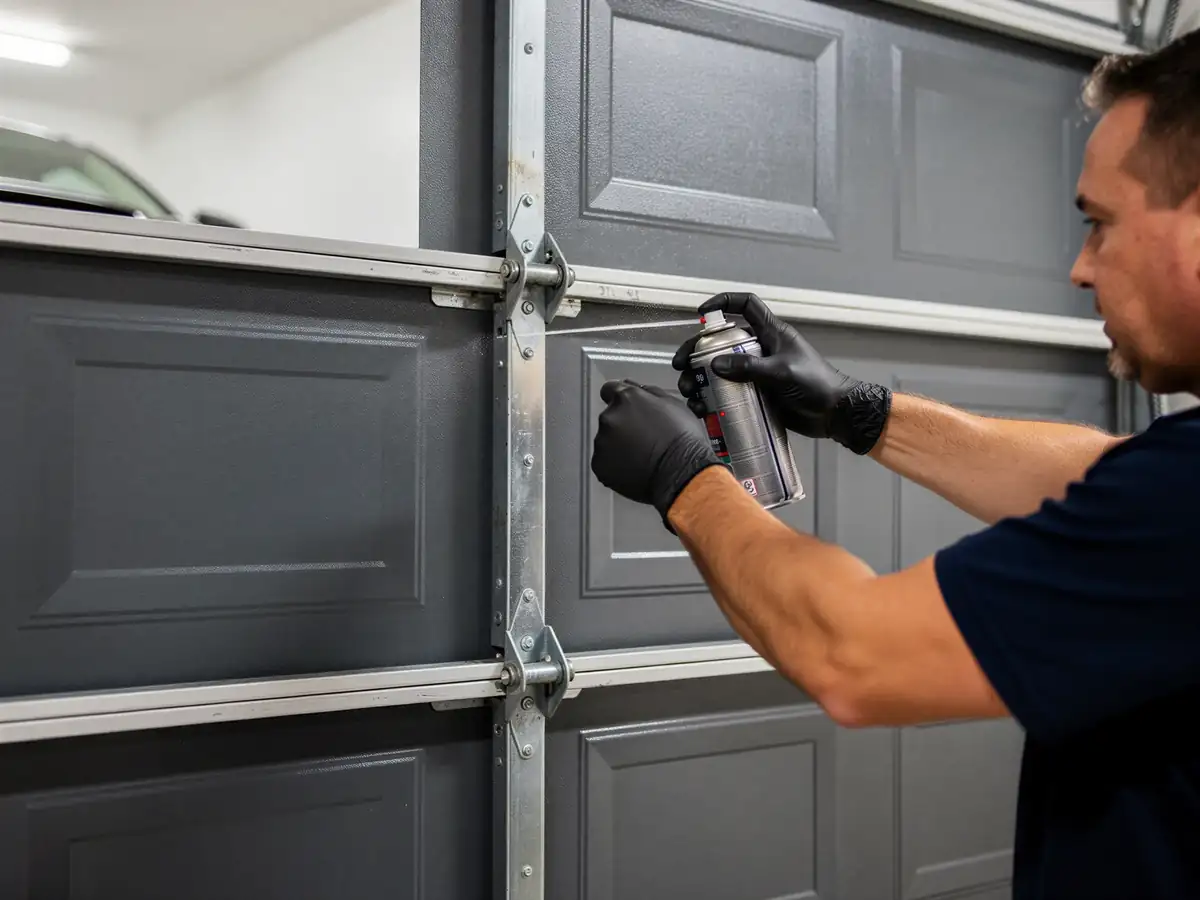
The second mistake is assuming a reset button will solve it. On units this age, a lot of the "reset" is mechanical, not electronic - you're adjusting limit screws or a dial, not holding a button for ten seconds like on a current model. People try the modern fix on an old machine and get nowhere, then call us convinced the whole opener needs replacing when it's actually a twenty-minute limit adjustment. We'll tell you straight when it's that simple. We'd rather do a short job right than sell you a new unit you don't need yet.
What the Weather Here Does to It
Winter Garden sits in a mild temperate band
So you're not dealing with the hard freezes that crack plastic ring gears or seize grease in a colder state. That's the good news. The bad news is that mild and humid isn't the same as gentle on electronics. Thirty-plus years of Florida humidity sitting inside a garage does steady, quiet damage to a logic board and its capacitors - not the dramatic kind, just slow corrosion on contacts and solder joints that eventually shows up as an opener that drops connection with its remote or wall switch during exactly the kind of voltage dip a power cut causes.
So the pattern we see is
An opener that's run fine for twenty-plus years suddenly acts erratic the first time the power blinks, because the humidity had already been working on it for two decades. It wasn't the outage that broke it. The outage just exposed what the climate had already weakened. That combination - mild temperatures doing nothing to slow corrosion, decades-old stock still in service - is specific to how long these openers have been sitting here, not something you'd see in a market with newer housing.
When to Call Someone
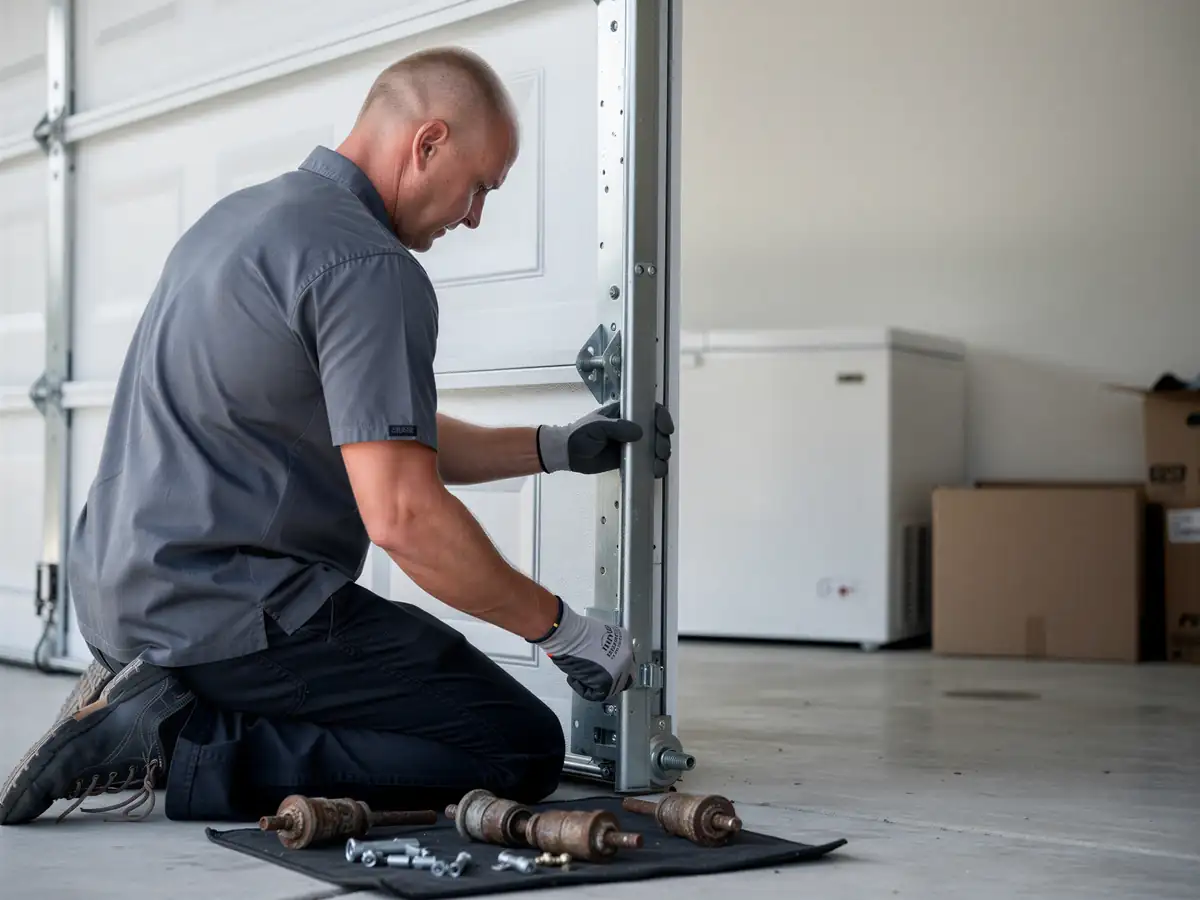
Call if the opener runs but the door stops short of fully closing or fully opening after a power cut - that's almost always a limit or position problem, not a dead motor, and it's worth a service call before you replace anything. Call if the wall control and remote stop agreeing with each other, or if the motor hums but the carriage doesn't move; on openers from the 1980s and 90s that's often a worn drive gear that finally gave out under the stress of an uncommanded restart.
We'll also tell you honestly when a repair isn't worth it. If your opener is original to a home built in the 1960s or 70s stretch of this market's housing range, parts for that specific unit may simply not exist anymore, and we're not going to hunt for a part that was discontinued decades ago when a new opener with battery backup solves the actual problem - recovering cleanly through a power cut - for good. That's not us upselling you; it's the honest math on a 40-plus-year-old machine.