The Problem
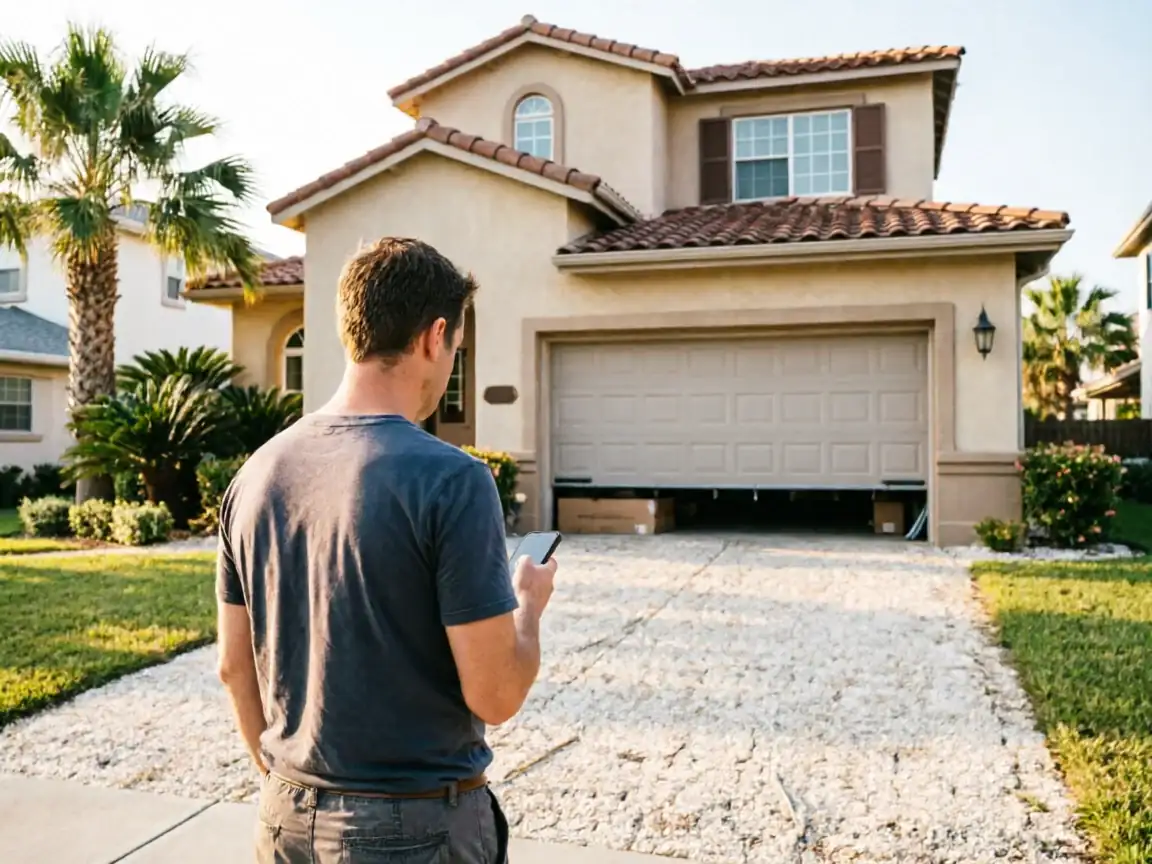
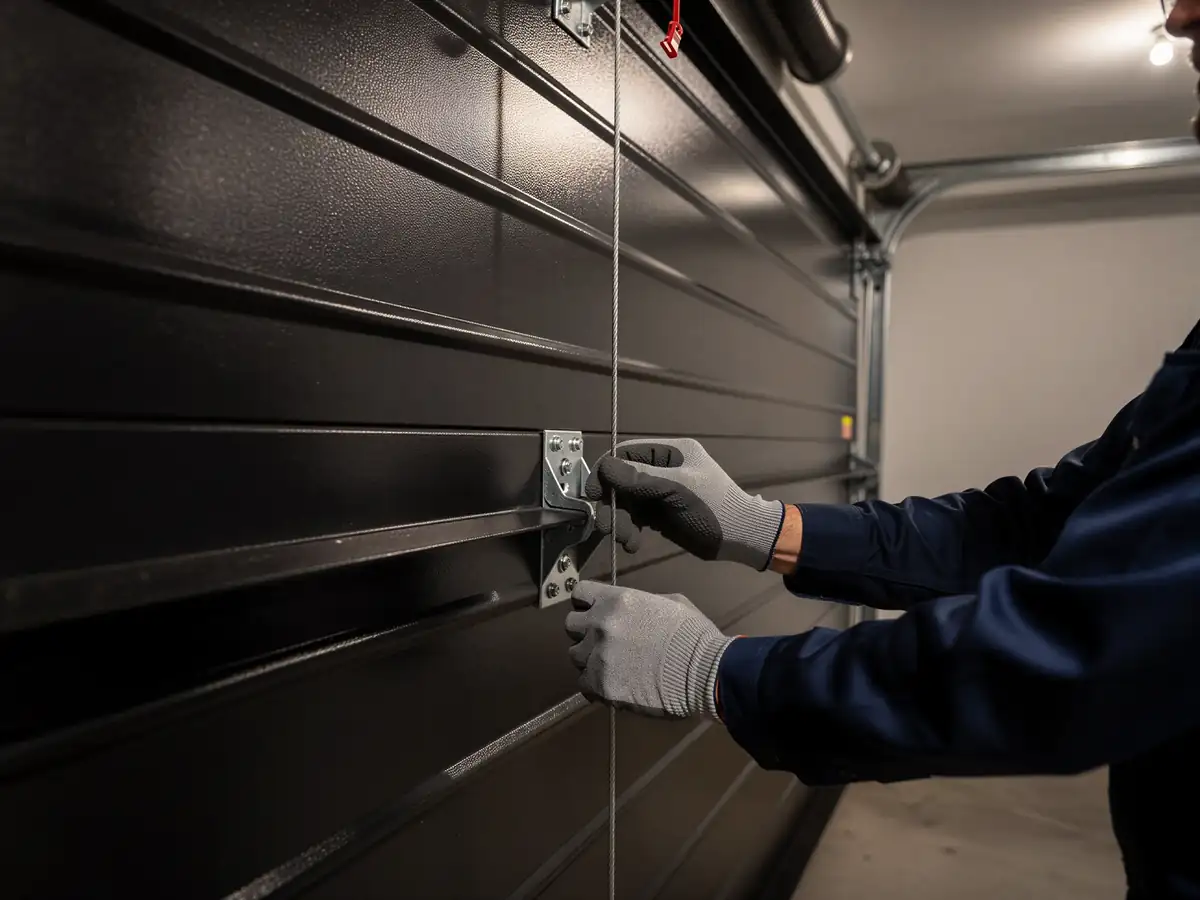
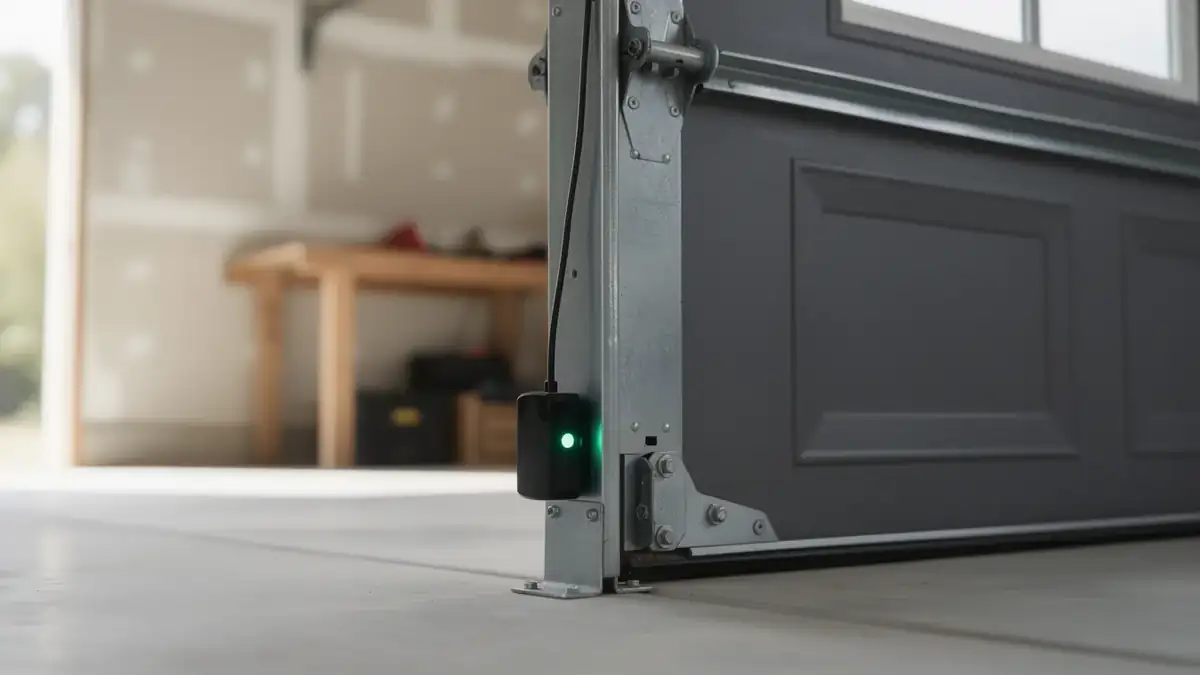
A garage door that reverses before it touches the floor, or won't close at all while the light on the opener blinks, almost always comes down to the two small sensors mounted a few inches off the slab on either side of the track. They're supposed to stay aimed at each other in a straight line. When they're off by even a few degrees, the opener reads it as an obstruction and refuses to finish the cycle.
In Winter Garden this shows up a lot because of when the housing stock went in. Most of the garages here were built in the 1980s and 90s, with the broader range running 1964 to 2021 and a median build year of 1987. That means a large share of the sensor brackets homeowners are dealing with today are original, or close to it - screwed into masonry or wood trim that has had thirty-plus years to move, settle, or get bumped by a bike, a trash can, or a car bumper.
The sensors themselves rarely fail outright. What fails is the aim.
From here, the page gets into the mistake that makes this worse, what the climate adds to it, and when the fix needs a truck instead of a screwdriver.
The Common Mistake
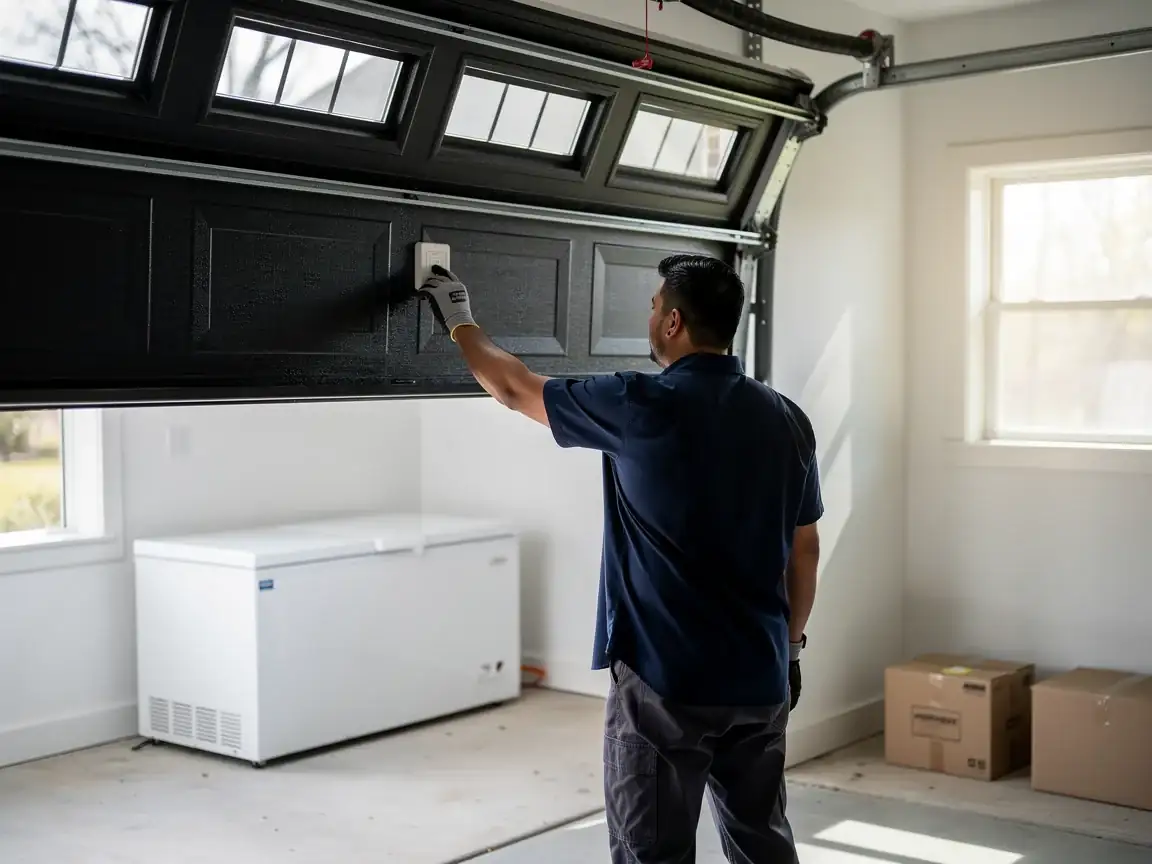
The most common thing we see is a homeowner nudging the sensor bracket back into rough position and calling it done, without checking that both sensors are at the same height and both LEDs are solid rather than flickering. A bracket that's been reseated by hand but never re-leveled will hold for a week, maybe a month, then drift again the first time the garage door gets a hard bump or the slab shifts slightly with ground moisture.
The second mistake is assuming a sensor problem is an opener problem. People replace the opener logic board or the whole unit when the real issue is two three-dollar brackets a half-inch out of alignment. On original 1980s and 90s installs especially, the bracket hardware is often thinner gauge than what gets installed today, so it flexes more over time and holds alignment worse.
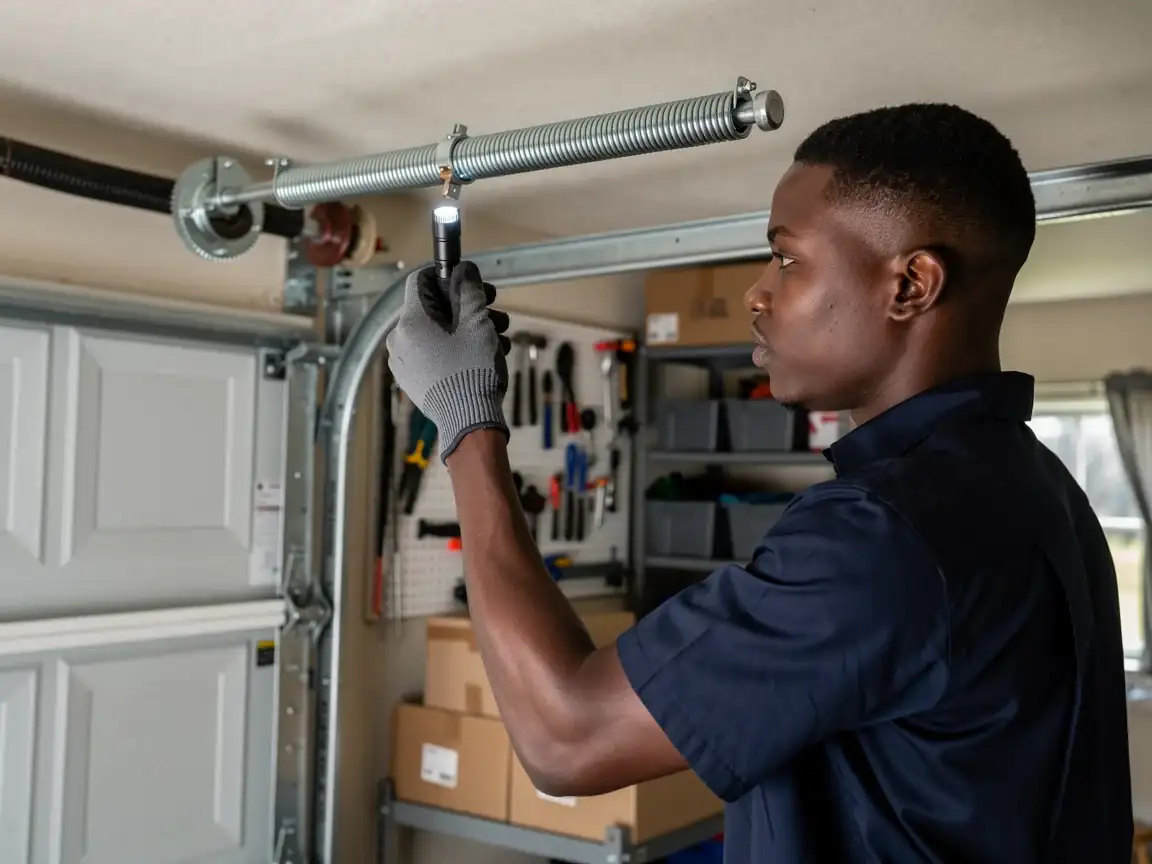
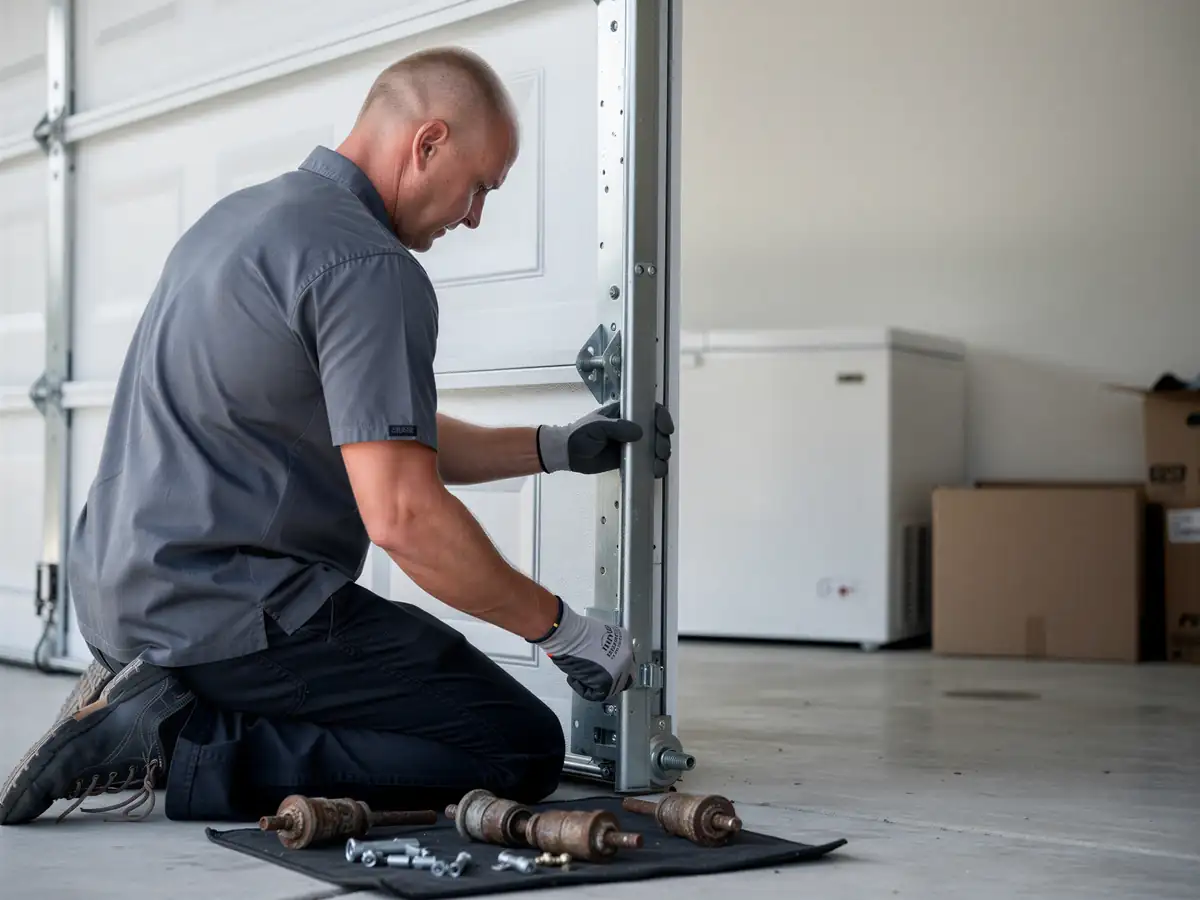
The honest limit here: if the bracket itself is cracked, stripped, or the mounting point in the wall has crumbled, re-aiming won't hold no matter how carefully it's done. At that point the fix is a new bracket and sometimes a new mounting point, not another adjustment.
What the Weather Here Does to It
Winter Garden sits in a mild temperate band
Which sounds like it should spare a garage door from most of the abuse other climates deal with - no hard freeze-thaw cycle cracking concrete, no deep winter contraction pulling brackets loose. But mild and stable isn't the same as static.
The daily swing between a hot afternoon garage and a cooler night still works on the aluminum sensor arms and the wood or masonry they're bolted to
Just slower and less dramatically than it would somewhere with real winters. Over a 1980s or 90s-era bracket, that slow seasonal movement is enough to walk the aim off center a degree at a time, which is exactly the kind of drift that doesn't show up as a sudden failure - it shows up as the door working fine for months and then suddenly not closing one afternoon for no obvious reason.
Humidity plays a role too
Garages here stay warm and a little damp more of the year than they stay dry and cold, and that steady dampness is harder on screws set into older wood trim than people expect. It's not dramatic. It's just constant.
When to Call Someone
If you've re-aimed the sensors yourself, both LEDs read solid, and the door still won't close consistently, stop adjusting and have someone look at the bracket itself. On a house with original hardware from the 1964-2021 build range common here, especially anything on the older end of that span, the bracket or the wall behind it is often the actual problem, not the sensor.
It's also worth a call if you've never had the sensors checked and the house is one of the many in this area still running 1980s or 90s-era openers - the brackets on those are the ones most likely to have degraded quietly over three-plus decades without anyone noticing until the door starts acting up.
We don't replace parts that don't need replacing. If it's a five-minute re-aim and a tightened screw, that's what we'll tell you, not a sales pitch for a new opener.