What It Costs
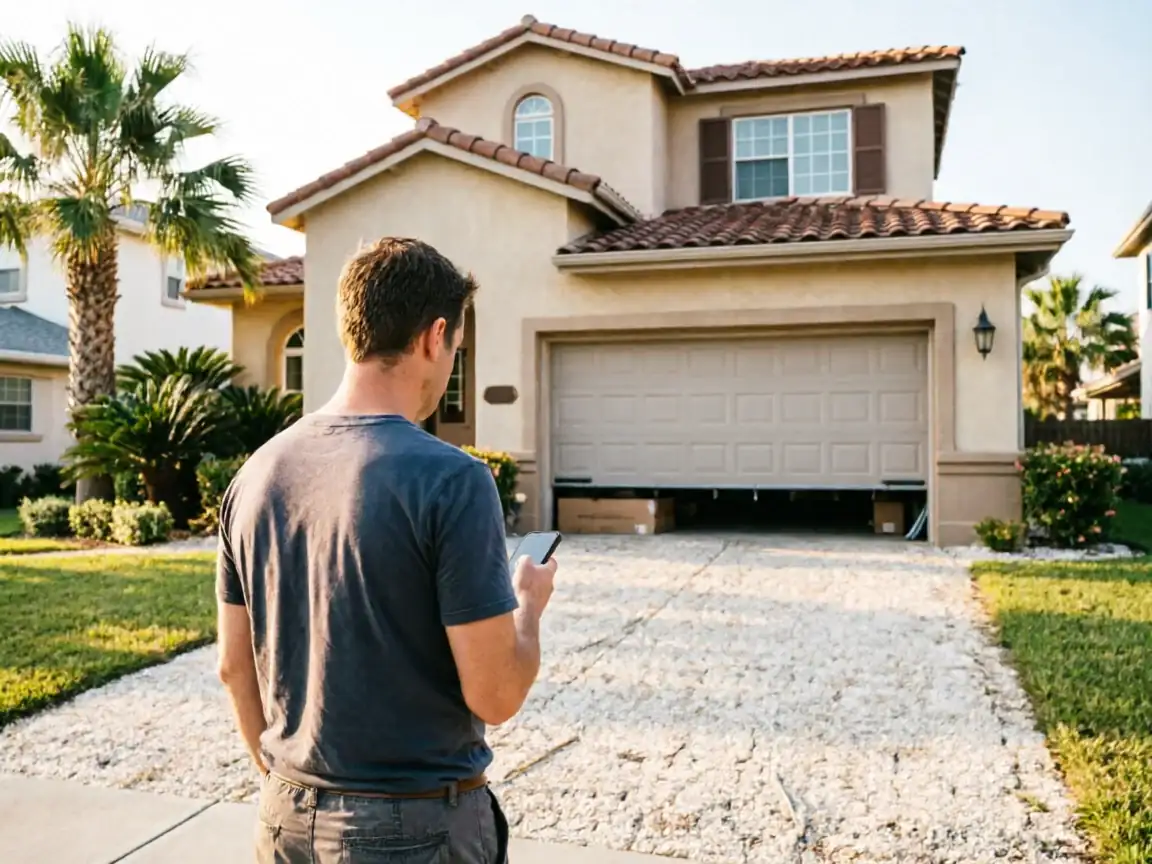
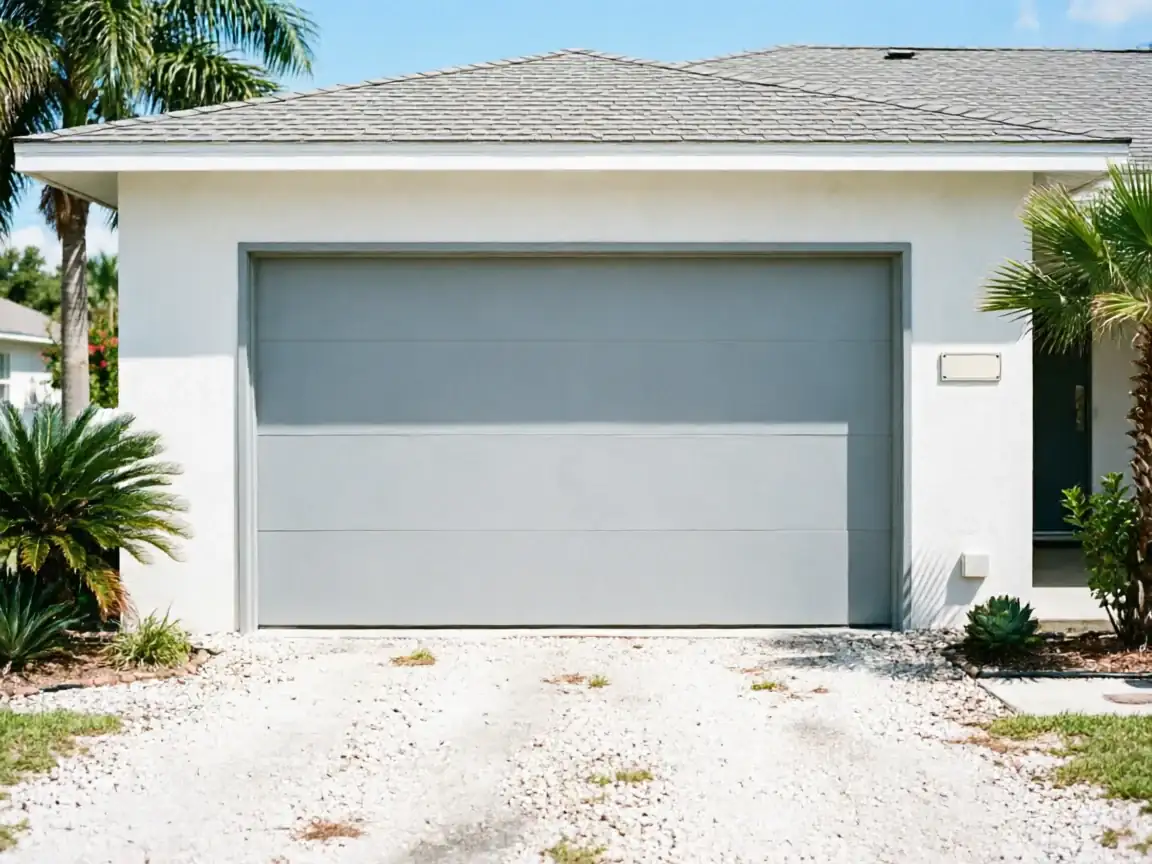
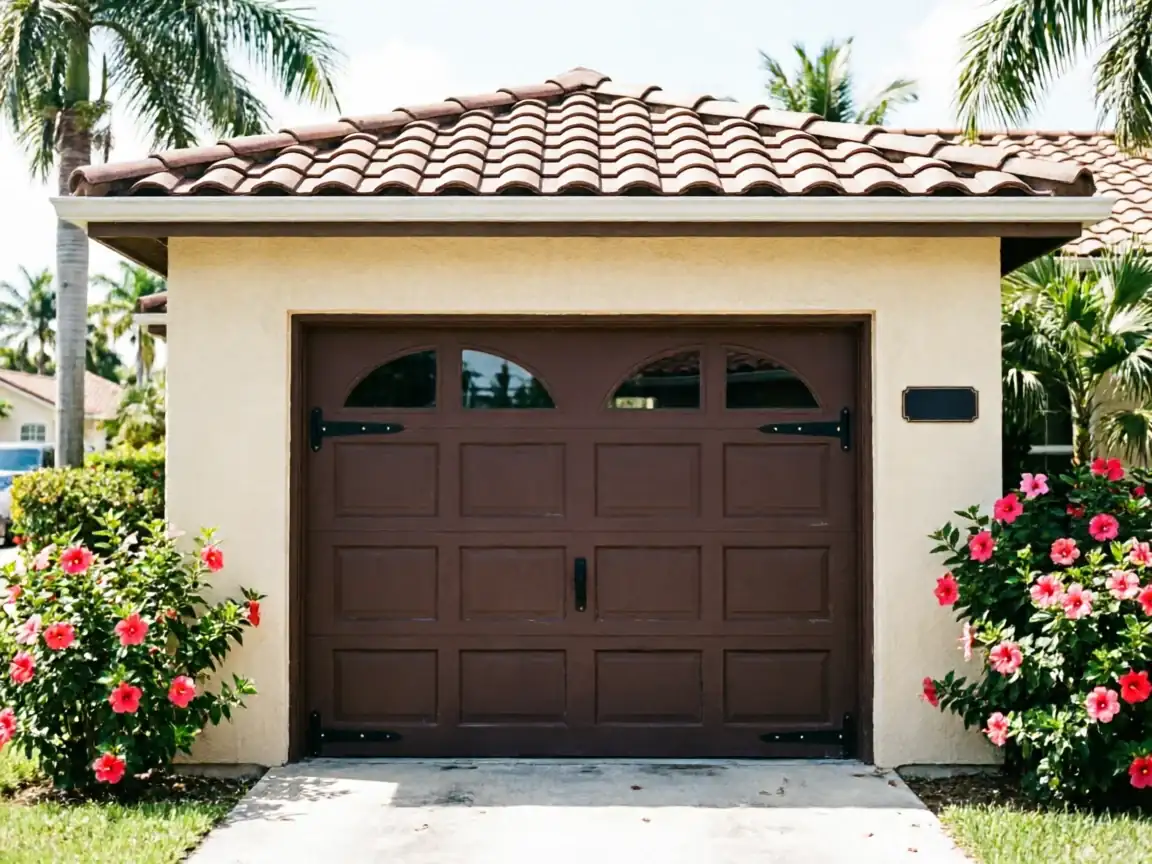
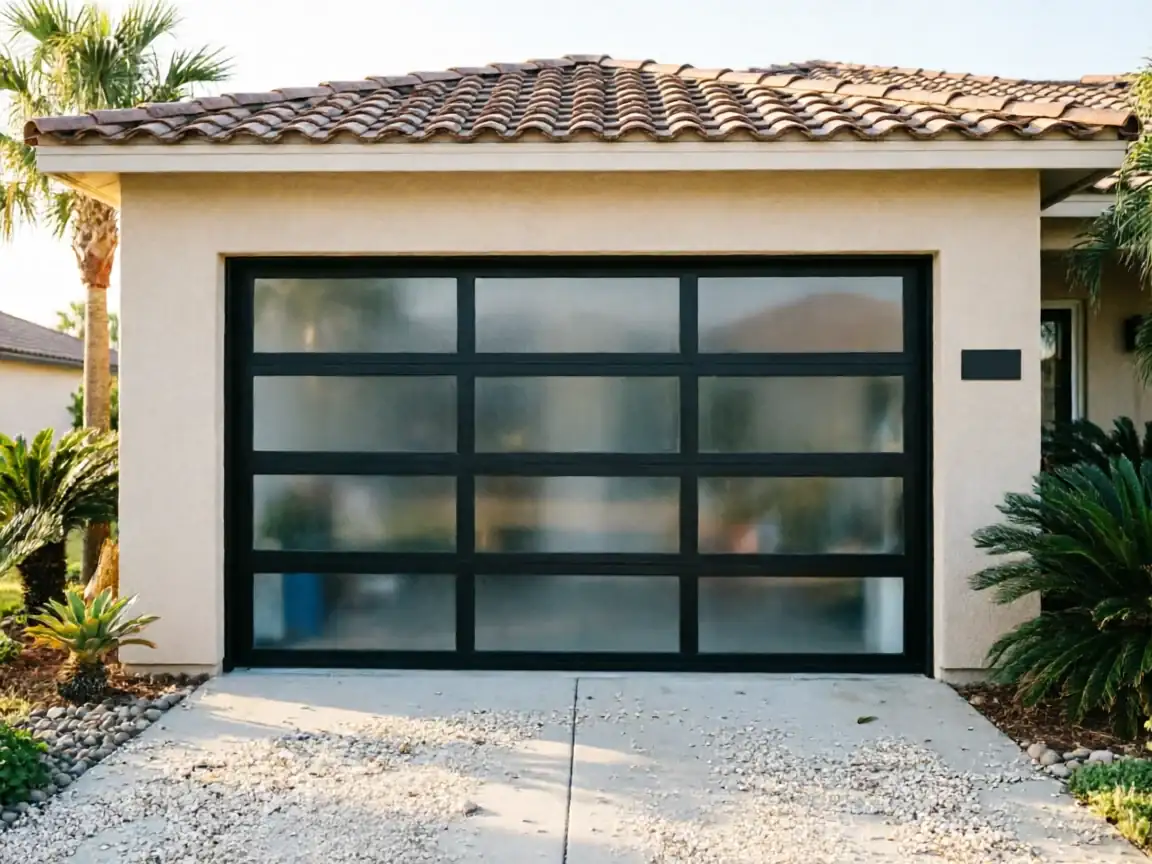
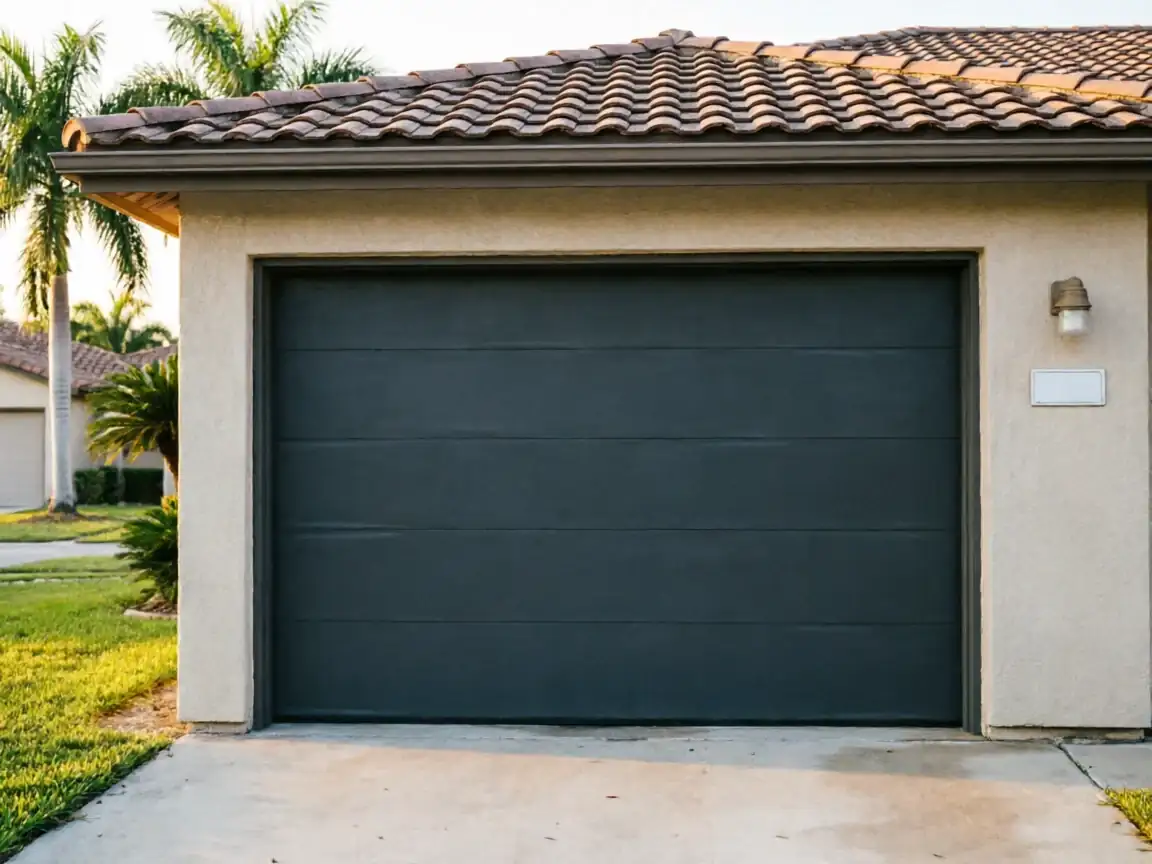
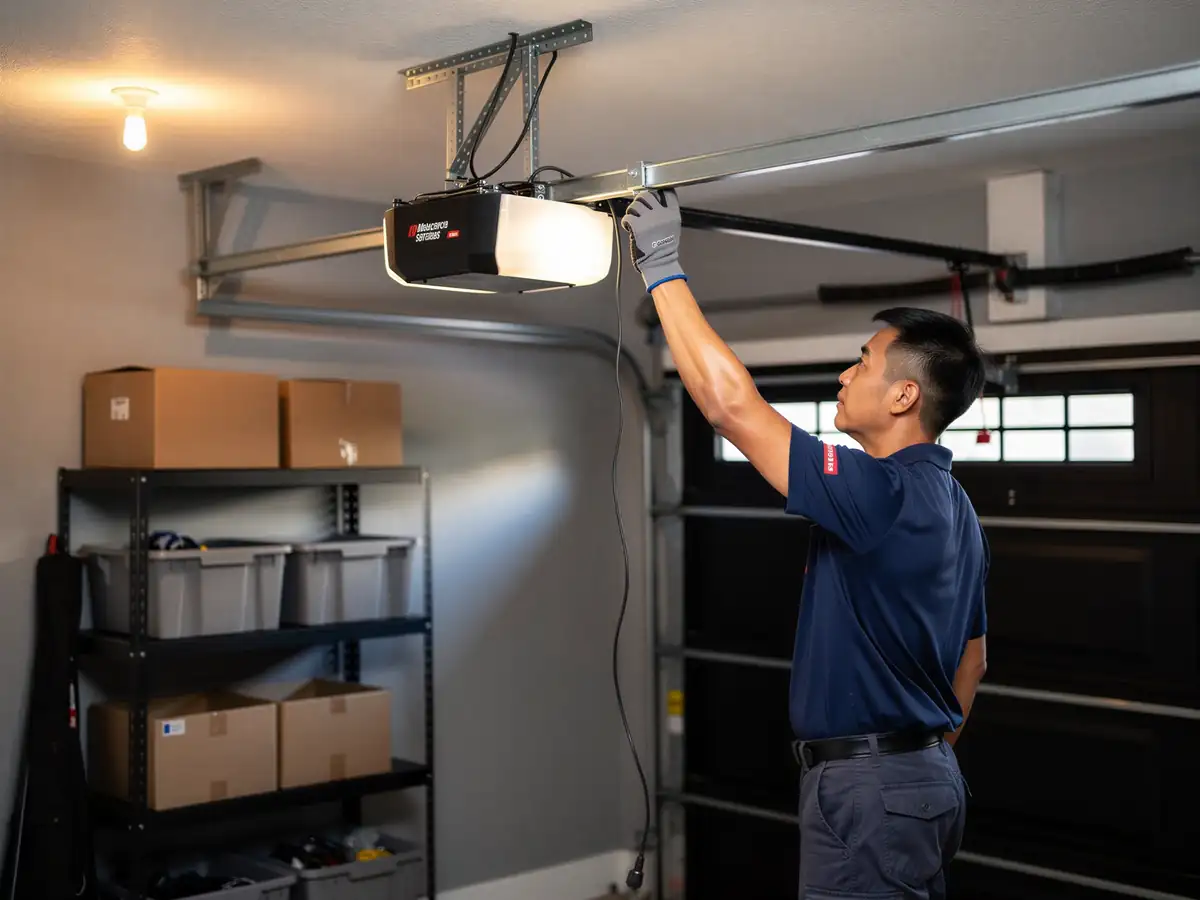
Lake Butler is a small pocket, about 5,820 households, and most of those houses went up well after 2000 - the area's median build year is 2004, a couple decades newer than the typical house across the wider Winter Garden service area. That matters for pricing because newer construction usually means wider openings built for double-car doors, insulated steel sections as standard, and openers already wired for a smart-home setup rather than a bare wall switch. We don't publish a flat number here because door size, insulation level, and window-panel options all move the price, and a 16-foot insulated door with windows is a different job than an 8-foot single without. What we can say: this is a replacement-and-upgrade market more than a bare-minimum one. With a median household income of $178,750 in this pocket, most of the installs we quote here lean toward higher-tier doors and quieter belt-drive openers rather than the builder-grade door that shipped with the house. We'll give you a firm number in writing before anything gets ordered, broken out by door, opener, and labor, so you're not guessing at what's driving the total.
How Long You Are Without the Door
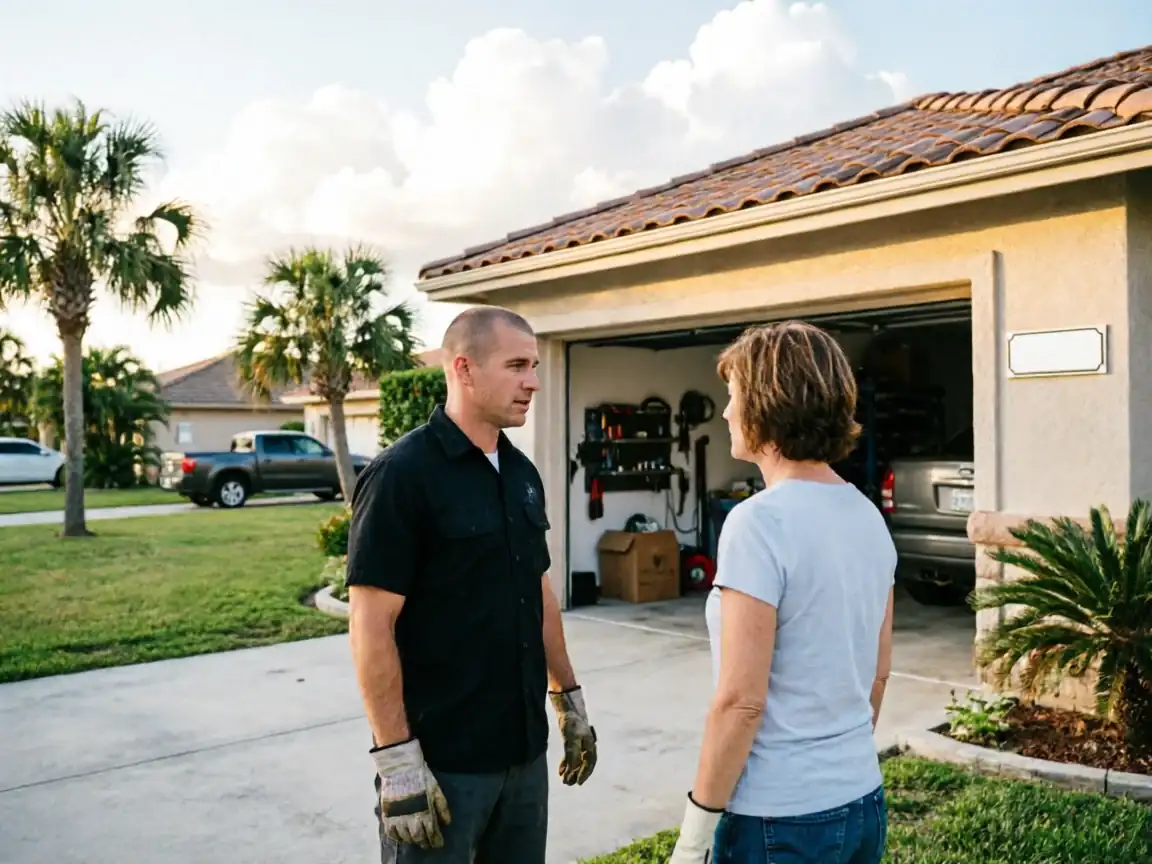
We run installs out of Winter Garden, about 5 miles from Lake Butler, so there's no local branch sitting around the corner - crews come from the Winter Garden shop and the door itself has to be ordered to the track width and style you pick. A straightforward swap, same opening, no structural framing changes, is usually a single visit once the door is on hand. What stretches the timeline is custom sizing or a specific panel style that isn't sitting in stock anywhere nearby; those orders can take longer to arrive than the install itself does. We'll tell you at the quote stage whether your door is a stock size or a special order, because that's the number that actually drives when your garage has a door again, not the install time.
Stocked Parts
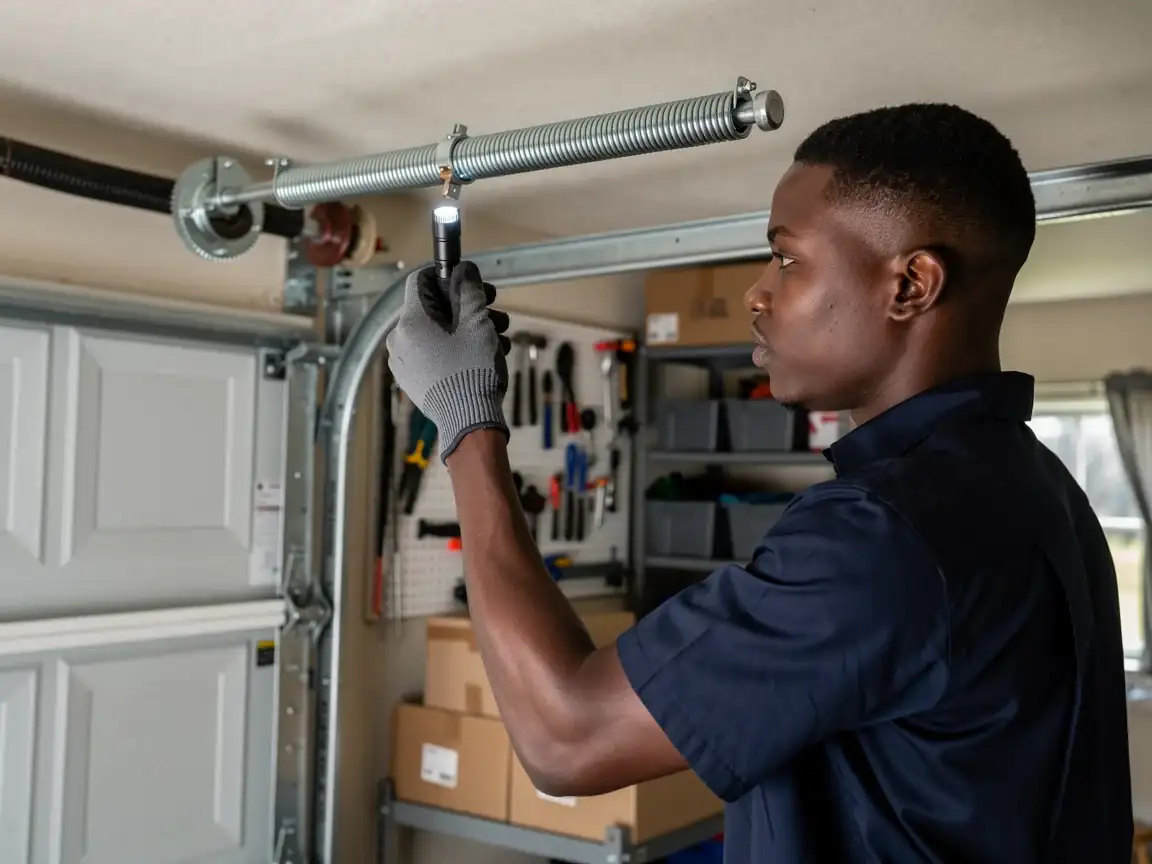
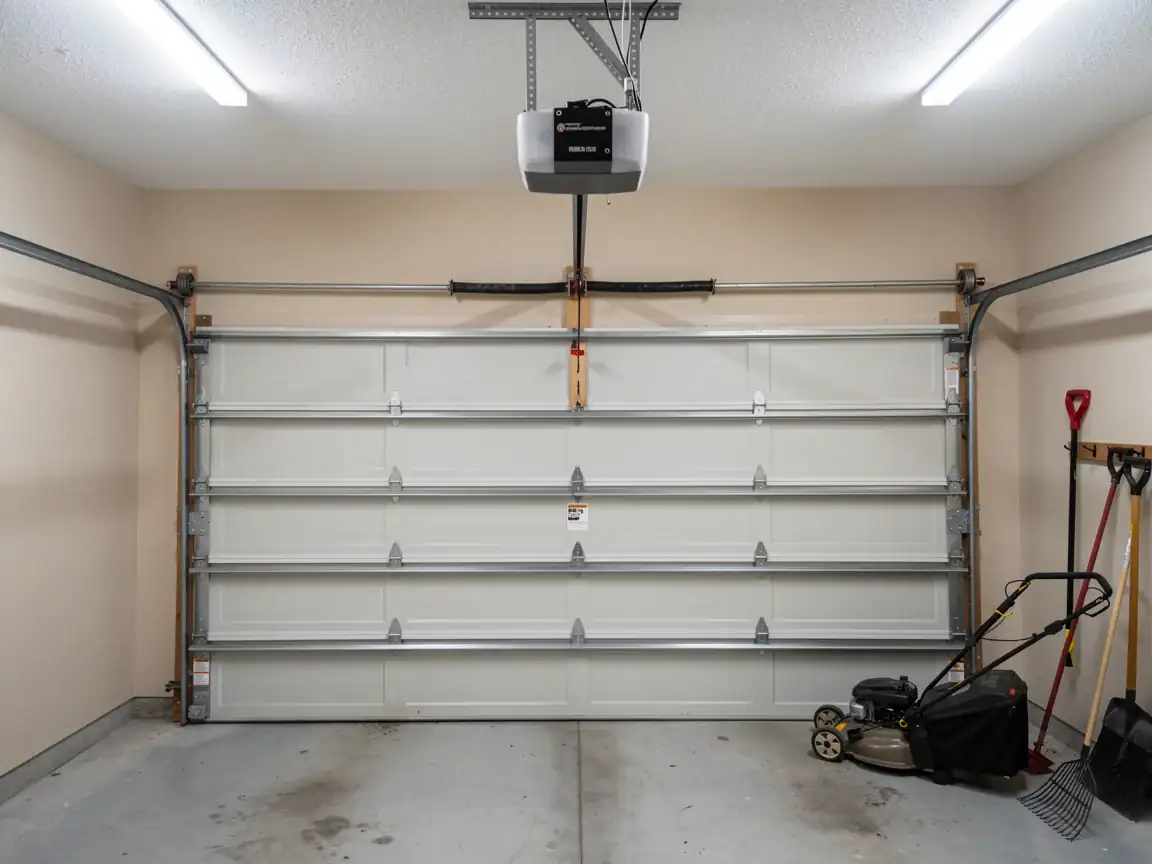
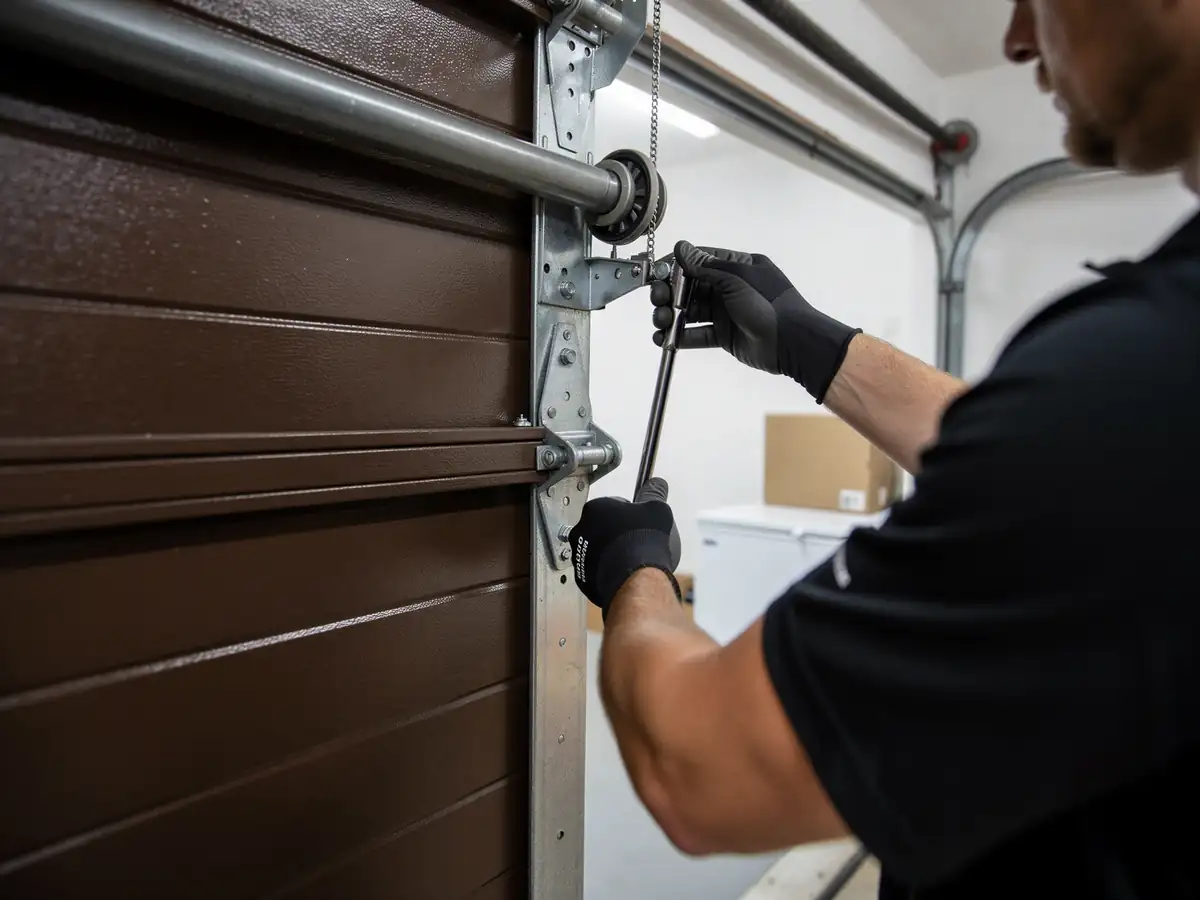
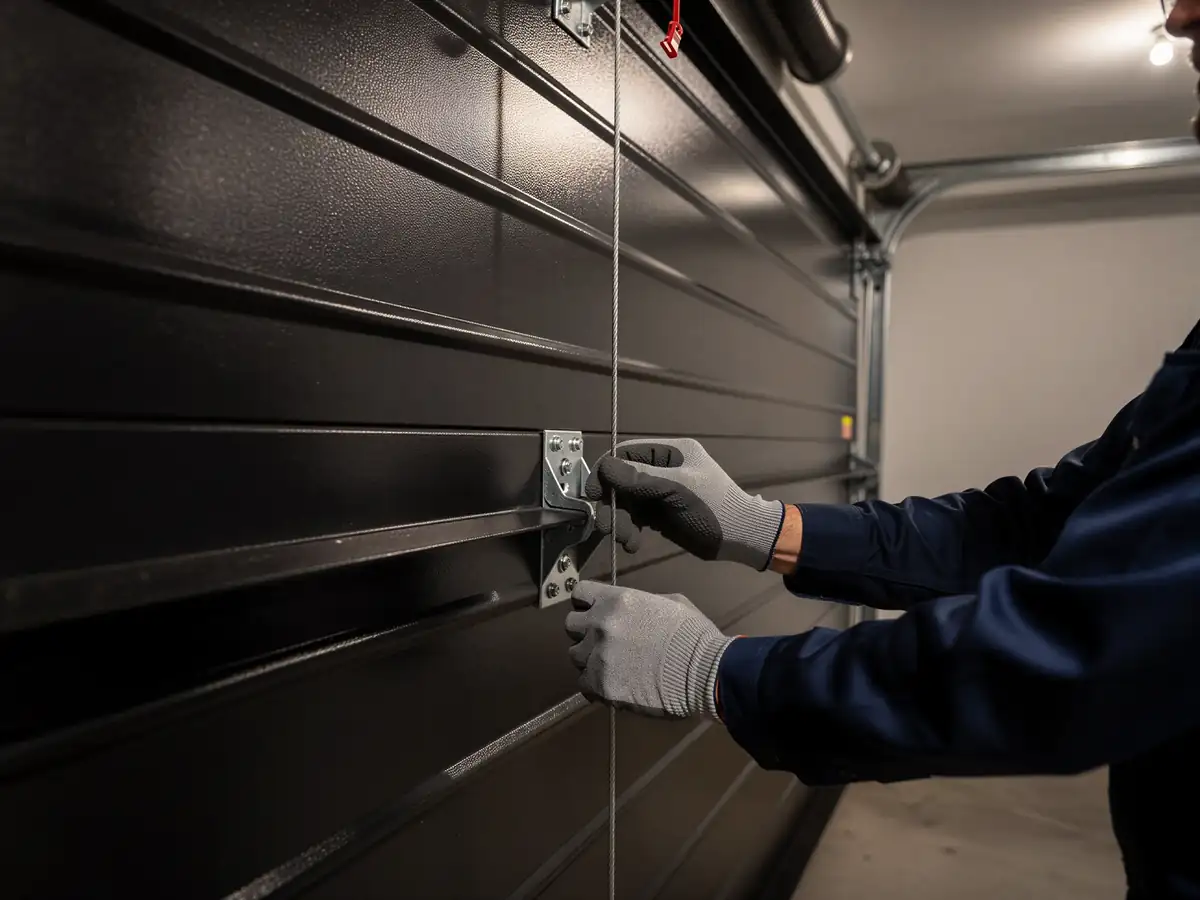
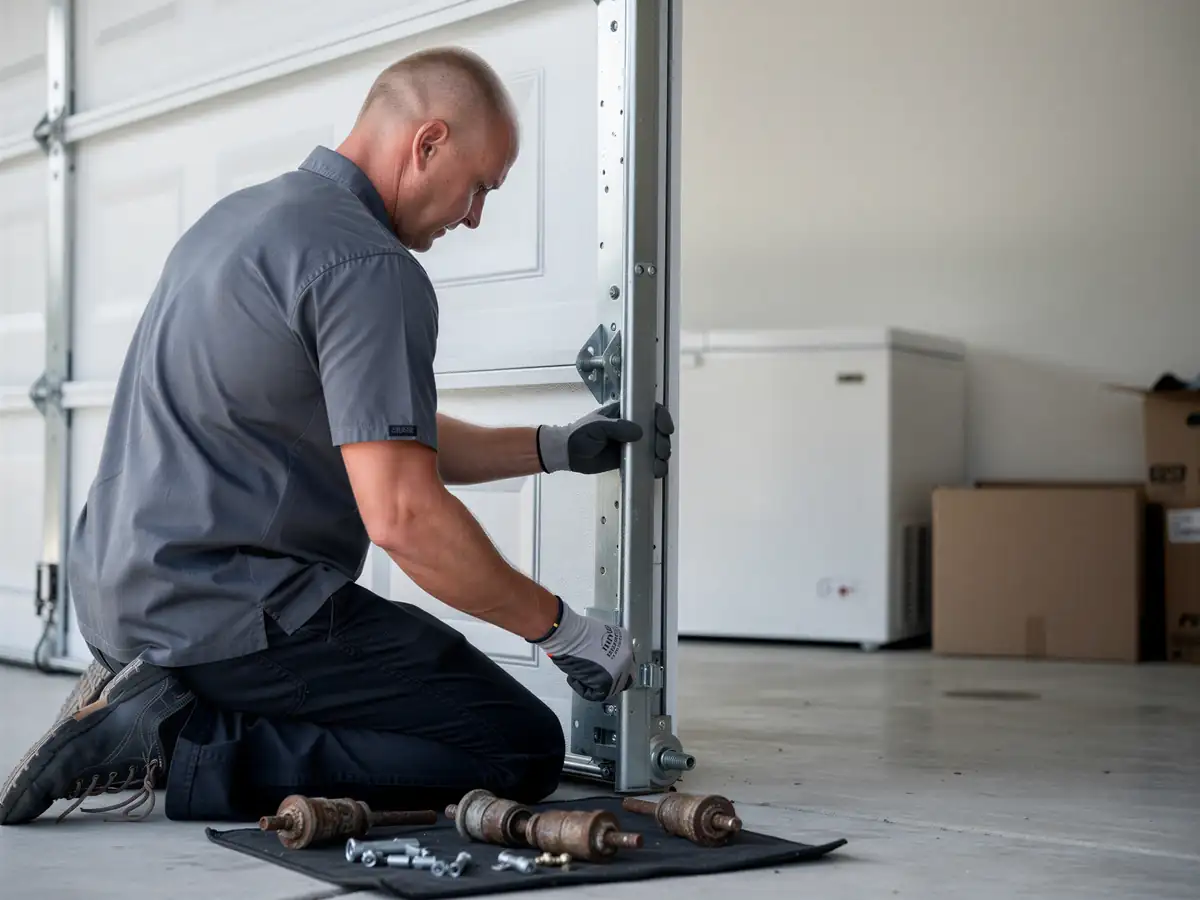
What we keep on hand is built around the hardware that's common across the service area's housing stock as a whole, which runs mostly 1980s and 90s construction. Lake Butler skews newer than that median, so the track hardware, torsion springs, and opener mounts in a 2004-era build are more standardized than what we see in the older pockets - fewer oddball bracket widths, fewer doors sized for openings that don't match anything currently made. That's good news for install speed on the hardware side, but it doesn't change the door lead time itself, which is driven by the manufacturer's order queue, not by what's in our truck.
What You Are Seeing
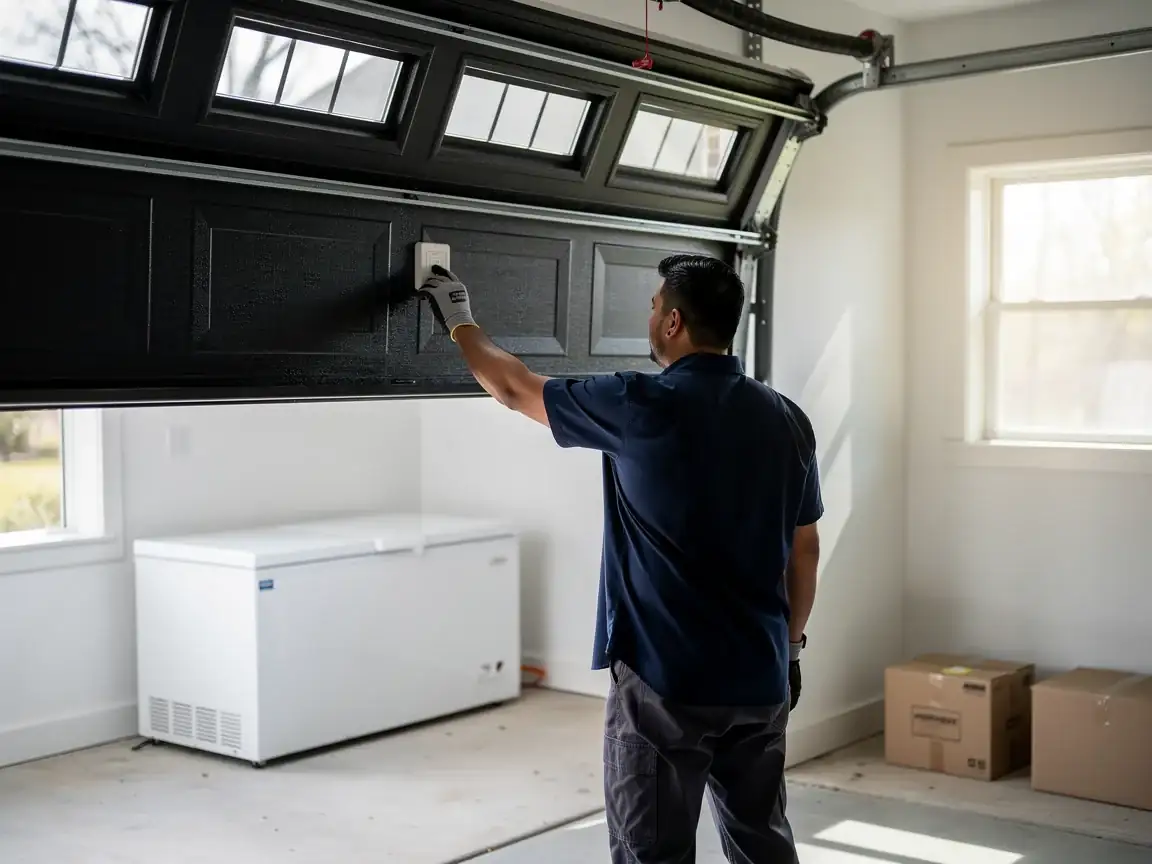
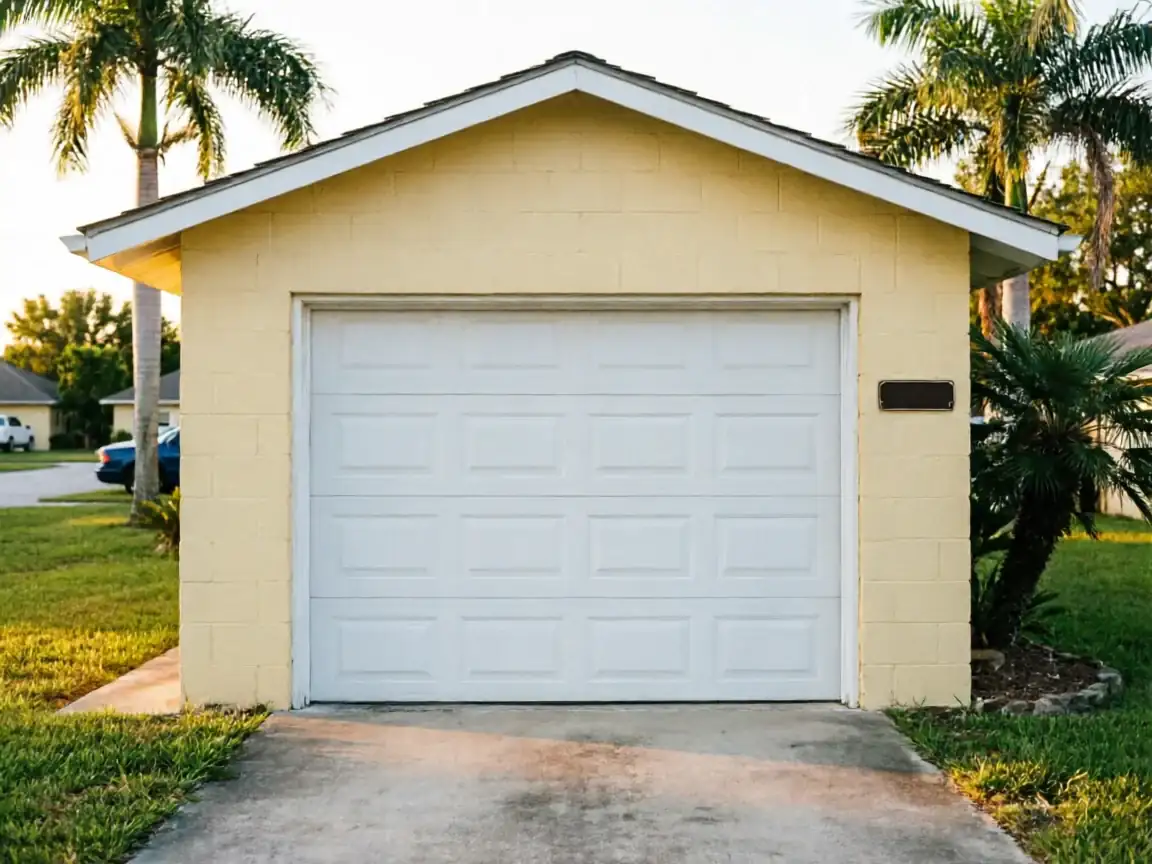
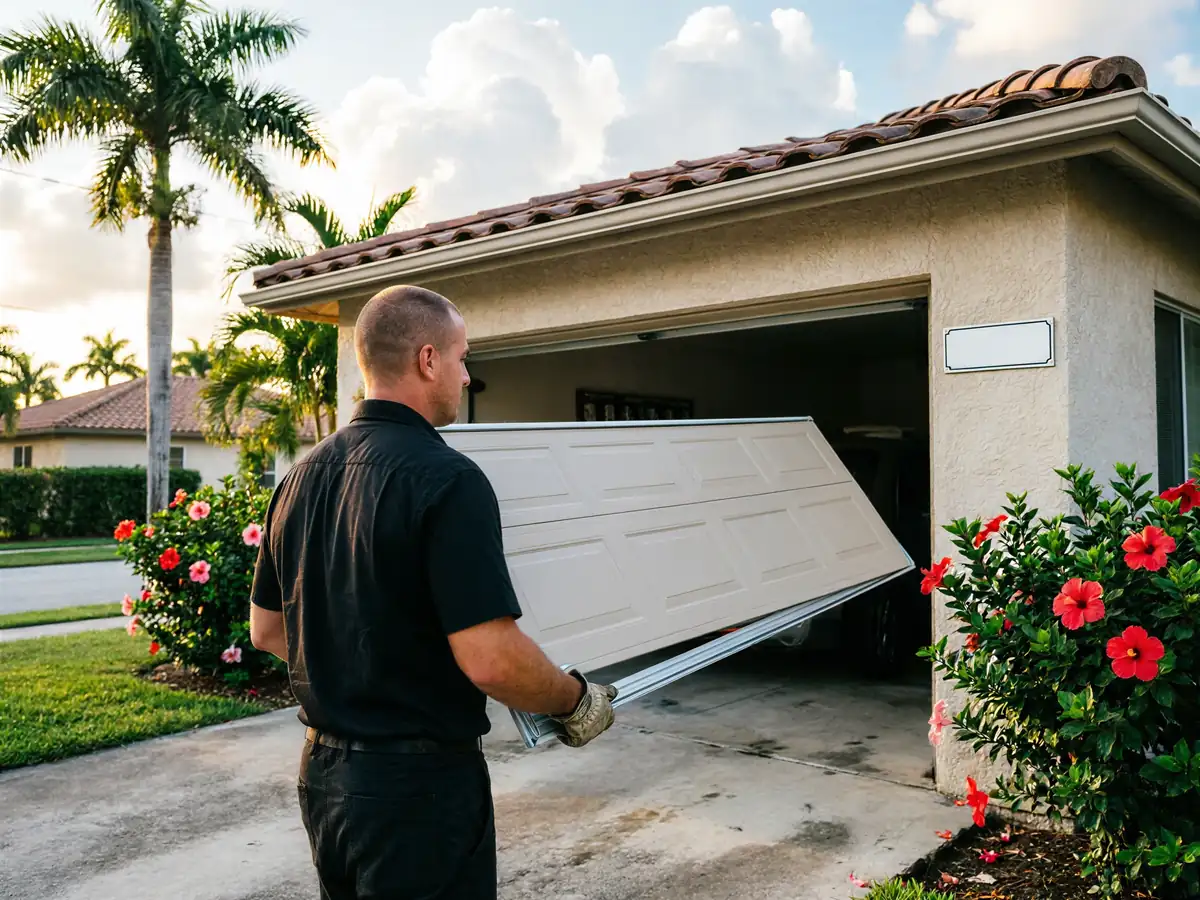
If you're calling about new garage door installation rather than a repair, it's usually one of three things: the original builder-grade door has taken enough dents and dings that it's not worth patching anymore, the opener is being replaced and the owner decides to do the door at the same time, or a sale or renovation calls for an upgrade in style and insulation. In a pocket built mostly after 2000, we don't see much call for installation driven by failed original hardware the way we do in older stock - these doors and tracks are generally still sound. Florida's mild temperate climate here doesn't put the stress on doors that freeze-thaw regions do, so panel warping and ice-related track issues aren't common reasons to replace in this area.