What You Are Seeing
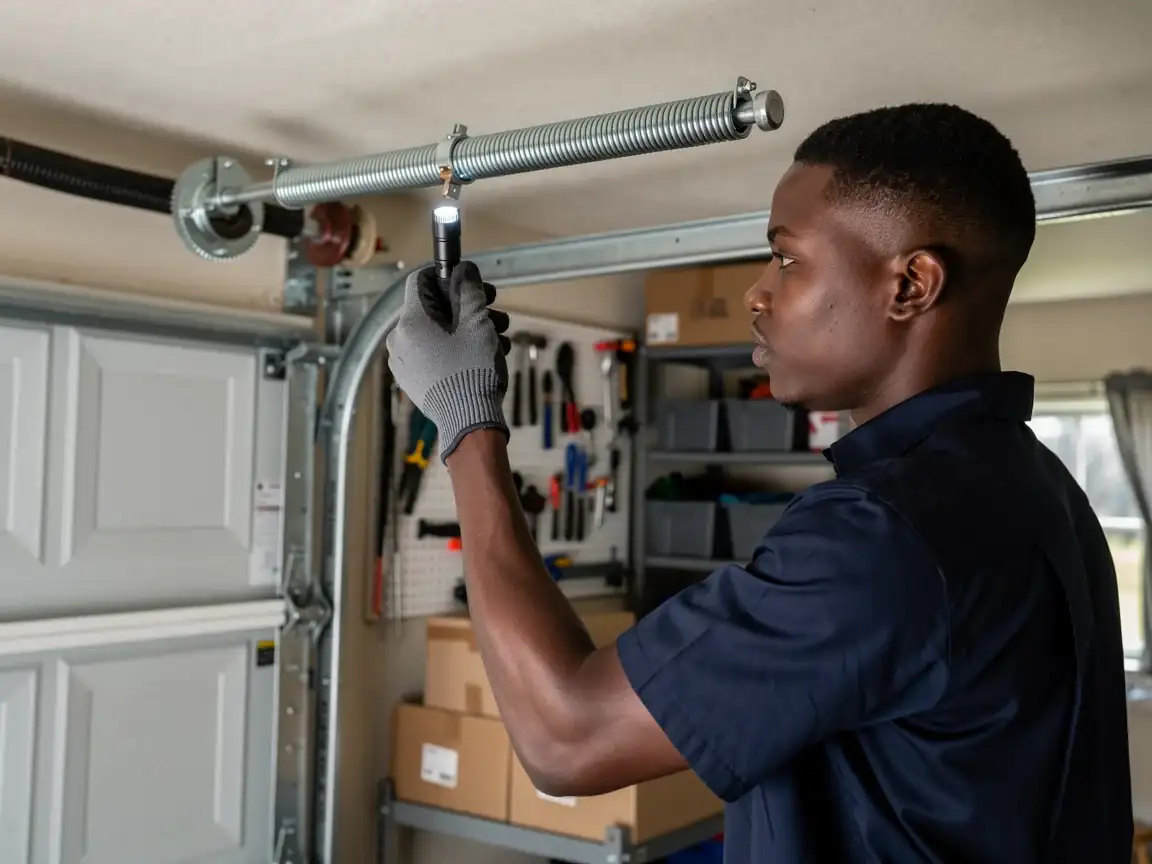
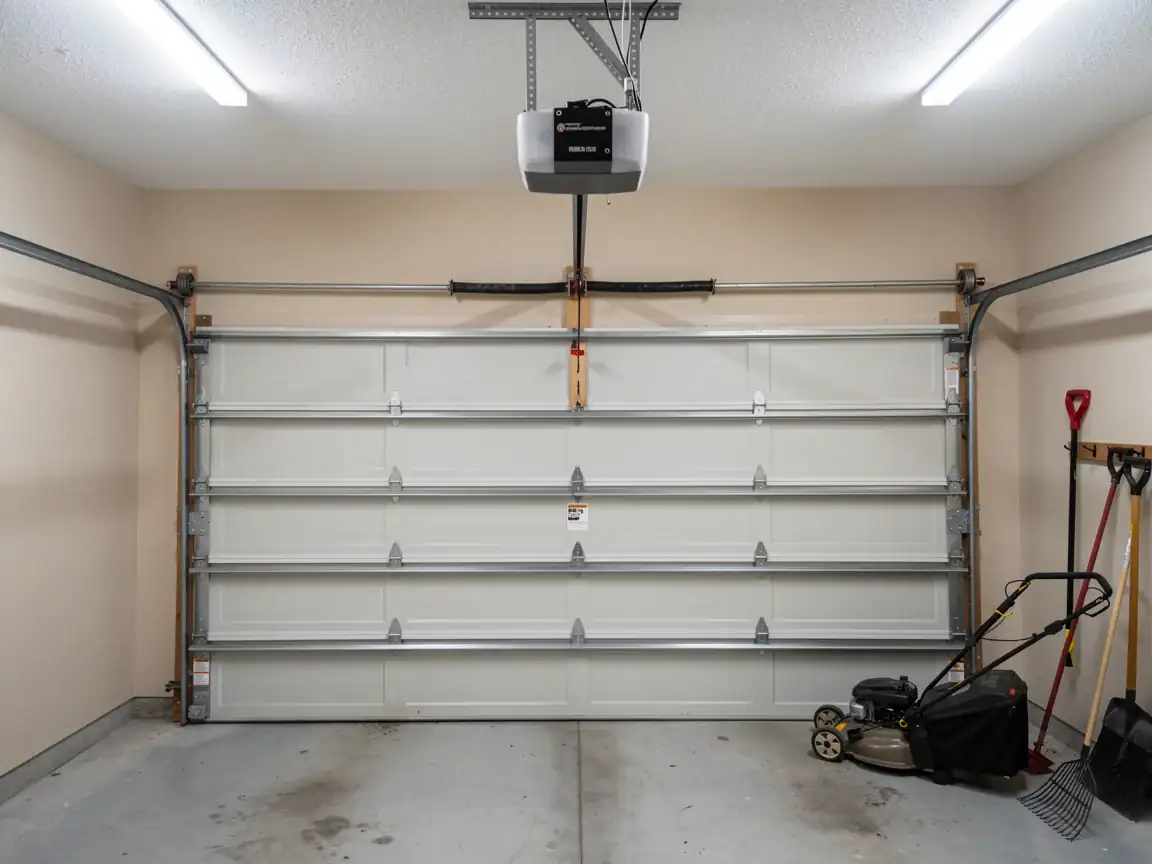
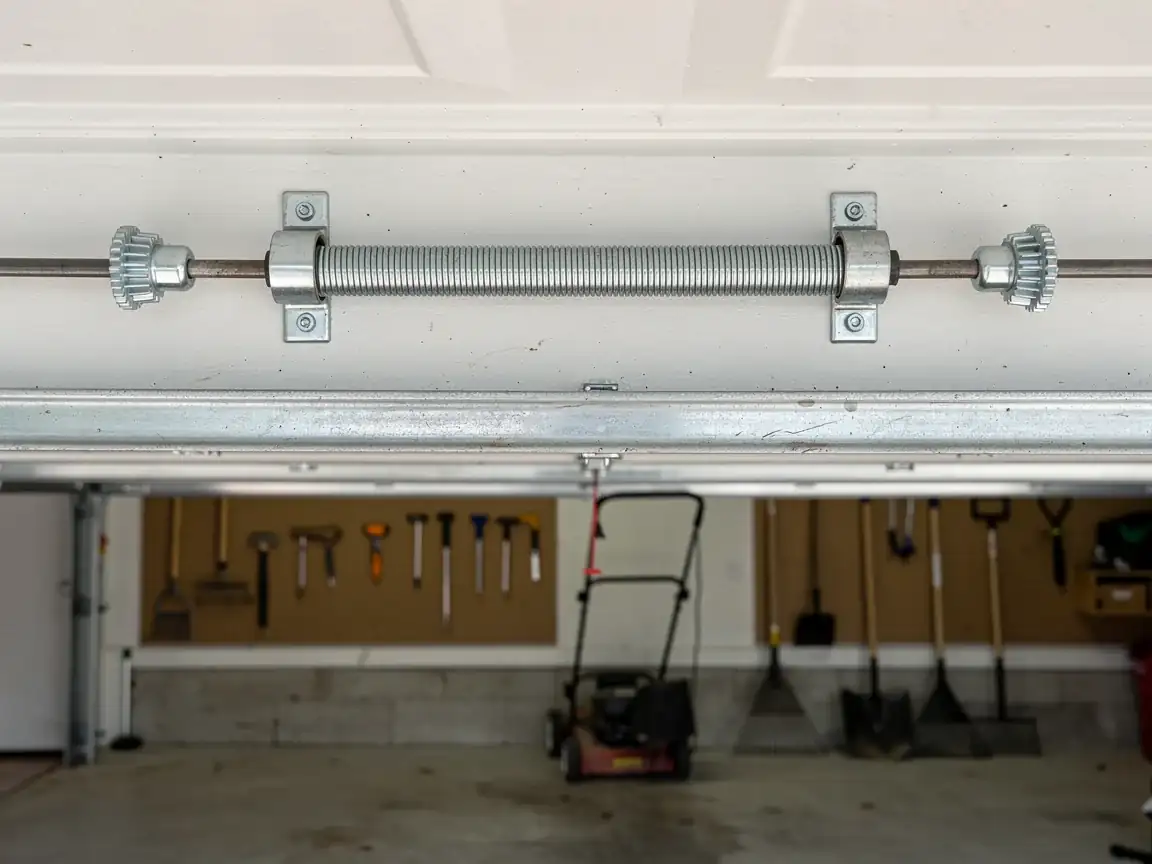
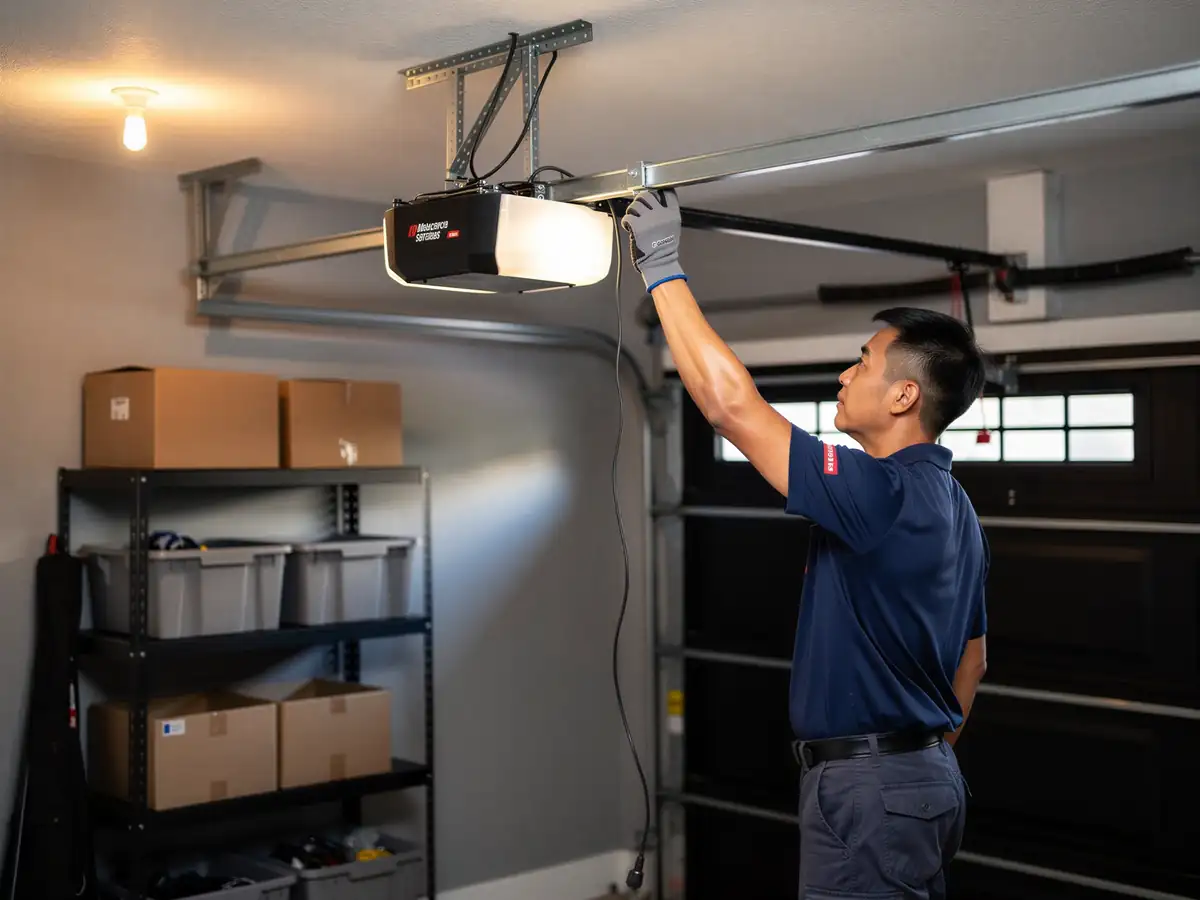
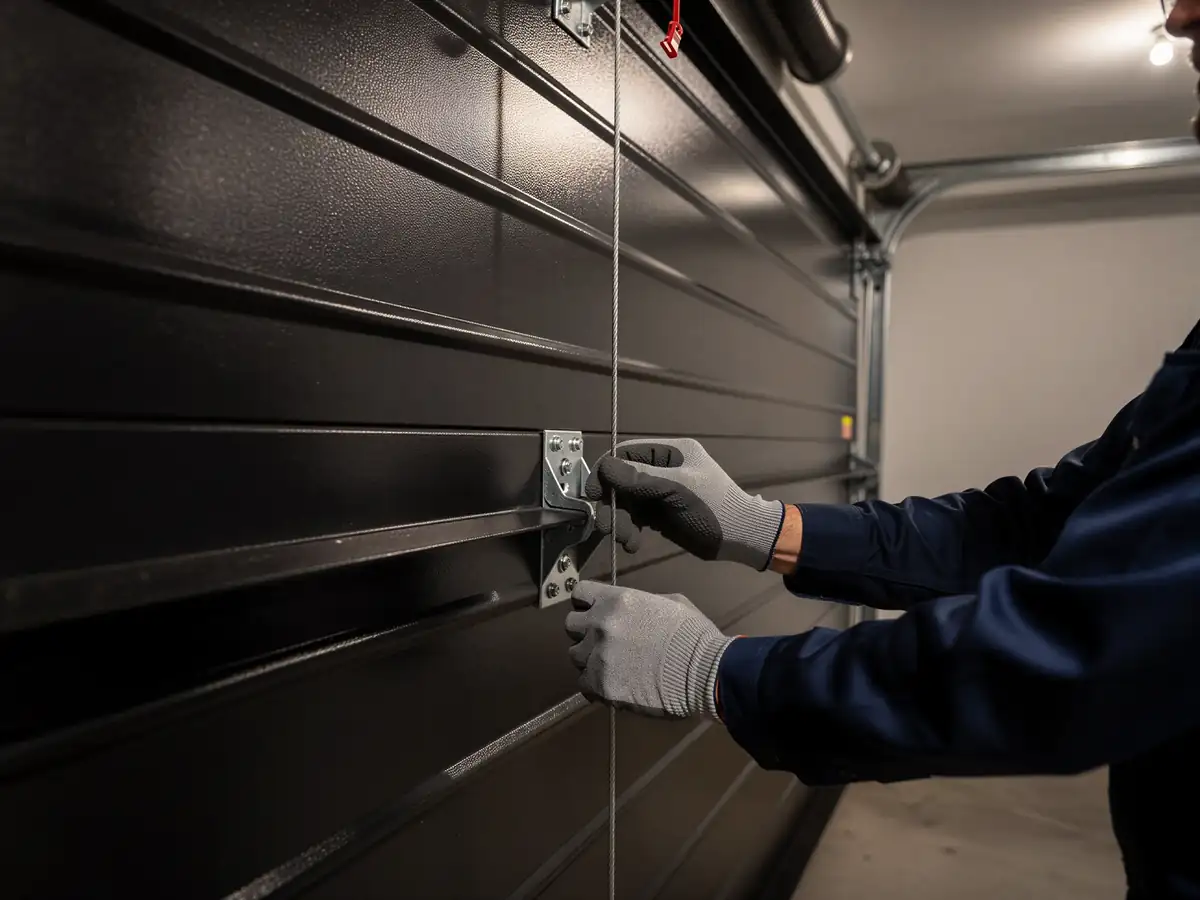
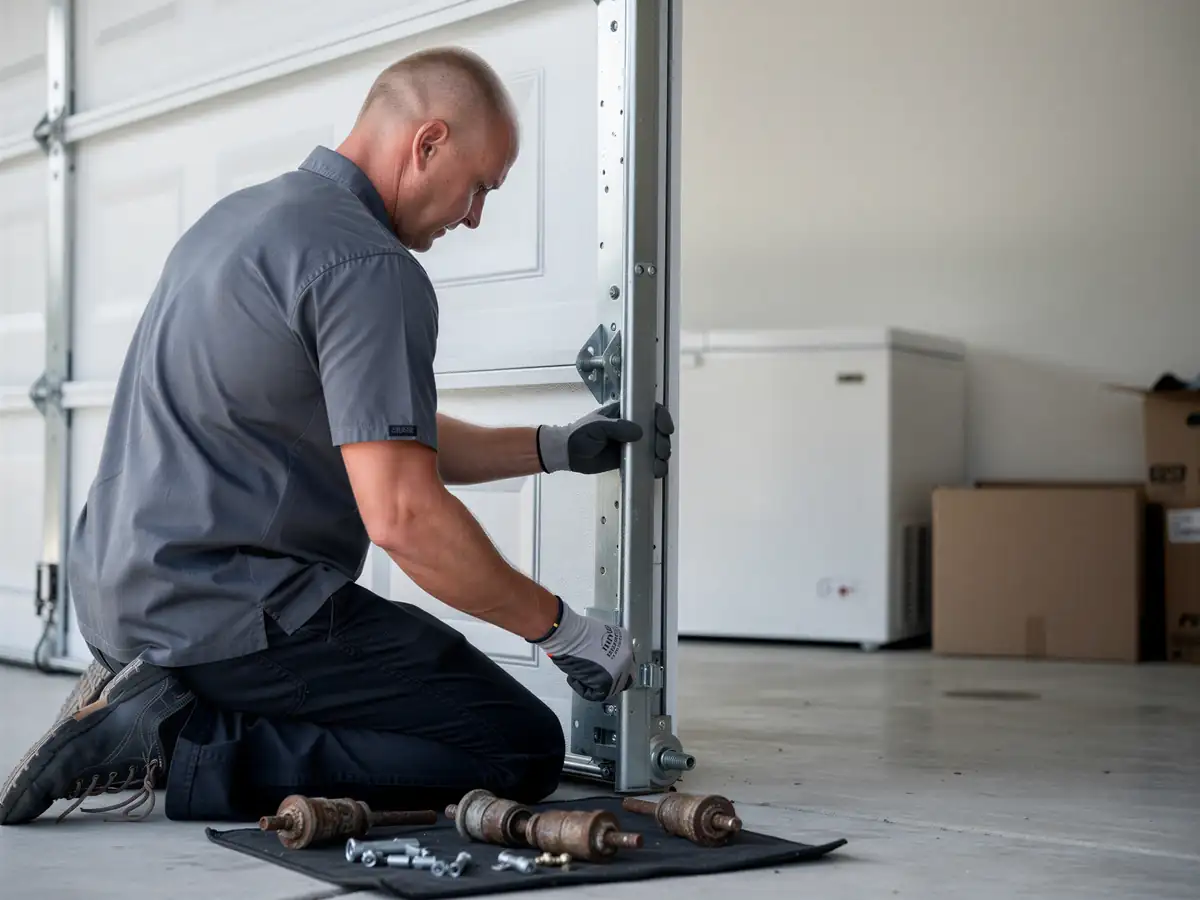
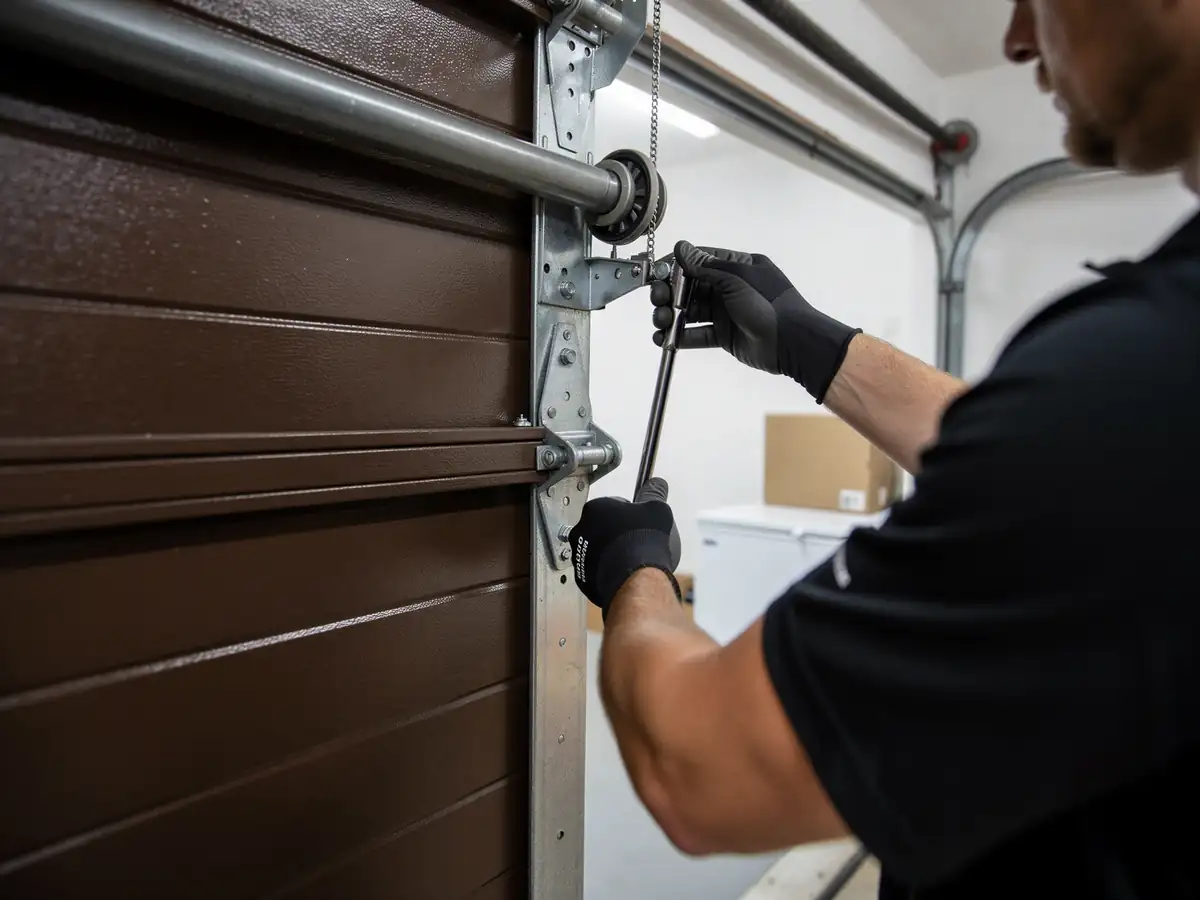
If your door is slow to open, reverses halfway, or the opener grinds without lifting the panel, you're looking at one of a handful of failures that show up constantly in this area. A torsion spring that's lost its tension will let the door drop fast or stick a few inches off the floor. A worn roller or bent track will make the door bind on one side and walk out of its guides. Nylon gears inside the opener strip out after enough cycles and leave you with a motor that hums but goes nowhere.
Winter Garden's housing stock runs from 1964 up through 2021, with a lot of it concentrated in the 1980s and 90s across the 47 named areas that make up this service footprint. That matters because doors and openers installed during that build-out window are now old enough that original springs and gear sets are at or past the end of their rated cycle count. If your house falls in that era, the door acting up isn't bad luck, it's the hardware reaching the age where this is what happens.
A door that won't move at all, with the opener light blinking or not coming on, usually points to the opener's circuit board or a broken spring that's locked the door in place as a safety measure. Don't force it with the manual release until you know which one it is.
What It Costs
We don't post a flat number here because the two most common calls in Winter Garden, a spring swap and an opener repair, land in different ranges depending on what's actually failed and what parts the job needs. A single torsion spring replacement is a different job from a dual-spring system on a heavier insulated door, and an opener repair can mean a $20 sensor or a full gear-and-sprocket kit.
What we can tell you is what drives the number up or down: whether it's one spring or two, whether the opener needs a part or a full replacement, and whether the track needs realignment on top of the main repair. Homes in this area with median household income around $84,955 often choose to replace an aging opener outright rather than keep nursing a unit from the 80s or 90s stock that's already had one or two repairs. That's a judgment call we'll walk you through on-site, not sell you into.
We'll give you the number before we touch anything, and if a repair doesn't make sense next to a replacement cost, we'll say so plainly instead of running up a bill on a door that's on its way out anyway.
Why It Happens Here
Winter Garden sits in a mild temperate band
Not the extreme heat-and-humidity swings you get further south or the freeze cycles you get up north. That's actually easier on garage door hardware than a lot of climates, but it doesn't make doors maintenance-free. Springs here fail mostly from cycle count and age, not from metal fatigue caused by temperature swings, which means a 20-year-old spring on a house built in the 80s is simply due, regardless of how mild the weather's been.
With median housing age landing around 1987 and most of the stock from that 80s-90s window
A large share of the doors we get called on are original equipment, or a first-generation replacement from 15-20 years back. Galvanized torsion springs from that era were rated for a set number of cycles, and most households are well past it by now. The mild climate buys you a slower failure curve compared to coastal or freeze-thaw regions, but it doesn't stop the clock.
- 20 years
Across the broader footprint, from Oakland and Windermere a few miles out to Maitland and Pine Castle further in
The pattern holds: the age of the door tracks the age of the house, and the house ages track this same 1964-2021 build window.
What Can Go Wrong
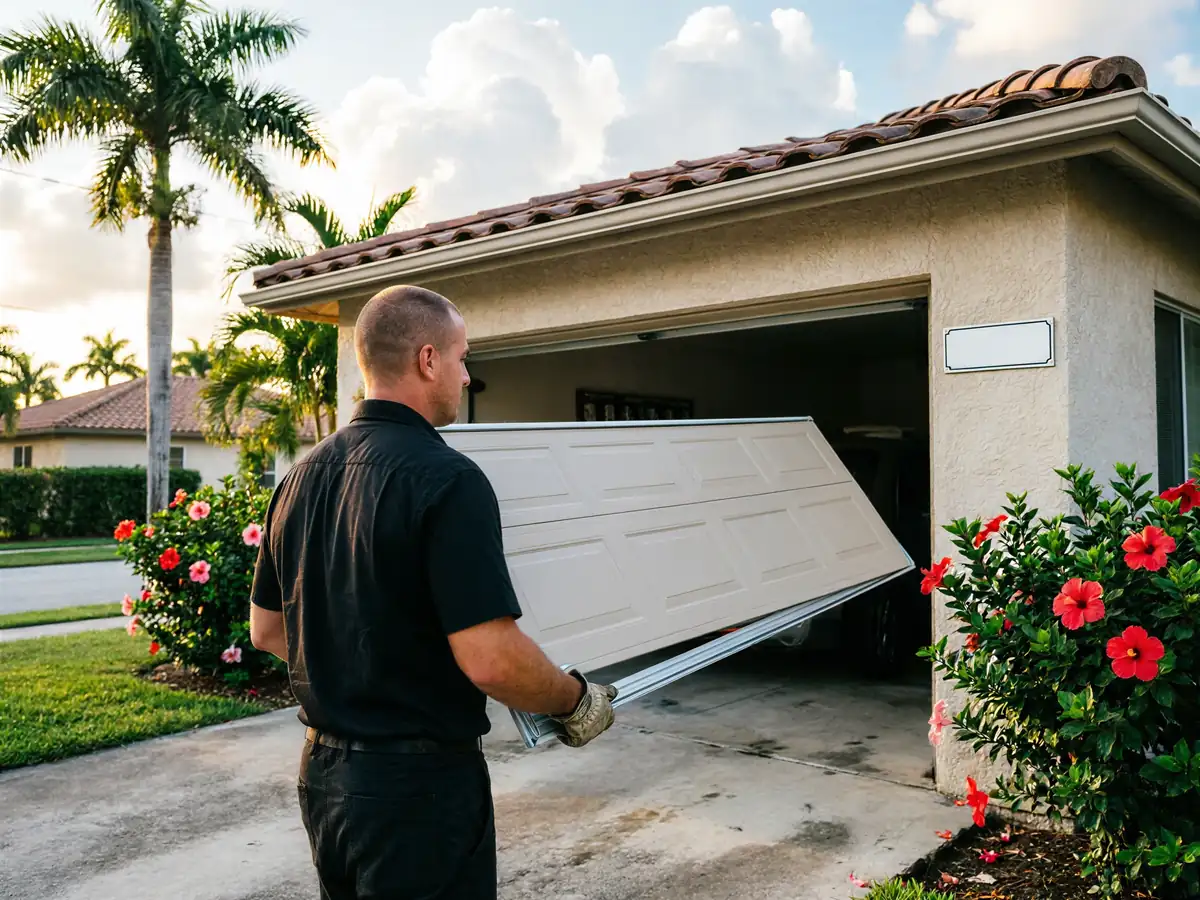
The failure we see most in this age bracket is a spring that lets go without warning, usually with a loud bang, while the door is mid-cycle. If nobody's standing under it, that's just noise and a stuck door. If someone's walking through at the wrong moment, a door with no working spring will drop under its own weight fast, and on the heavier insulated doors common in newer construction here, that weight is real.
Second most common is an opener that keeps straining against a bad spring instead of the spring doing its job, which burns out the motor or strips the drive gear. That turns a $150-ish spring job into a spring-plus-opener job if it goes on long enough, which is the main argument for calling when the door first starts acting slow rather than waiting until it won't move.
We'll be straight with you on one thing: if a door is original to a house built in the early part of that 1964-2021 range and the track, rollers, and panel are all showing their age at once, a repair patches one problem while the next one is already queued up. At that point replacement is usually the better use of your money, and we'll tell you that instead of stacking repairs on a door that's done.