What You Are Seeing
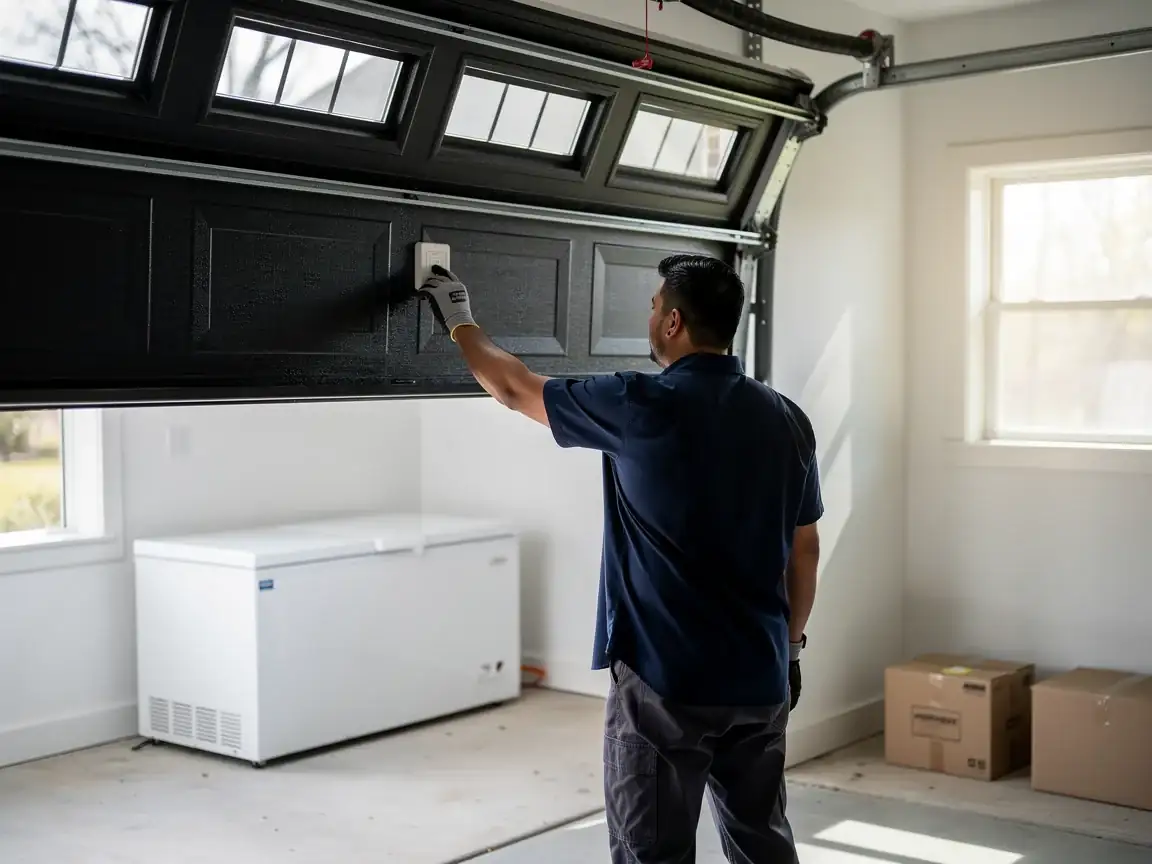
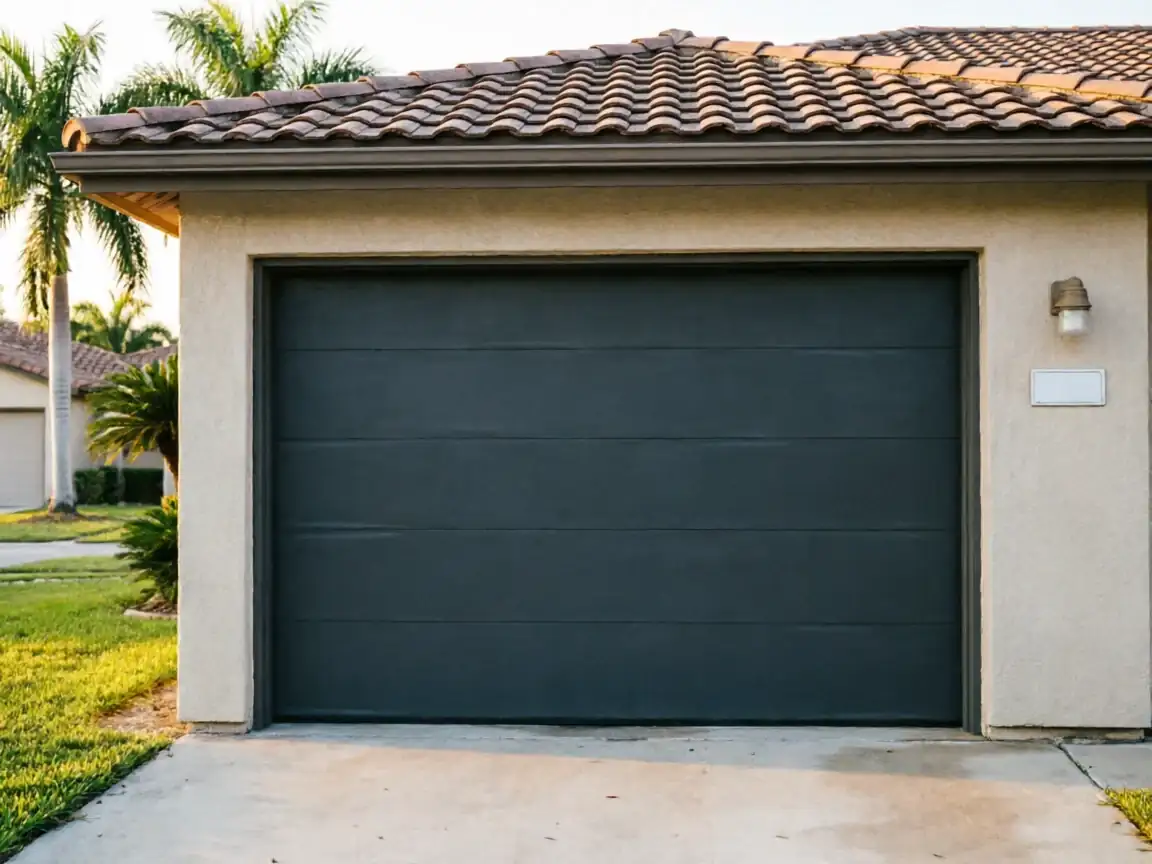
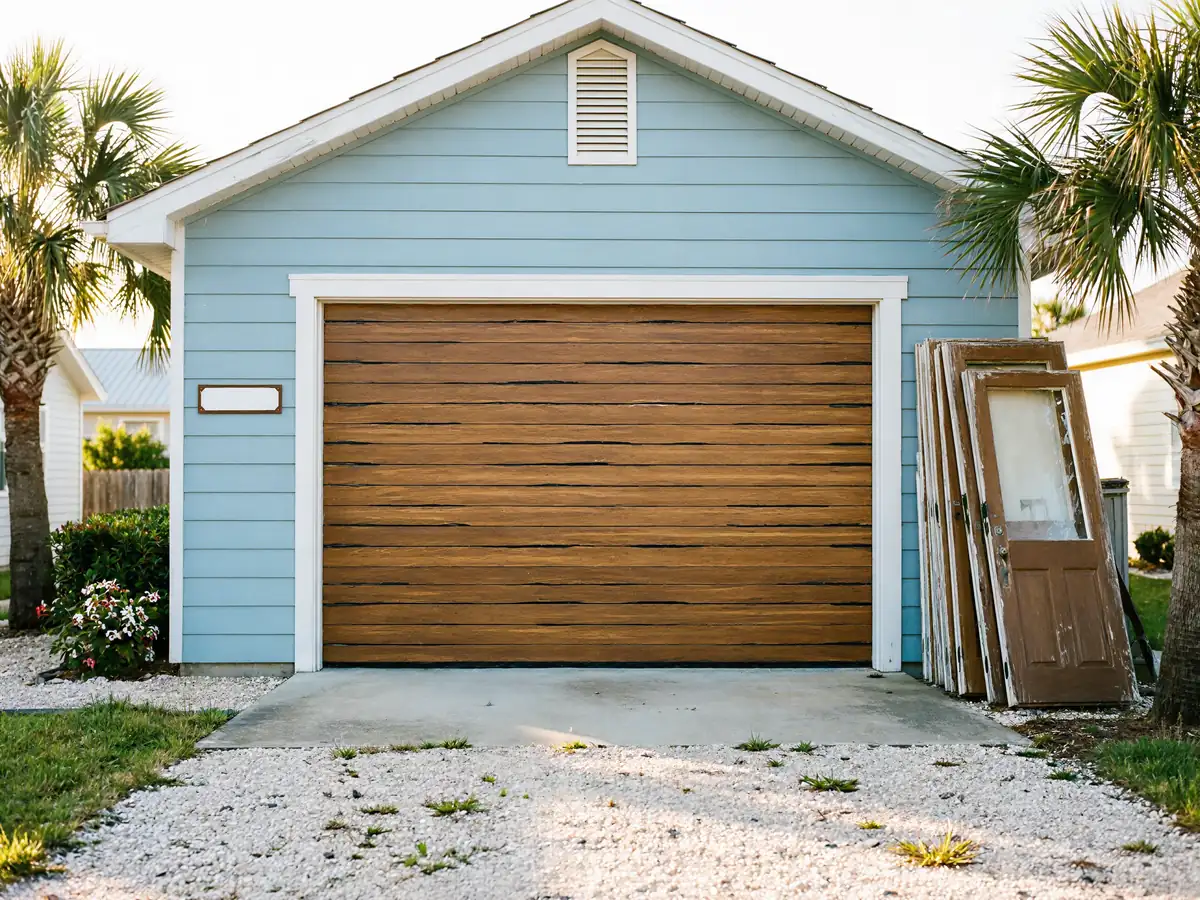
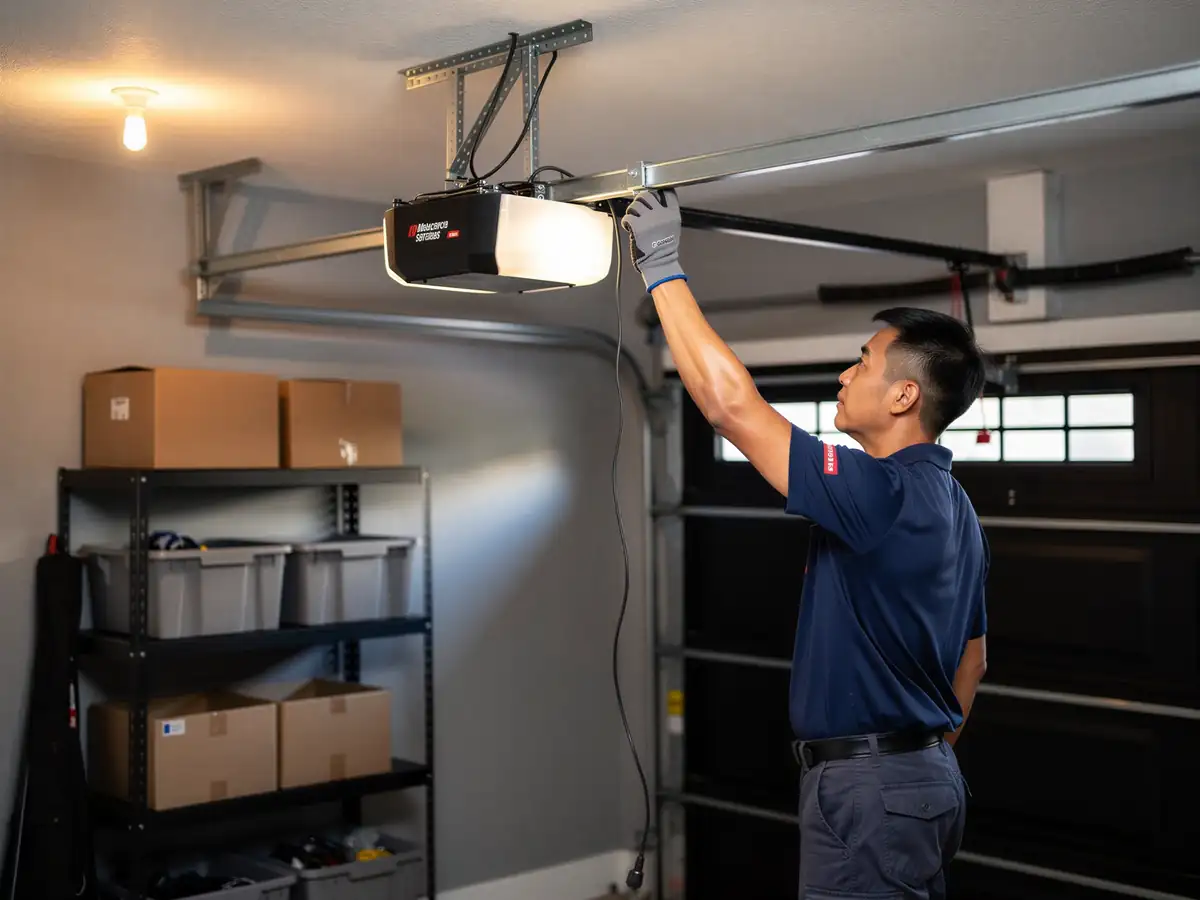
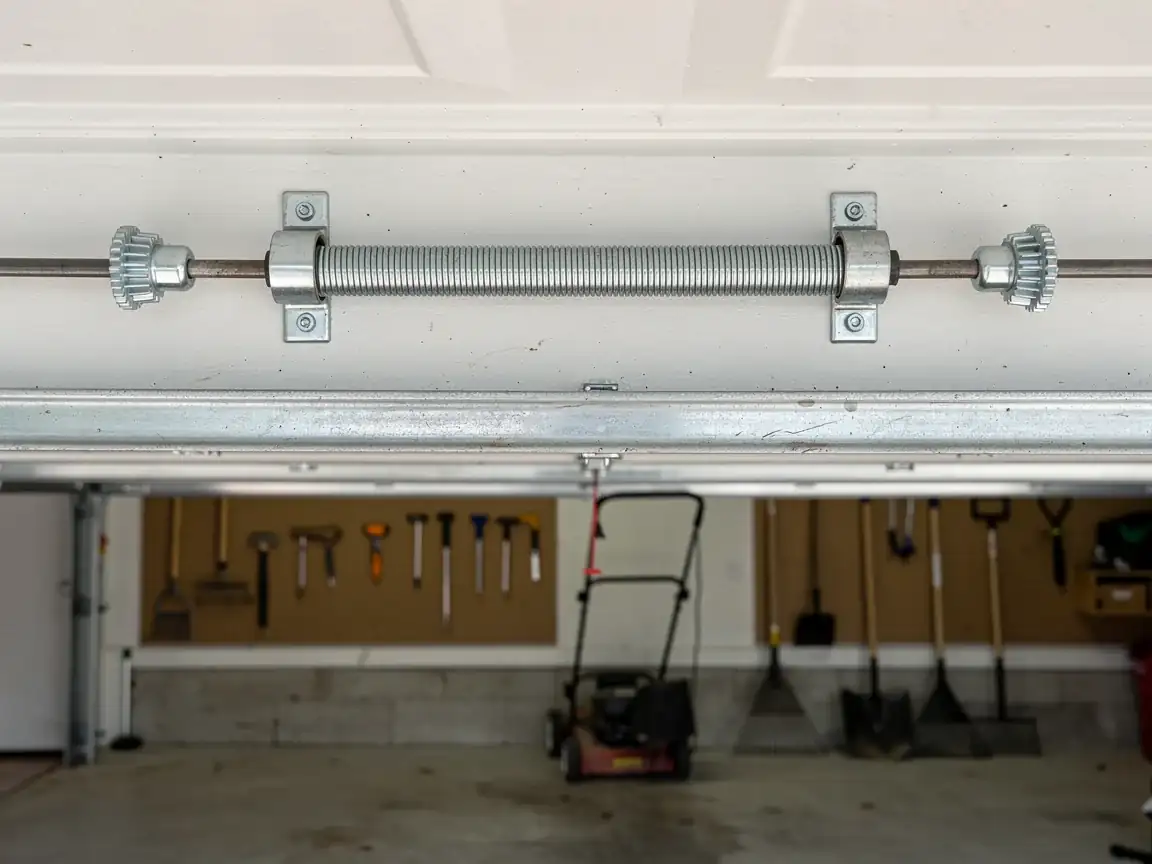
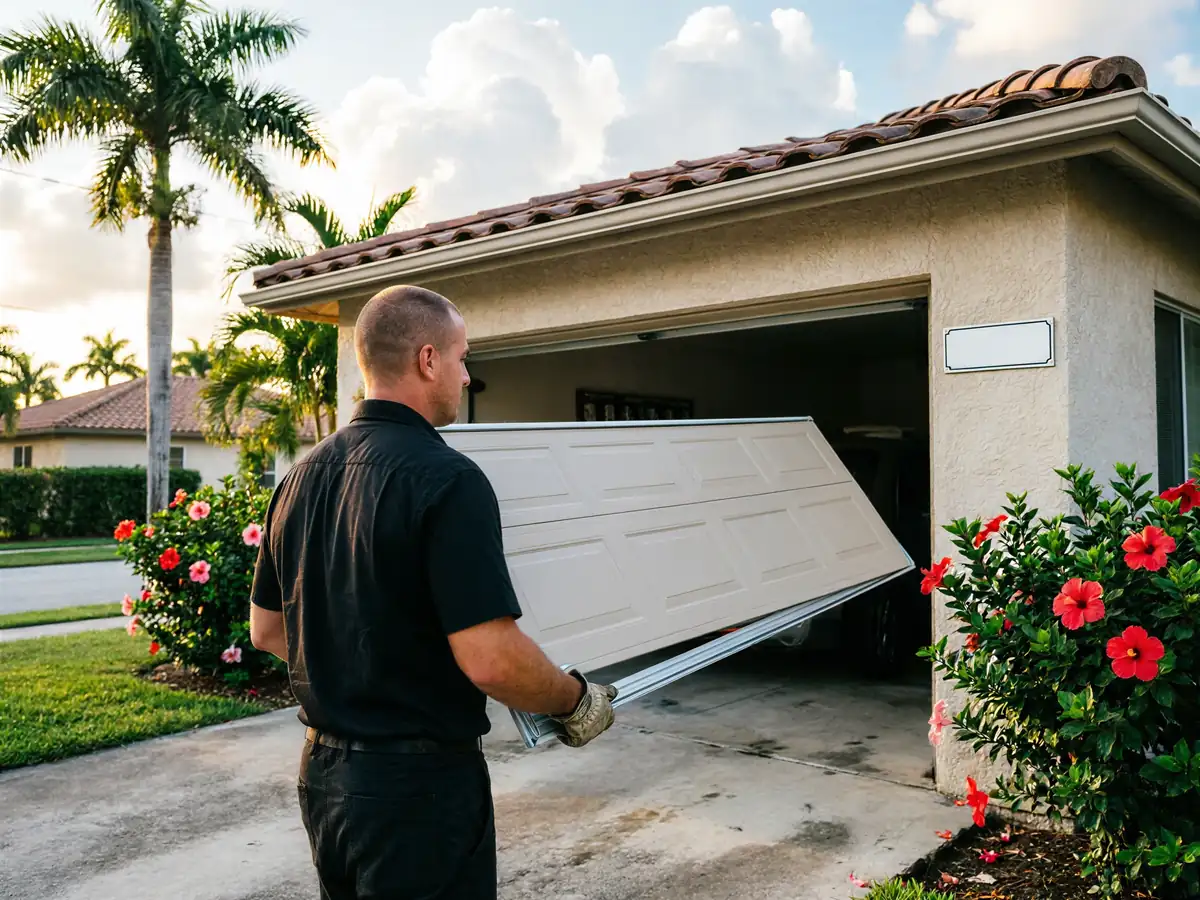
A dented, cracked, or rusted-through section on one panel of an otherwise working door is the most common reason homeowners in this service area call about panel work. You notice it because the door still opens and closes fine, but one section is bent inward from a bumper tap, split from age, or bowing along the bottom where water sits. Sometimes it's a single hit - a trailer hitch, a bike, a kid backing out the mower. Other times it's gradual: the bottom panel on a door installed in the late 1980s or early 1990s finally gives out after decades of expansion and contraction. Either way, the panel is usually the only part that's failed. The springs, opener, and track can all still be doing their job while one section looks wrecked. That's actually good news, because it means the fix is often narrower than people expect - you're not necessarily buying a whole new door, you're buying a matching section or two. The catch is the word "matching." Steel doors made in different decades use different panel heights, seam spacing, and rib patterns, so an exact match isn't guaranteed on an older door, which we'll get into below.
What It Costs
We don't have a fixed number to post here, because panel replacement cost depends on things we can't know until we look at the door: how many sections need replacing, whether the panel is insulated or single-layer steel, whether the hardware (hinges, rollers) on that section survived, and whether your door's manufacturer still makes a matching panel or whether we're sourcing a close match. A single bottom panel on a common door style is a different job than replacing two mid-height sections on a door where the manufacturer has changed panel profiles since it was built. What we can tell you honestly: if more than two sections are damaged, or the door is old enough that no matching panel exists anywhere, replacing the whole door usually costs less than you'd think relative to patching it - and it comes with a door that matches itself. We'll give you both options and the real numbers for your door once we've seen it, not before.
What Can Go Wrong
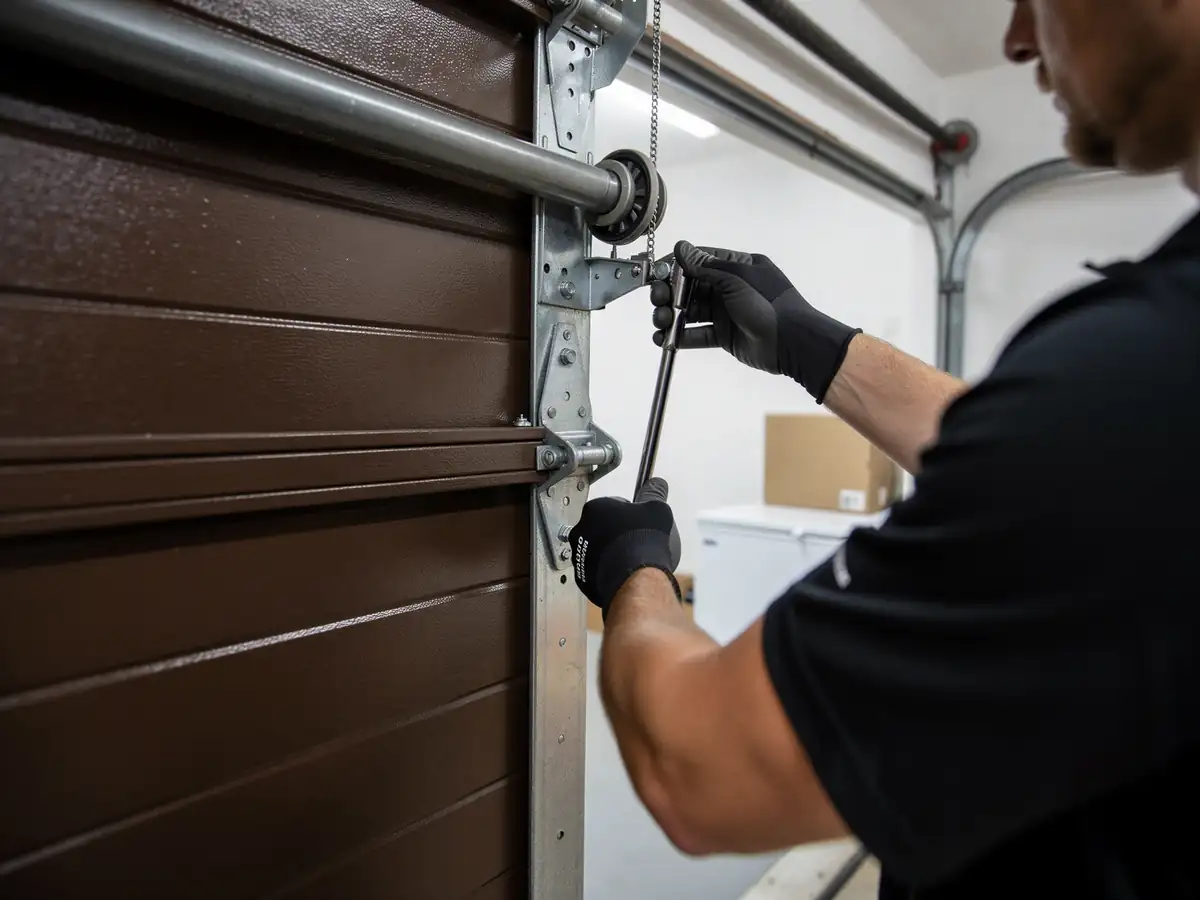
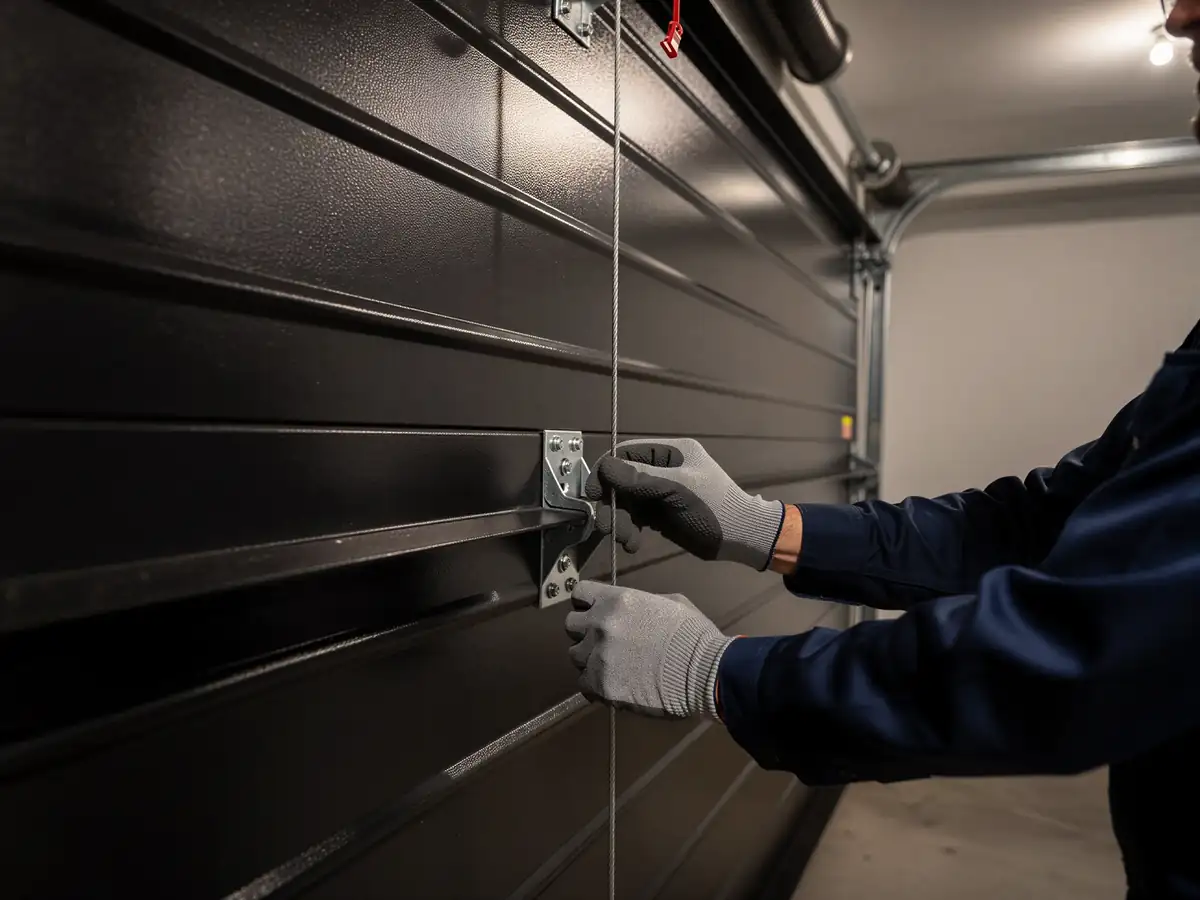
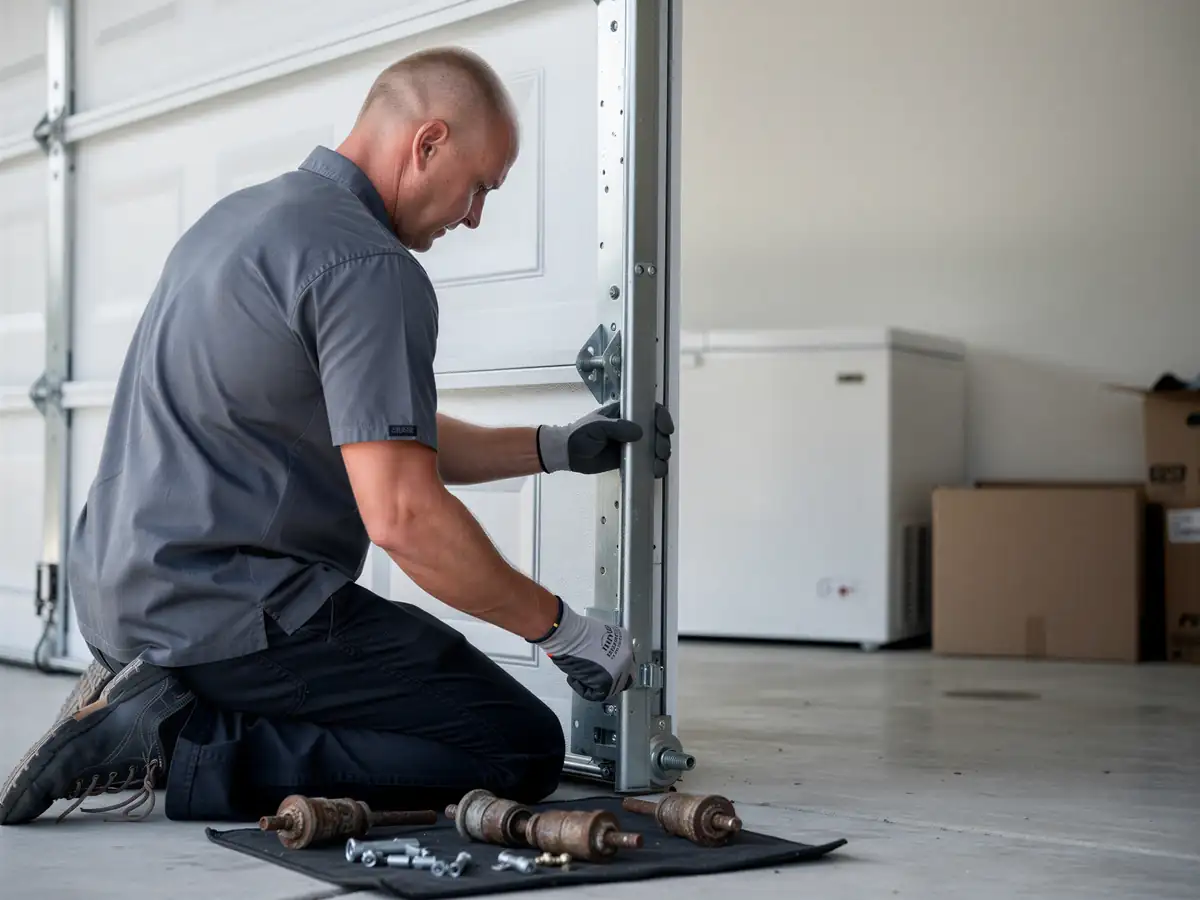
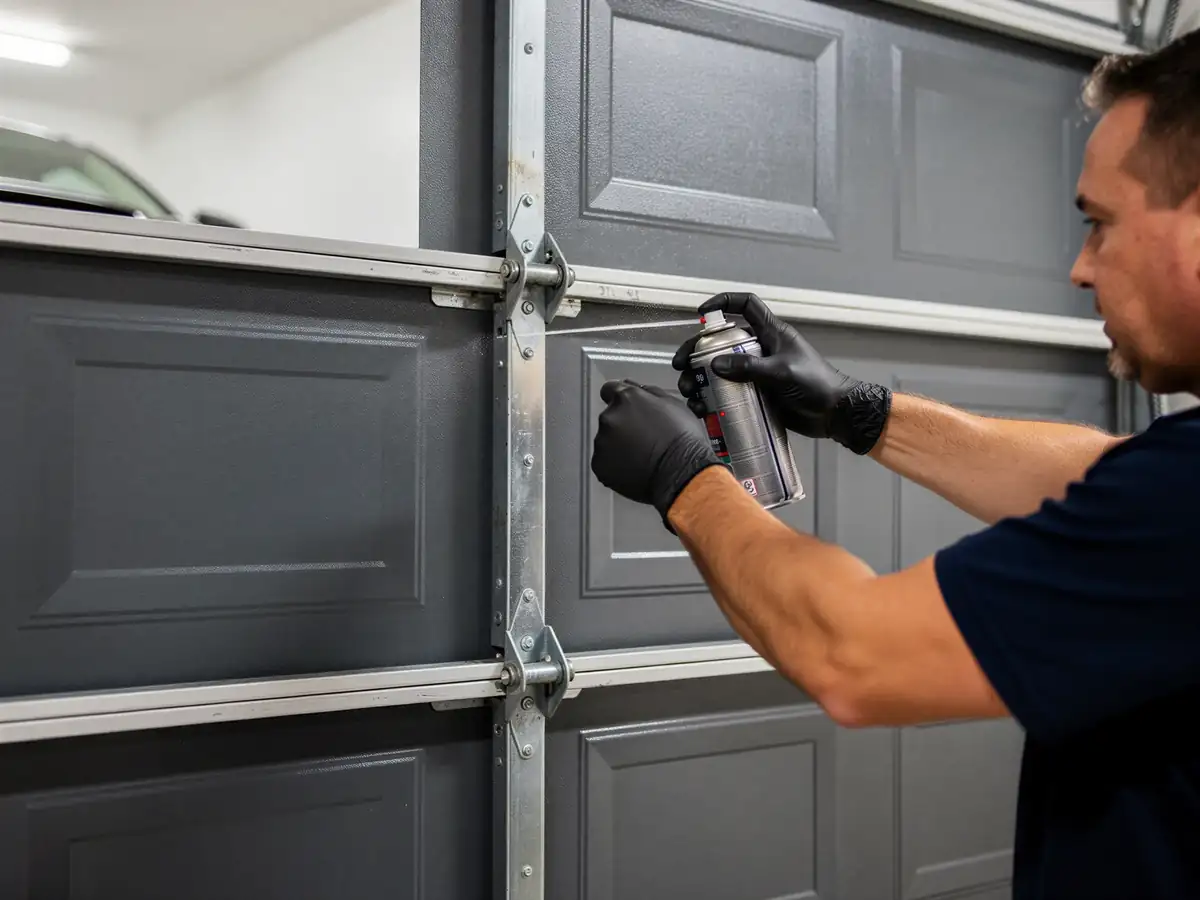
The biggest risk on panel-only jobs is a mismatch nobody catches until the new panel is sitting next to the old ones looking slightly off - different rib spacing, a half-inch difference in section height, or a color that's close but not right under direct sun. On houses built before the 2000s this is common enough that we check the manufacturer and model before promising an exact match, not after. The second risk is hardware: if the hinges or roller brackets on the damaged section are also worn or bent, bolting them onto a new panel just moves the problem over. And on doors where rust has spread along the bottom seam beyond the section you can see is dented, replacing just that one panel can mean redoing the job again in a year or two once the next section along the seam fails. We'll tell you up front if we think a panel swap is a short-term fix rather than a real one - that call matters more than making the visible dent disappear today.