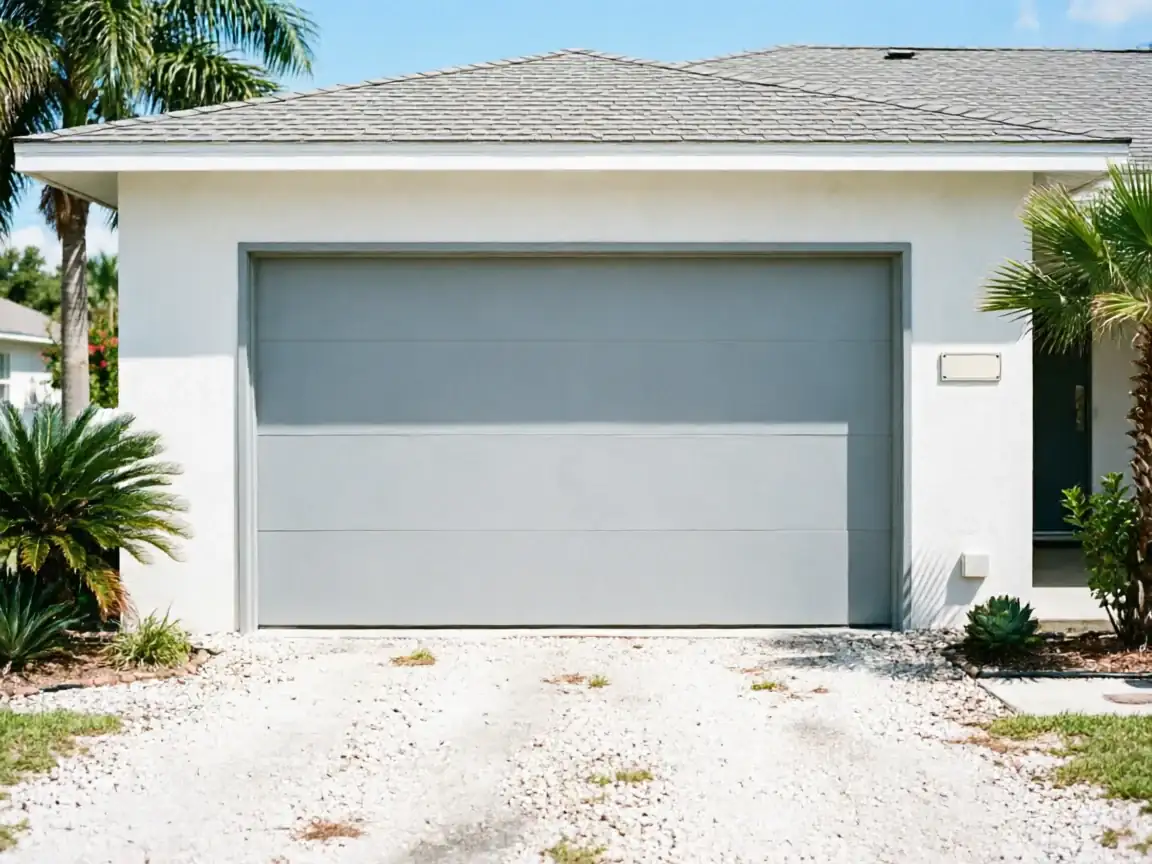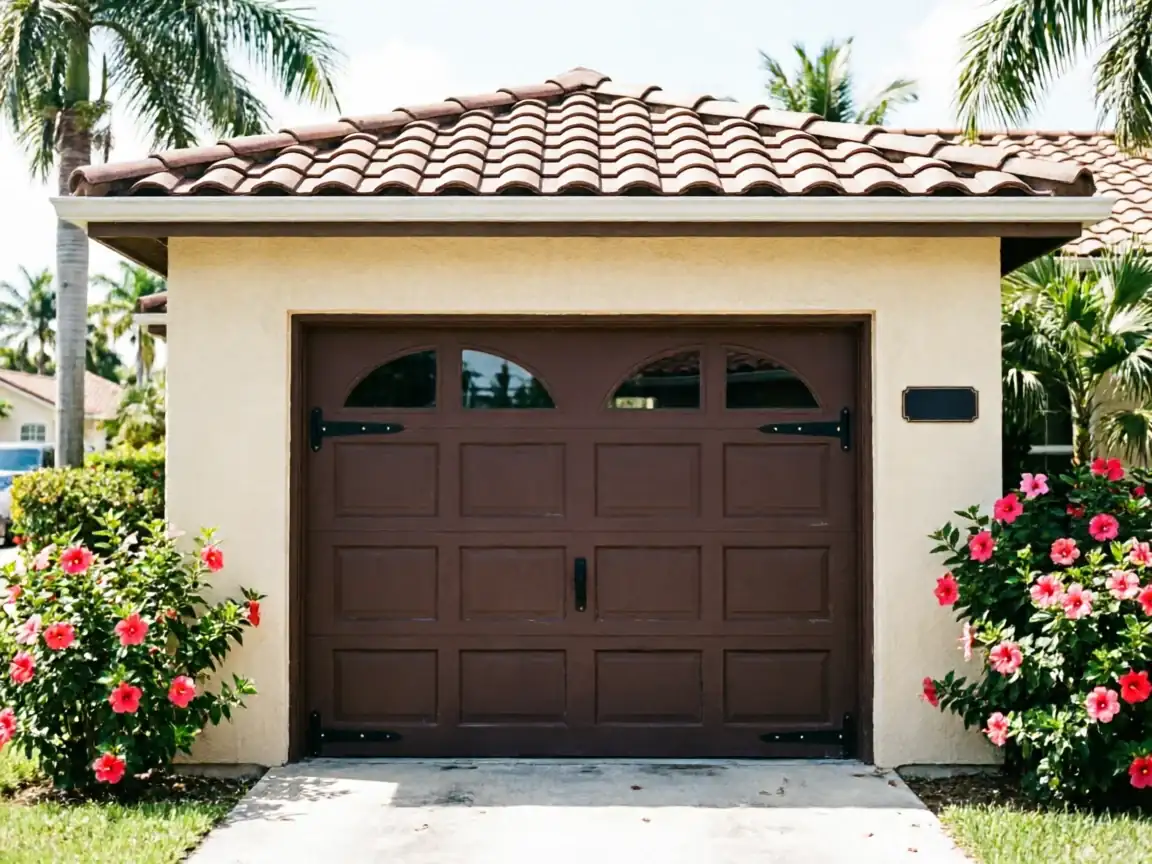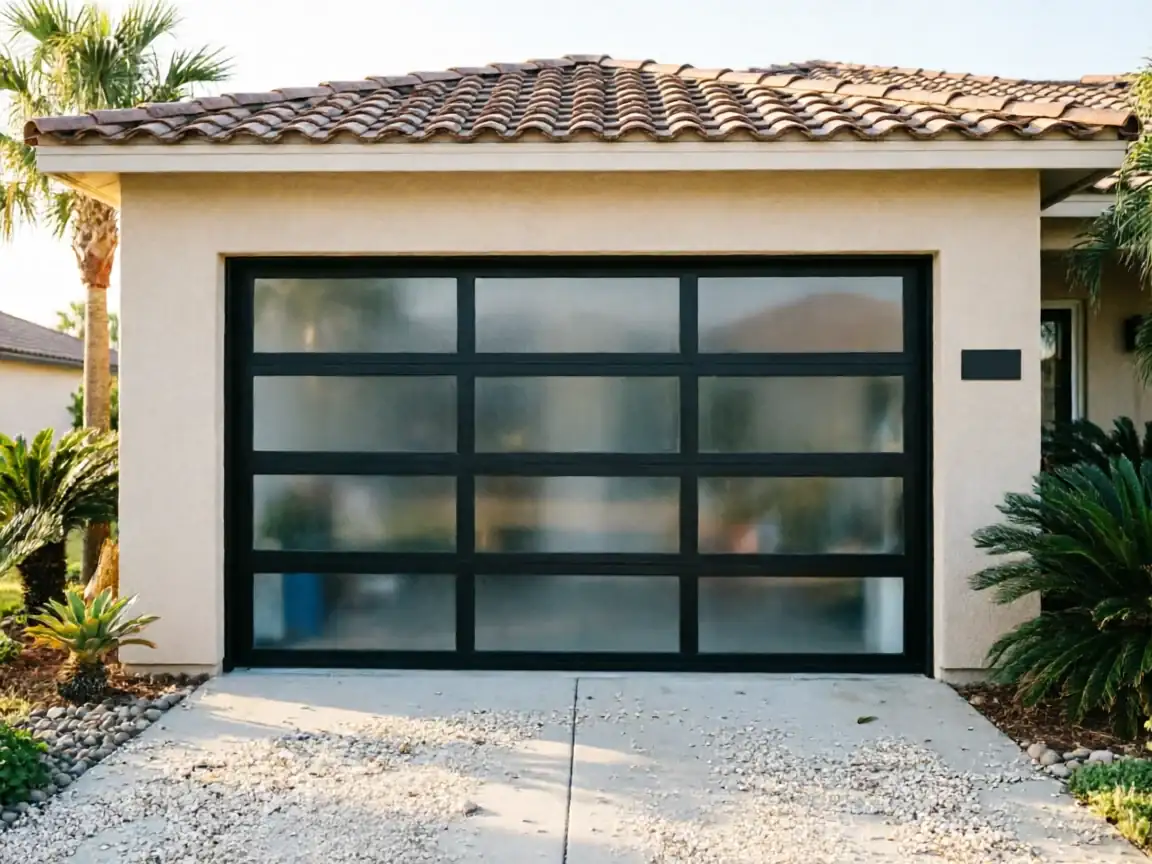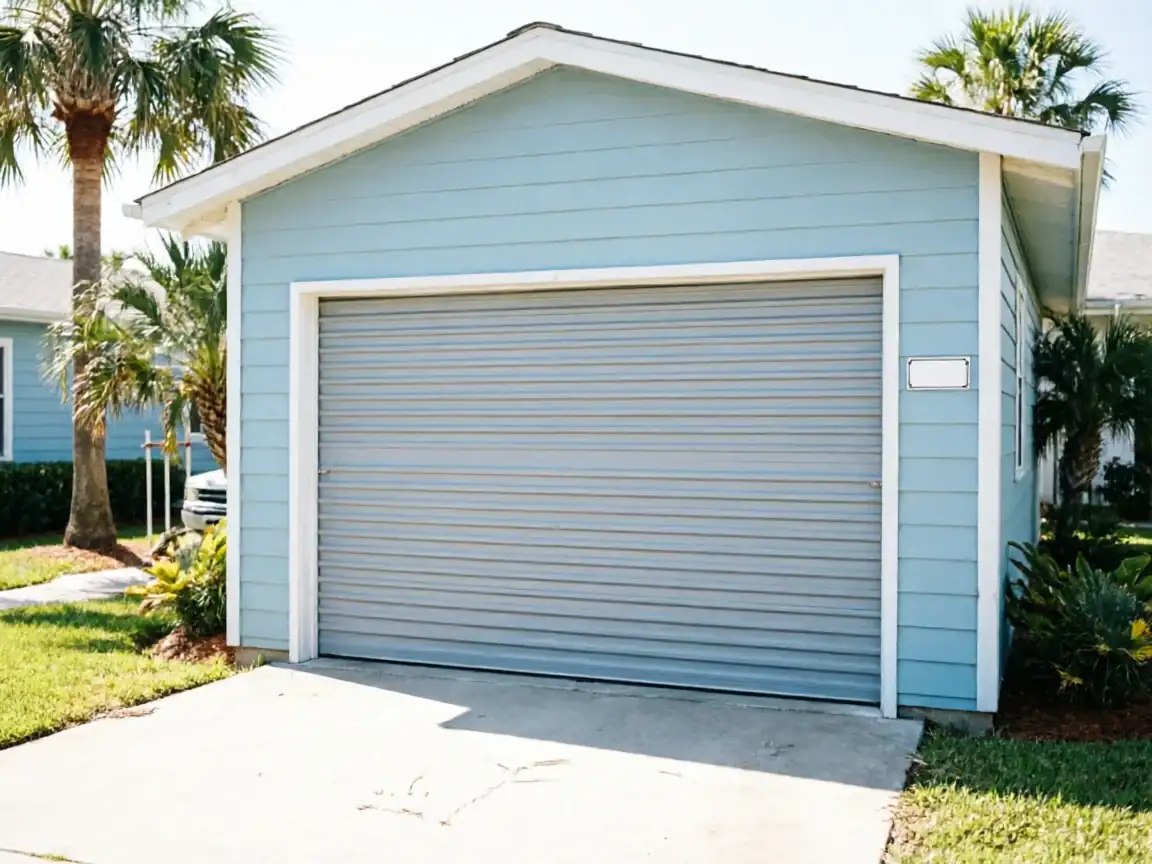
What You Are Seeing
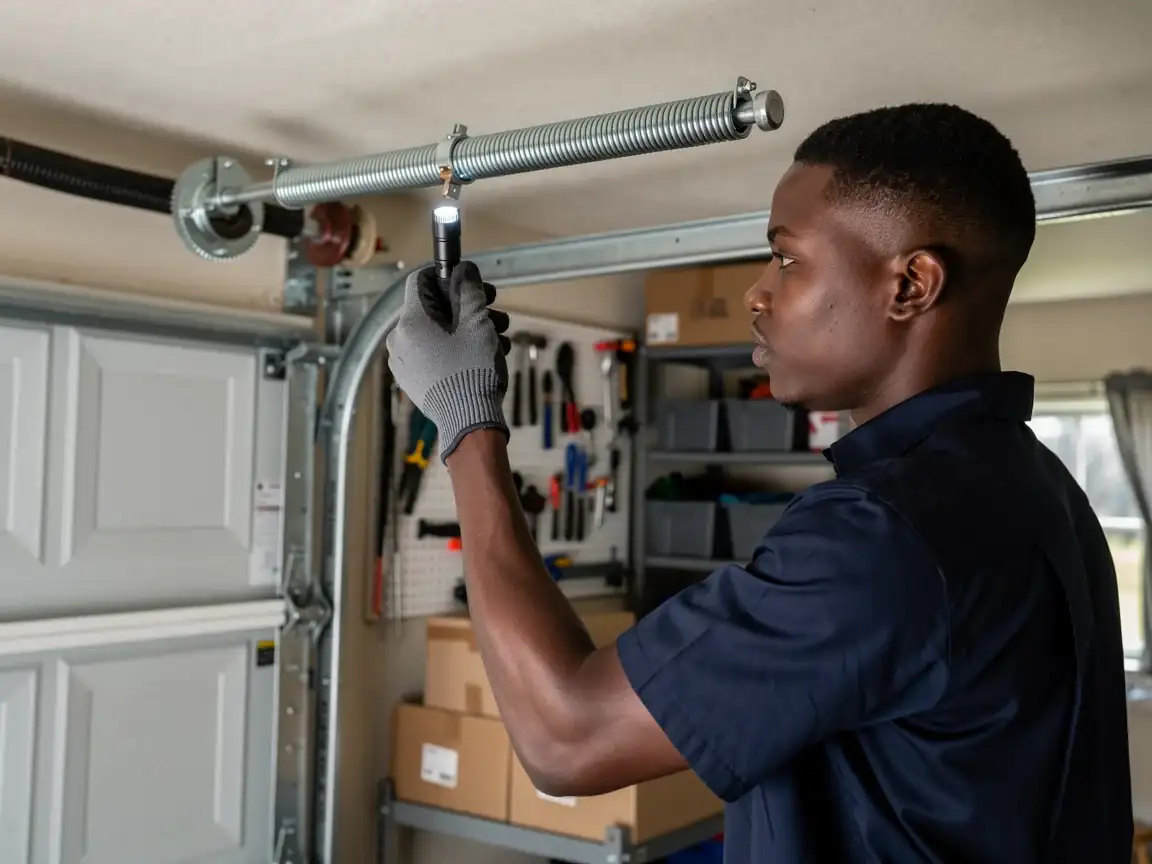
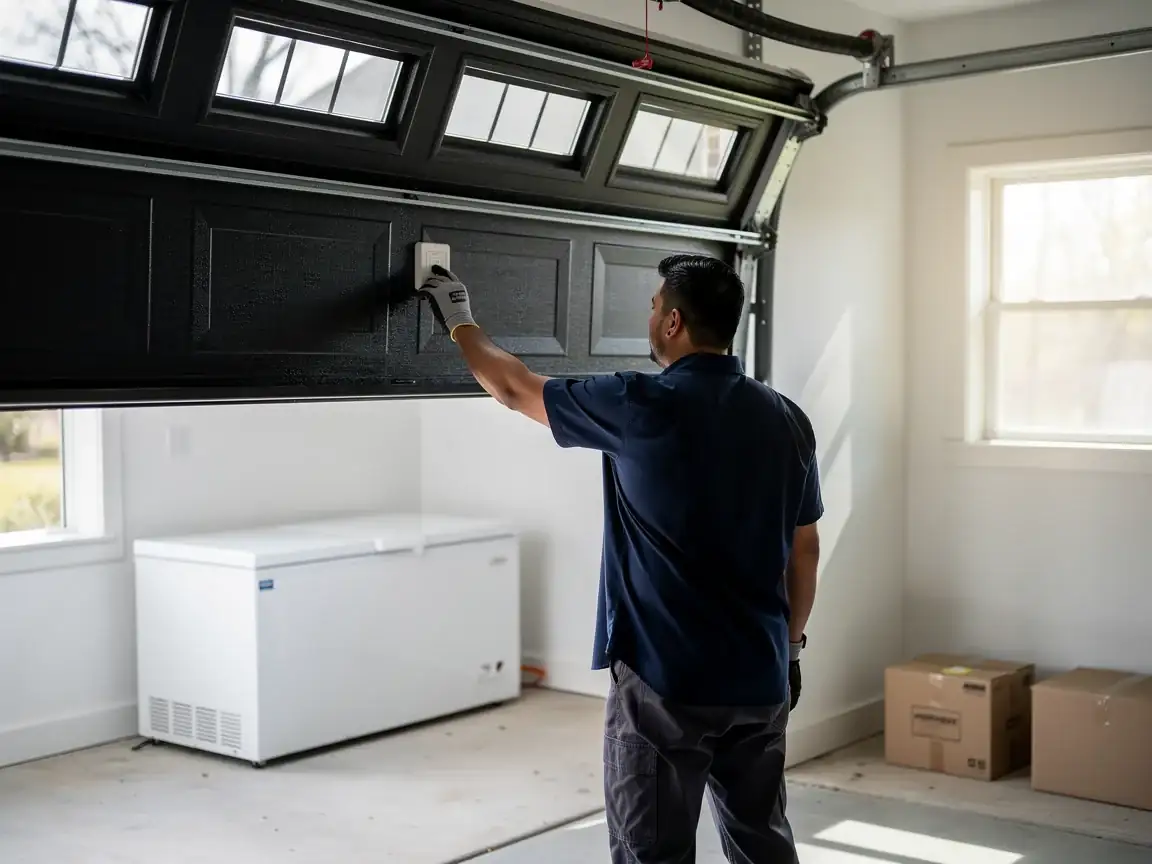
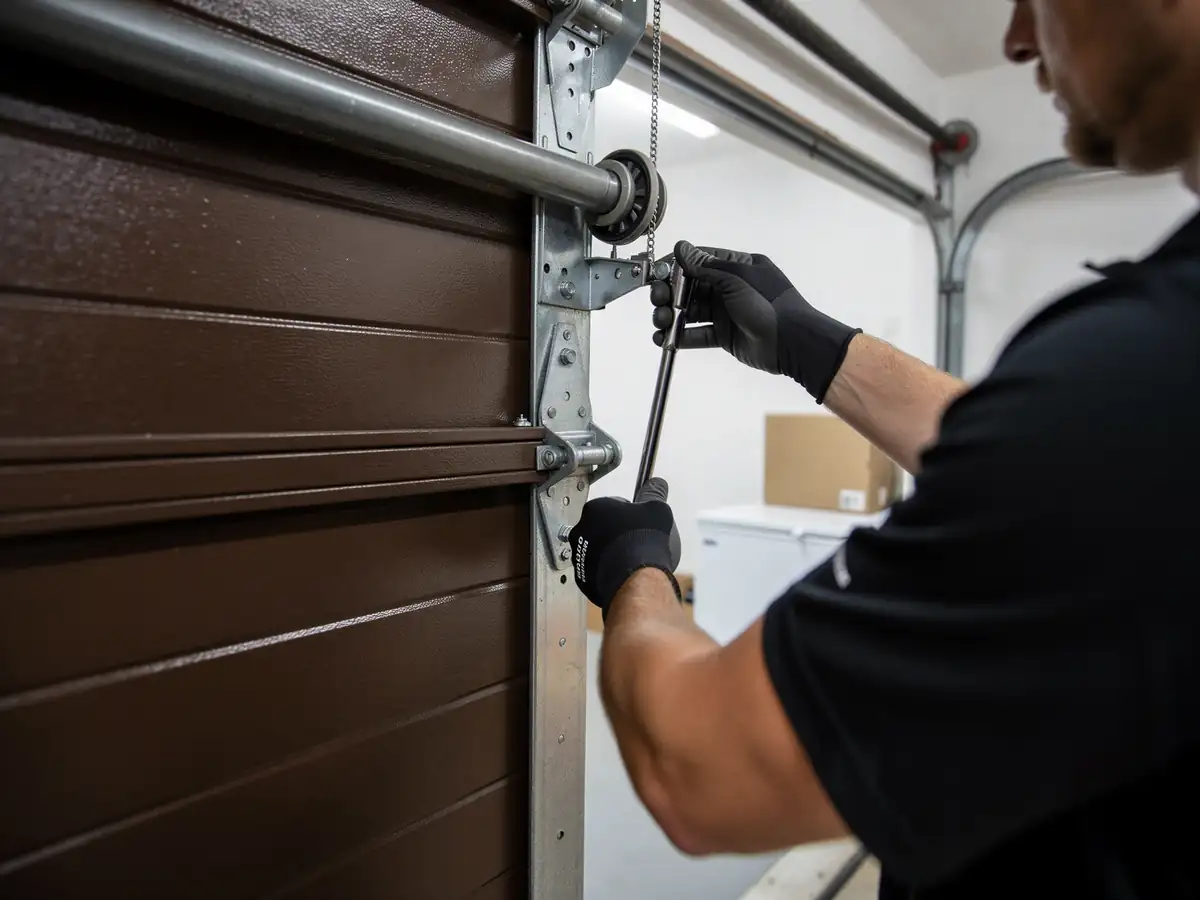
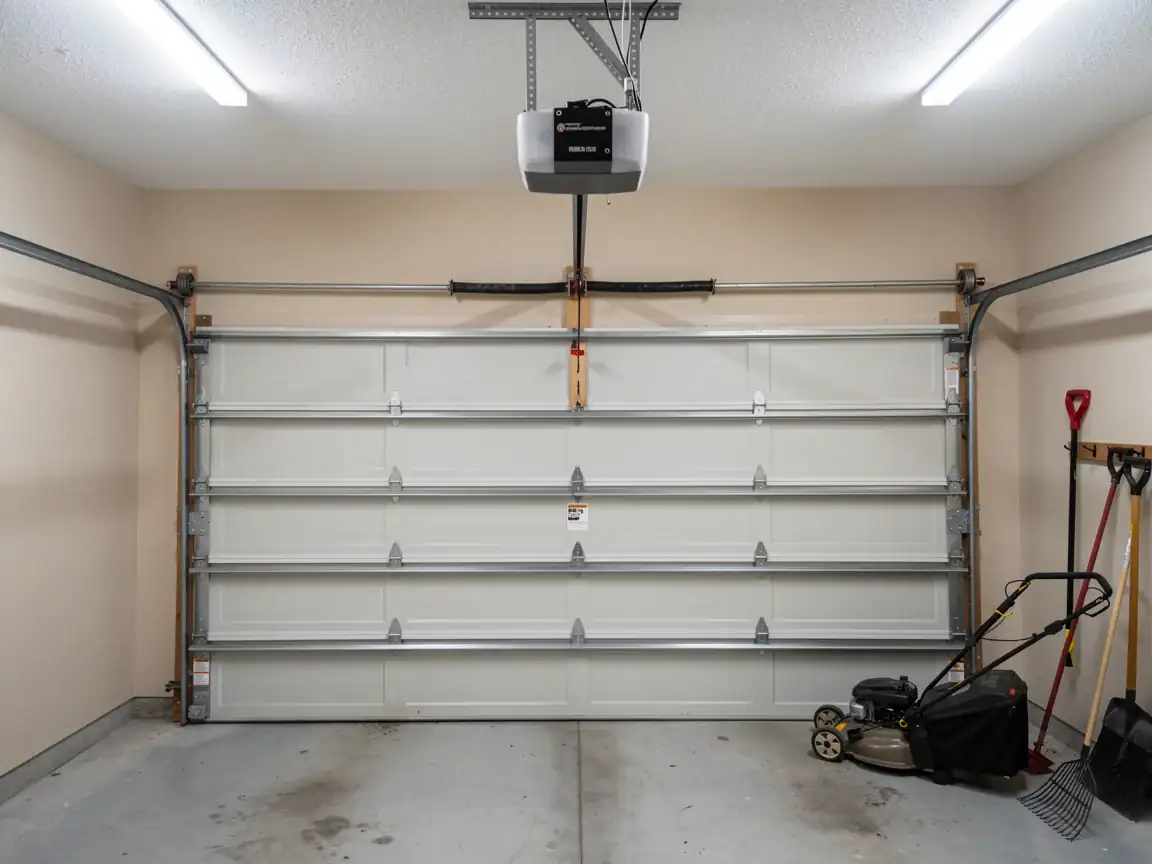
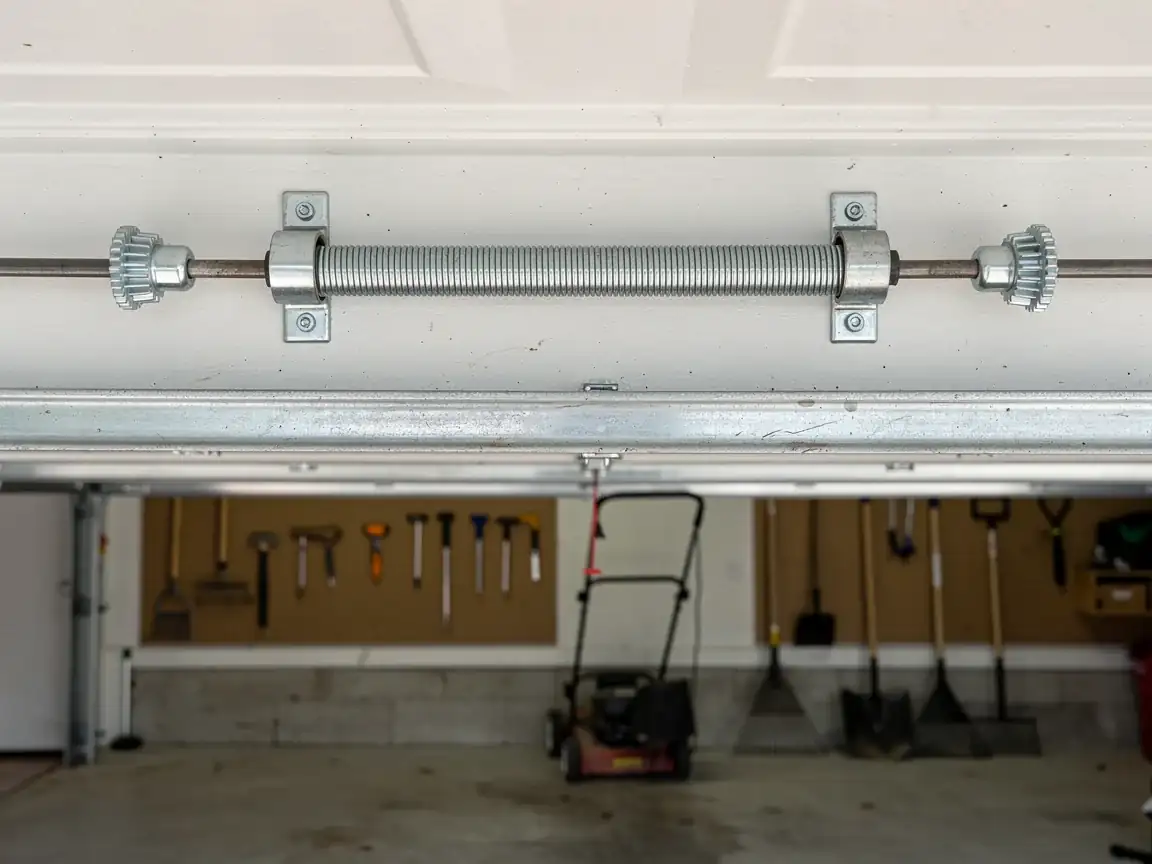
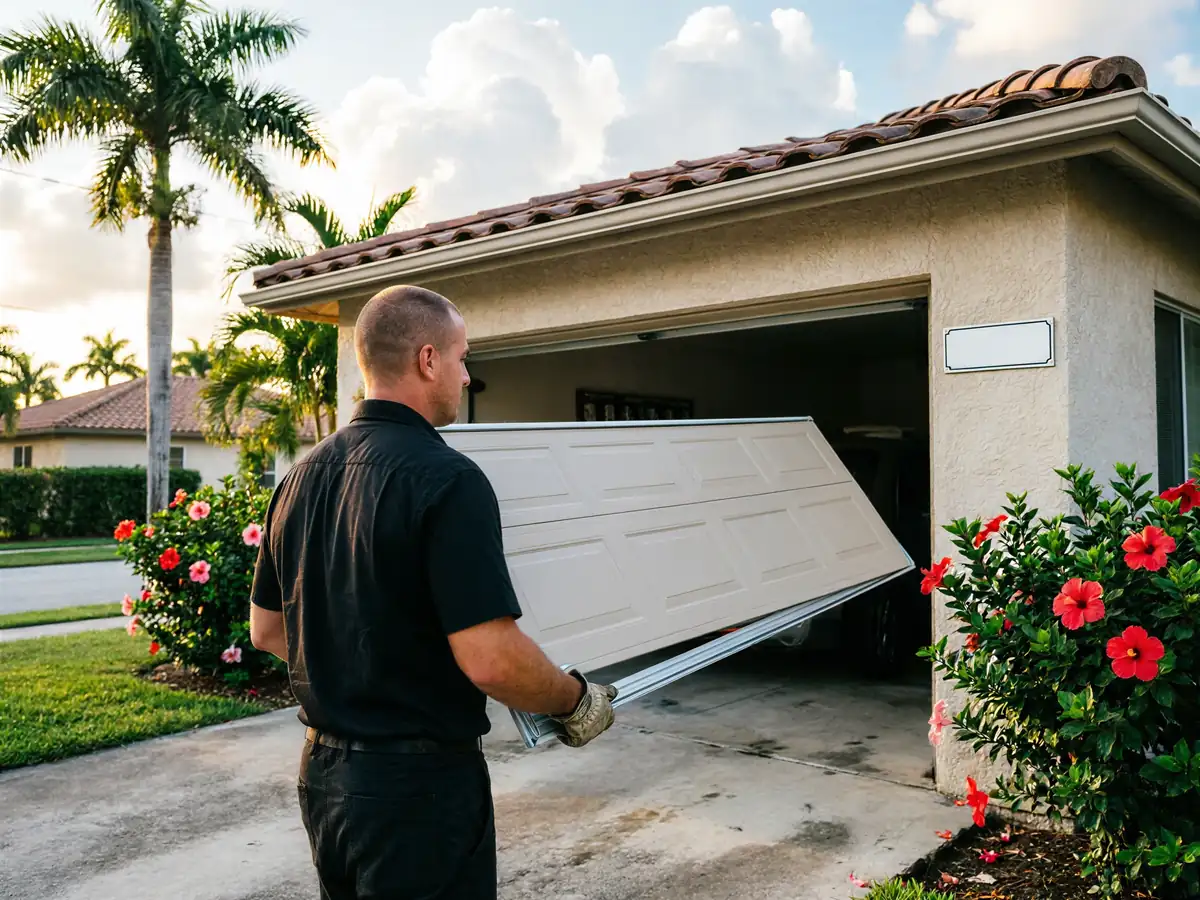
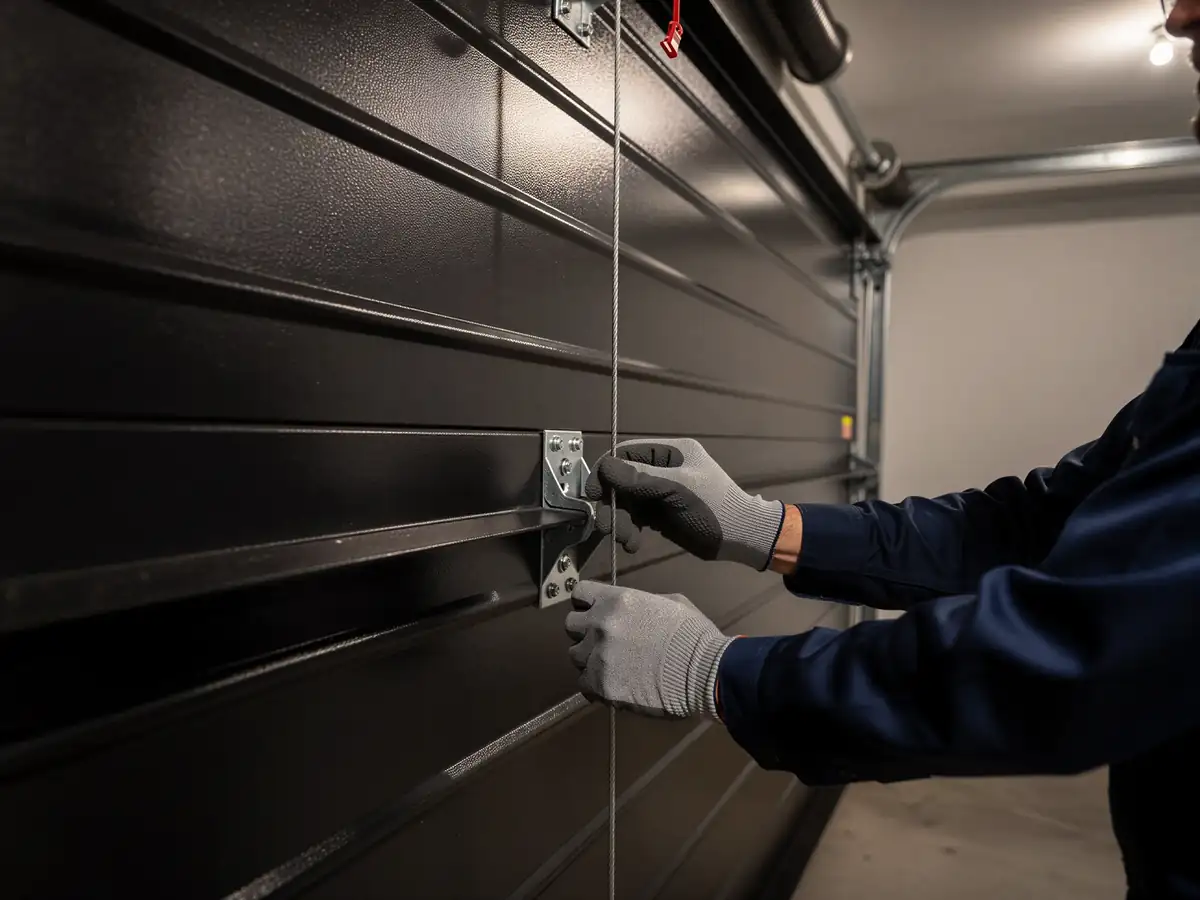
If your door is sitting crooked in the track, dropped on one side, or stuck halfway up with a loud bang that happened right before it quit, you're probably looking at a broken or frayed lift cable, not a spring problem, though the two get confused all the time. The giveaway is usually a cable that's unwound off the drum, strands sticking out like a frayed shoelace, or one side of the door hanging lower than the other because that cable let go while the other is still holding. Sometimes the door won't move at all because the opener senses the imbalance and locks out. On older torsion setups common across this area, a cable can also jump its drum groove without fully snapping, which makes the door grind or jerk instead of failing outright. Either way, a door with a bad cable is not safe to run through a cycle - the panel can jump the track or drop fast if the remaining cable gives. If you can get a flashlight on the drums without putting your hand near the door, look for loose wraps or a cable that's gone slack. That's the fault, and it's a repair job, not a full replacement, in most cases.
What It Costs
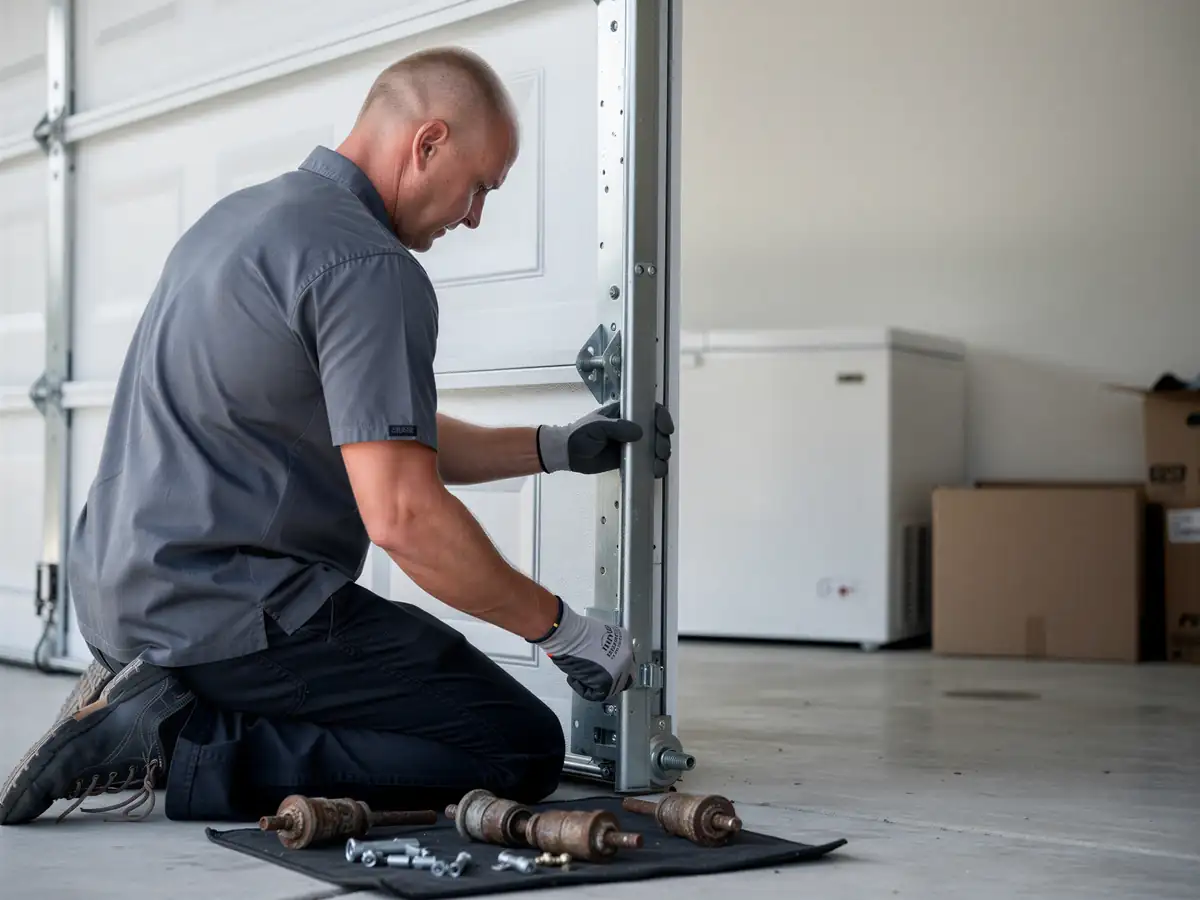
We don't have a flat number to quote here because cable jobs vary by door weight, spring type, and whether the drum or bottom bracket got damaged when the cable let go. A single-cable swap on a standard door is a different job than replacing both cables on a heavier insulated double door, and if the cable snapped under tension and let the door drop, there's sometimes bent track or a cracked bottom panel corner to deal with too. What we can tell you is that cable repair is almost always cheaper than people expect walking in, because it's a parts-and-labor job measured in an hour or two, not a door replacement. The honest limitation: if the drums are worn or the torsion spring is also near the end of its life, fixing just the cable and leaving the rest is a short-term patch, and we'll say so rather than send you home with a door that fails again in six months. Ask for the breakdown on your specific door before you commit - weight, spring count, and drum condition all move the number.
What Can Go Wrong
A cable that's fraying but not yet broken is the dangerous middle ground - the door still runs, so people keep using it, right up until the cable parts mid-cycle. When that happens on a door that's opening or closing, the sudden release of spring tension can snap the door down hard or let it jump the track, and anyone standing underneath or reaching for the bottom bracket is at real risk. On double doors especially, a single failed cable puts all the remaining tension on one side, which can bend the track, crack the bottom corner bracket, or warp a panel. If the opener keeps forcing the door against a jammed cable, you can burn out the motor or strip the gear, turning a cable repair into an opener replacement. Leave it long enough and the drum itself can wear a groove that chews through the next cable faster too. None of this is reason to panic - it's reason to park the car outside and get the cable looked at before the next cycle, not after.