What You Are Seeing
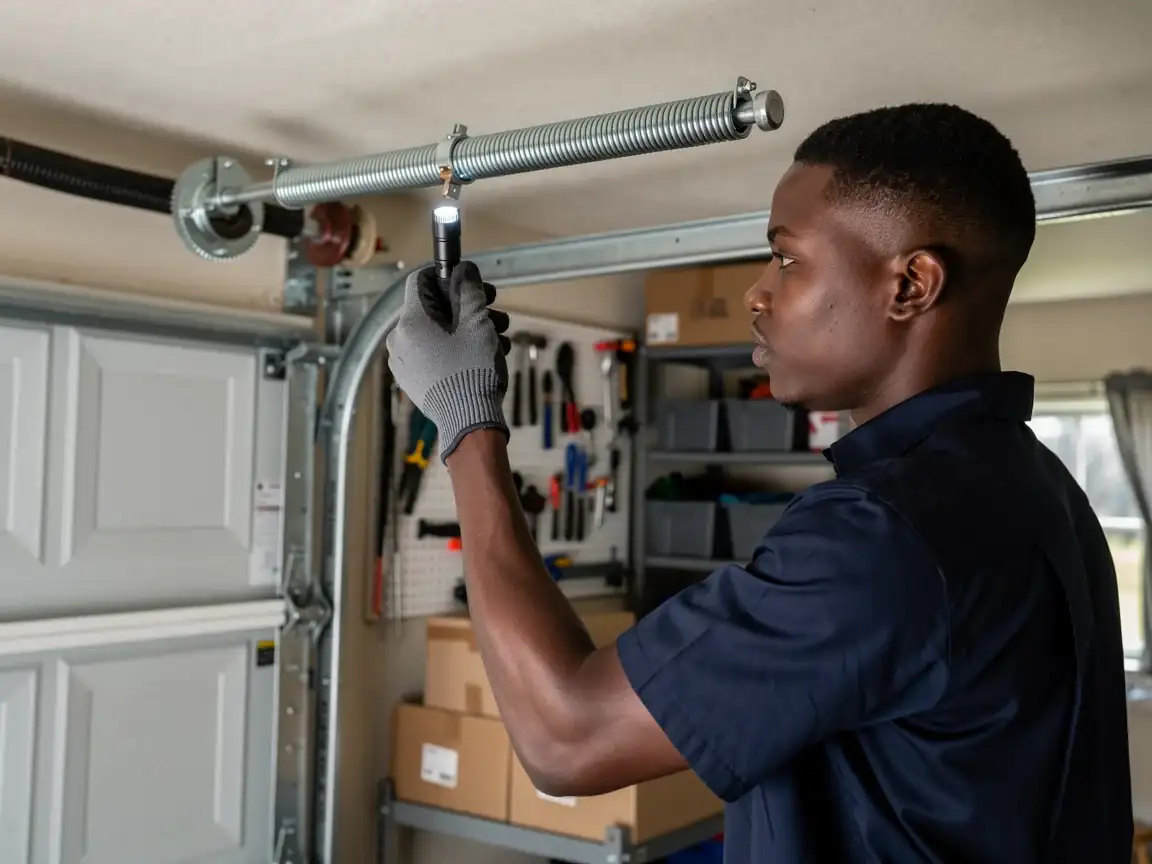
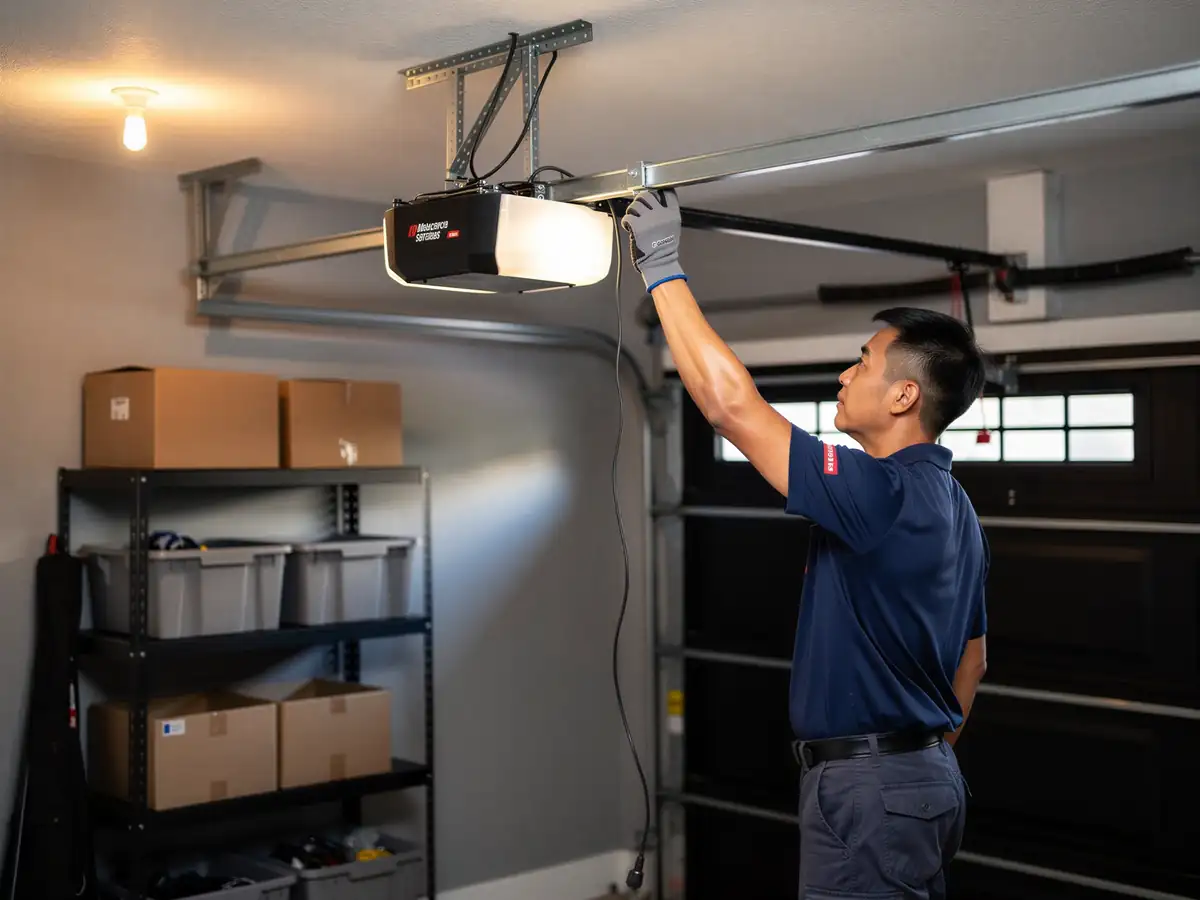
If you've called us about a maintenance visit, it's usually one of a few things: the door feels heavier than it used to, it shudders partway up, the opener strains and clicks before it catches, or there's a grinding or popping sound from the track area. None of that is a spring snapping or a cable jumping off a drum - that's a breakdown, not maintenance. Maintenance is what you do before that call happens.
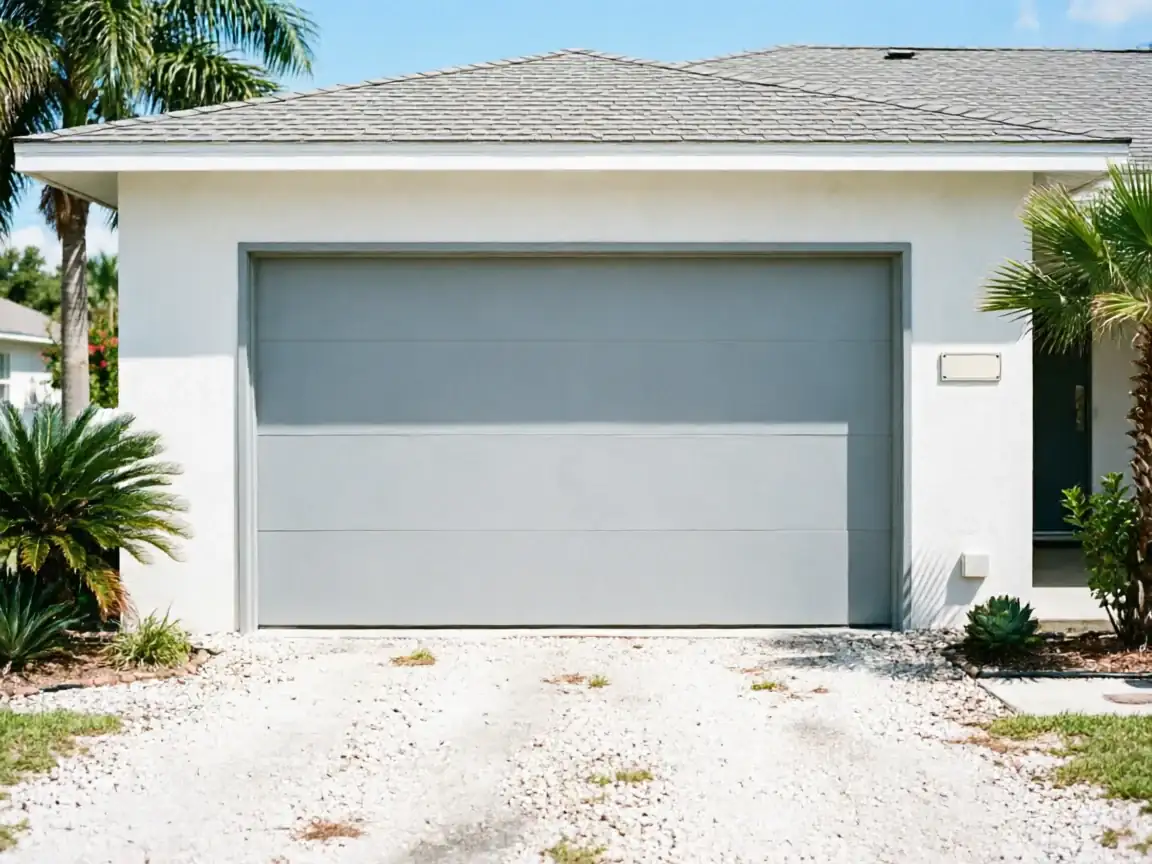
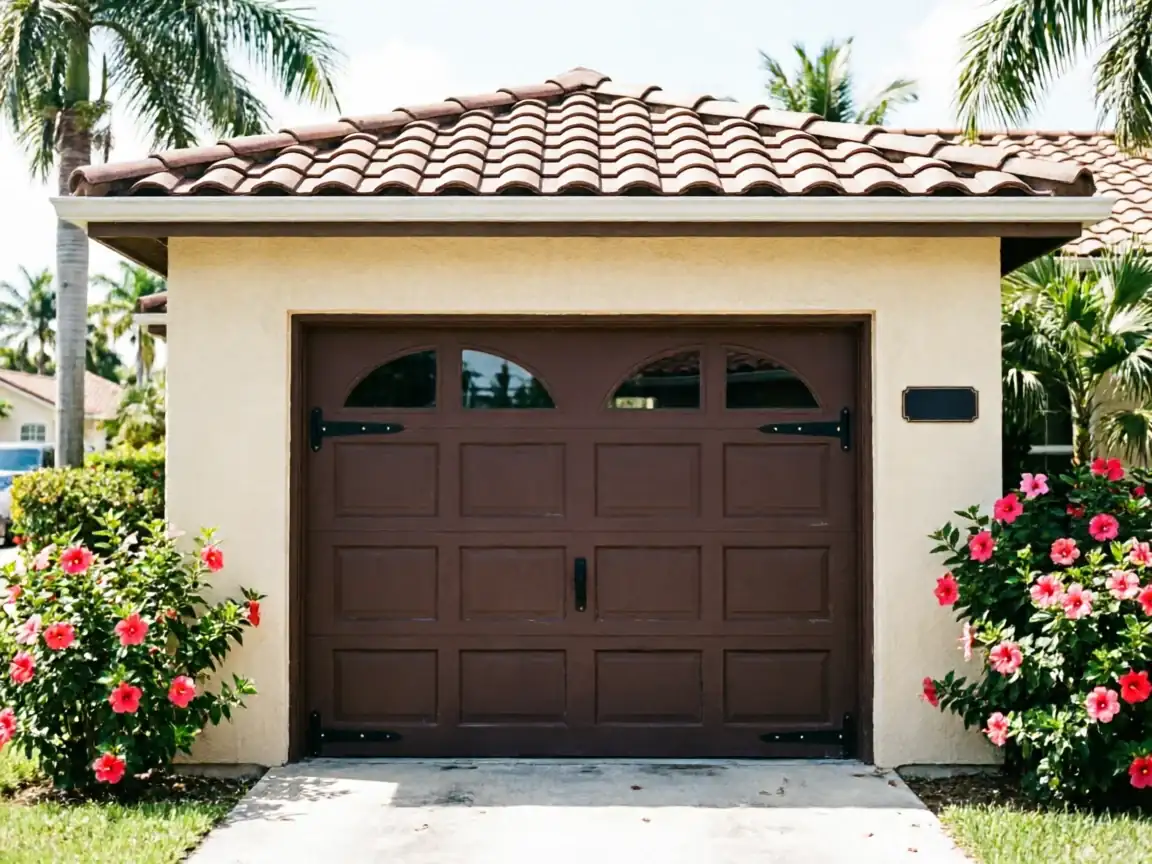
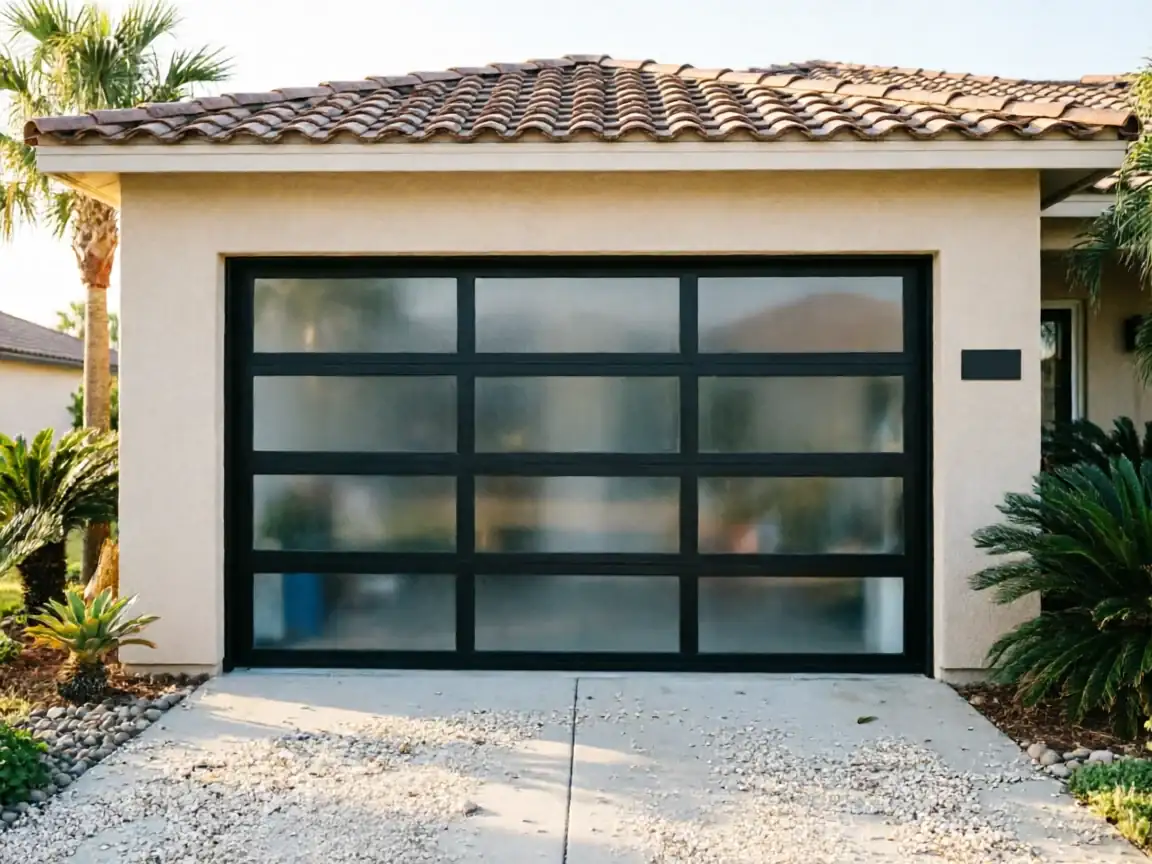
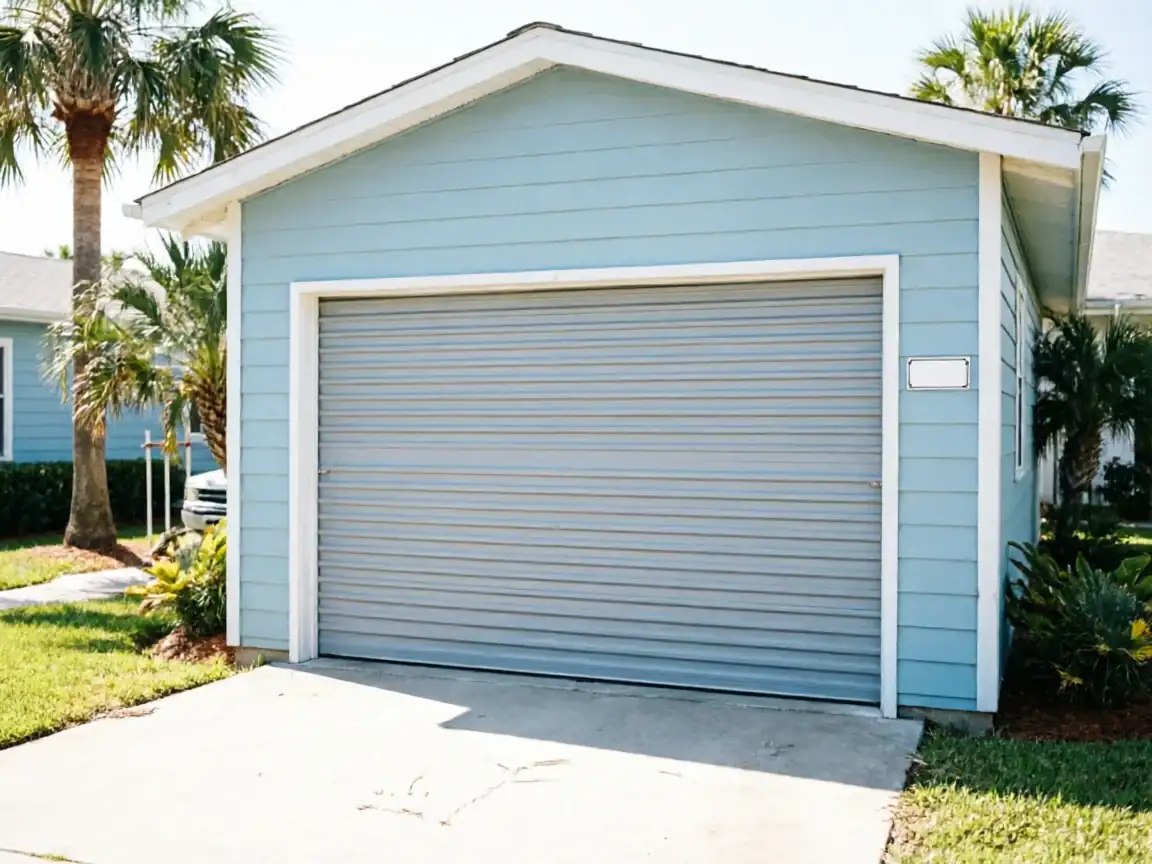
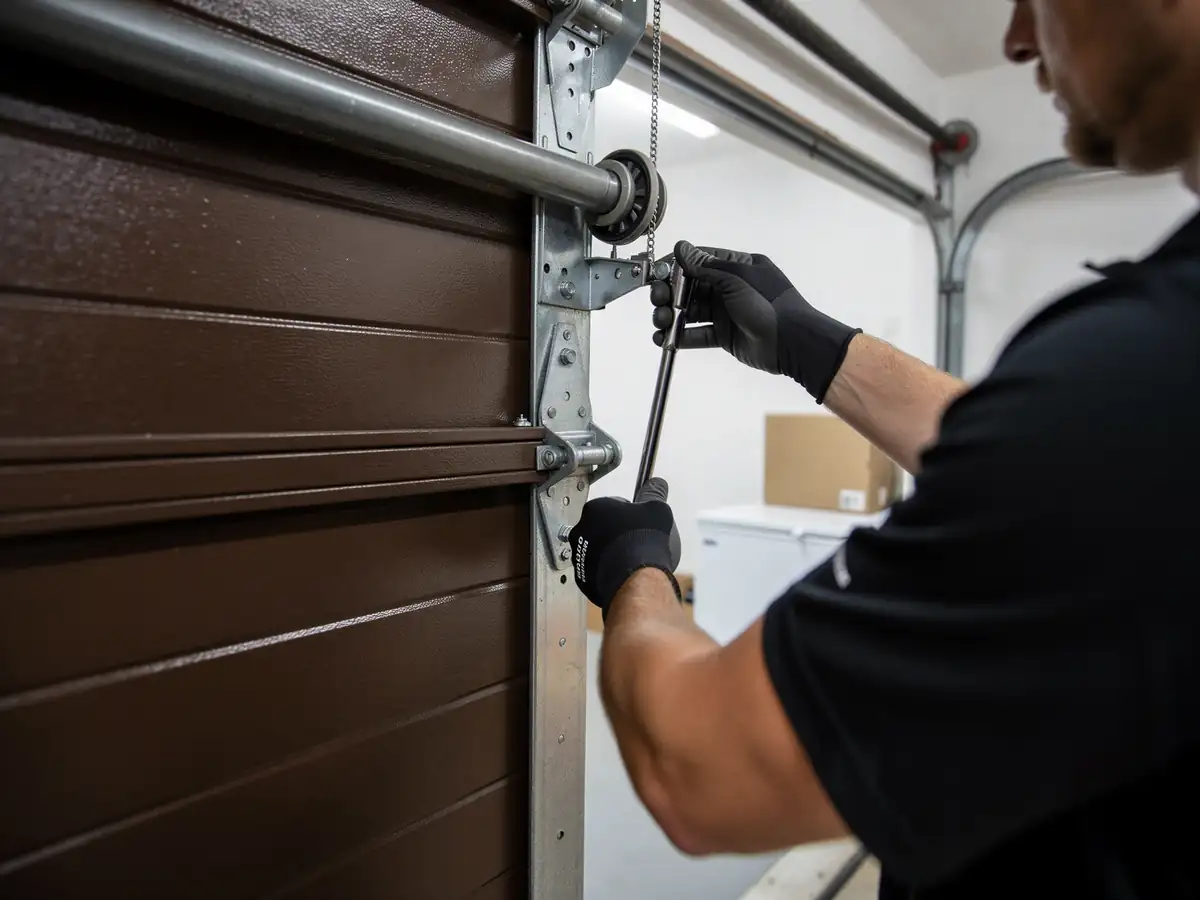
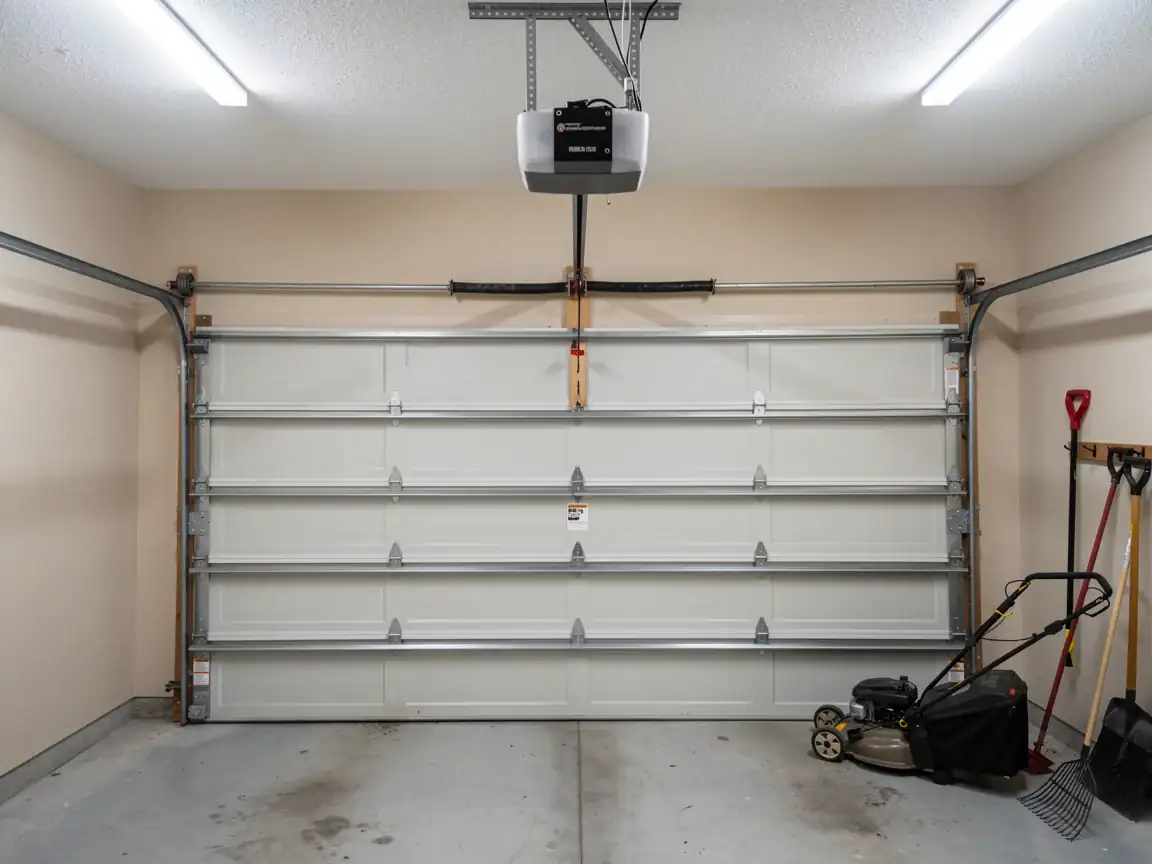
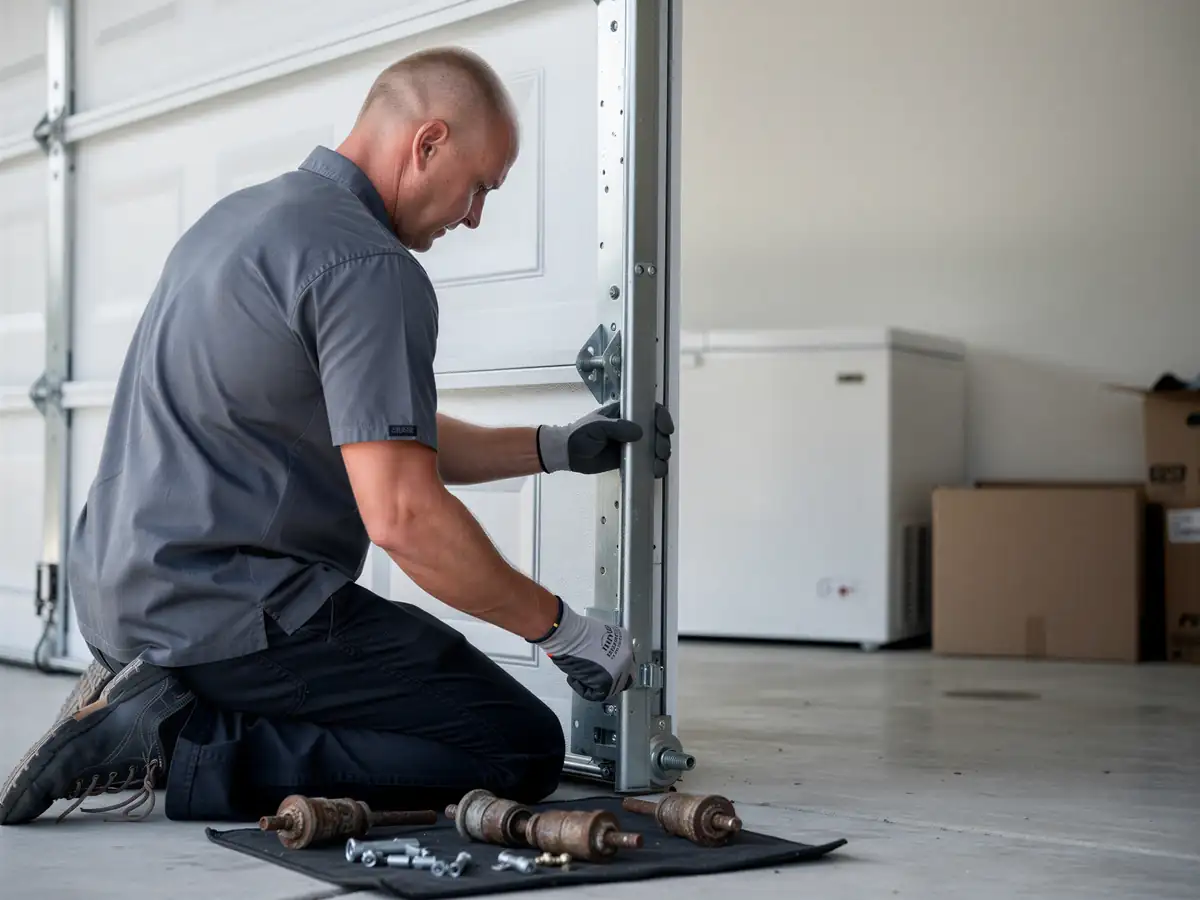
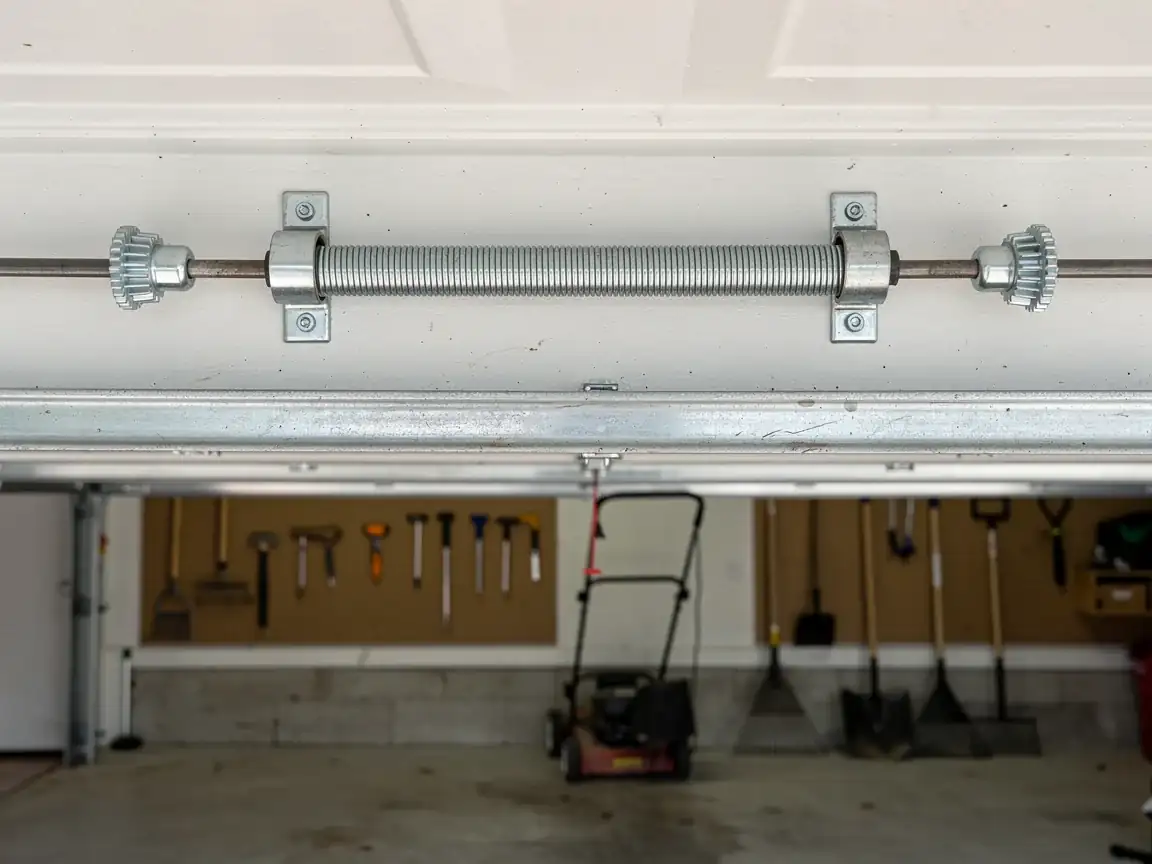
Across the service area, housing was built mostly between 1964 and 2021, with the median home going up around 1987 and the heaviest concentration of stock from the 1980s and 90s spread across the 47 named communities we work in. That matters for maintenance because a door installed in 1988 has different hardware, different spring sizing, and different wear patterns than one installed in 2015. A tune-up on an older torsion system looks for stretched cable, glazed rollers, and hinges that have loosened over three decades of use. A tune-up on a newer door is more about lubrication, alignment, and opener sensor calibration. We adjust what we check based on the age of the door in front of us, not a generic checklist.
What It Costs
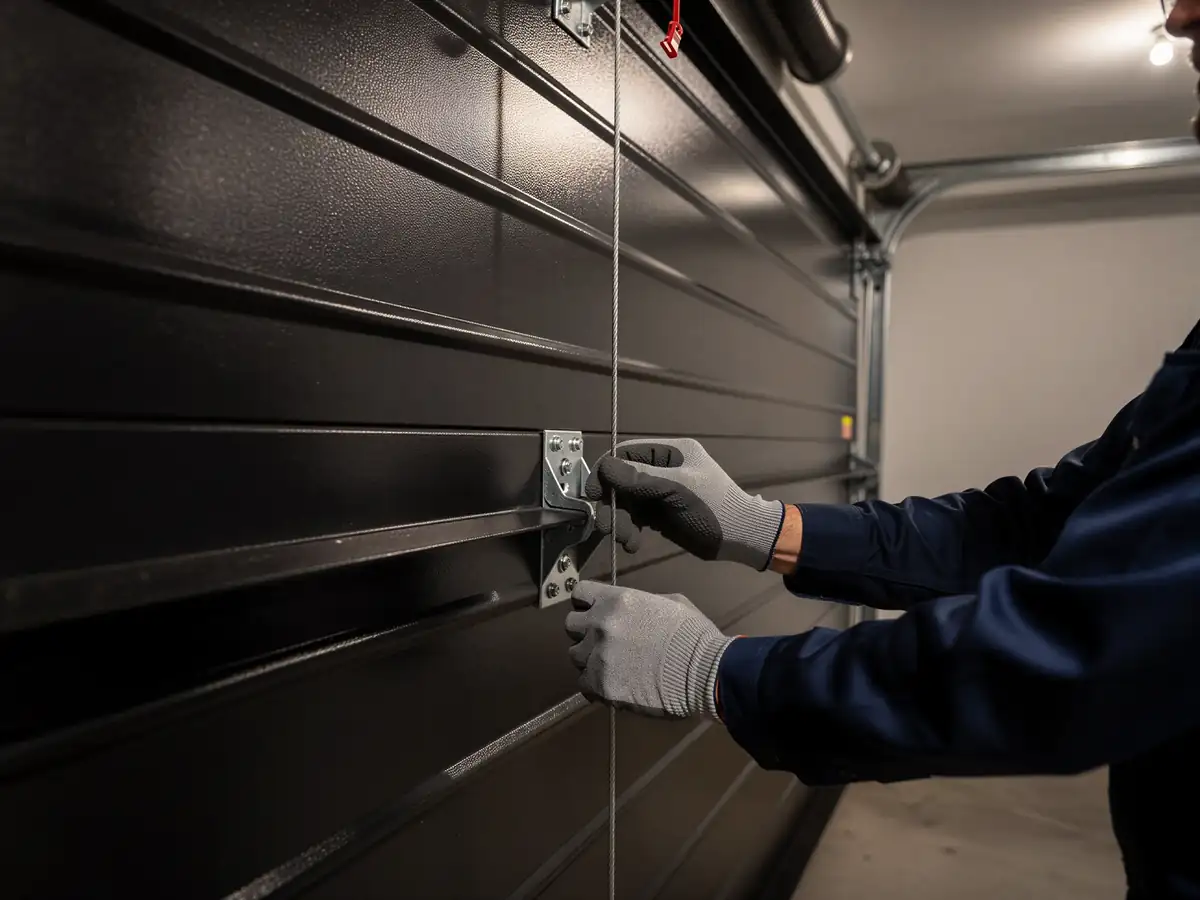
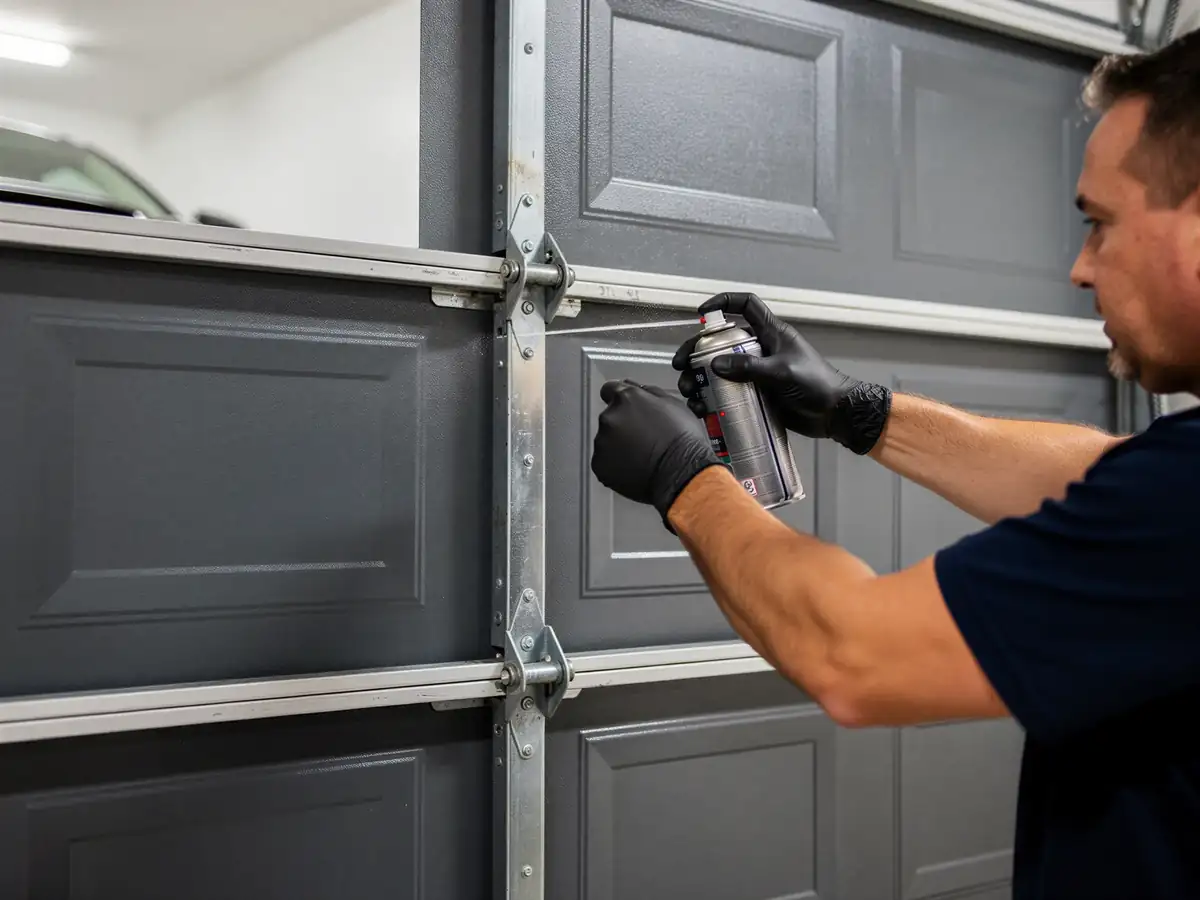
We don't post a flat maintenance price here because the right service depends on the door's age, spring type, and what the last tune-up (if any) actually covered - a 1990s torsion setup and a 2018 opener with smart sensors aren't the same visit. What we can tell you is that a maintenance call is built around inspection, lubrication, hardware tightening, track and roller check, spring balance test, and opener safety reversal test. If something needs replacing - a roller, a cable, a worn hinge - that gets priced separately once we've seen it, not folded into a guess over the phone.
Given the income profile of the area (median household income of $84,955 across roughly 197,031 households, with about 102,889 of those owner-occupied houses), most owners here are maintaining a long-term asset rather than deferring to full replacement at the first sign of trouble. That's the math behind scheduling maintenance instead of waiting for a breakdown call, which almost always costs more and happens at a worse time.
Why It Happens Here
The service area sits in a mild temperate climate band
No hard freezes to worry about, no sustained sub-zero cold that stiffens lubricant or cracks seals the way it would further north. That's good news in one sense: you're not fighting the same cold-weather hardware failures as colder markets. But mild and humid year-round means something else wears first - lubricant breaks down faster in heat and moisture cycling, and rollers and hinges on older doors accumulate grime that dries into a paste if nobody's cleaning and relubing on a schedule.
Combine that with the housing age spread
Doors from the 1980s and 90s sitting on original hardware in a lot of the 47 communities we cover - and you get a specific, repeatable failure pattern: hardware that's mechanically still sound but under-lubricated and slightly out of alignment from decades of thermal expansion and contraction. That's not a dramatic failure. It's just steady wear that maintenance catches early and a skipped schedule lets compound. This is a heat-and-humidity maintenance problem more than a cold-weather one, and the service plan should reflect that.
- 47 communities
What Can Go Wrong
Skip maintenance long enough on an older torsion system and the first sign of trouble is often a spring that lets go without warning - not because the spring was defective, but because nobody caught the wear before it reached the end of its cycle count. On doors from the heavier 1980s-90s stock still running original hardware, that's the most common outcome we see from deferred maintenance, and it almost always happens at an inconvenient moment, not during a scheduled visit.
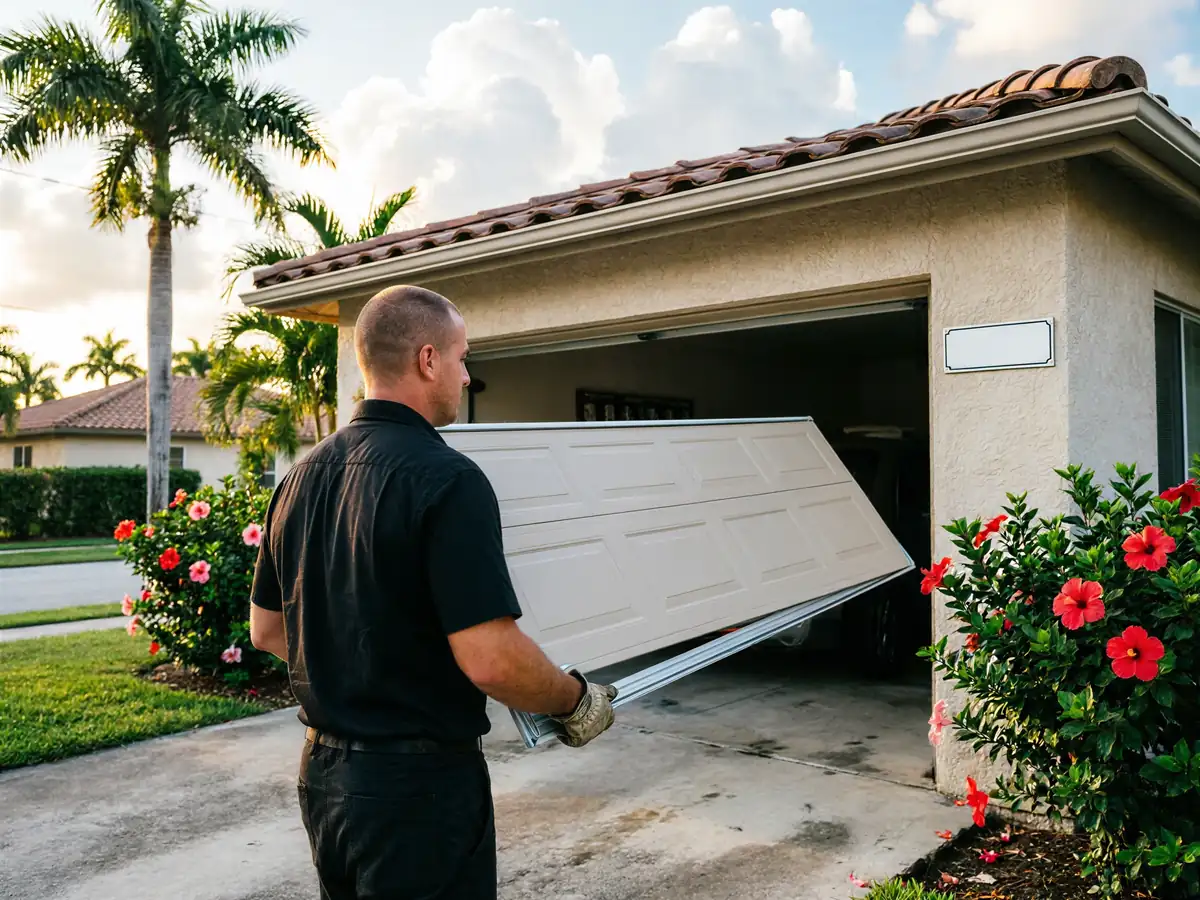
We'll also tell you plainly: maintenance won't save a door that's already past the point of cost-effective repair. If the track is bent, the panels are rusted through, or the opener is a decade past its functional life, a tune-up is a stopgap, not a fix, and we'll say so instead of charging you for a visit that just delays the real decision. That's the honest limit of what a maintenance call can do - it keeps a sound door running well, it doesn't resurrect one that's already failing structurally.