The Problem
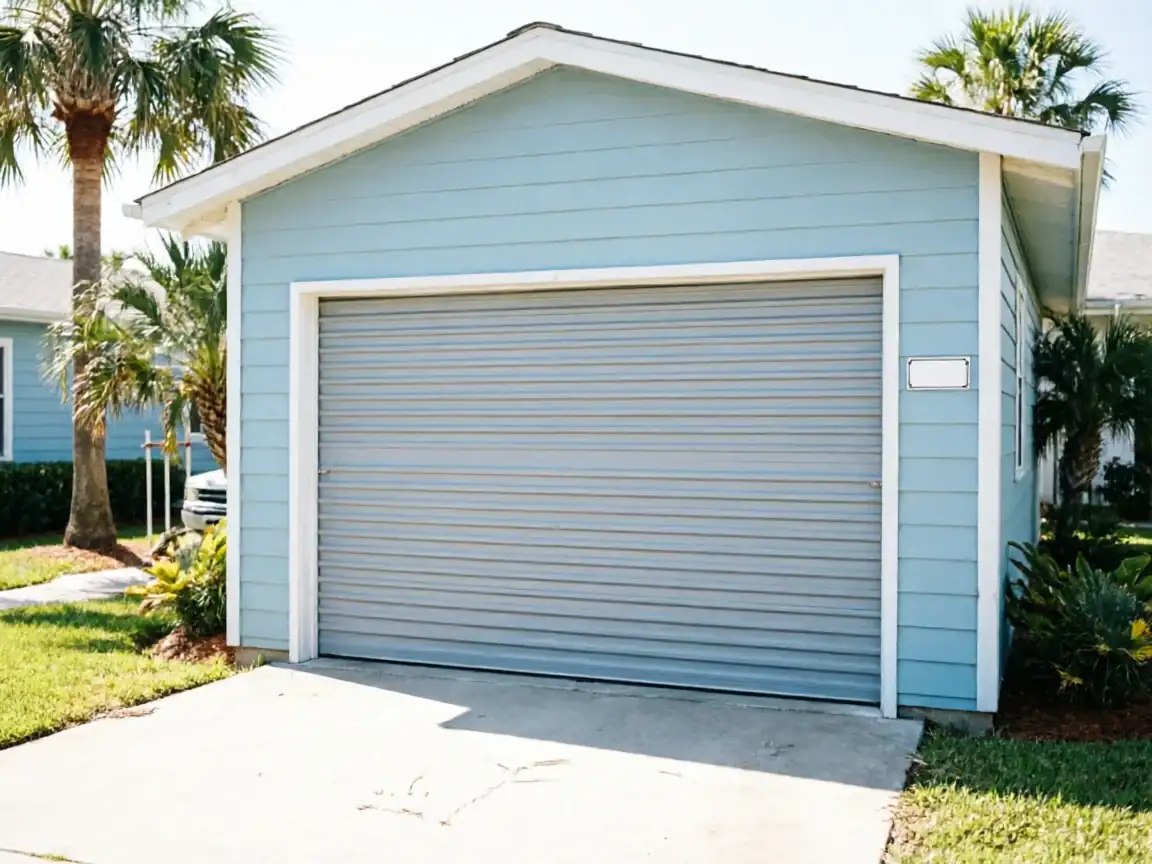
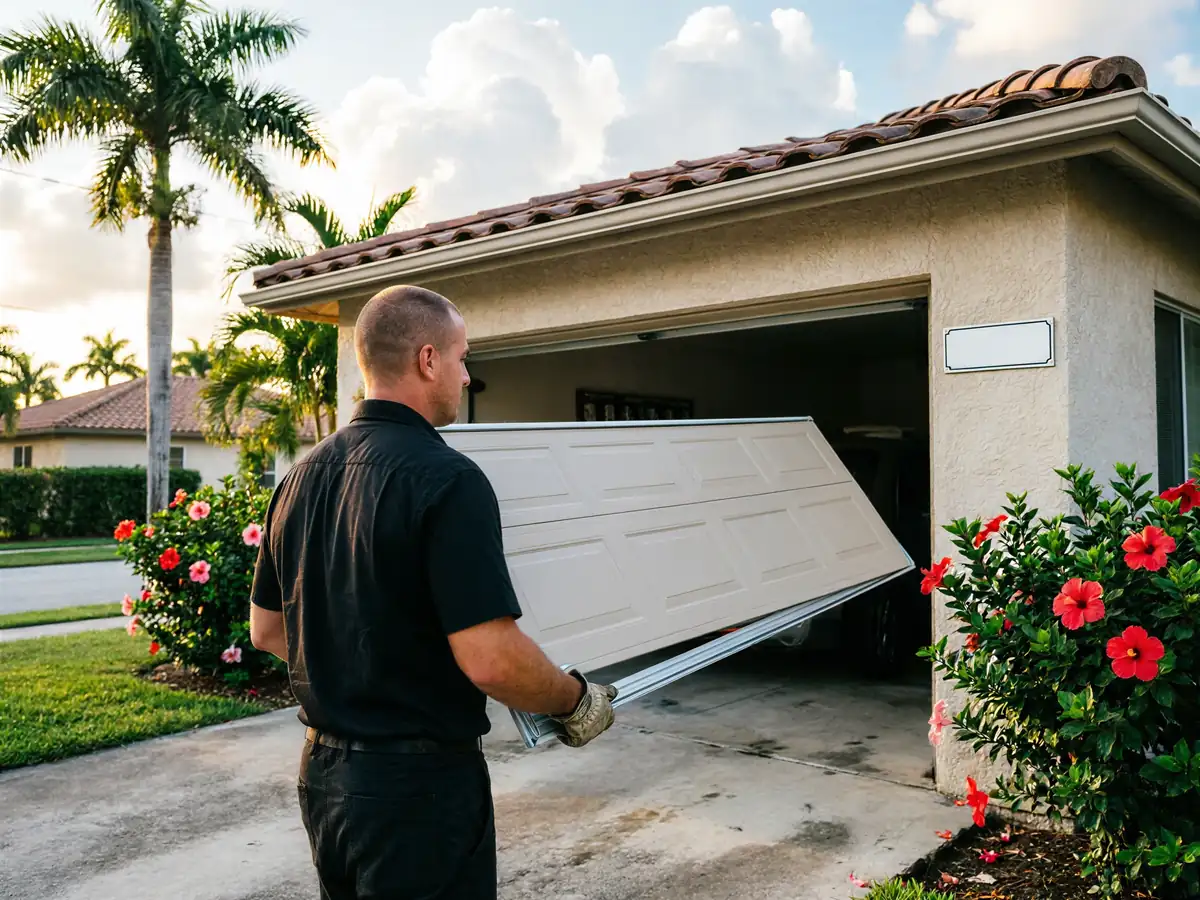
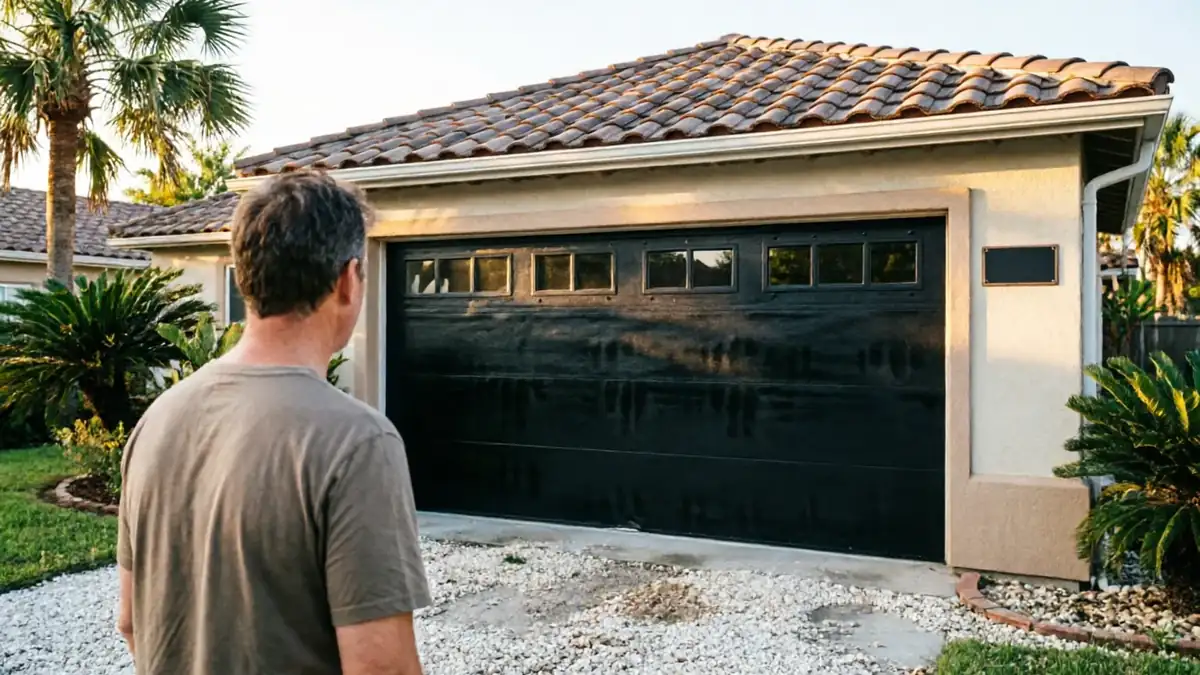
Garage doors in this area mostly aren't failing because of one dramatic break. They're failing because the door itself is older than the owner realizes. Housing across the service area went up between 1964 and 2021, with the median build year sitting at 1987, and the bulk of the stock across the 47 named communities here dates to the 1980s and 90s. A door installed when the house was built is now pushing 35 to 45 years old. Steel skins delaminate, insulation sags inside the panel, and the track widths and spring sizing from that era don't always match what's sold off the shelf today. Homeowners call asking for a repair on a door that's simply reached the end of its service life, and the honest answer is that a repair on a door that old is often a short-term patch, not a fix. Replacement isn't a sales pitch here - it's what the age of the housing stock actually points to for a large share of the calls we get.
The Common Mistake
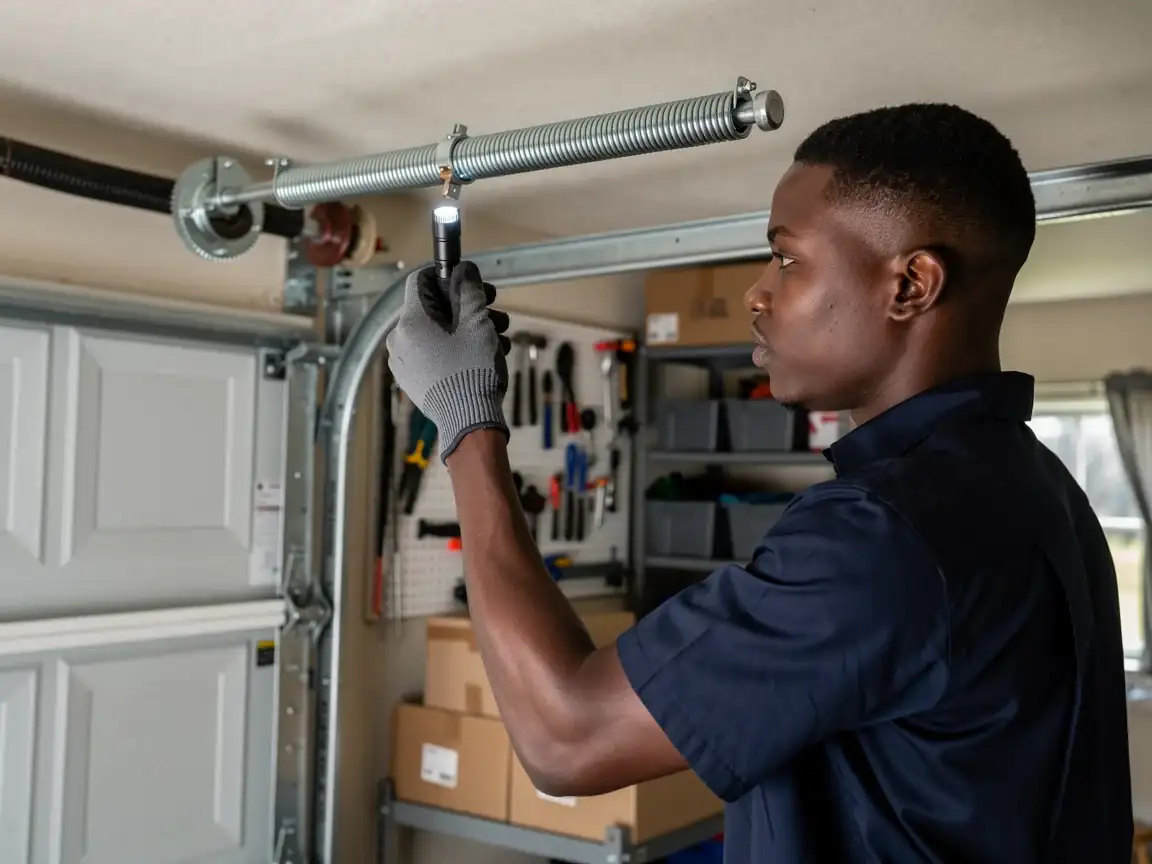
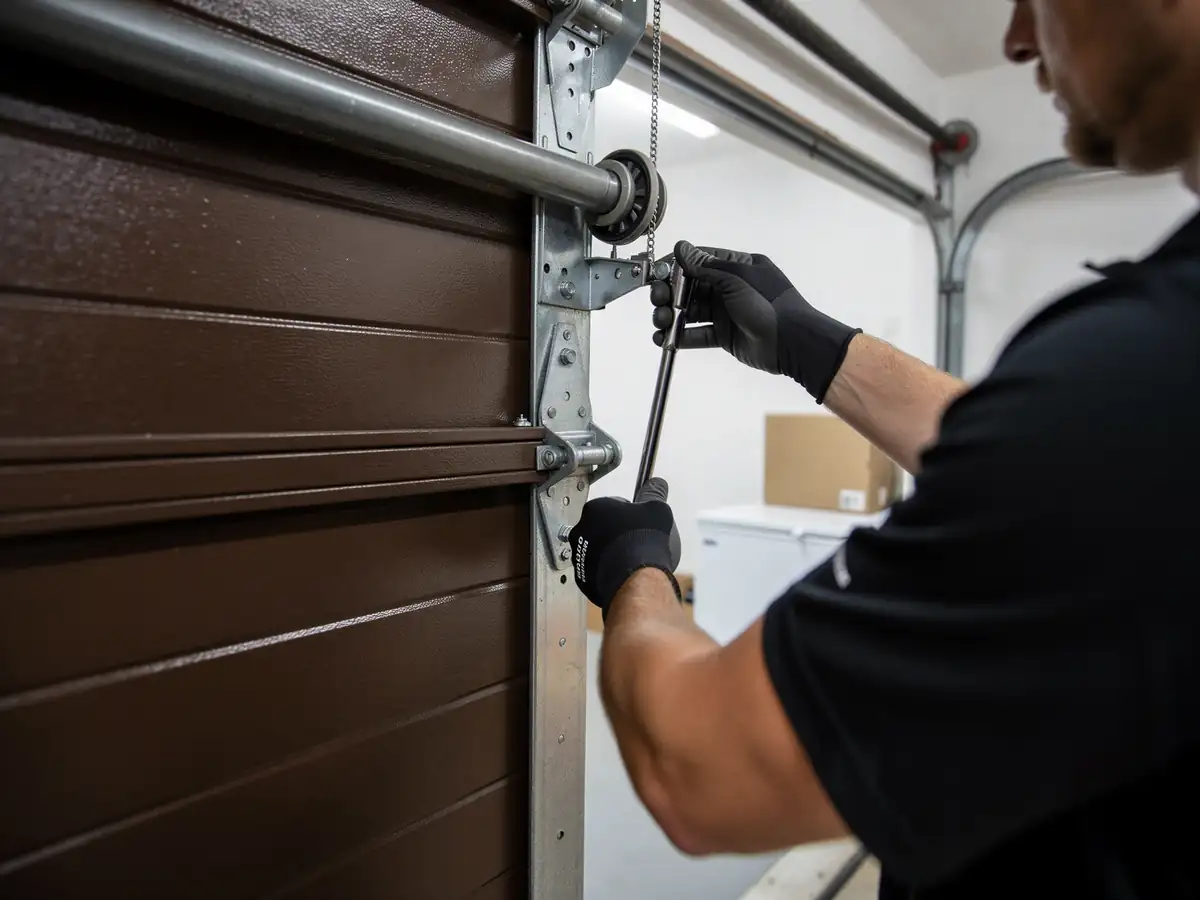
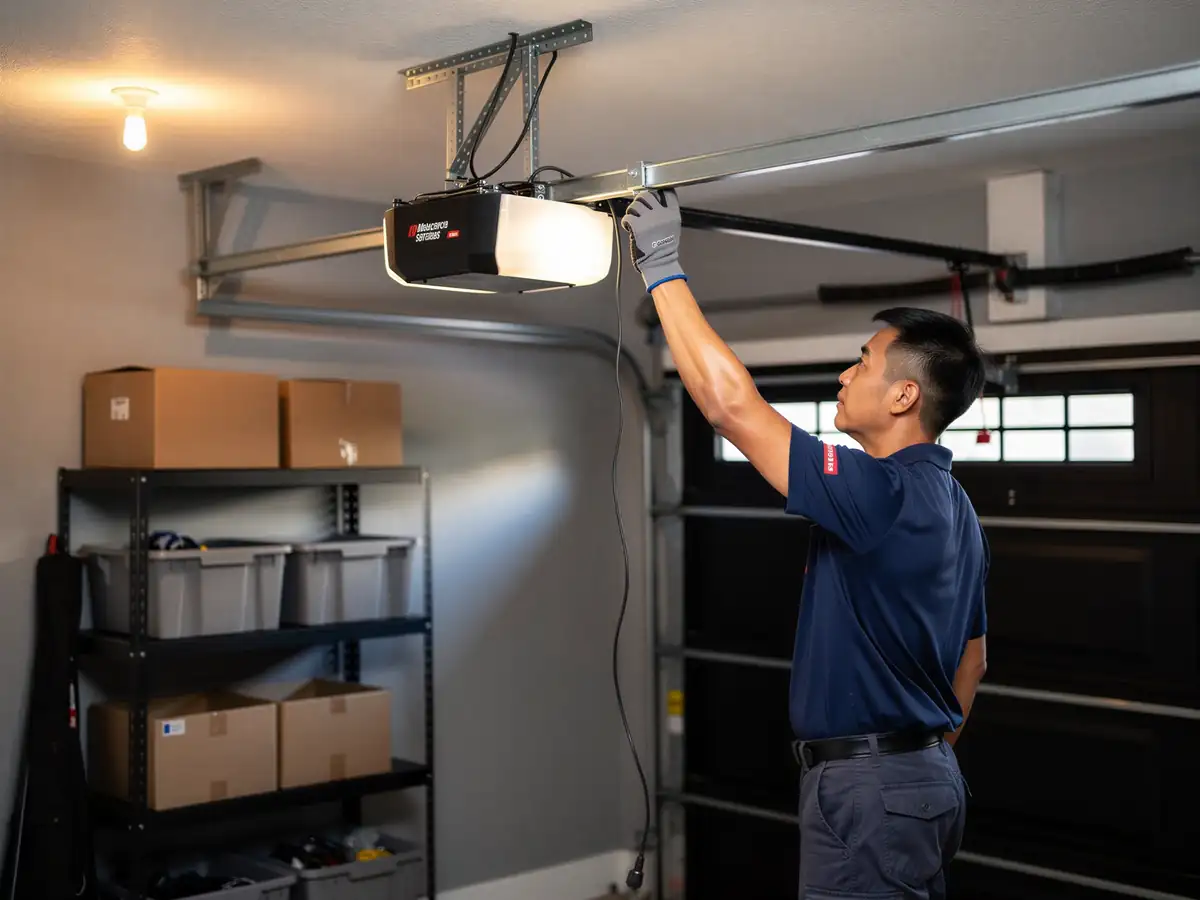
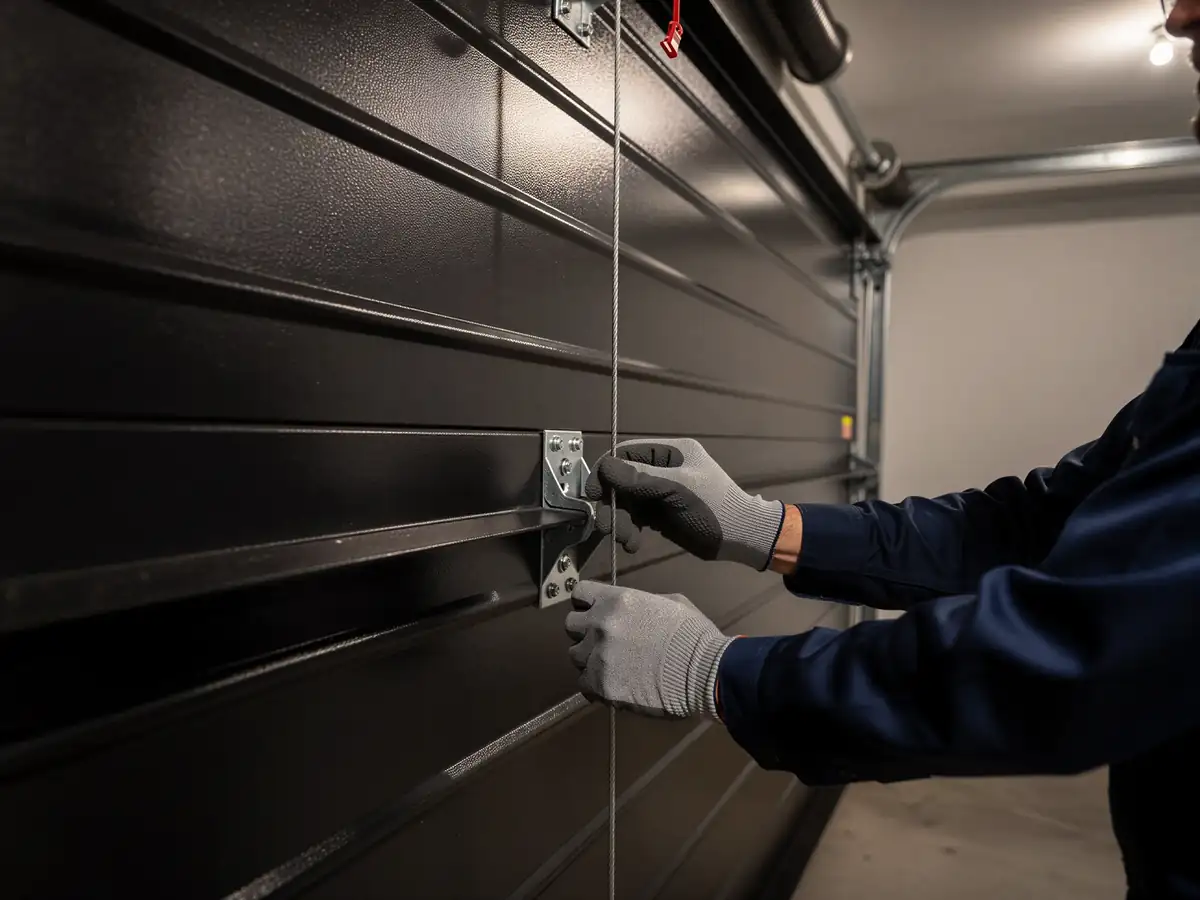
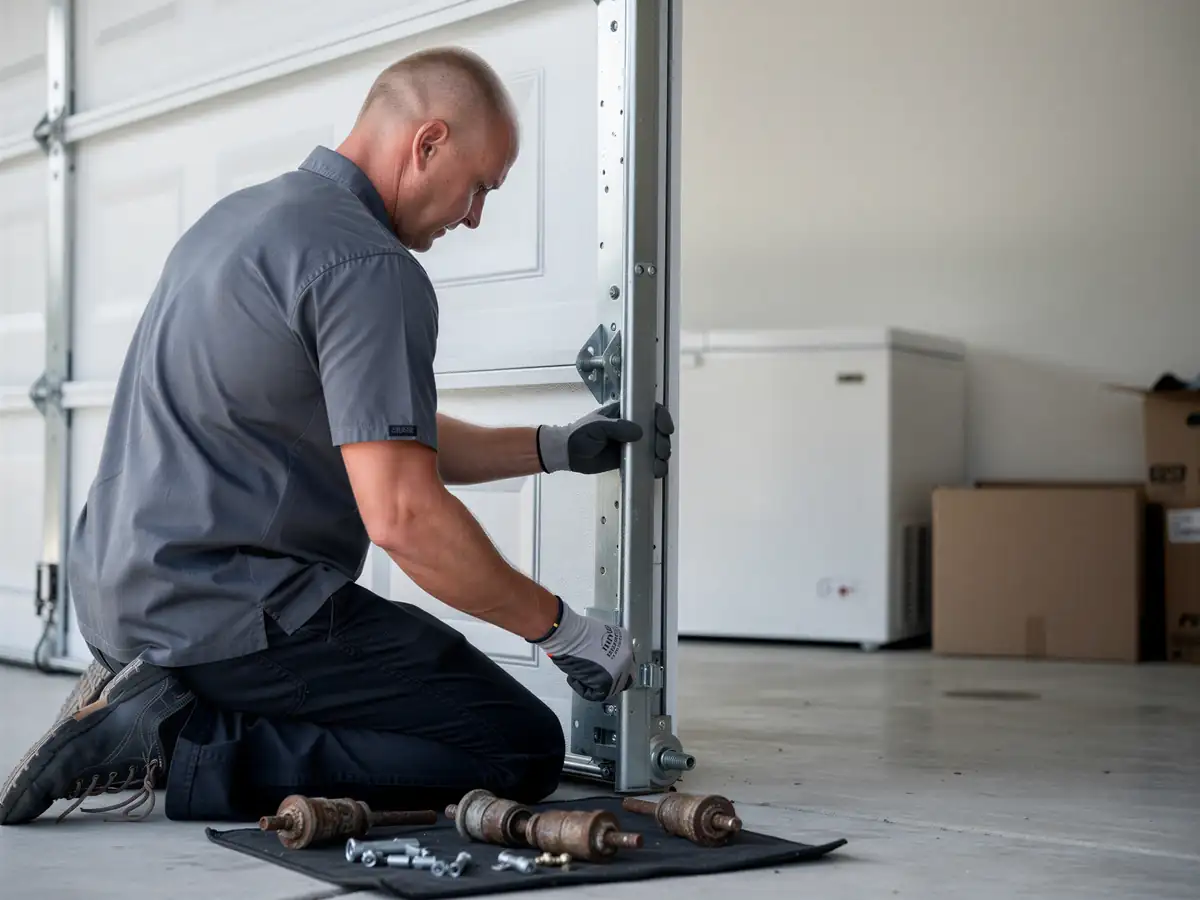
The mistake we see most is buying based on the opening size alone and ignoring what's behind the wall. A house built in 1985 may have a torsion spring system sized for a lighter, non-insulated panel - swap in a heavier insulated steel door without re-rating the spring and opener, and you've got a door that slams down or an opener straining on every cycle. The other mistake is assuming every house in the area has the same setup. With housing spanning six decades of construction across Winter Garden and neighboring areas like Oakland, Ocoee, and Windermere, a 1960s build and a 2015 build in the same zip code can have completely different header heights, track clearances, and wiring for the opener. Measuring the door opening without checking the drum, spring size, and headroom is how people end up with a door that doesn't fit the hardware they already have, or a quote that balloons once the installer actually opens the wall.
When to Call Someone
Call before you buy if your house falls in that median 1987 build range and you haven't had anyone look at the spring and track since the door went in - sizing a new panel to old hardware is exactly where replacements go wrong. Call also if you're comparing a repair quote to a replacement quote and the numbers are close; on a door built in that same era, repair rarely saves you much over the following two or three years. We won't tell you to replace a door that's got real life left in it just because it's old - plenty of 1990s doors are still structurally fine and only need new seals or rollers. What we won't do is quote a new door sight unseen over the phone, because the spring and track behind the wall varies enough across this area's housing ages that a real number requires a look at your actual opening.