The Problem
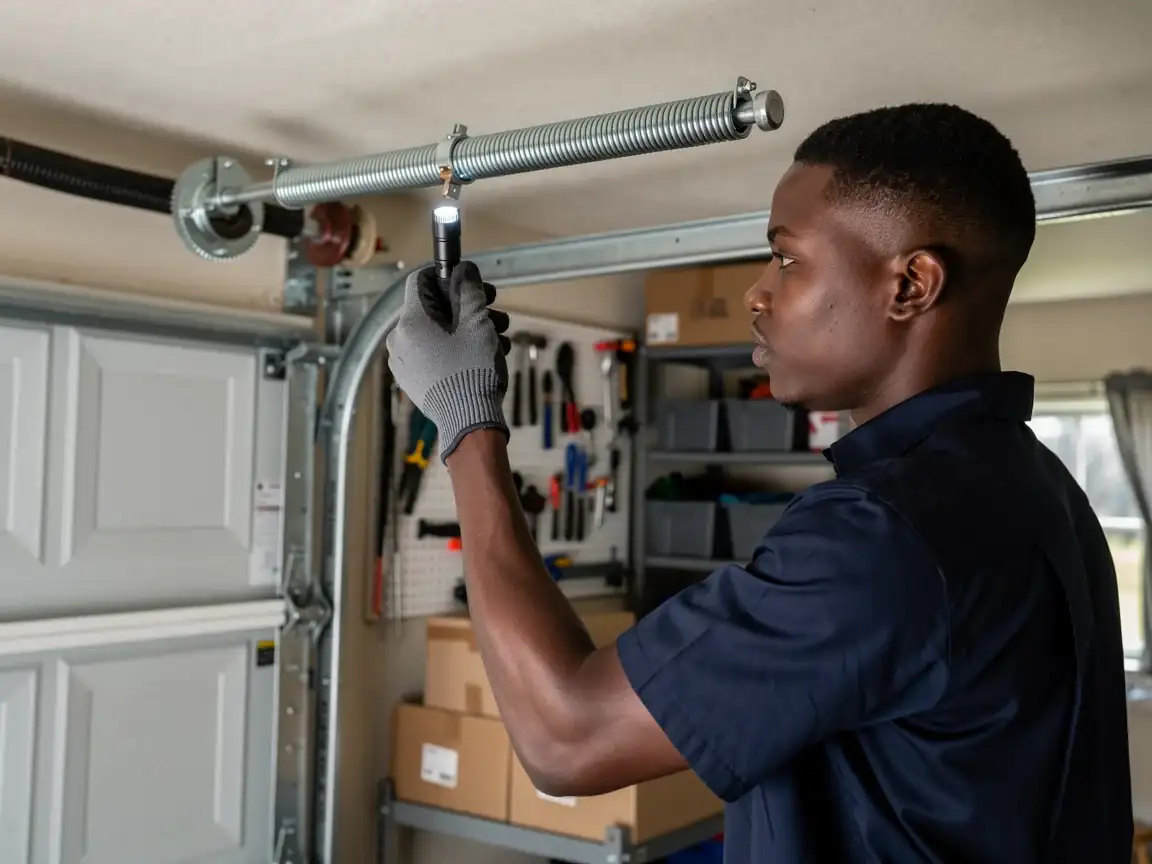
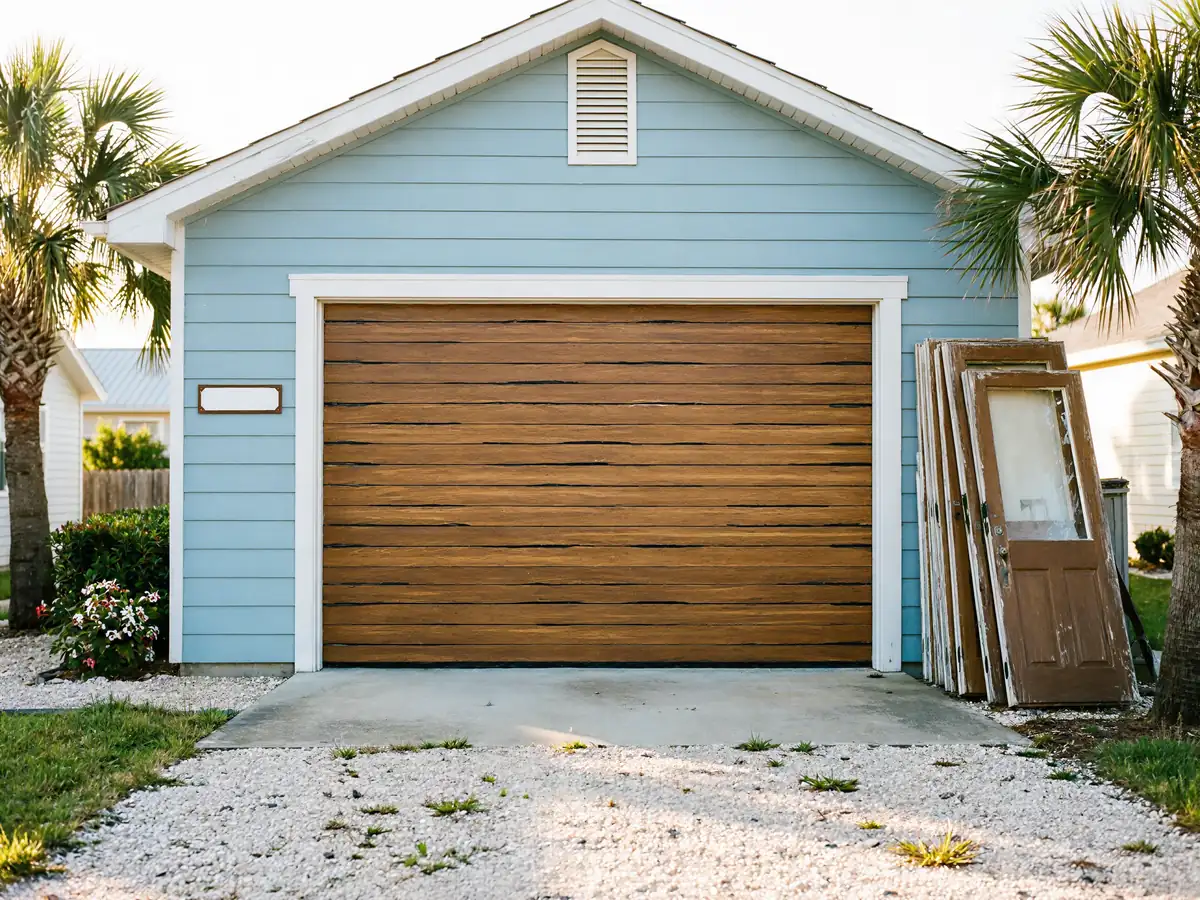
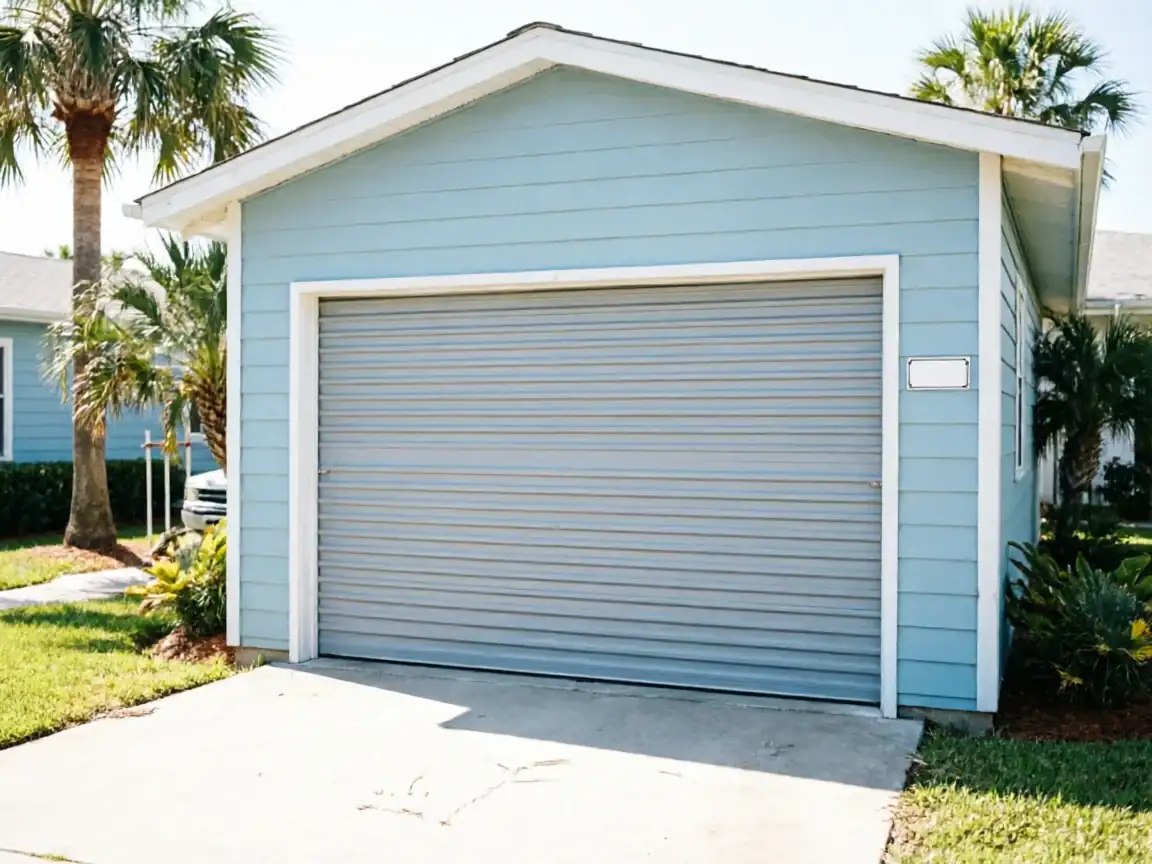
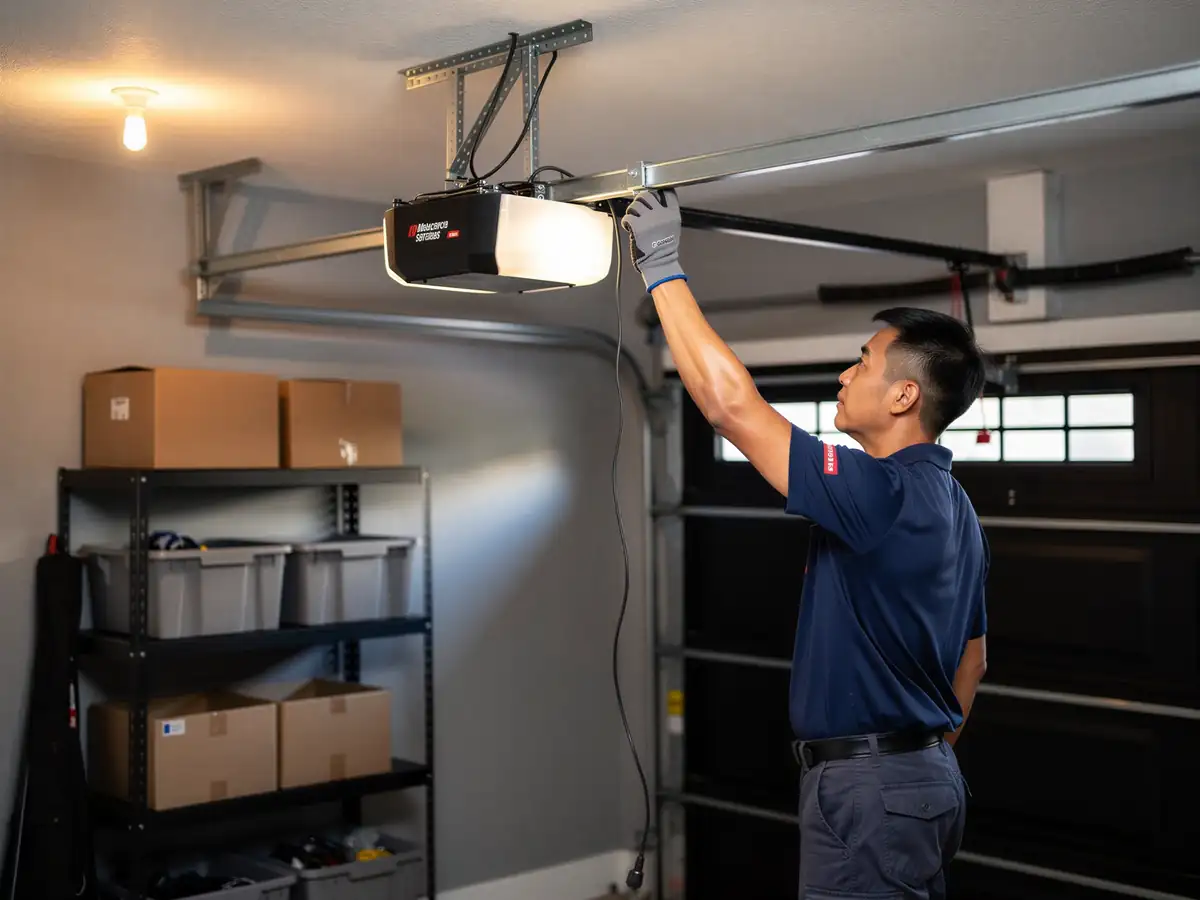
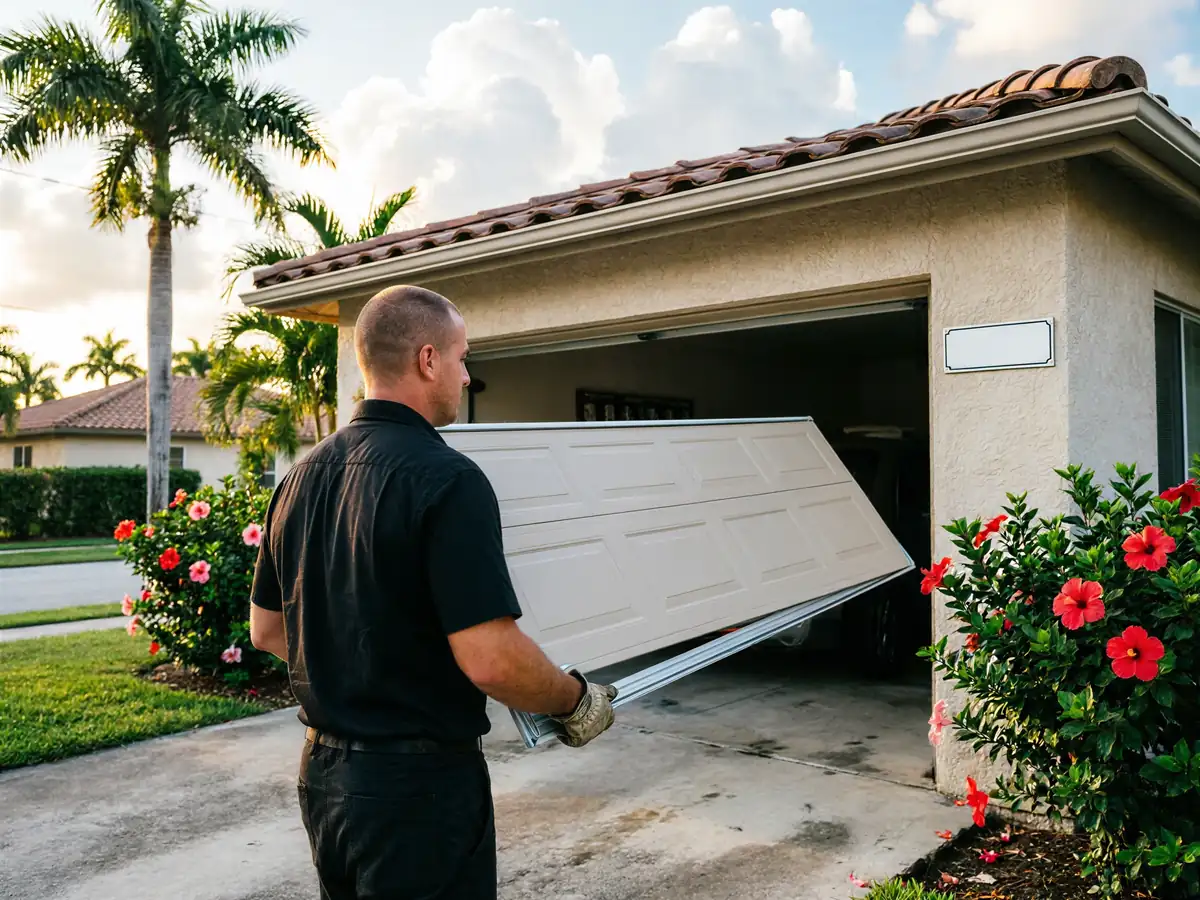
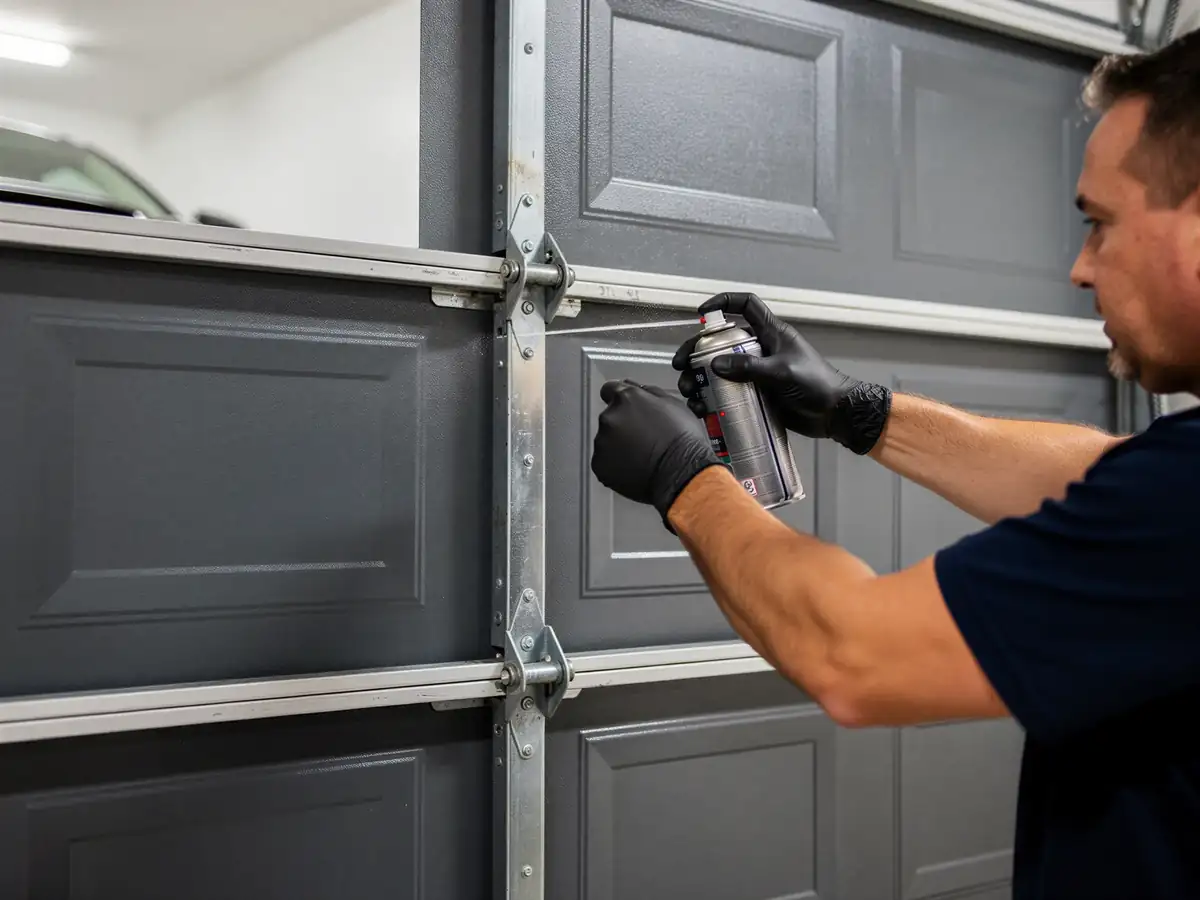
Most of the garage doors we look at around Winter Garden came with the house, and the house is usually a product of the 1980s or 90s building boom that shaped this area and the 47 named communities around it. The housing stock here spans 1964 to 2021, but the median build year sits at 1987, which means a big share of doors on the road are pushing three or four decades old. That's not automatically bad. A steel sectional door from that era, kept out of standing water and never run off a bent track, can still open and close fine. The question homeowners actually need answered isn't "how old is it" but "what's actually worn." A spring that's lost tension, rollers that have gone from nylon to metal-on-metal grinding, or an opener drive gear stripped down to plastic dust are each a different call. Some of that is a twenty-minute fix. Some of it means the door is cheaper to replace than to keep patching, especially once you're replacing the third part in two years on the same unit. We look at the whole door, not just the part that broke, before we tell a homeowner which way to go.
The Common Mistake
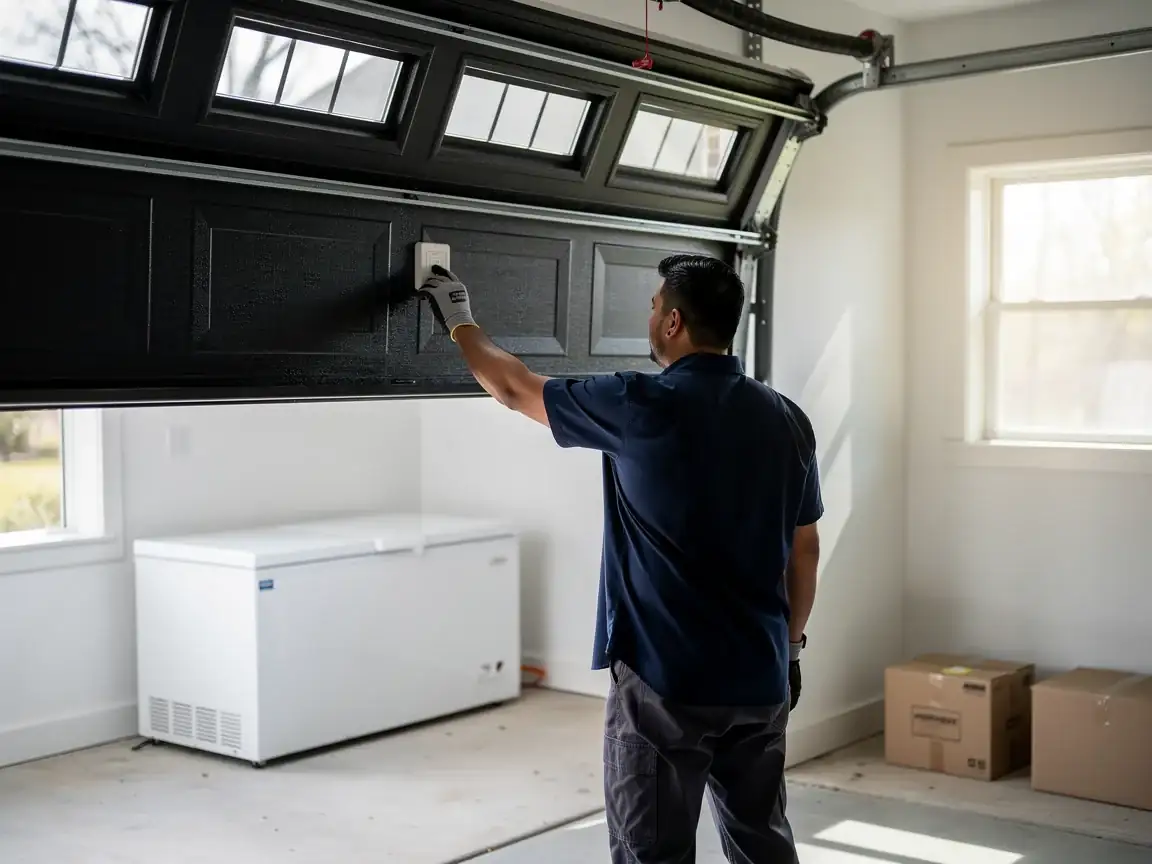
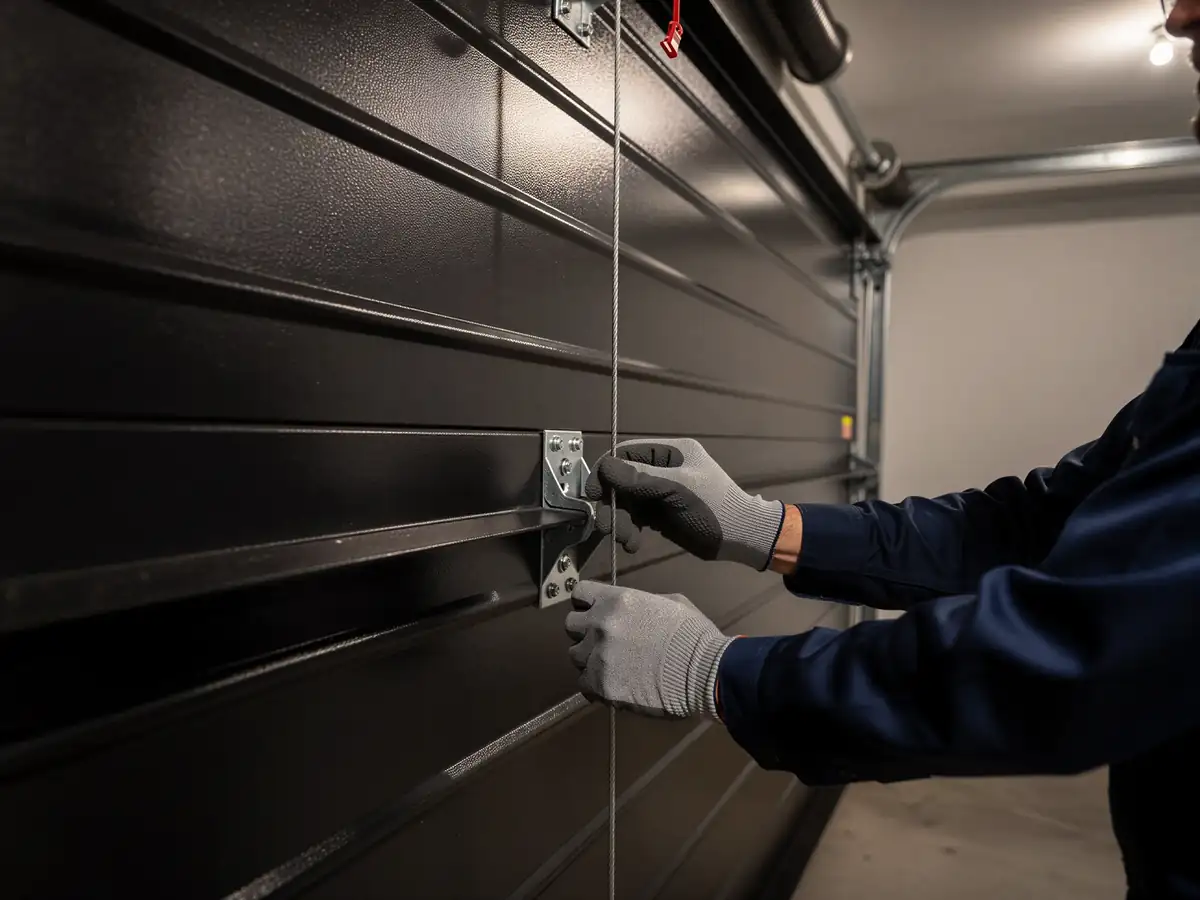
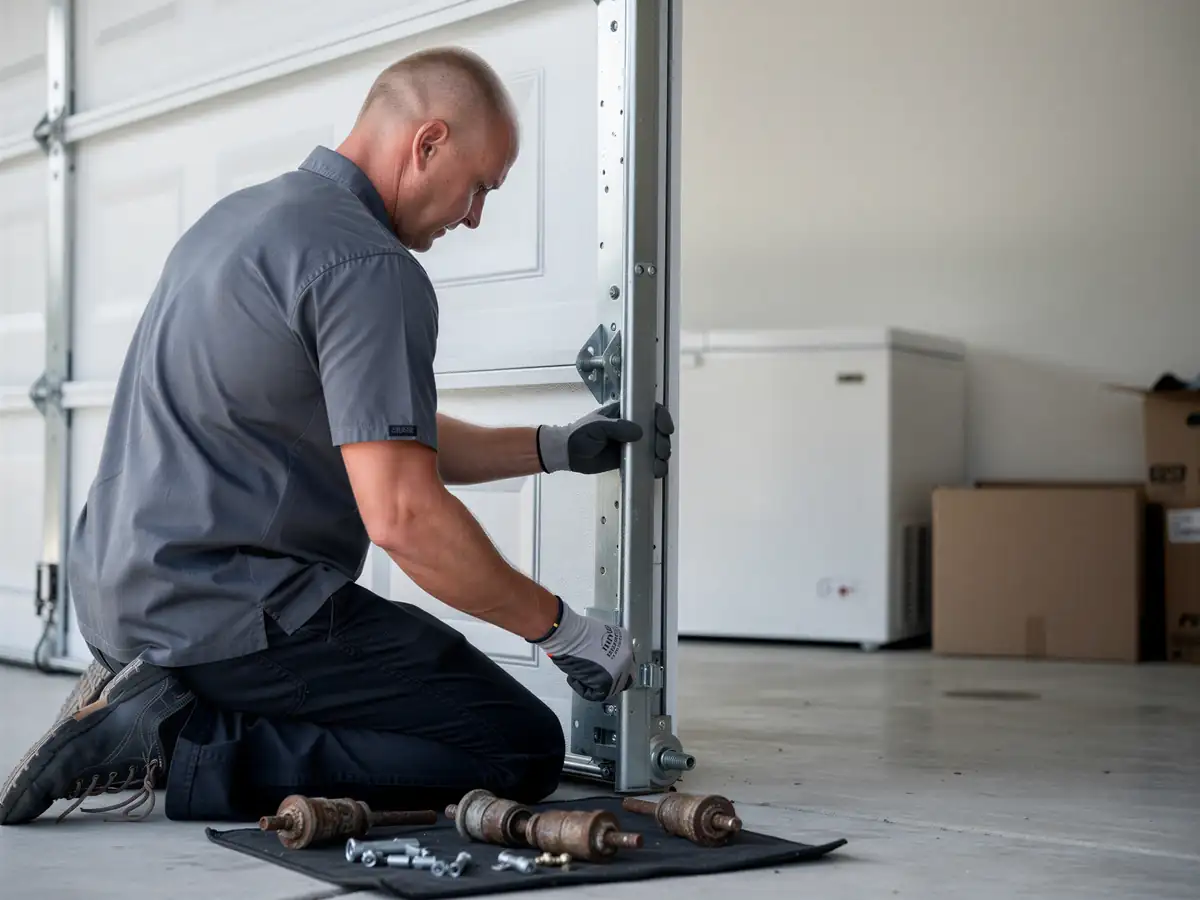
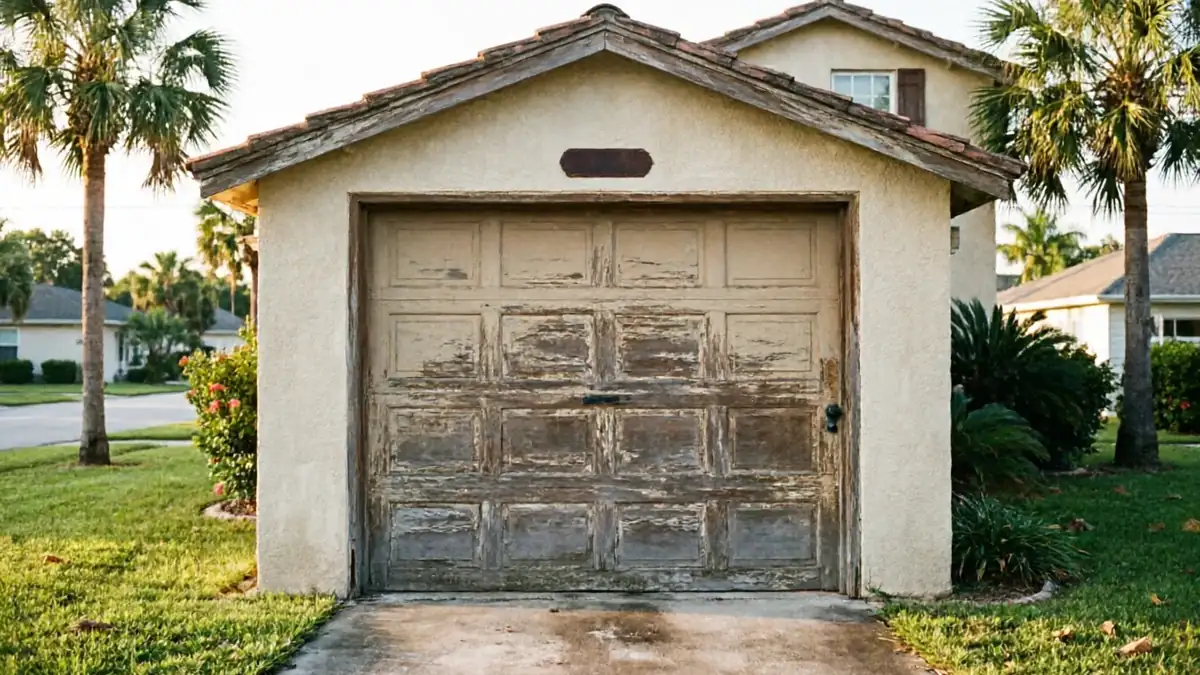
The mistake we see most is treating every garage door problem as a parts swap, no matter how old the door is or what shape the rest of it is in. Someone replaces a spring on a door that's original to a 1980s build, the door runs fine for six months, and then the opener motor goes because it's been straining against a slightly undersized spring, or a roller seizes because the track was never realigned in the first place. On a door built in the median 1987 range, the panels themselves are often the weak point - steel that's thinned and dented over thirty-plus years, with insulation (if it has any) long since compressed flat. Fixing hardware on a door with tired panels buys you a few months, not a few years. The other version of this mistake is the opposite: replacing a whole door because one cheap part failed, when the door itself - frame, track, panel set - is still sound. With housing in this area running from 1964 builds through new construction finished as recently as 2021, the right answer really does depend on which decade your house falls into, and that's worth checking before any decision gets made.
When to Call Someone
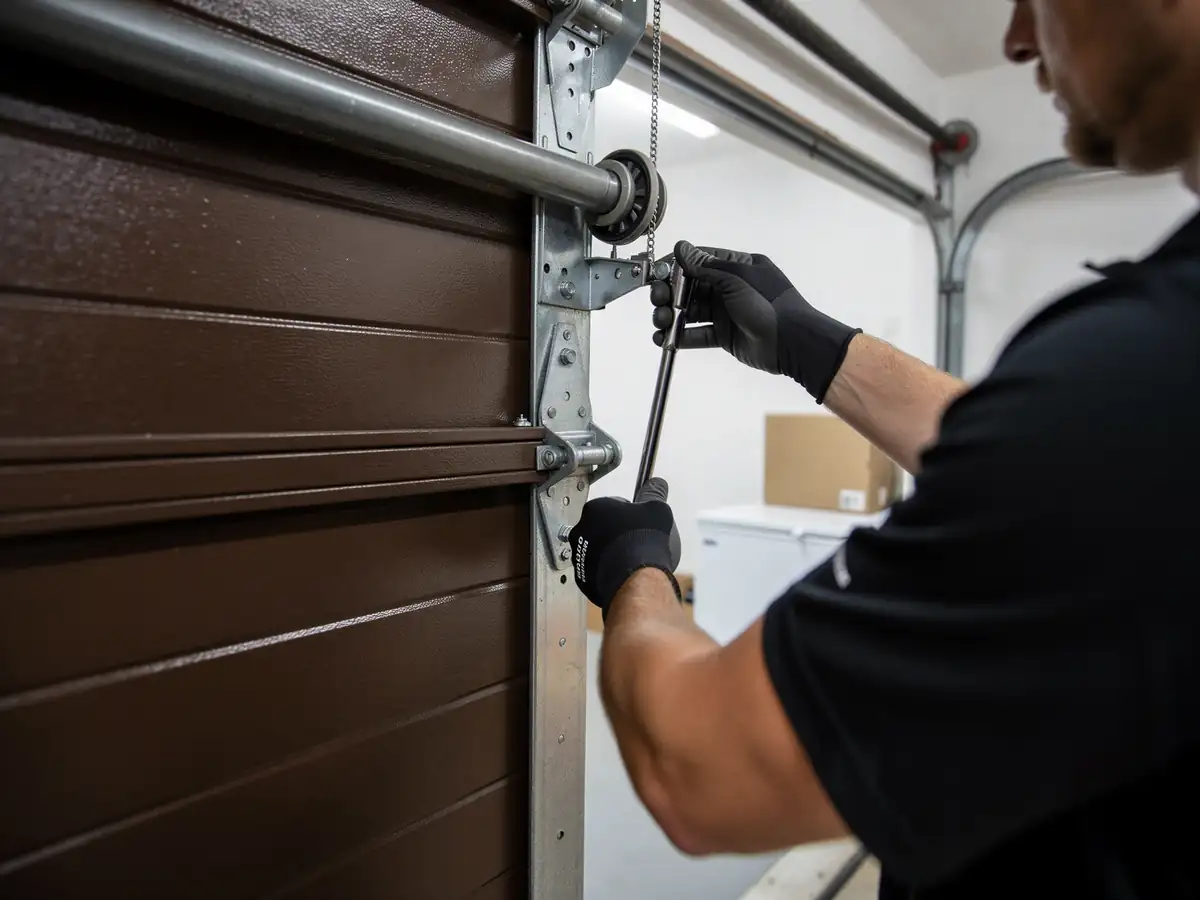
Call before the door fails completely, not after. If you're hearing metal-on-metal grinding, if the door sags visibly on one side when it's halfway up, or if the opener strains and reverses on its own, that's worth a look now rather than a service call after the spring snaps with the door open. We'll be straight with you: if your door dates to the earlier end of this area's 1964-2021 range and the panels are thin or rusted through, we're not going to talk you into another spring replacement just to keep the invoice going. A repair makes sense when the frame, track, and panels are sound and it's one or two components that failed. Replacement makes sense when you're stacking repairs on a door that's already fighting its own age. One limitation worth saying plainly: we don't stock parts for every opener or track system still in service on older homes in this area, and on some of the oldest doors, finding the exact matching panel or section can take longer than the repair itself. Our page is at /..