The Problem
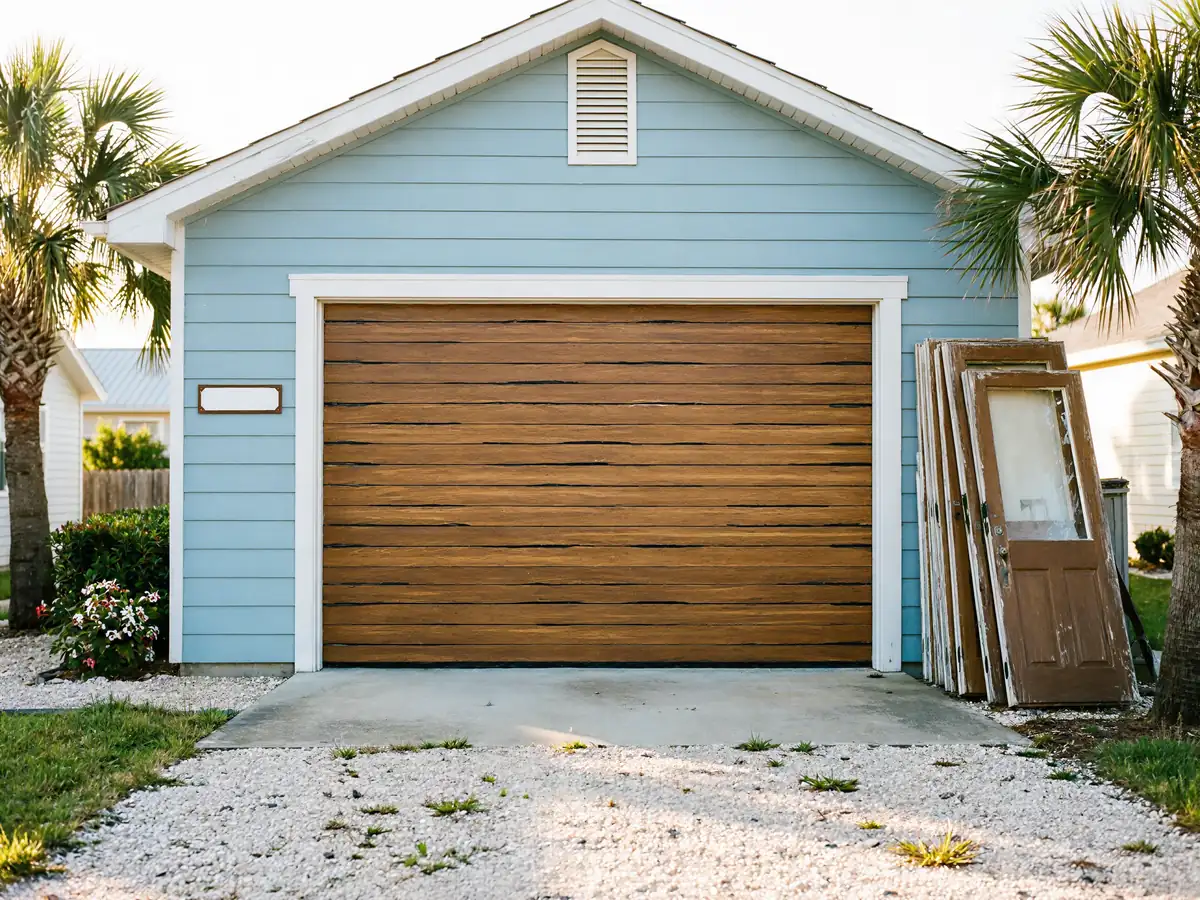
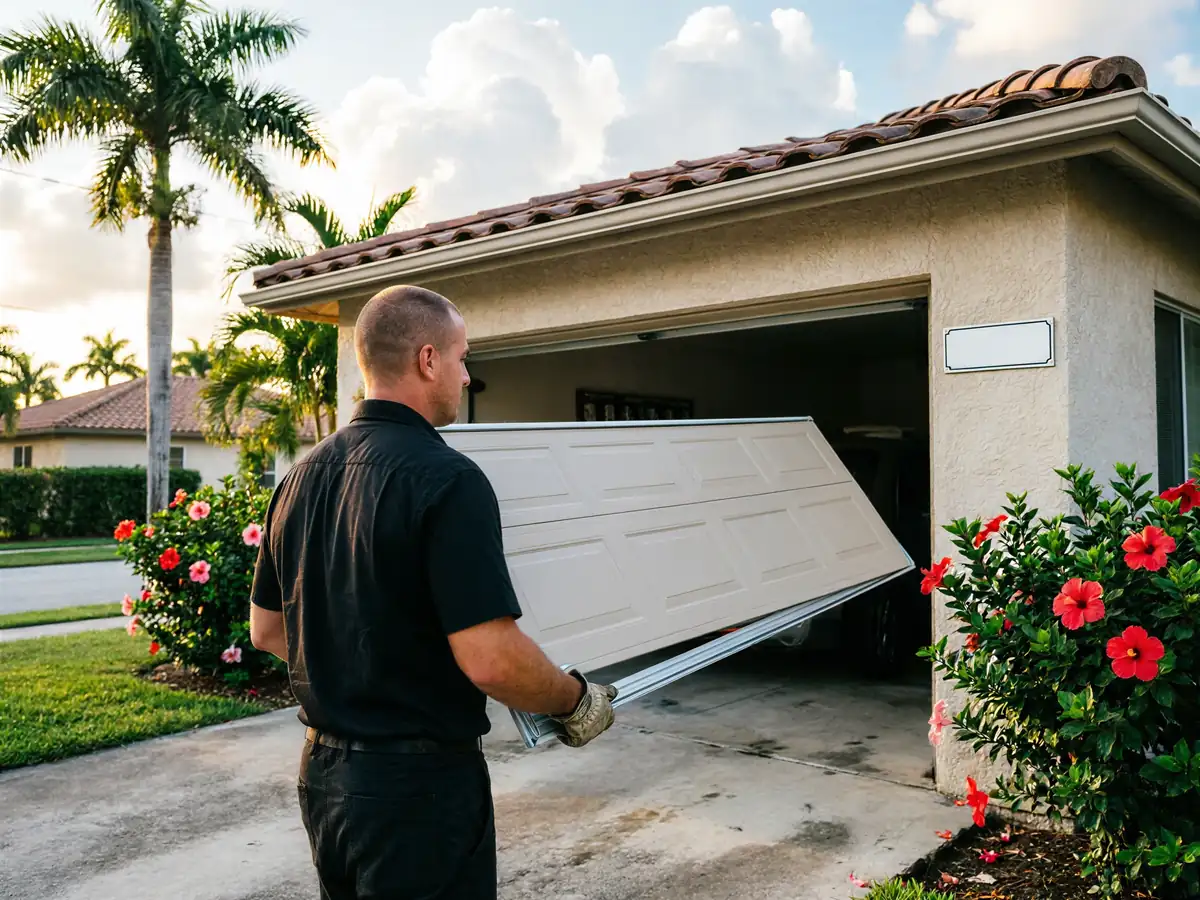
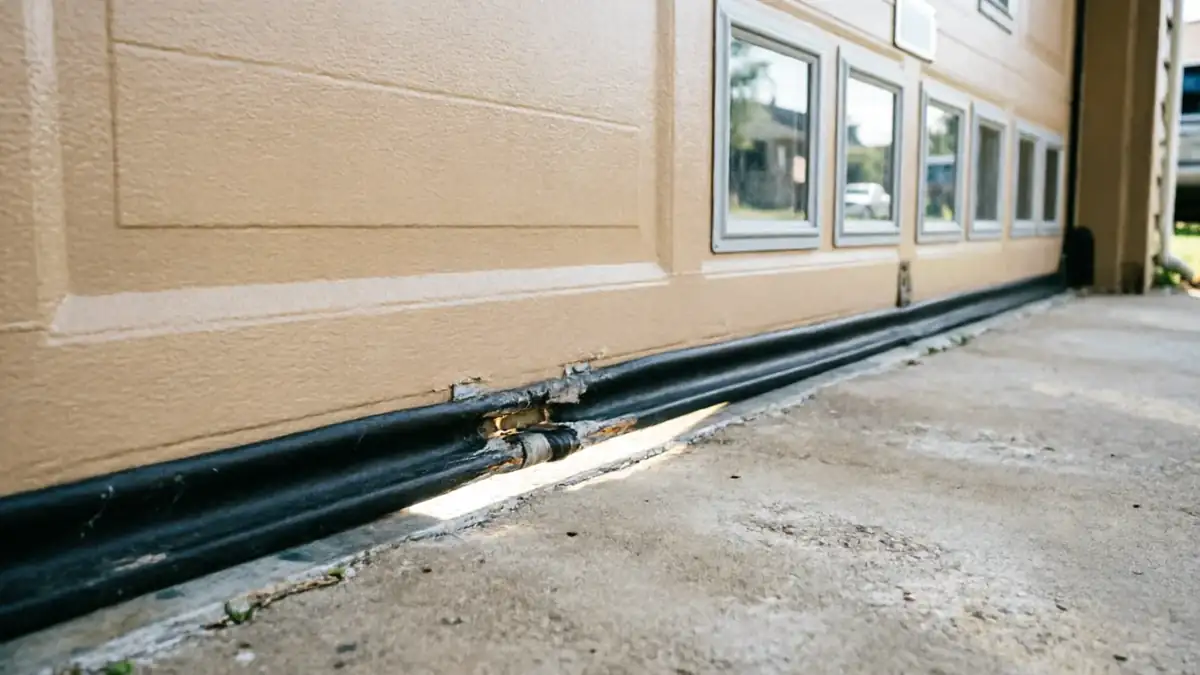
Walk into a lot of Winter Garden garages and you'll feel it before you see it - a line of light under the door, a draft that moves papers off a shelf, a damp smell after a storm front comes through. The weather seal, that strip of vinyl or rubber along the bottom of the door and sometimes up the sides, is doing a job most owners never think about until it fails. Across the 47 named areas in this part of the county, housing dates mostly from the 1960s through today, with the bulk of it going up in the 1980s and 90s. That means a huge share of garage doors here are riding on original or first-replacement seals that are now twenty, thirty, even forty years old. Vinyl doesn't last that long in constant sun and heat cycling. It hardens, it cracks at the folds, and it stops making contact with the slab. Once that happens, every afternoon storm finds its way in under the door instead of running off it. Owners usually notice the water first, not the seal itself, and by then the gap has been open for a while.
The Common Mistake
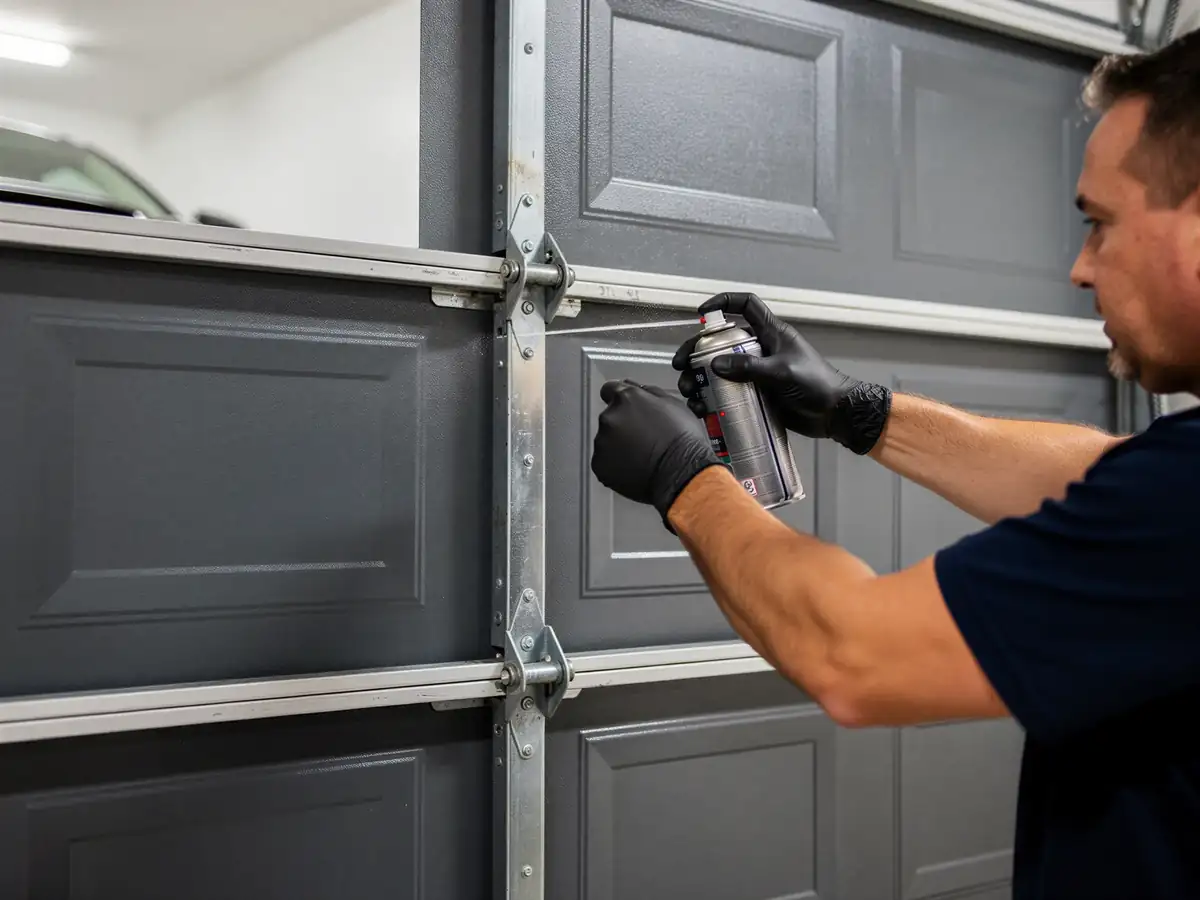
The usual move is to grab a tube of caulk or a roll of adhesive foam tape from the hardware store and patch the gap from inside the garage. It looks fixed for a few weeks. Then the Florida sun gets at the foam, the adhesive lets go, and the tape peels up in strips along the bottom edge. On a lot of the 1980s and 90s builds around here, the original seal track is also a size that newer standard retail seal kits don't quite fit - the track is narrower or the profile is different from what's sold off the shelf today. Owners jam a seal in that's close enough and it works loose within a season because it was never really seated in the track to begin with. The other common mistake is treating the bottom seal as the only seal that matters. On doors from this era, the side and top seals (the ones against the jamb) have usually never been replaced at all, because they're less visible and don't pool water. Those are often the ones actually letting in the draught, not the bottom astragal everyone focuses on.
When to Call Someone
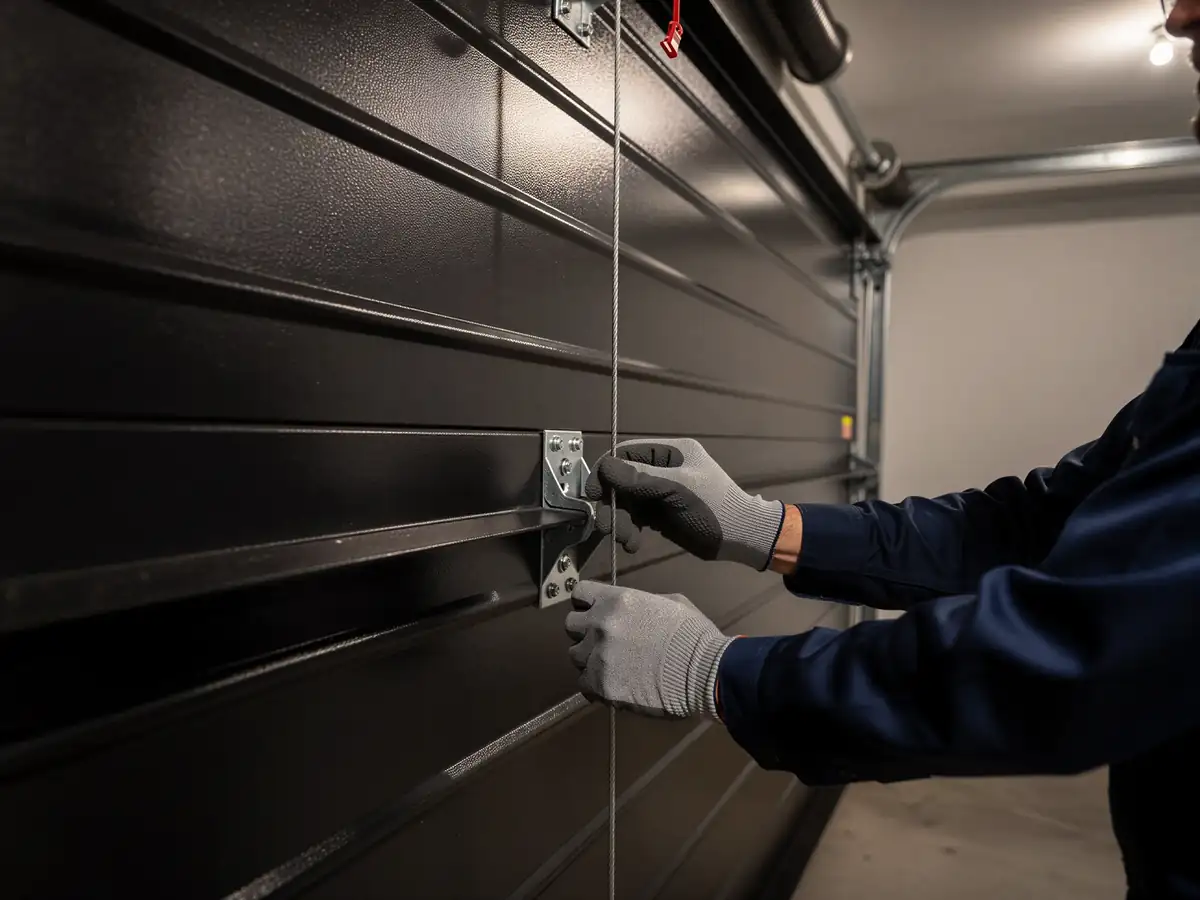
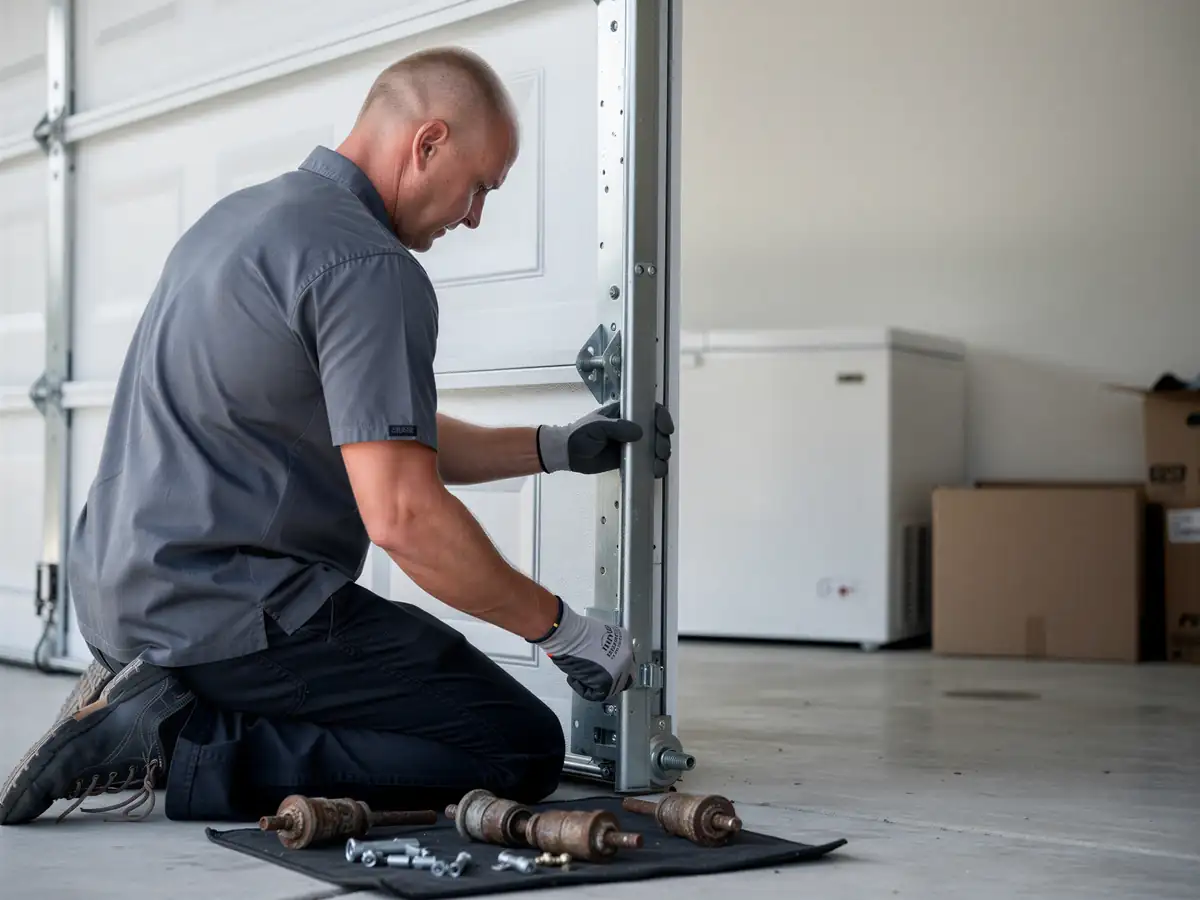
If you can see daylight under the door when it's shut, or you can hear outside noise clearly through the garage wall where you didn't before, the seal has likely failed enough that a patch isn't going to hold. A straight seal swap is usually a small job and worth doing on its own. Where it gets more involved is on older tracks from the 1960s-80s stock where the retail seal doesn't fit the channel - that's a case where the track itself may need attention, not just the rubber. I'll be honest that if your door panel is also warped or rusted at the bottom edge, a new seal won't fix the draught by itself; at that point you're looking at panel repair or replacement, and seal work is wasted money until that's sorted. For a straightforward seal replacement on a door built to the common profile found through this area, it's a same-visit fix in most cases.