What It Costs
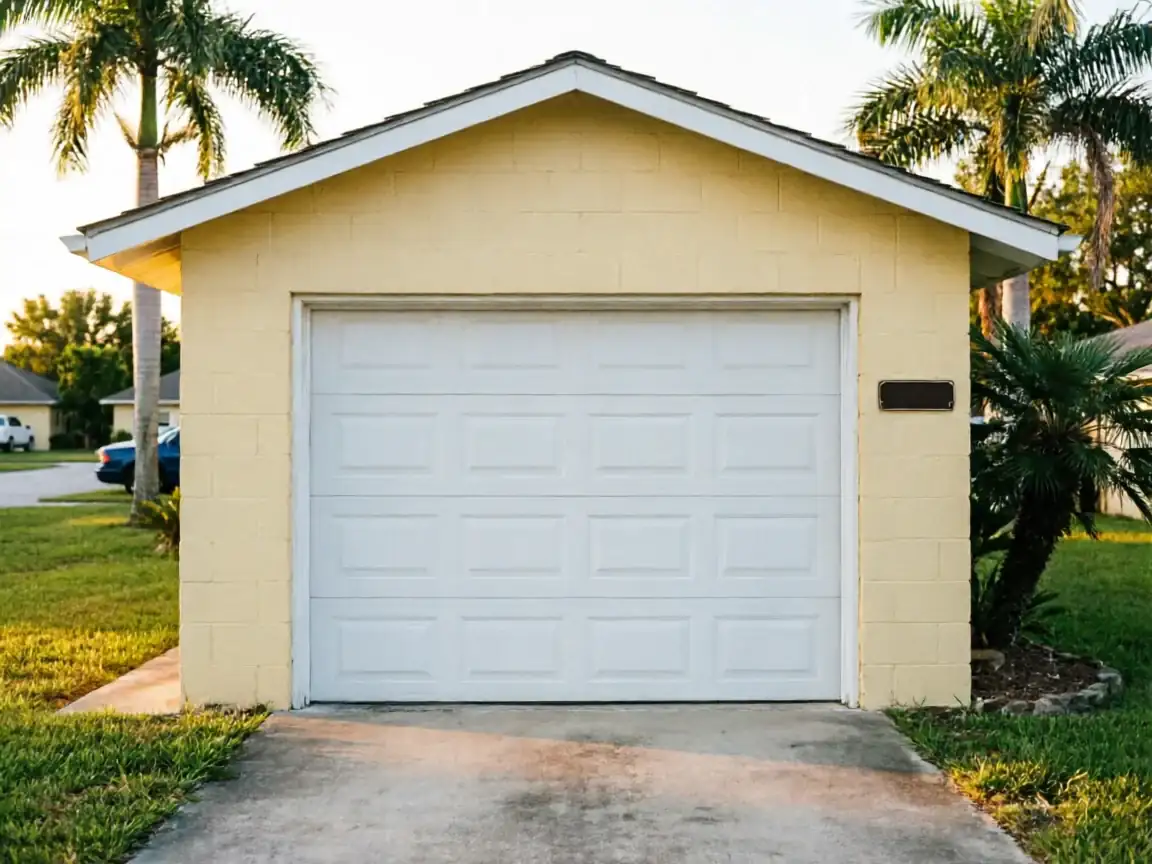
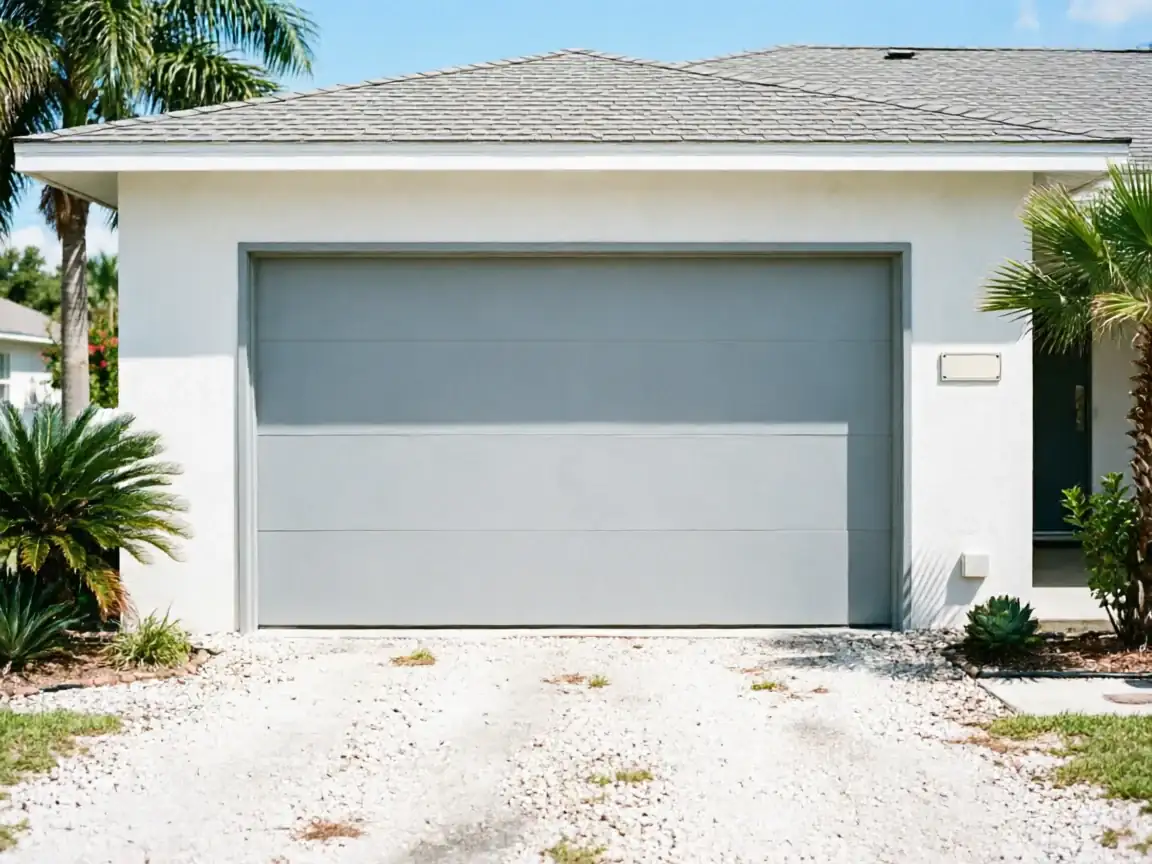
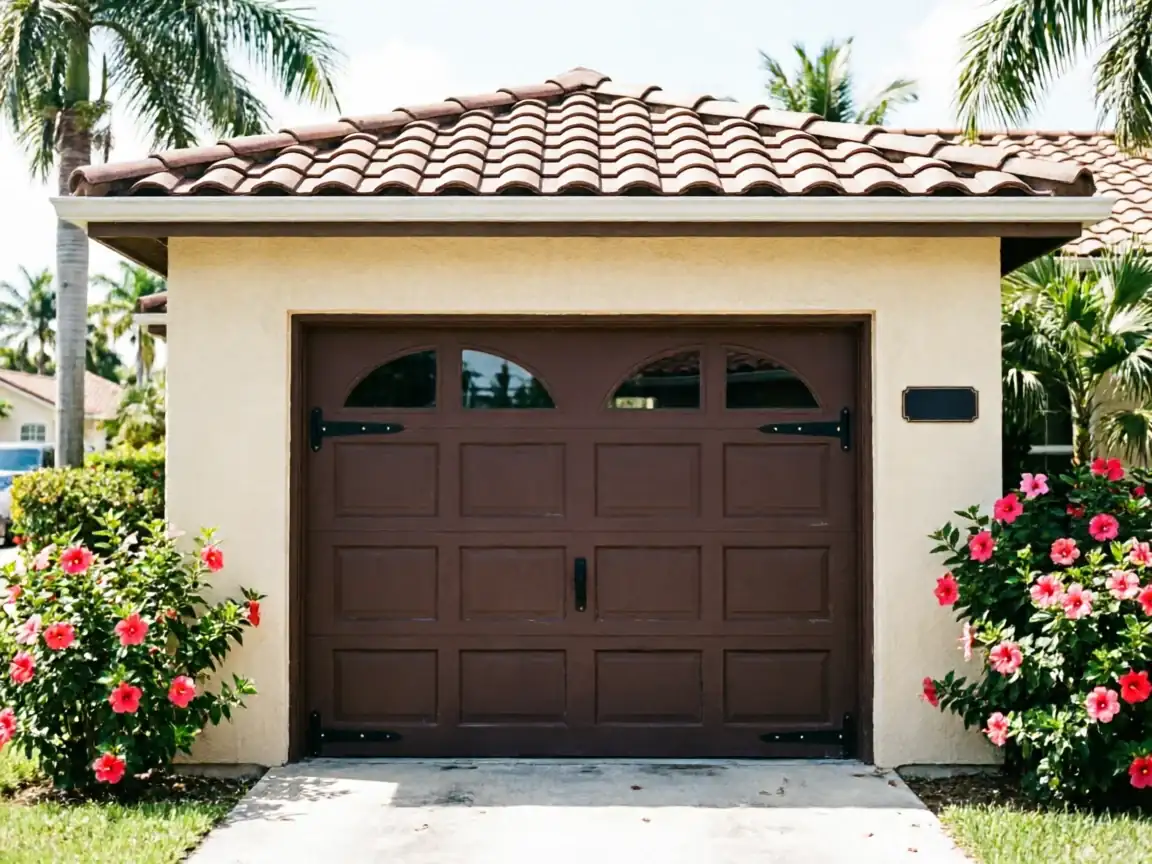
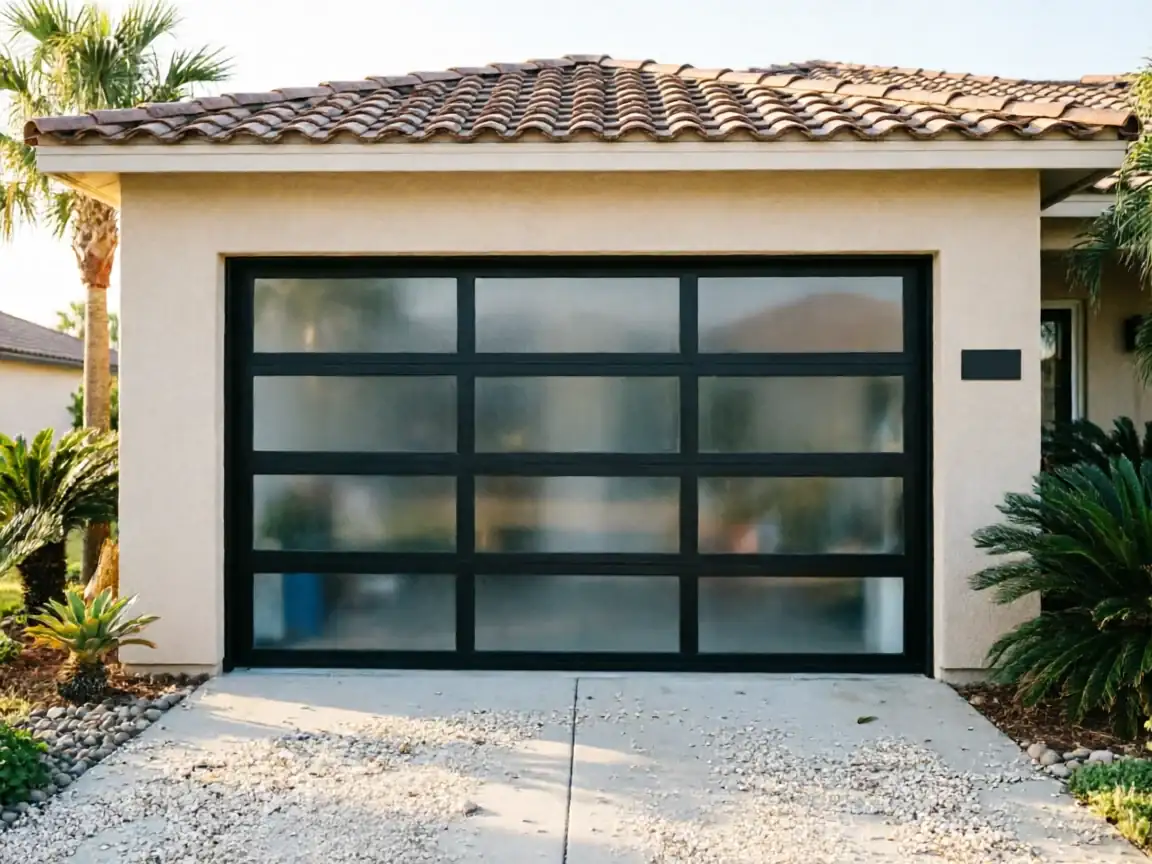
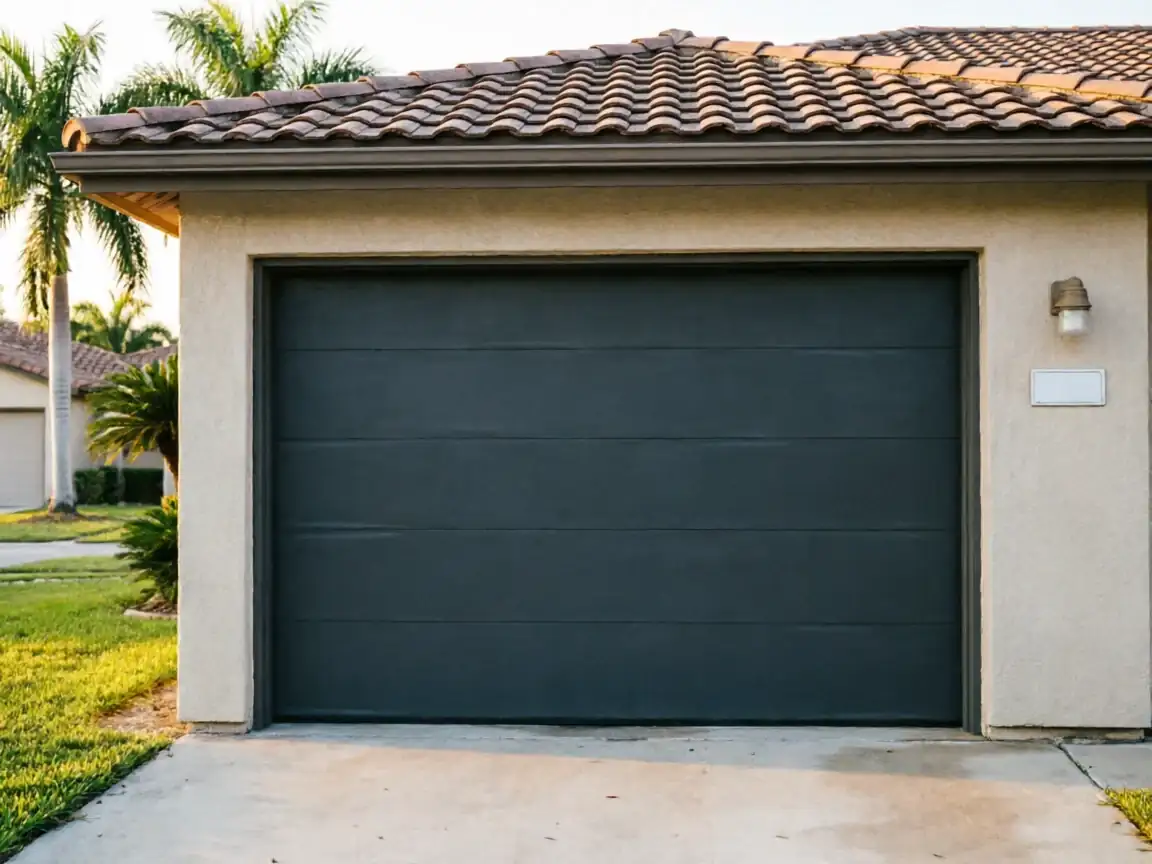
We don't quote a price here because every job is priced on what's actually broken, not on the zip code. What we can tell you is that Lake Butler's housing stock is newer than most of the areas we cover - median build year here is 2004, well past the 1987 median across the wider service area. That matters for cost because newer doors tend to use factory-balanced torsion systems and composite or steel-insulated panels rather than the older solid-wood or single-layer steel doors you find on 1980s builds. Parts for newer systems are usually easier to source, which can keep a repair simpler than it would be on an older door. We'll give you a number on-site once we've opened the panel and looked at the spring and opener, not before.
How Long You Are Without the Door
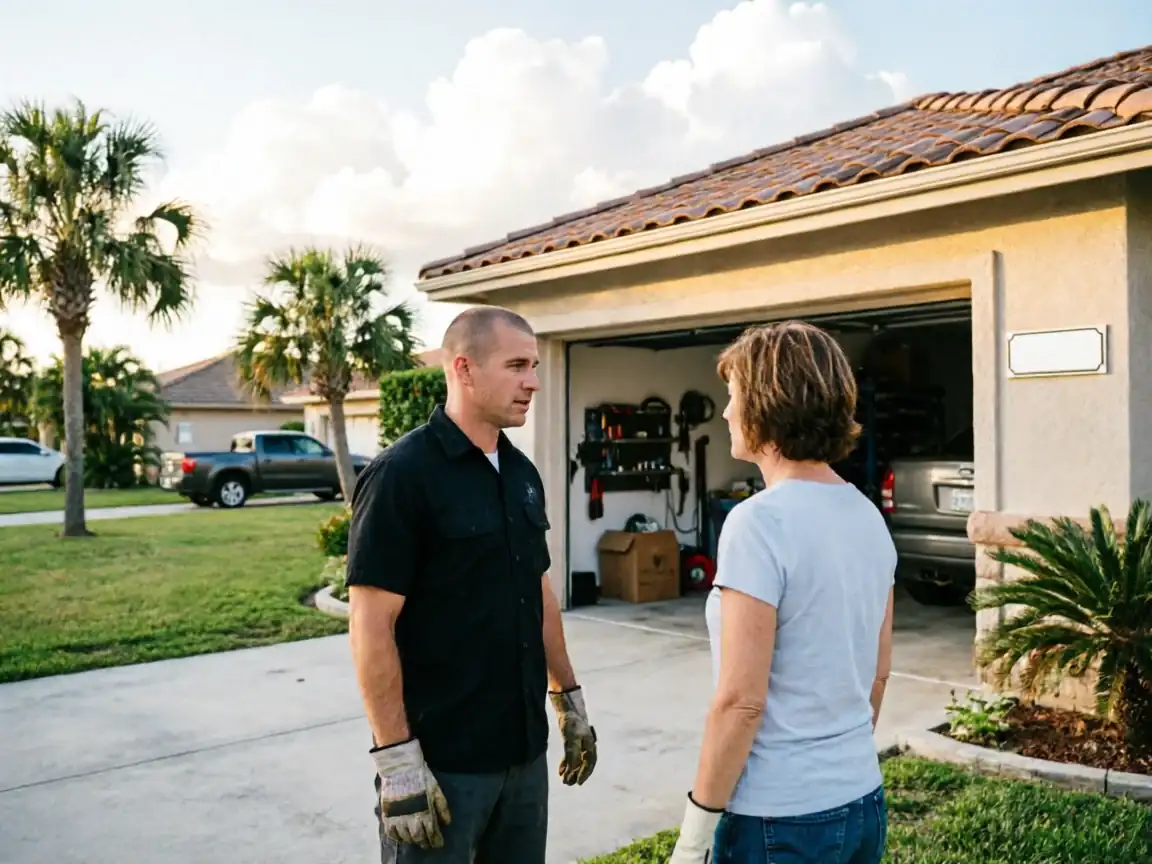
The drive from our Winter Garden base to Lake Butler is about 5 miles, which is one of the shorter runs we make. That's not a promise of a response time - we don't keep a branch or a standing crew in Lake Butler, so every call here starts with a truck leaving Winter Garden. What the short distance does mean is that the drive itself isn't the bottleneck on most jobs. If a part needs ordering because it's not something we carry, that adds time regardless of how close you are.
Stocked Parts
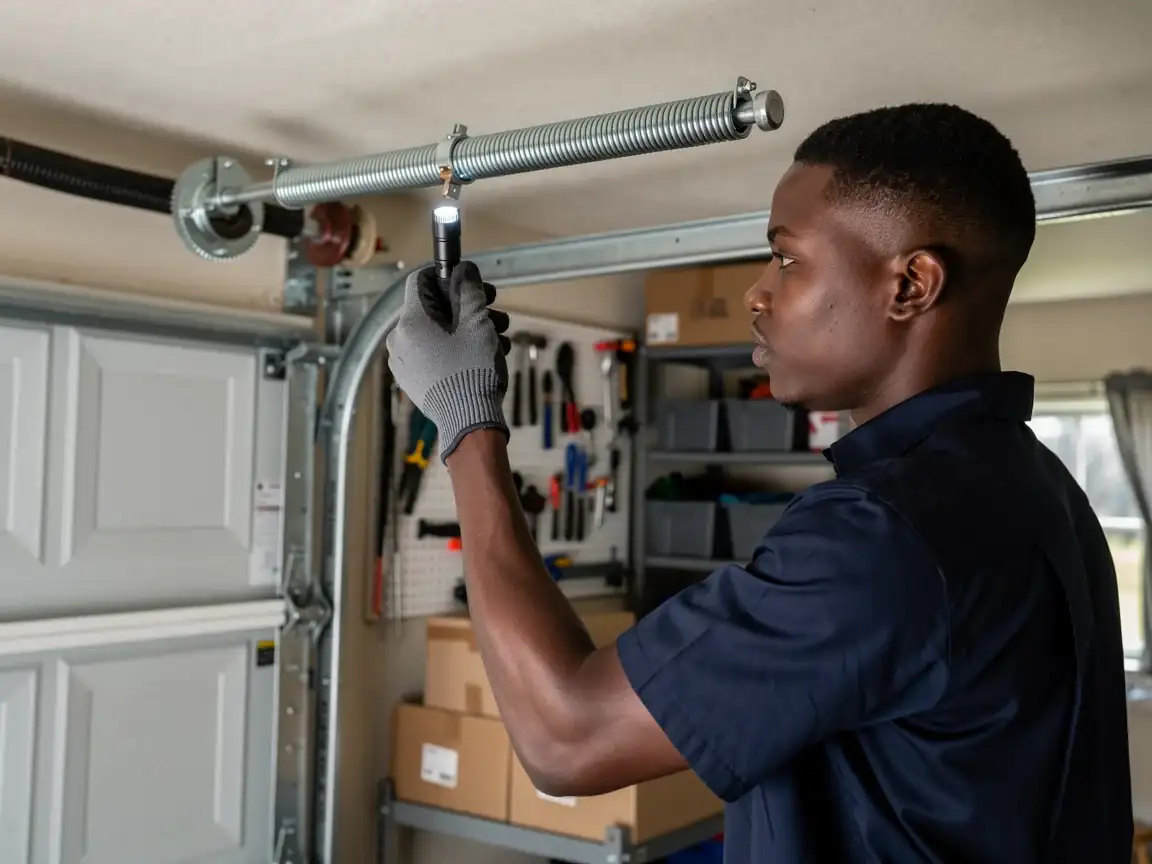
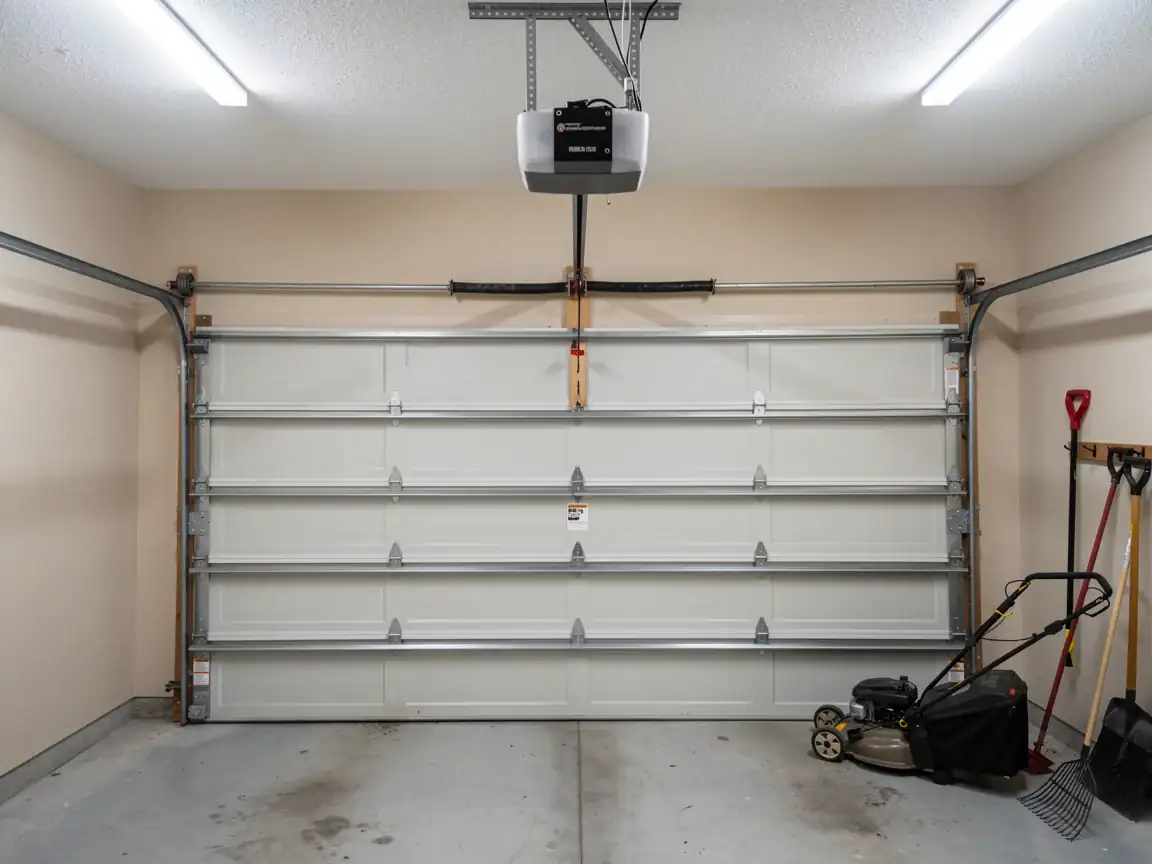
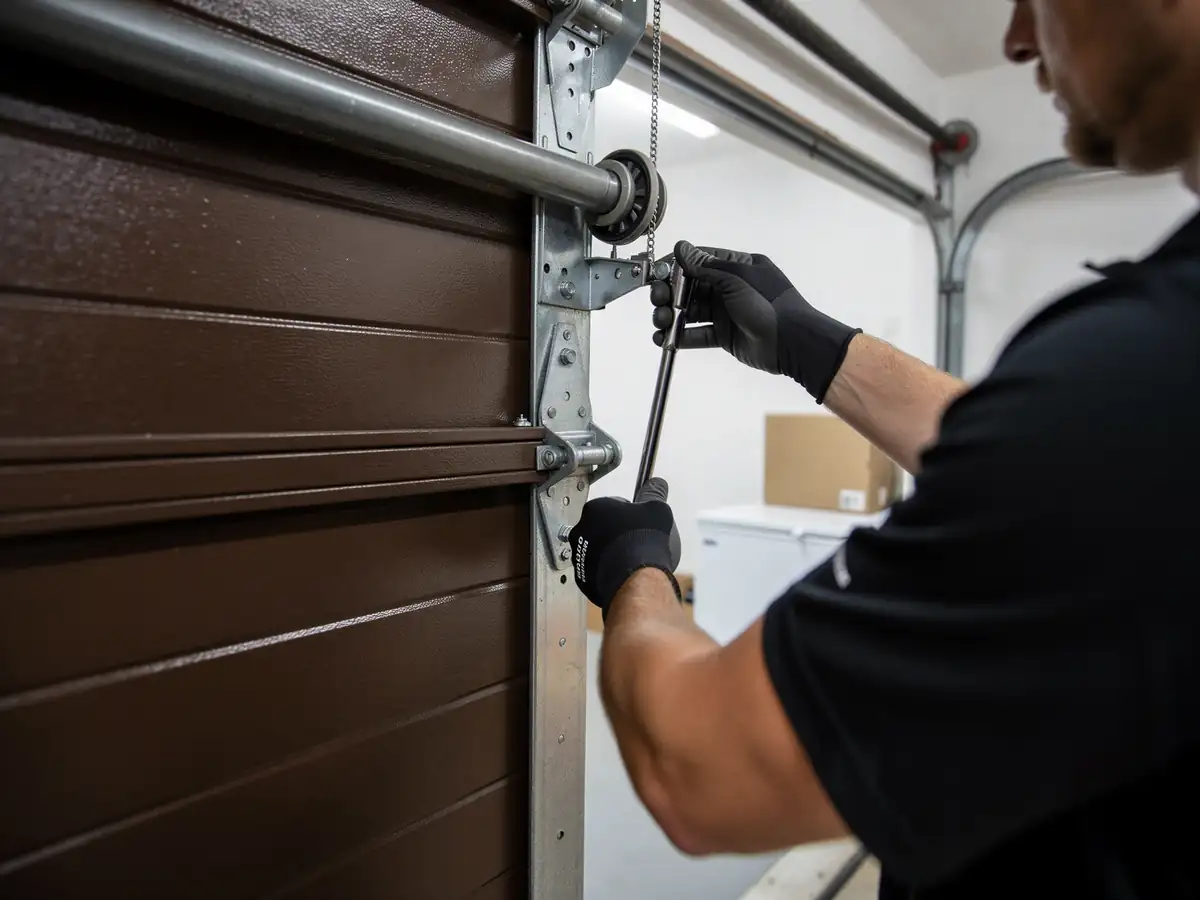
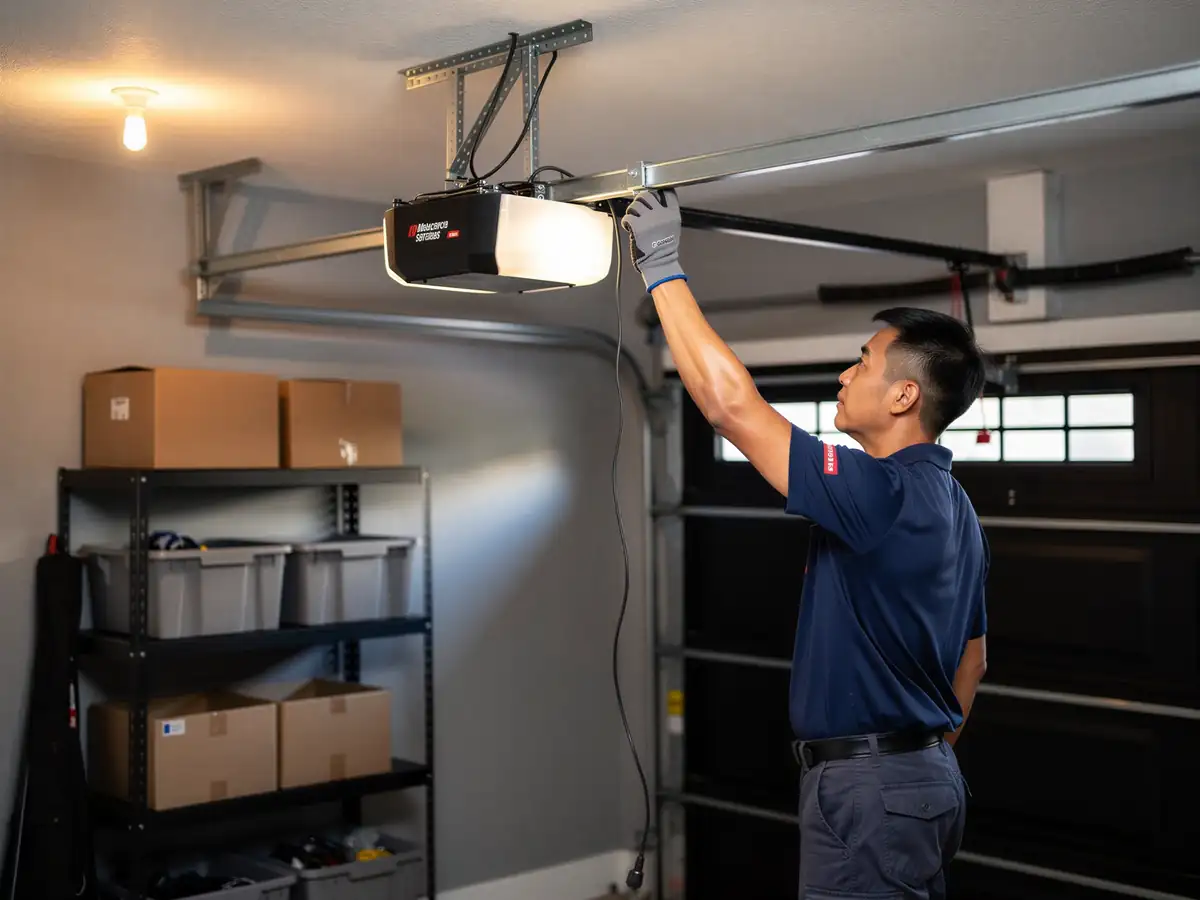
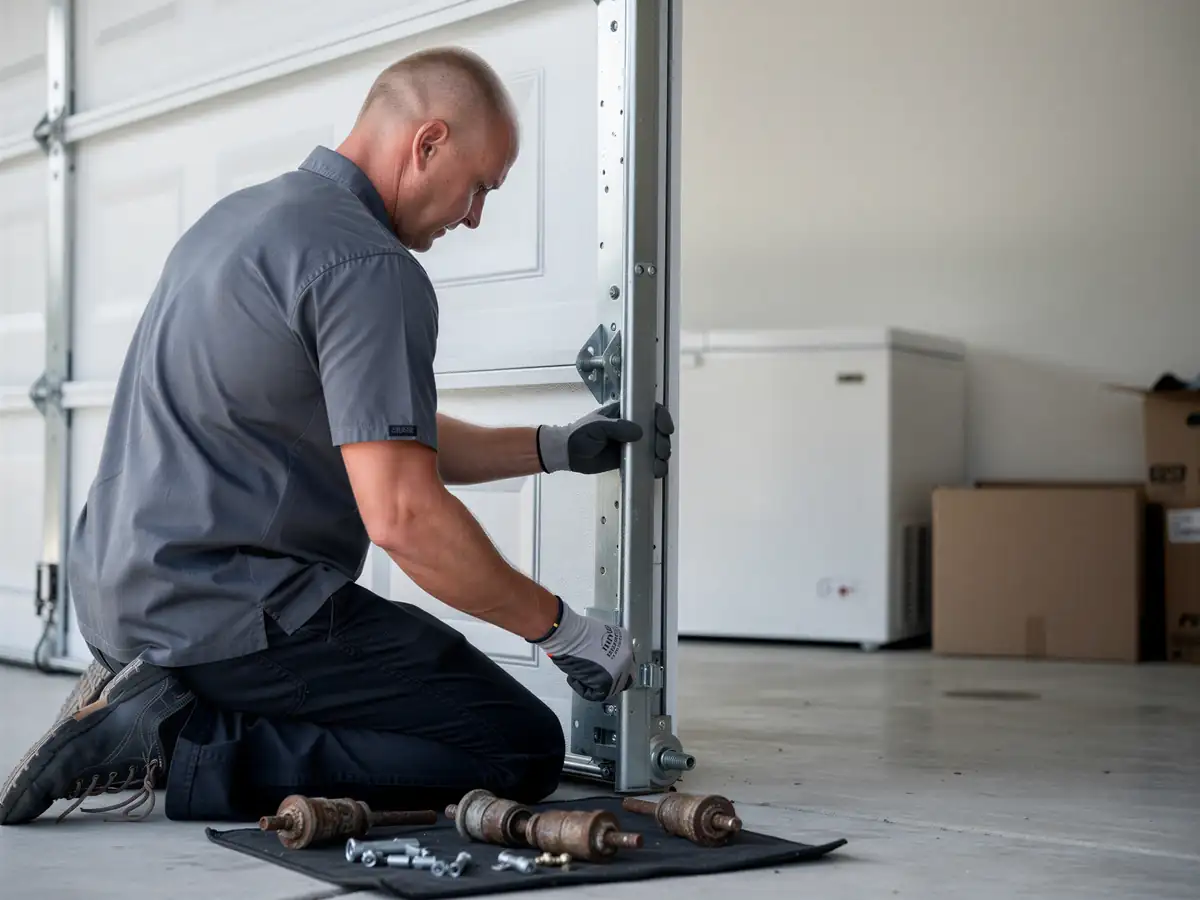
Because Lake Butler's homes mostly date to the early-to-mid 2000s, we expect to find torsion springs sized for mid-weight steel or insulated doors, and openers with keypad and photo-eye safety sensors as standard rather than retrofitted. We carry common torsion spring sizes and standard rollers and cables that match that era of construction. What we don't always have on the truck is a specific circuit board for a less common opener brand - if a job needs a specialty board, that's a special order, and we'll tell you up front rather than guess at a turnaround.
What You Are Seeing
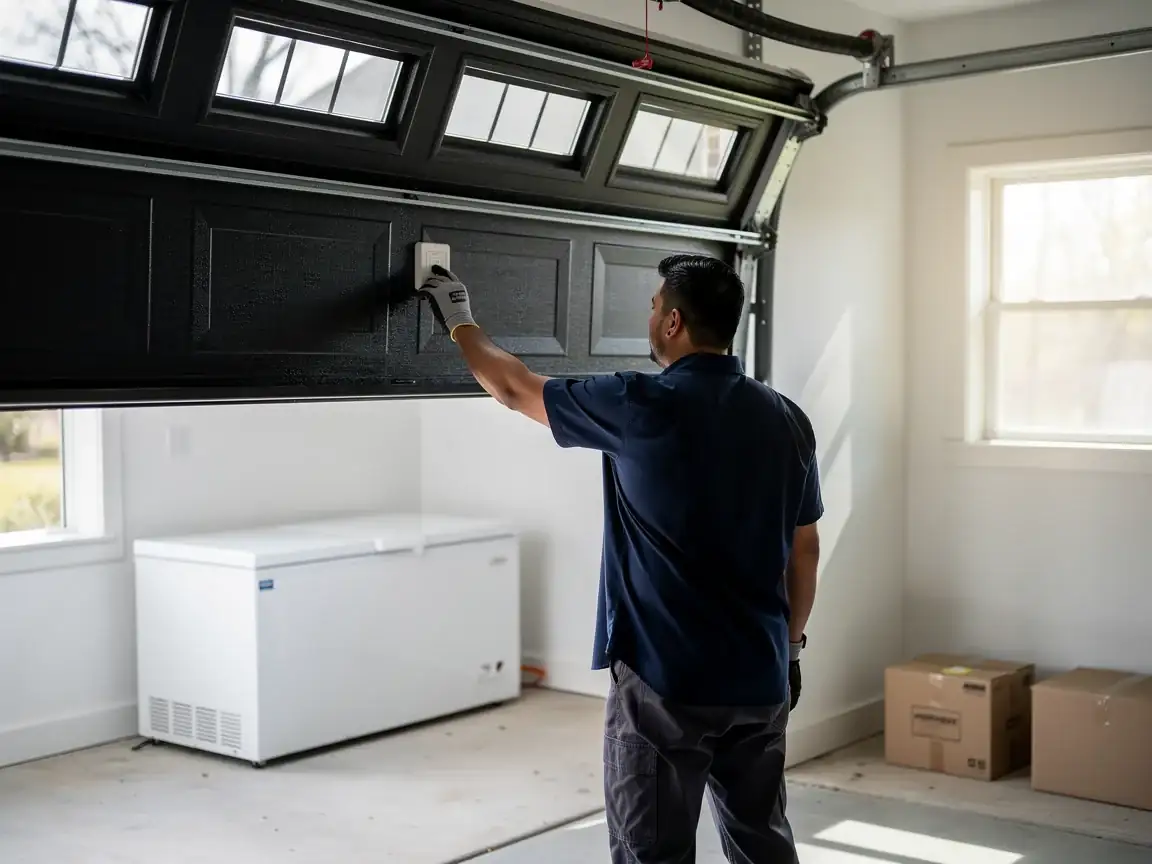
On a house built around 2004, the most common calls we get are opener-related: a logic board that's stopped responding, a photo-eye sensor knocked out of alignment, or a remote that's lost its code. The springs on doors this age are usually original and starting to reach the end of their cycle count, so a spring that lets go without warning isn't unusual. You're less likely to see the warped wood panels or brittle single-layer steel that shows up on older homes in the wider area - this stock is young enough that panel failure is rarer than hardware fatigue.