What It Costs
Lake Butler sits at a median household income of $178,750, well above the $84,955 median across the rest of the service area we cover from Winter Garden. That number matters for one reason: it changes where the repair-or-replace line falls. On an older, lower-value door, a snapped cable is often the first sign the whole unit is near the end of its life, and spending money on a cable only to face a spring or opener failure next year is a bad bet. In Lake Butler, where the median home was built around 2004, the doors underneath those cables are newer steel or insulated panel doors on galvanized or aluminum-coated cable, not the aging stock you find closer to the center of town. That means a cable failure here is usually an isolated part problem, not a symptom of a door that's done. We don't quote a flat number for every job because cable length, drum size, and whether the opener needs reprogramming after the fix all move the price. What we can tell you is that on a 2004-era door, a cable repair is almost always the cheaper, correct call over replacement.
How Long You Are Without the Door
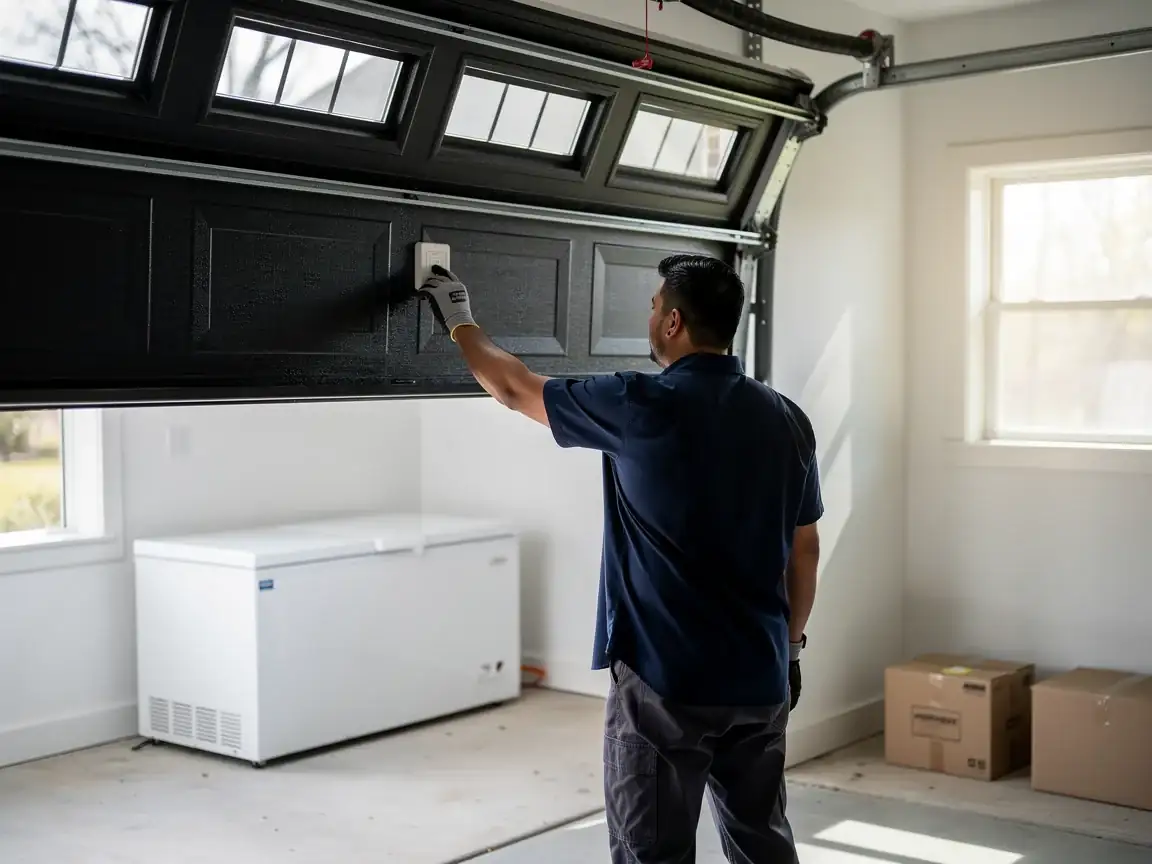
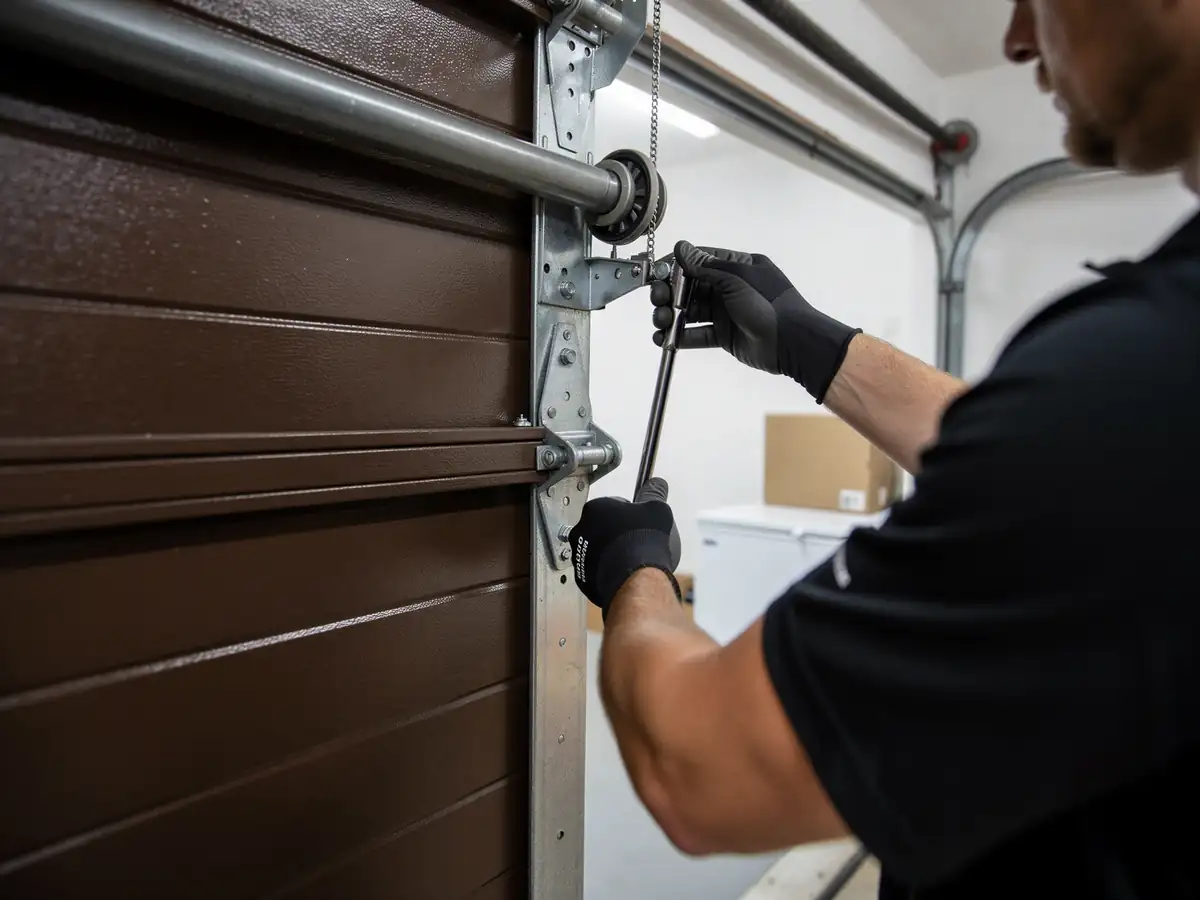
A frayed or snapped cable on a double door built in the 2000s usually locks the door in place, either stuck half-open or jammed shut, because the opener senses the imbalance and refuses to run. You can't force it without risking the other cable or the drum. Once the tech is on site, cable replacement on a door of this age, with factory-spec drums and standard track, is a same-visit repair in nearly every case. What stretches a job is a non-standard drum size or a cable gauge that isn't on the truck, which is rare on housing from this era but not impossible if a prior owner swapped in an odd opener or track system.
Stocked Parts
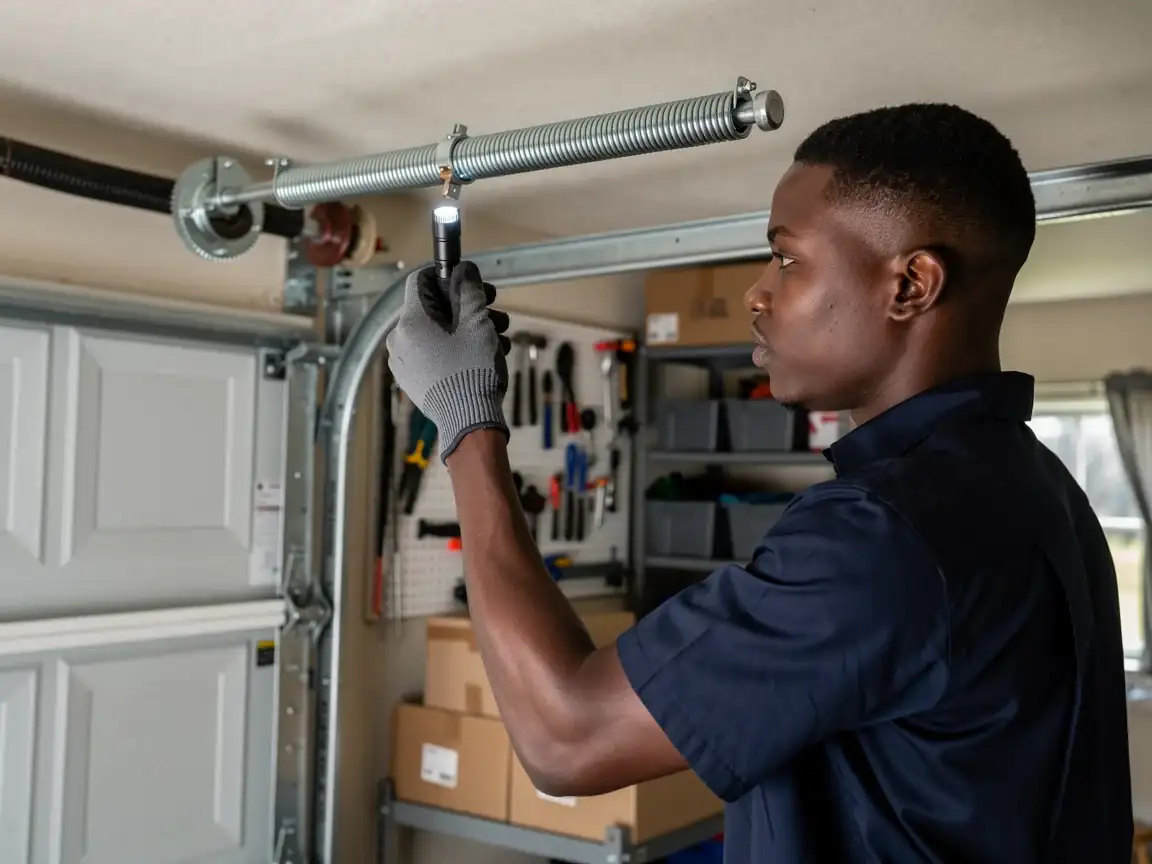
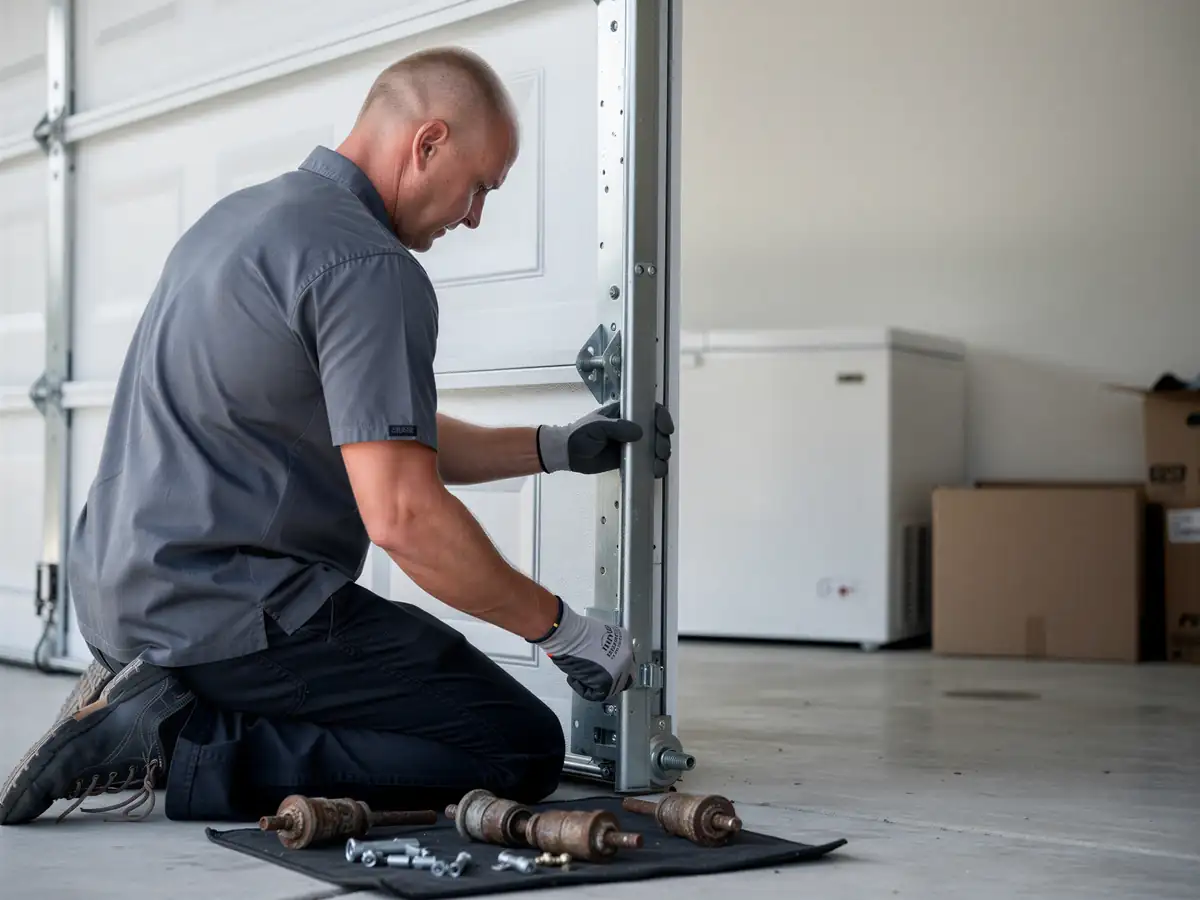
Standard aircraft-cable in common gauges and drum sizes fits the vast majority of doors built in the last two to three decades, which covers the Lake Butler housing stock well since the median build year here is around 2004. We carry these on the truck. What we don't stock is anything custom - a non-standard drum from a discontinued opener brand, or a cable length built for a door that's been modified from its original size. If a job calls for that, we'll tell you up front rather than guess and come back twice.
What You Are Seeing
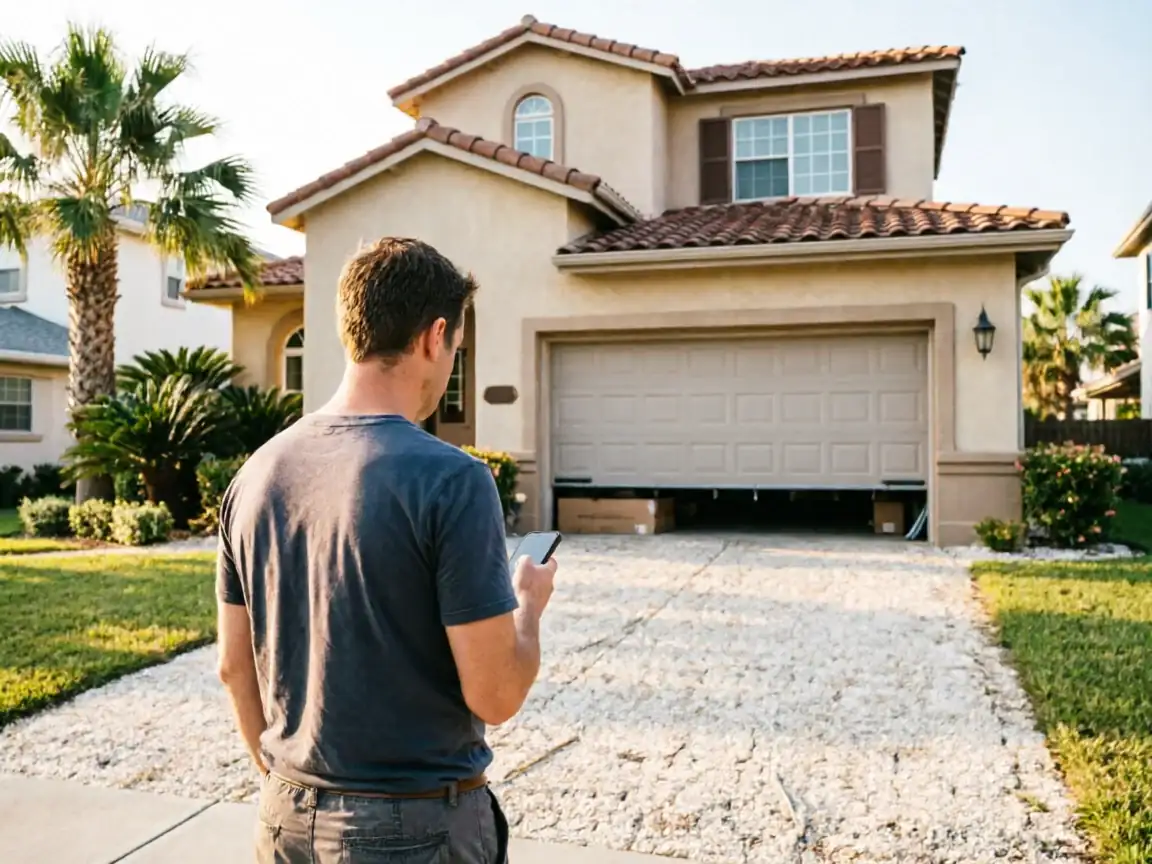
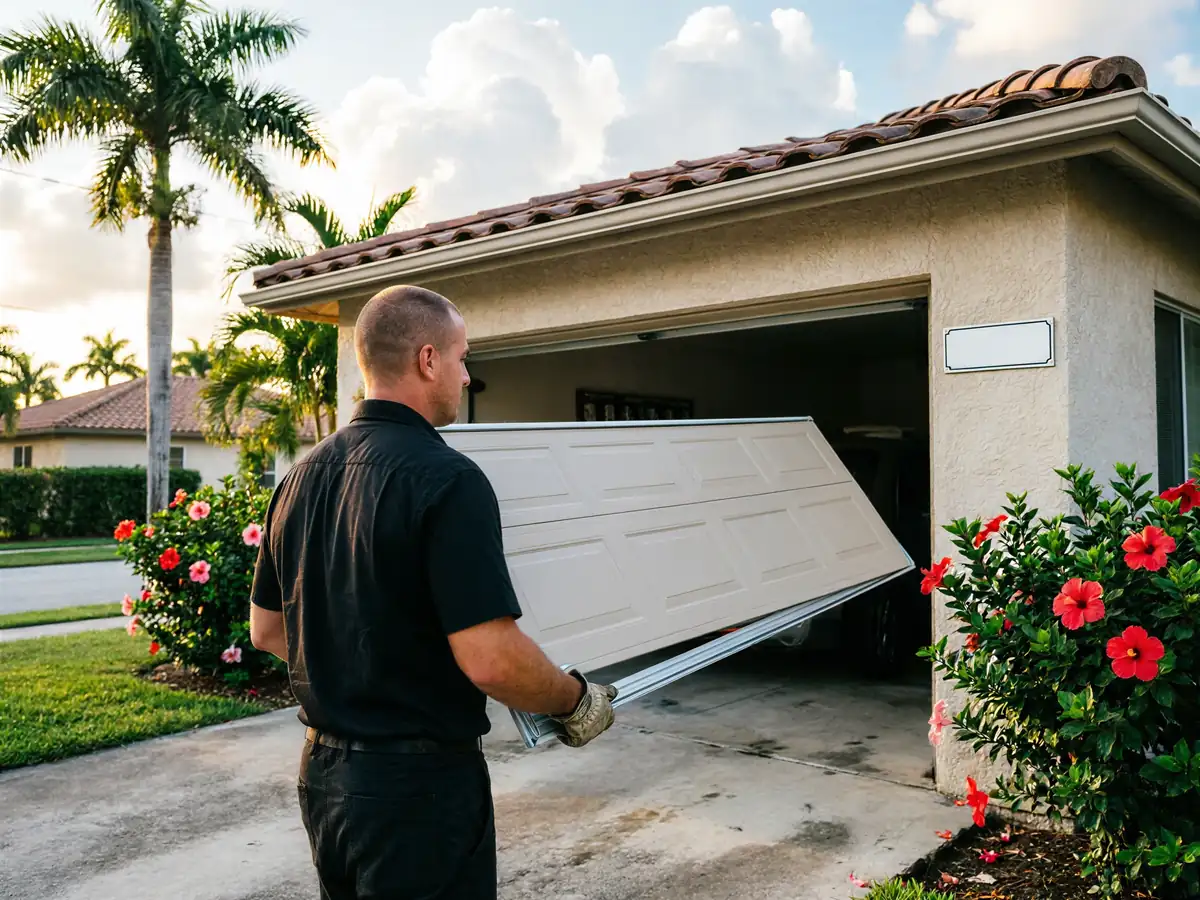
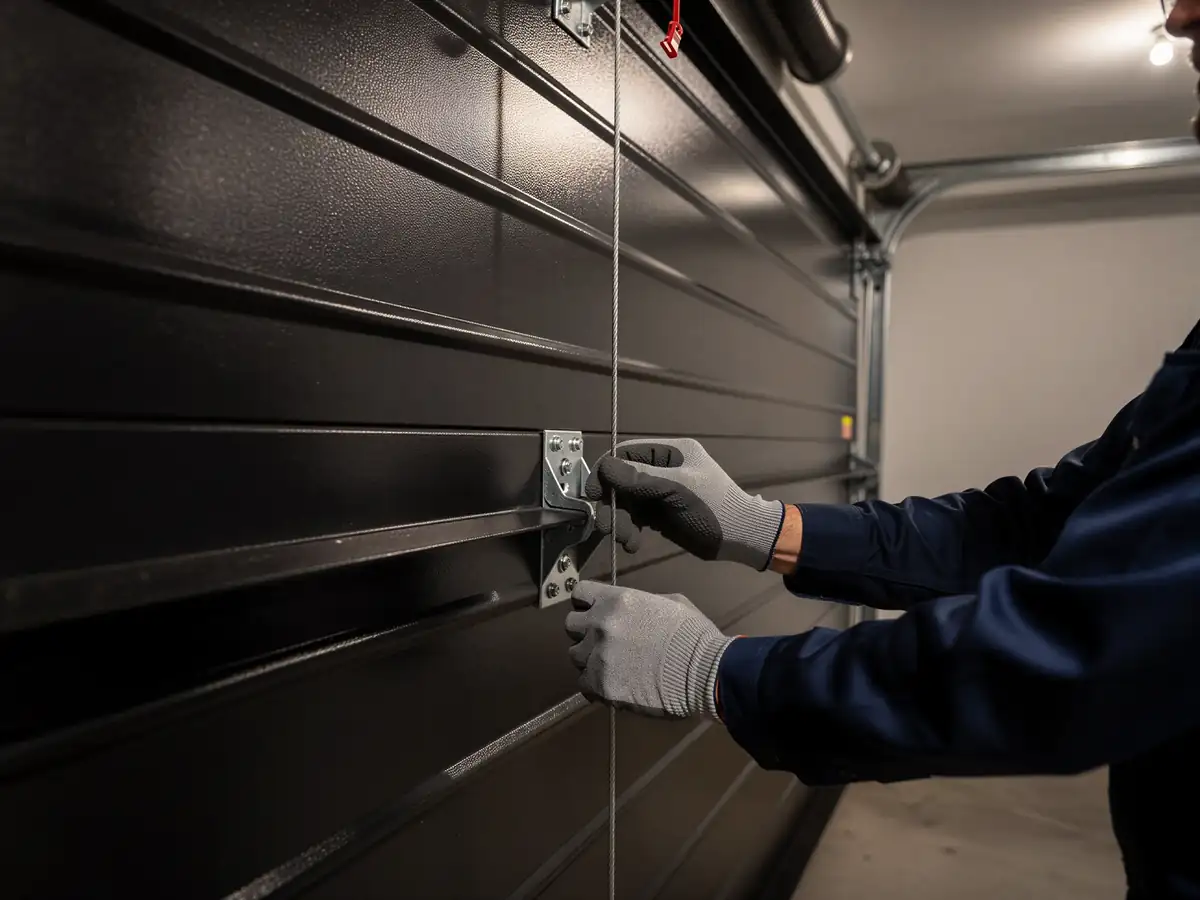
On a door this age, the cable usually goes one of two ways: a slow fray where it rubs against the drum or a bottom bracket that's slightly out of alignment, or a clean snap from a cable that's simply reached its fatigue limit after years of daily cycles. You'll notice one side of the door hanging lower than the other, a door that goes crooked in the track as it moves, or a door that won't budge at all because the opener's sensors caught the imbalance before it jumped the track. A loud bang followed by the door refusing to open is almost always a cable, not a spring - springs fail quieter and the door usually still moves, just wrong.