What It Costs
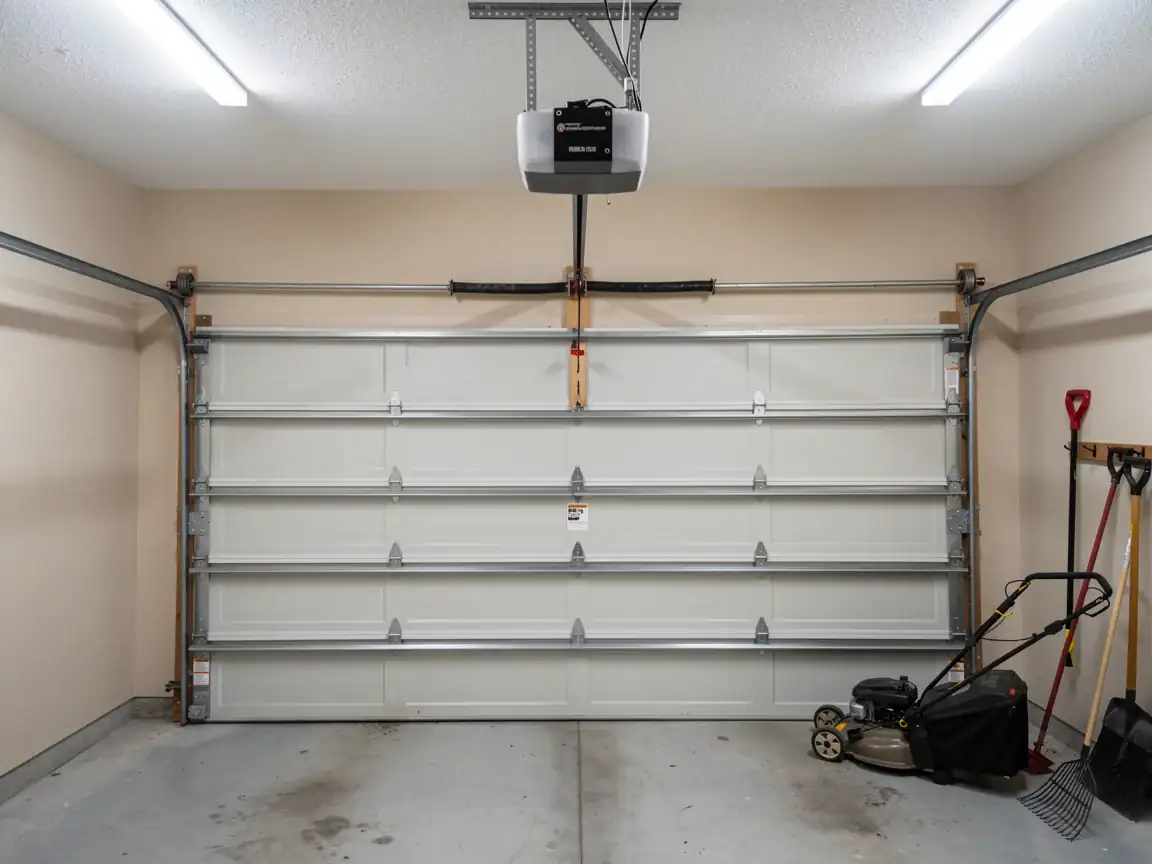
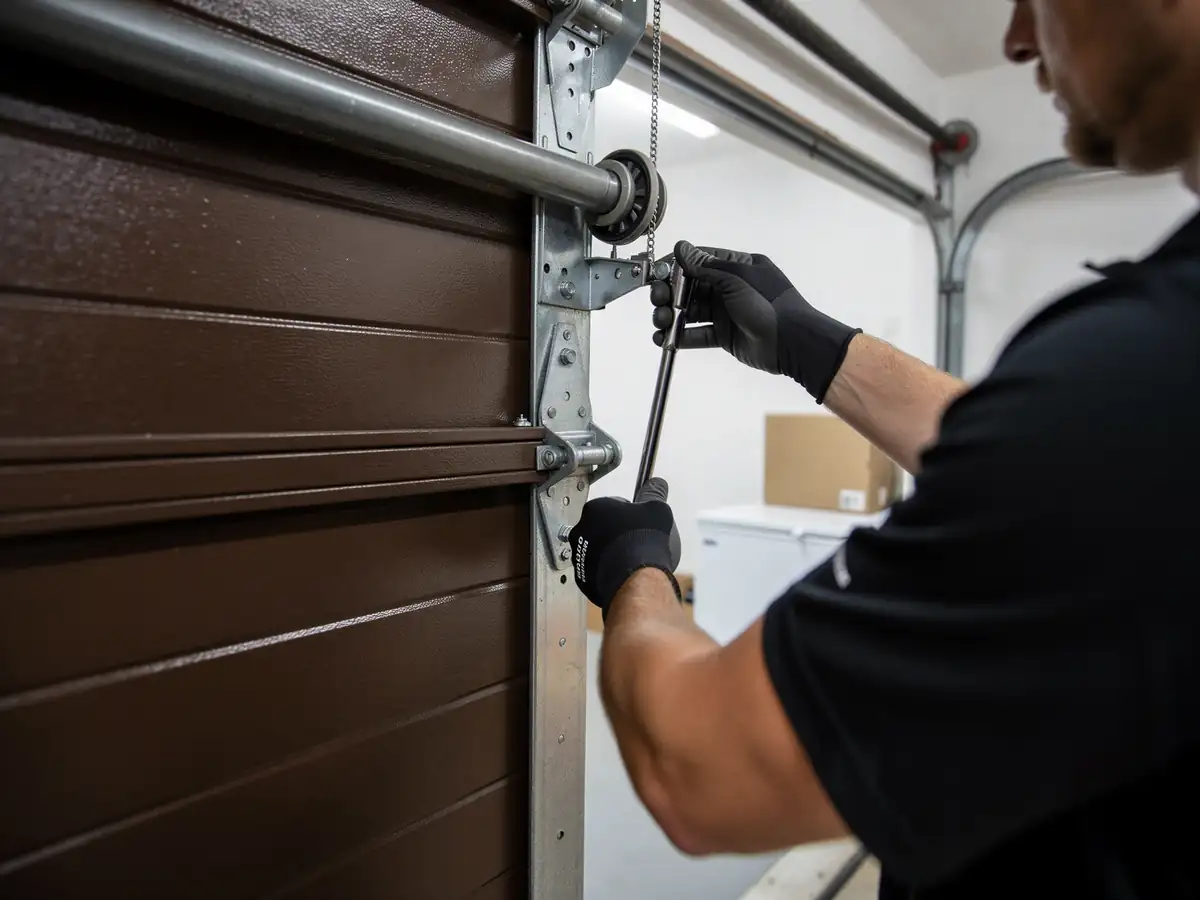
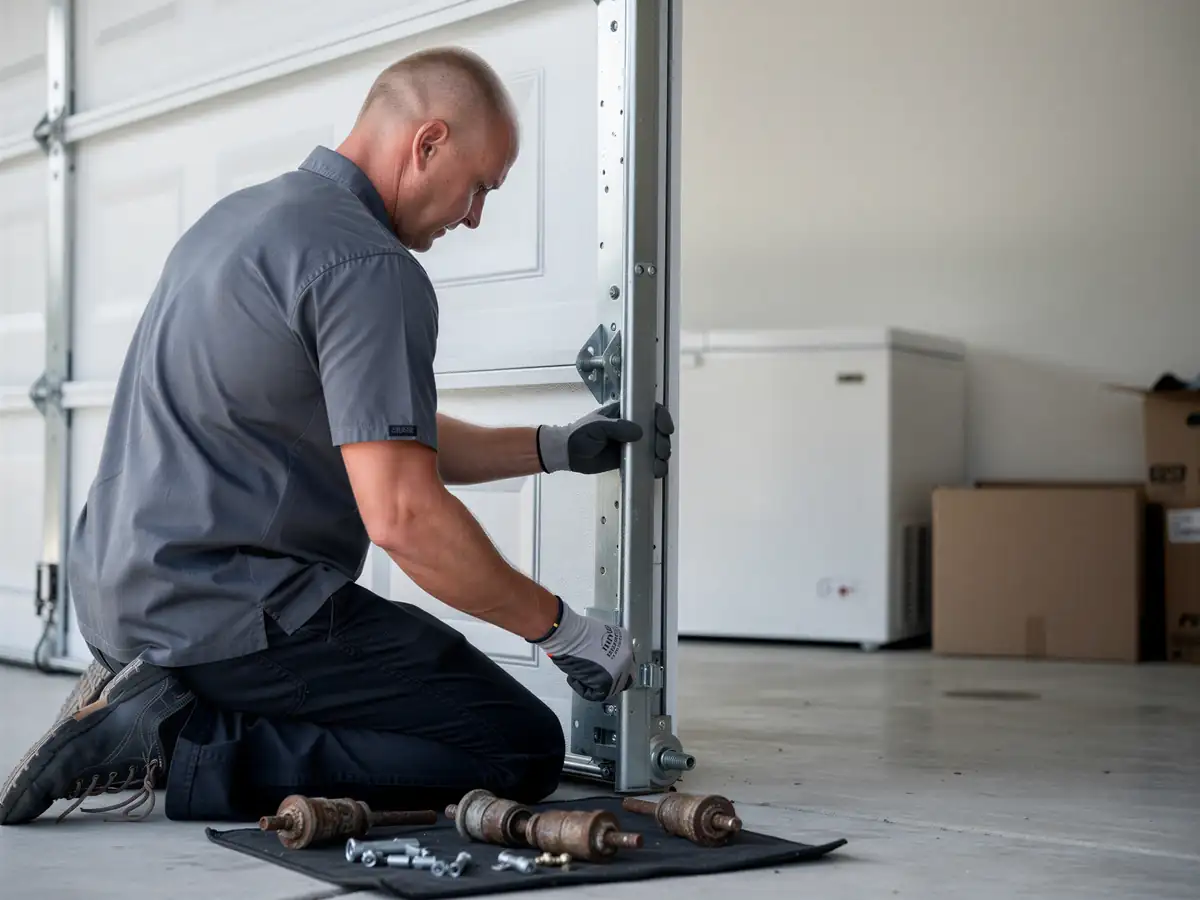
Roller replacement pricing depends on whether you're swapping a full set of ten or twelve rollers or just the two or three that failed, and whether we're putting in standard steel rollers or sealed nylon ones. Most Lake Butler doors are builder-grade steel sectional doors installed when the area was developed in the early 2000s, and they typically shipped with plain steel rollers on steel stems - the kind that wear a groove into the track over time rather than failing outright. We quote the job once we see which rollers are in the door and how the track has held up, since a worn track changes the math. We don't give phone quotes on this one; it's a five-minute look that saves you from paying for parts you didn't need.
How Long You Are Without the Door
We're based in Winter Garden, about 5 miles from Lake Butler, so travel time isn't the bottleneck here - scheduling is. Once a tech is on site, roller replacement on a standard double door usually runs under an hour, since it doesn't involve the spring system unless the worn rollers have already chewed up the track enough to need a track swap too. If that's the case, plan on a longer visit. We don't keep a stocked branch in Lake Butler itself, so same-day depends on what's already loaded on the truck that day.
Stocked Parts
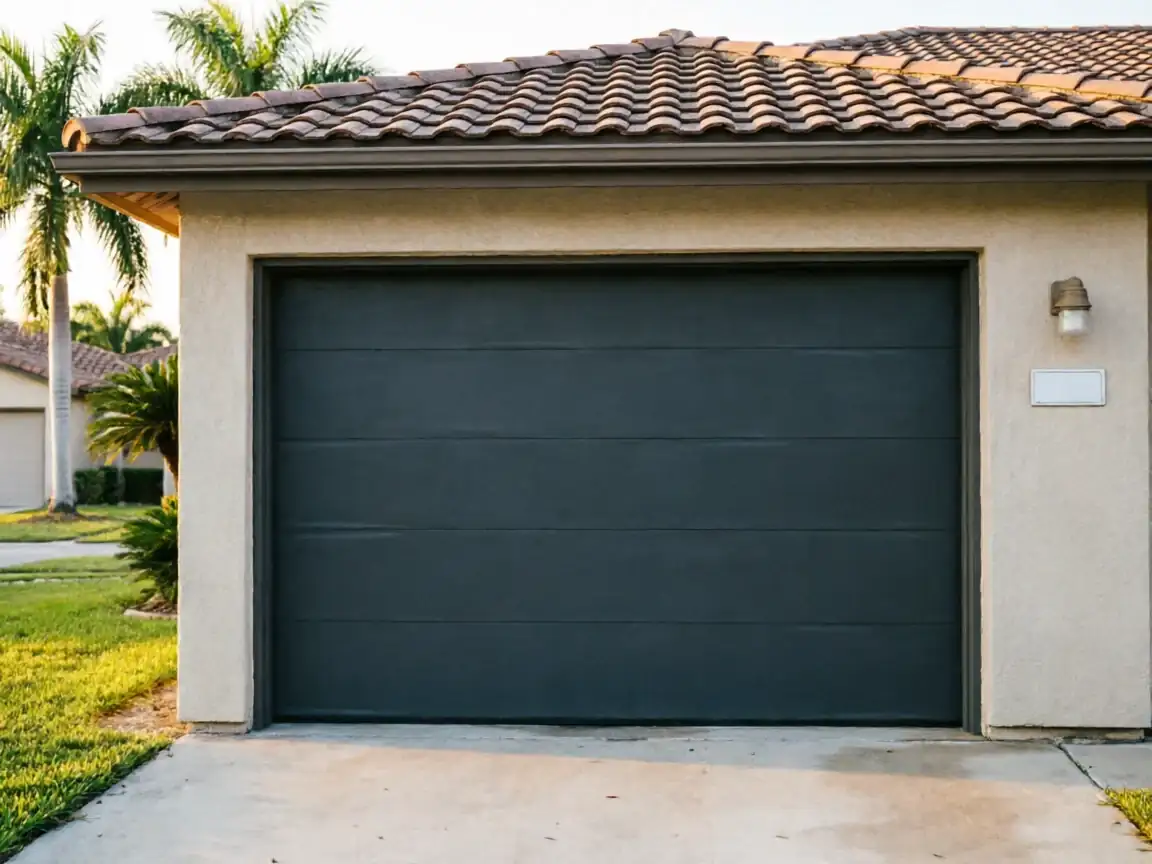
We carry standard steel rollers and sealed nylon rollers in the sizes that fit the sectional doors built across this area from the mid-1980s through the 2000s, which covers what's on most Lake Butler garages. Where we run short is on rollers for older, heavier doors with oversized stems - those sometimes need a special order, which can mean a return trip. For a neighborhood built mostly after 2000 like this one, that's rarely an issue; the hardware is more standardized than what you'd find on an older street.
What You Are Seeing
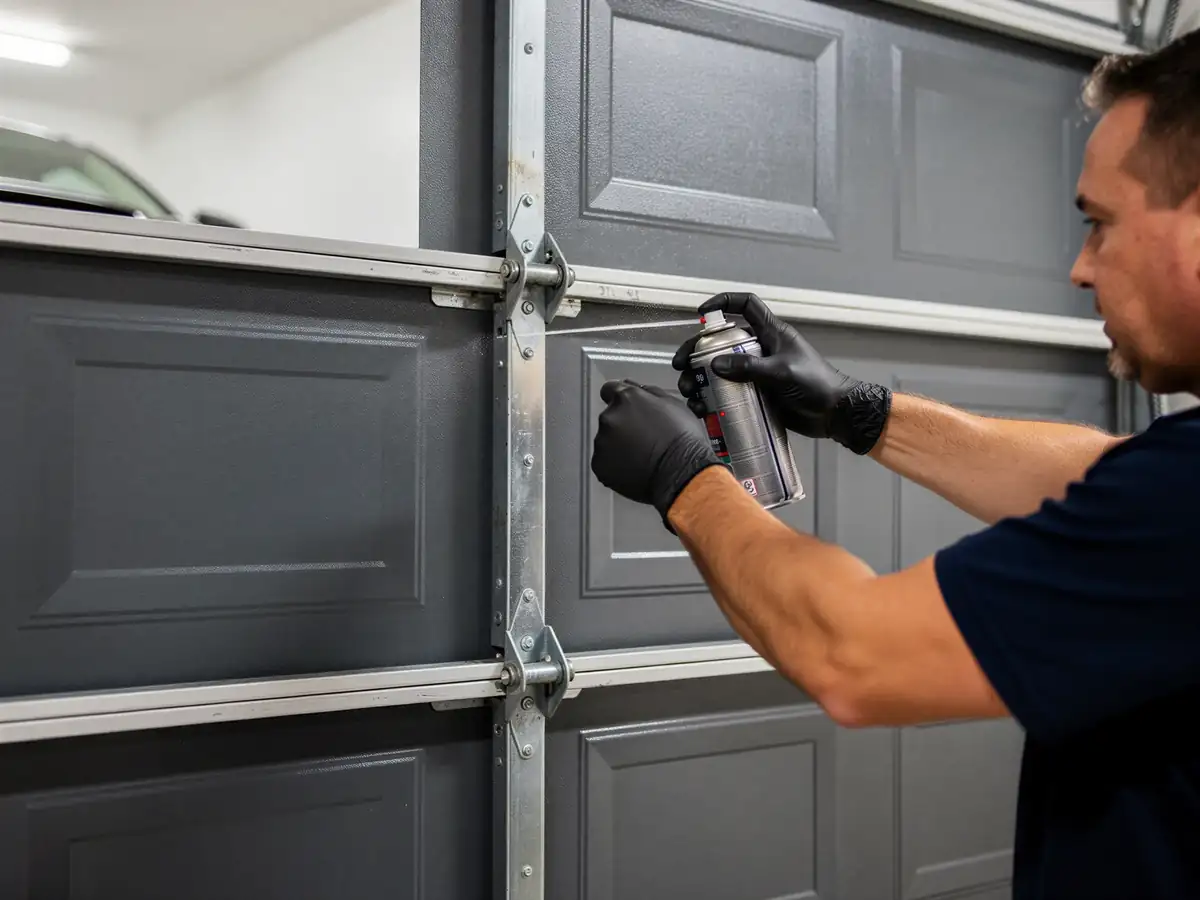
A door that shudders or bangs at one point in its travel, rather than running smooth the whole way, usually means one or two rollers have worn down unevenly rather than all of them failing at once. On a 2000s-era door, steel rollers without bearings are the usual culprit - they're serviceable for a long stretch but eventually flat-spot or seize, and the door starts fighting the track at that spot every time. Lake Butler's mild climate means rust isn't usually driving this the way it might somewhere with hard freezes or salt air; it's mostly plain mechanical wear from twenty-some years of daily cycles.