The Problem
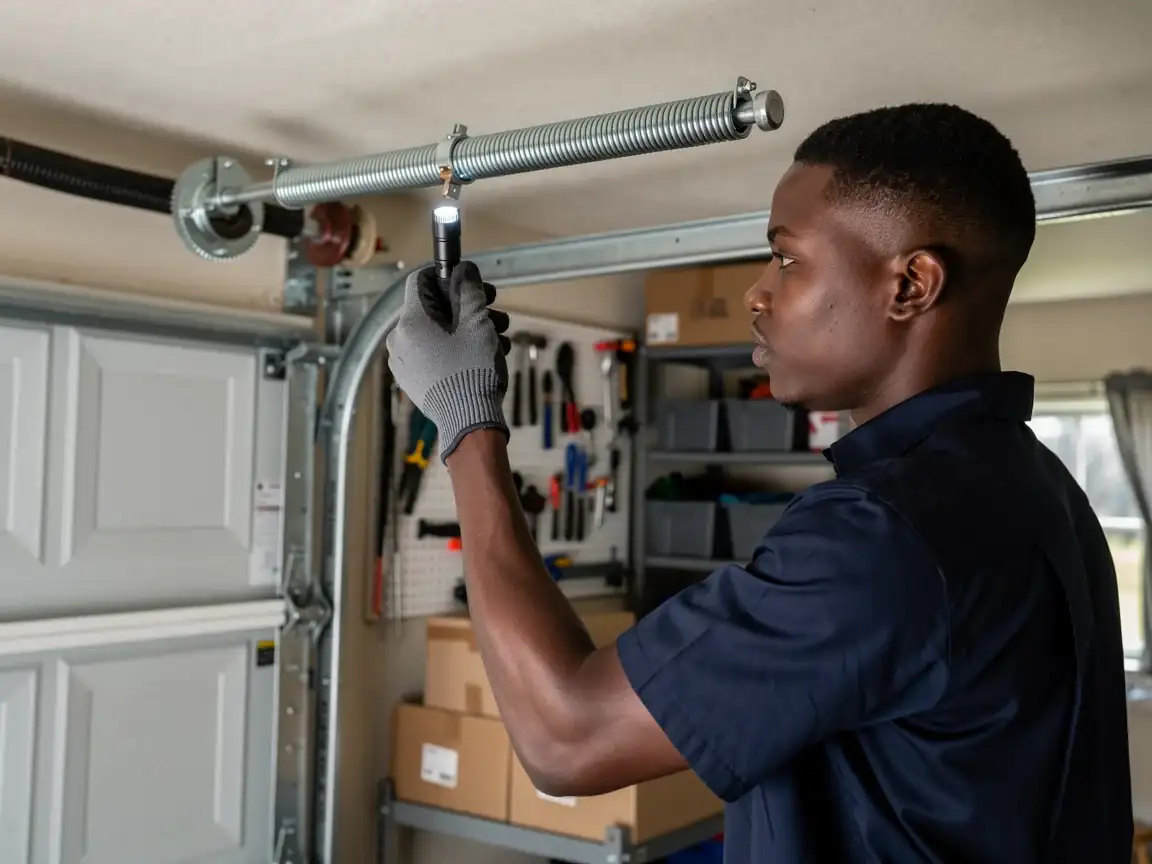
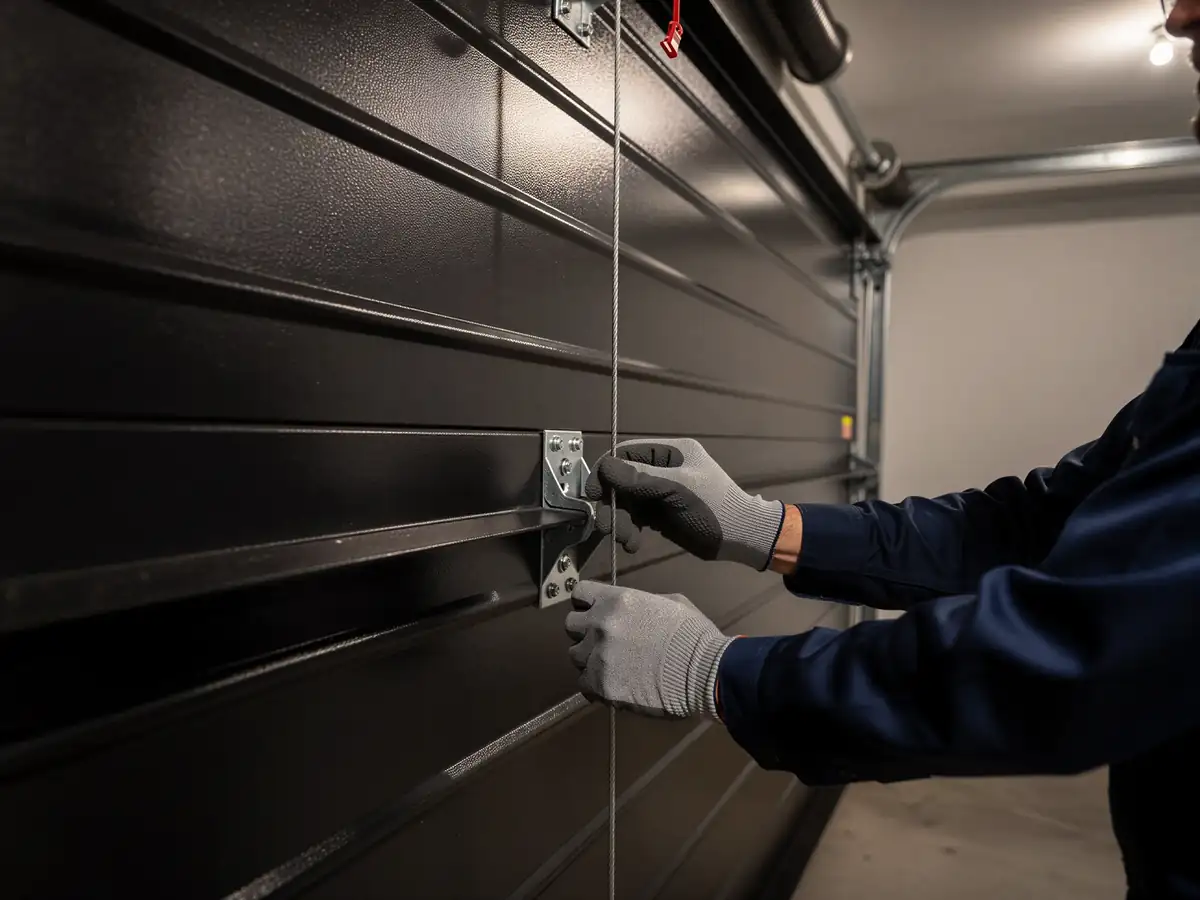
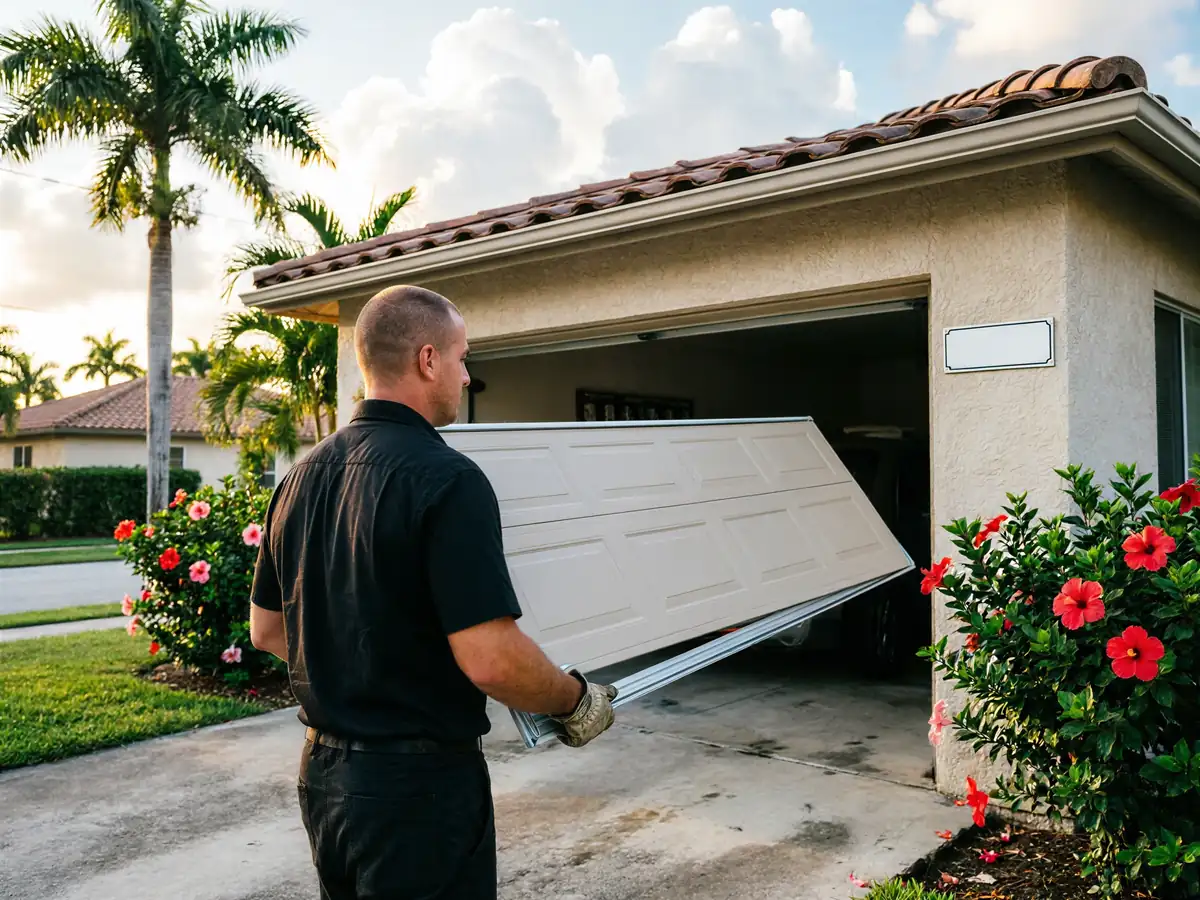
Most of the garage doors we look at in Winter Garden sit on houses built somewhere between 1964 and 2021, with the bulk of that stock going up in the 1980s and 90s across the area's named neighborhoods. That matters because torsion springs, nylon rollers, and the little steel hinges that hold panels together all have a service life measured in cycles, not years, and a door installed when the house was new is now old enough to be making noise about it. A sharp bang when the door opens usually means a spring has let go or is about to. A rhythmic thump means a roller has gone flat or a hinge is cracked. A grinding sound almost always means metal on metal where there should be grease or a bearing. None of these are background noise. A door that worked quietly for twenty years and now doesn't has told you something changed, and in houses this age the thing that changed is almost always original hardware finally wearing out.
The Common Mistake
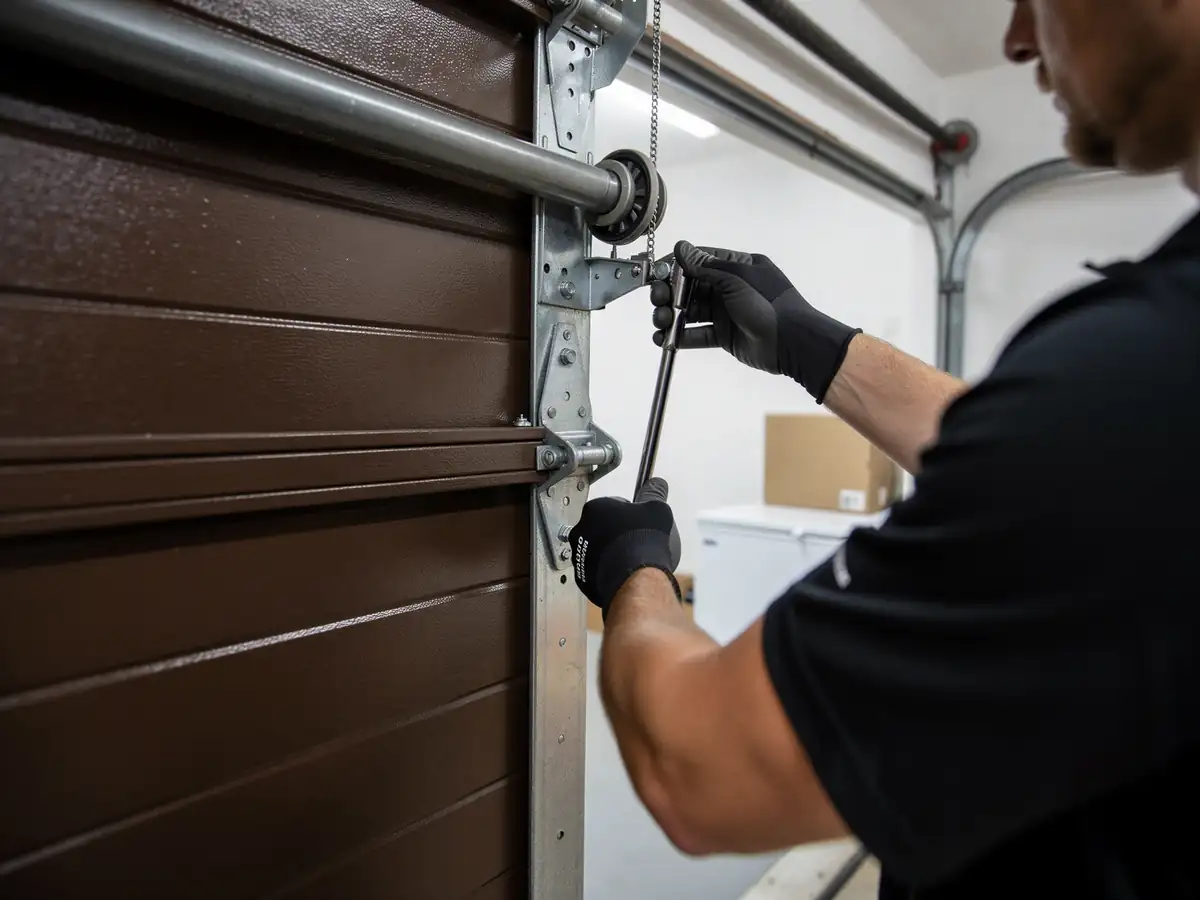
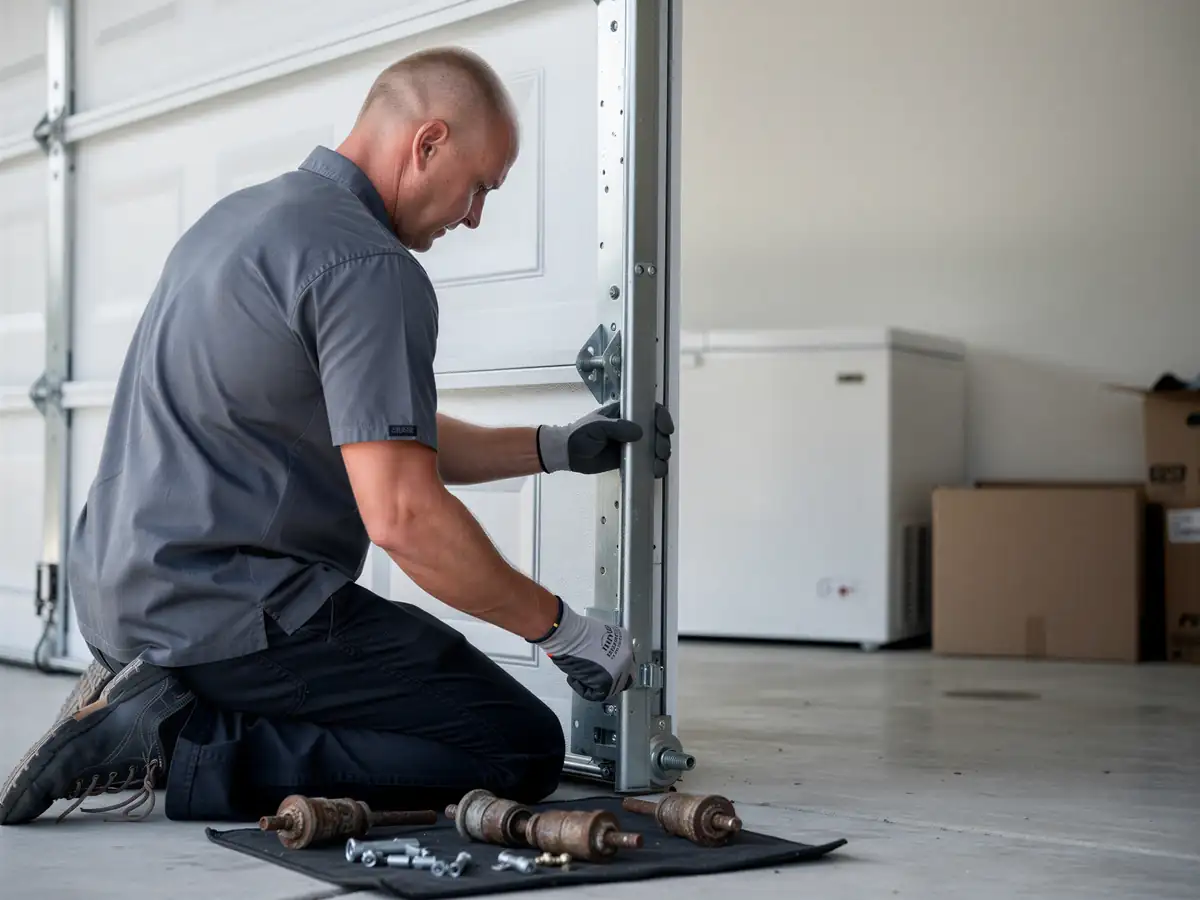
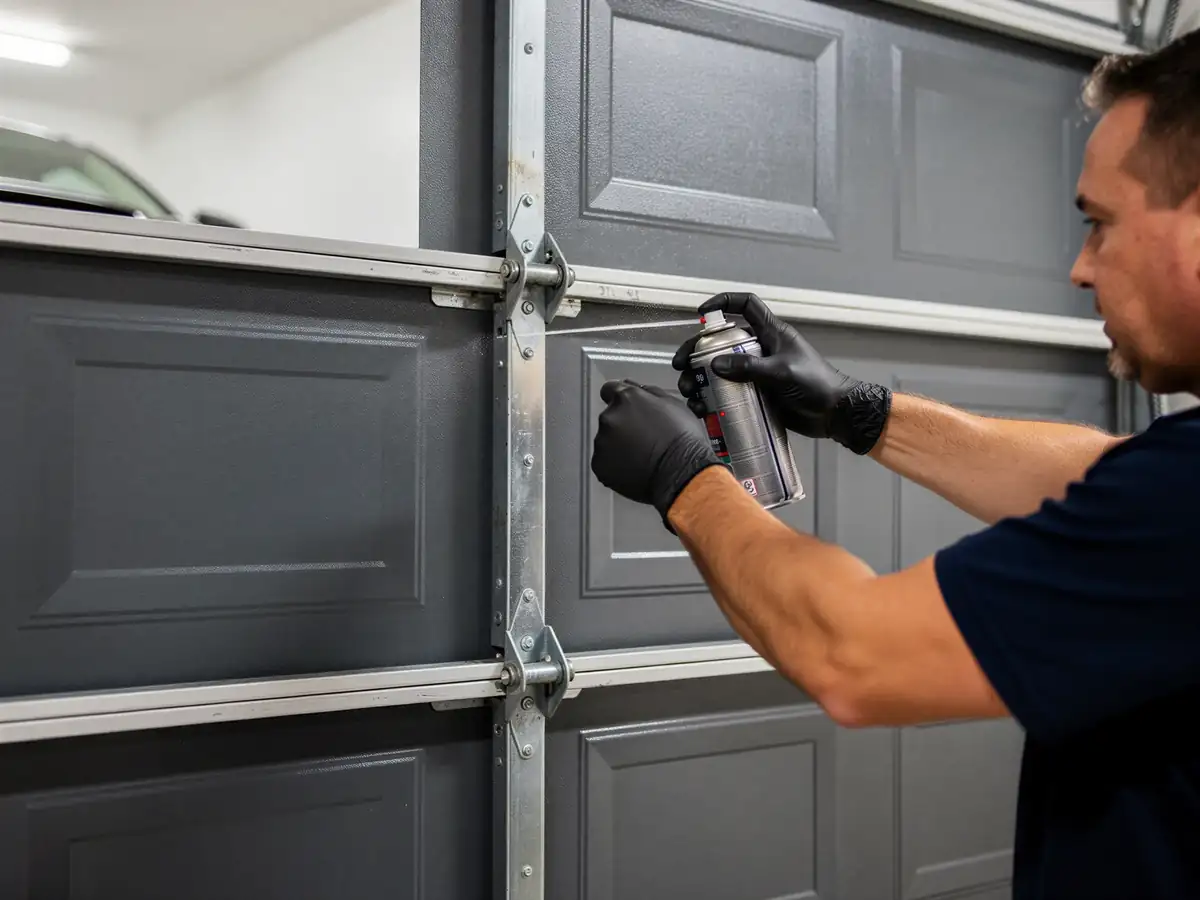
The mistake we see most is treating noise as a lubrication problem first and everything else second. Spraying oil on a squeaking roller buys you a week, sometimes a month, and then the sound comes back louder because the roller itself has worn down, not just dried out. In a lot of the 1980s and 90s-built homes around here, that's exactly the pattern: the original rollers and hinges are original hardware doing thirty-plus years of work, and grease doesn't rebuild a part that's already grooved out. The second mistake is assuming a noisy door is just old and living with it until it fails in a way that's dangerous - usually a spring letting go under tension with the door halfway up. If the sound has changed in character, not just gotten quieter after a spray, that's the signal to actually look at the part making it instead of masking it again.
When to Call Someone
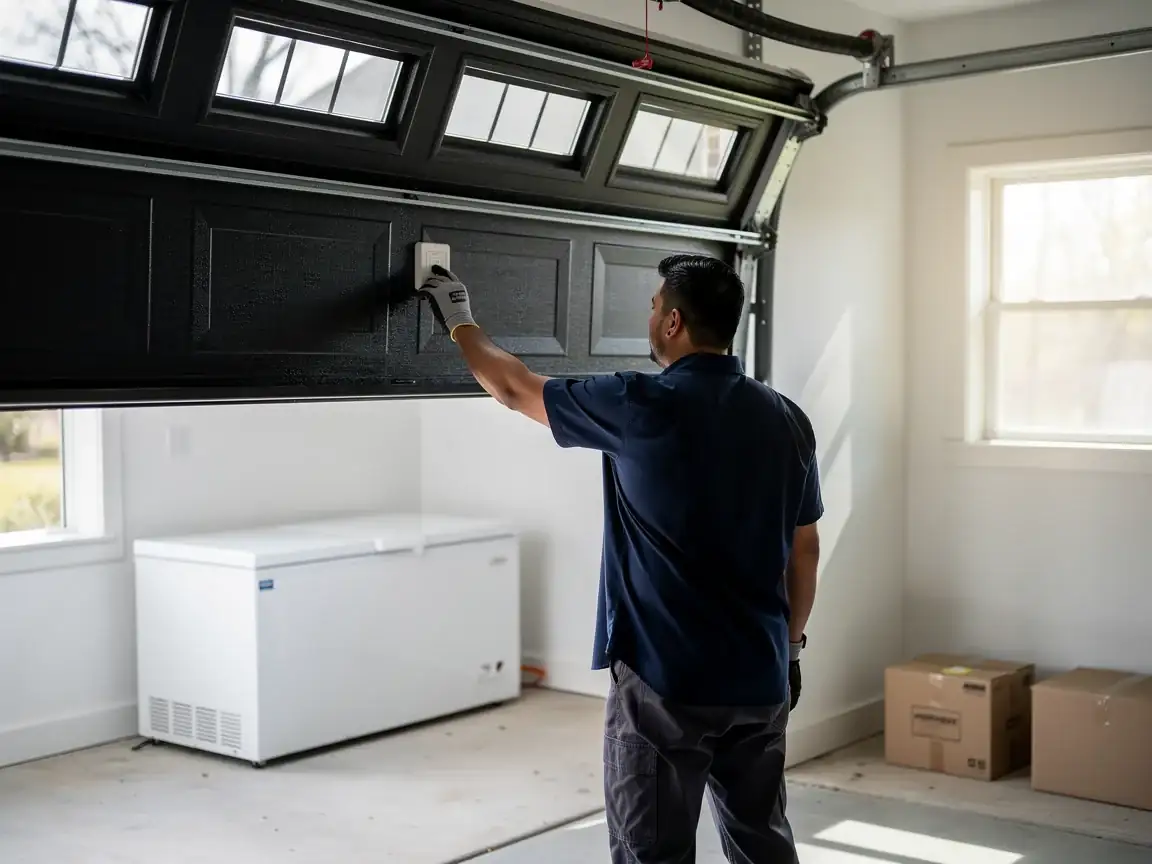
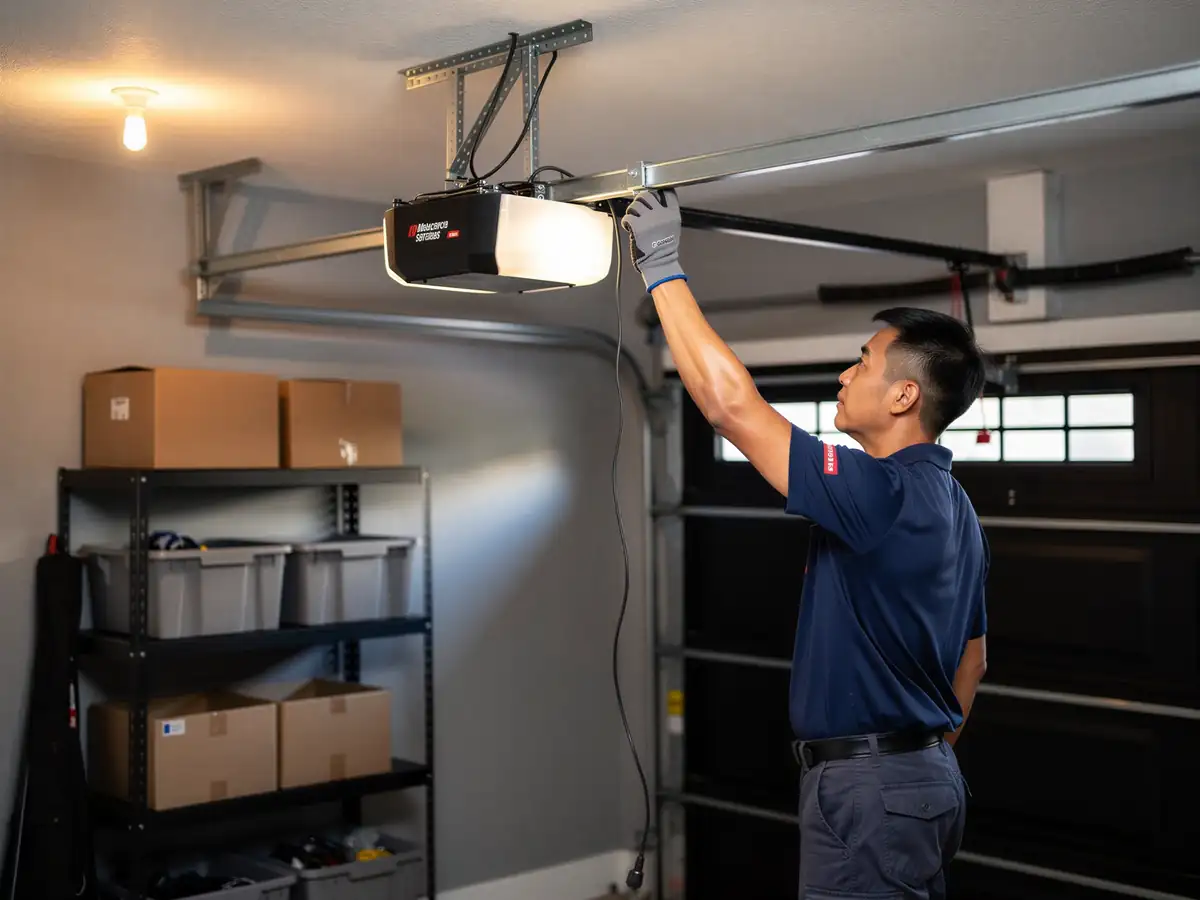
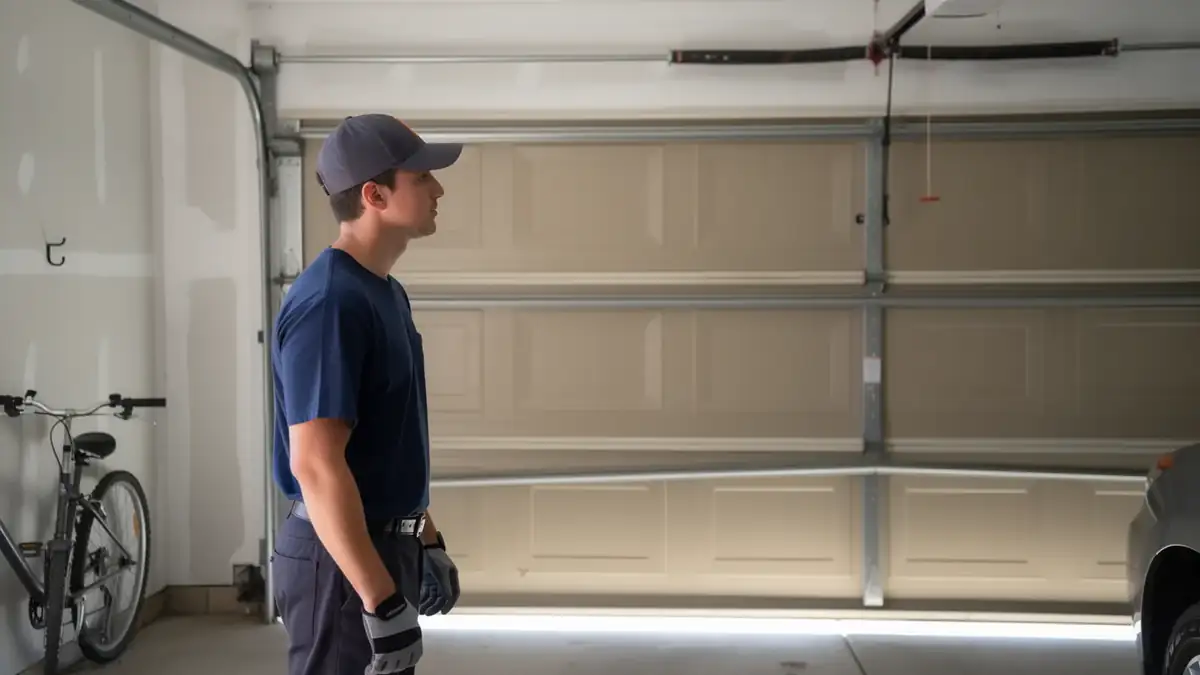
A squeak that goes away with a spray and stays away is nothing to worry about. A grinding noise, a loud bang, a door that jerks instead of sliding smoothly, or a cable that looks frayed - those are calls to make, not sounds to monitor. We'll say plainly that we don't try to repair a spring that's already rusted through at the coil; at that point the metal is compromised and a patch job just moves the failure point, not the failure. On houses from the 1980s and 90s stock common around here, if the opener, springs, and rollers are all original, replacing the set together is usually more honest than repairing them one at a time as each gives out over the next couple of years.