What It Costs
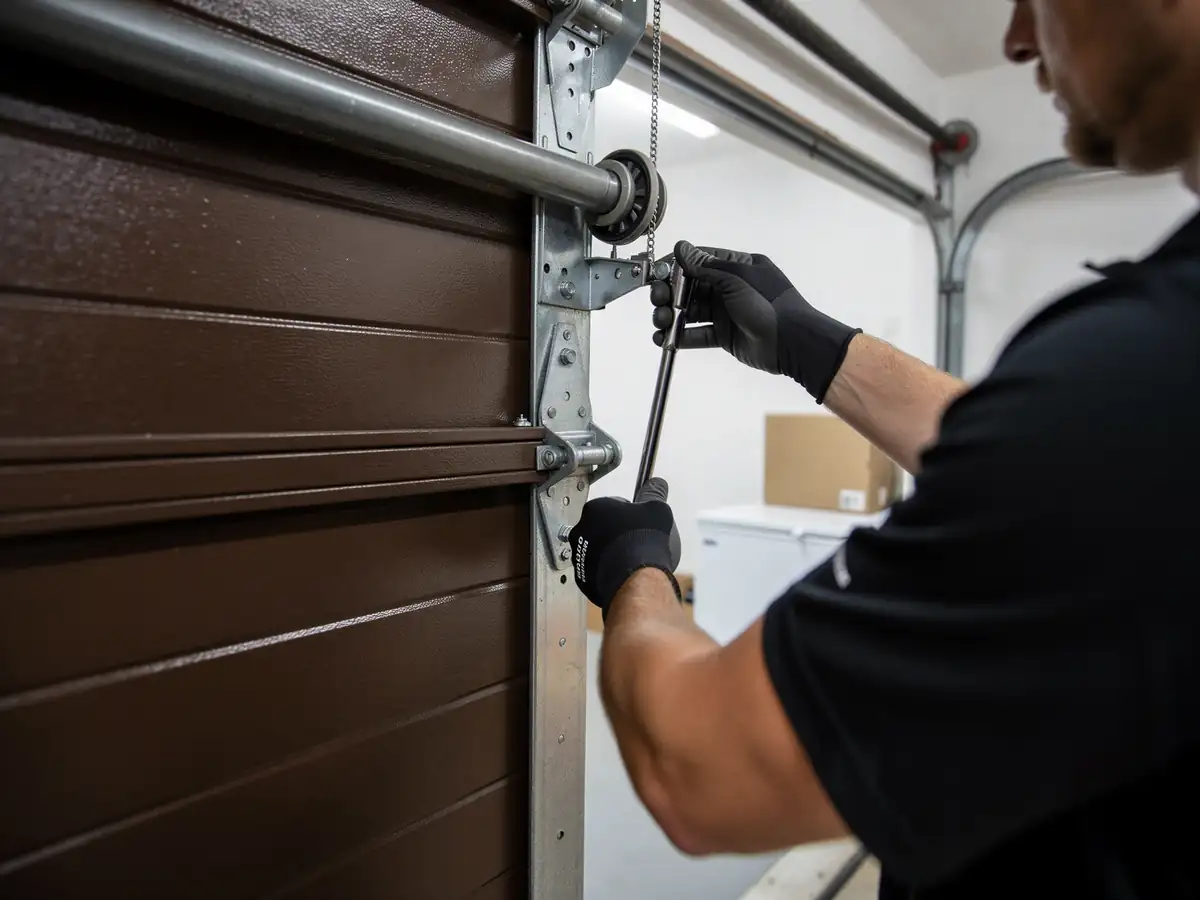
We don't have a published price list for this page, so I won't make one up. What drives the number is simple: whether you're replacing a dead opener on existing hardware or adding features the house never had, like battery backup or a smart-phone app tied to a newer safety sensor standard. Lake Butler's housing mostly dates to the 2004 era, which means most of the openers we pull out here are the original builder-installed chain or belt units - a straightforward swap, not a hardware overhaul. That keeps the job simpler than it would be on an older door with mismatched or retrofitted track. If your bracket or rail needs rework because something was bent or improperly mounted the first time, that adds to it, and we'll tell you before we start, not after.
How Long You Are Without the Door
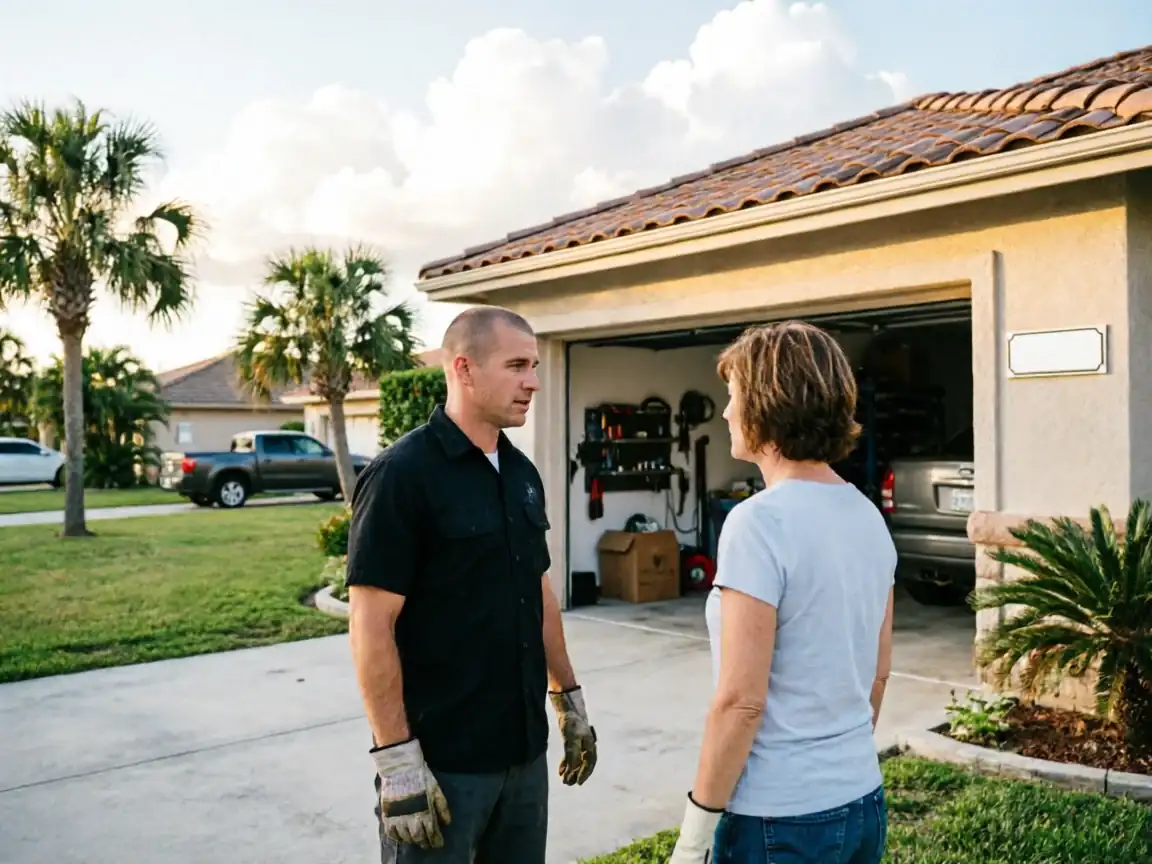
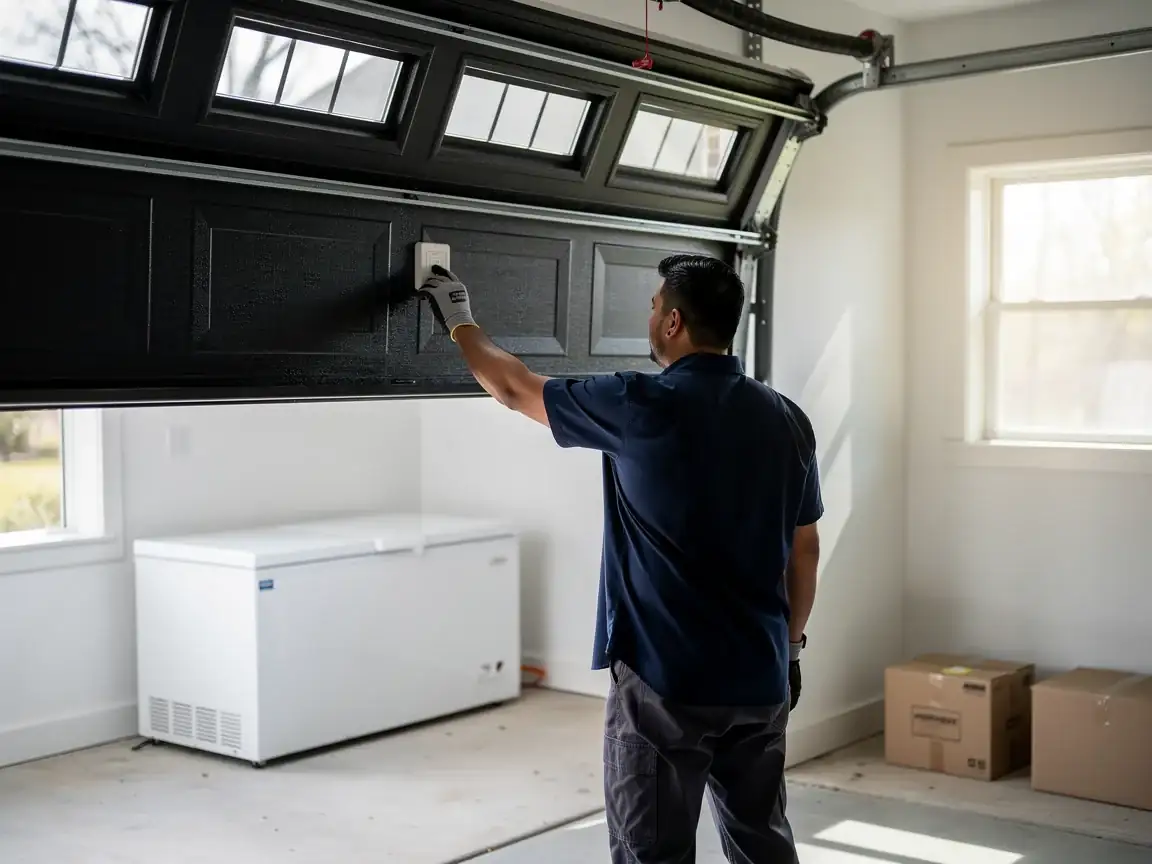
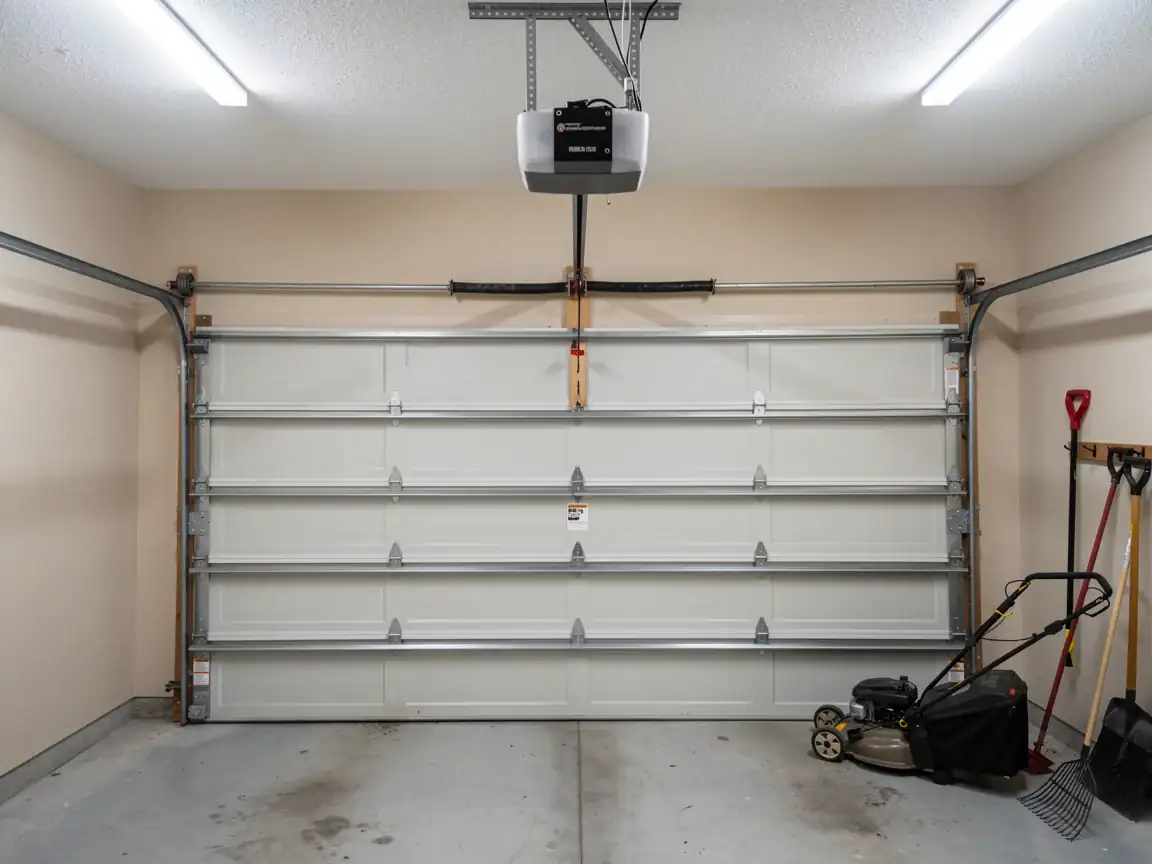
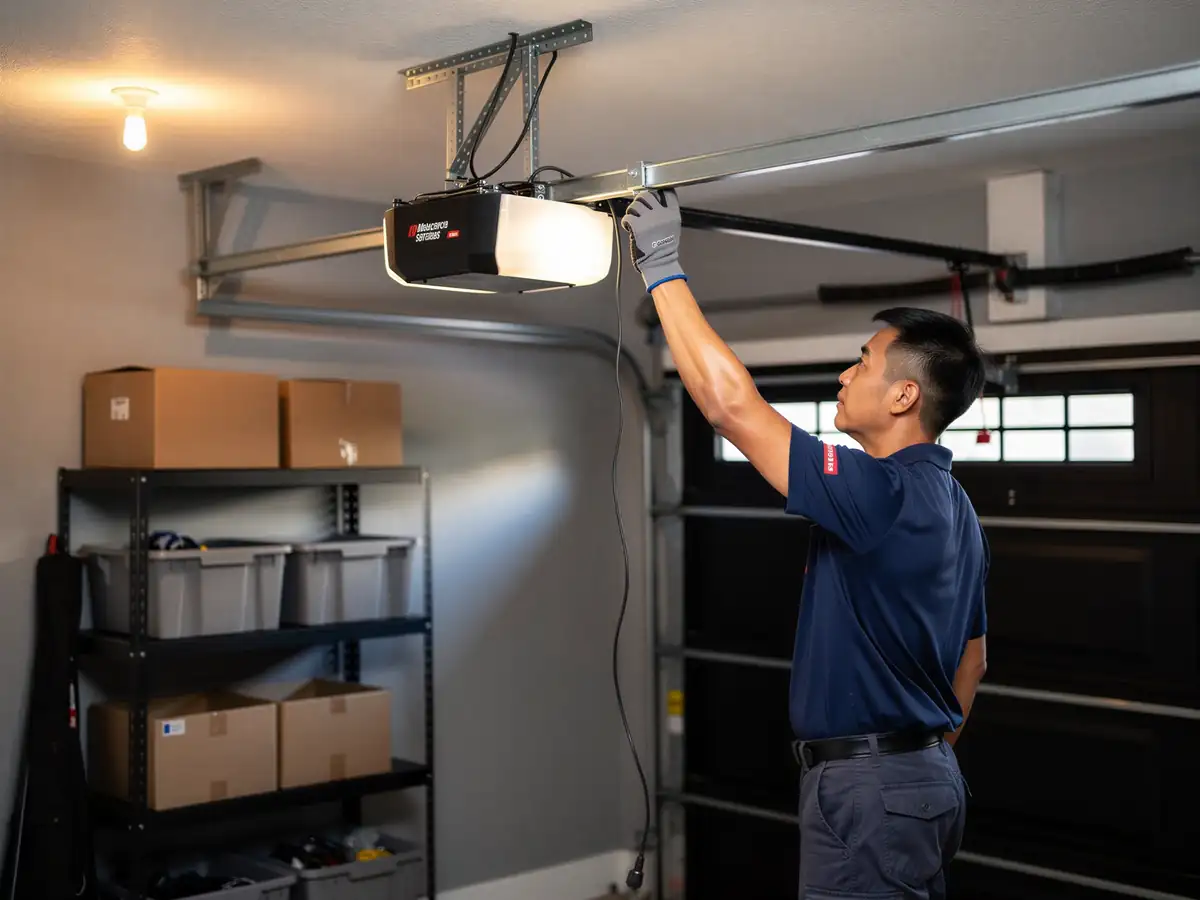
We travel to Lake Butler from Winter Garden, about 5 miles out, so there's drive time built into any visit - we're not a local depot and won't pretend otherwise. Once the truck is there, a standard opener swap on a house built around 2004 is usually a same-visit job, since the rail, header bracket, and wiring are already in place and sized for a standard residential opener. The door itself isn't out of service during install in most cases - we disconnect the old unit, mount the new one, and the door still operates manually while we finish programming and testing.
Stocked Parts
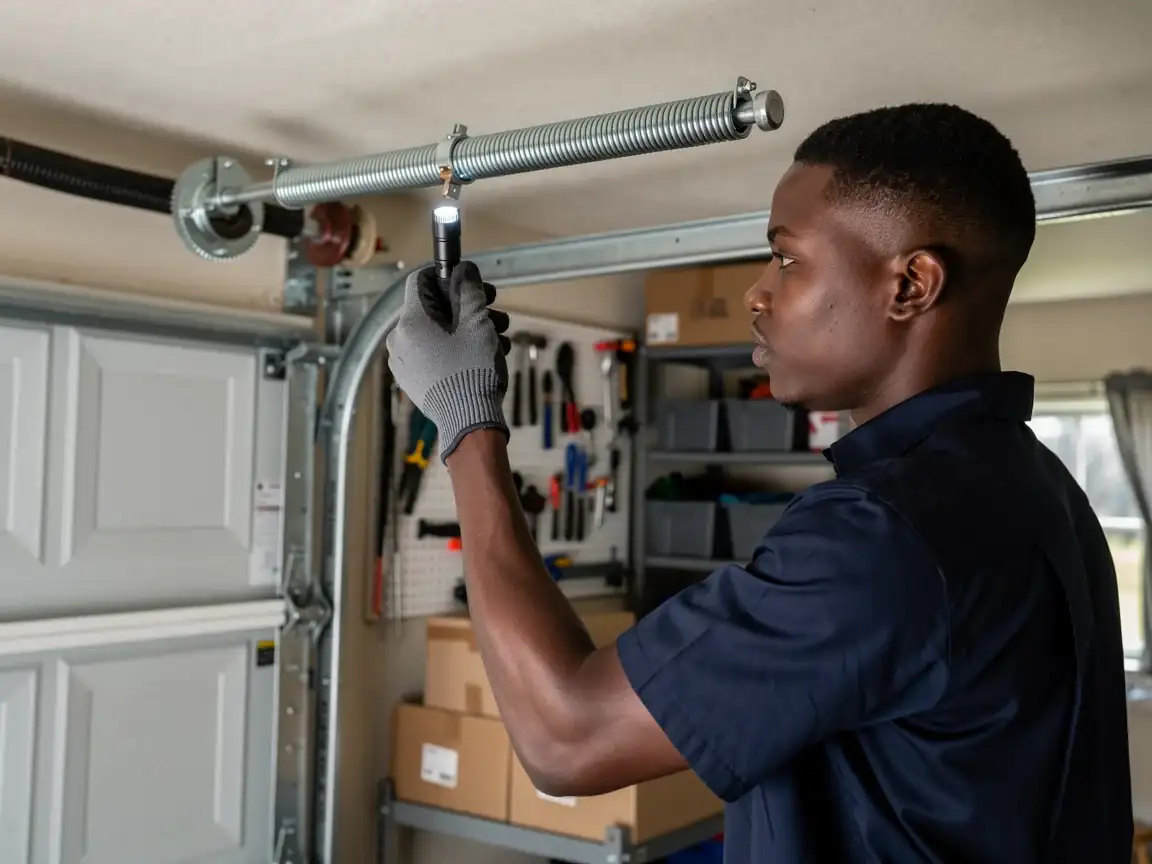
We carry common opener models and the mounting hardware that matches standard residential installs from the 2000s housing wave, which covers the bulk of what Lake Butler needs. What we don't stock is anything built for an older, nonstandard setup - say, a jackshaft opener or a unit designed for a track configuration that predates current residential standards. If your house has something unusual bolted in from a prior owner's upgrade, that part may need to be ordered, and we'll say so rather than quote a same-day fix we can't actually deliver.
What You Are Seeing
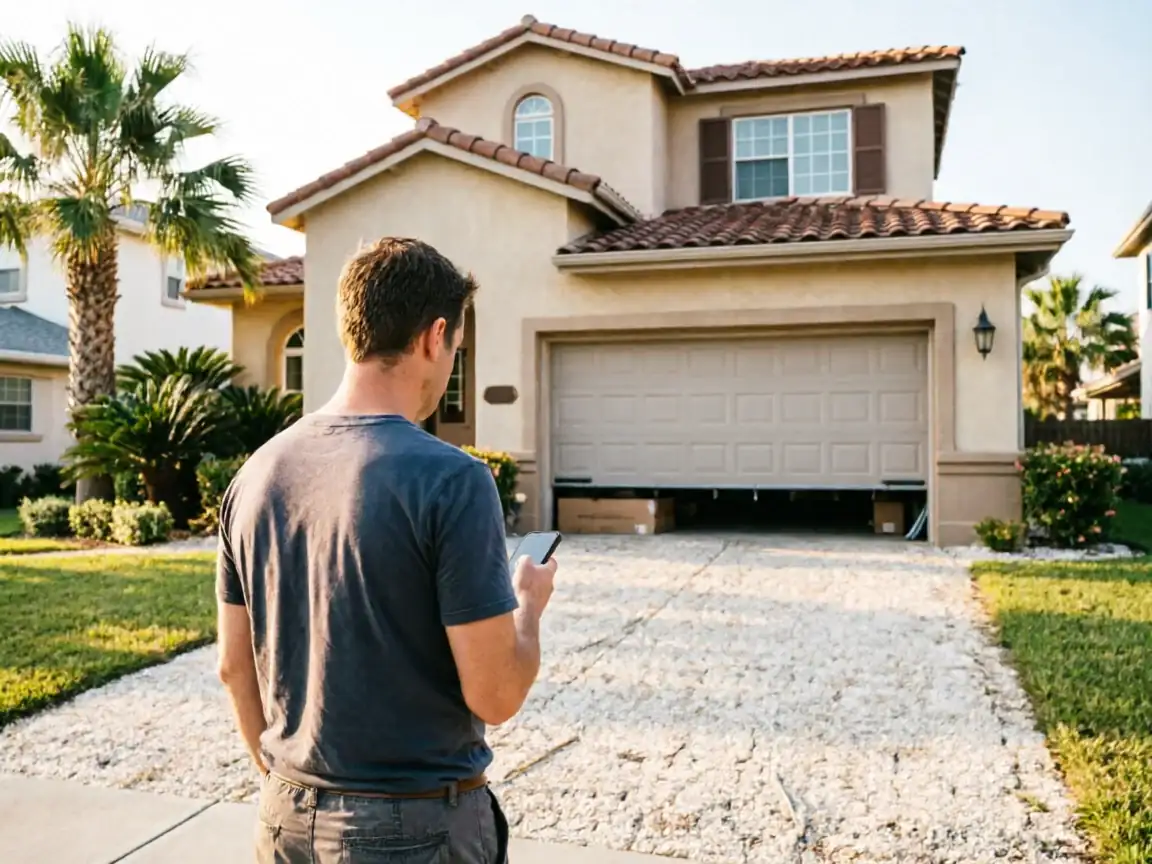
With Lake Butler's housing stock mostly going up after 2004, the opener failures we see aren't the worn-gear, decades-old units you'd find in older parts of the service area - they're builder-grade openers reaching 15 to 20 years of use, which is close to the end of a normal duty cycle for that type of motor. Symptoms run toward the door reversing for no clear reason, the remote losing range, or the unit running but not fully closing. Fewer of these jobs involve rusted or seized hardware than in older housing stock; more of them are simply a motor and logic board that have done their time.