What You Are Seeing
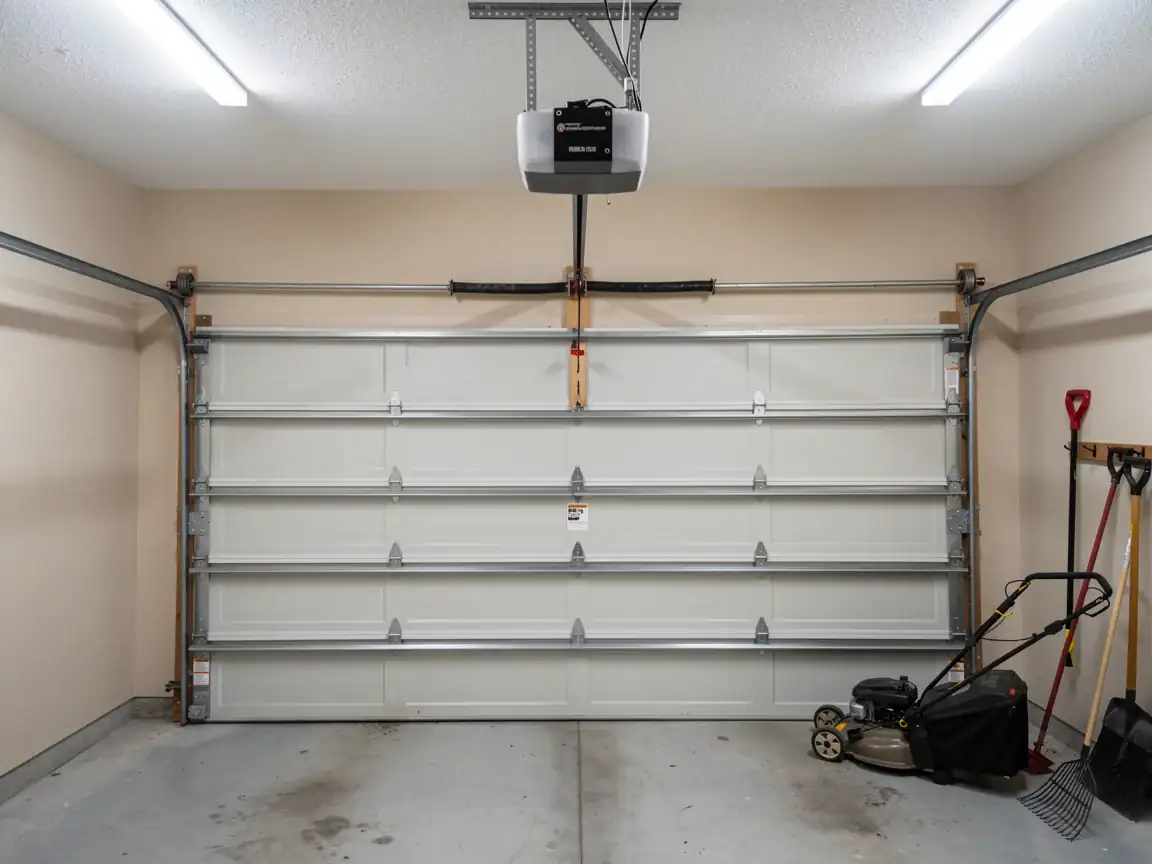
If you're reading this, your opener is probably doing one of a few things: it hums but the door doesn't move, it opens partway and reverses, the remote works some days and not others, or it just quit cold. None of that means you need a new door. It means the motor unit, the logic board, or the drive mechanism that pulls the door along the track has reached the end of its life, or never worked right to begin with.
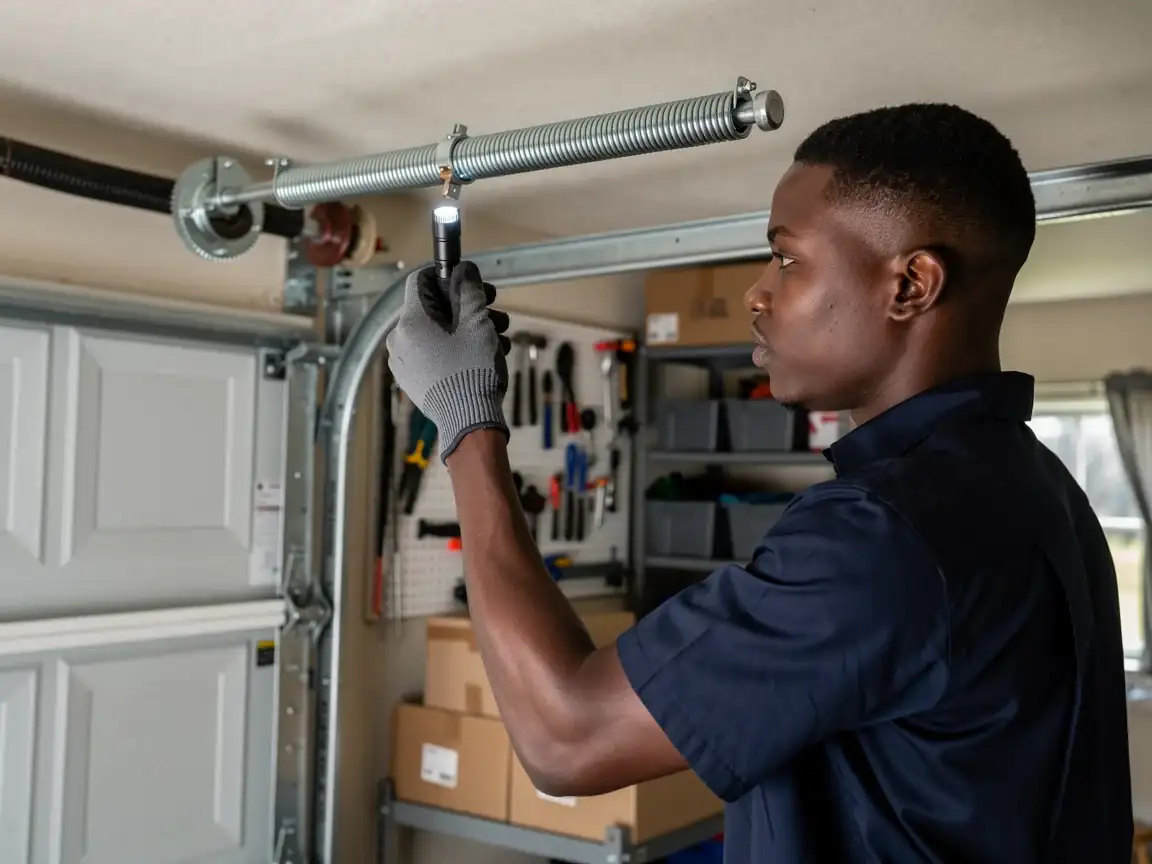
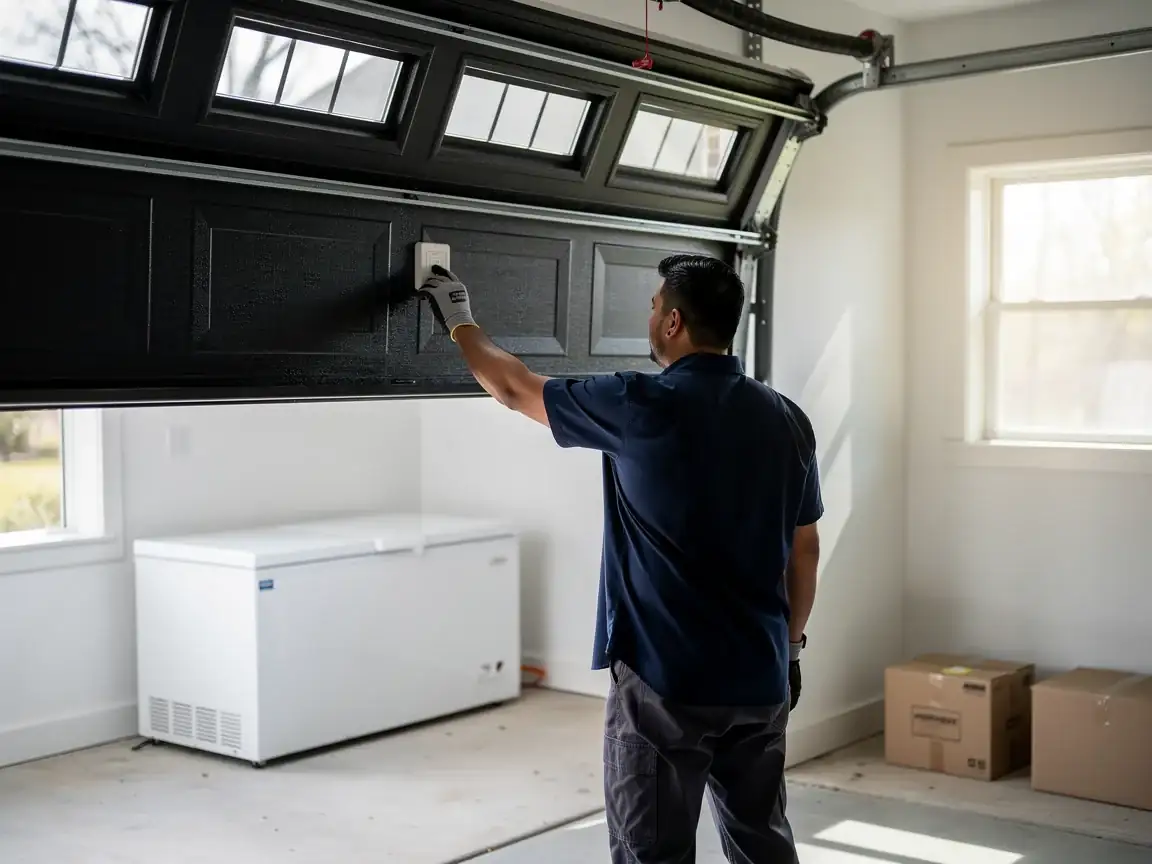
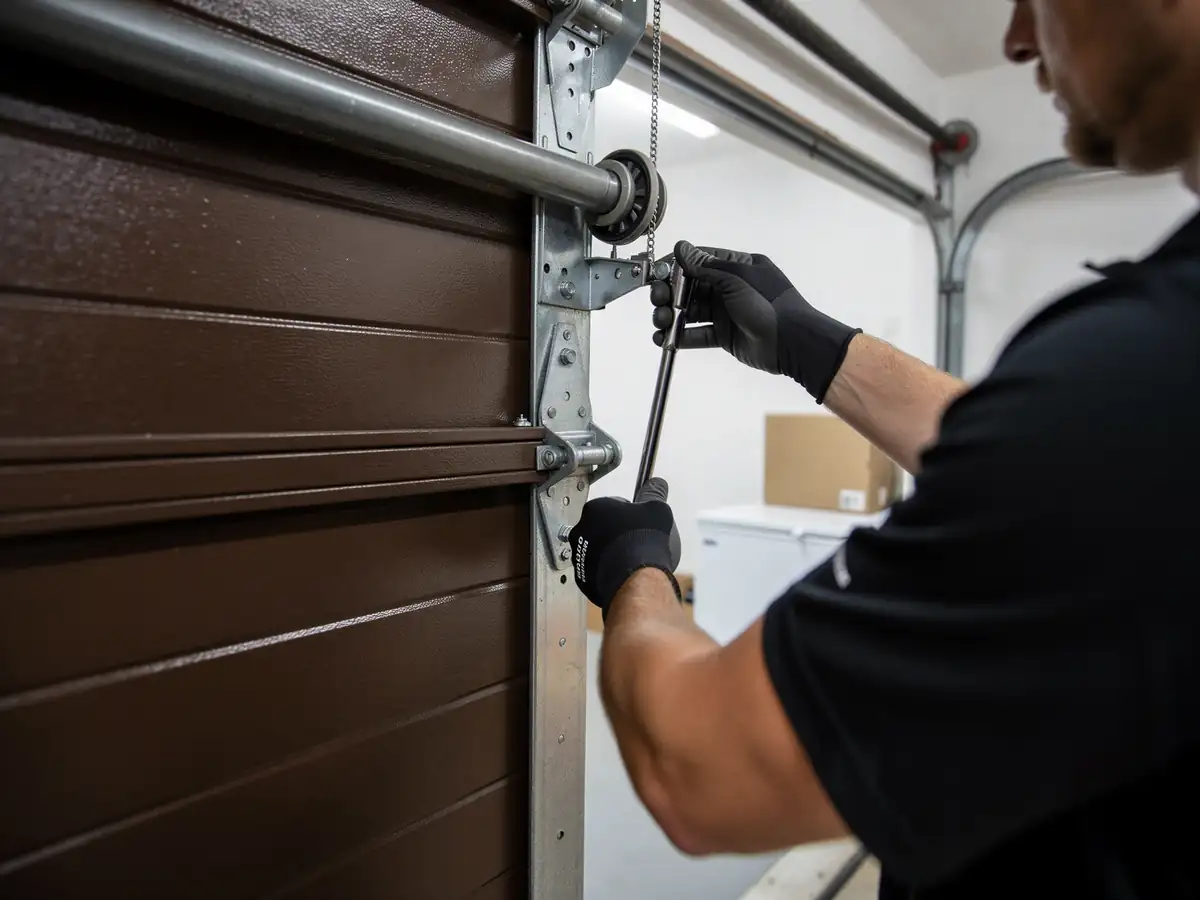
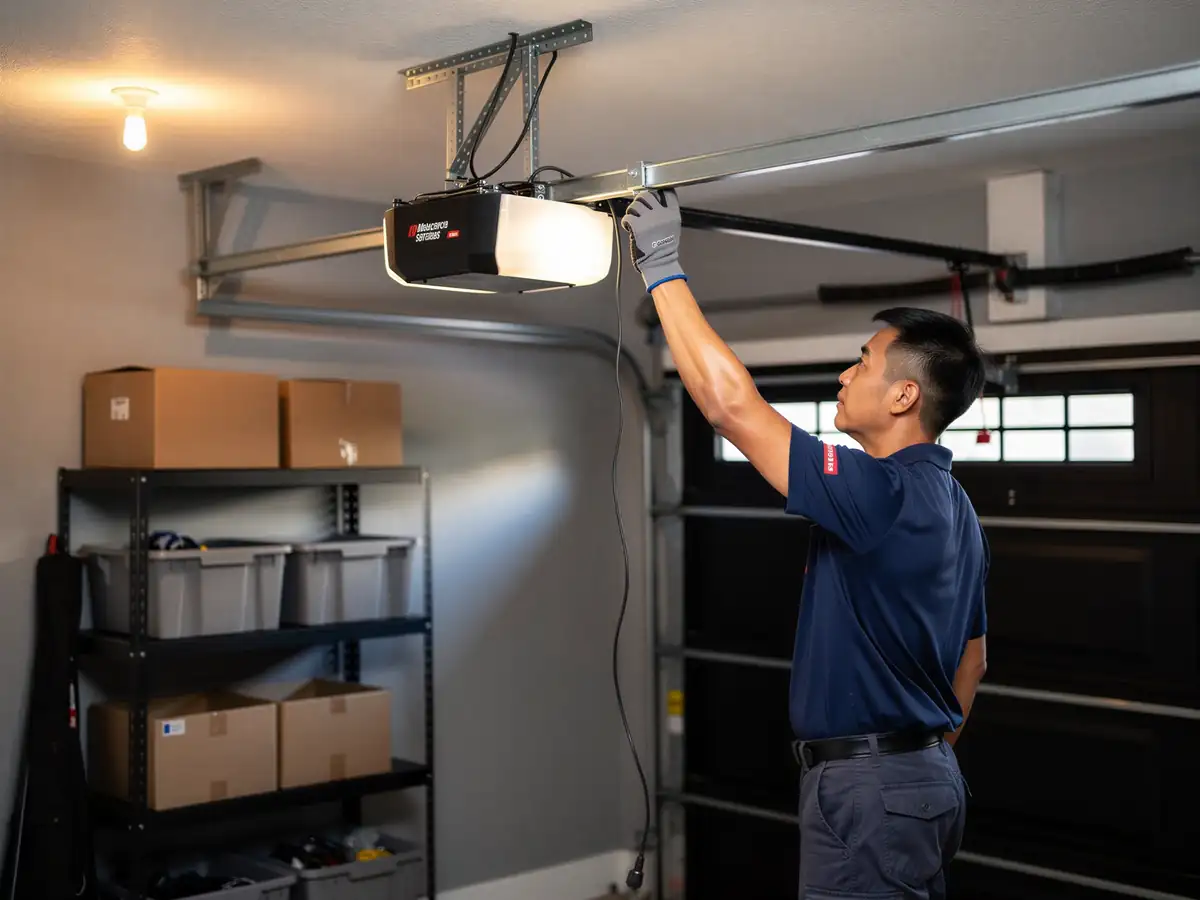
Opener installation covers two different jobs that get lumped together. One is a straight swap: old unit comes down, new one goes up on the same track, same door, same bracket points. The other is a retrofit, where the existing bracket, header, or wiring doesn't match what the new opener needs, which is common on houses built well before today's opener hardware became standard.
Across the area we work - Winter Garden out through Oakland, Windermere, Ocoee, Gotha, and the rest of the 47 named communities in this service footprint - we see both jobs about equally. Which one you've got usually isn't obvious until someone's standing on a ladder looking at your header bracket.
What It Costs
We're not going to put a number on this page, because the honest answer depends on three things: the opener type (chain, belt, or direct drive), whether your existing bracket and wiring carry over, and whether the door itself needs any track or hardware work at the same time. A straight swap on compatible hardware is a different job than a retrofit on a header that was never built for a modern opener.
What we can tell you is what drives the cost up or down. Belt-drive units generally cost more than chain-drive but run quieter, which matters more in houses with a bedroom over the garage than in ones without. Battery backup and smart-phone connectivity add to the unit price but not much to labor. And if your existing rail, bracket, or safety sensors are out of spec, replacing those with the opener - rather than coming back for a second call - saves you a trip charge.
Get an exact number by having someone look at the actual door and bracket in your garage. Anyone quoting you a firm price sight-unseen is guessing.
Why It Happens Here
This service area is mostly 1980s and '90s construction
With the broader housing stock running 1964 to 2021 and a median build year of 1987. That matters for openers specifically: a house built in the late '80s or early '90s likely has its original opener bracket and header setup, sized for the chain-drive units that were standard then. Thirty-plus years of belt stretch, motor wear, and circuit board failure later, that original unit is well past where repair makes sense, and the retrofit question - does the old bracket work with a new unit - comes up constantly.
Climate plays a smaller but real role
This is a mild temperate zone, so we're not dealing with the freeze-thaw cycling that kills openers up north. What we do see is steady heat and humidity, which is harder on circuit boards and on the sealed bearings in belt-drive units than most homeowners expect. An opener that sits in a garage running 90-plus degrees for months at a stretch ages differently than one in a cooler climate, even with identical use.
Across the 47 communities in this footprint
From Oakland and Windermere in close to Groveland and Tangerine further out, the build era is consistent enough that this pattern holds pretty evenly.
- 47 communities
What Can Go Wrong
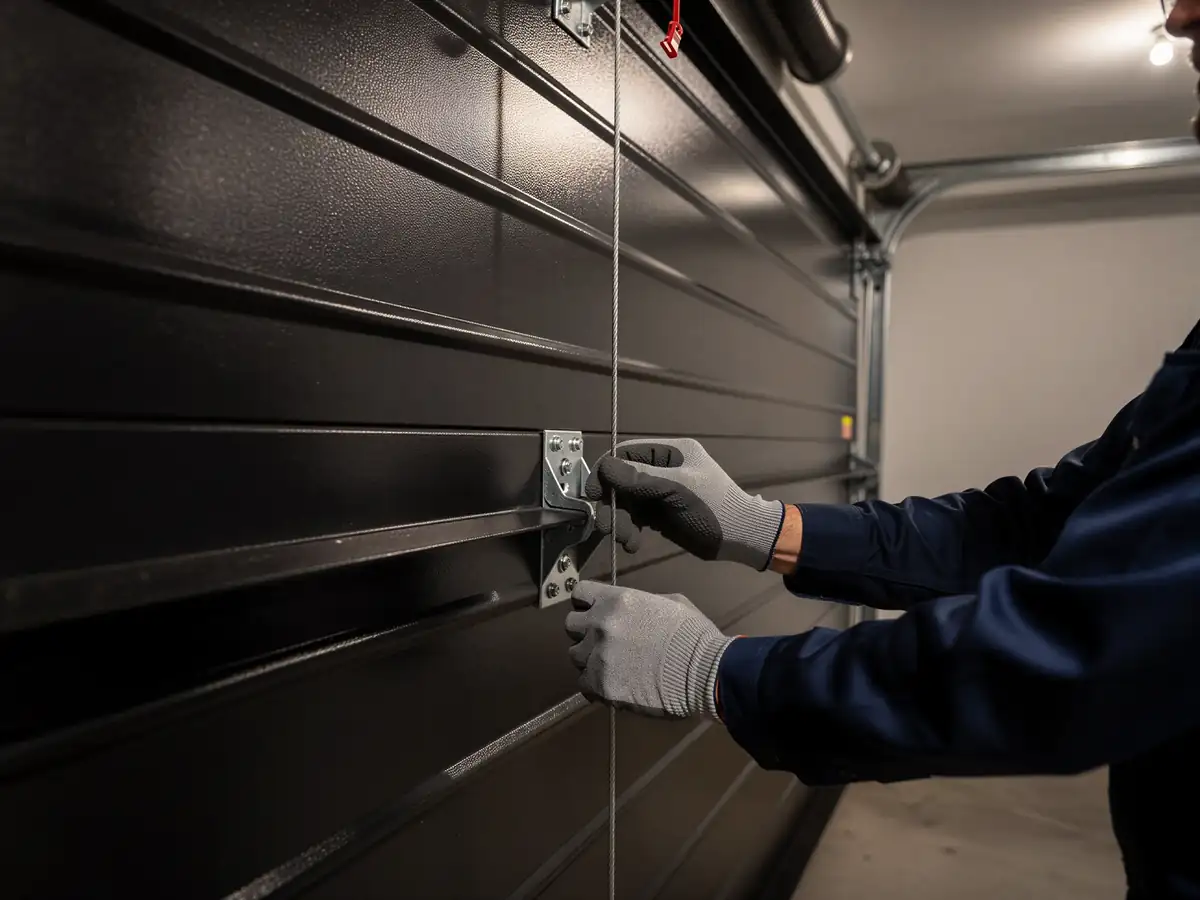
The most common mistake we see isn't a bad opener - it's a mismatched install. Putting a heavier-duty opener on a header or bracket that wasn't rated for it, or skipping the safety sensor alignment because the old sensors 'still worked,' causes problems that show up months later, not on day one.
Second: wiring. Houses from the 1964-2021 build range in this area have wiring runs that vary a lot by decade, and a new opener's low-voltage wiring doesn't always match what's already run to the garage. Splicing into old wiring without checking gauge and condition is a shortcut that causes intermittent failures - the kind where the opener works fine for a week, then doesn't.
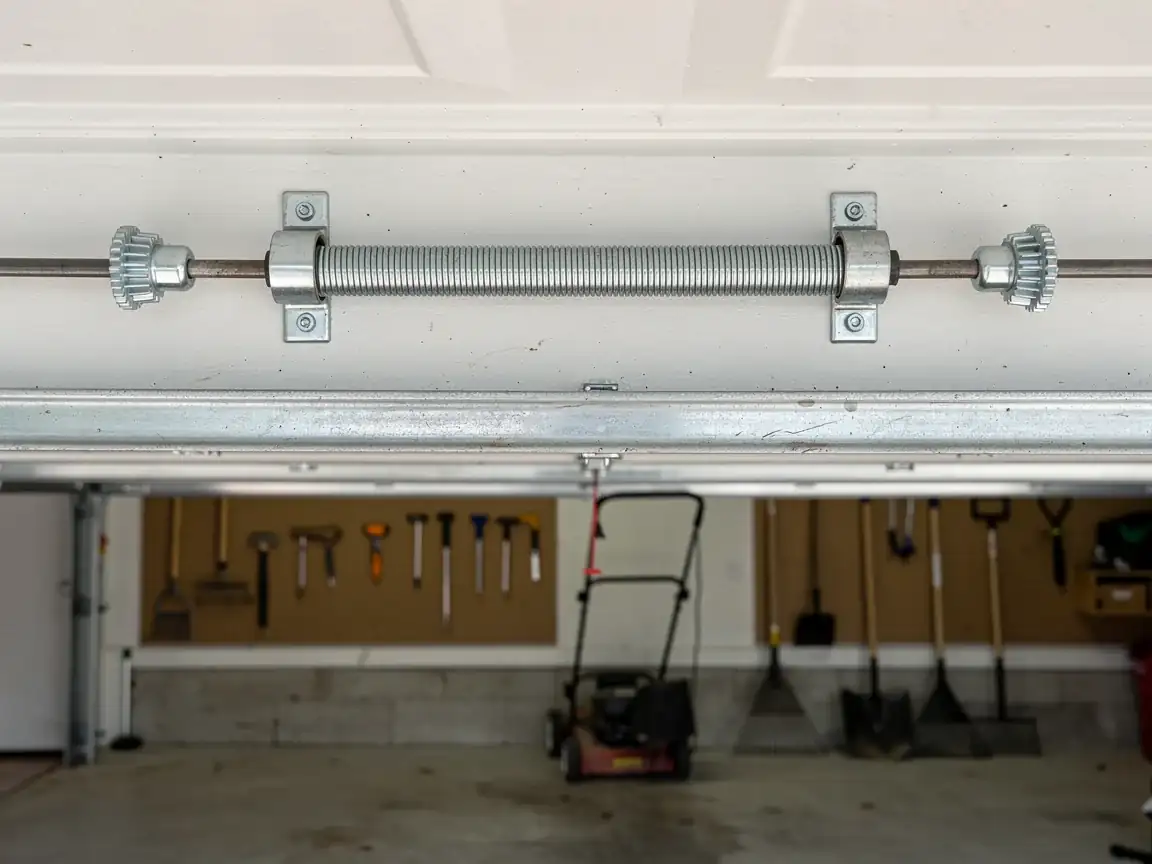
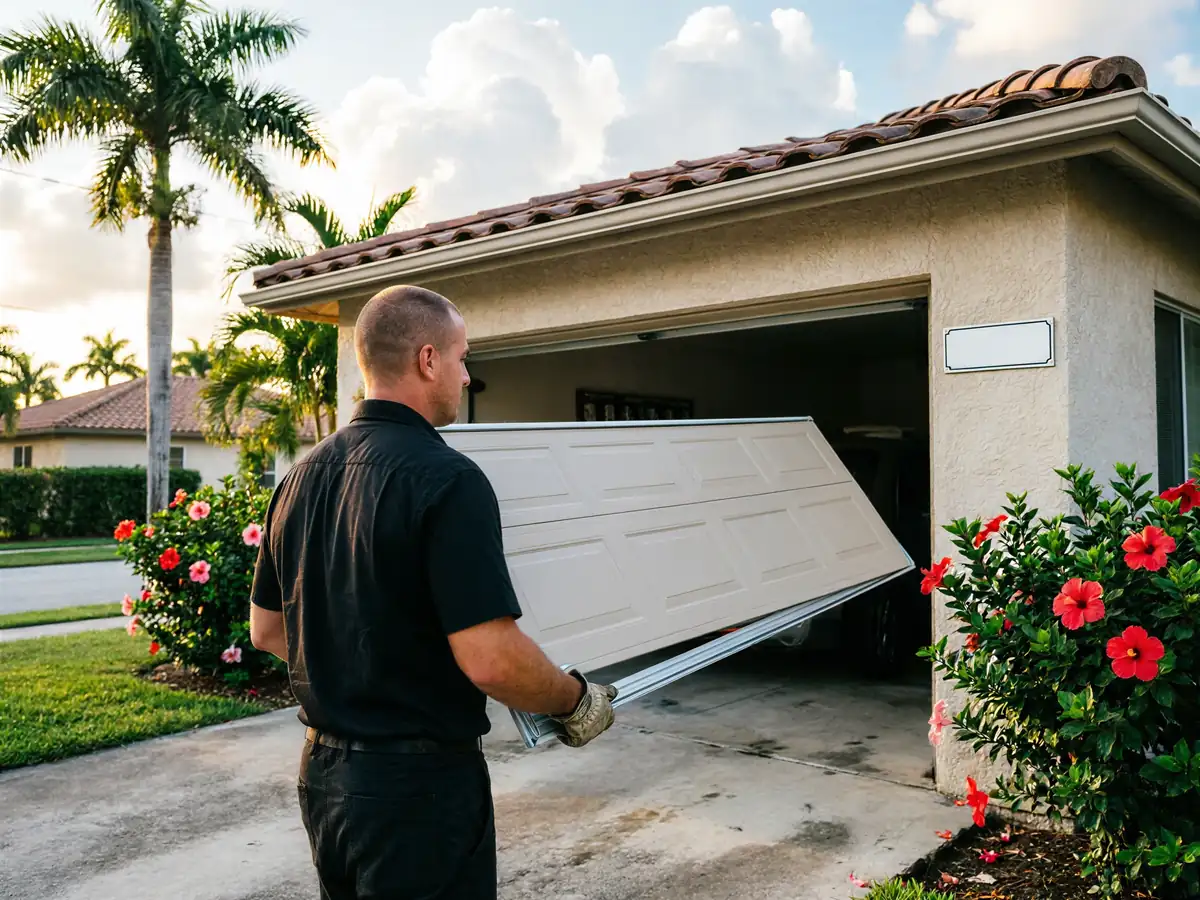
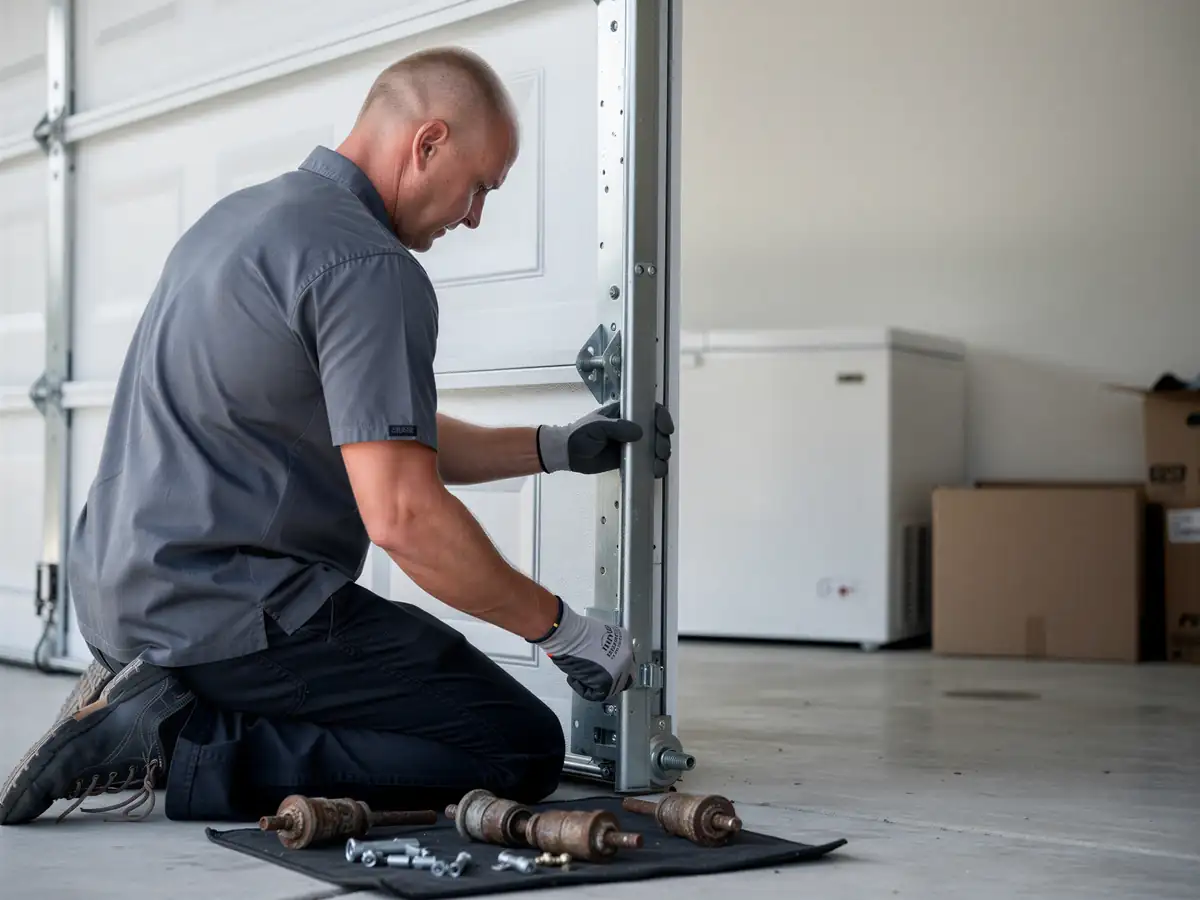
Third, and this is the honest limitation: if your door itself is out of balance - springs worn, track bent, panels sagging - a new opener will not fix that, and installing one before that's addressed just means the new motor works twice as hard and fails early. We'll tell you if that's the case rather than install an opener that's fighting a bad door from day one. Sometimes the right first call is about the door, not the opener.