Why It Happens Here
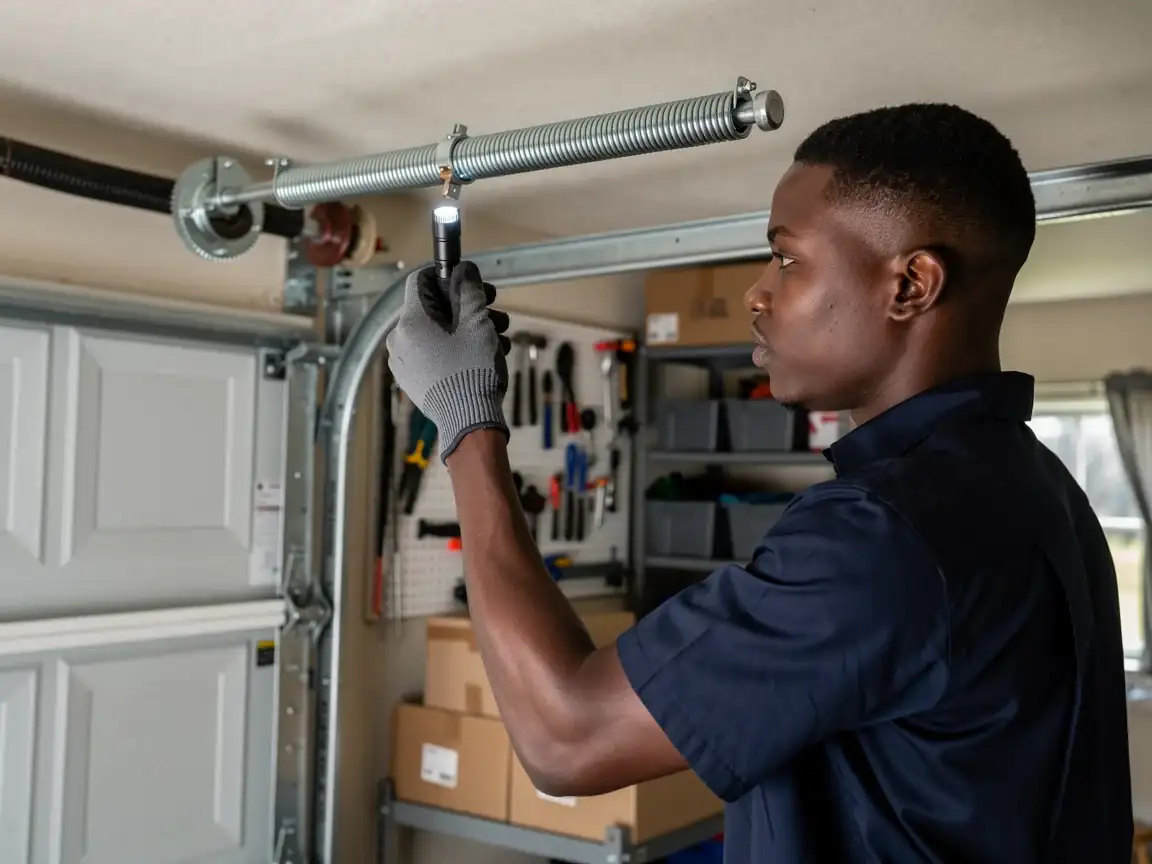
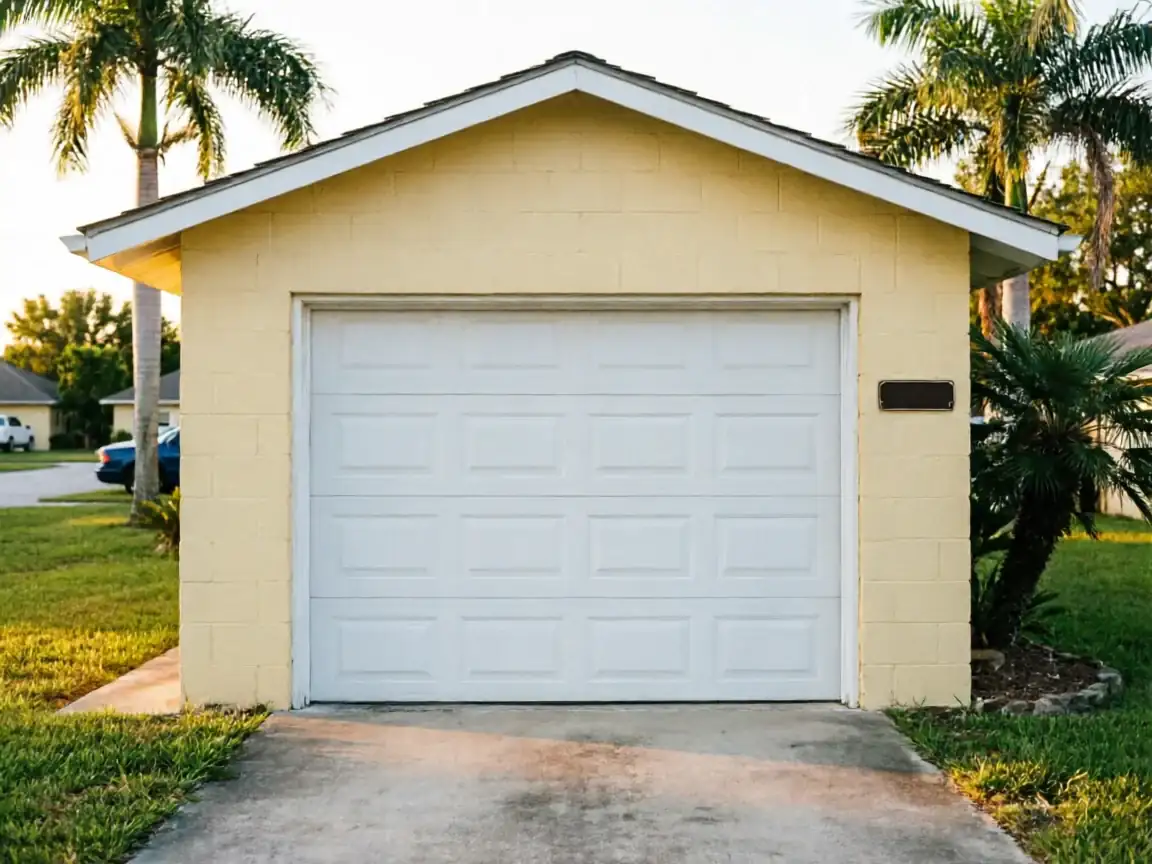
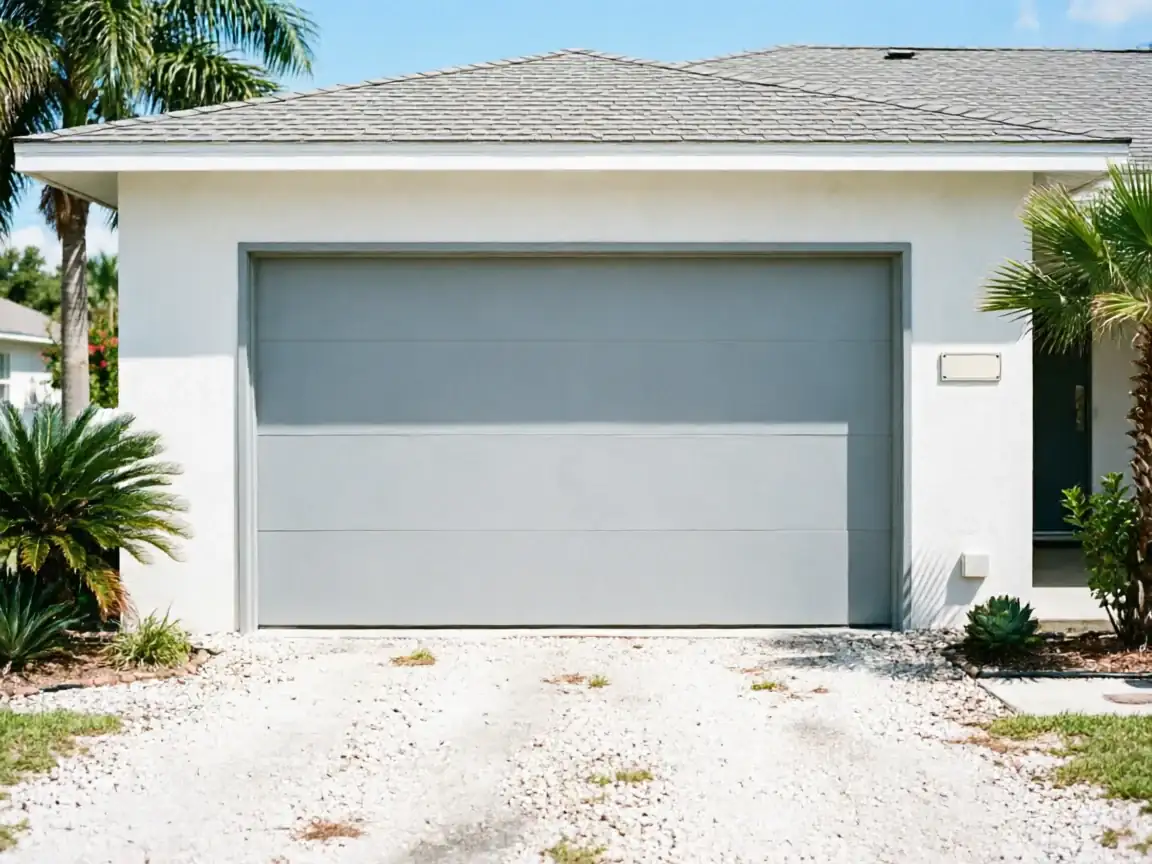
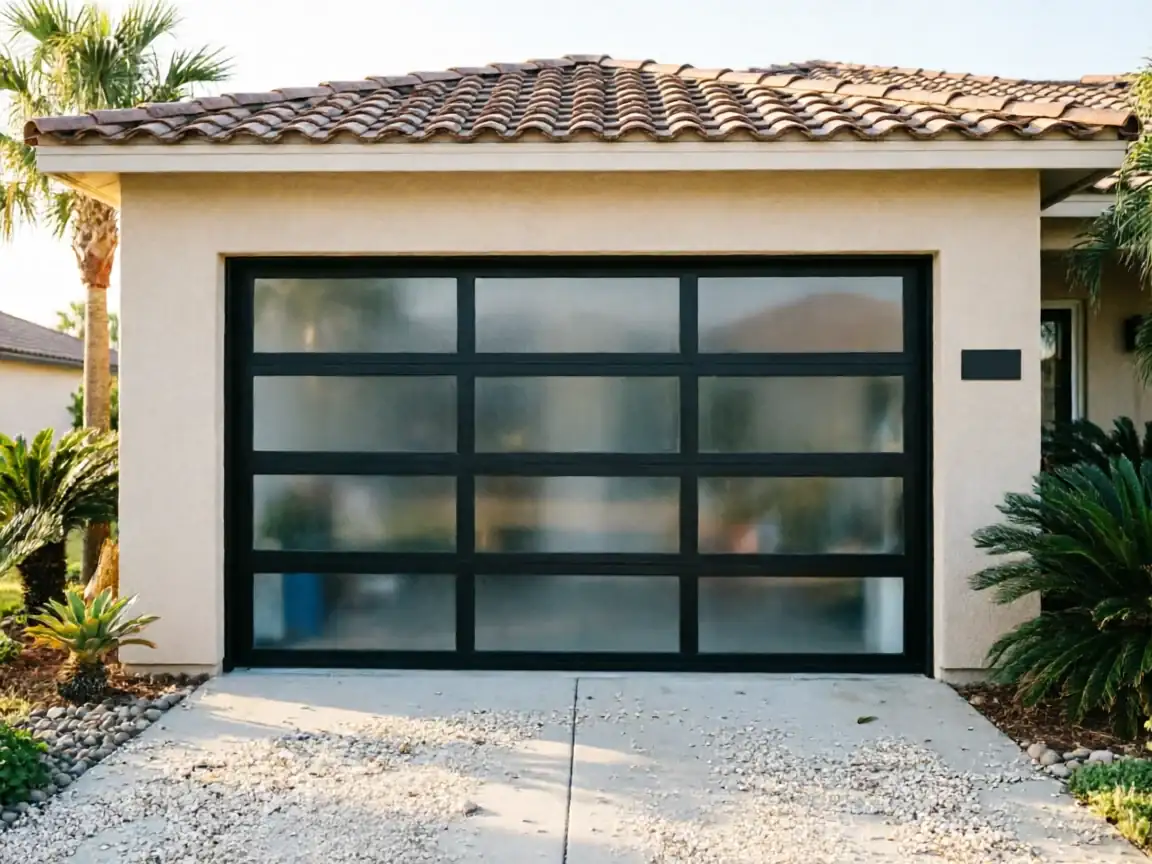
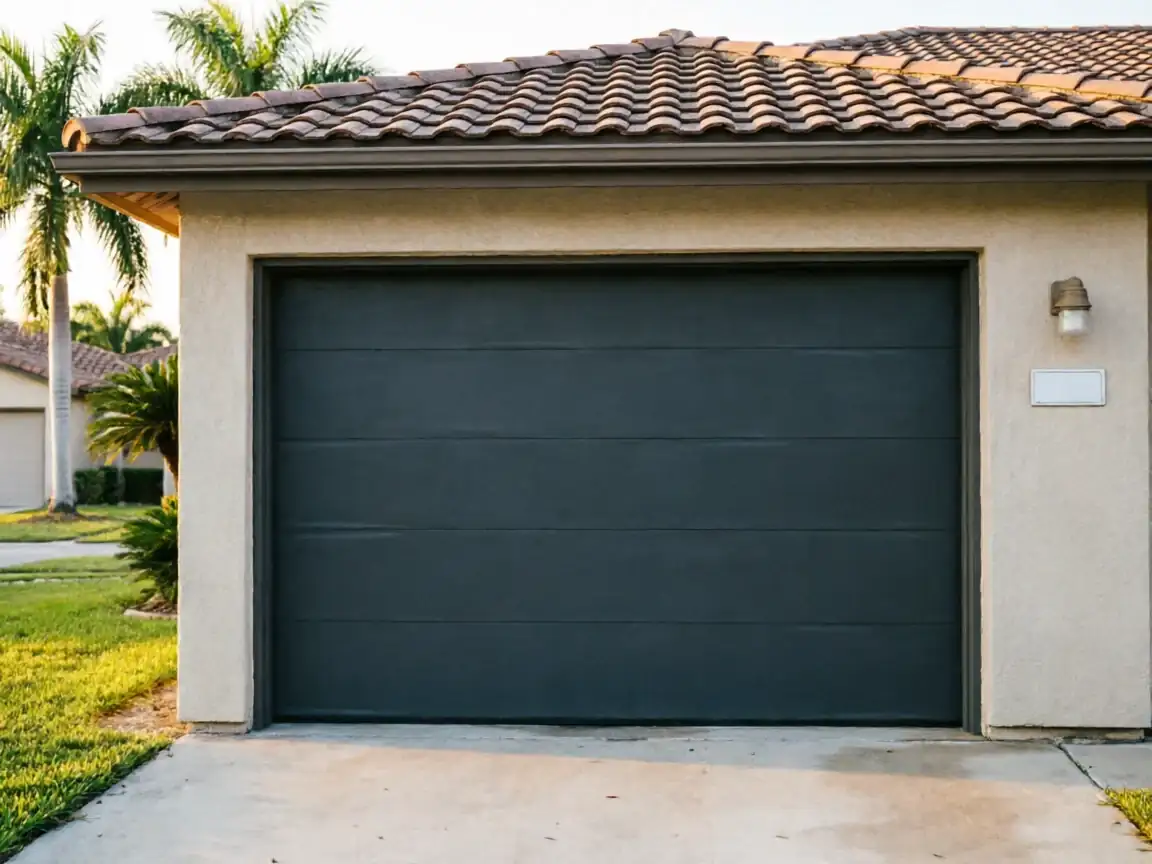
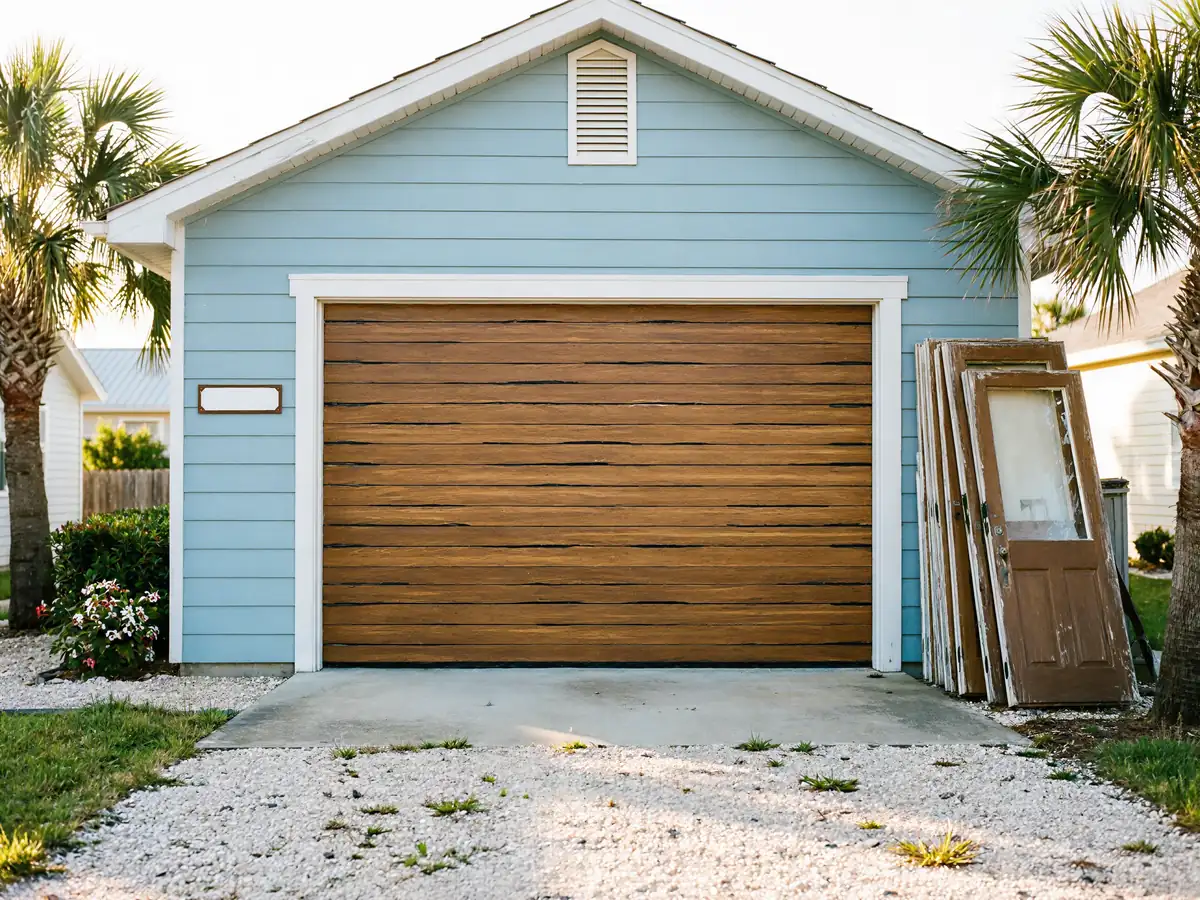
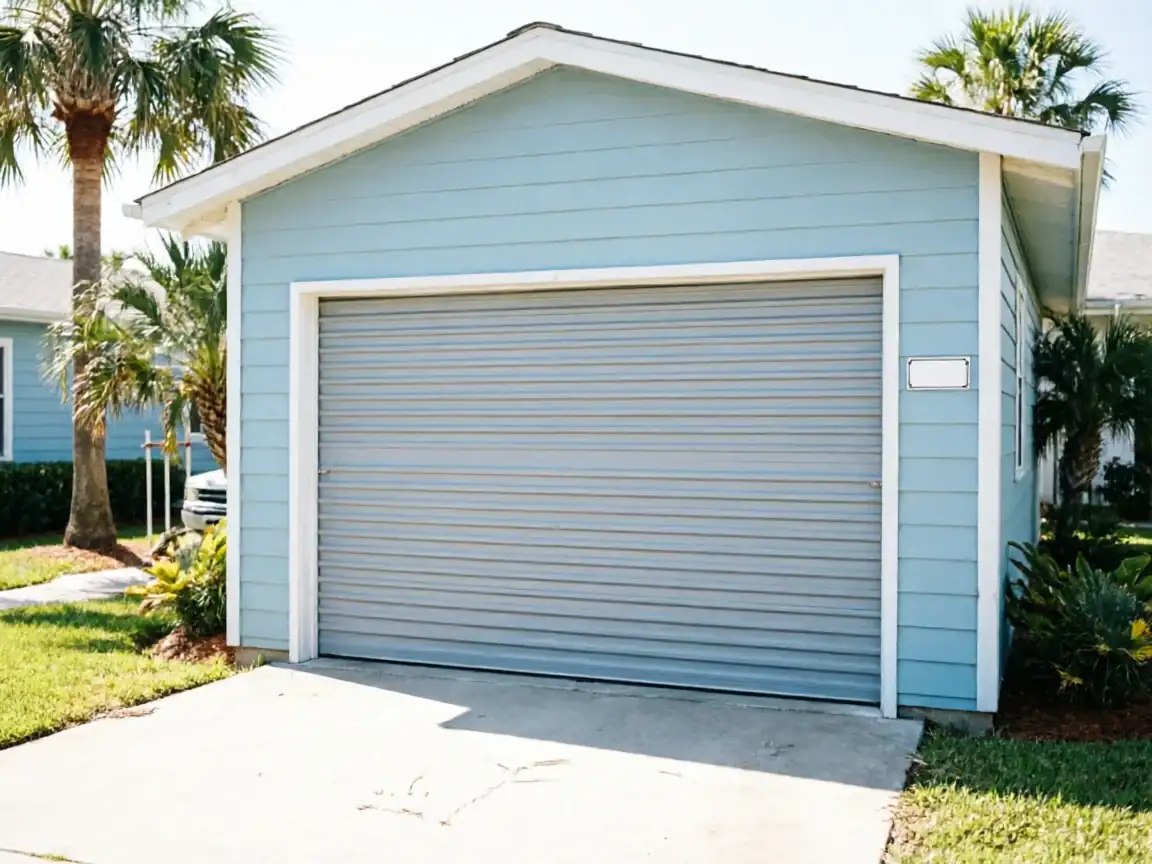
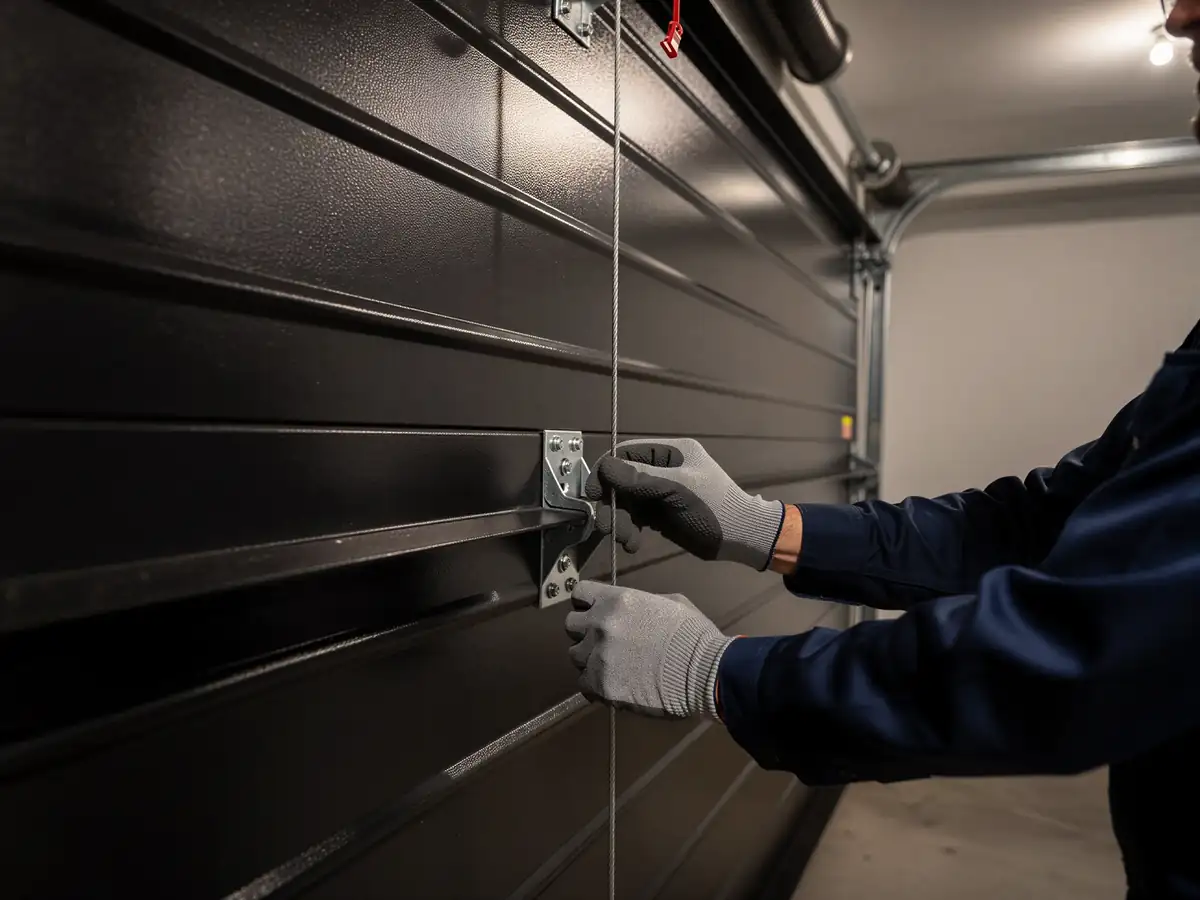
Windermere's housing stock centers on 1988, right in the middle of the broader 1964-2021 build window for this area, and that year matters for what's hanging over your car. A house built in 1988 almost always got a steel sectional door, and in a market where the median household income runs $156,042, a lot of those doors are the wider 16-foot double-bay style rather than the narrow single-car doors you'd find in an older, tighter neighborhood. Wider doors carry more weight, which means the lift cables doing the work at each bottom corner run under more constant tension than on a smaller door.
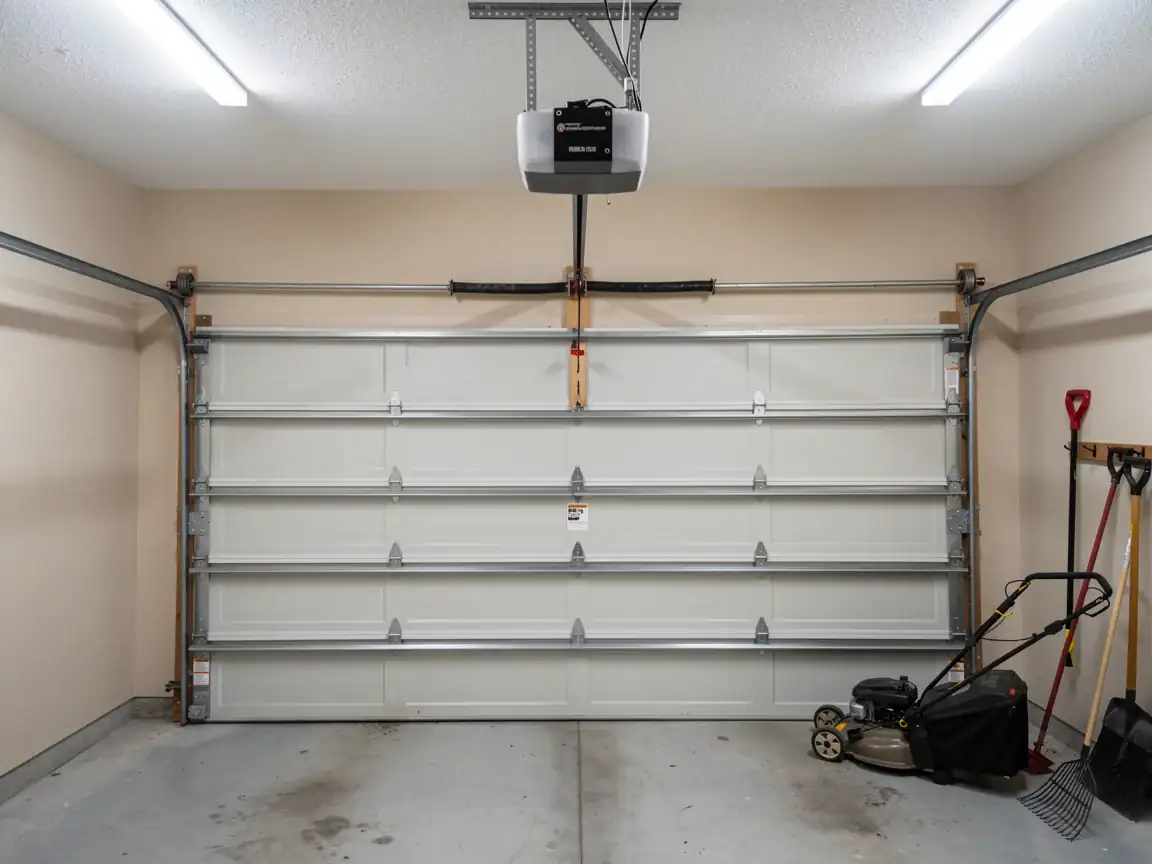
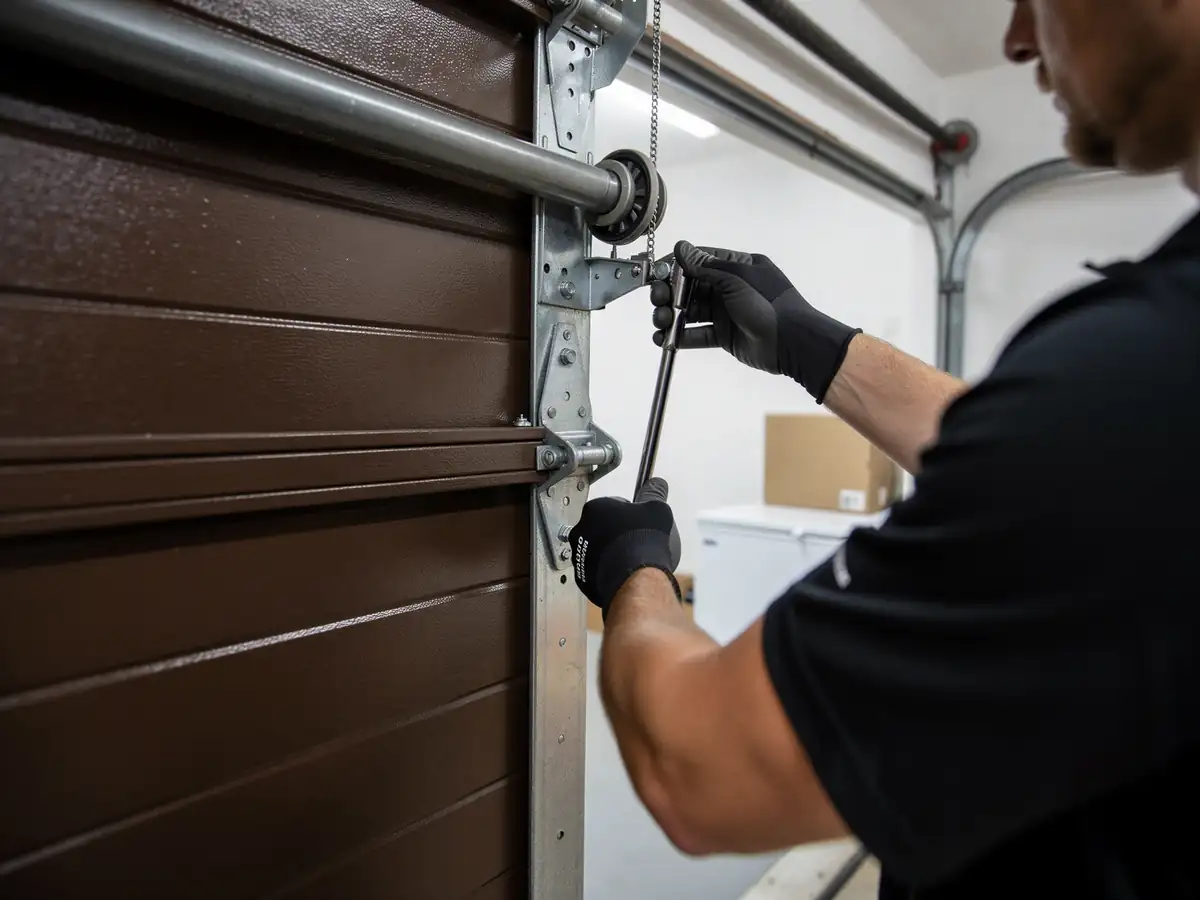
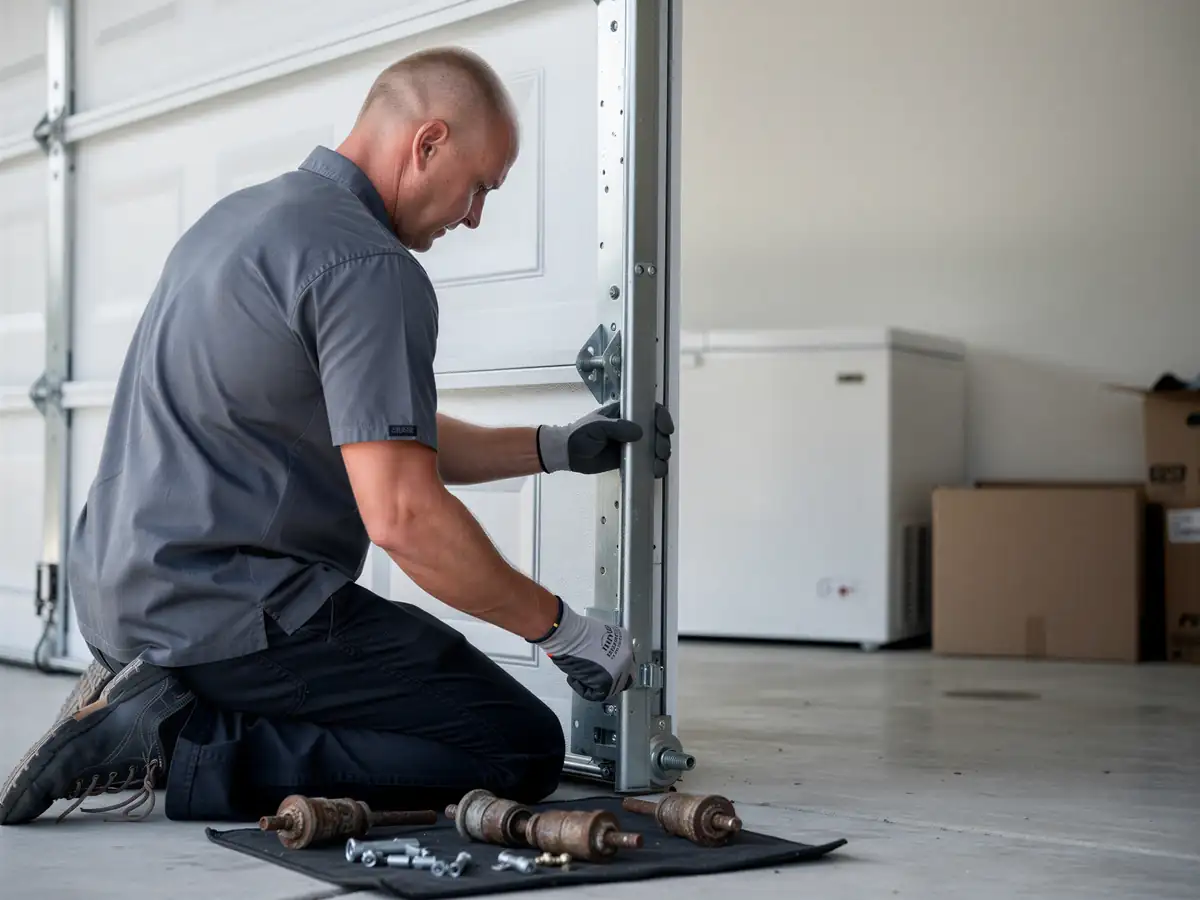
The mild temperate climate here isn't the harsh freeze-thaw cycle that chews through cable sheathing in colder states, so you won't see the ice-cracking failures some regions deal with. What you do see after three-plus decades is fatigue: strand-by-strand wear at the drum where the cable winds and unwinds thousands of times, or a frayed section where it rides the bottom bracket. On a heavier double door, that wear shows up as a sudden snap rather than a slow give, usually when the door is partway up or down.
We haven't pulled permit records for every house in Windermere, so we can't tell you your door's exact age - but the 1988 median is a strong starting point for guessing what's original equipment versus what's already been swapped out.
What It Costs
We don't have a flat number to quote you here, and we'd rather tell you that than make one up. Cable repair cost depends on whether one cable broke or both, whether the drum or bottom bracket got damaged when it let go, and whether your door is a standard single-car width or one of the wider 16-foot doubles more common in this income bracket. A single cable on a smaller door is a quick, contained job. A double door that dropped crooked and bent a track on the way down is a longer one.
What we can tell you is that cable repair is almost always cheaper than it looks from where you're standing in the driveway. The door itself, the springs, the opener - none of that usually needs replacing just because a cable let go. The exception is if the cable snapped because something else failed first, like a seized bottom roller tearing it loose; in that case you're paying for two repairs, not one, and we'll tell you that up front rather than discover it halfway through.
Can You Do This Yourself
Honestly, no - and this is the one place on this page we'll draw a hard line
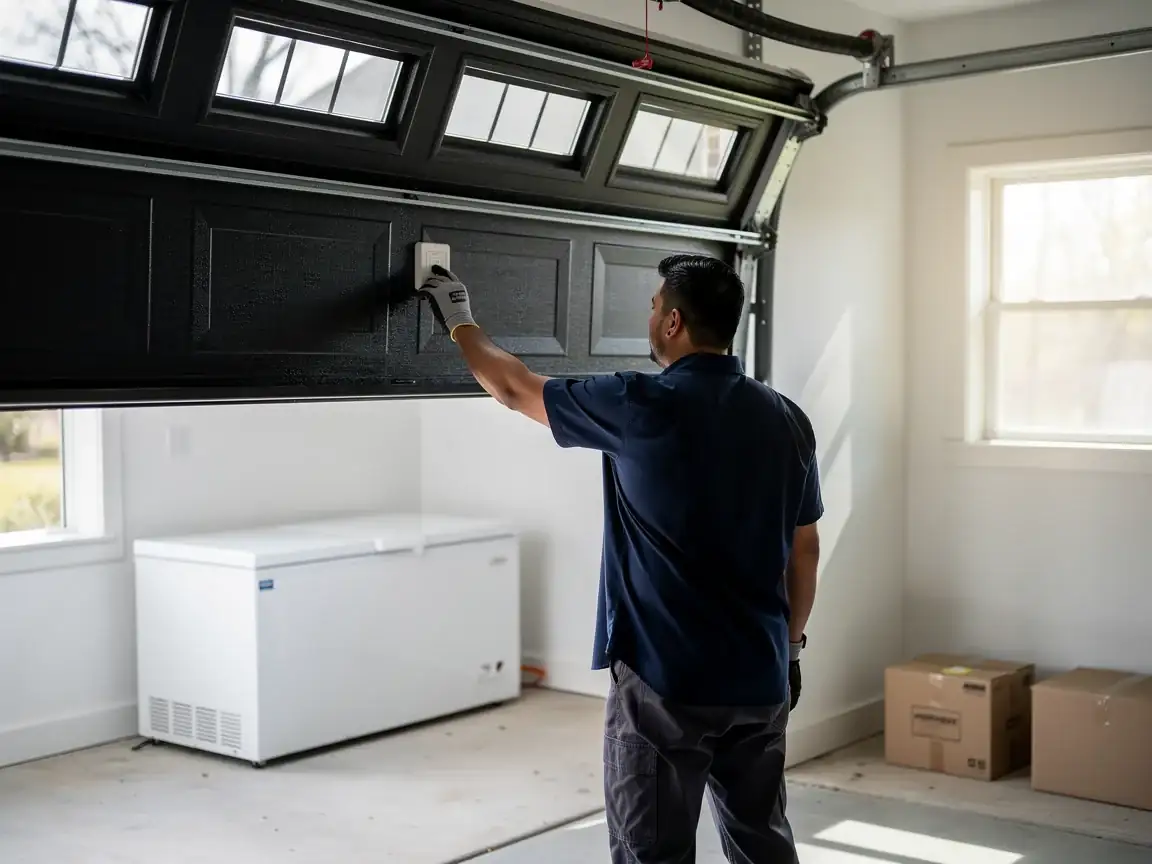
A broken cable means the door is being held, if at all, by one side only or by nothing. The spring system behind it is still fully loaded, and that stored tension is what makes garage door work dangerous for anyone without the right bars and clamps to control it. We've seen people get hurt trying to rewind a cable by hand on a door that's still under spring load.
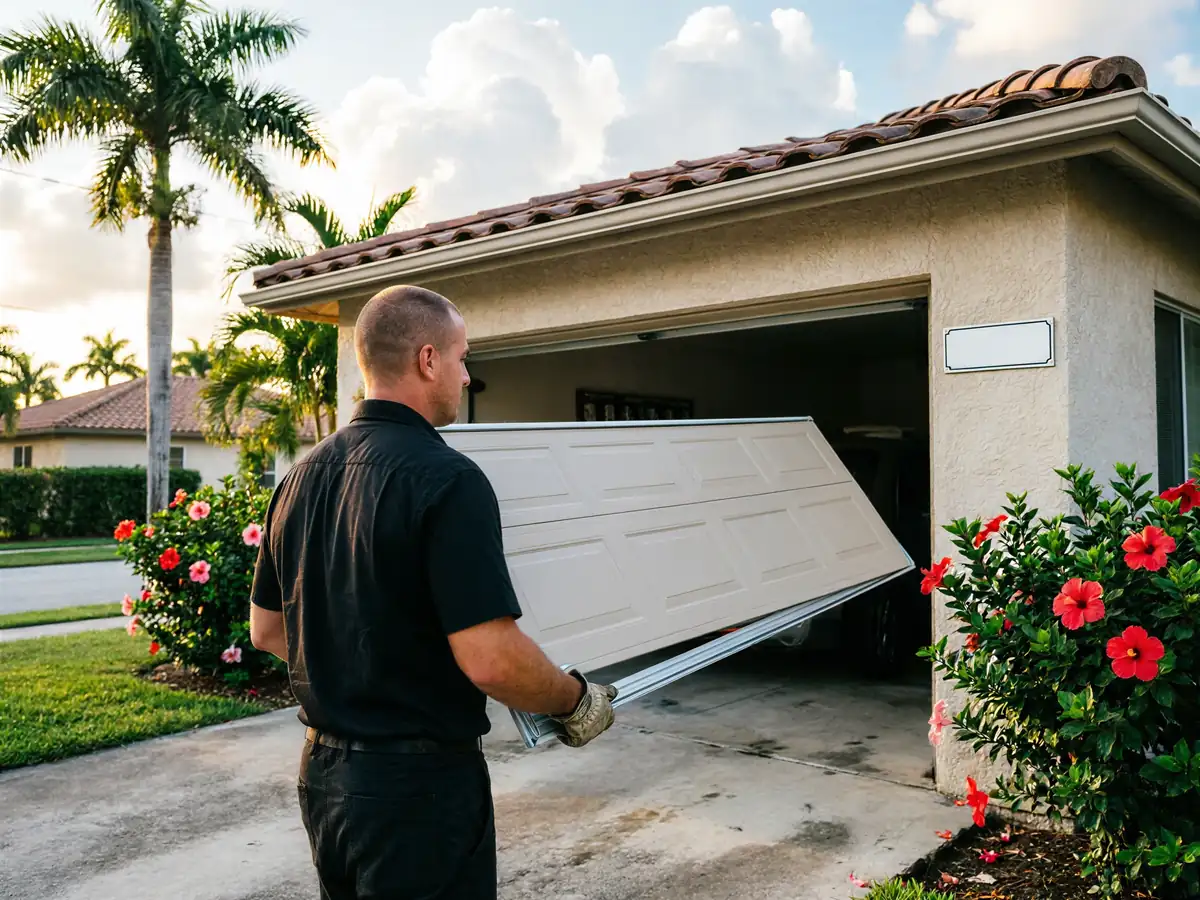
If your door dropped and is sitting crooked in the track
The safest move is to leave it exactly where it is, unplug the opener so it doesn't try to cycle, and call someone to look at it rather than force it. This isn't a case where YouTube and an hour of patience gets you a safe outcome - it's one of the few garage door jobs where we'd tell you flat out to wait for a truck.
Stocked Parts
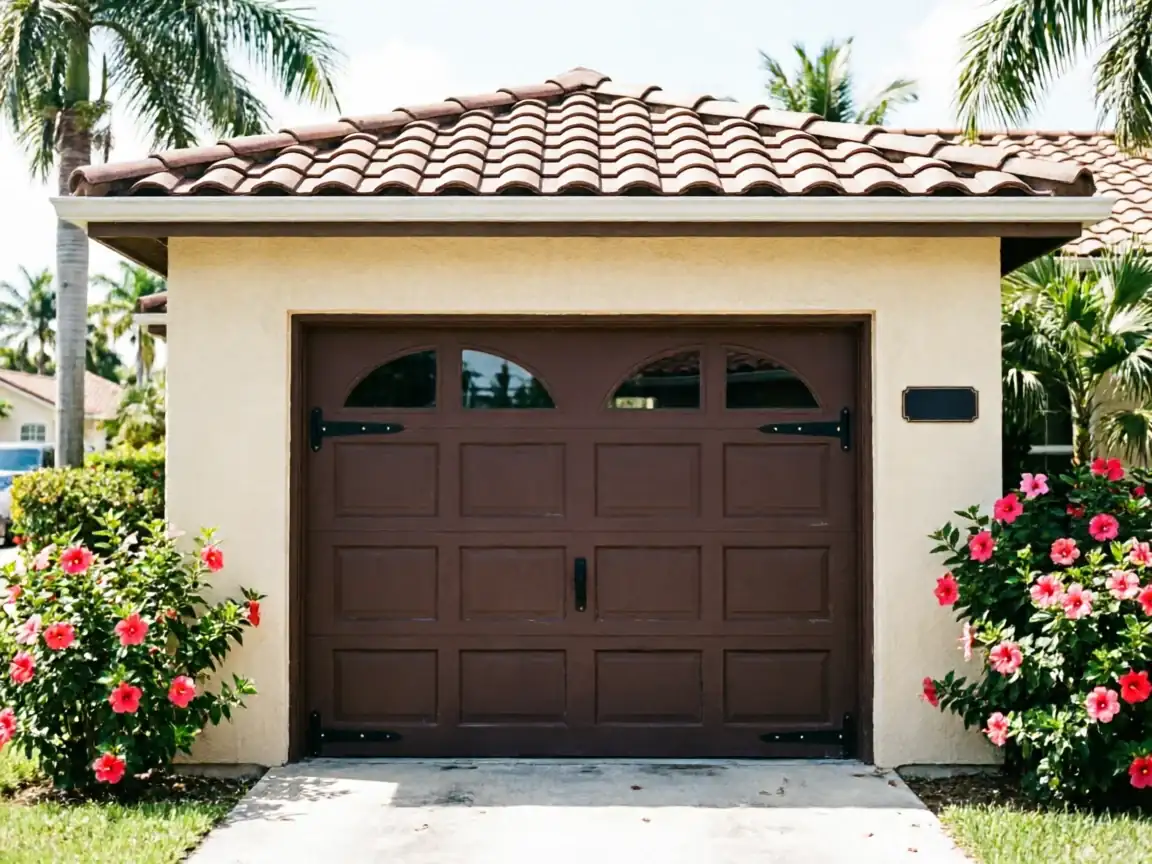
We run cable stock sized for the common widths you'll find across this part of the service area - standard single-car and the wider double-door sizes that show up more often in homes built from the mid-80s through the 90s, which covers most of what's in Windermere. There's no local parts depot in Windermere itself; the truck comes from our Winter Garden shop, about 4 miles out, which keeps the drive short enough that a standard cable swap doesn't turn into a multi-trip job waiting on a part.
What we don't carry on the truck is anything custom or discontinued - if a previous owner put in a non-standard door or an odd aftermarket drum, that may need an order. That's rare on the housing stock typical of this area, but it happens, and we'd rather flag it than pretend every job is routine.