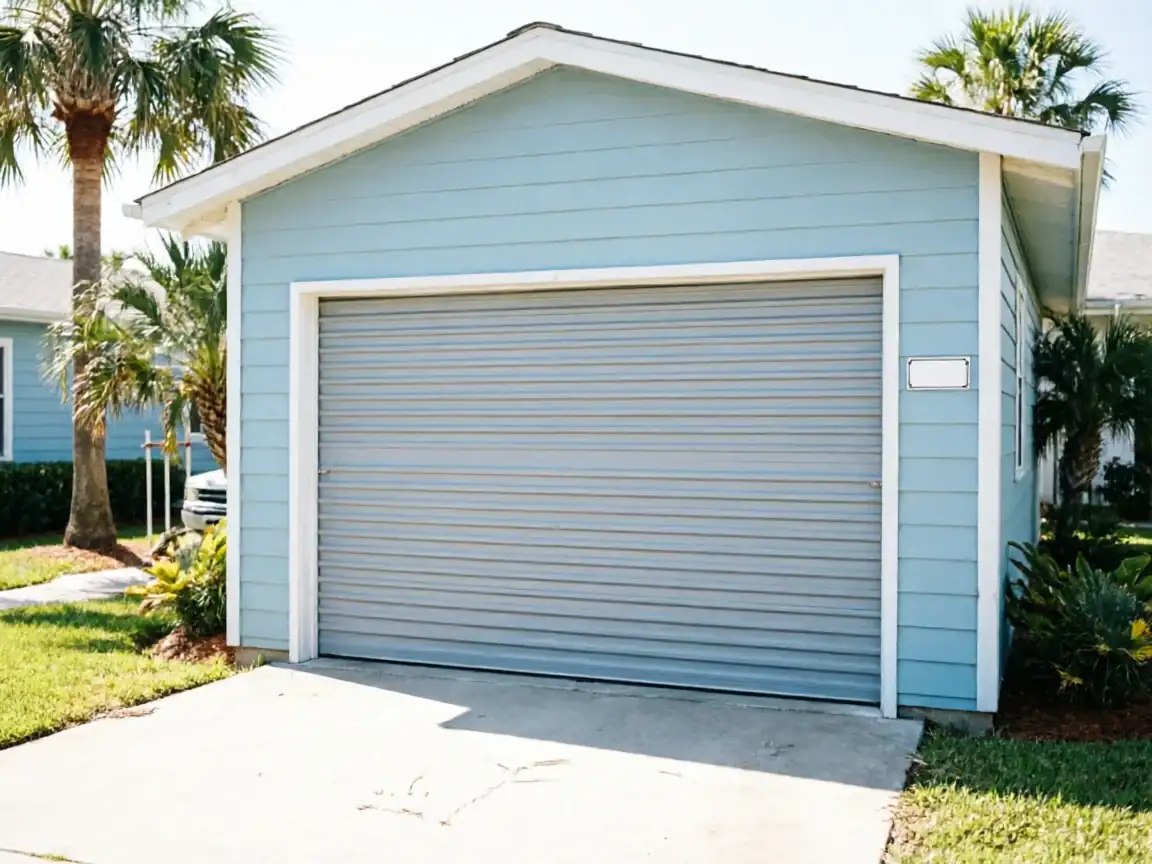
Why It Happens Here
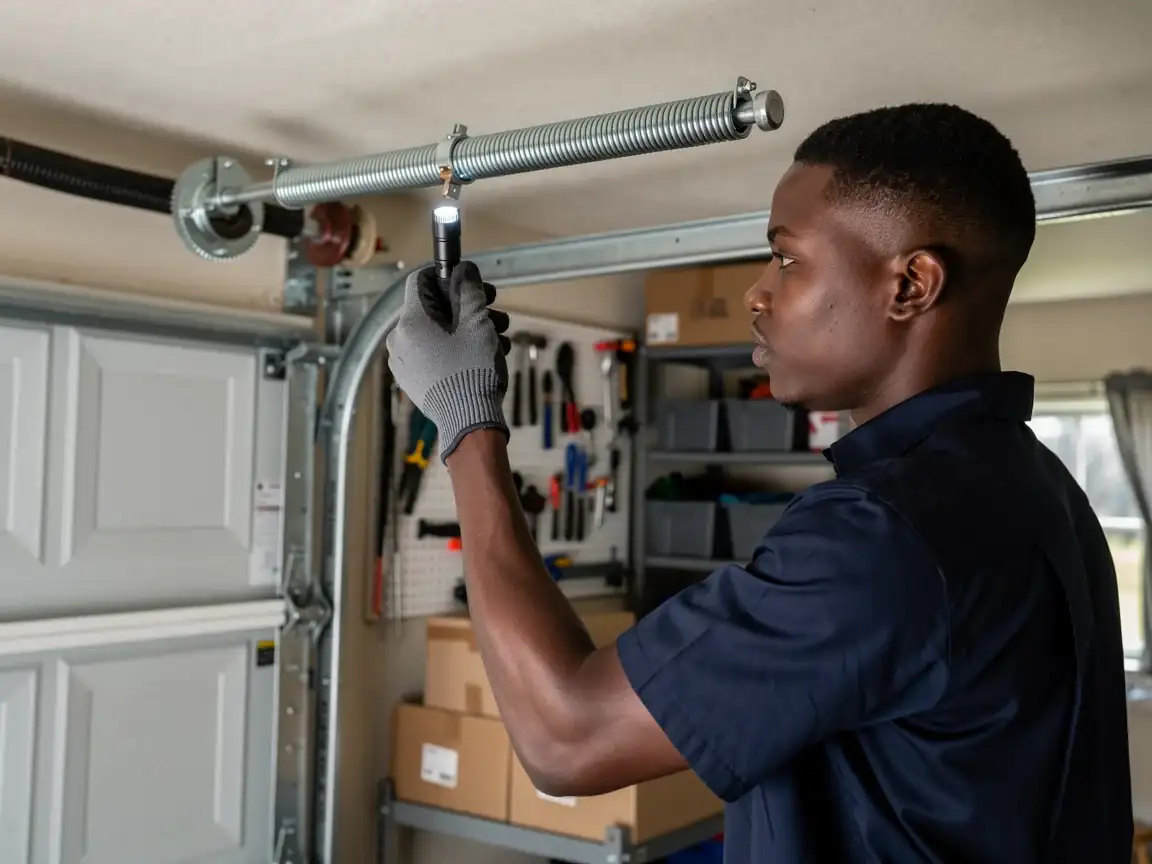
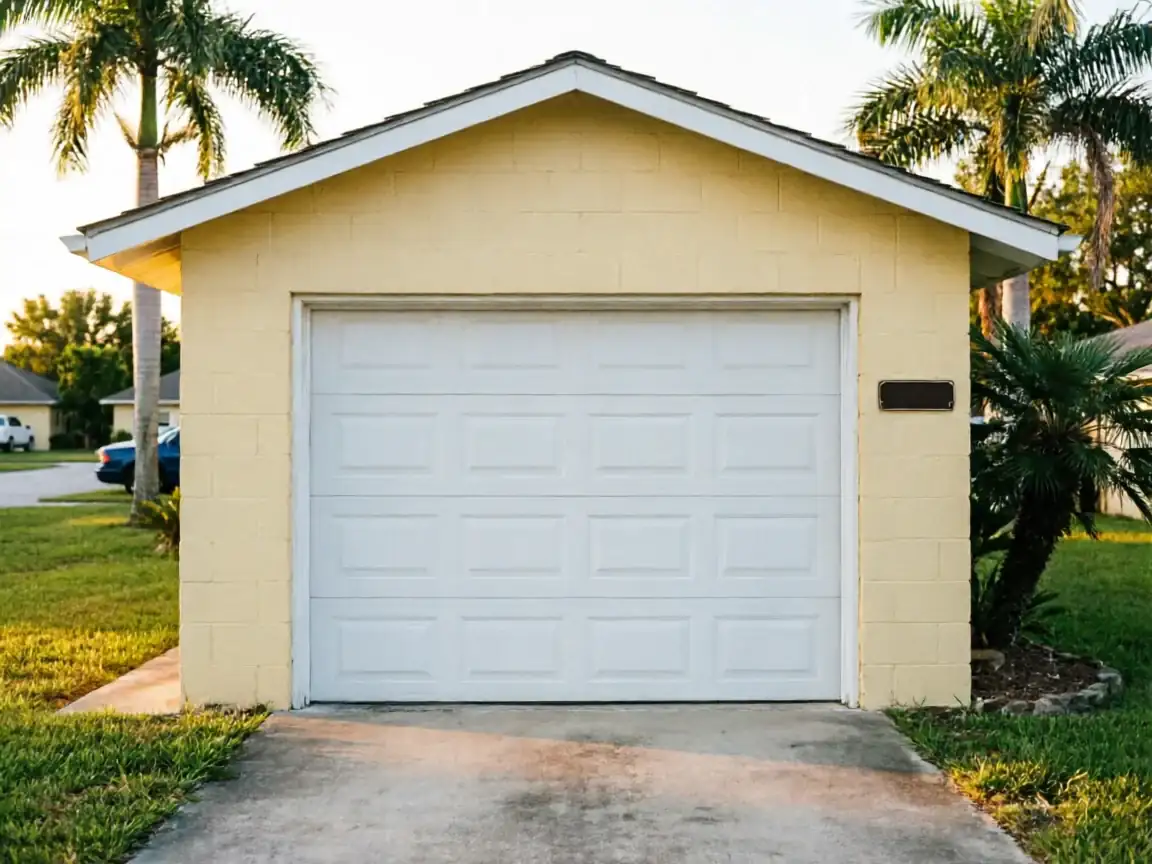
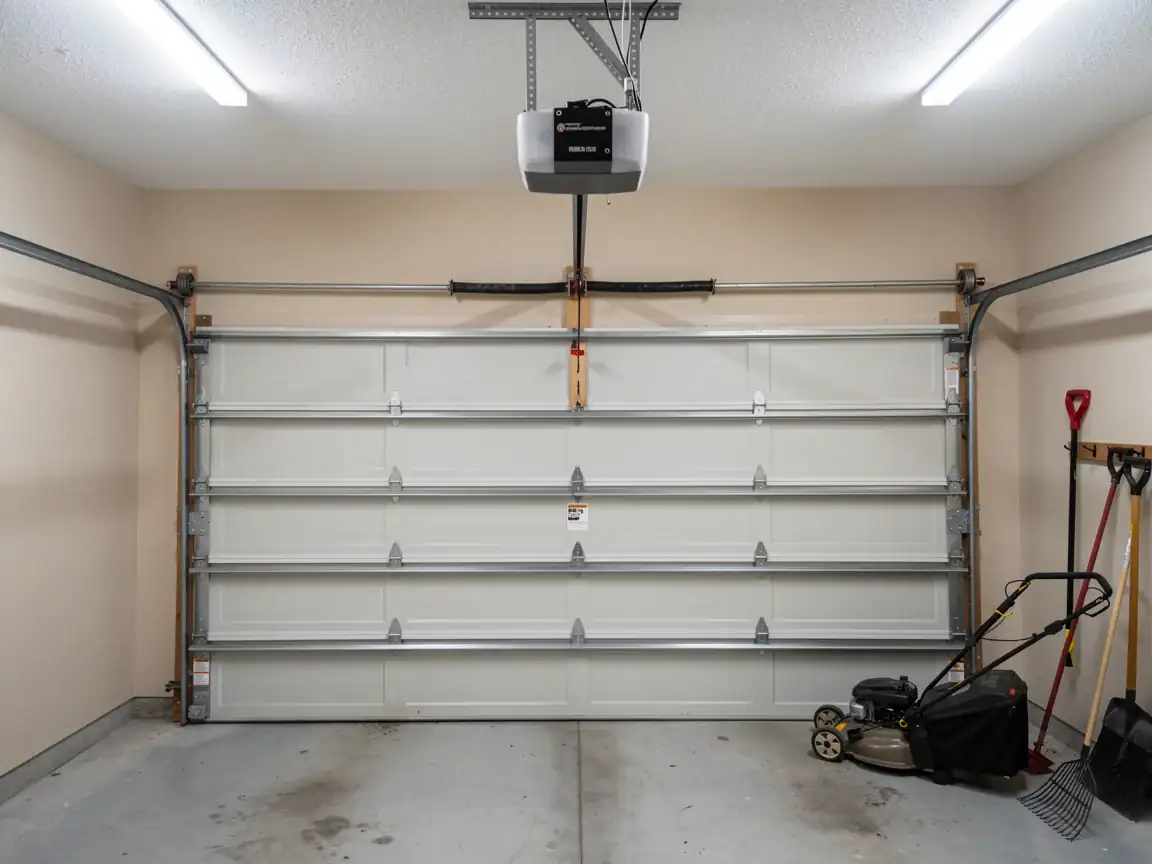
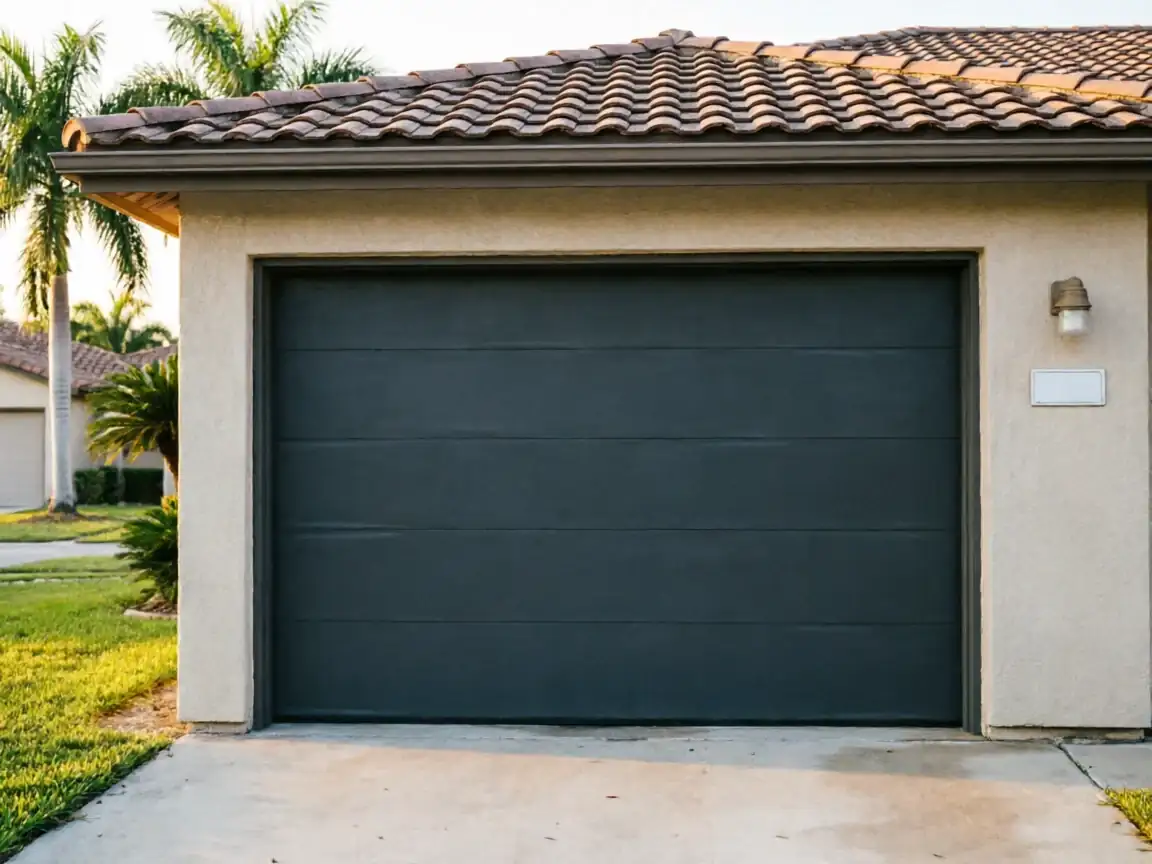
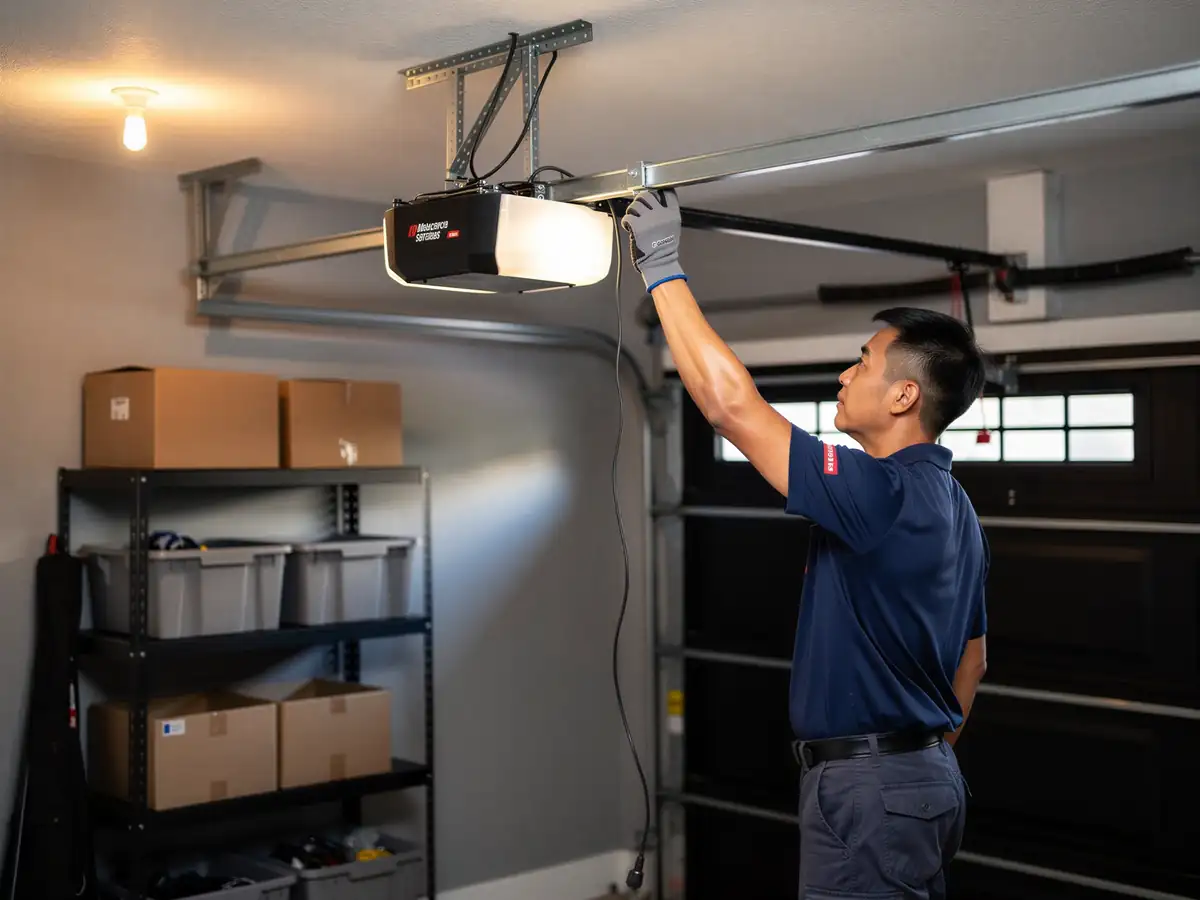
The call we get most out of Windermere isn't a door that won't open at all - it's a door that opens slow, sags on one side, or lets go with a bang when the spring finally snaps. That's not random. The typical house in Windermere was built around 1988, and a torsion spring rated for roughly 10,000 cycles starts failing right around now if it hasn't already been swapped once. Openers from that same build era are chain-drive units with motors that weren't designed to run 20-plus years, and a lot of them are still the original.
Because Windermere's housing stock clusters so tightly around the late 1980s instead of spreading across decades, we see the same handful of failures over and over on this side of the service area: brittle plastic idler pulleys, galvanized torsion springs that have lost coating and started to pit, and double-door openers straining to lift panels heavier than the motor was ever rated for. The homes here didn't age the way a mixed-era neighborhood does - they aged together, which means the hardware is failing together too.
What It Costs
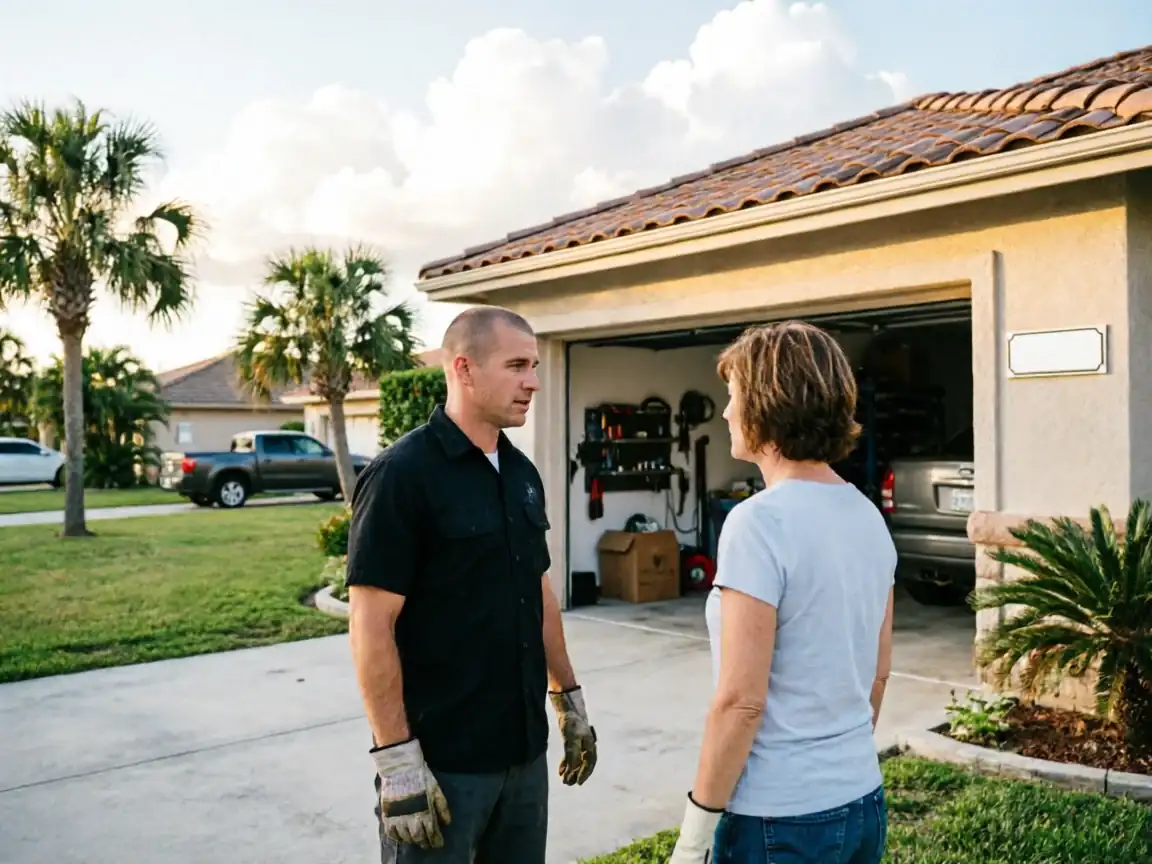
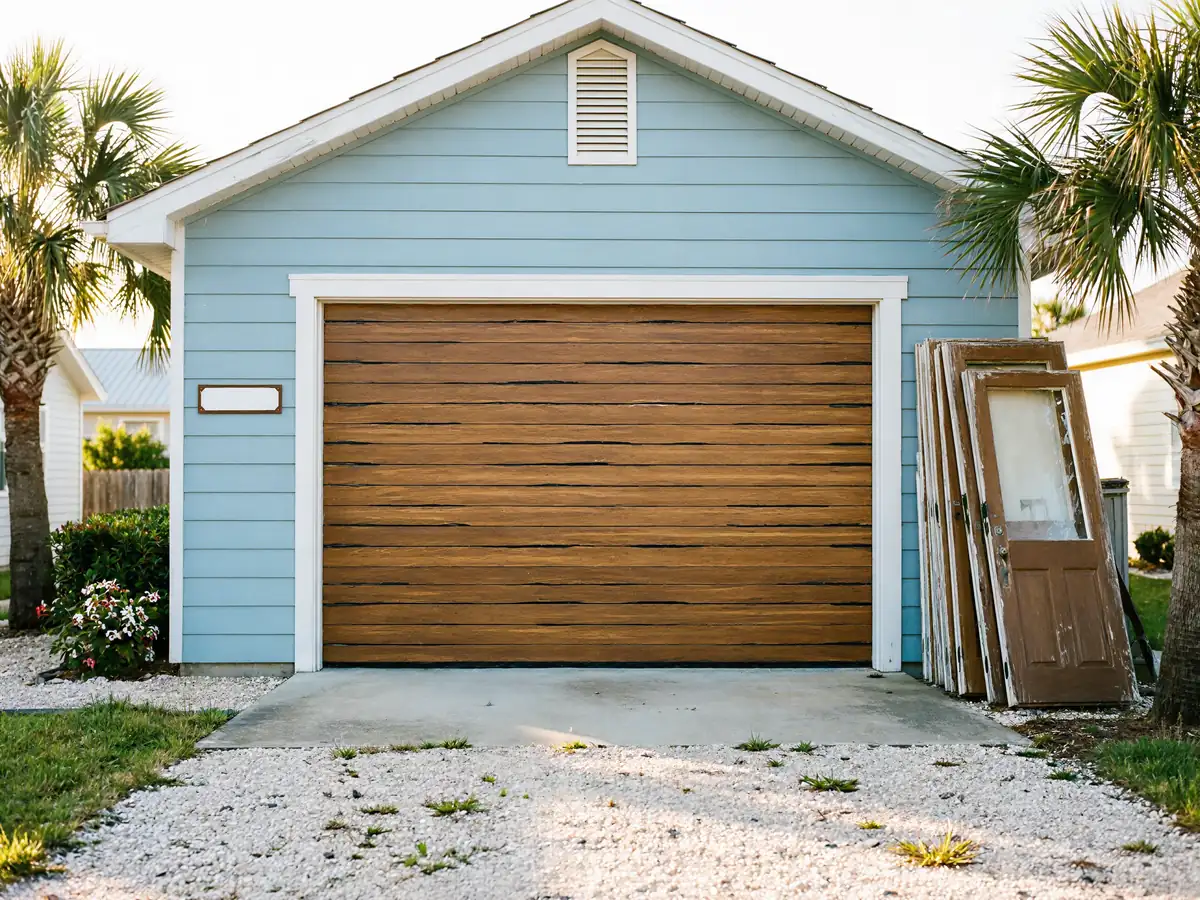
We don't quote prices sight unseen, and we're not going to pretend otherwise here. What we can tell you is that Windermere skews differently than the rest of the area we cover out of Winter Garden - median household income here runs near $156,042, well above the roughly $84,955 median across the territory as a whole. In practice that means more Windermere homeowners ask about insulated steel doors, quieter belt-drive openers, and full hardware replacement rather than a patch job, and fewer ask us to make a 1988 door limp along another five years.
That's not a sales pitch - it's just what the calls look like from this zip versus others we run. A broken spring repair costs what it costs regardless of the street it's on. The difference in Windermere is that once we're already out replacing one worn part on a 35-plus-year-old door, more owners here choose to replace the opener and springs together rather than wait for the next part to go.
Can You Do This Yourself
A torsion spring under tension can break a hand or worse
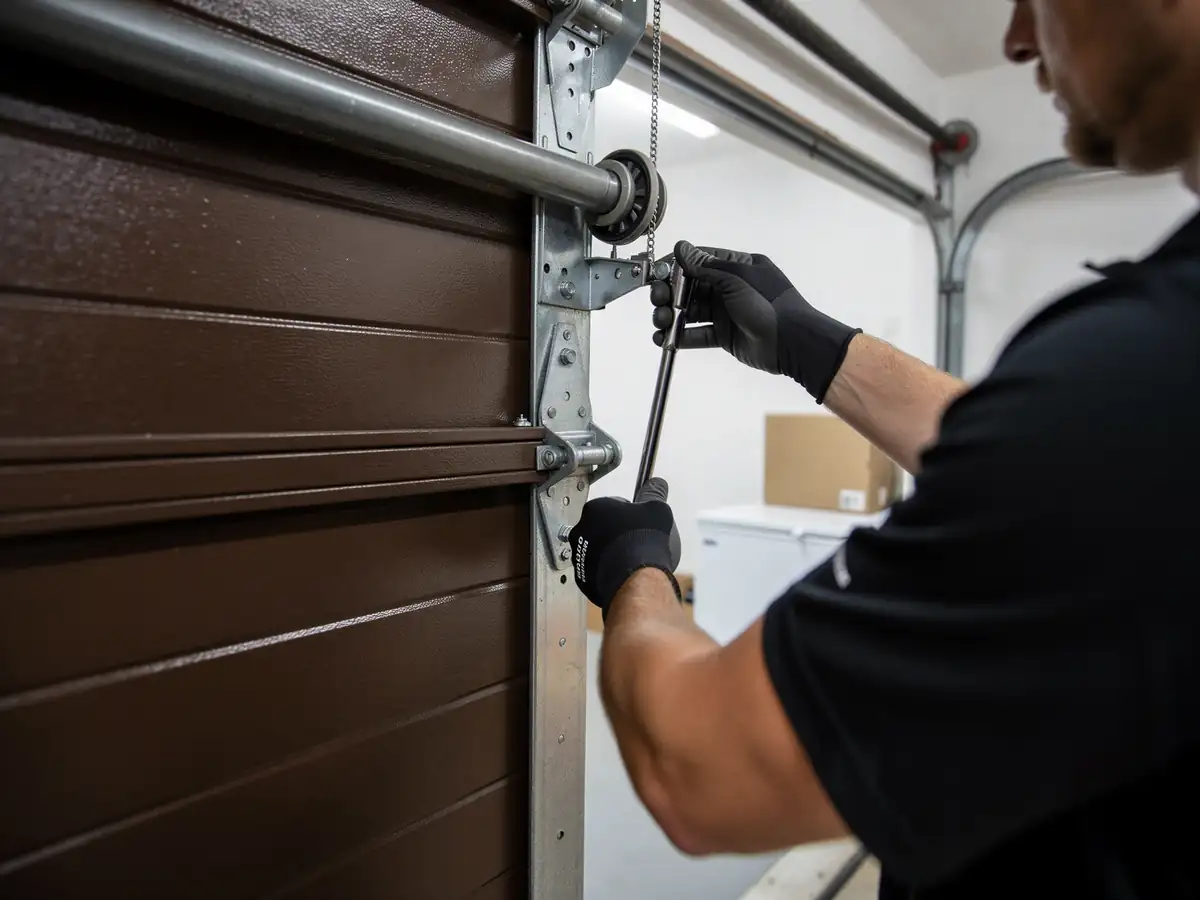
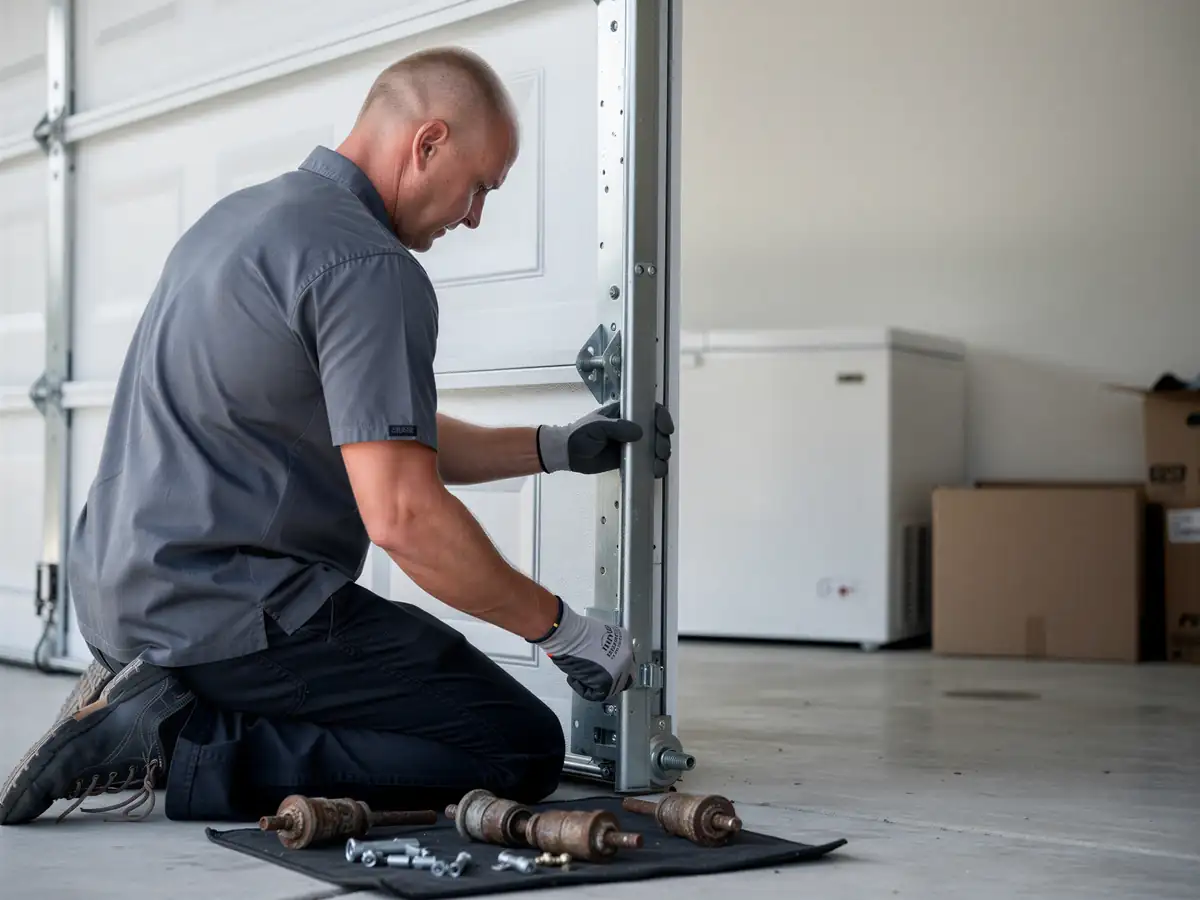
And on a door this old the spring, the winding cones, and the mounting hardware have likely never been touched since the house was framed in the late 1980s. We'll say plainly: don't try to wind or unwind a torsion spring yourself. That's the one repair on a garage door we don't recommend as a DIY project, full stop.
There's plenty you can do, though
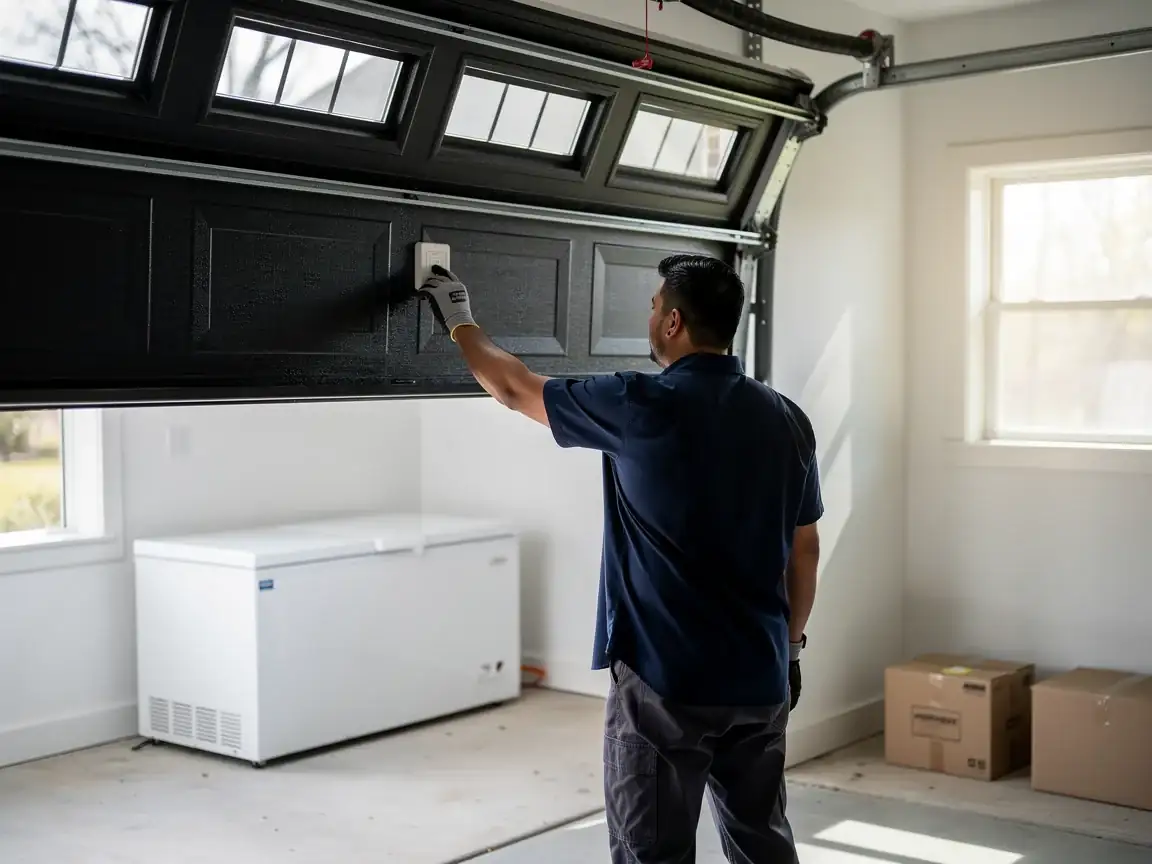
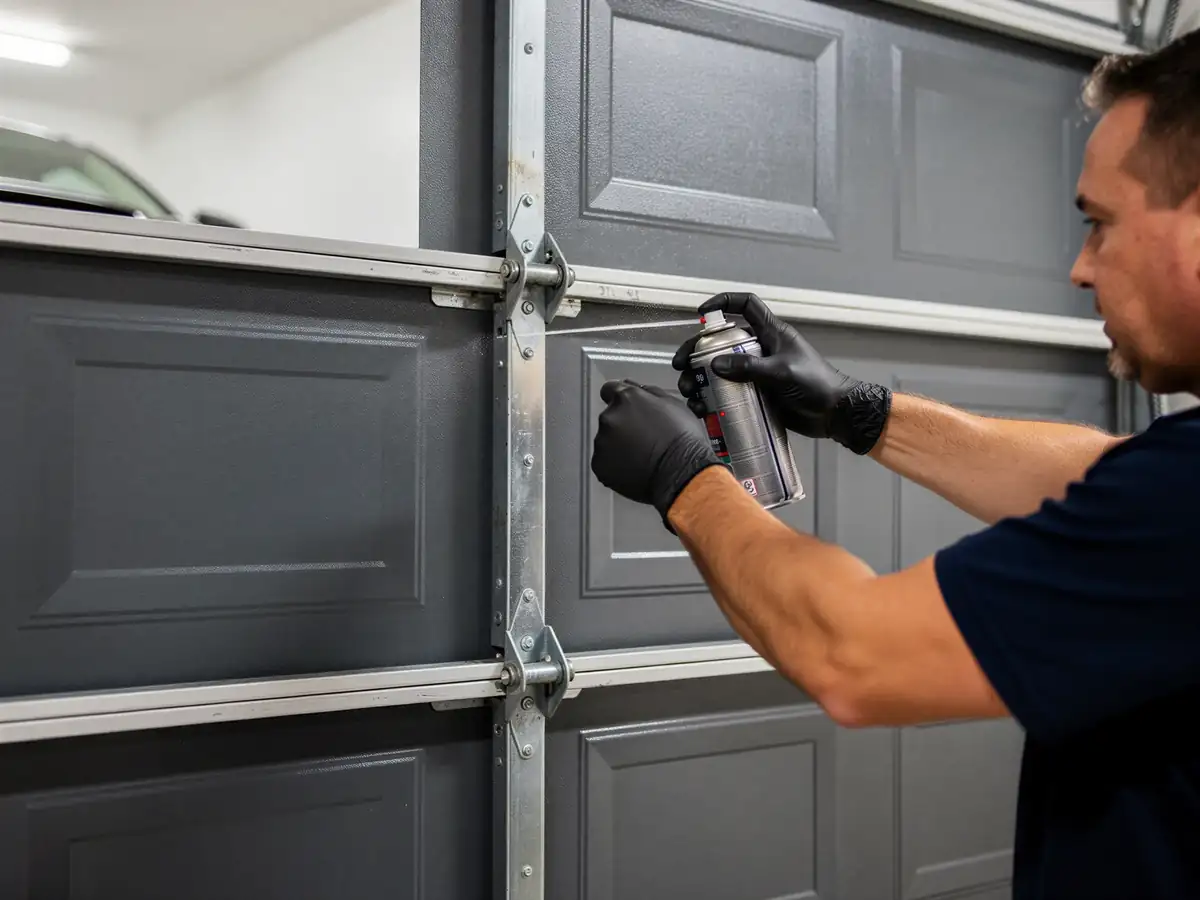
You can lubricate rollers and hinges, check that the photo-eye sensors near the floor are aligned and clean, and tighten loose hardware on the track brackets. If the door is noticeably heavier on one side when you lift it manually with the opener disconnected, that's a spring losing tension - don't force it, call it in instead. On a door built this long ago, the honest limitation is that we may find more wrong once the panel's open than what you called about, and we'll tell you before we touch anything else.
Stocked Parts
Windermere sits in a mild temperate climate band, so the parts failures we see here lean toward age and cycle count rather than rust or weather damage - springs fatigue, rollers wear out of round, and plastic components get brittle from UV and heat rather than corroding from salt air or hard freezes. That's worth knowing because it means most of what fails on a late-1980s Windermere door is a known part, not a mystery.
We carry torsion springs sized for the standard 7-foot and 8-foot residential doors common to homes built in that era, nylon and steel rollers, cables, and standard safety sensor kits on the truck out of Winter Garden. What we don't keep in stock is anything custom - oversized doors, discontinued panel styles, or opener models old enough that the manufacturer no longer makes replacement boards. On those jobs we'll tell you upfront if a part needs to be ordered rather than promise a same-visit fix we can't back up.