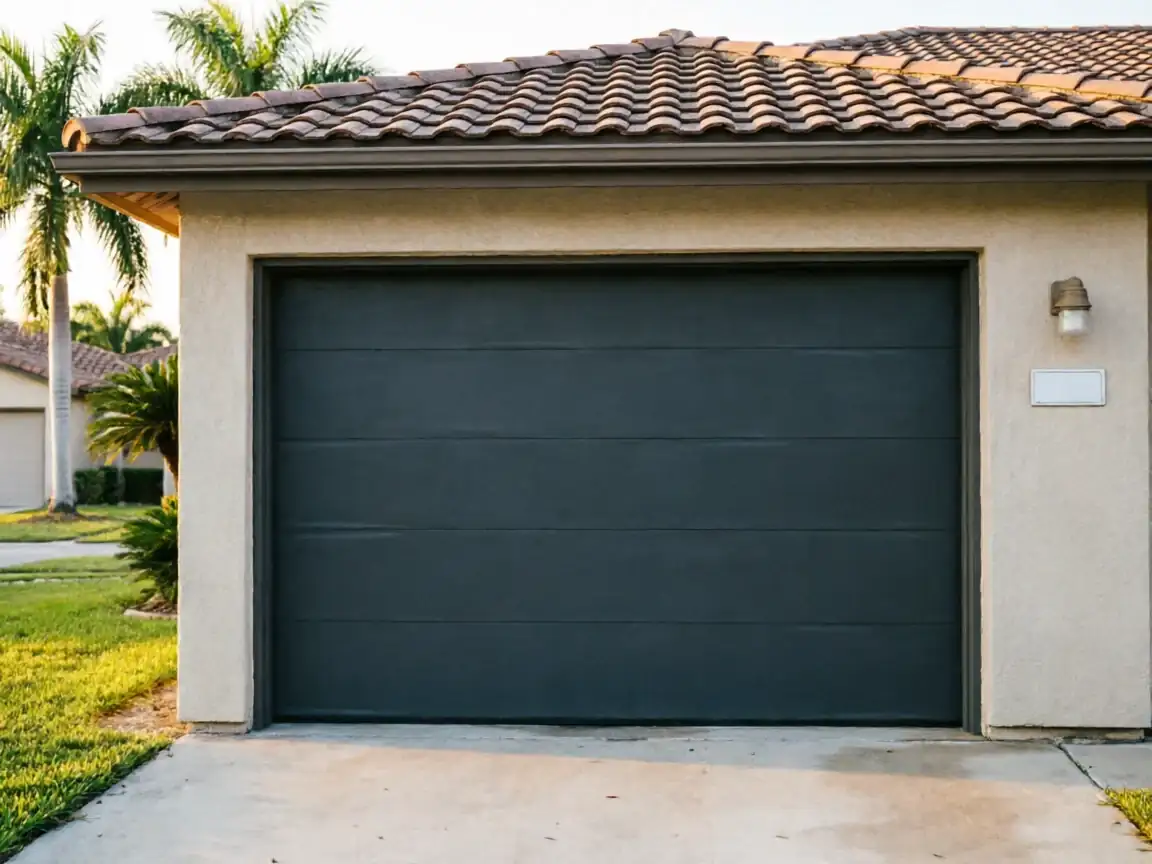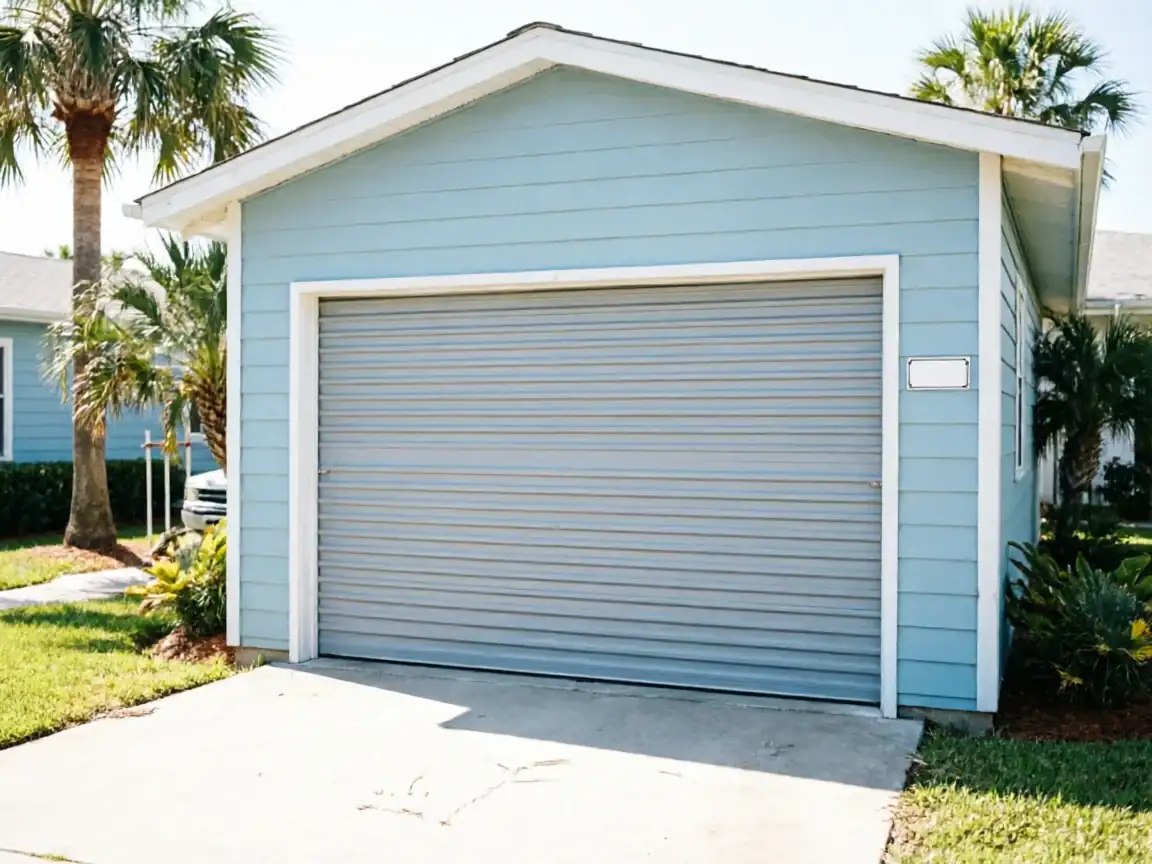
Why It Happens Here
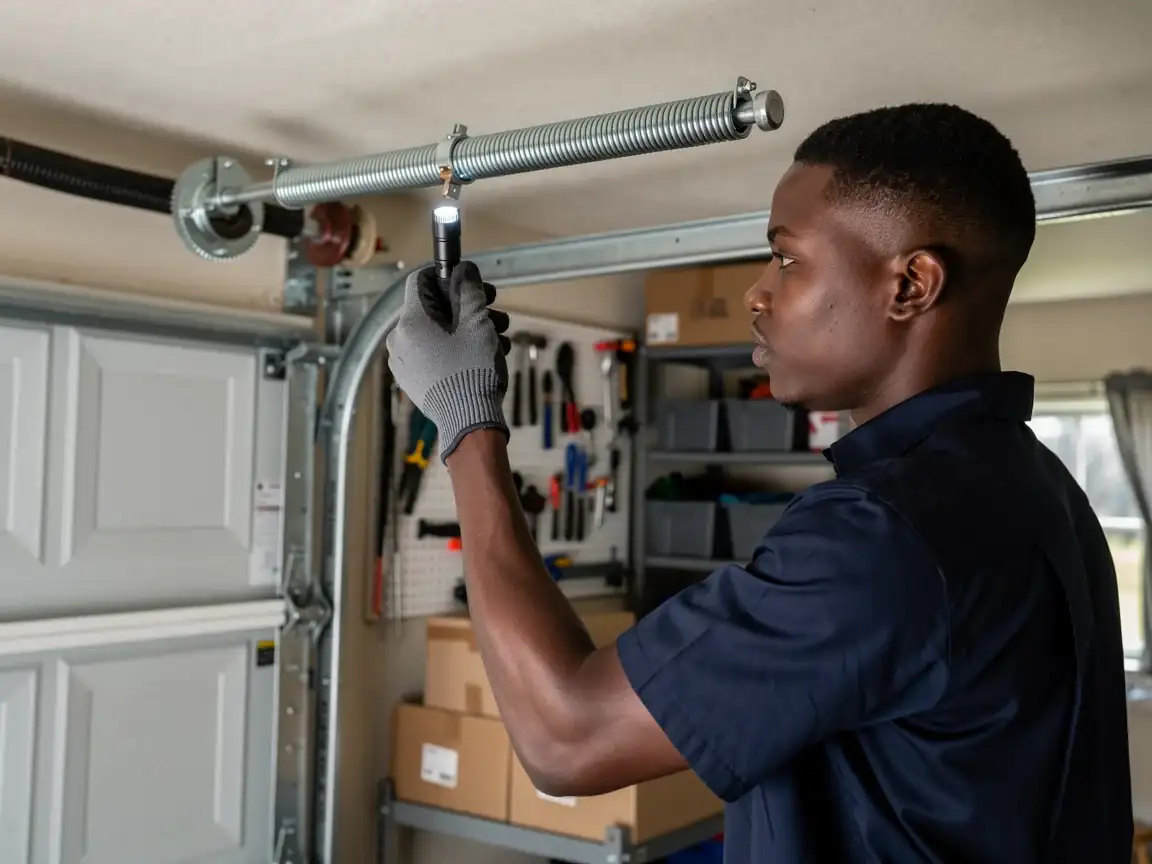
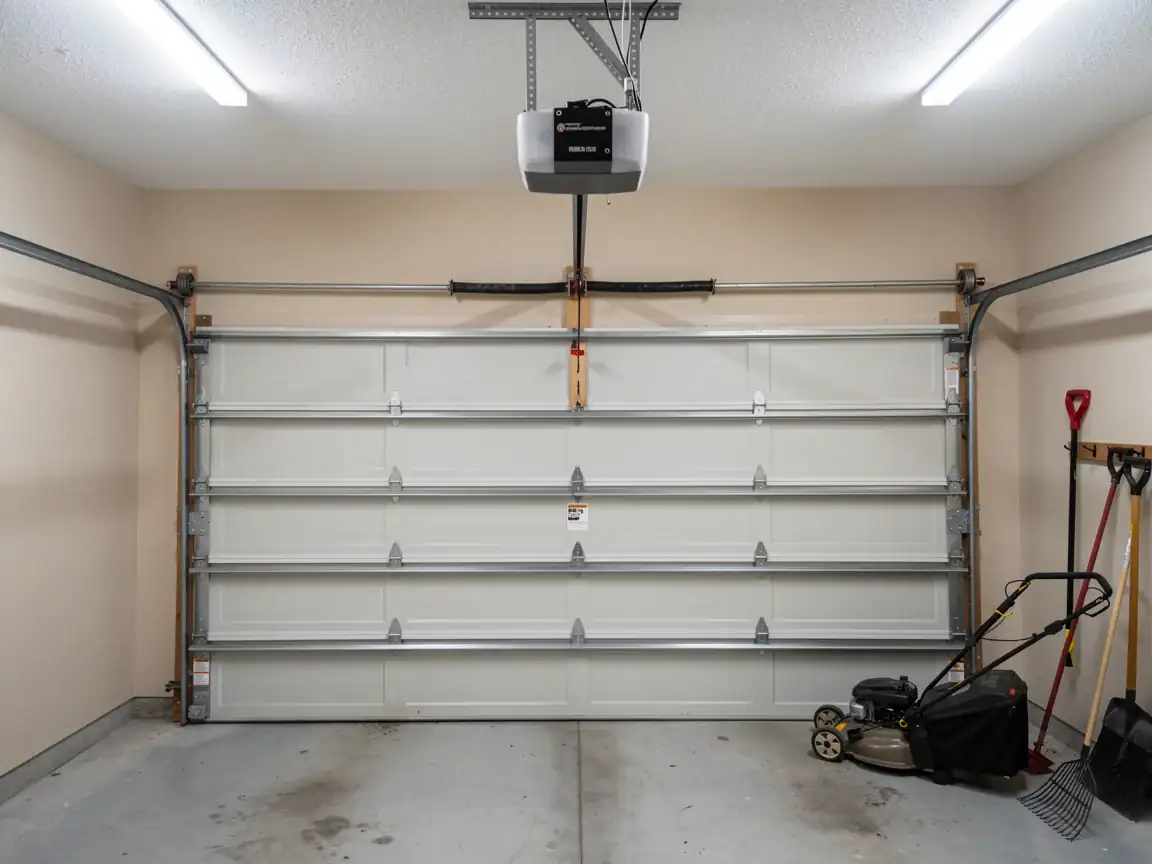
Most houses in Windermere went up around 1988, which means the spring, track, rollers, and hinges that came with the build are still doing the job 36 years later. Nobody swaps that hardware out unless it fails, so a lot of these doors are running on original torsion springs that were never rated for this many open-close cycles. That's different from a neighborhood built in the 2000s, where the gear is a decade or two younger.
Windermere's housing sits close to the 1987 median we see across the wider Winter Garden service area, so the fault pattern is familiar to us: fatigue in the spring, not storm damage. The mild temperate climate here doesn't put much stress on a door through heat or cold swings, so when something finally gives out in a Windermere garage, it's almost always age and cycle count, not weather. That's good news in one sense - you're less likely to get a sudden failure from a hard freeze snapping a cable - but it means these doors fail quietly, one worn part at a time, until the whole assembly is due for replacement rather than a patch repair.
What It Costs
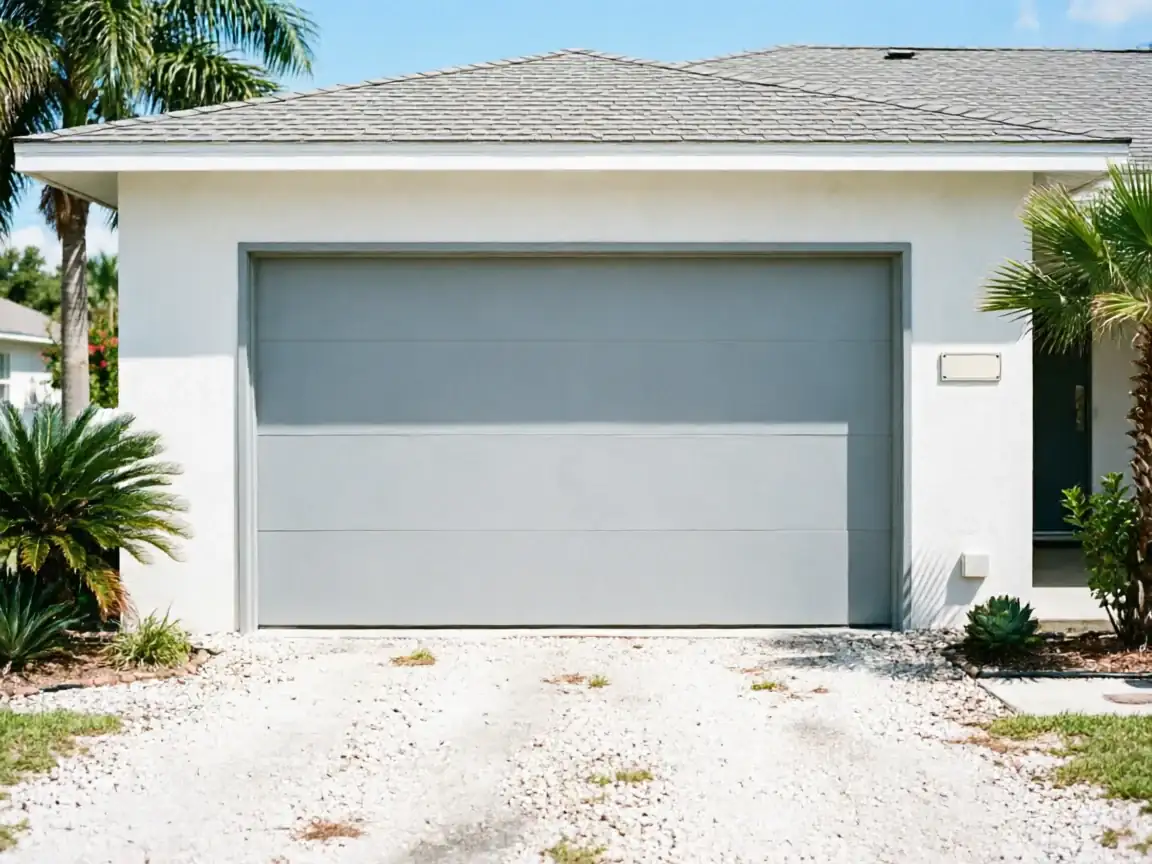
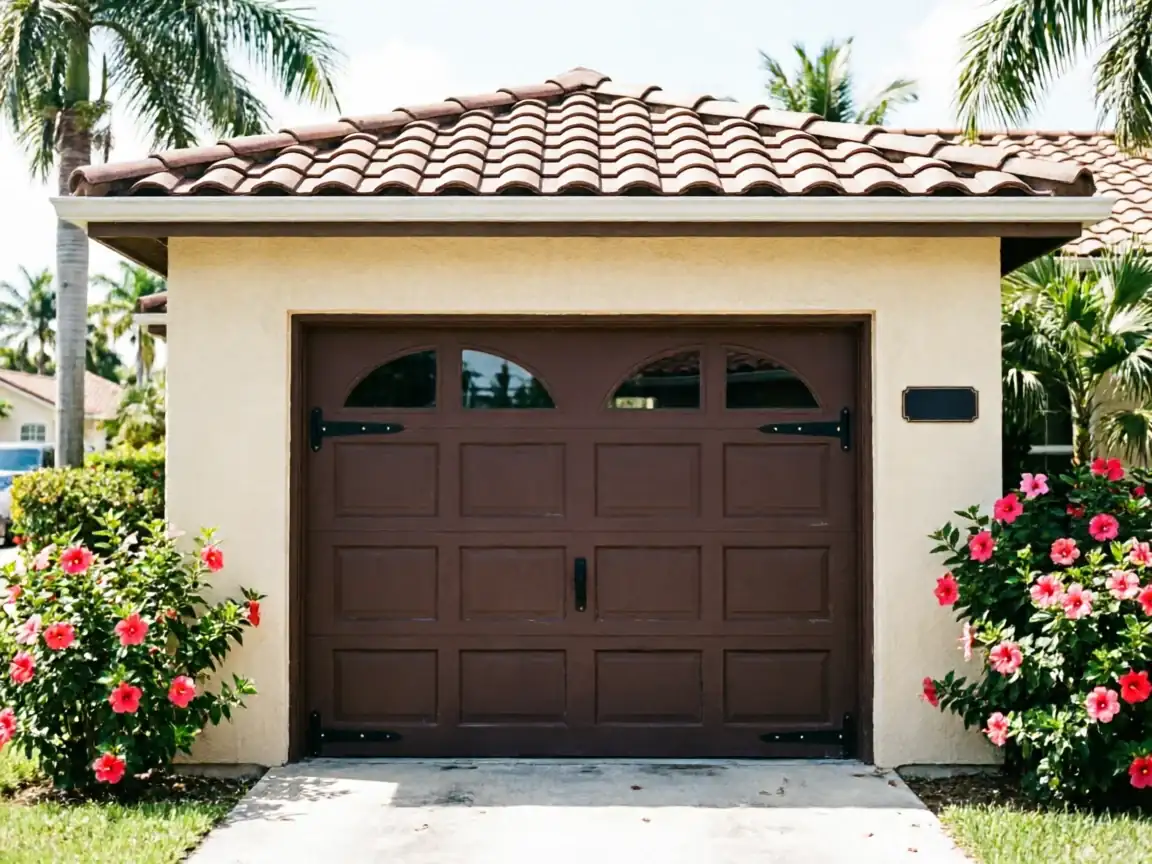
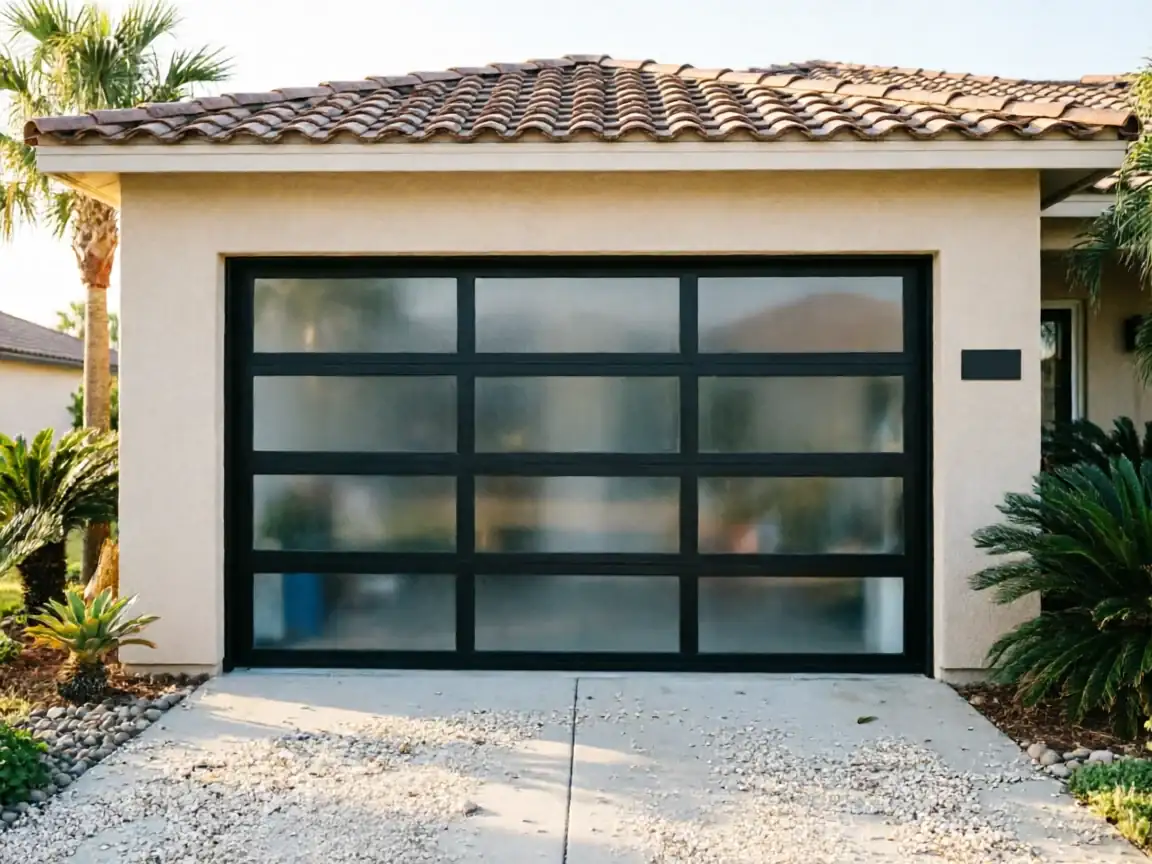
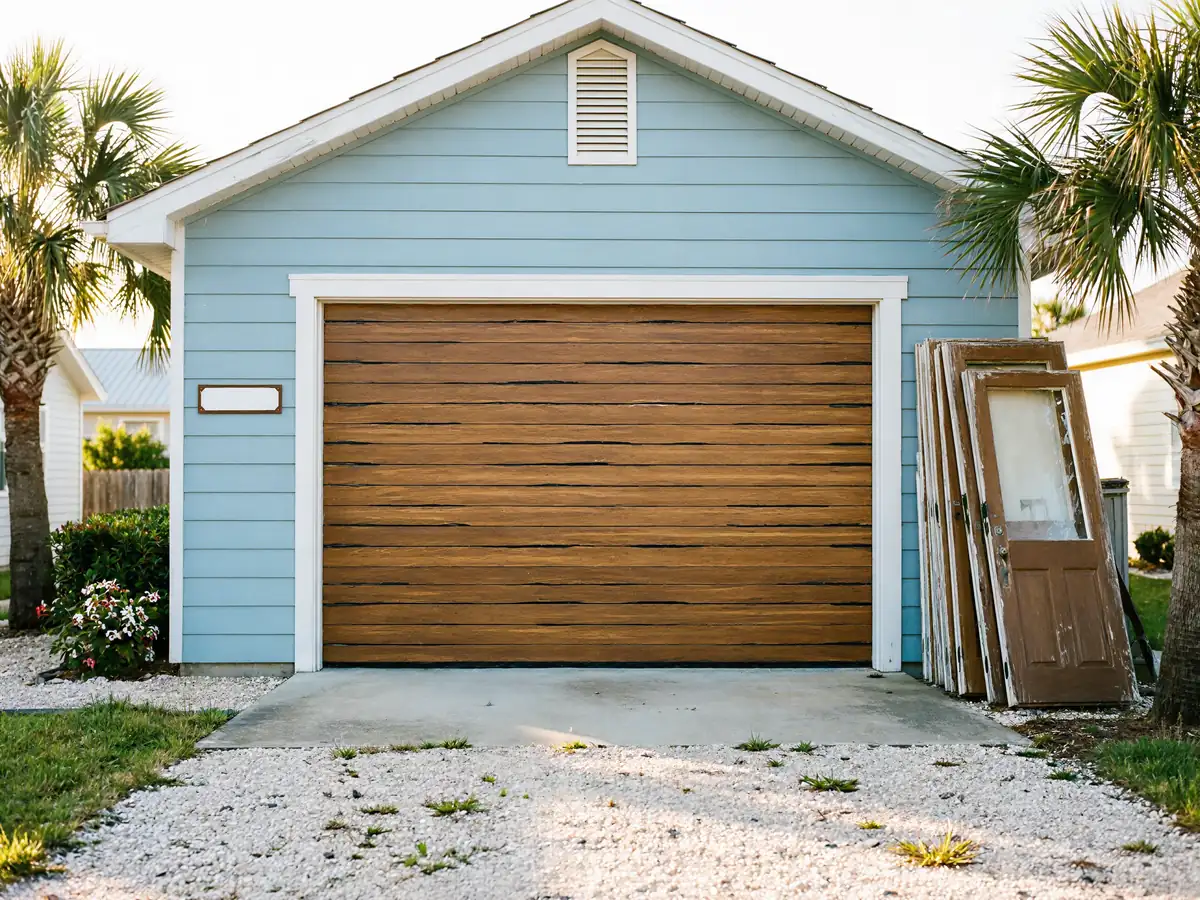
We don't have a price list to hand you here, and we'd rather tell you that than make one up. What we can tell you is what drives the number: door size, insulation, material, and whether the opener gets replaced along with the door. Windermere's median household income is $156,042, well above the $84,955 median across the rest of our service area, and that shows up in what people ask for here - insulated steel doors, wood-look composite panels, and quieter belt-drive openers come up more often in this part of town than the base models.
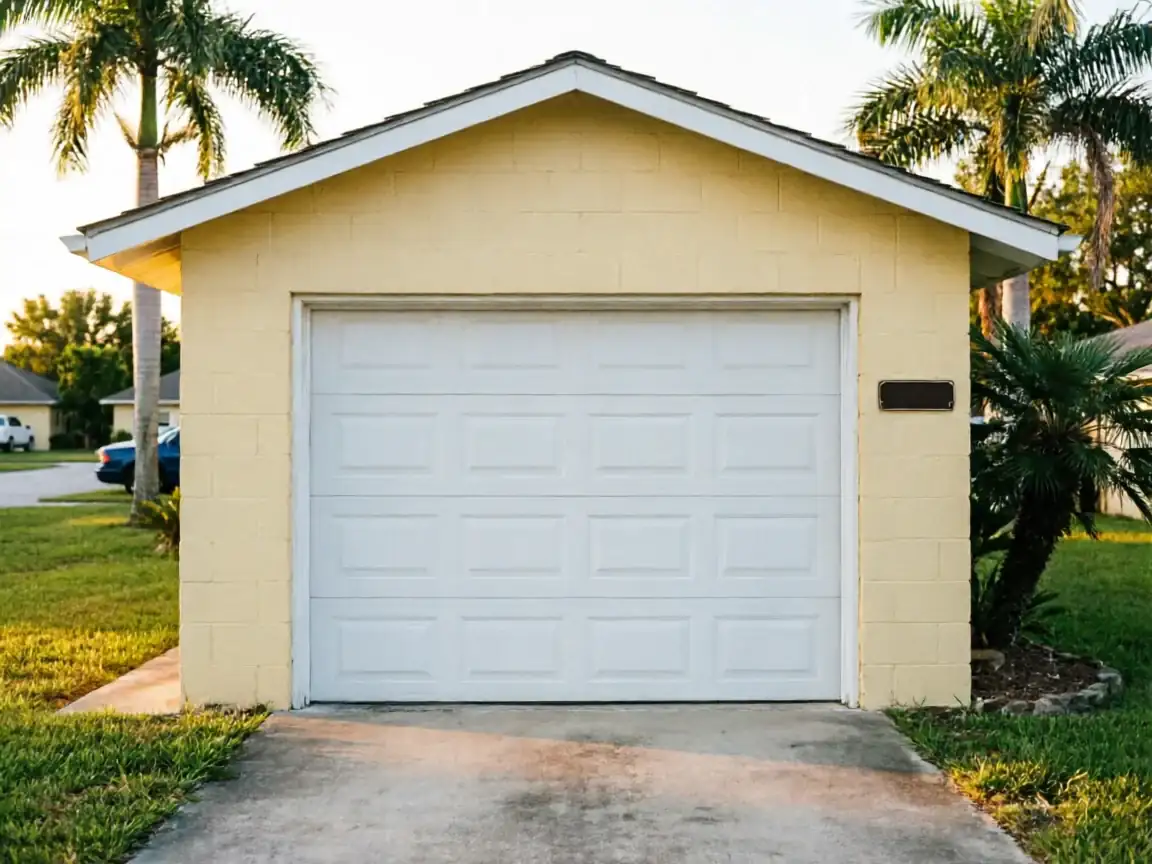
The honest answer on cost is that we quote it on-site, after we've looked at the opening, the header clearance, and whether the old track and spring hardware has to come out entirely or can carry over. A door that's original to a 1988 build usually needs the whole assembly replaced, not just the panel, and that changes the number more than the brand of door you pick.
Can You Do This Yourself
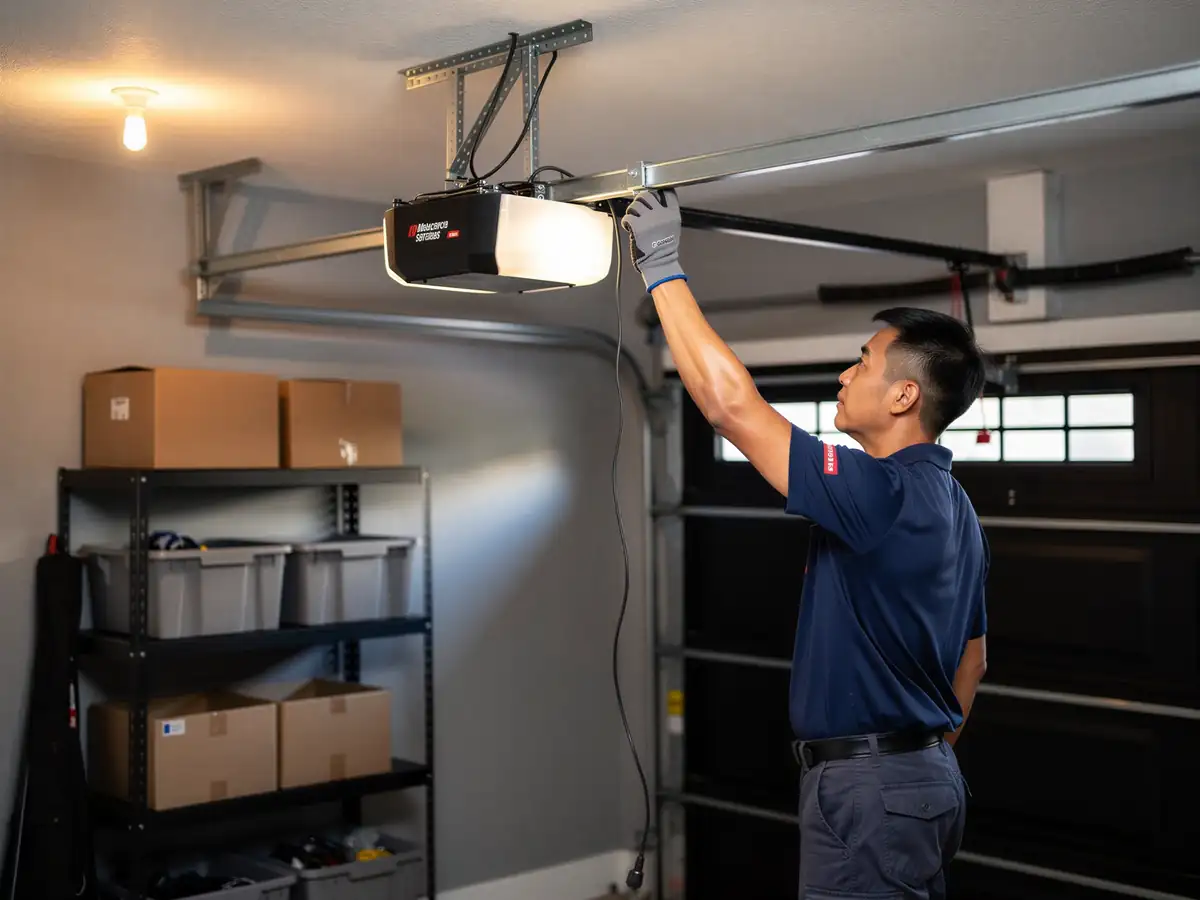
Swapping an opener unit is within reach for a lot of homeowners
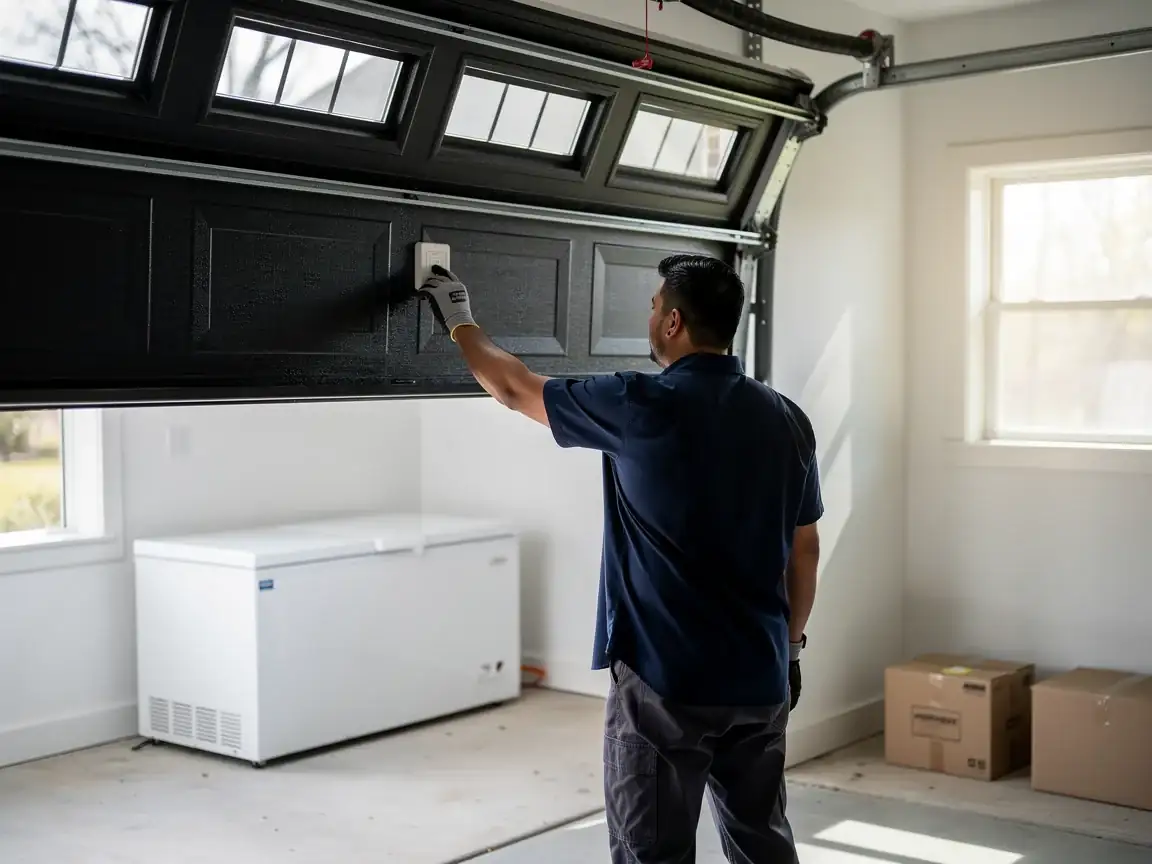
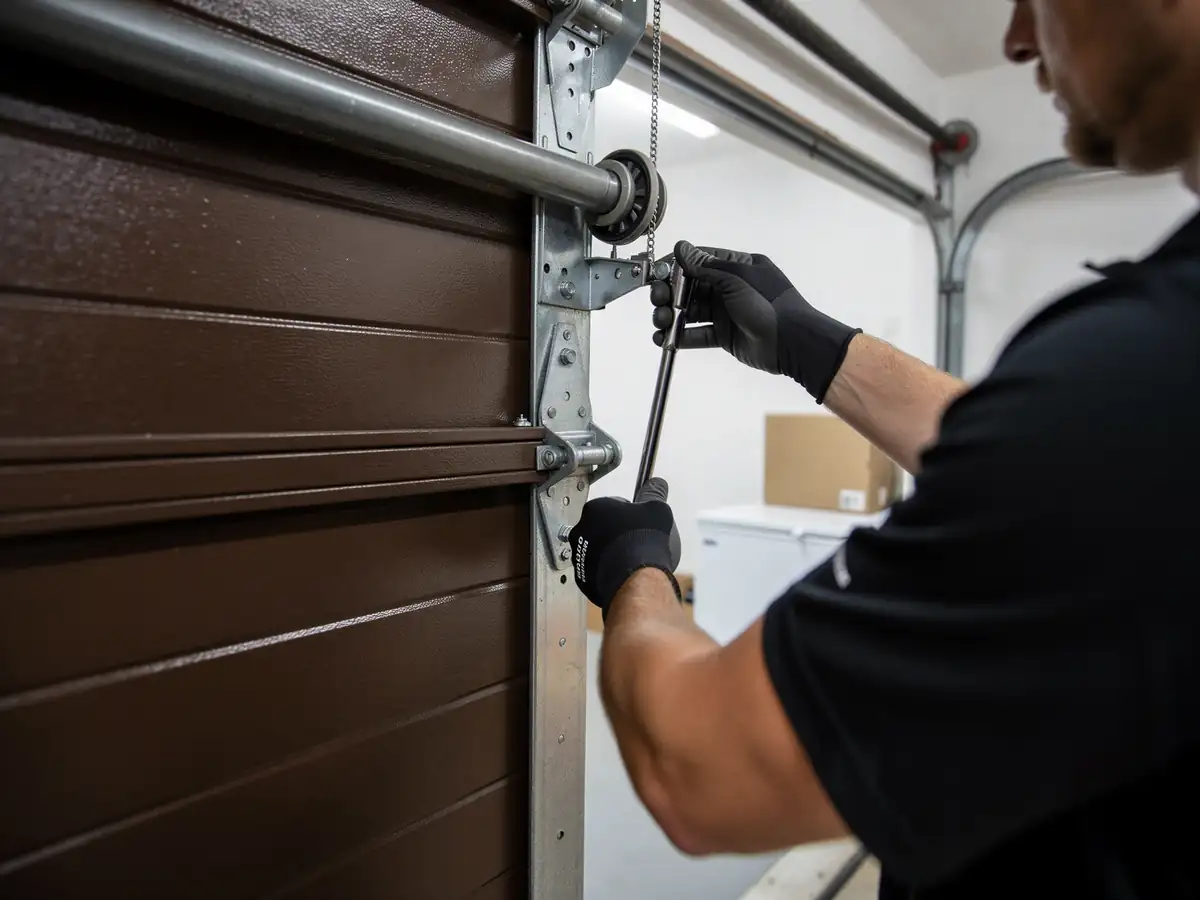
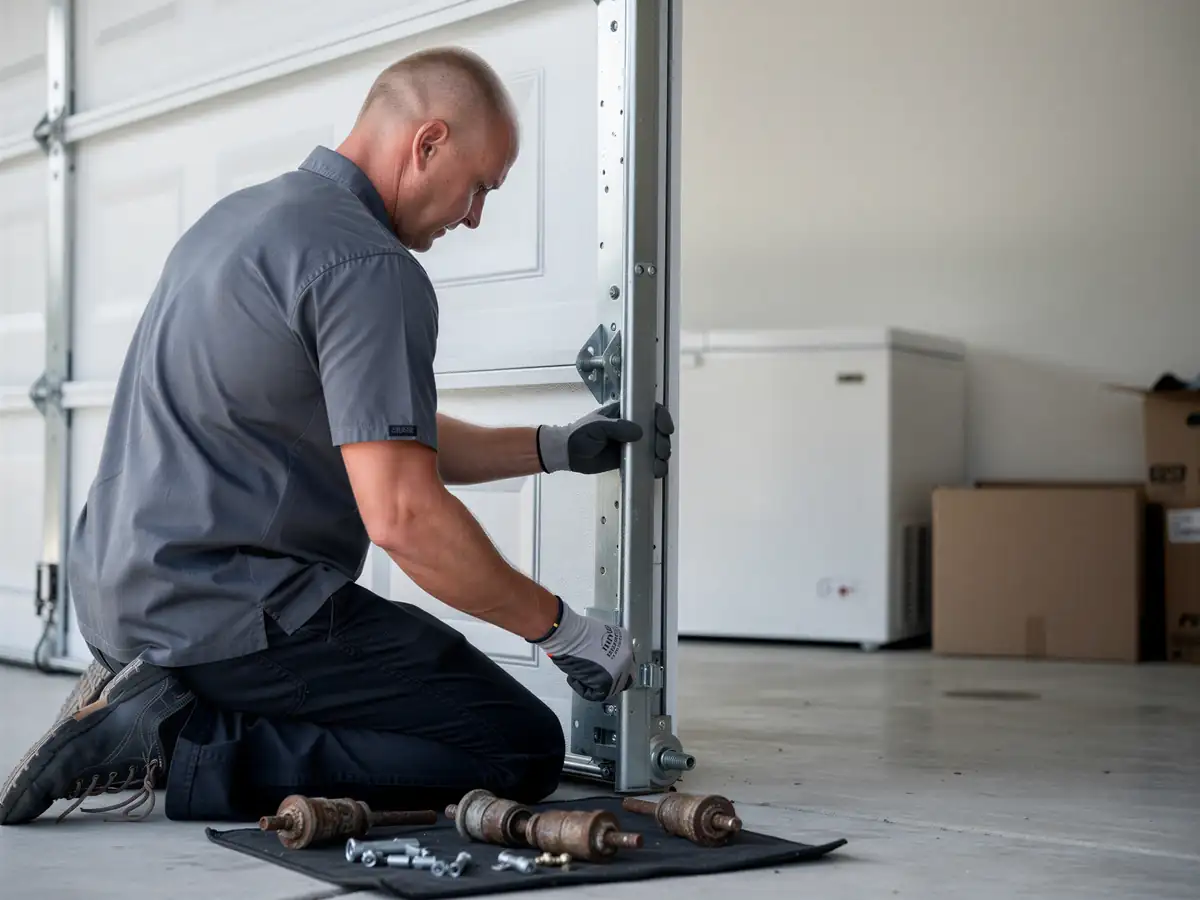
Unplug the old one, mount the new one, run the wiring. New door installation is a different job. You're setting a torsion spring under load, squaring a track to an opening that's been settling for 36 years, and getting the cable drums balanced so the door doesn't slam or jerk. A spring that lets go while you're winding it can break fingers or worse.
- 36 years
If you're handy and want to do some of the prep yourself
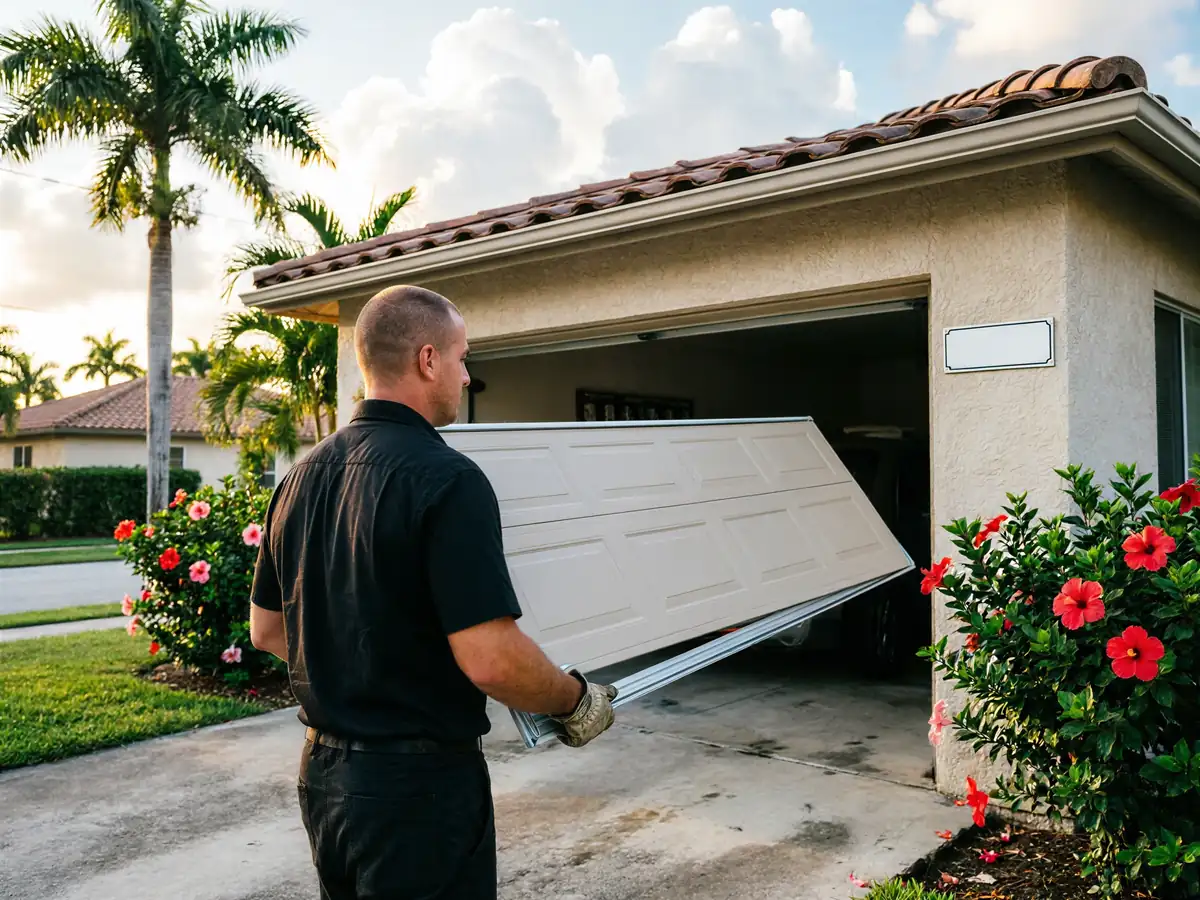
Pulling the old door off its hinges, clearing the opening - that's fine, and we're glad to work around what you've already done. But the spring tensioning and the final balance check on the new door is where we draw the line on DIY. It's not a cost-saving move if it puts you in the ER.
Stocked Parts
We run the four miles from Winter Garden with the sizes that actually move in this market: standard 8-foot and 9-foot openings, torsion springs sized for the heavier insulated doors that are common in Windermere's higher end of the housing stock, and the track hardware that fits a 1988-era opening without a lot of custom fitting. Across the 102,889 owner-occupied houses in the broader service area, the opening sizes don't vary as much as you'd think - what varies is the door people want on it.
What we don't carry on the truck is anything genuinely custom - a non-standard width, a specialty wood species, a smart-opener model outside our regular line. Those get ordered in, and lead time depends on the manufacturer, not on us. For a straightforward replacement on a standard opening, though, the parts for your new door are usually already on the truck before we knock.