Why It Happens Here
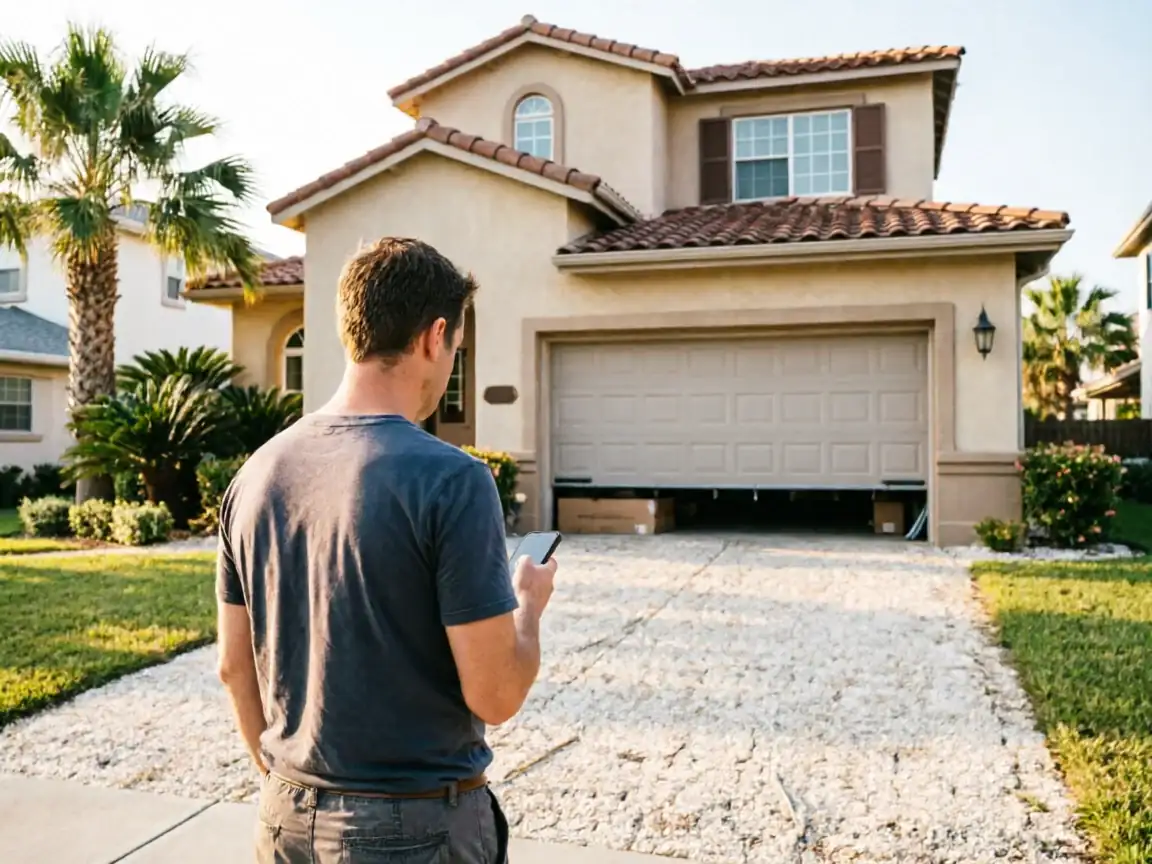
Windermere sits four miles from our Winter Garden base, close enough that a truck can be on site within the same window we'd quote anywhere else on this side of the county. That distance matters less for the drive and more for what it means scheduling-wise: we're not routing a crew across town traffic to get to you, so an opener swap doesn't turn into a half-day wait.
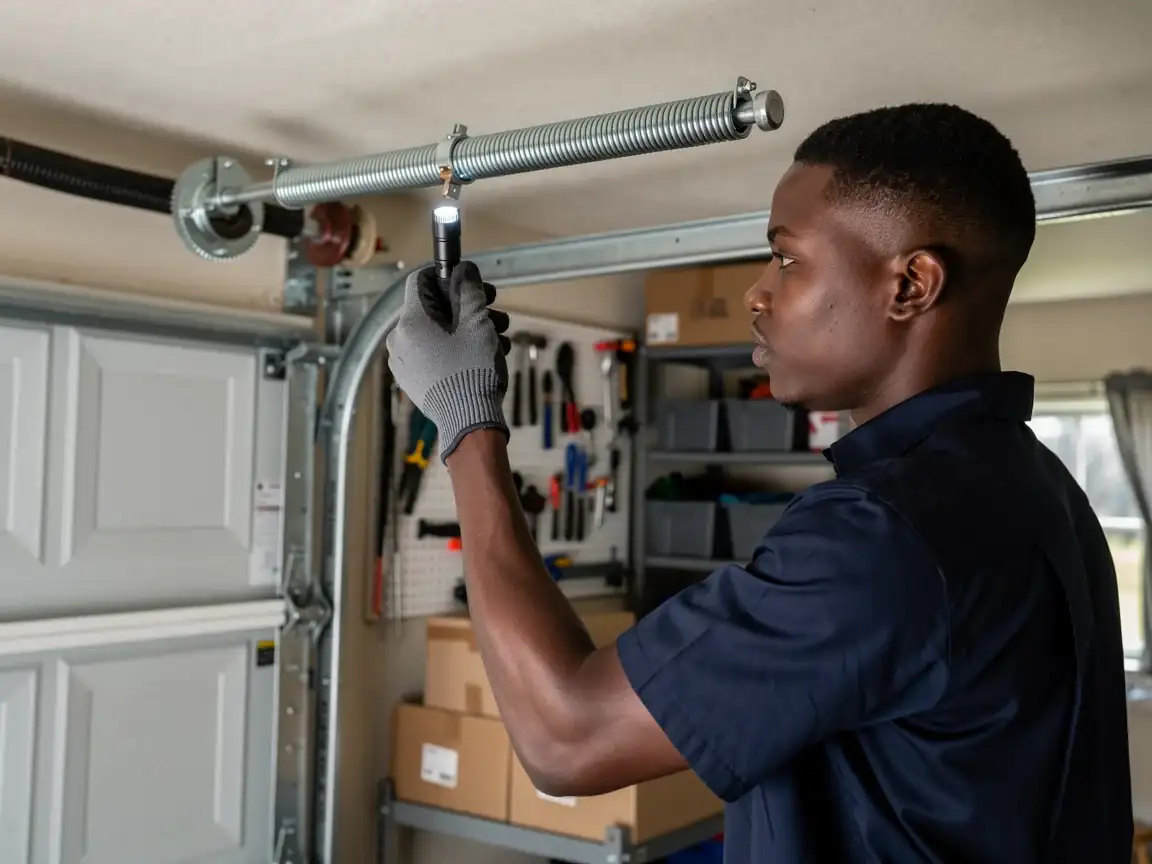
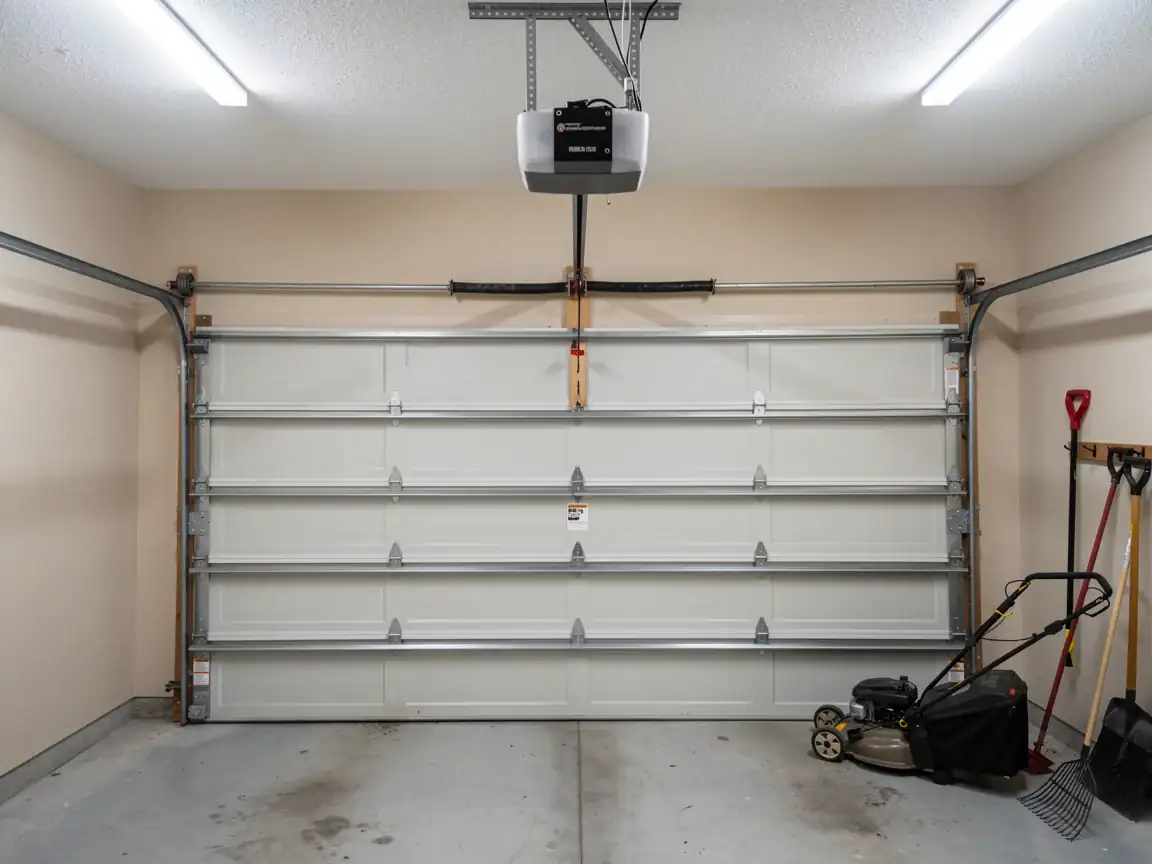
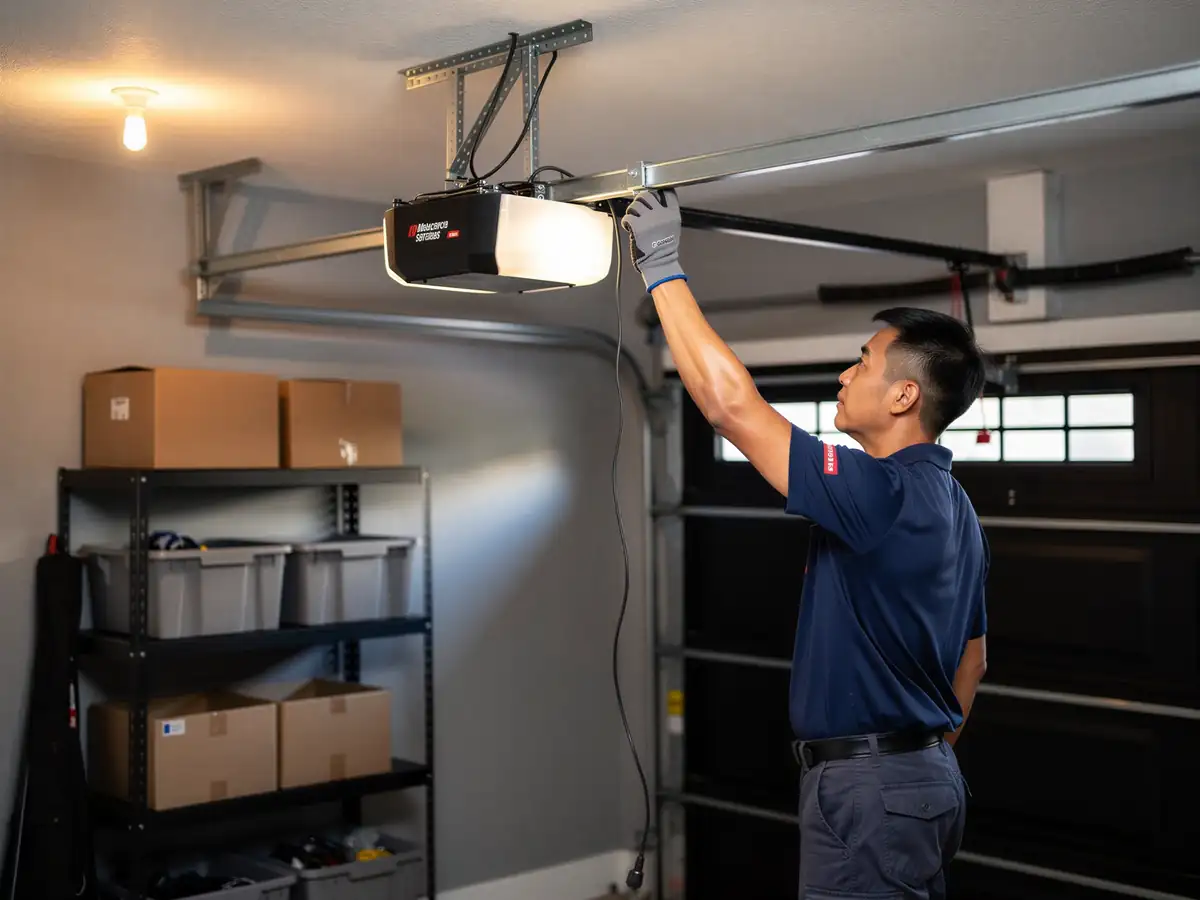
The houses here mostly went up around 1988, which puts most openers on their second or even third motor by now if the house hasn't been touched. Chain-drive units from that era were sized for lighter doors than what's often on the track today - insulated steel, sometimes carriage-style overlay panels that weigh more than the builder-grade door they replaced. When a heavier door gets hung on an opener built for the original, the motor strains on every open, the gears wear fast, and the unit starts grinding before it's ten years old.
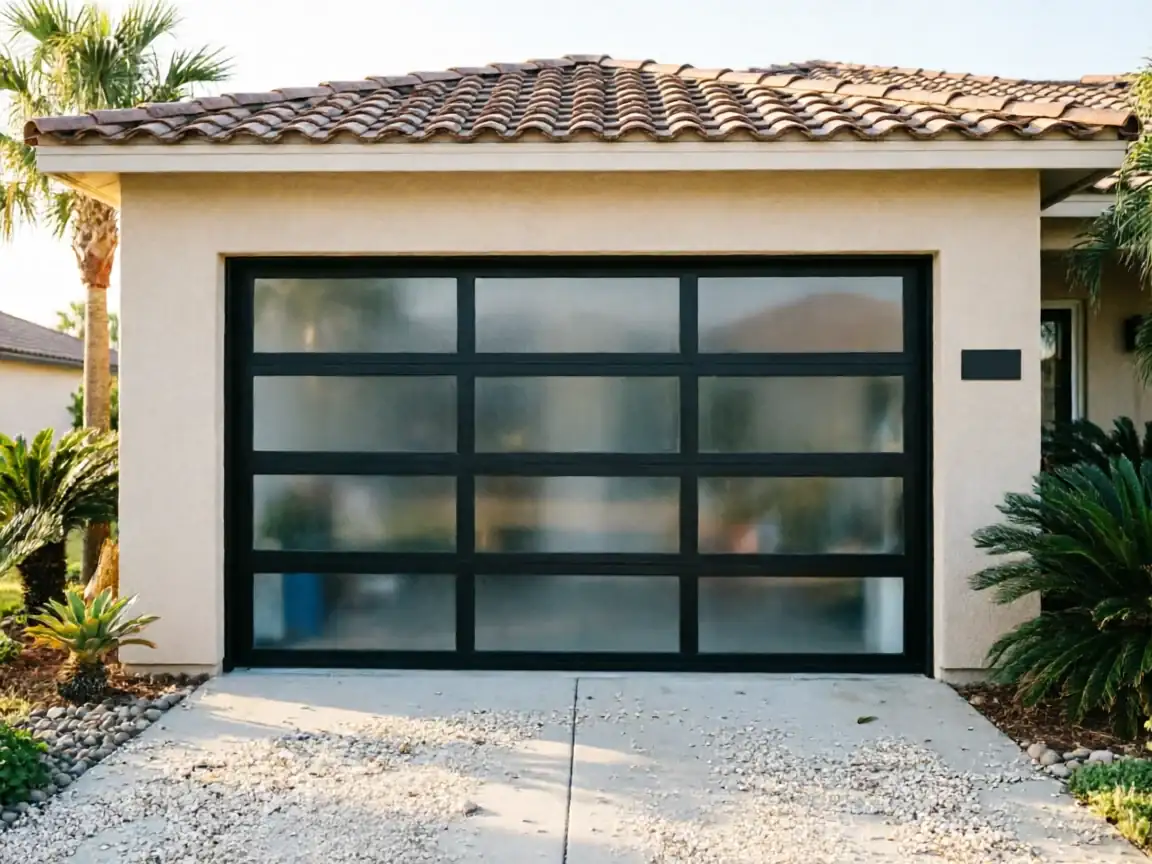
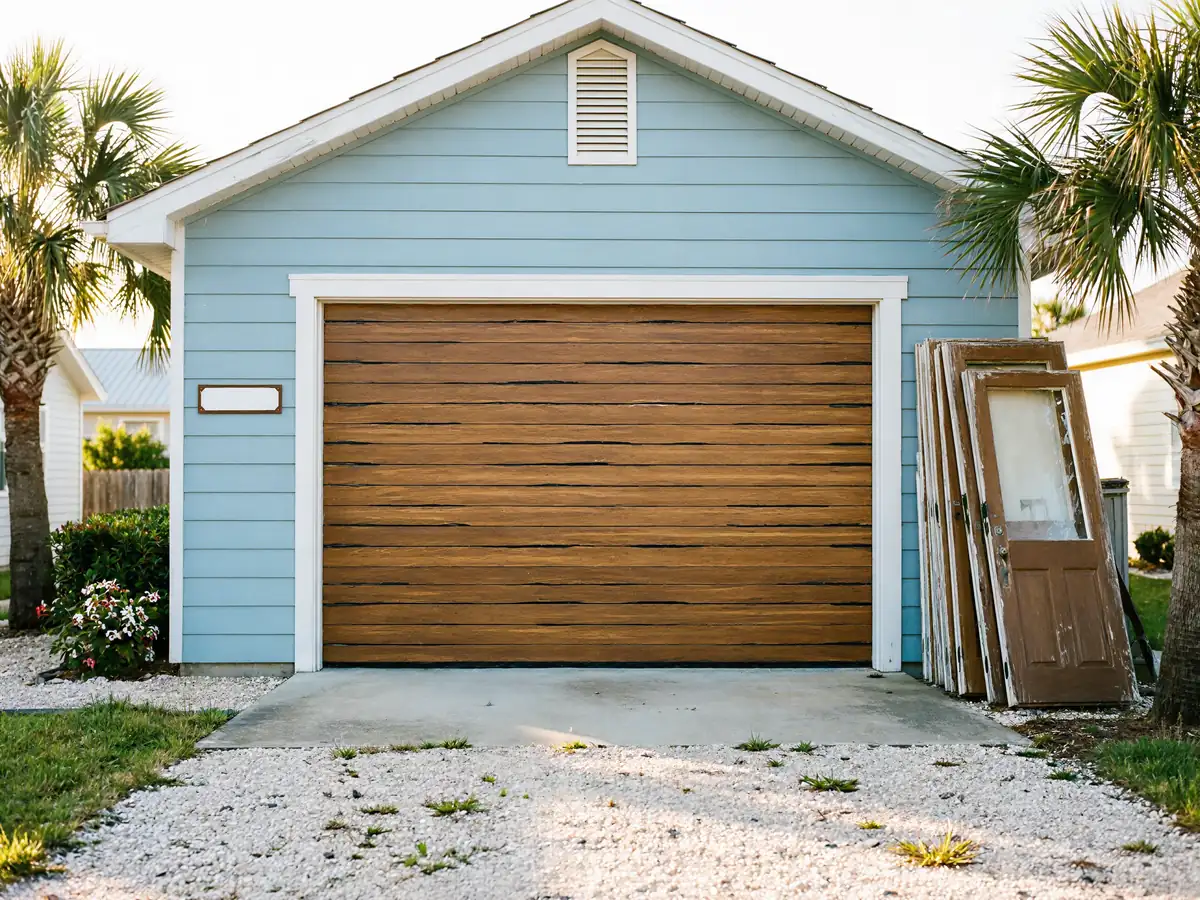
Income levels in this pocket run well above the broader service area average, and that shows up in the door upgrades we see - real wood-look composite, oversized panels, smart openers bolted onto houses that still have the original 1980s rail. The opener is usually the weak link in that pairing, not the door.
What It Costs
We don't have a Windermere-specific price list to publish here, and we're not going to invent one. What we can tell you is that the job itself doesn't change based on which side of the four miles you're on - the opener, the rail, the bracket hardware, and the labor to set travel limits and safety reverse are the same whether the house is here or back in Winter Garden.
What does change the number on your invoice is what's already on the door. A straight swap onto existing track and a door that's still square is the cheapest version of this job. A heavier replacement door, a damaged header bracket, or wiring that was never run for a smart opener all add time, and time is most of what you're paying for on an install like this.
Ask for the breakdown when the tech is standing in your garage looking at your actual door and track, not a number off a phone call. That's the only way the quote means anything.
Can You Do This Yourself
If you've put in a shelf bracket or hung a ceiling fan, the mechanical part of an opener install is within reach
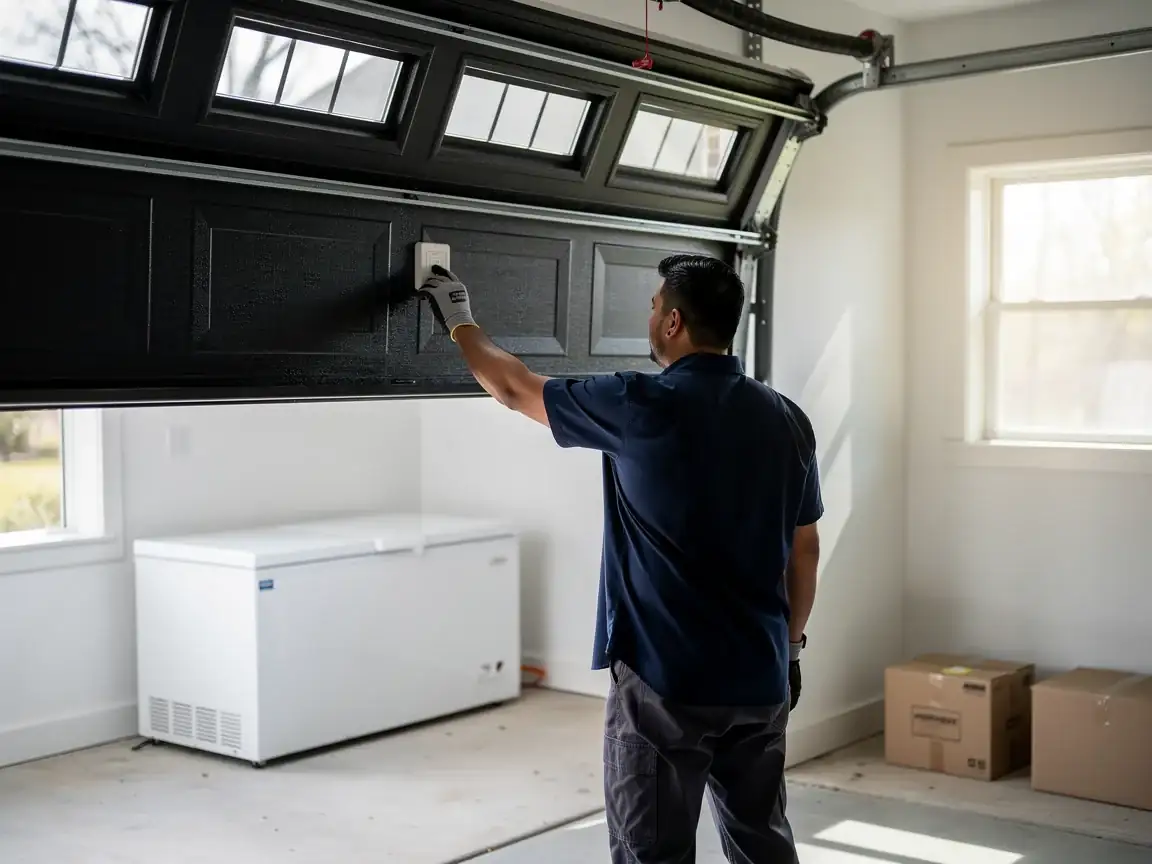
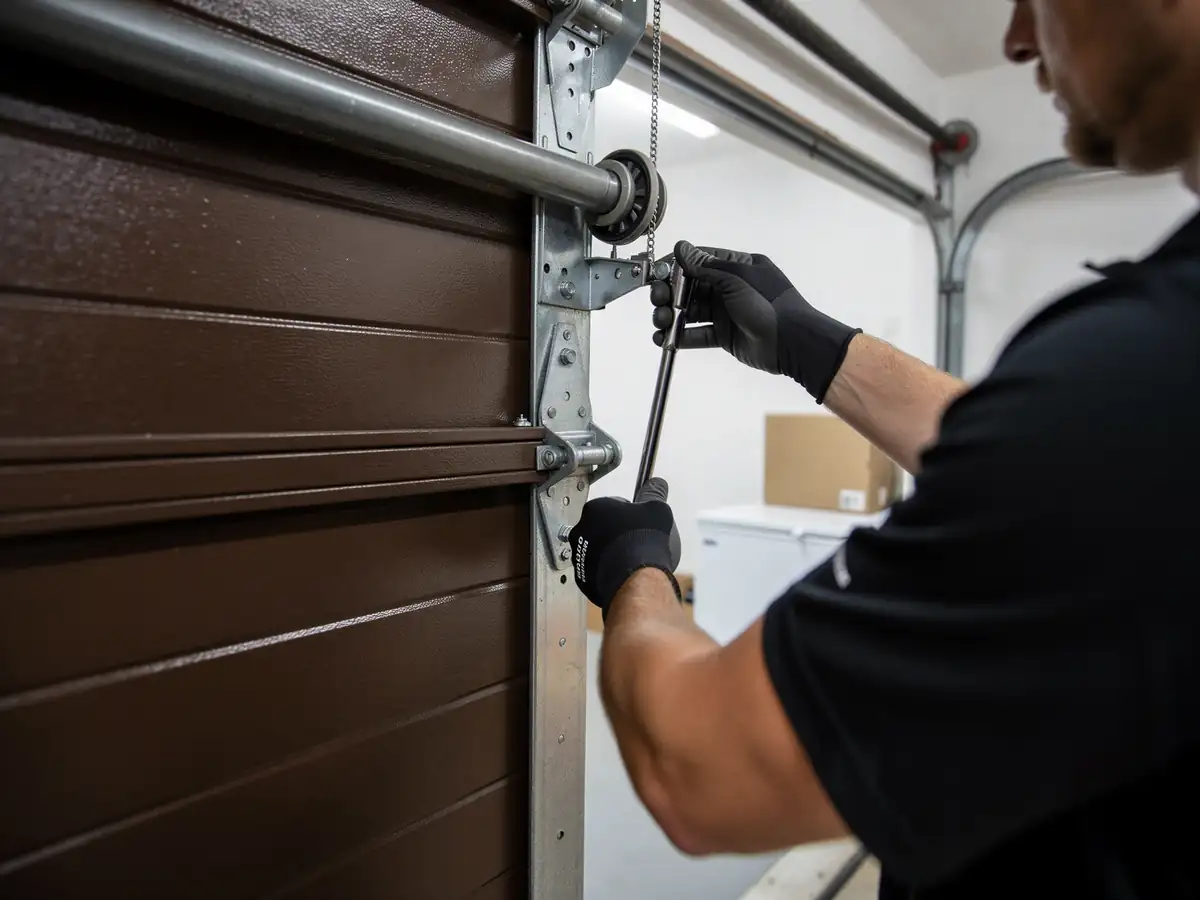
Most kits come with a drilling template and clear wiring diagrams. Where homeowners get into trouble is the safety reverse adjustment and the force setting, which have to be tuned to the actual weight of your door, not a factory default.
Set the force too high and the door won't stop on an obstruction
A pet, a bike, a kid's foot - which is the entire reason that safety standard exists. Set it too low and the door reverses on nothing, which just means a service call later anyway.
If your garage has a vaulted or angled ceiling
Which shows up on some of the larger lots out this way, the standard mounting kit often doesn't reach square to the rail, and you end up improvising a bracket that isn't rated for the load. That's the point where we'd tell you to call rather than keep going. It's not that the job is impossible solo - it's that the failure mode, a door that doesn't stop, isn't one you want to find out about after the fact.
Stocked Parts
We keep the openers and rail hardware on the truck that match what's actually on houses out here - chain and belt drive units sized for doors built from the late 1980s through the newer stock mixed into the area. That covers most of what we run into on a Windermere call without a special order.
Smart openers with camera and phone-app control are a different order sometimes, since model availability shifts and we're not going to promise a specific unit is on the truck when it might not be. If you want a particular smart model, say so when you book and we'll confirm before the truck leaves Winter Garden.
What we don't stock is obsolete drive hardware for openers no longer made - if your unit is old enough that the manufacturer has discontinued the rail or logic board, replacement is usually the faster and cheaper path over tracking down a part that may not exist anymore.