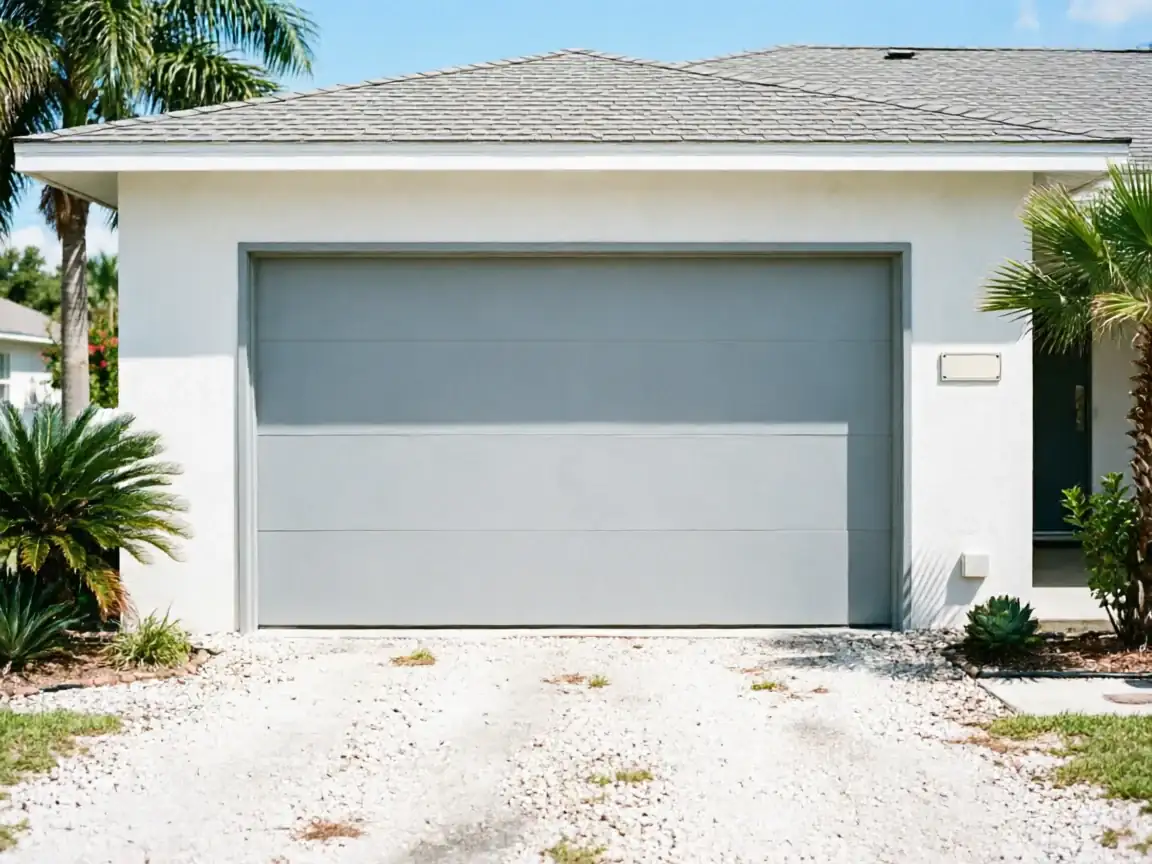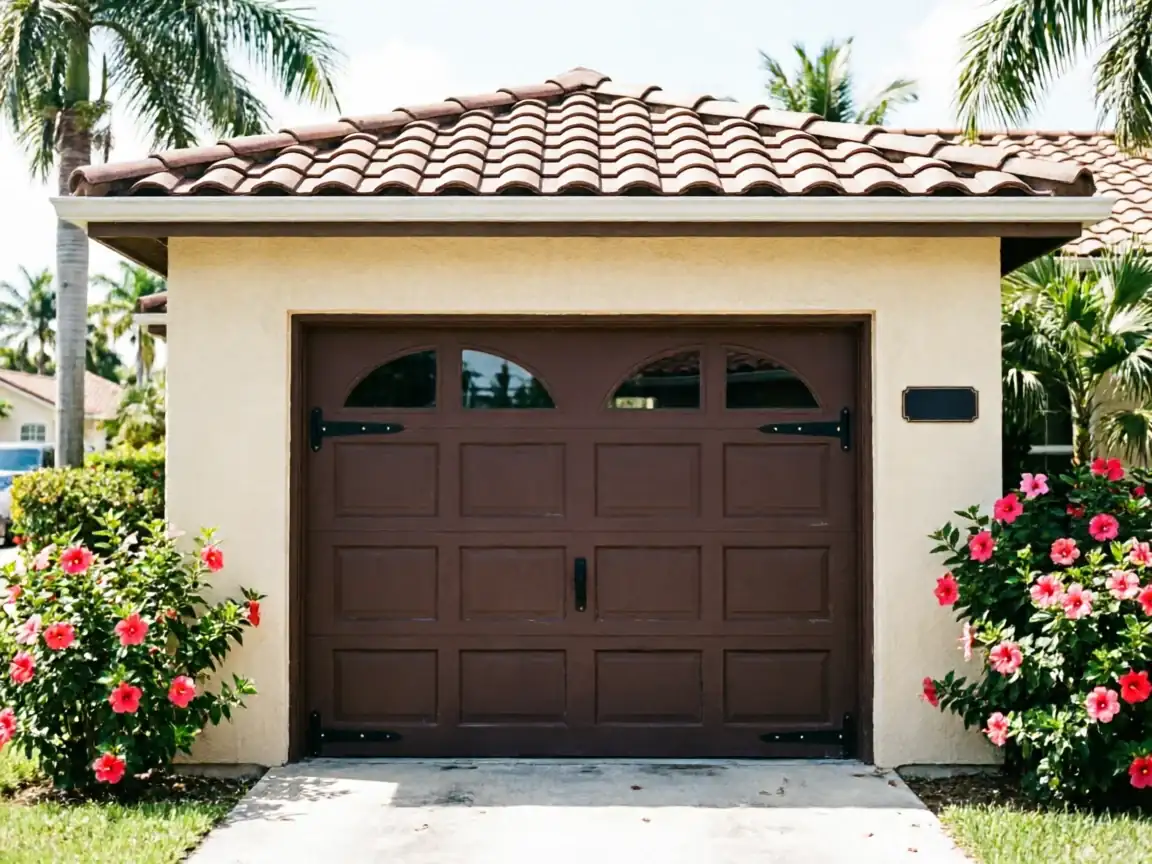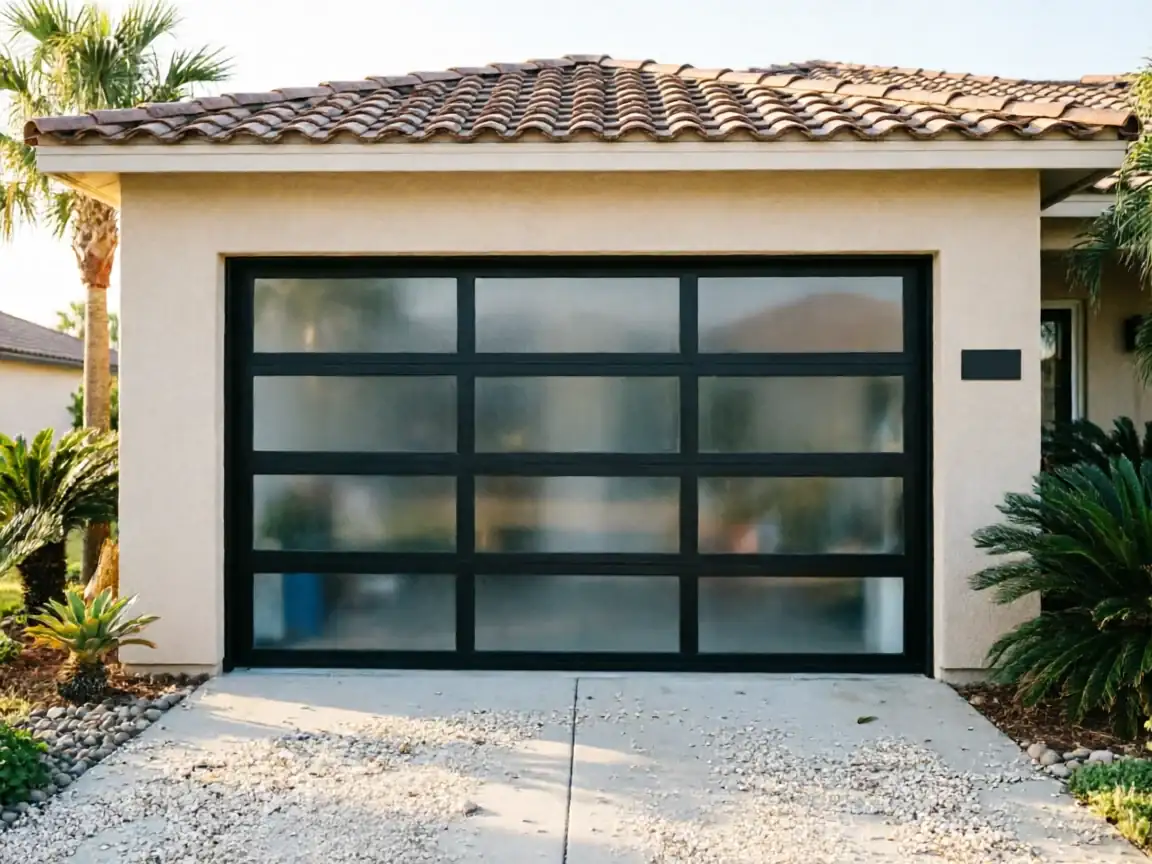
Why It Happens Here
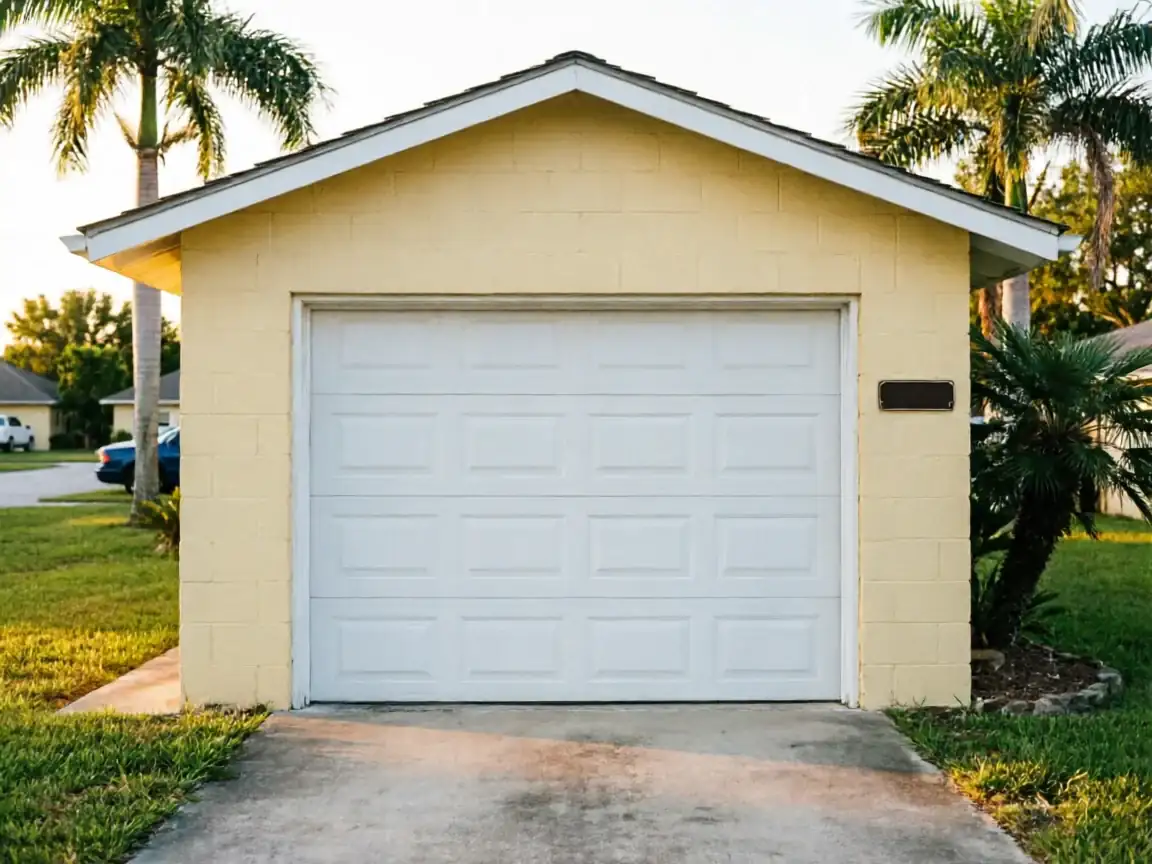
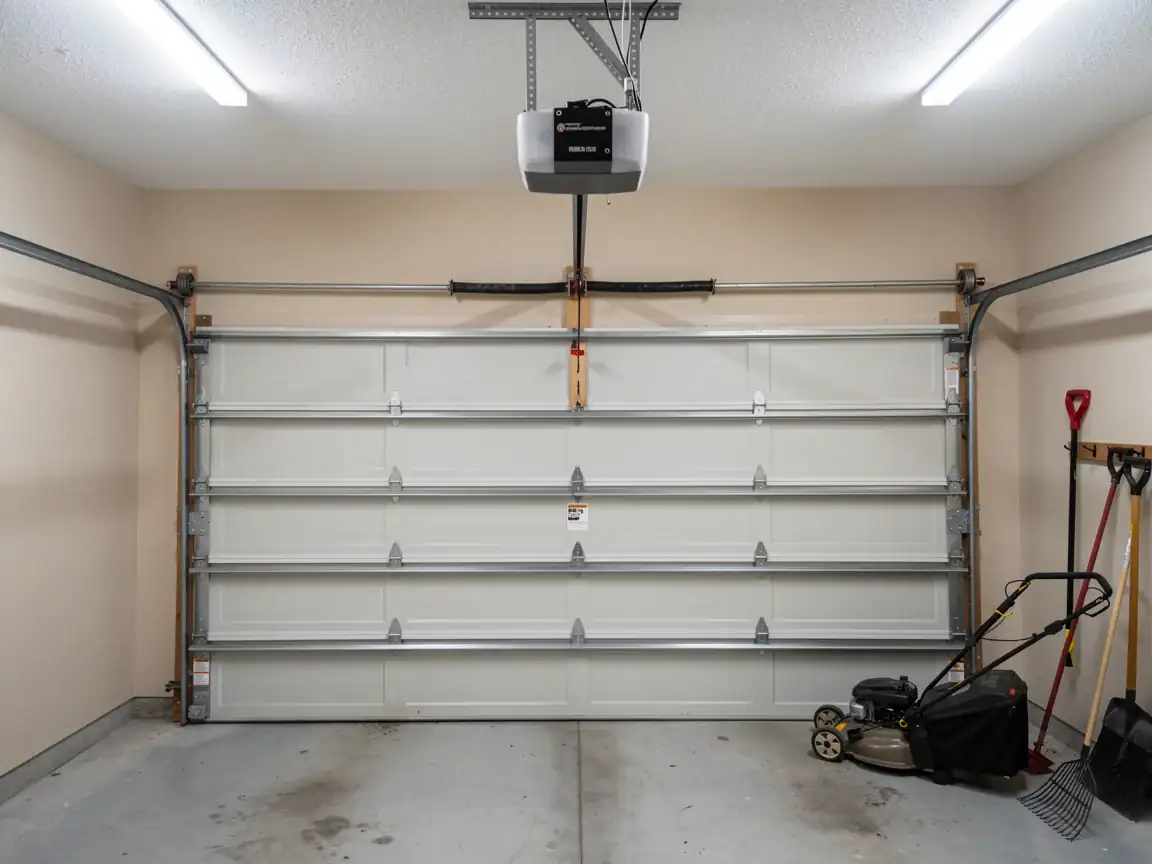
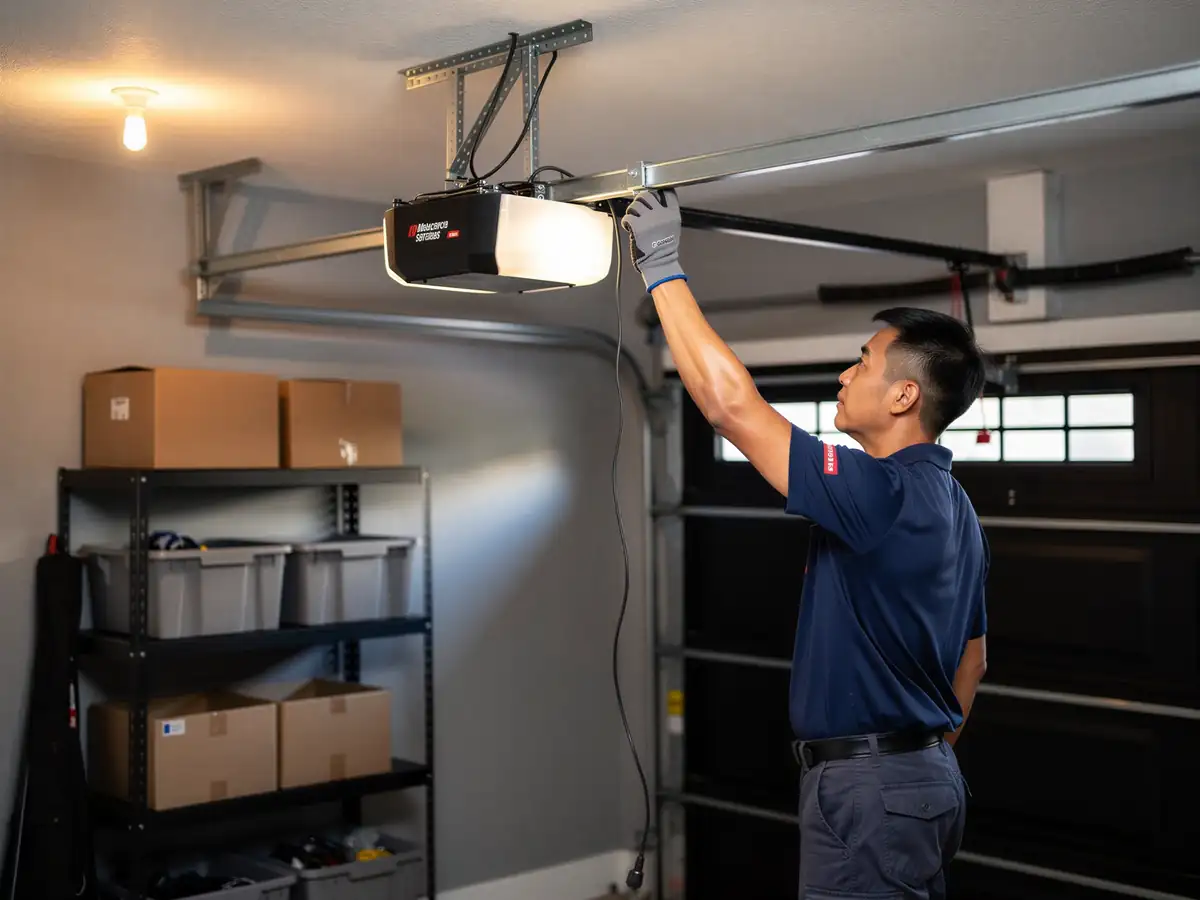
Most houses in Windermere went up around 1988, which puts the garage door hardware squarely in a specific generation: steel torsion springs sized to the original door weight, chain-drive openers with worn sprockets by now, and galvanized tracks that were never meant to run another three decades without adjustment. That's the era, and it's about a year off the broader service area's median build year of 1987 - close enough that the same failure patterns show up, just with Windermere's doors a notch newer on average.
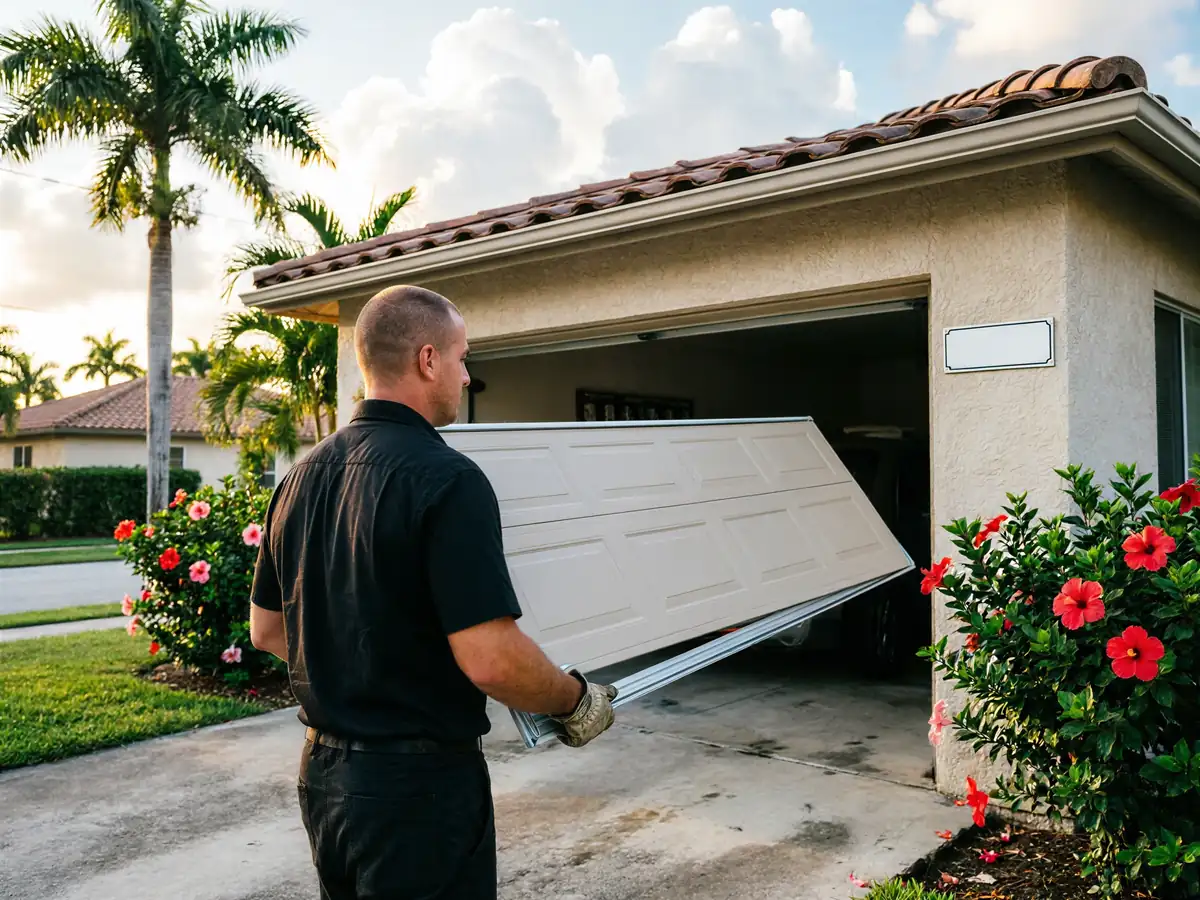
The mild temperate climate here doesn't put the kind of stress on hardware that freeze-thaw cycles or heavy humidity swings do elsewhere, so the springs and rollers in Windermere garages fail mostly from cycle count and age, not weather damage. A door opened twice a day for 35 years has gone through tens of thousands of cycles on a spring that was rated for a fraction of that when it was wound. That's the quiet math behind most of the calls we get from this side of the territory - not a dramatic breakdown, just a part that's finally used up what it had.
What It Costs
We can't post a number here that applies to every door, because what drives the bill in Windermere isn't the town, it's the specific hardware: whether the opener is original chain-drive or already replaced, whether both springs are original or one's been swapped already, whether the rollers are still steel or were upgraded to nylon at some point. A 1988-era door that's never had the springs touched usually needs more than a tune-up.
Windermere's median household income, at $156,042, runs well above the broader service area's $84,955, and we mention that only because it tends to mean owners catch problems earlier and replace openers before they fail completely rather than running them into the ground. That doesn't change what parts cost - it changes when people call. A maintenance visit costs less than a spring failure that happens on a Saturday with the car trapped inside, but the actual quote depends on what we find on your specific door, not on the zip code.
Can You Do This Yourself
Plenty of it, yes
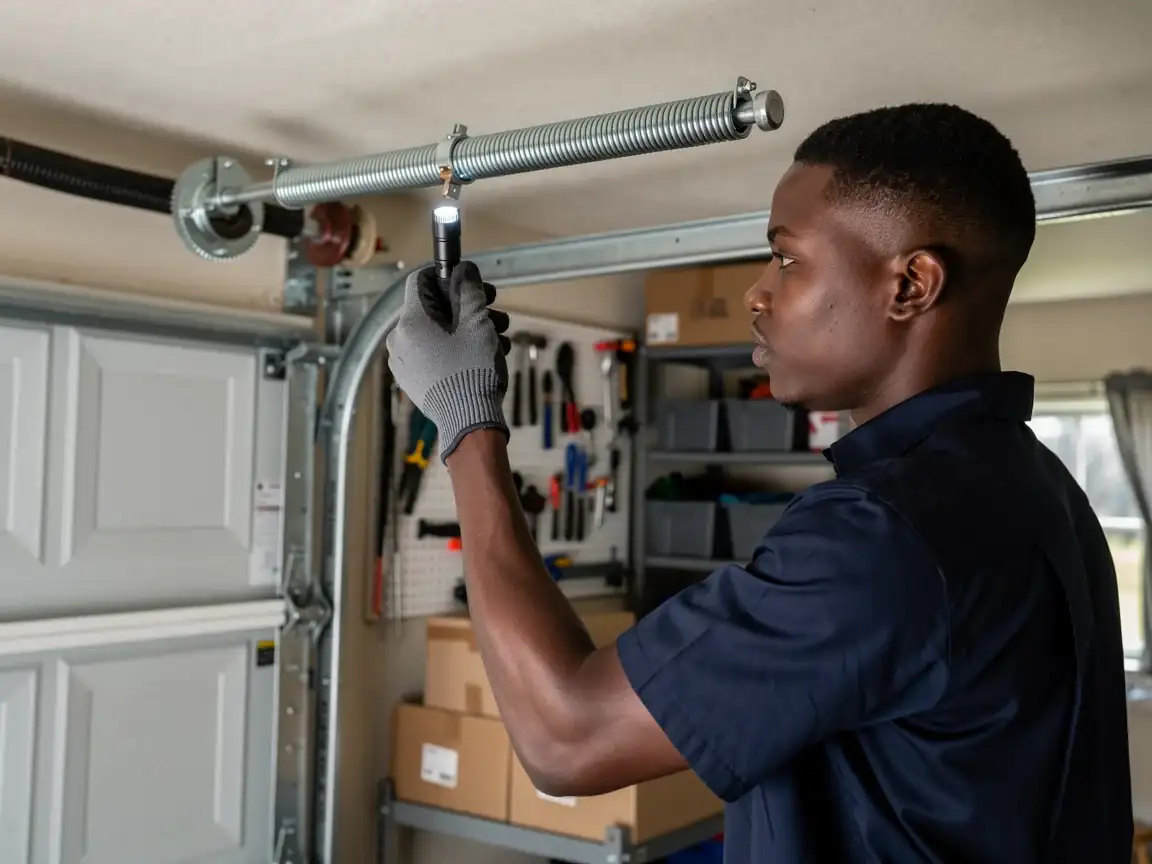
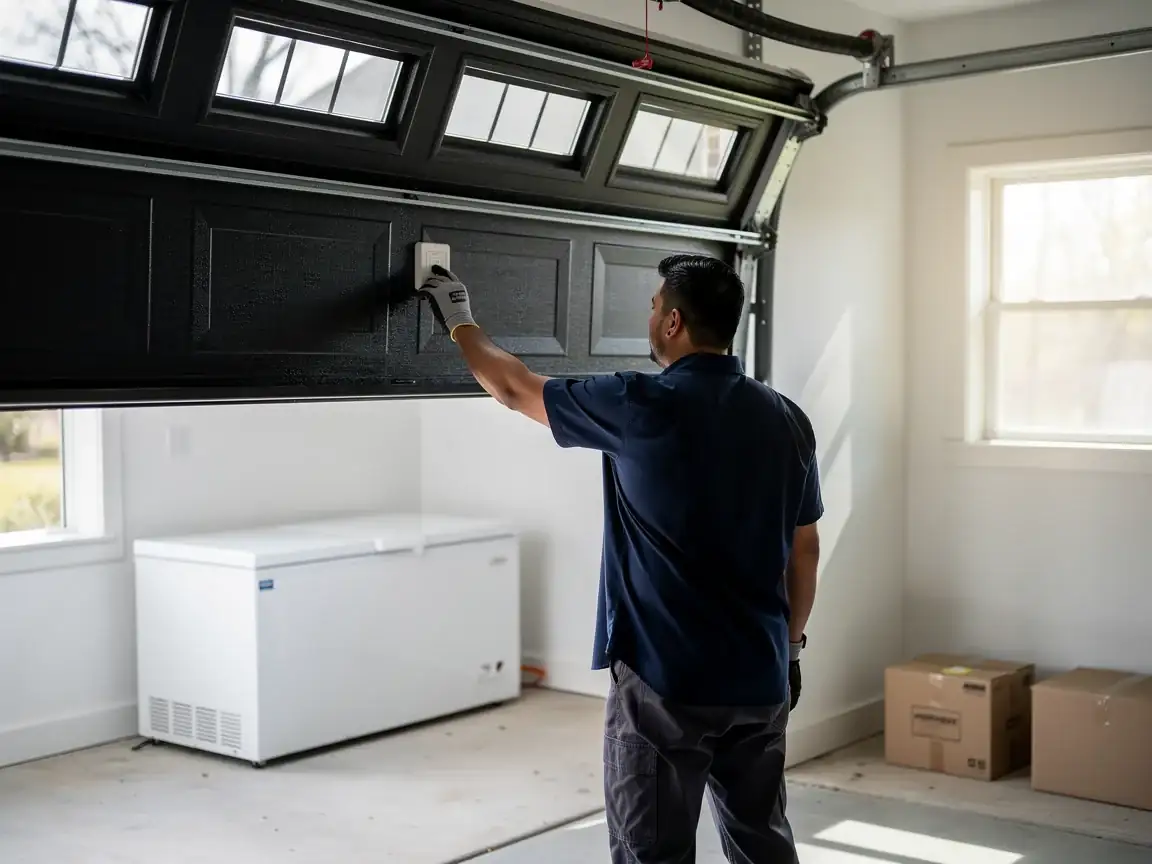
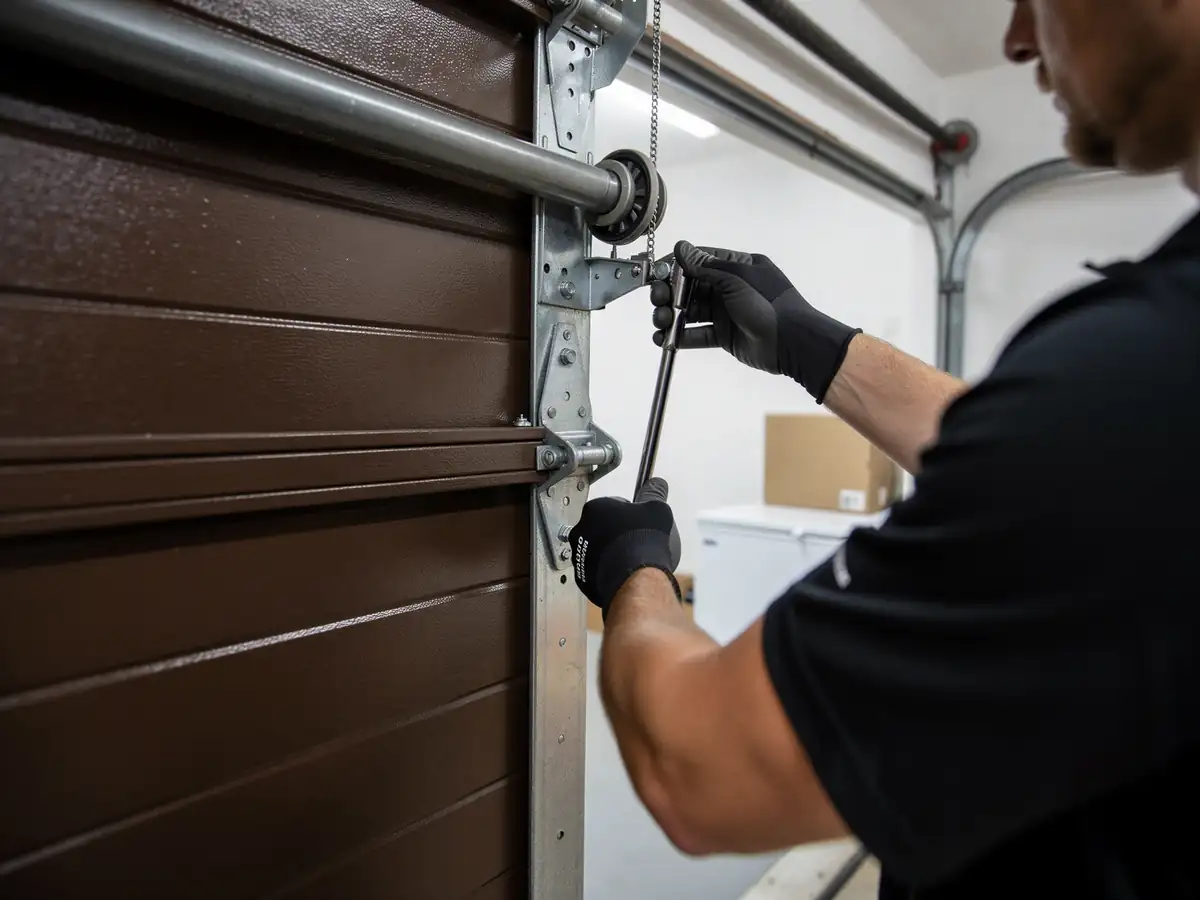
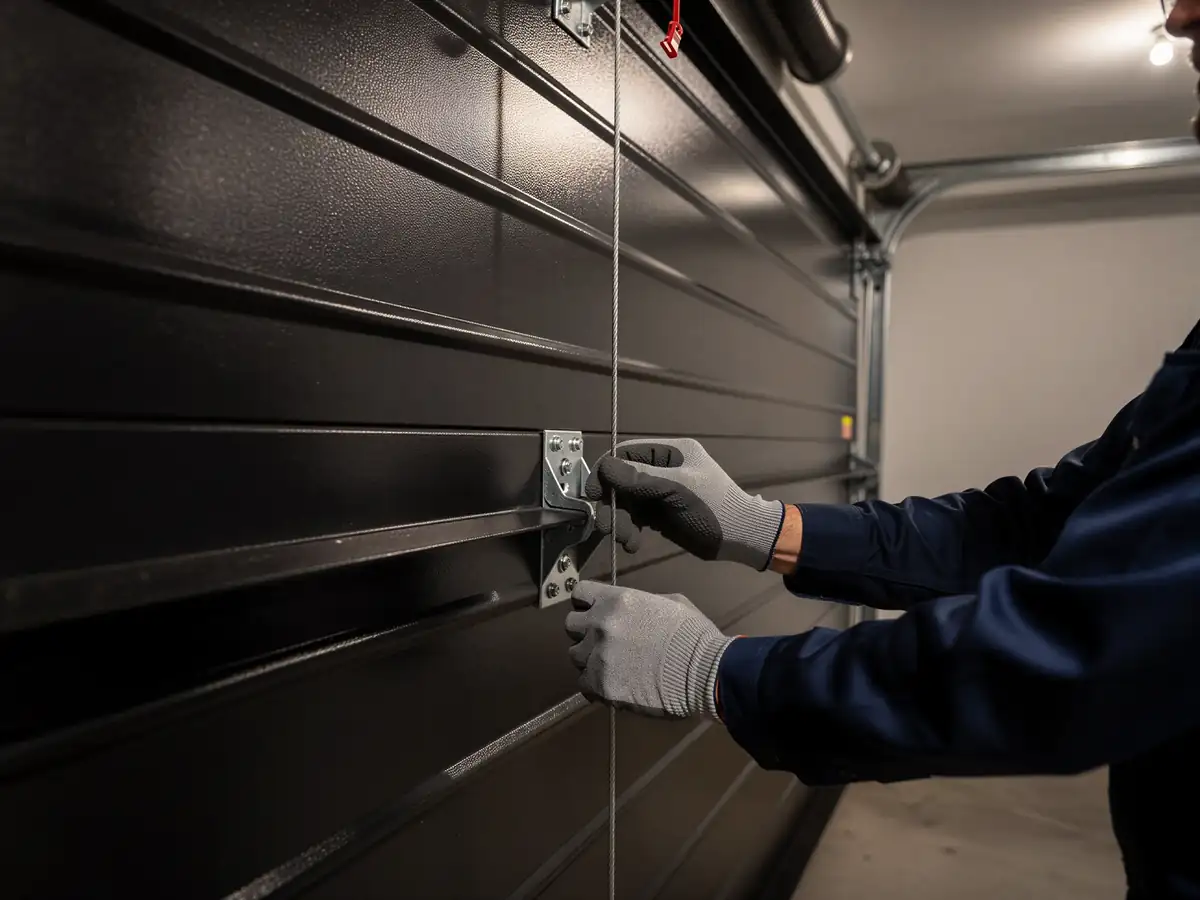
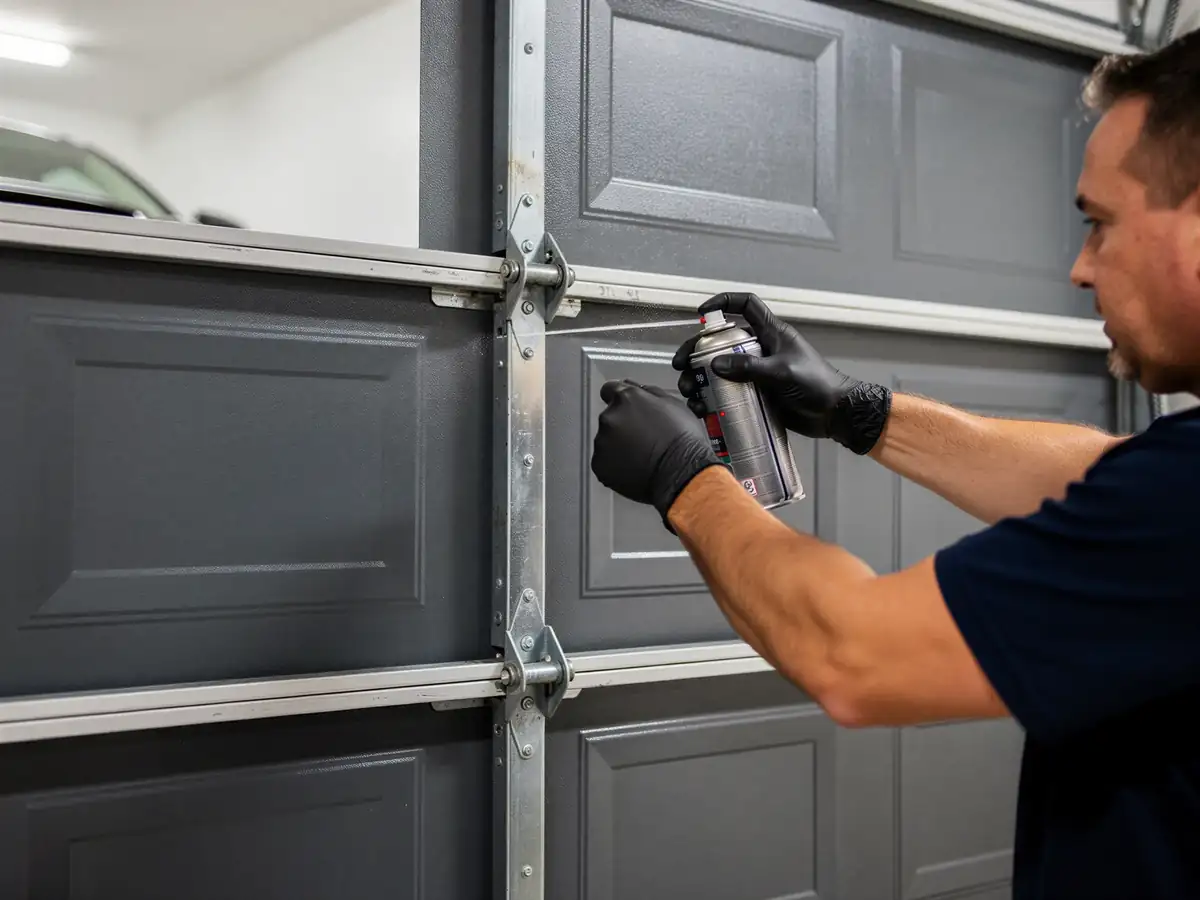
Wipe down and lubricate the rollers and hinges twice a year, check that the photo-eye sensors near the bottom of the track are clean and aligned, and look at the cables for fraying where they wrap the drum. Tighten the bolts on the track brackets if the door rattles - loose hardware is the most common thing we find that a homeowner could have caught.
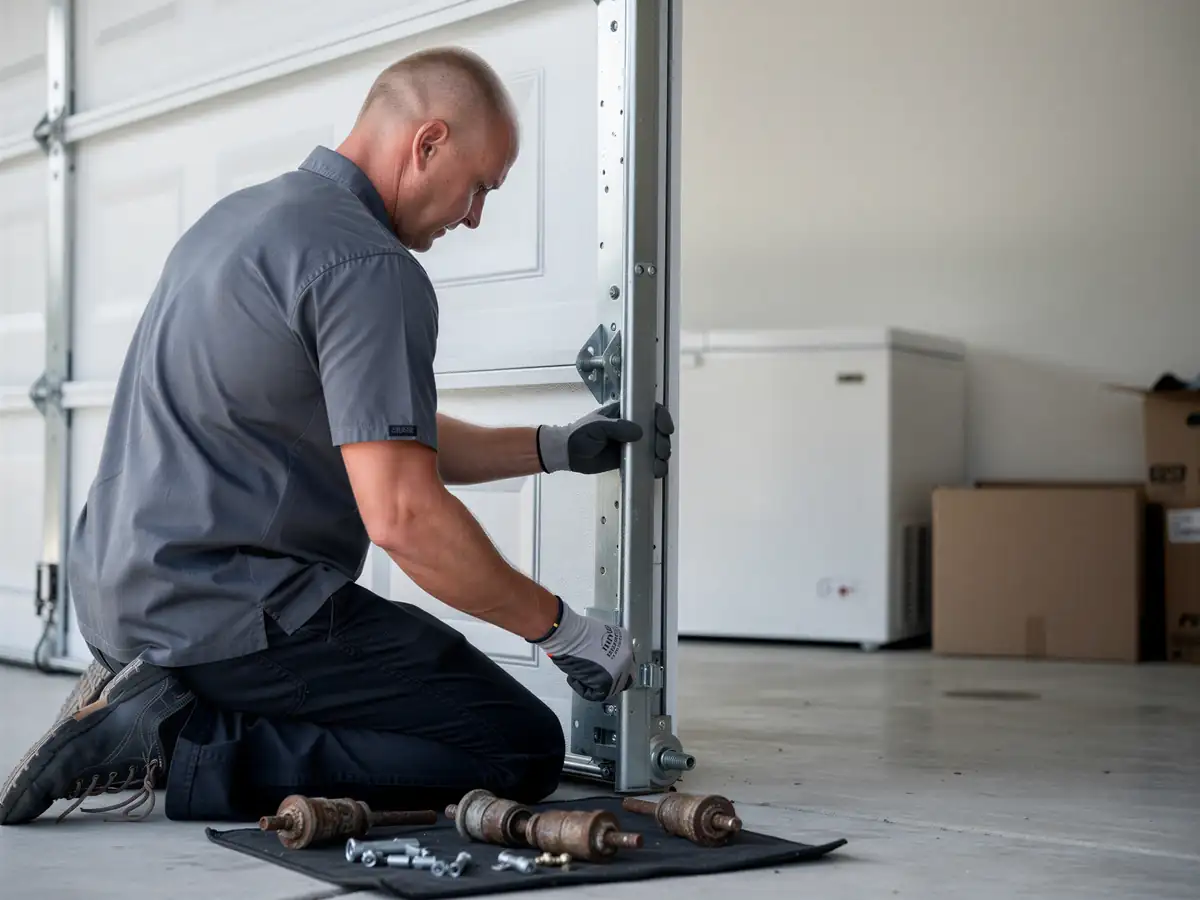
What you shouldn't touch is the torsion spring itself
On a door from the late 1980s, that spring is wound to a tension that can break a hand or worse if it lets go while you're adjusting it, and the tools for it aren't something most garages have lying around. If your door is noticeably harder to lift by hand than it used to be, that's the spring losing tension, and that's a call, not a project. We'll be straight with you: if the opener is original from 1988 and the motor's already struggling, replacing it is usually the better move over patching a worn gearbox - parts for openers that old aren't always easy to source quickly.
Stocked Parts
The truck carries what fits the hardware common to houses from this stretch of the housing stock - standard torsion springs in the sizes that match 1980s and 90s door weights, steel and nylon rollers, extension and torsion cables, and the sensor and remote components that replace most chain-drive opener failures. For a door built around 1988, that covers the large majority of what breaks.
Where we run into a wait is on parts for openers or track hardware that were already replacement units installed more recently with features or mounts that aren't standard - those sometimes need to be ordered. We travel to Windermere from Winter Garden, about 4 miles out, so getting back out with a special-order part doesn't add much time once it's in. We'd rather tell you a part needs a day than guess and leave the job half done.