Can You Do This Yourself
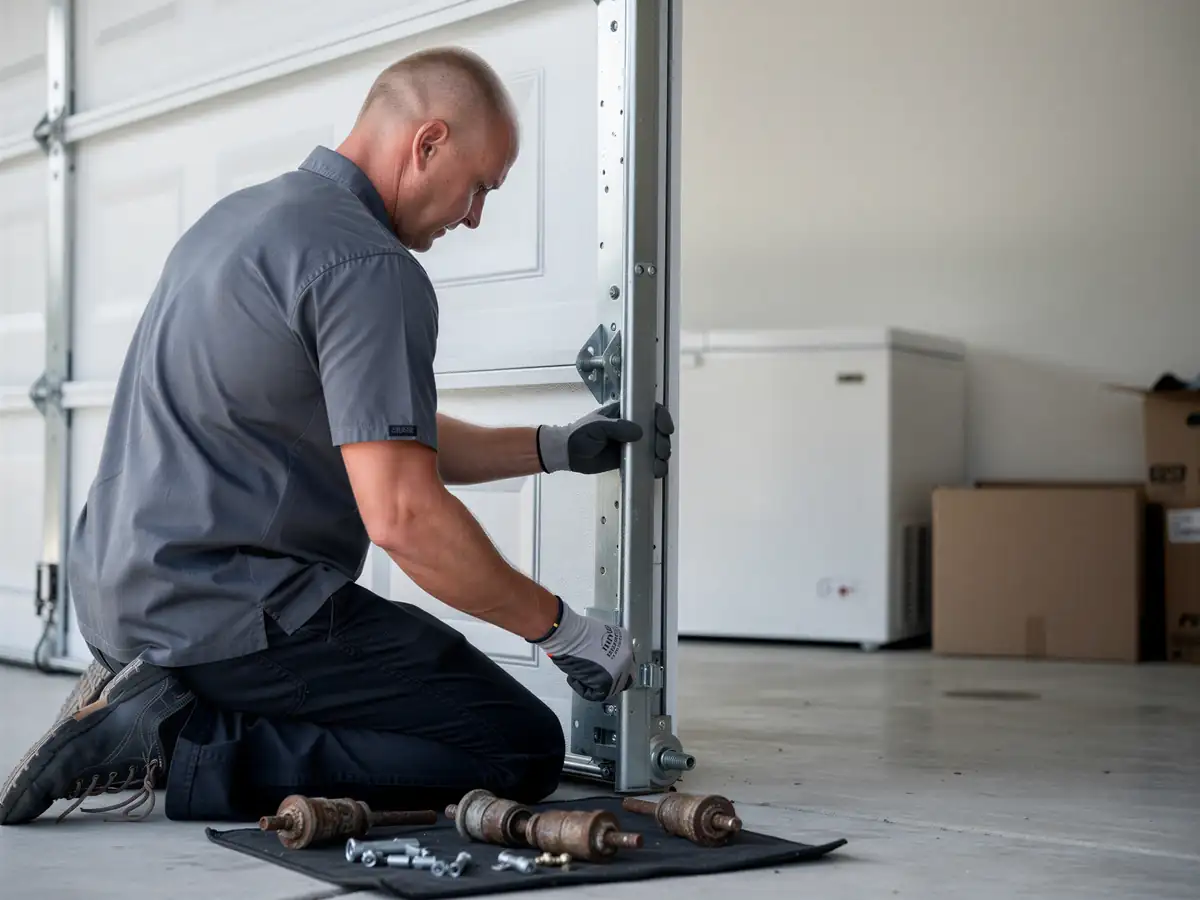
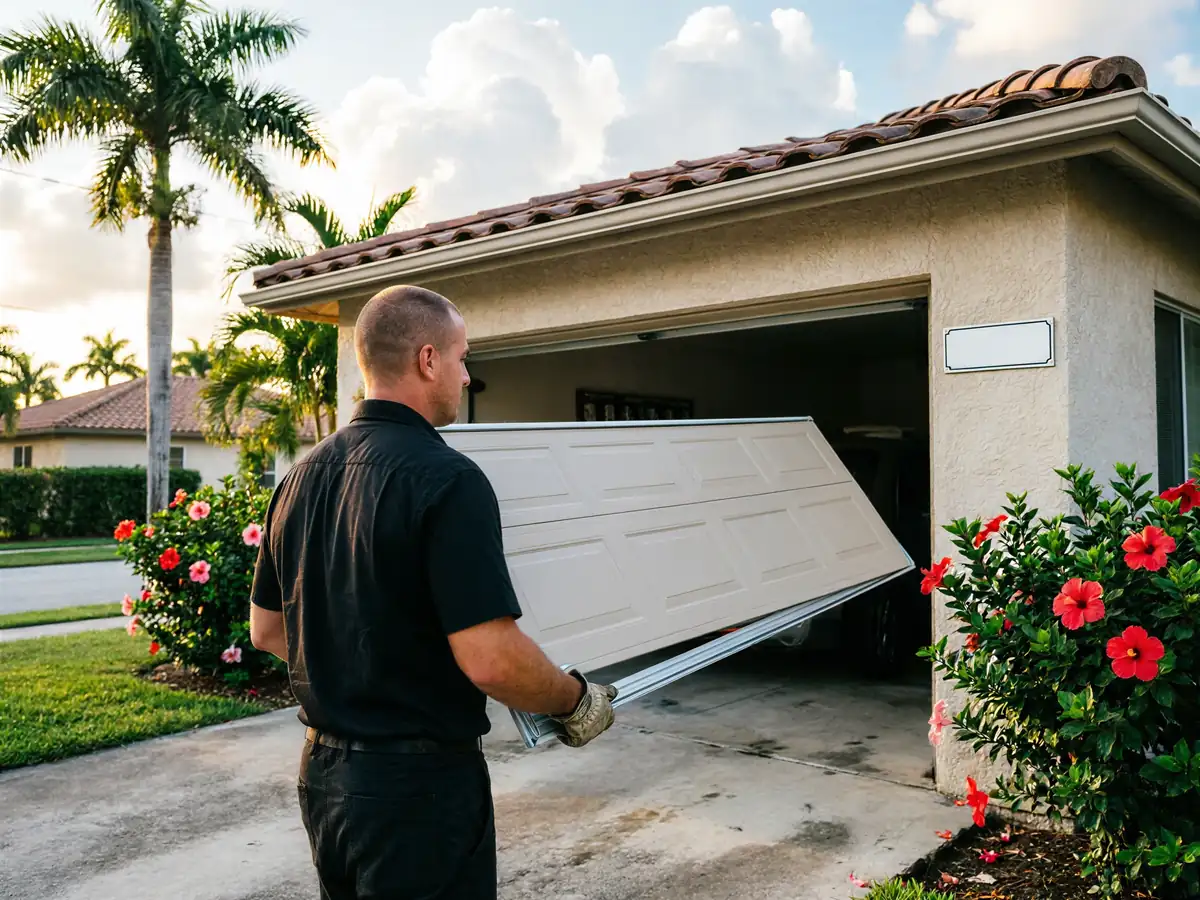
Clarcona's housing stock centers on 1987, which is right when raised-panel steel doors with sandwich-core insulation became the standard build. That matters for a DIY panel swap because those doors use panel sections and end stiles sized to a spec that shifted more than once through the late 80s and 90s. A dented bottom panel looks like a simple unbolt-and-replace job until you find the replacement section doesn't line up with the hinge spacing on your door, because the manufacturer changed that spacing a model year or two later. We've seen owners buy a panel online, get it delivered, and find it's close but not right - wrong screw holes, wrong profile depth. You can replace a single panel yourself if you can match the exact model and you're comfortable with a ladder and a socket wrench, but matching it is the hard part, not the bolts. If your door is original to a 1987-built house, treat the model number hunt as the real job. Getting it wrong means a door that doesn't seal flush, which in Florida's humidity turns into a moisture and warp problem within a season or two.
How Long You Are Without the Door
We come out from Winter Garden, about 8 miles to Clarcona, so the drive itself isn't the bottleneck - matching the panel is. If your door's section is a common steel profile still made today, a single-panel job is usually done same visit once we're on site with the right part. If it's an older or discontinued profile from the 1980s run, we may need to source it before we come back, which means a second trip. We won't tell you a number we don't have for how fast that second trip happens - it depends on what the supplier has in stock that week. What we can tell you is we don't leave a door half-open or unsecured between visits; if a panel's bad enough to compromise the track or let the door bind, we'll either brace it or recommend replacing more than the one section so the house isn't sitting open to the weather in the meantime.
Stocked Parts
We carry common steel panel sections, end stiles, and standard hinge sets on the truck, which covers most doors built from the mid-90s forward. Doors closer to Clarcona's 1987 median sometimes used panel profiles or colors that aren't in current production runs - in that case we order the matching section rather than force a mismatched one onto your door, because a visibly different panel on an otherwise original door looks worse than the dent did. One honest limitation here: if your exact 1980s profile is discontinued and the manufacturer won't remake it, the real fix may be replacing the full door rather than hunting for a part that doesn't exist anymore. We'll tell you that straight rather than stall you with a part order that's never coming.
What Can Go Wrong
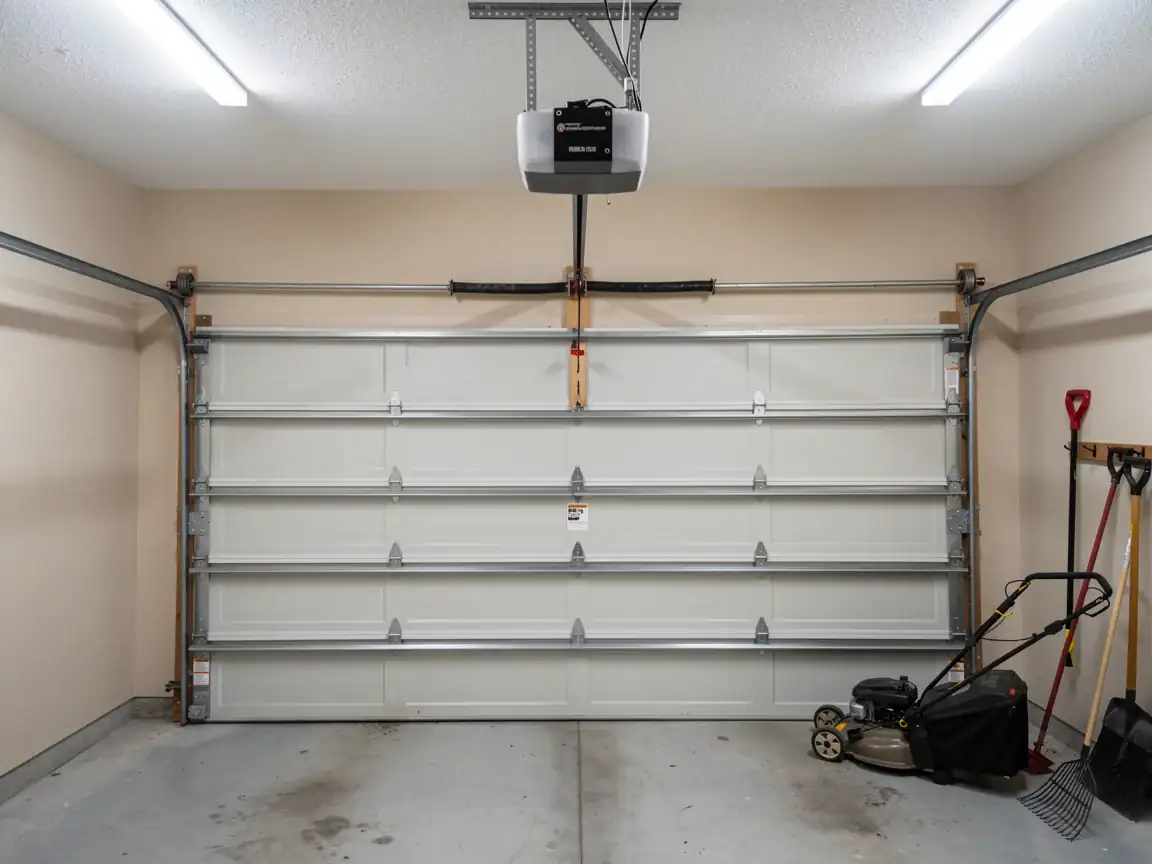
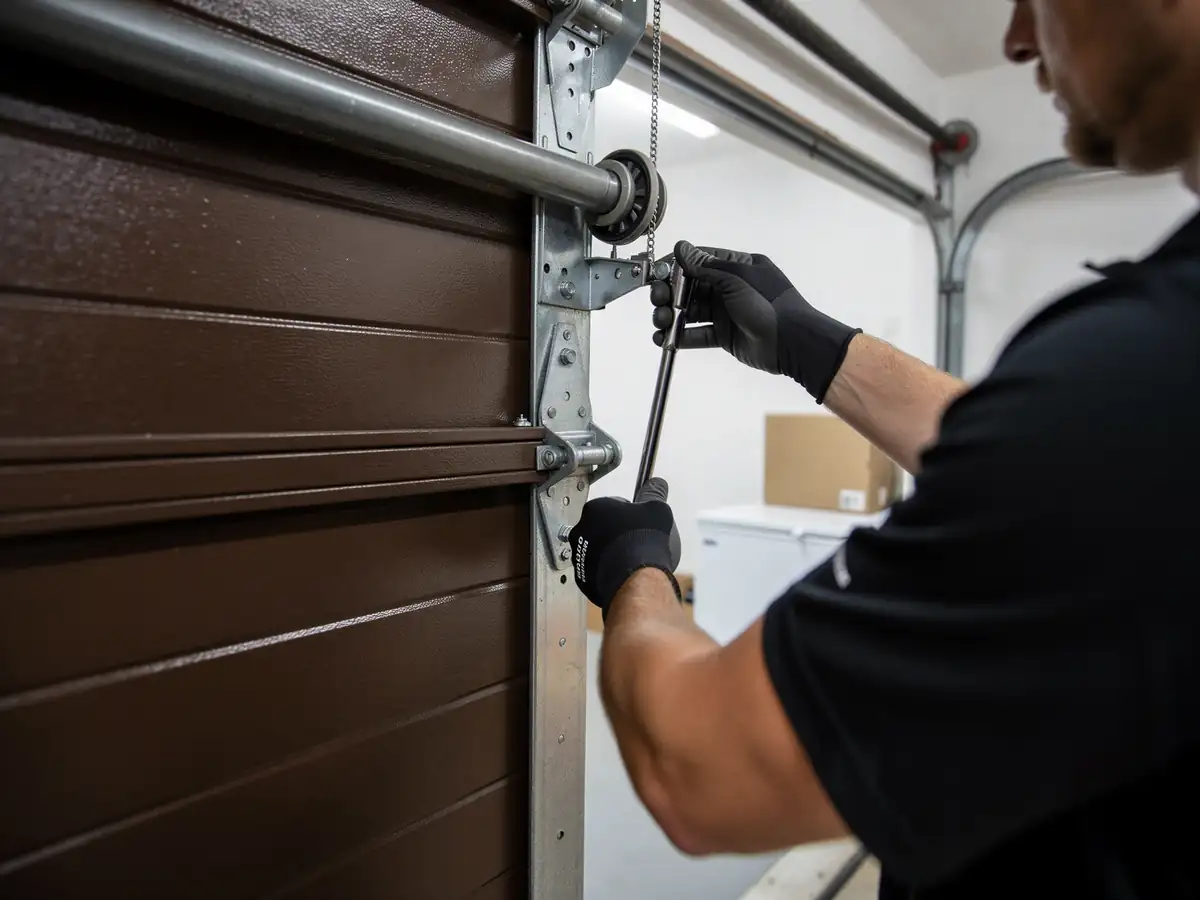
The most common failure we see on Clarcona-era doors isn't the dent itself, it's what the dent did to the track alignment. A hard hit from a car bumper or a wind-caught object can bow a panel just enough to pinch the rollers against the track, and if that's ignored the rollers wear unevenly and the opener starts straining to pull a door that's binding instead of rolling free. On a 1980s steel door, repeated binding can also crack the spot welds holding the hinge to the stile, which turns a panel job into a hinge and stile job too. We check the whole run of rollers and the opener's pull force any time we're replacing a panel, because fixing the visible damage and ignoring the track strain just means a second call in a few months.