Can You Do This Yourself
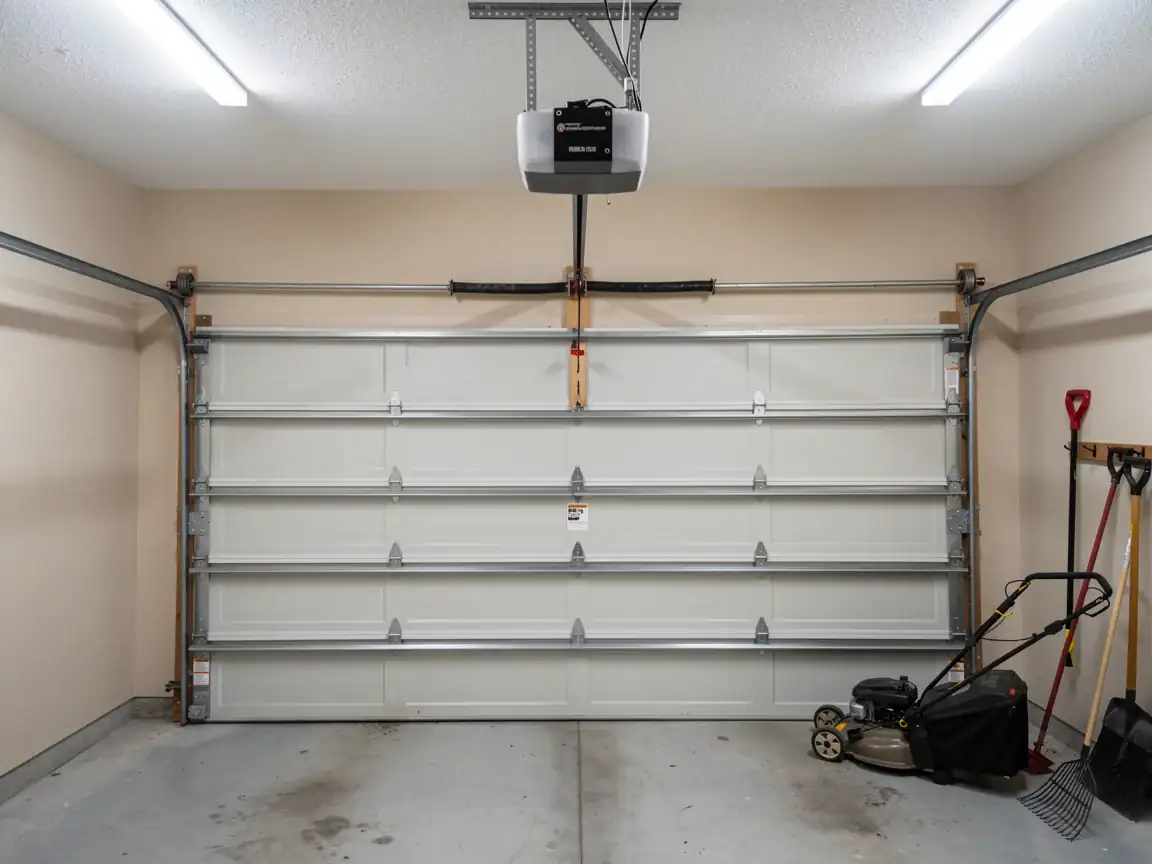
Most garage doors in Clarcona went up through the housing push of the 1980s, with the median home here dated to 1987. That era's torsion systems wind galvanized aircraft cable around a drum at each end of the spring shaft, and after this many years of Florida's damp mornings, that cable rarely snaps clean. It frays a strand at a time until the last thread gives out under the full weight of the door.
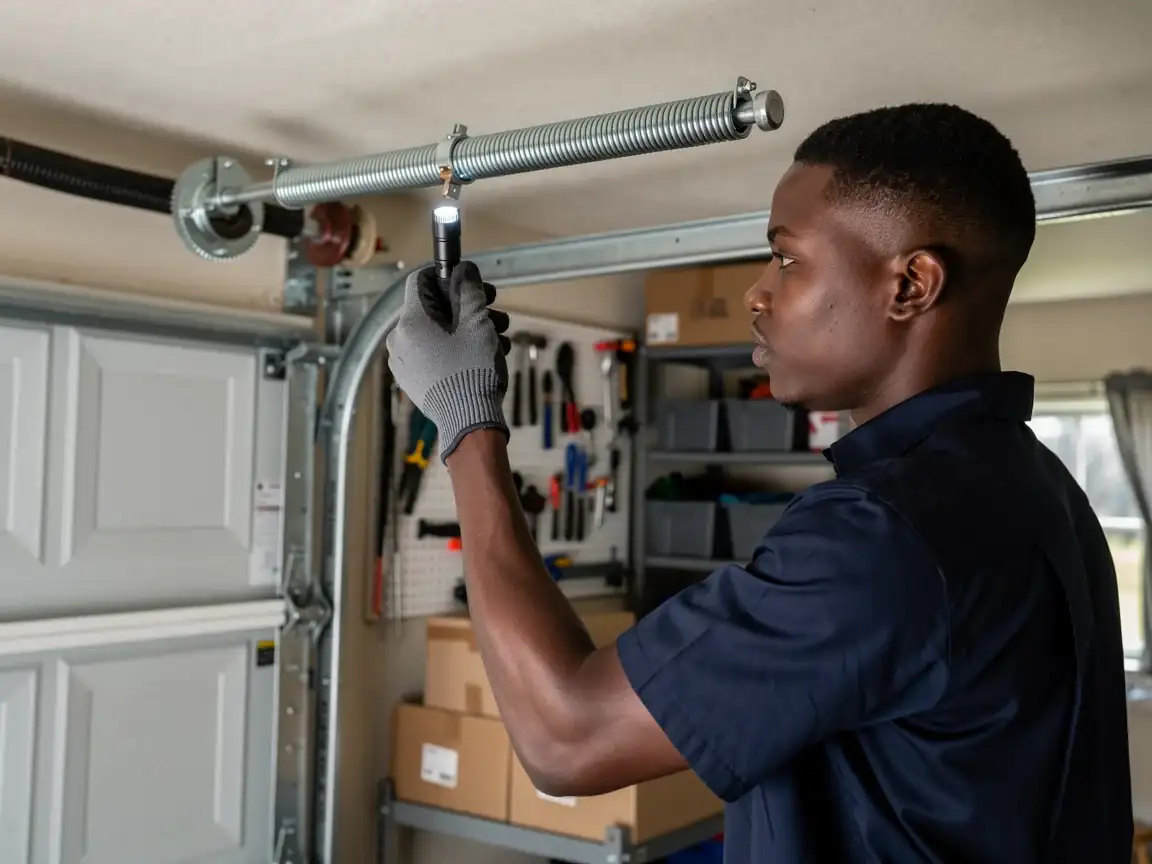
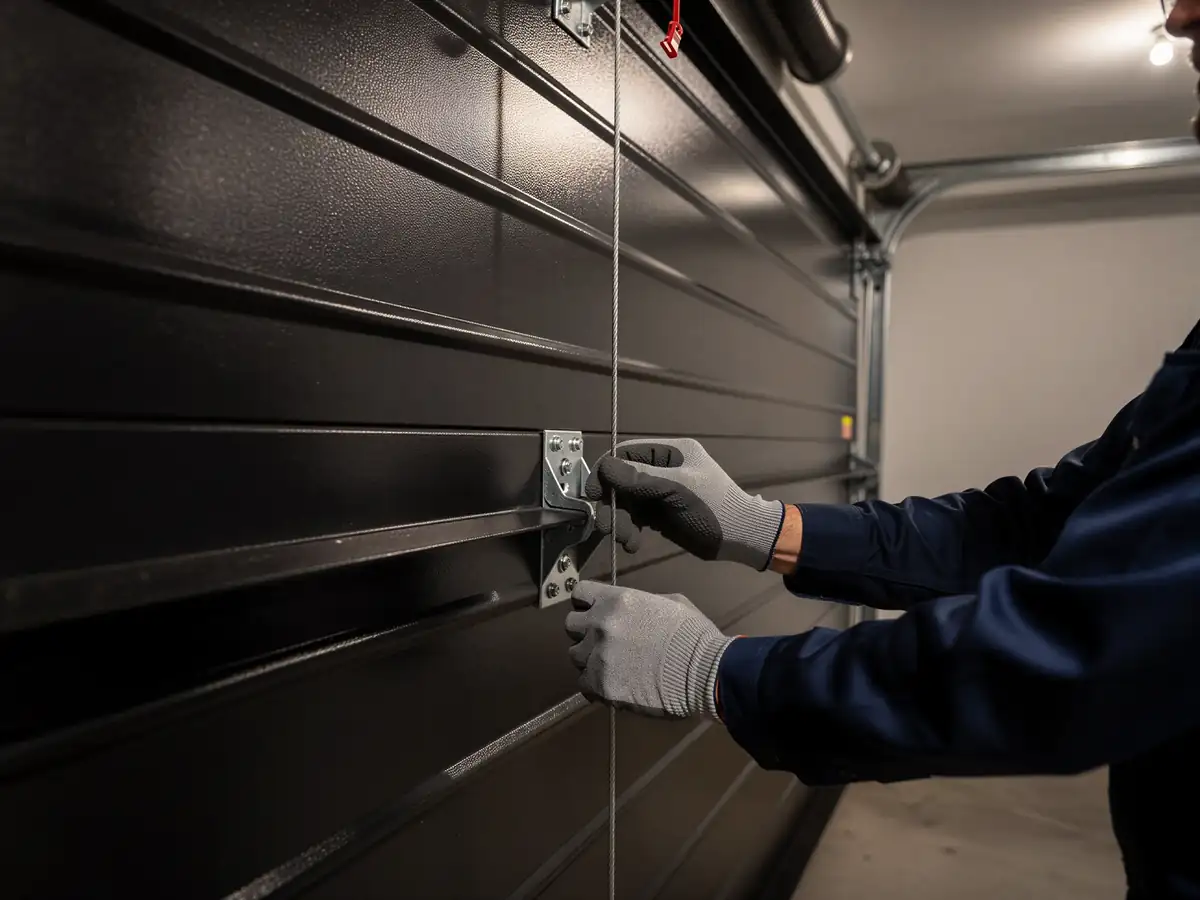
That's the part that makes this a bad DIY job. A cable under tension on a wound drum can take a finger off if a winding bar slips, and you can't always tell from the ground how far a strand has already frayed. We don't walk homeowners through unwinding spring tension over the phone - it's one of the few things we won't talk someone through remotely, because the margin for a mistake is too thin. If you can see frayed wire at the bottom bracket or the door is hanging crooked on one side, that's a call, not a weekend project.
How Long You Are Without the Door
We run this job out of Winter Garden, about eight miles from Clarcona - farther than the three-mile run to Oakland, closer than some of the other pockets we cover. That distance means the truck needs to be loaded with the right cable gauge and drum size before it leaves, not after a homeowner describes the problem over the phone.
With only 1,667 households in Clarcona, this isn't a part of the service area where we're making several stops a day, so the trip itself is planned around the job rather than squeezed between others. A straightforward two-cable replacement on a standard torsion system is usually a single visit - the time add comes if the drum is also damaged or the door has been run on a frayed cable long enough to bend the track. We don't promise a window here; the honest answer is that it depends on what the cable took down with it when it let go.
What the Repair Takes
The spring tension gets released first
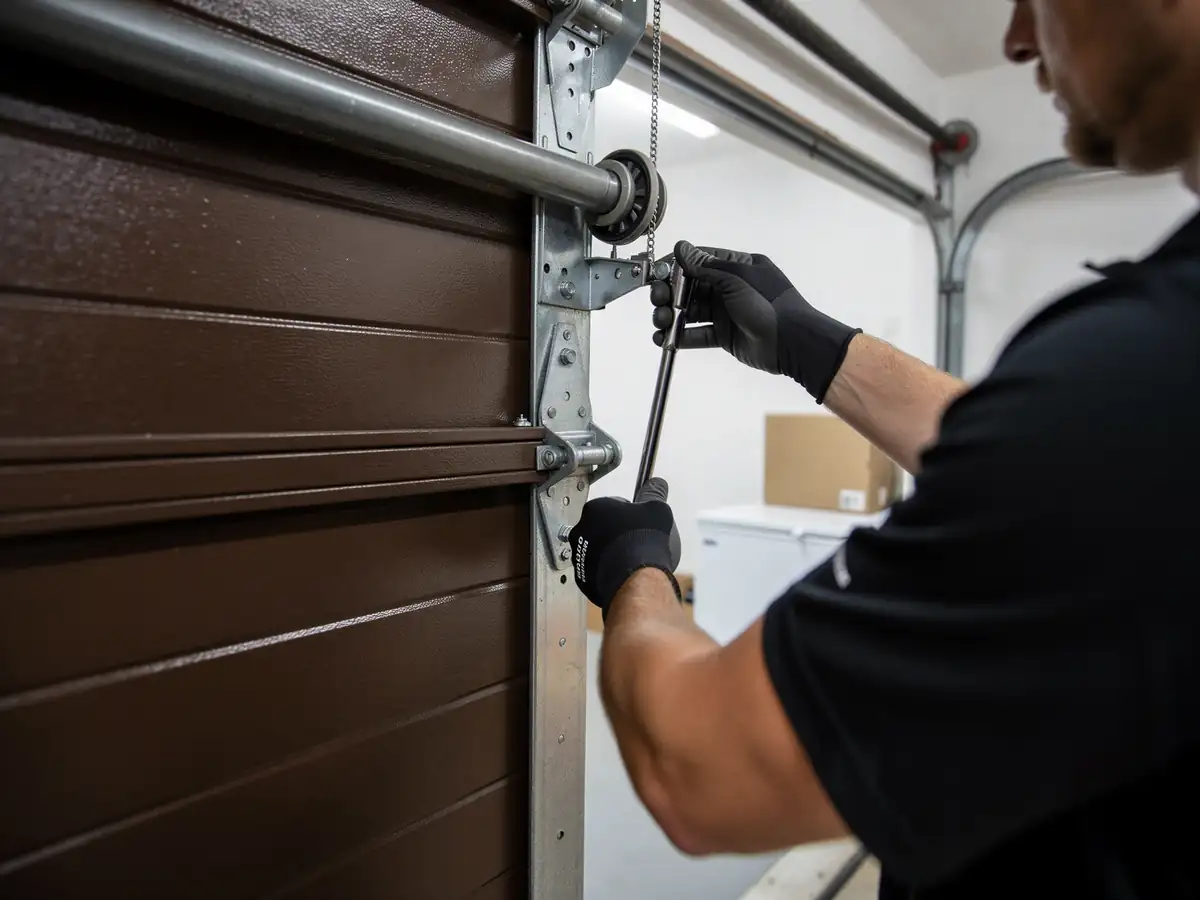
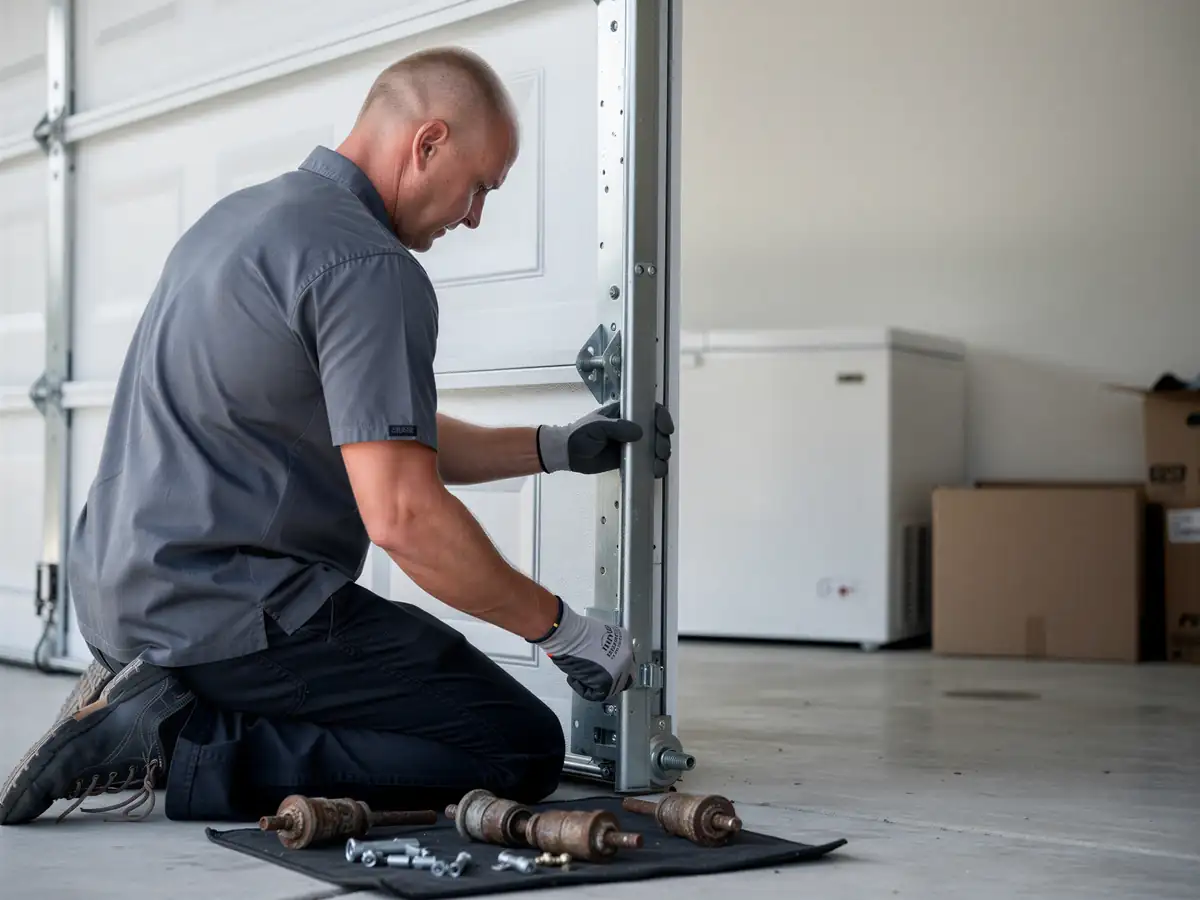
That's the step that makes everything after it safe to touch. Once the shaft isn't loaded, the old cable comes off the drum and the bottom bracket, and we check the drum itself for wear where the cable has been riding, since a grooved or chipped drum will cut through a new cable fast.
We replace both cables as a pair even when only one has failed
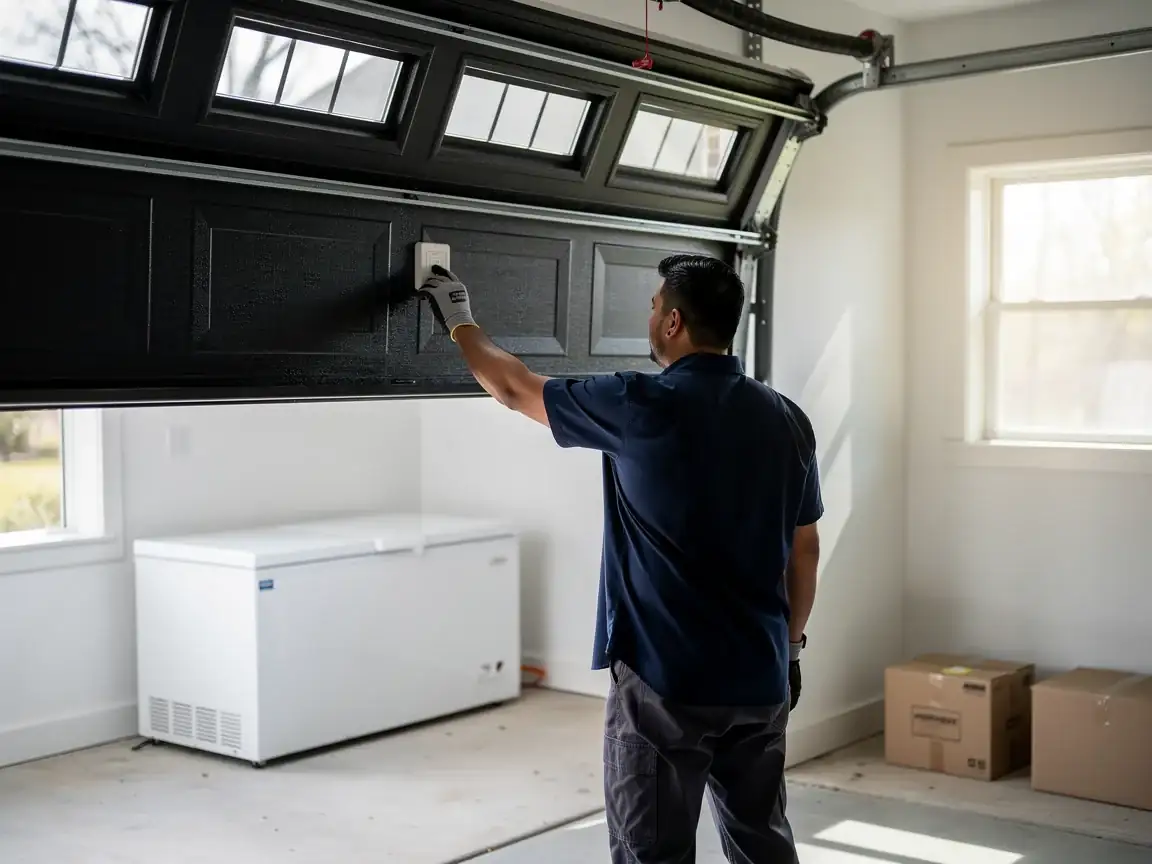
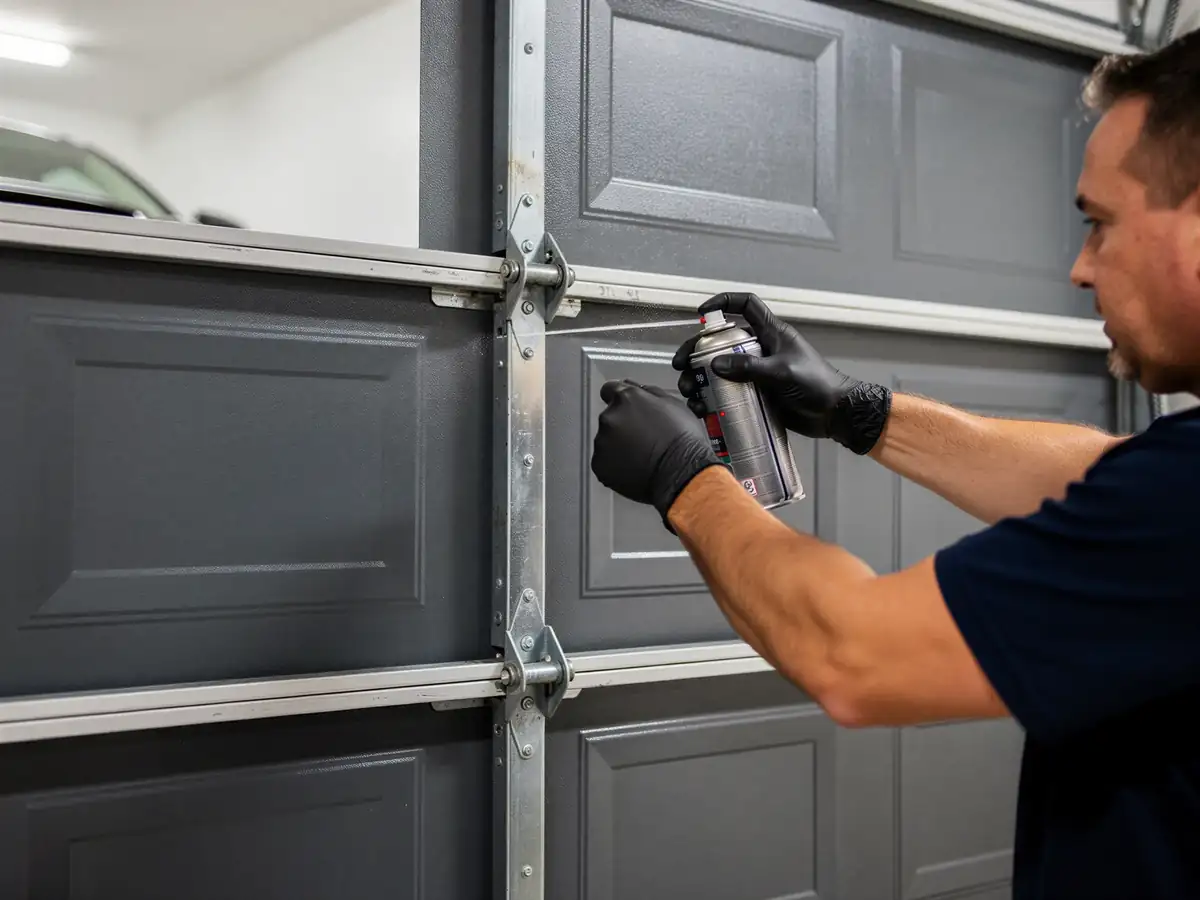
The two sides carry the door's weight together, and a new cable paired with one that's three decades old doesn't wear evenly - you end up back here sooner than you should. After the new cable is wound and seated, we re-tension the spring, check that the door sits level across the track, and run it a few times watching the drums for any wobble. In Clarcona's climate, we also check the bottom bracket and hinges nearest the cable for the kind of corrosion that shows up on hardware that's sat through enough humid summers to start pitting.
Stocked Parts
Housing stock across the areas we cover runs mostly 1980s and 90s builds, and Clarcona's own median year of 1987 falls right in that window. The trucks carry cable in the gauge and length that matches those factory torsion setups - standard 1/8-inch aircraft cable in the common drum sizes - rather than stocking for doors built in the last decade with heavier counterbalance systems.
That's a limitation worth saying plainly: if a door turns out to need an odd cable length, a specialty drum, or a spring size outside what's common for this housing era, that part may need to be ordered rather than pulled off the truck the same day. It doesn't come up often given how uniform the hardware is across homes built in this stretch, but it happens, and we'd rather tell you that up front than promise a same-day fix we can't back up.
What Can Go Wrong
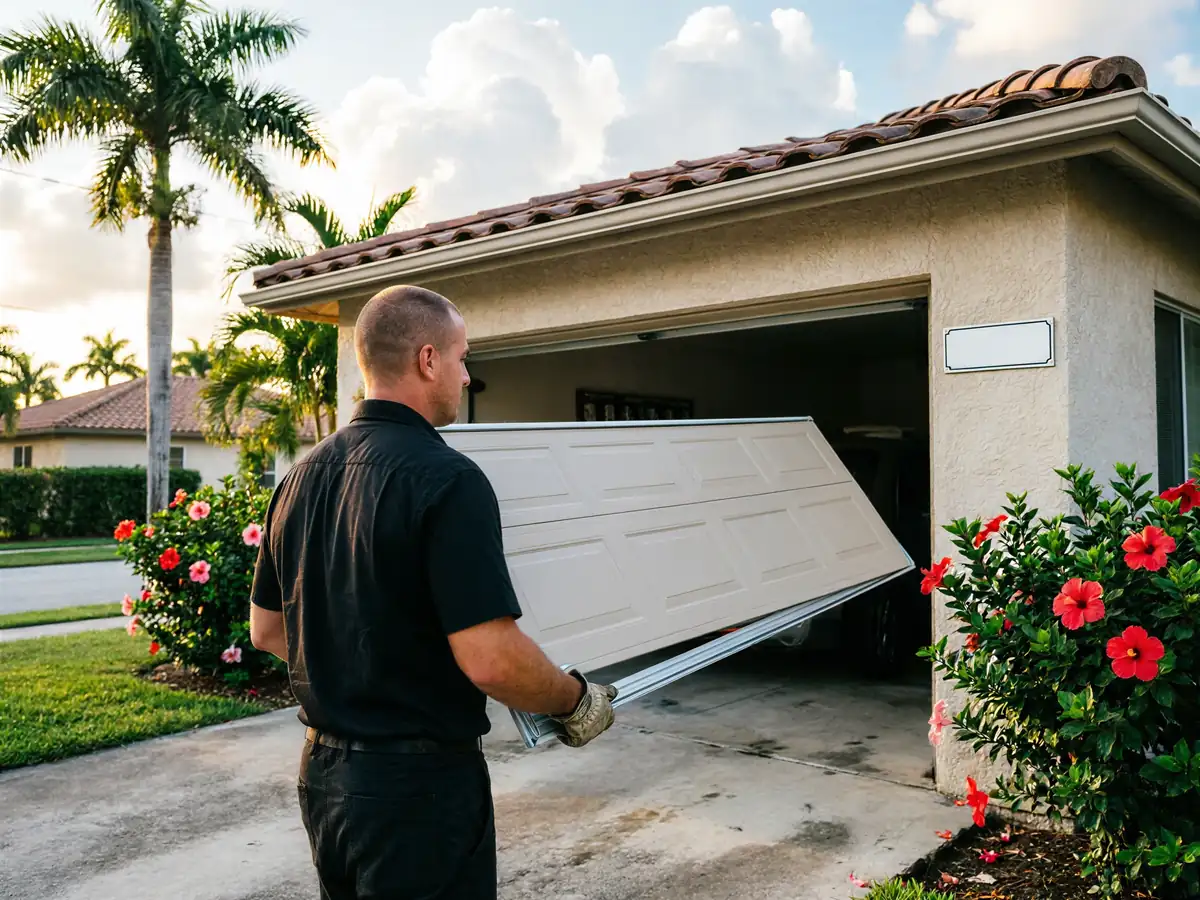
A broken cable rarely stays a cable-only problem for long. When one side lets go, the door drops unevenly and the opposite cable takes the full load for a moment - enough to stress a drum or bend a track if the door was already moving when it happened. We check both tracks for that kind of damage before calling the job done, not just the cable itself.
On the older torsion setups common in Clarcona, a cable that's been slipping off a worn drum for a while can also chew into the drum's flange, which means the drum needs replacing along with the cable rather than the cable alone. And if the door's been run on a frayed cable for weeks, the rollers on that side often show uneven wear from riding crooked in the track. None of that is guesswork once we've got the door open - it's just worth knowing that a cable call sometimes turns into a cable-and-drum call once we're looking at the hardware up close.