Can You Do This Yourself
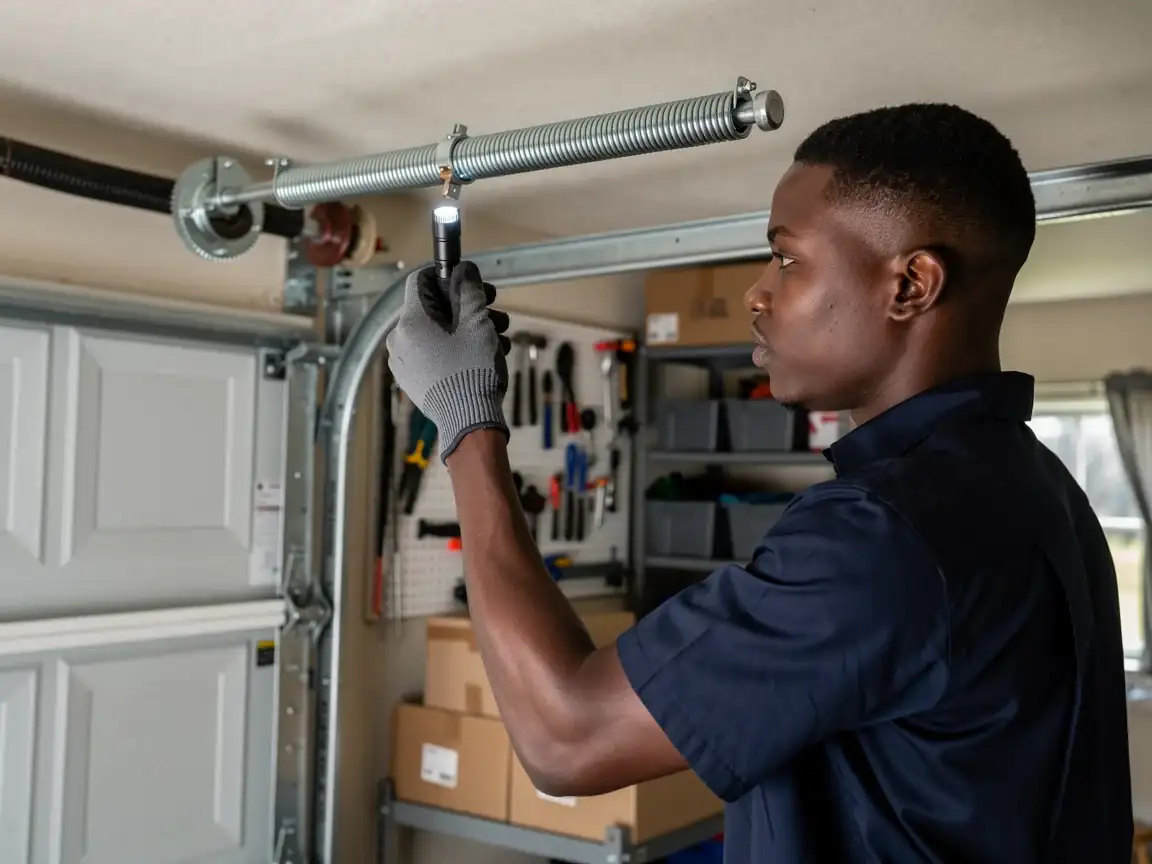
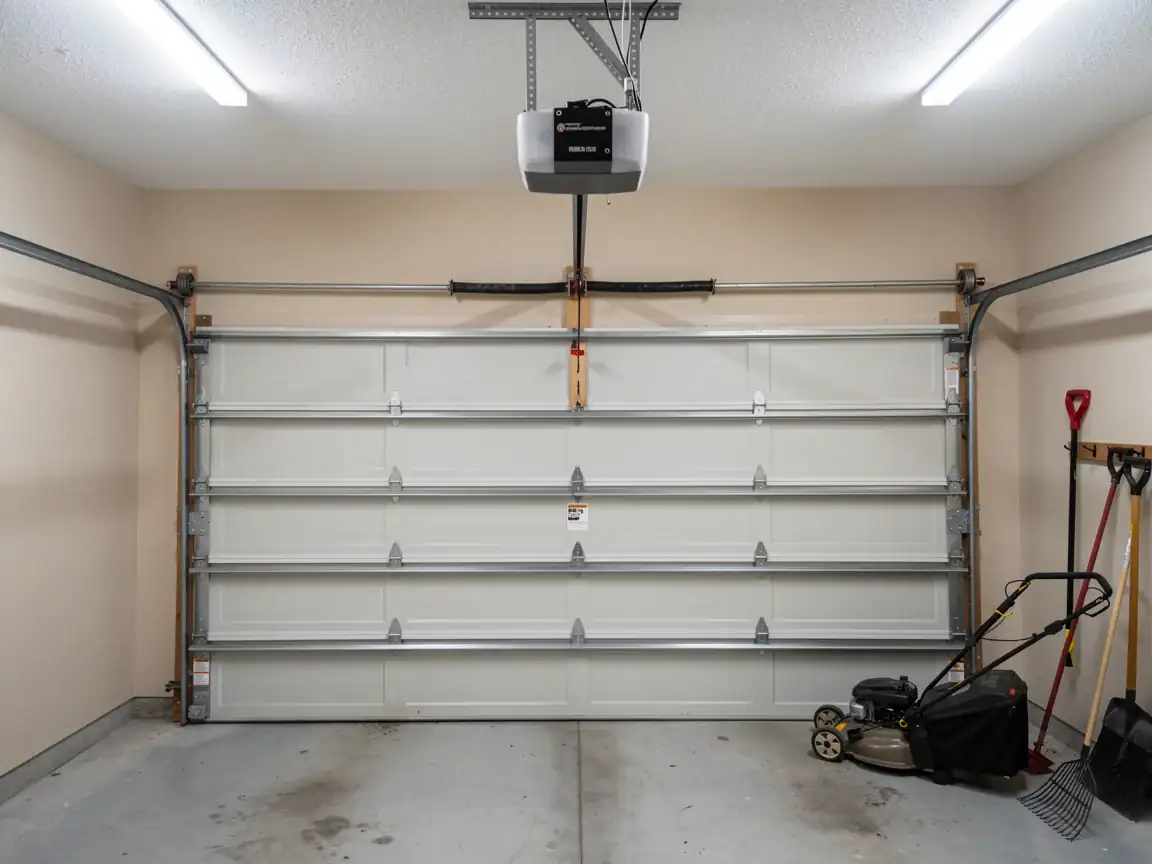
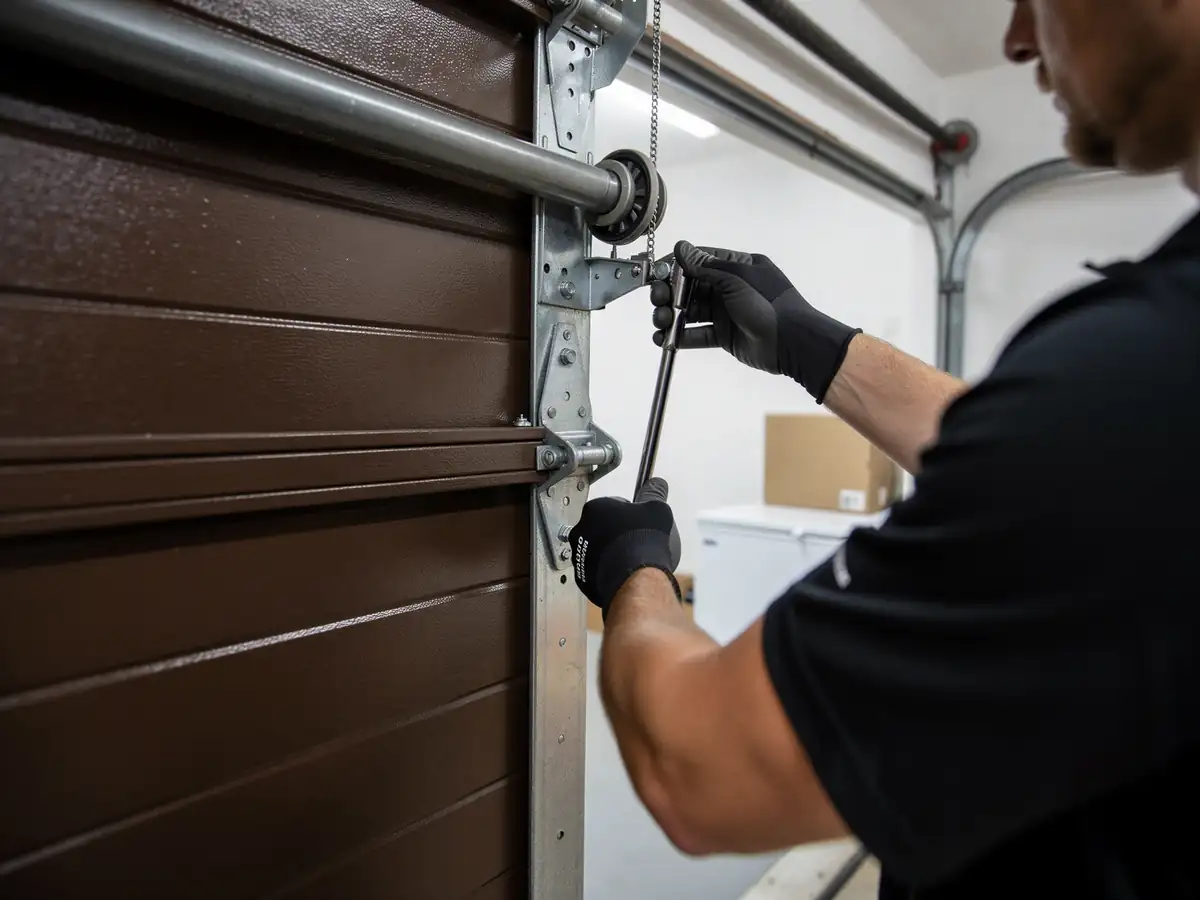
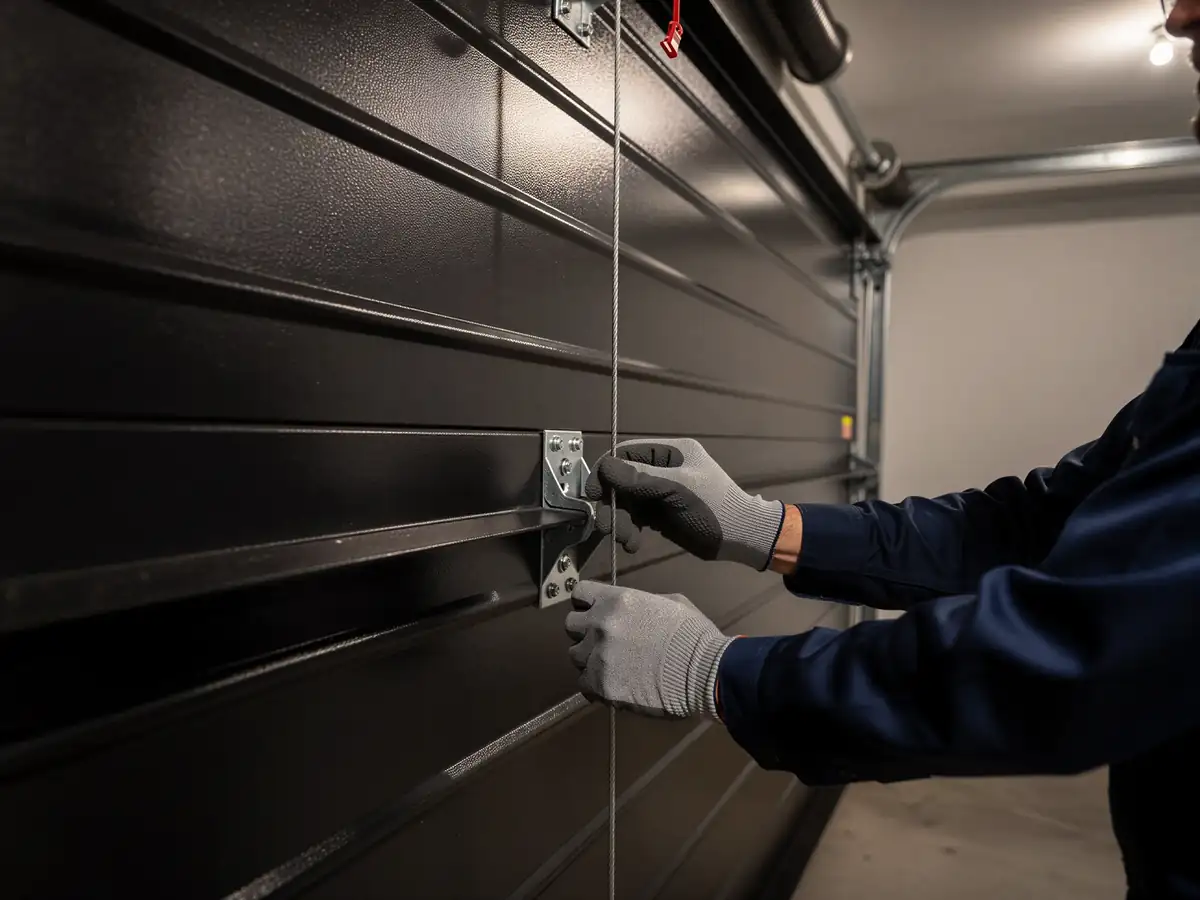
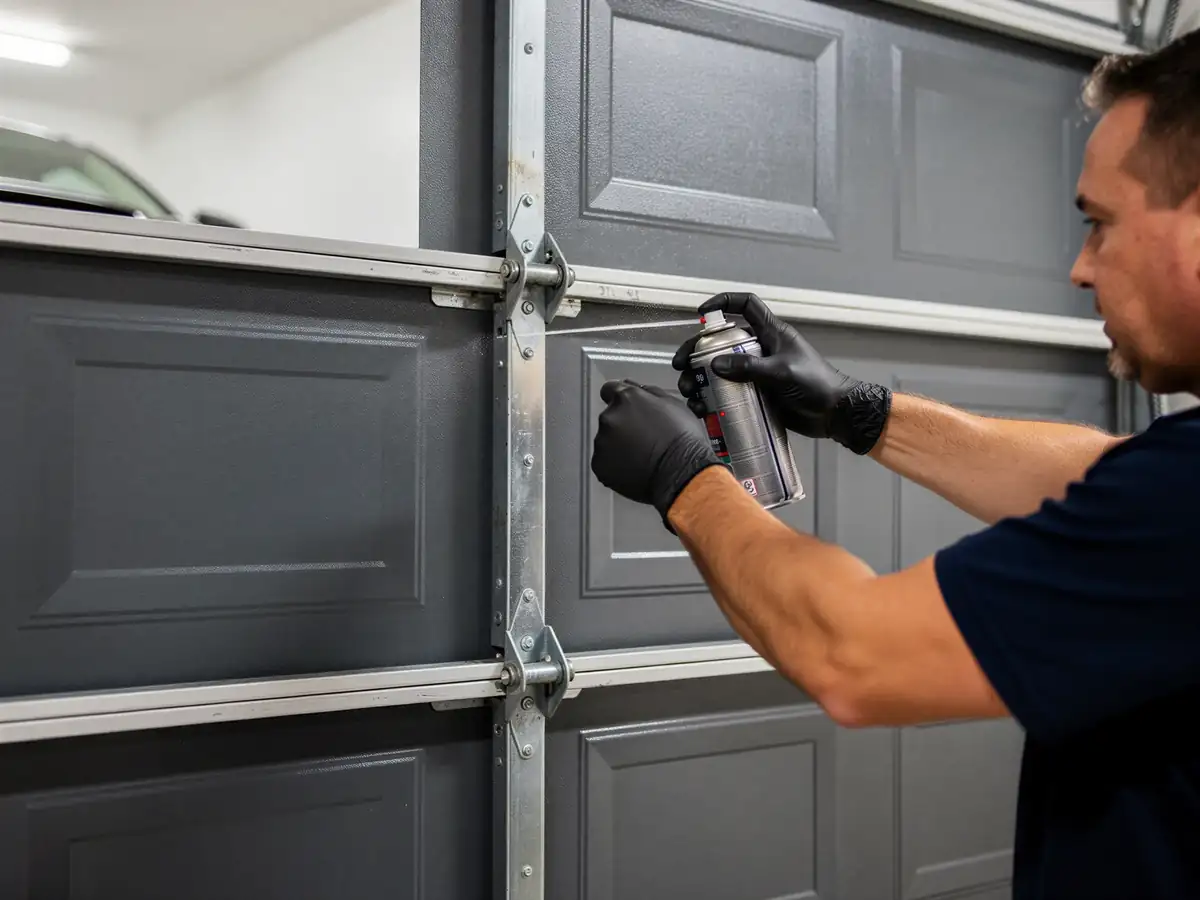
Clarcona's median household income sits at $48,350, well under the $84,955 median for the wider service area we cover. That number matters more than people think, because it's the number that decides whether a repair call or a full door replacement makes sense for a given house. On a tighter budget, a $4,000 replacement door isn't a casual decision, and we don't treat it like one. If a spring snaps or a panel dents, the right first question is whether the rest of the door and opener are sound enough to carry another decade. A lot of the time they are. Most Clarcona houses were built around 1987, which means torsion springs, steel tracks, and openers that are old but not exotic. You can safely do small things yourself: lubricating hinges and rollers, tightening loose bolts on the track, checking that the photo-eye sensors are aligned and clean. What you shouldn't touch is the torsion spring system itself. It's wound under enough tension to break bones, and on a 1980s door the anchor bracket is often as fatigued as the spring. That's not a DIY repair, it's a call.
How Long You Are Without the Door
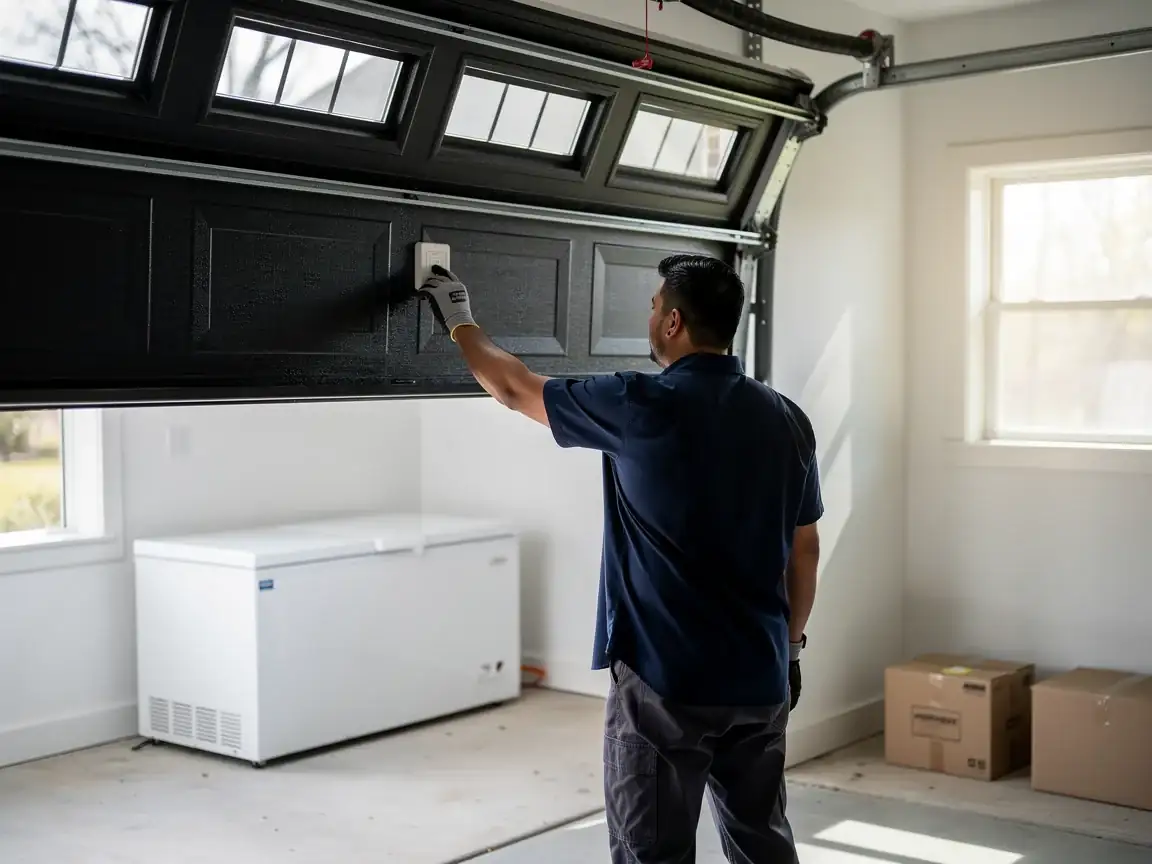
We run out of Winter Garden, about 8 miles from Clarcona, so the first thing that affects how long your garage sits open or stuck shut is simply getting a truck there. That's not a same-day guarantee we're making here - it's just the honest geography of a town that isn't where the shop is. Once we're on site, the time the actual repair takes depends more on the house than the town. A broken torsion spring on a standard door is usually finished in one visit. A stripped opener gear or a bent track from a car backing into the door closed can run longer if the part isn't a common size. Clarcona's roughly 1,667 households are overwhelmingly single-family homes from the same build era, which helps - it means the springs, drums, and cable sizes we see here repeat house to house, and we're not guessing at measurements on arrival. The slow part is never the wrench work. It's matching an odd-sized part to an older door, which is rare here but not impossible given how consistent the housing stock is.
Stocked Parts
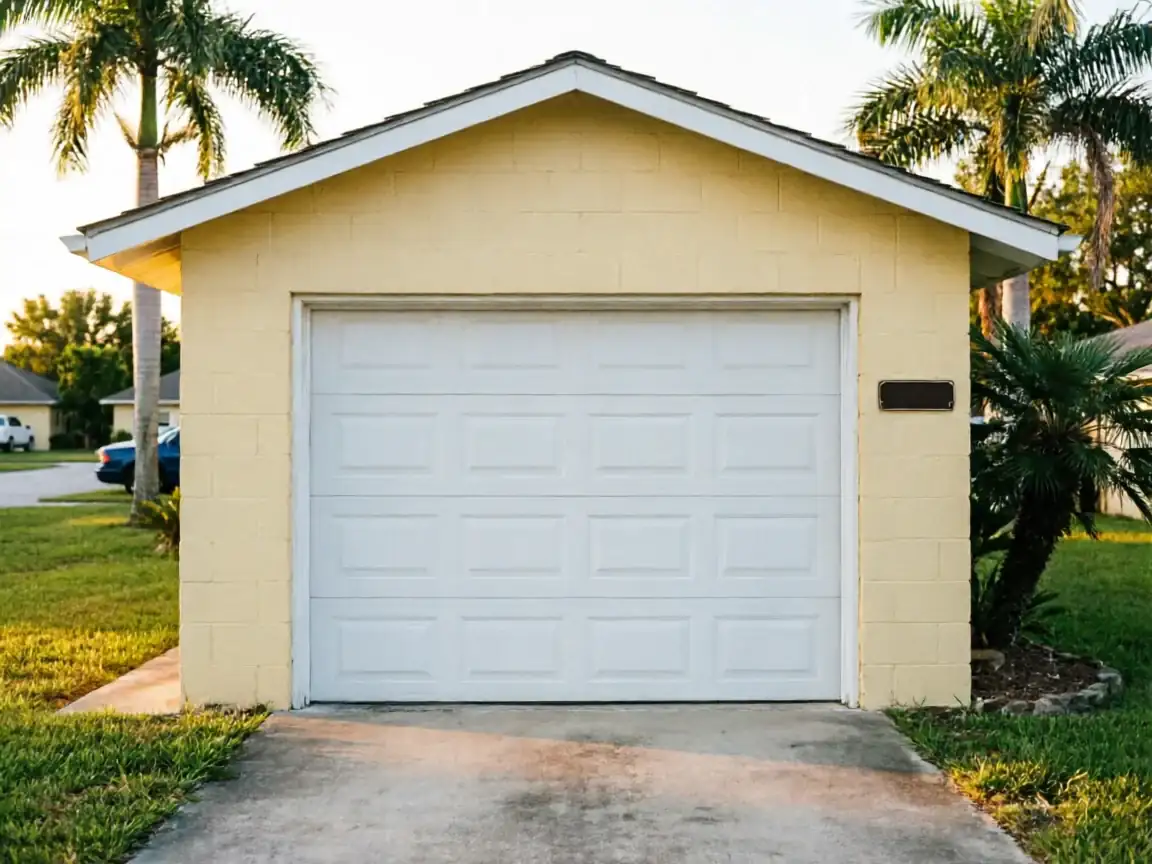
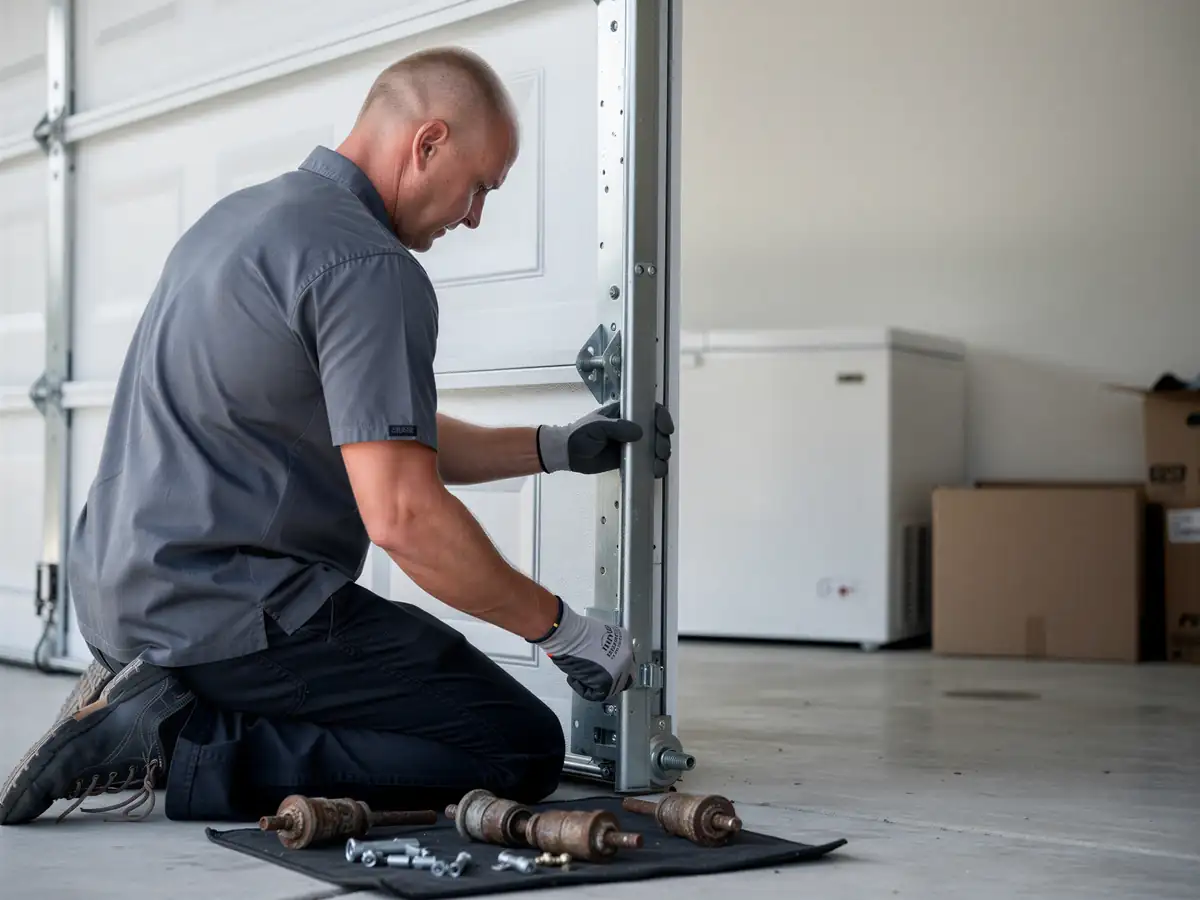
Because Clarcona's doors cluster so tightly around one building era, the parts that fail here are predictable: torsion springs sized for standard single and double residential doors, steel rollers, standard-lift cable, and center and end bearing plates built for 1980s and 90s torsion hardware. We carry these on the truck because they cover the overwhelming majority of calls in a neighborhood like this one, where the housing stock didn't change much from one decade to the next. Florida's mild, humid-leaning climate here doesn't bring the hard freeze-thaw cycles that crack hardware up north, but it does mean galvanized coatings on 30-plus-year-old springs and tracks have had a long, slow soak, and corrosion at the spring ends is something we check for every time. What we don't stock is anything specialty - custom-width doors, imported openers, or discontinued panel profiles. Those aren't common in a neighborhood this consistent, but when they turn up, the part has to be ordered, and that's the one honest gap in same-visit repair here.
What Can Go Wrong
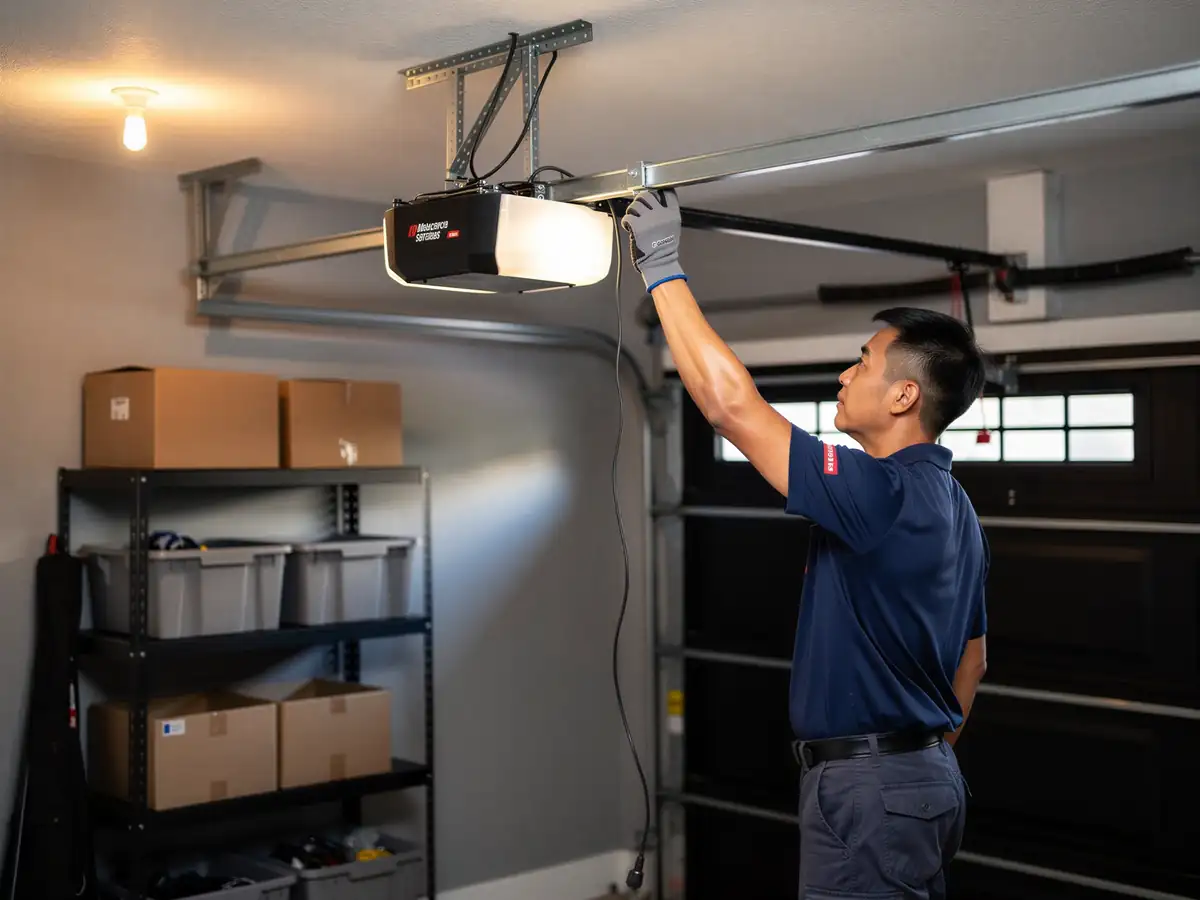
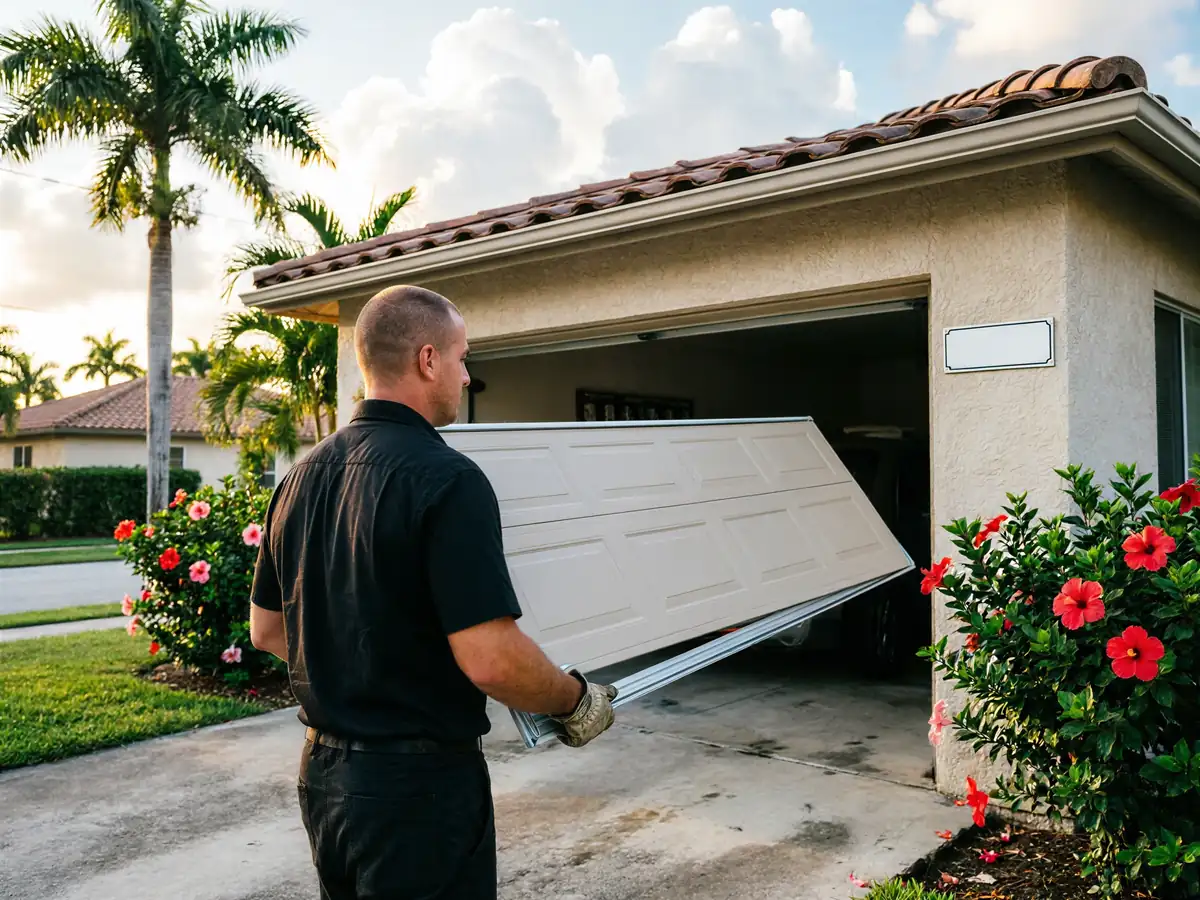
The main failure pattern in Clarcona tracks straight back to the age of the stock: a median build year of 1987 means a lot of torsion springs are at or past the end of their rated cycle count, and a spring that's been quietly weakening for years tends to snap without warning, usually on a day with no obvious cause. The second common issue is drum and cable wear - cables fraying where they wrap the drum, often missed because the door still opens fine until it doesn't. Opener-side, the chain-drive units common to this era develop stripped plastic gears before the motor itself gives out, which shows up as a door that hums but doesn't move. None of this is unique to one house; it's what happens when a whole neighborhood's garage doors turn the same age within a few years of each other. The one thing we won't do is sell a repair on a door that's structurally failing - rusted-through bottom panels or a frame that's pulled away from the house. At that point the honest advice is replacement, even on a tighter budget, because repeated repairs on a dying door cost more over time than doing it once.