Can You Do This Yourself
Clarcona is a small place - around 1,667 households, which is a fraction of the roughly 197,000 across the wider service area. That size matters because it means fewer trucks pass through on a given week than in the bigger named areas nearby, and the calls that do come in tend to be the same handful of jobs: a spring that let go, an opener that stopped responding, a track knocked out of line by a car bumper. None of those are jobs to learn on a Saturday afternoon.
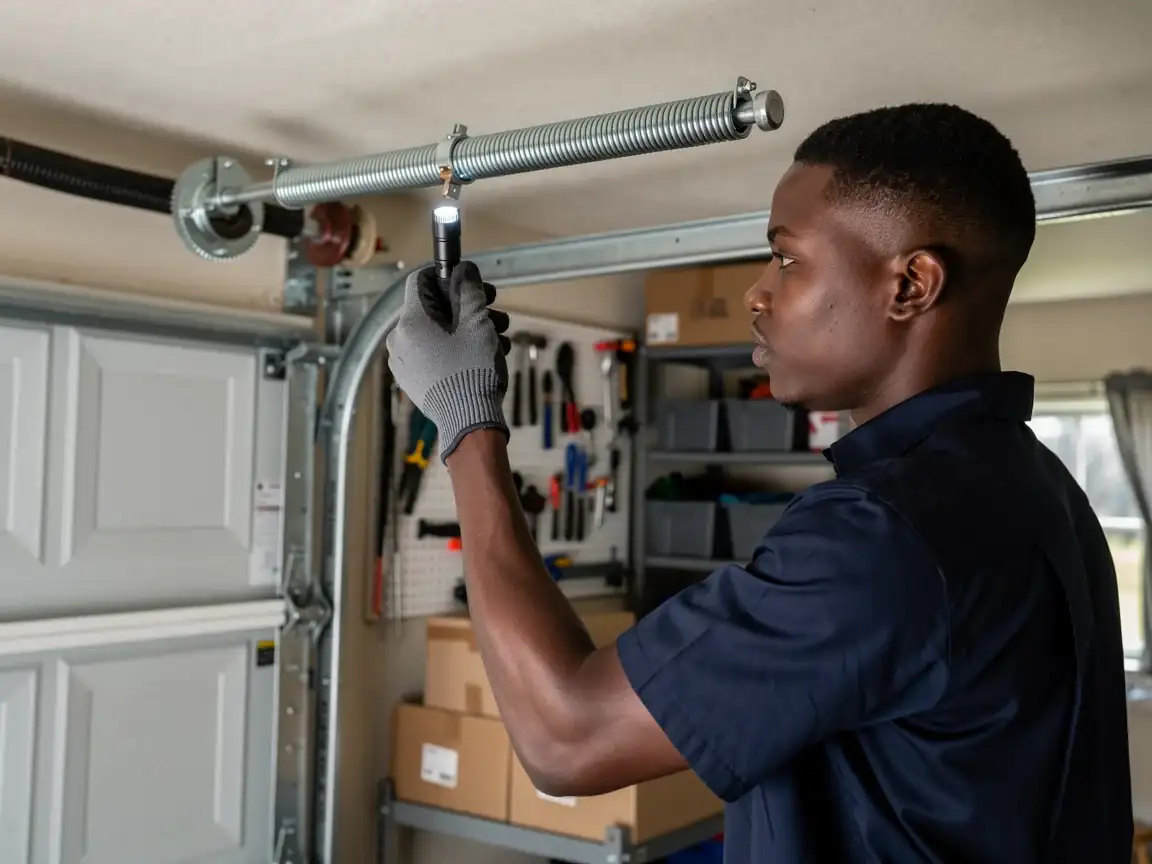
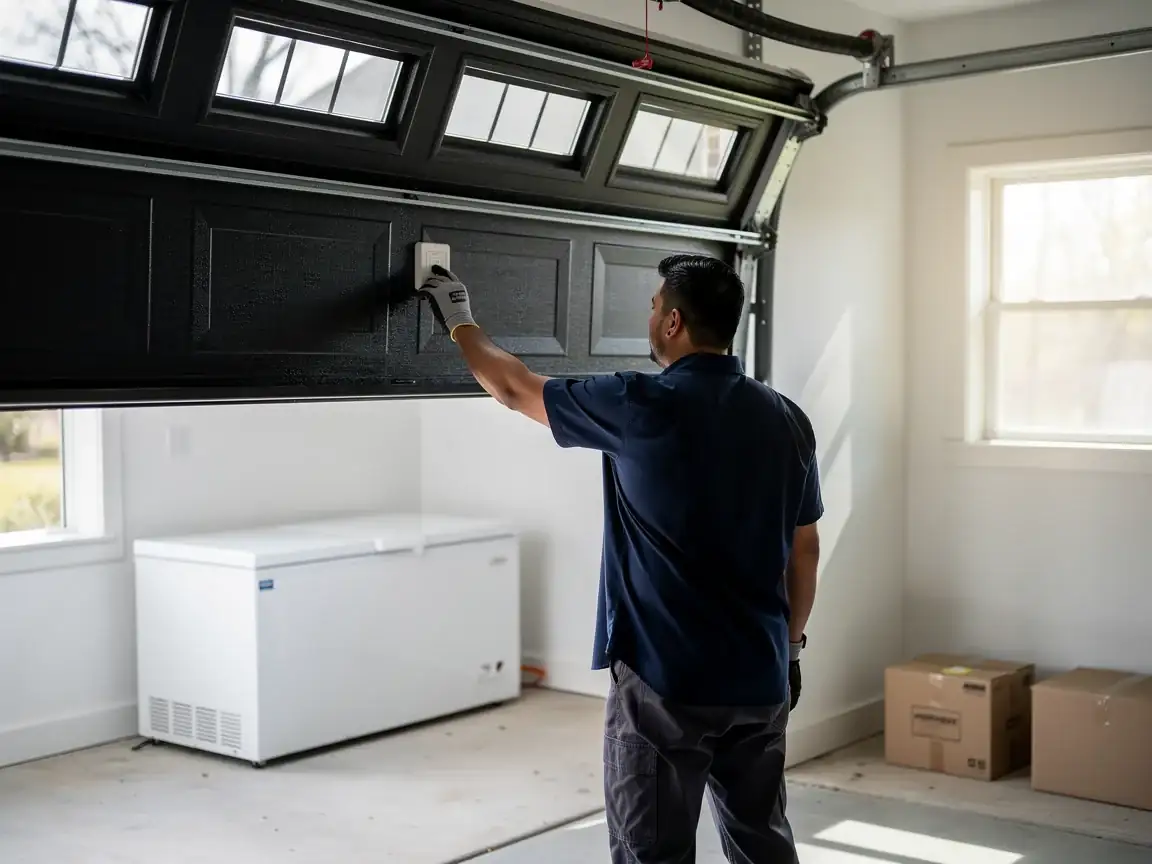
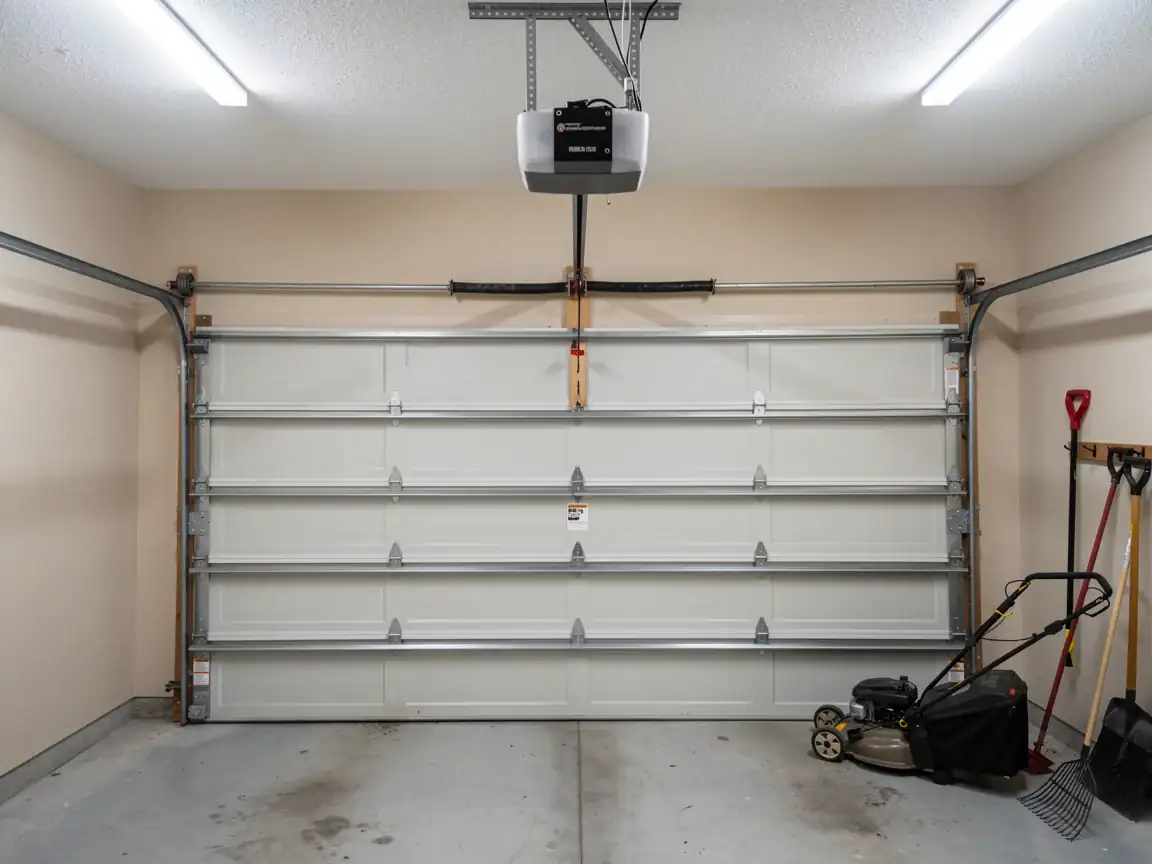
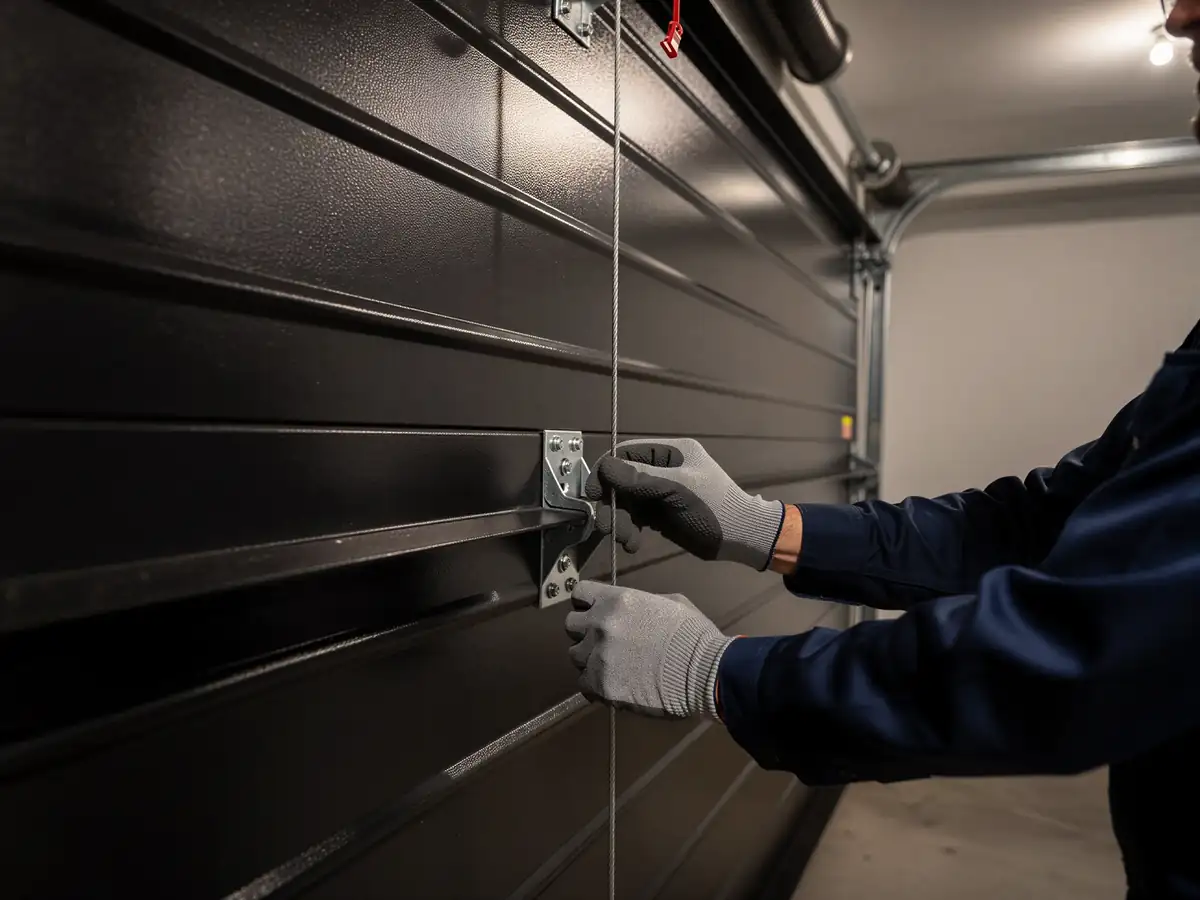
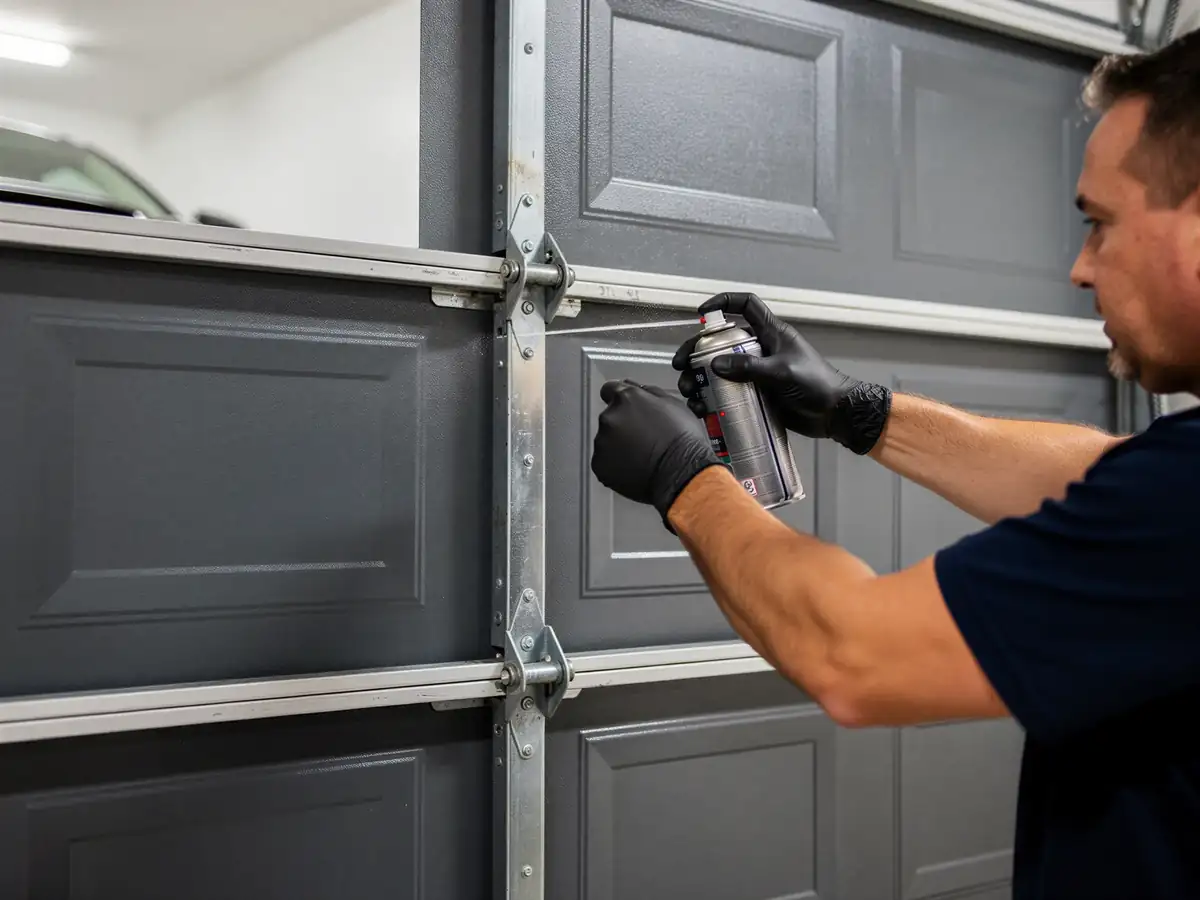
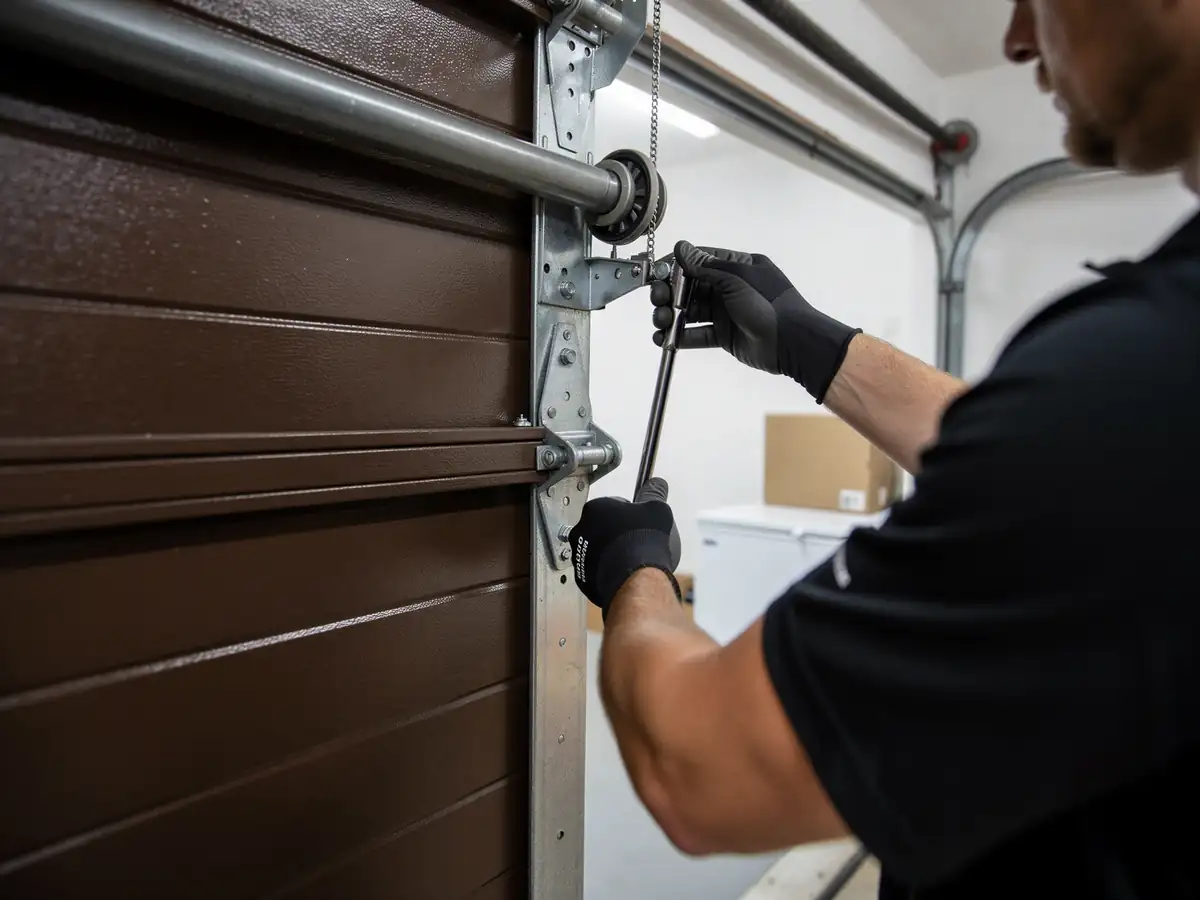
A stuck door with a broken torsion spring is under enough tension to break a finger or worse if you unwind it wrong - that's not a scare tactic, it's just how the hardware works. Swapping rollers or tightening hinge bolts on a door that's already moving smoothly is reasonable DIY territory. Diagnosing why a door won't close, re-tensioning a spring, or pulling a bent track back into square is where most homeowners call it in. If your opener just needs the travel limits reset, that's often a five-minute fix you can do yourself with the manual - if your door is from the 1980s stock common in this area, check whether it even has digital limit switches before you start.
How Long You Are Without the Door
Clarcona sits about 8 miles from our Winter Garden base, so travel time is part of the math on how long a door sits broken. That's a longer run than some of the closer-in areas we cover, which is worth knowing if you're comparing wait times against a neighbor in Oakland or Ocoee who's only 3 or 4 miles out.
Once a truck is on site, most single-spring or opener-board jobs on a standard residential door wrap up in under two hours. What stretches the timeline isn't the drive, it's whether the part on the truck matches what's on your wall. A median income of $48,350 here is noticeably below the service-area median of $84,955, and that gap often shows up as doors and openers kept running longer rather than replaced early - which means more older hardware, and older hardware sometimes means a part that has to be sourced rather than pulled off the shelf.
What the Repair Takes
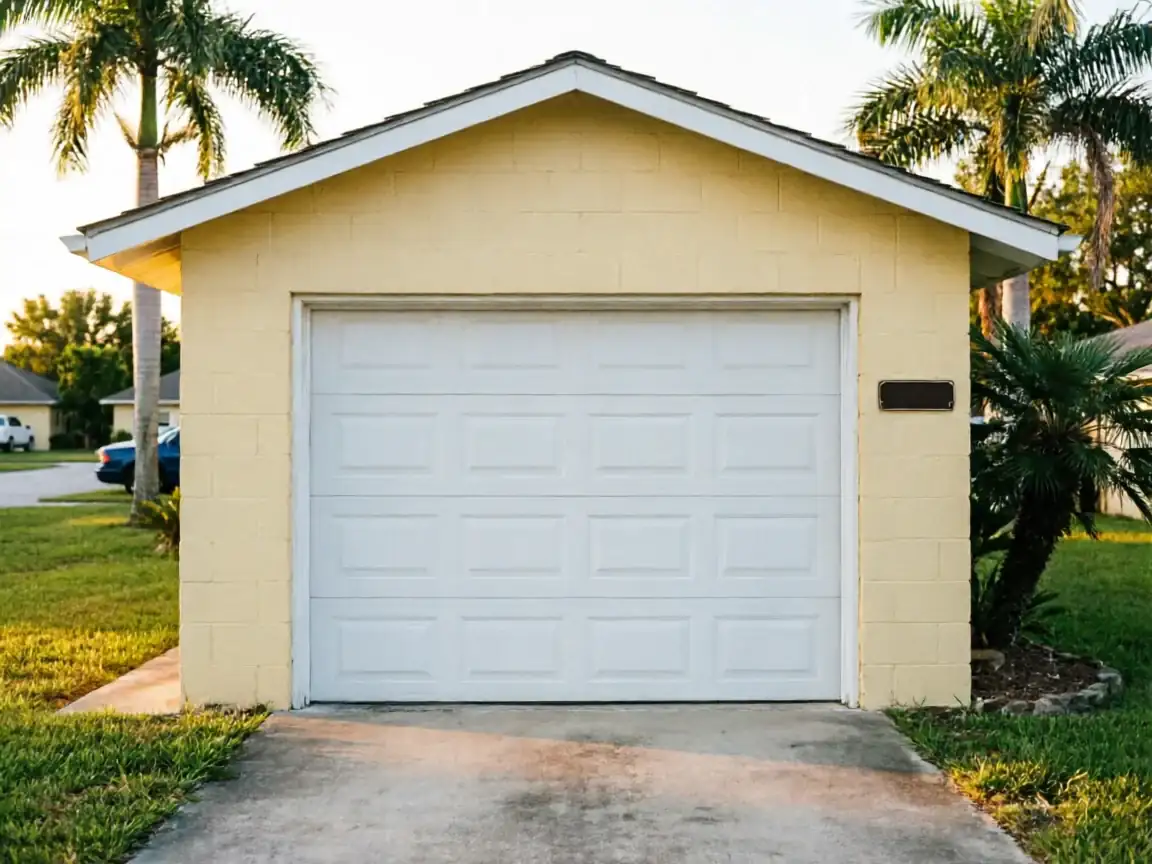
The median home in Clarcona was built around 1987
Which lines up with the broader 1980s-90s stock that makes up most of this service area. A door that age is usually on extension or torsion springs sized for a lighter door than what's sometimes been swapped in since, and the opener - if it's been replaced even once - is probably a chain or belt drive from a different decade than the door itself. Mismatched generations of hardware is the single most common thing that turns a simple spring swap into a longer job: the new spring is right, but the drum, the cable drum size, or the track gauge from 1987 doesn't match a modern replacement part without some adjustment.
A repair on a door this age typically means checking the spring size against the door weight
Inspecting the cables and rollers for wear consistent with three-plus decades of cycles, and testing the opener's force and limit settings rather than assuming factory defaults still apply. None of that takes exotic tools, but it does take someone who's looked at a lot of doors from this era and knows what's likely to have drifted out of spec.
Stocked Parts
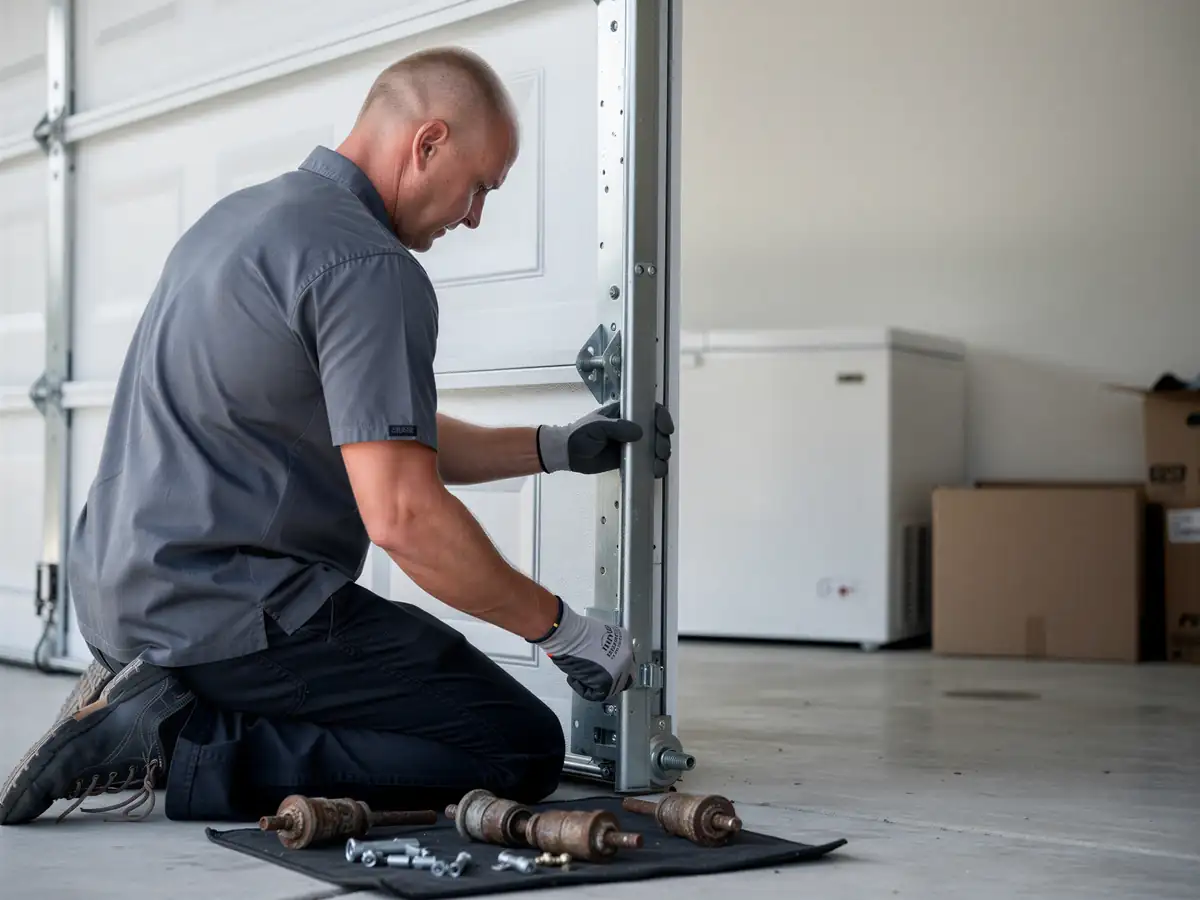
For a 1980s-era door - the kind most common in Clarcona - the truck carries standard torsion and extension springs in common residential weights, universal rollers, standard-gauge track sections, and the cables and drums that fit most builders'-grade hardware from that period. Opener boards and remote kits for mainstream brands are usually on hand too.
Where lead time comes in: if your door or opener is an oddball model, or a size that fell out of common production, that part sometimes has to be ordered rather than pulled from stock the same day. That's the honest limitation - we'd rather tell you a part needs a day or two than install something that's close enough but wrong, because a spring rated for the wrong door weight is a safety problem, not just an inconvenience.
What Can Go Wrong
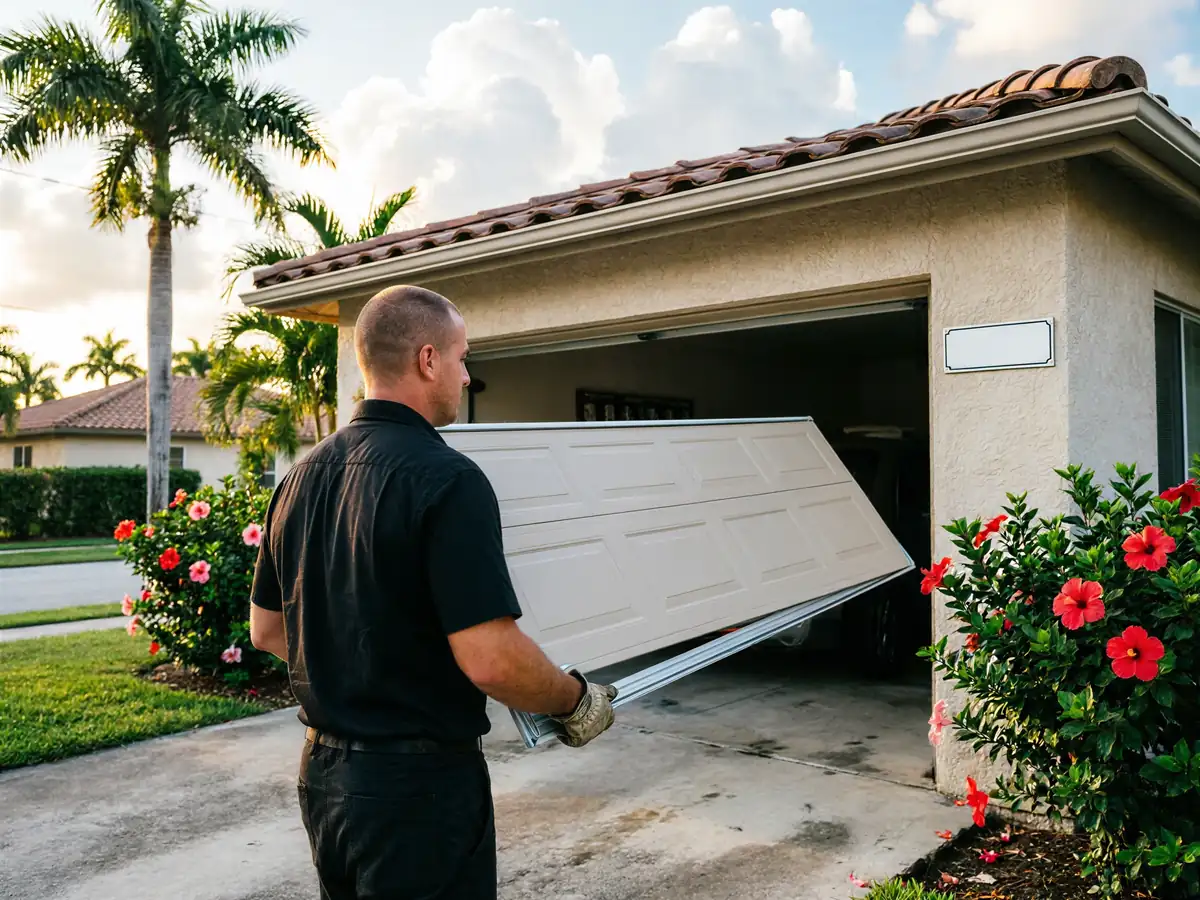
The most common failure on doors from Clarcona's era is a torsion spring finally giving out after years of cycling - usually with a bang loud enough to bring someone to the window. Close behind that is cable fray on the same timeline: a cable that's been rubbing on a misaligned drum for a year or two snaps without much warning.
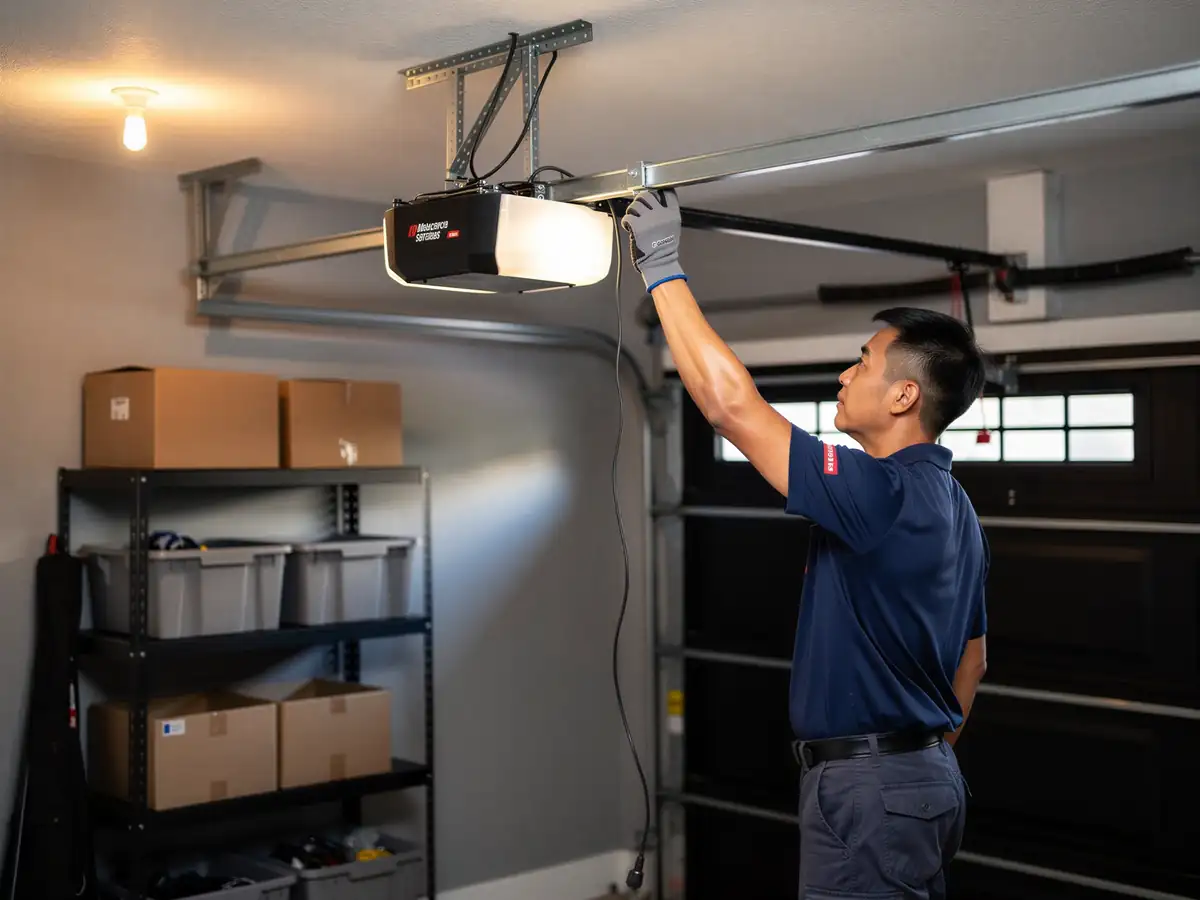
On the opener side, circuit boards from the chain-drive era this housing stock would have originally come with don't fail gracefully - they just stop, with no clicking or grinding first. If your door was built with the house in 1987 and the opener's never been swapped, that board is the thing most likely to leave you stuck outside rather than the door hardware itself. Track misalignment from a bumped car is mechanical and usually simple; a dead board on a 30-plus-year-old unit sometimes means opener replacement is the more sensible call than chasing a part for a unit that age.