Can You Do This Yourself
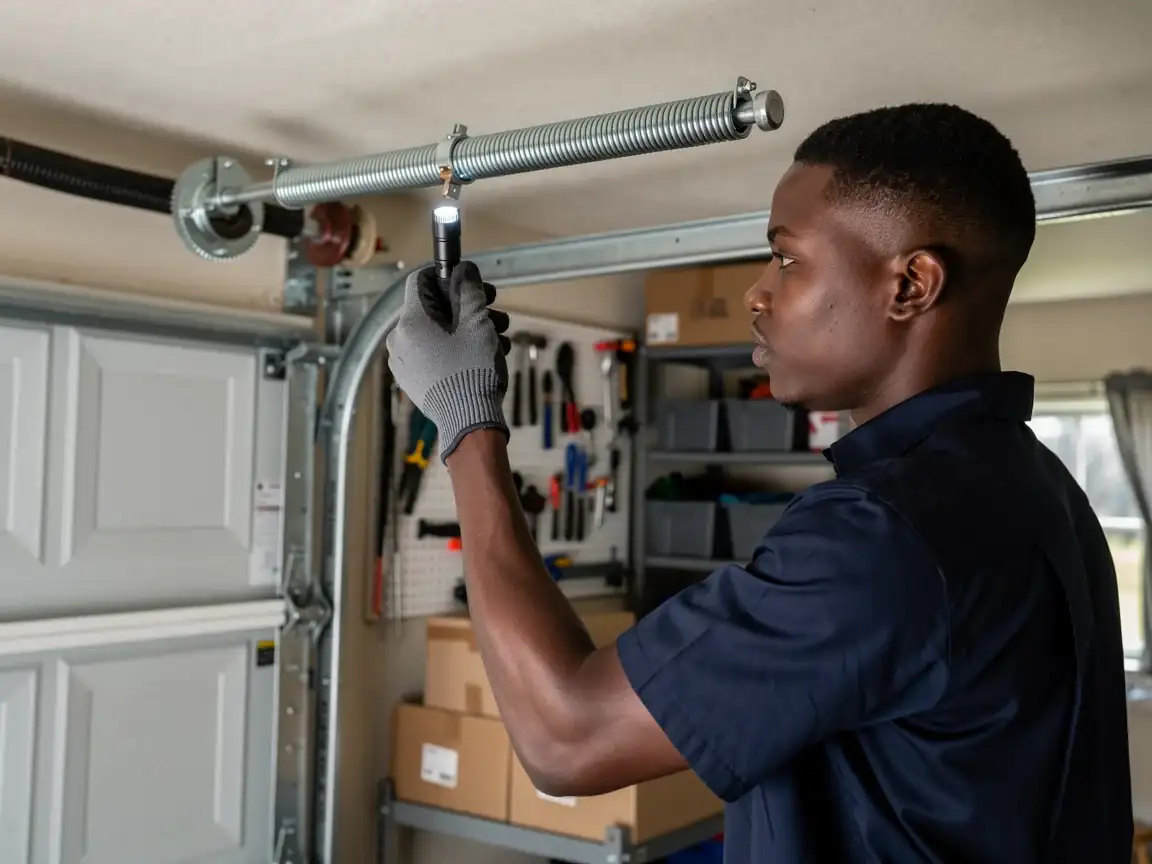
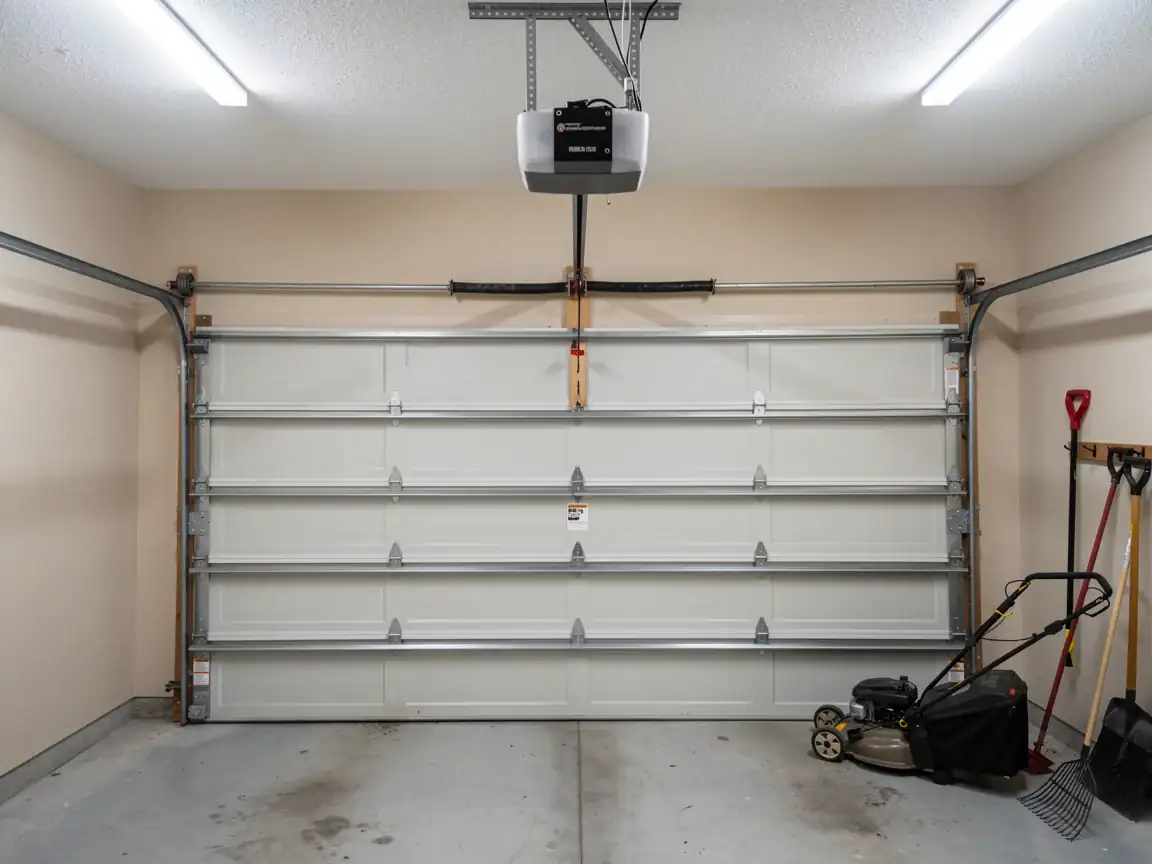
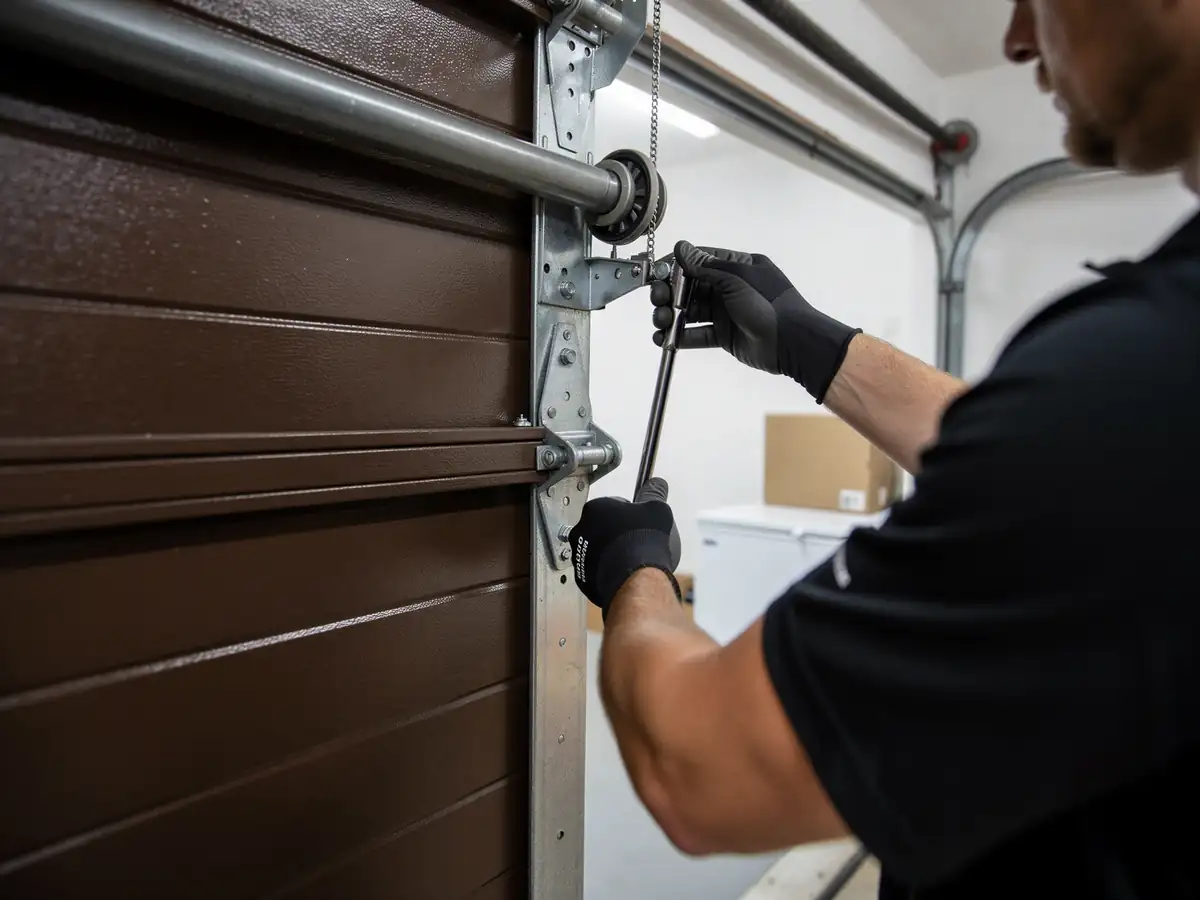
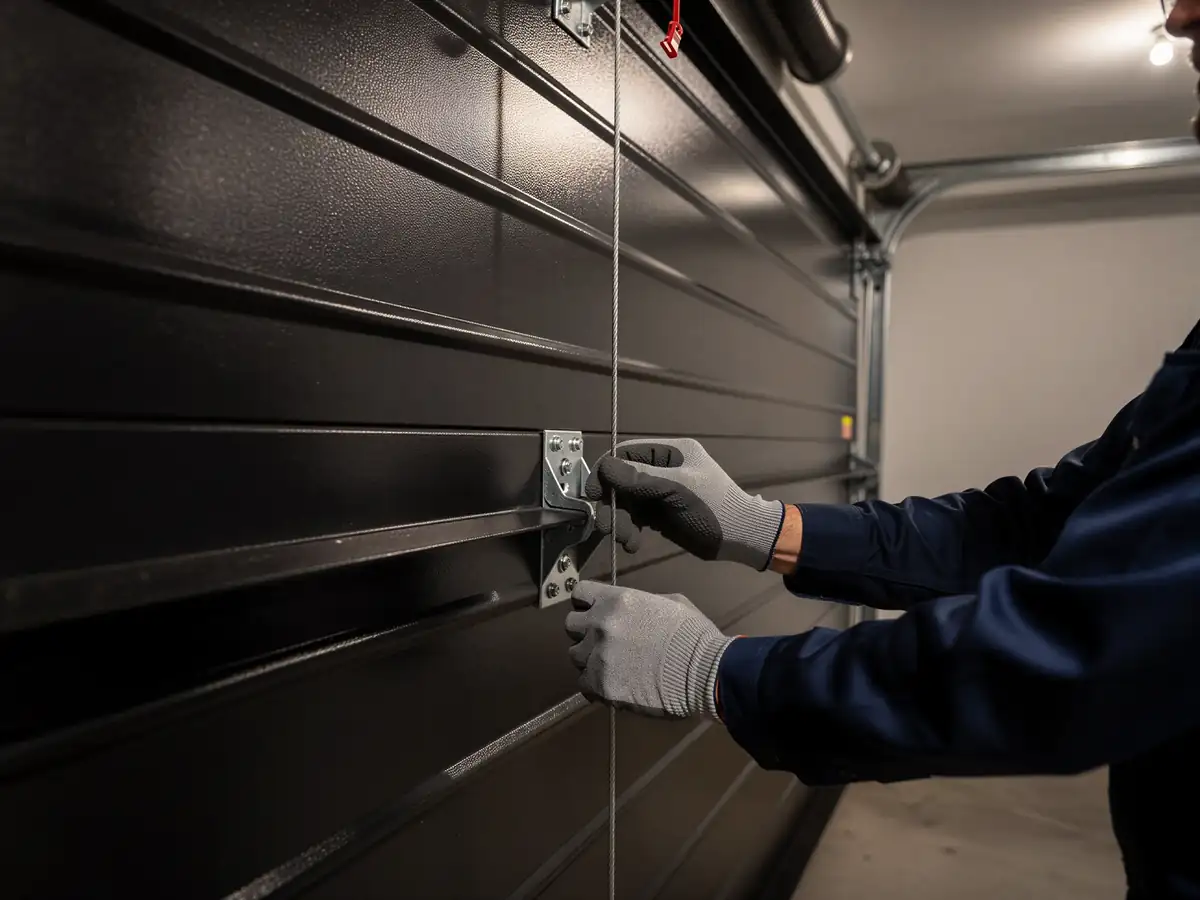
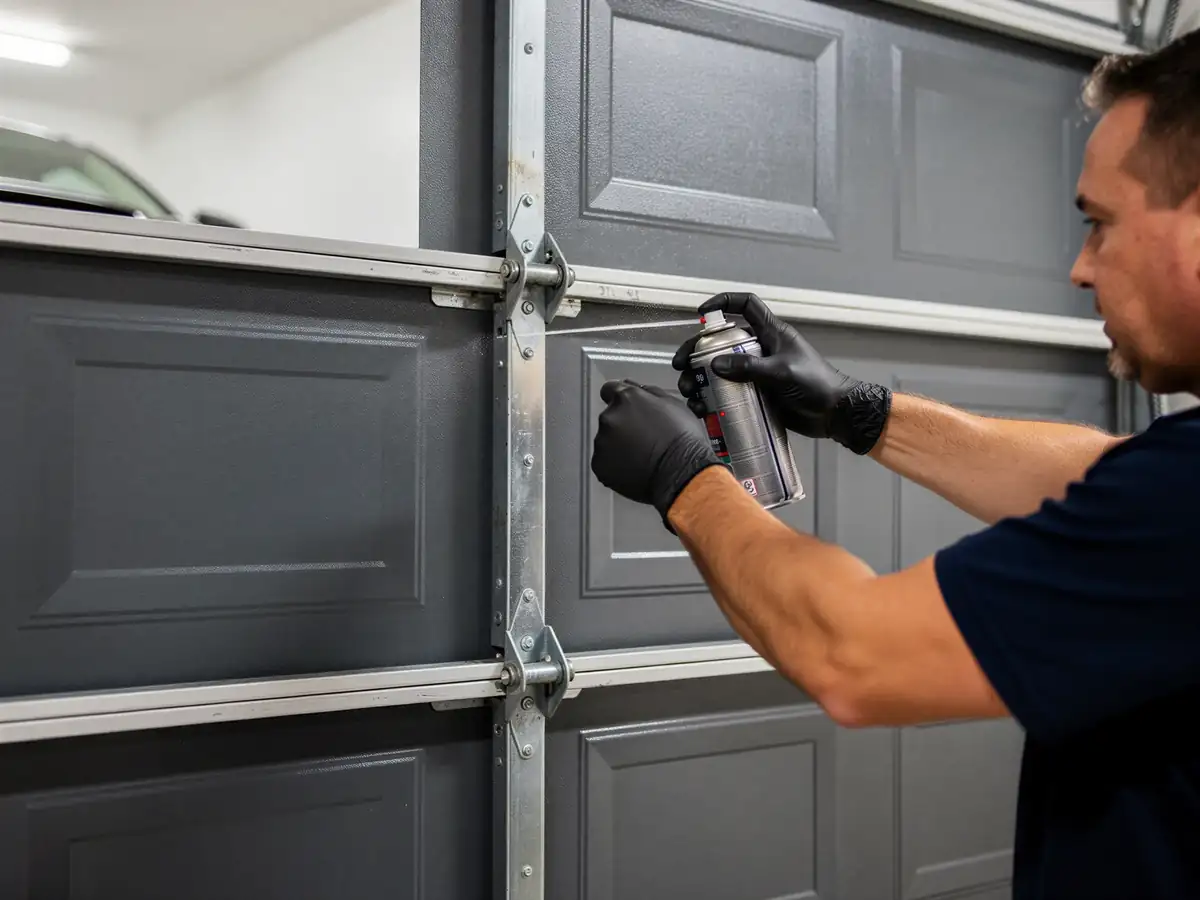
A lot of what a maintenance visit covers in Clarcona is stuff a homeowner can see without touching anything: rust bloom on the bottom bracket, a roller that's gone from round to slightly oval, a cable fraying where it wraps the drum. Clarcona's housing median lands at 1987, and across the 47 areas we cover, that's squarely in the 1980s-90s band - which means a fair number of these doors are running hardware that's never been swapped out, just lubricated and left alone by whoever owned the house before. You can grease hinges and check that the door doesn't drift when you release the opener halfway. You should not touch the torsion spring, the cable, or anything carrying tension. That's not a sales line - a spring under full wind that lets go has put people in the ER, and it's the one job on this list where doing it yourself can cost more than the service call ever would.
How Long You Are Without the Door
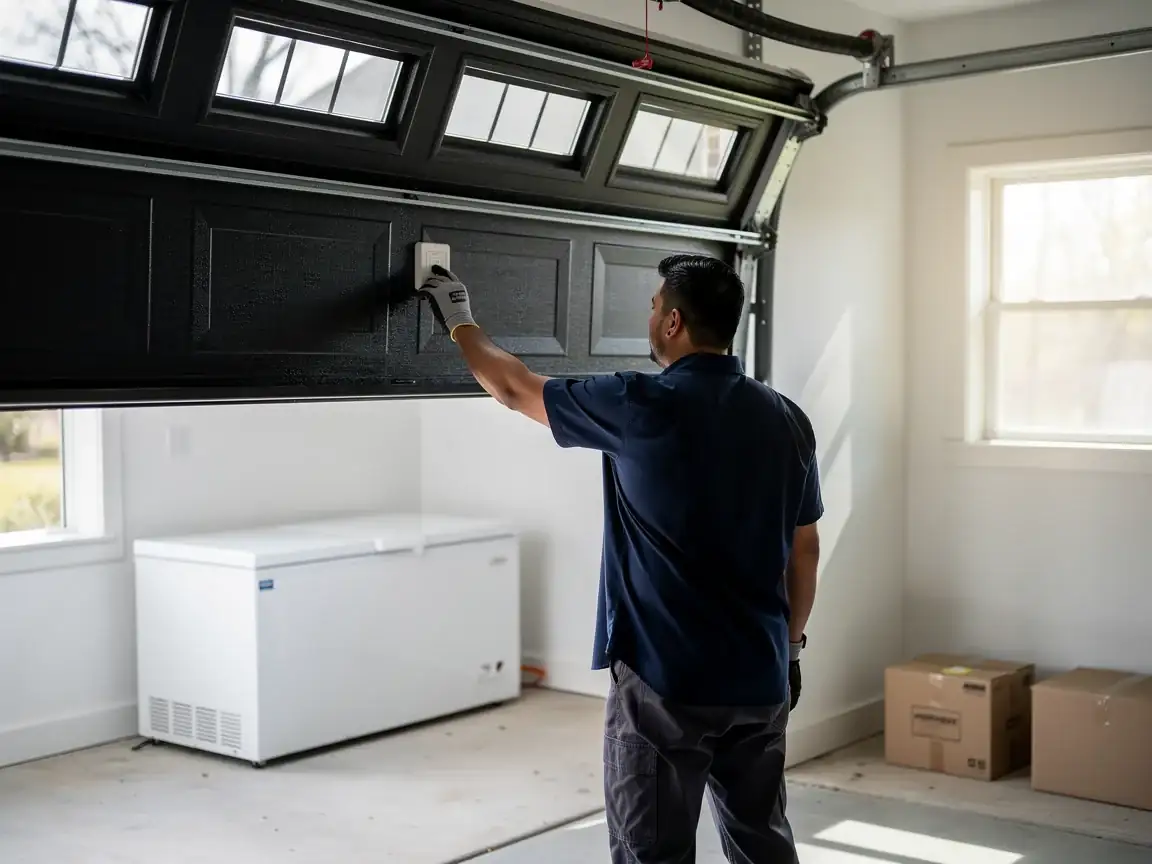
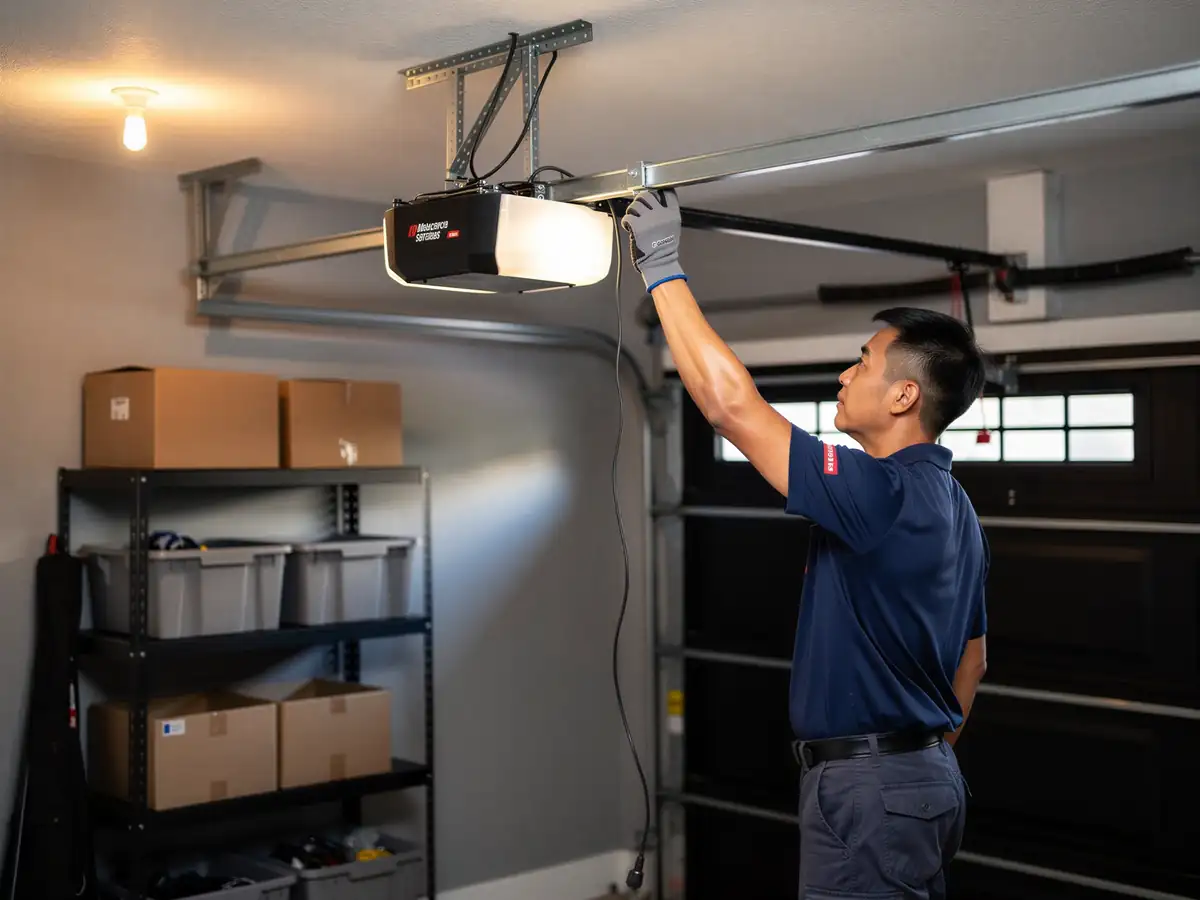
We come out from Winter Garden, about 8 miles away, so there's drive time built into any visit - we don't keep a depot in Clarcona and won't pretend otherwise. Once the truck's in the driveway, a standard maintenance pass (lubrication, hardware check, balance test, track alignment) runs well under an hour on a single door in working condition. If the inspection turns up something that needs a part - a roller, a cable, weatherstrip - that part may not be on the truck, and a return trip gets scheduled. We won't invent a same-day promise we can't back from 8 miles out.
Stocked Parts
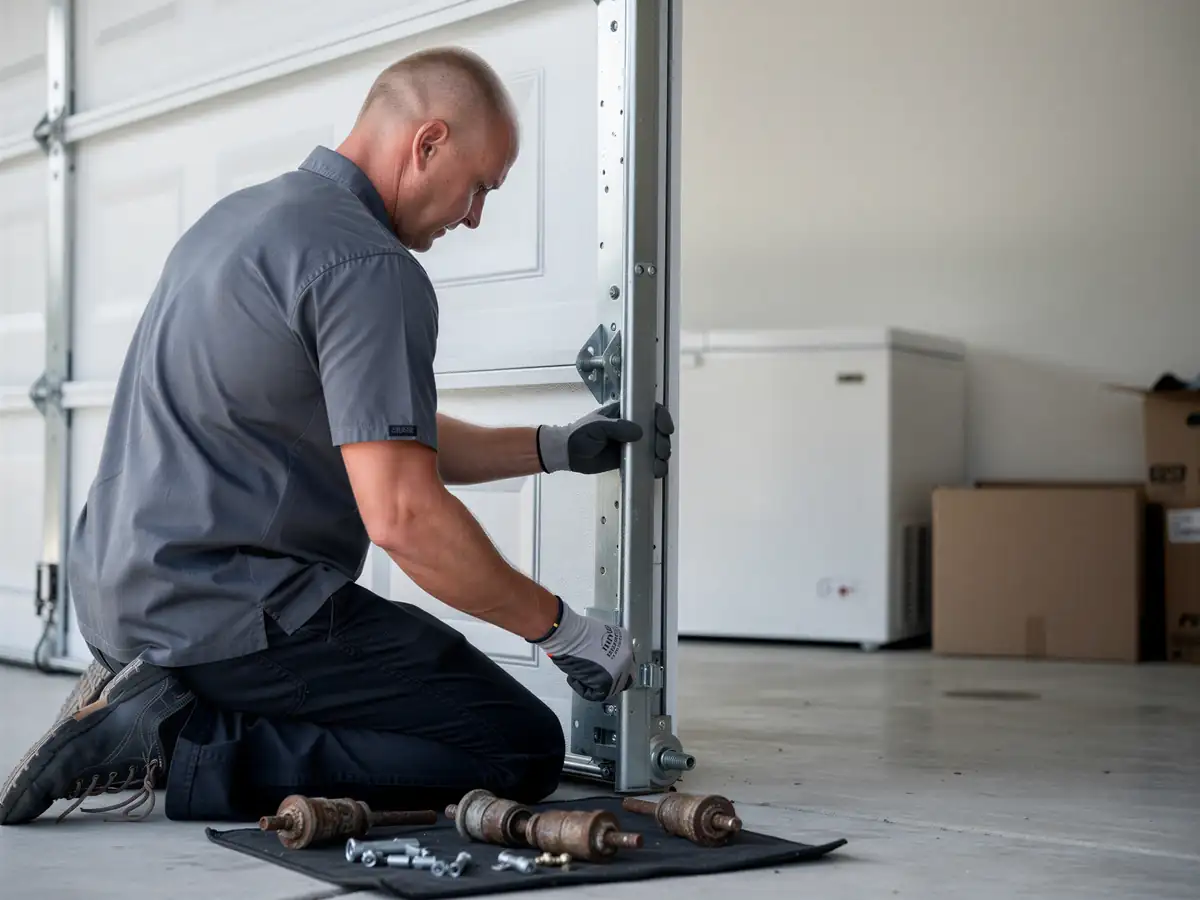
We carry common rollers, hinges, cables, and bottom seal on the truck, which covers most of what shows up on a maintenance visit to a house built in the 1987 range. What we don't carry for every visit is a matched torsion spring set or an opener logic board - those get ordered to the door's actual specs once we've measured it, not guessed from the driveway. With Clarcona's income median sitting lower than some of the surrounding areas we service, we try to flag when a $20 roller swap will buy a few more years versus when the door's asking for a bigger job - no point replacing parts on hardware that's past the point of being worth it.
What Can Go Wrong
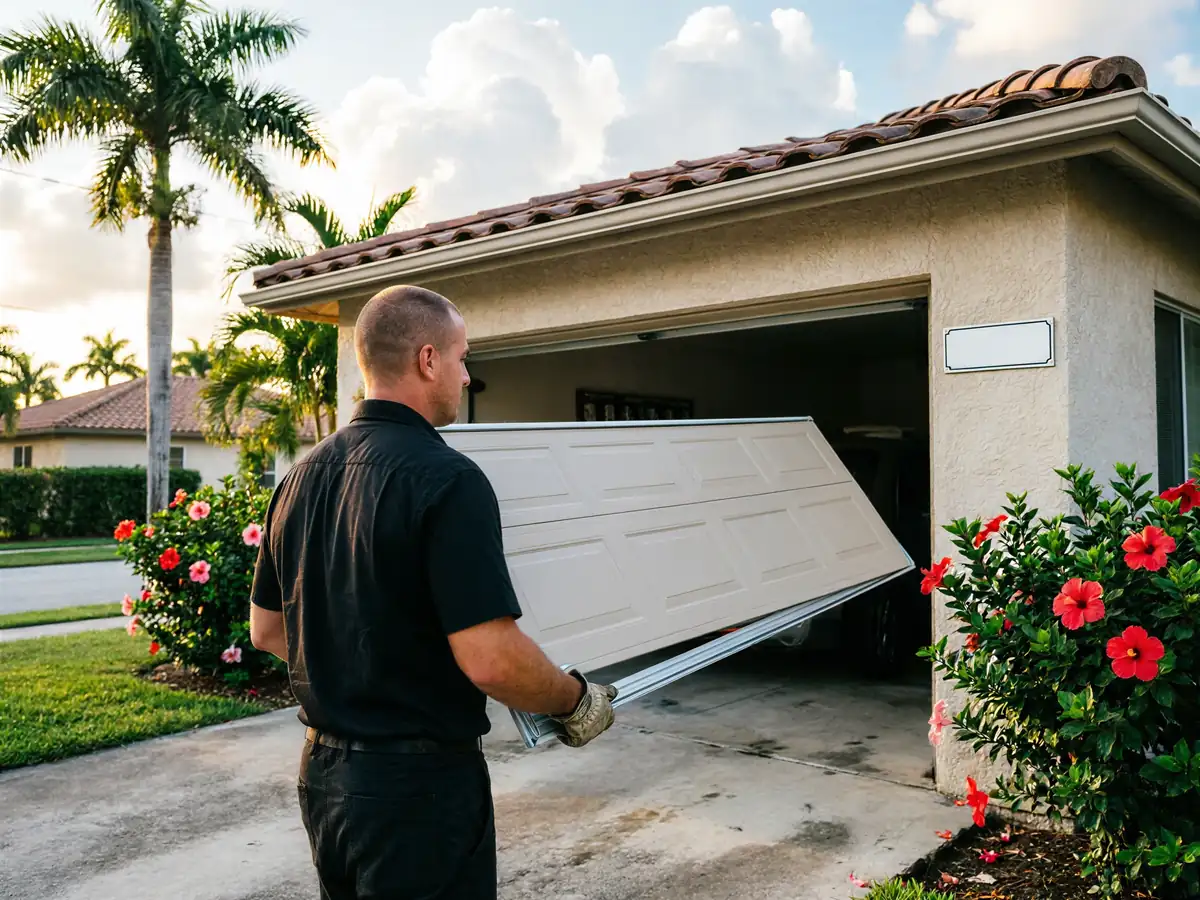
The most common thing we find on original 1980s hardware in this area is a bottom bracket that's rusted at the weld point but still holding - until it isn't. Second most common: a center support bearing plate that's been squeaking for years and finally seizes, which looks like a motor problem but isn't. Neither of these shows up on a quick visual check from the driveway; they show up when someone puts a hand on the track and feels it flex. We're honest that not every door is worth saving at this point - once the frame itself has rusted through rather than just the surface hardware, replacement costs less over five years than chasing one repair after another.