Stocked Parts
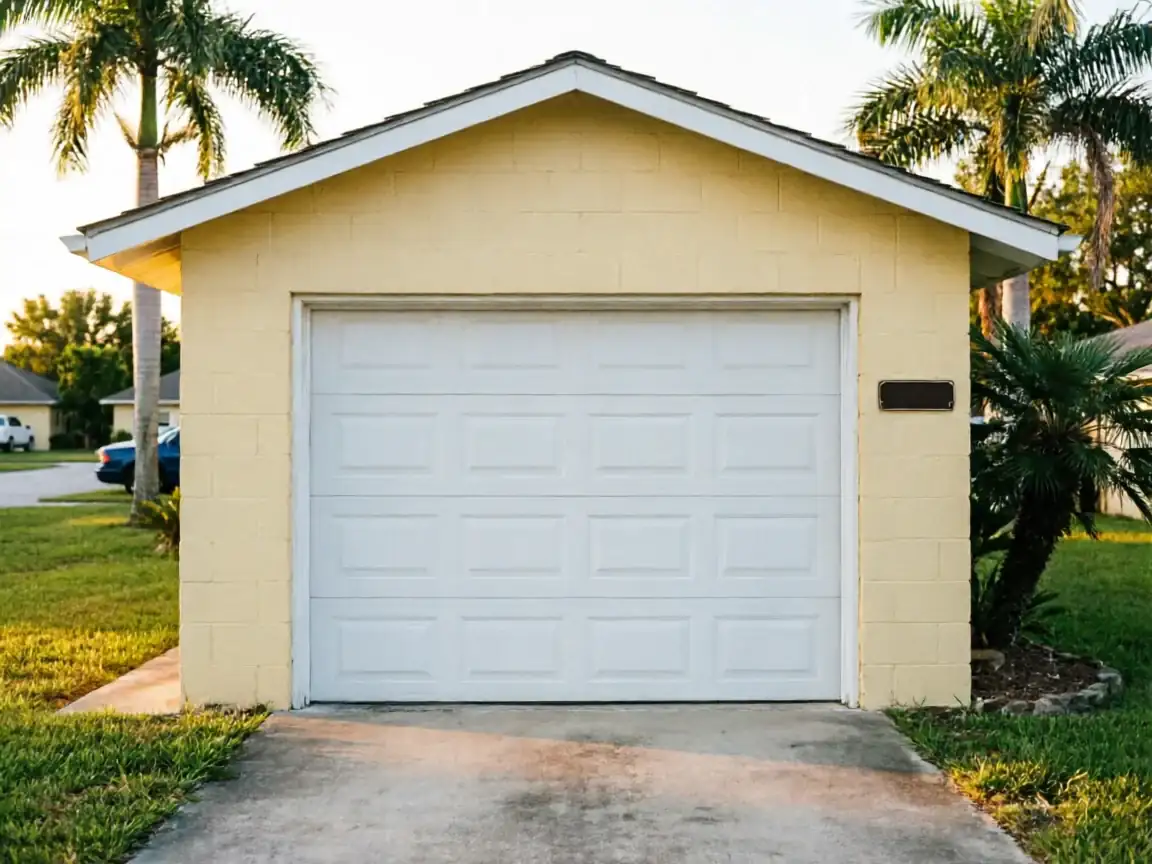
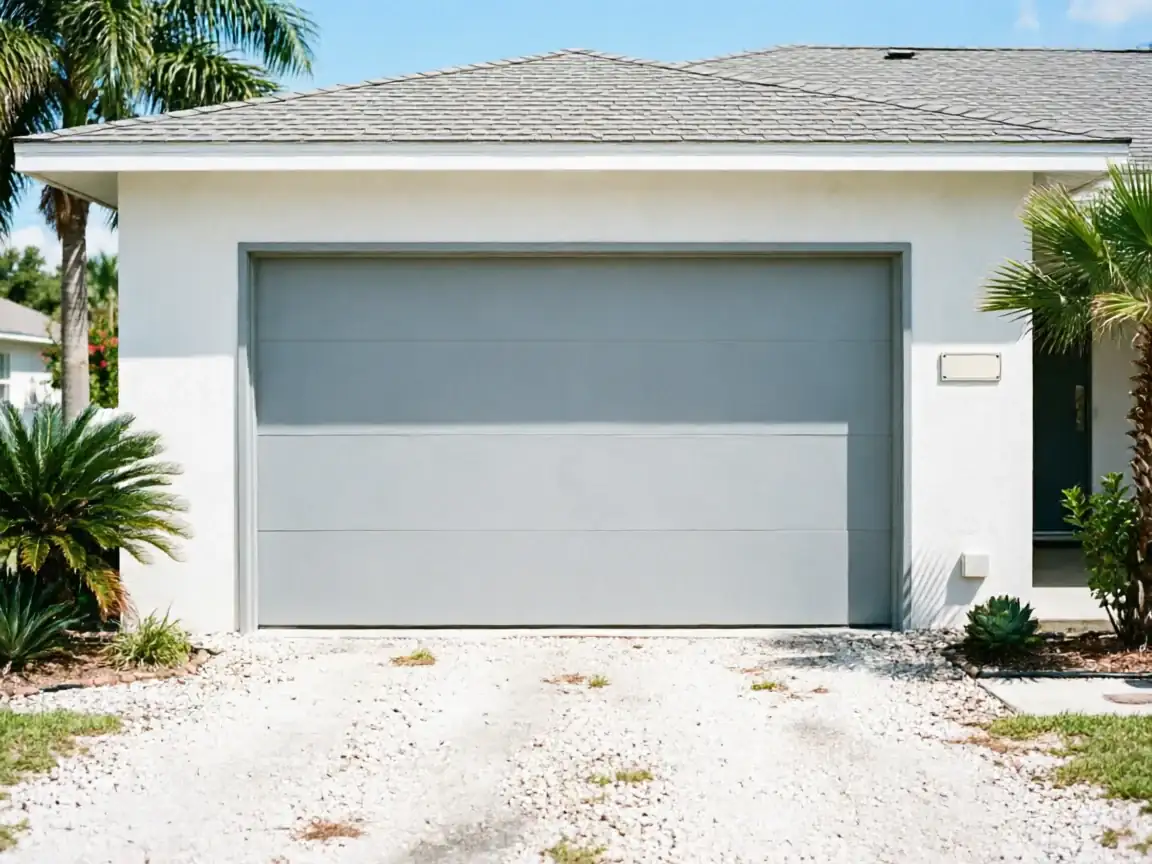
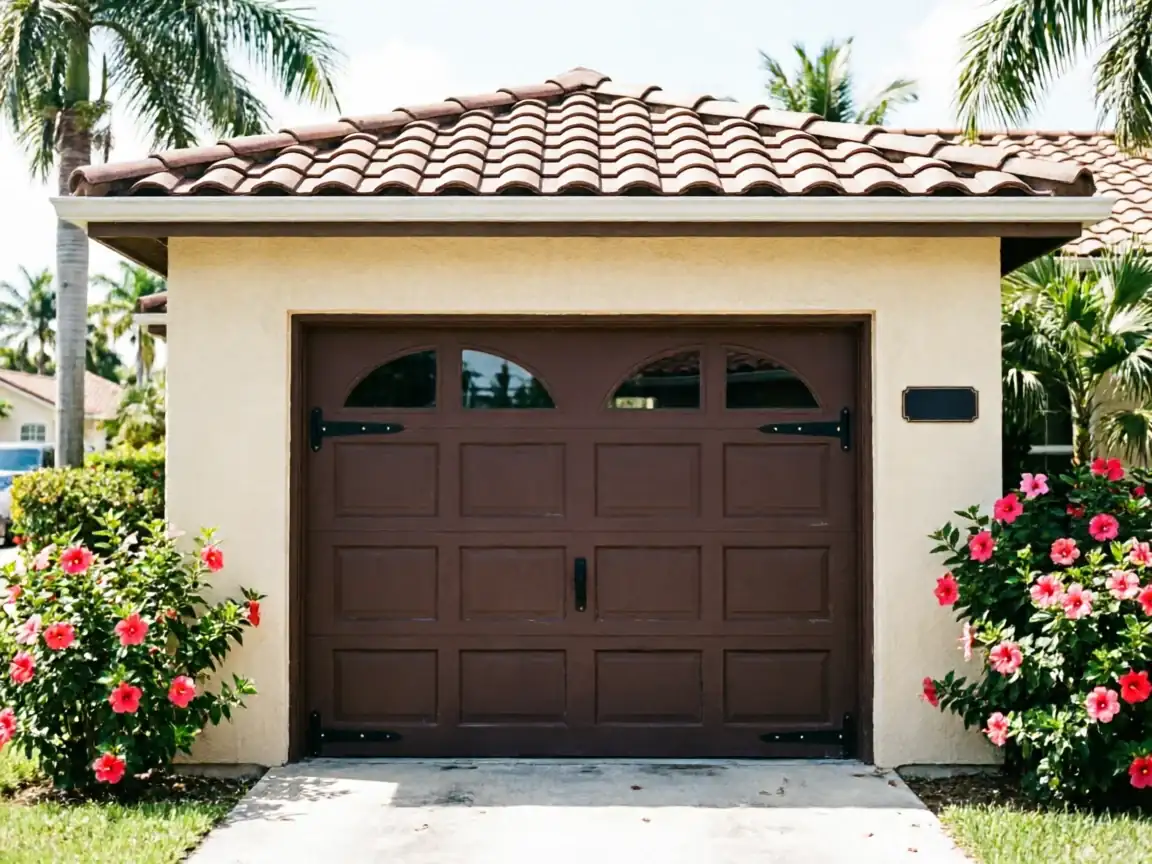
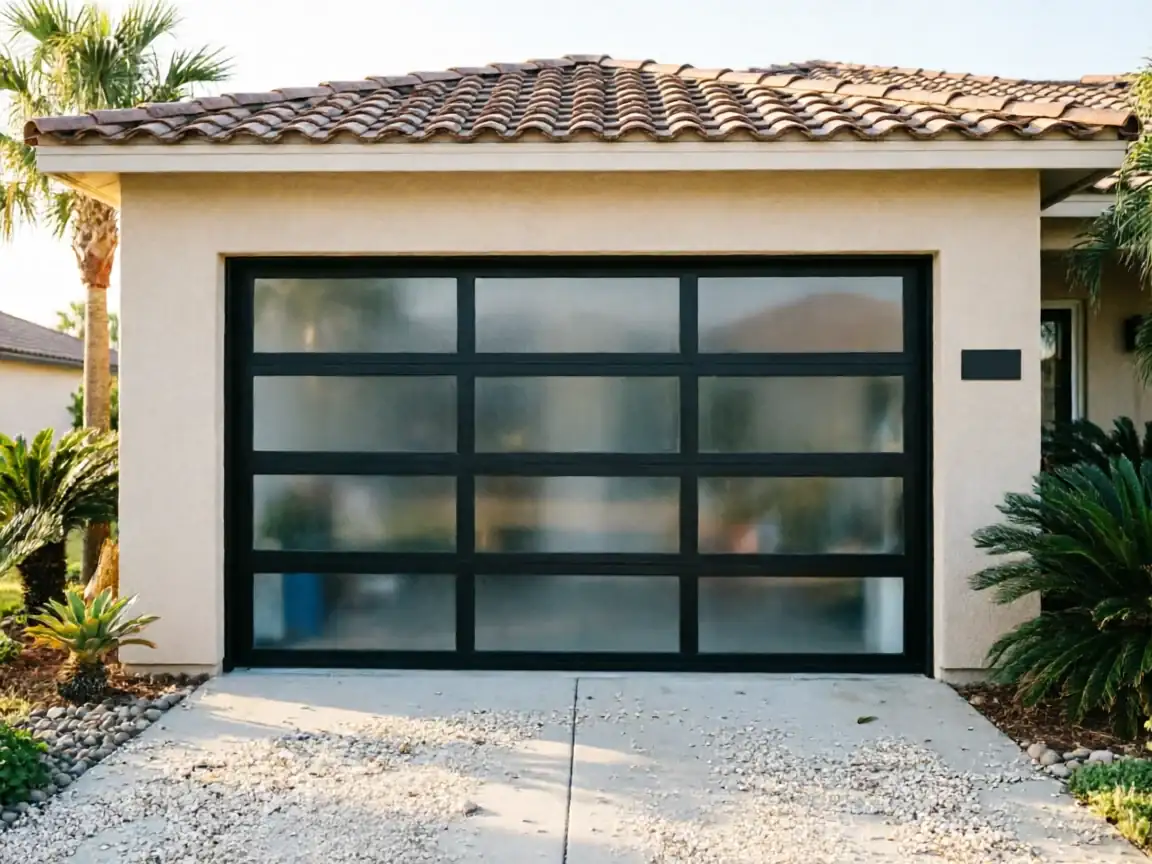
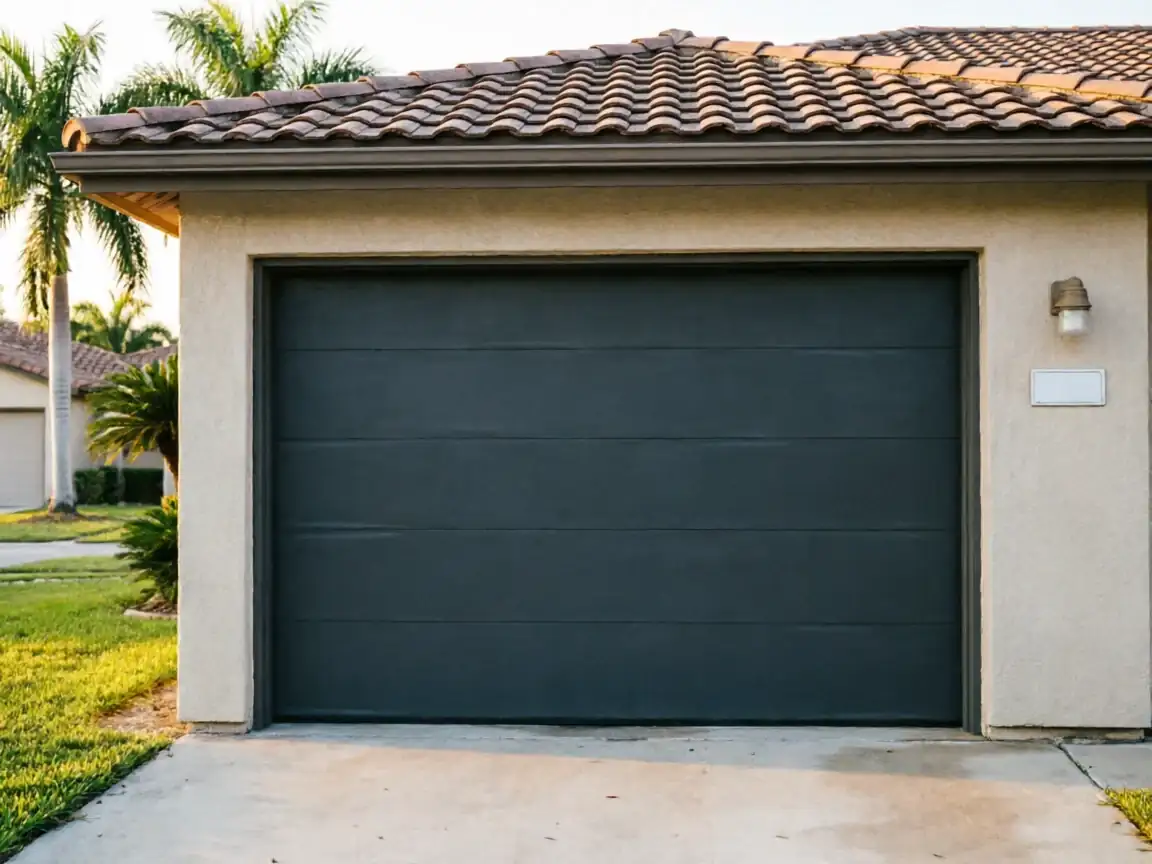
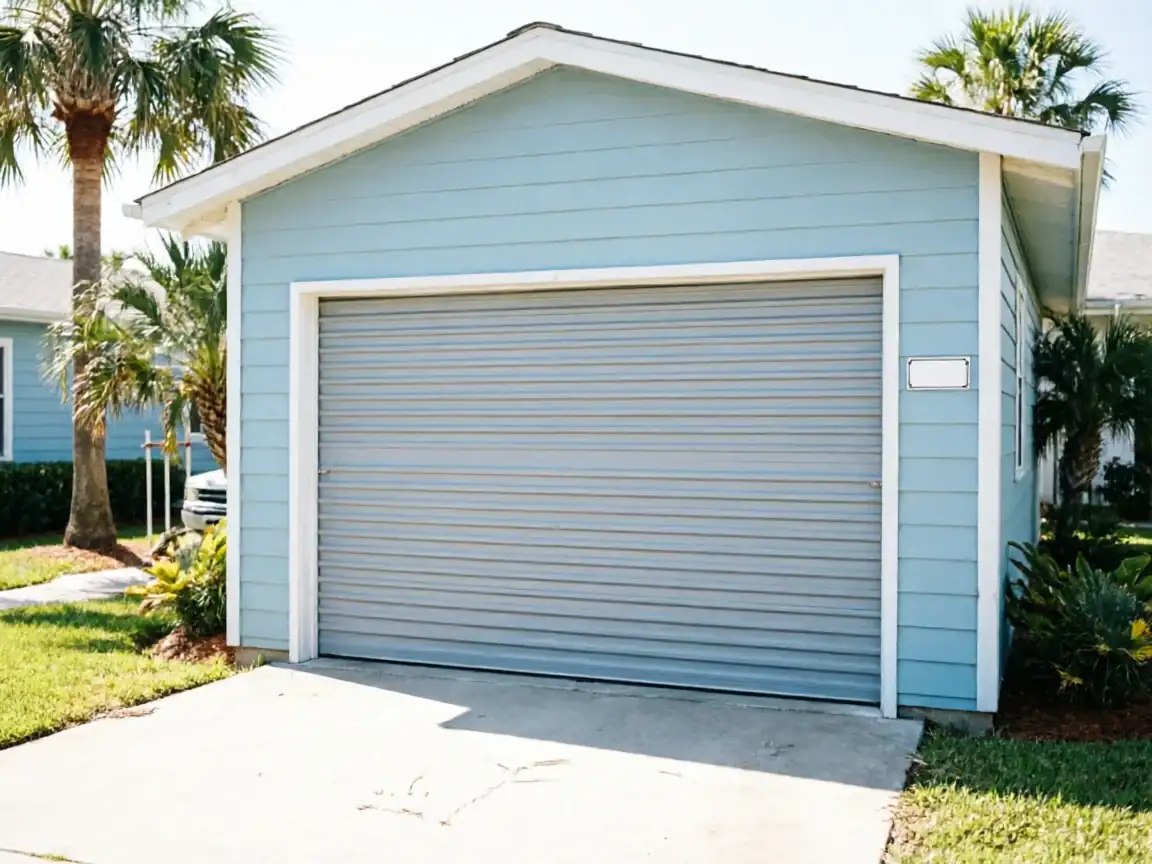
Oakland's housing stock skews newer than a lot of the area we cover - most of it went up well after 2000, with a median build year around 2008. That means the doors on these garages are almost always factory steel sectional units with foam-core insulation, not the older wood-look or flat aluminum panels you'd find on a house from the 1960s or 70s. The upside is that matching hardware and panel profiles is usually straightforward, since builder-grade steel sections from the 2000s follow a handful of common widths and rib patterns. The limitation: exact color match on a single panel isn't guaranteed if the door has faded or the original run has been discontinued, and we won't pretend a 15-year-old factory white matches a brand-new one without seeing it side by side first. For a full door swap instead of a single-panel fix, the service page for the wider Winter Garden coverage area has more detail on new installs. We carry common steel panel sizes on the truck; anything outside standard dimensions goes on order.
What You Are Seeing
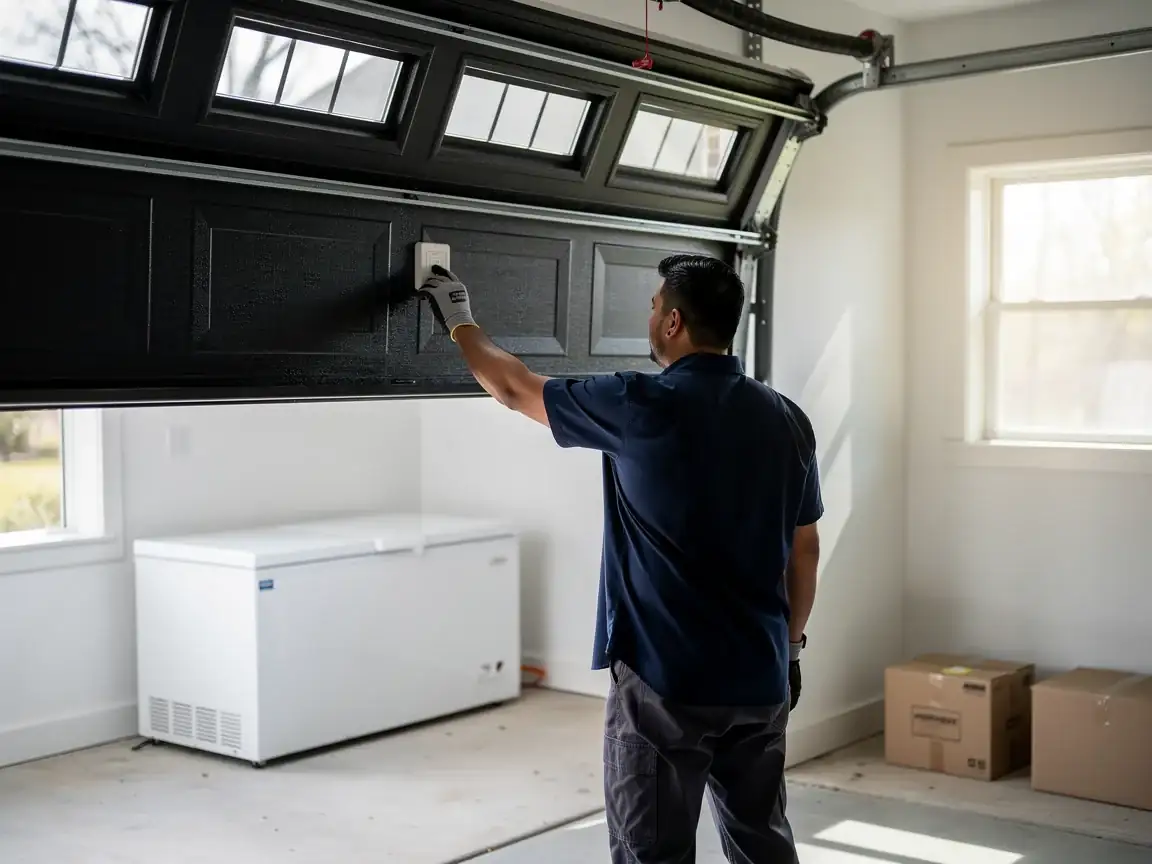
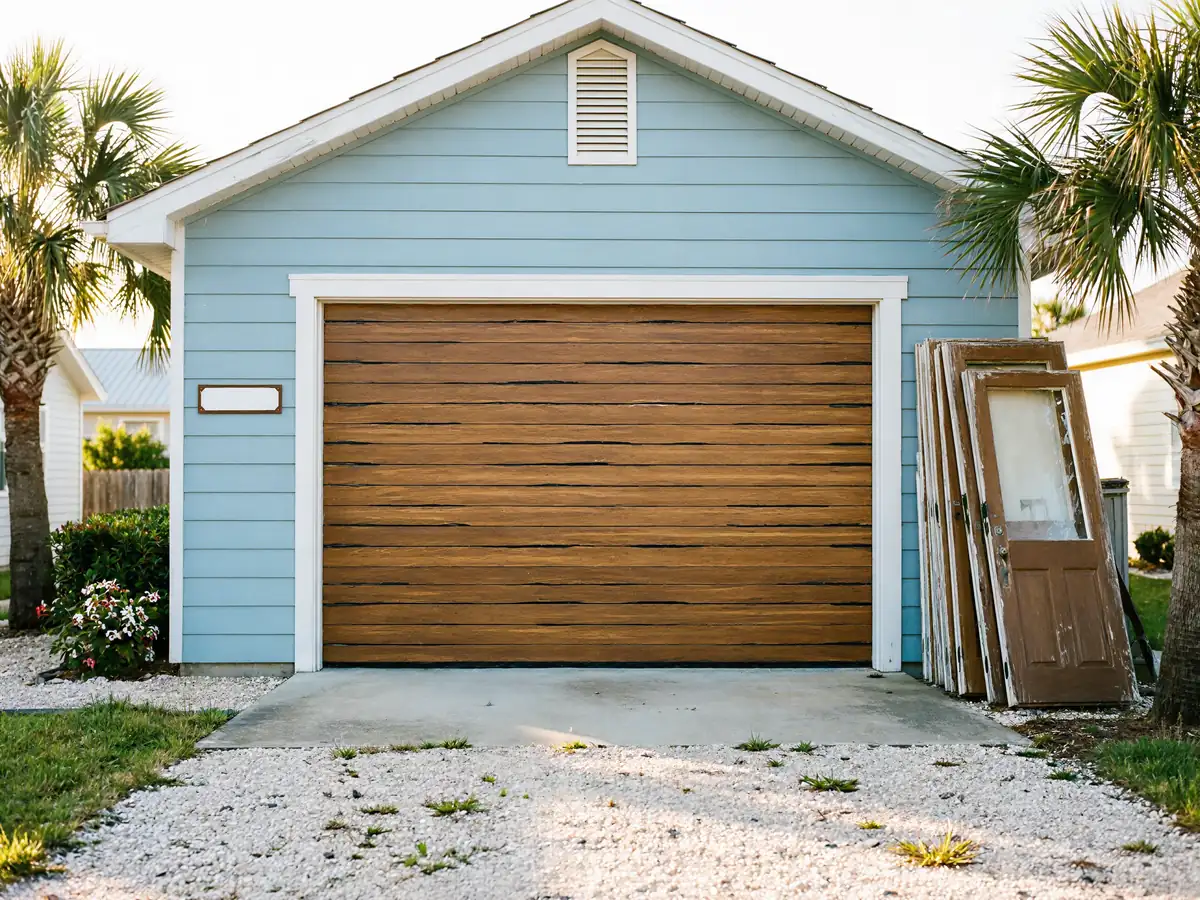
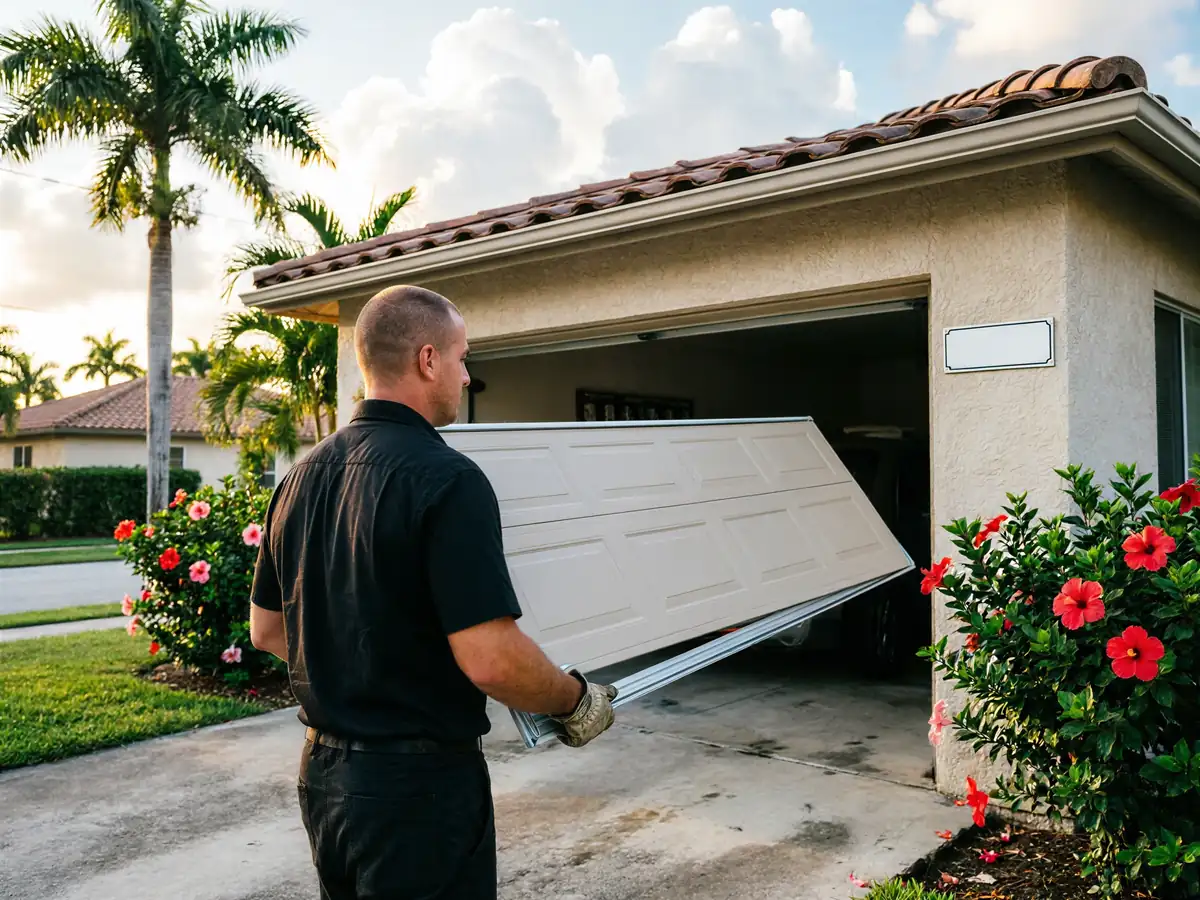
With a 2008-median build year, the doors we open up in Oakland are rarely failing from age the way older stock does elsewhere in the service area, where the median build year runs closer to 1987. What we see instead is impact damage - a dent from a car bumper, a cracked bottom panel from a trailer hitch, or a section that's come loose from its hinge after years of normal use. Because the local climate here sits in a mild temperate band, you're not dealing with the freeze-thaw cracking or extreme thermal expansion that pushes panel seams apart in harsher climates - damage tends to be mechanical, not weather-driven. If you're seeing rust streaks or bubbling paint on a door from this era, that's usually a sign water's been sitting against the bottom panel rather than the steel itself failing early. One thing worth saying plainly: if more than two sections on a run are bent or the track alignment is off because of the damage, a single panel swap may not hold, and replacing the whole door ends up being the more honest call.
What the Repair Takes
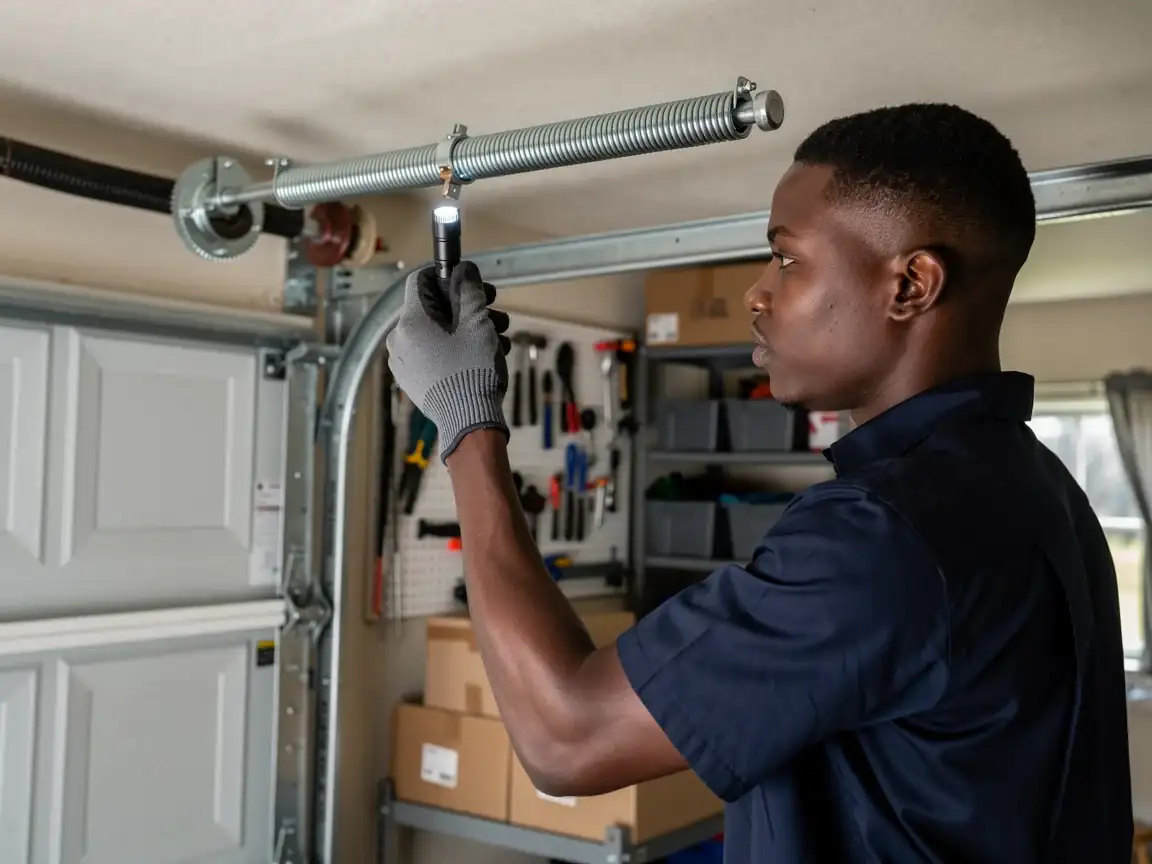
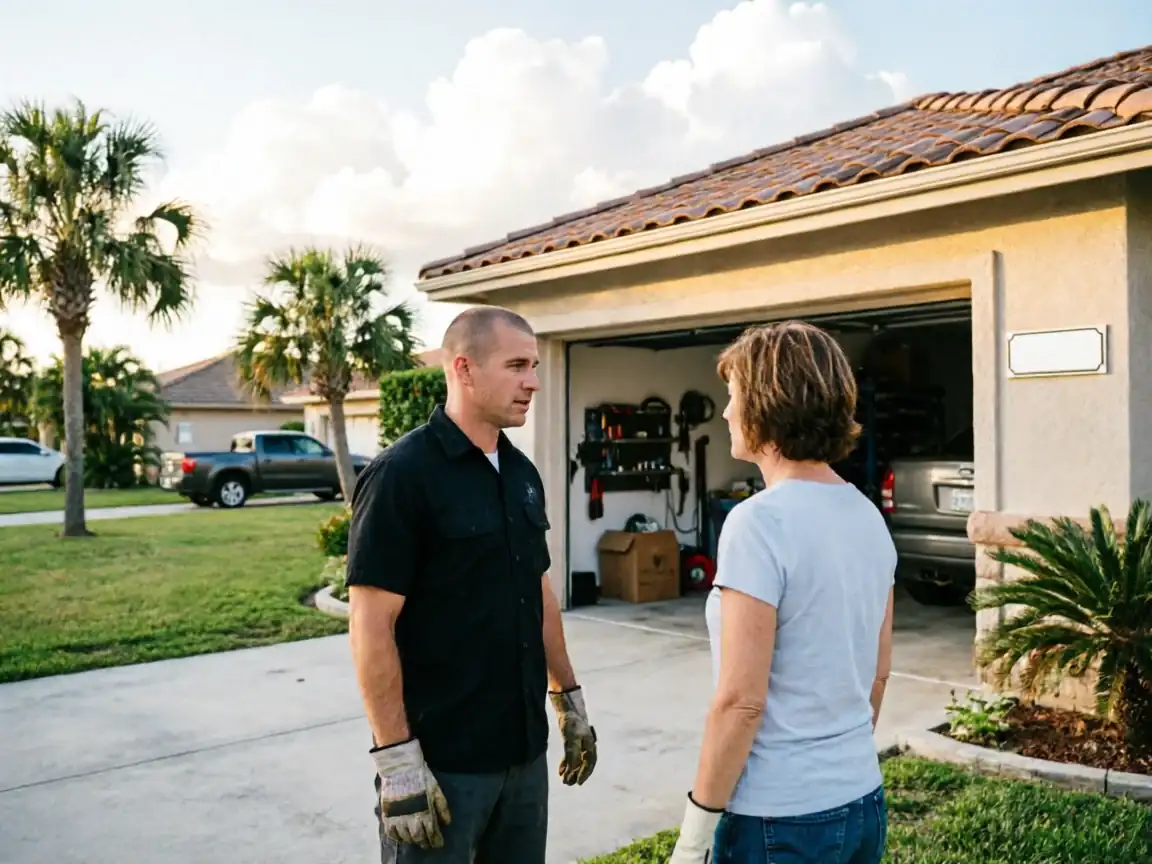
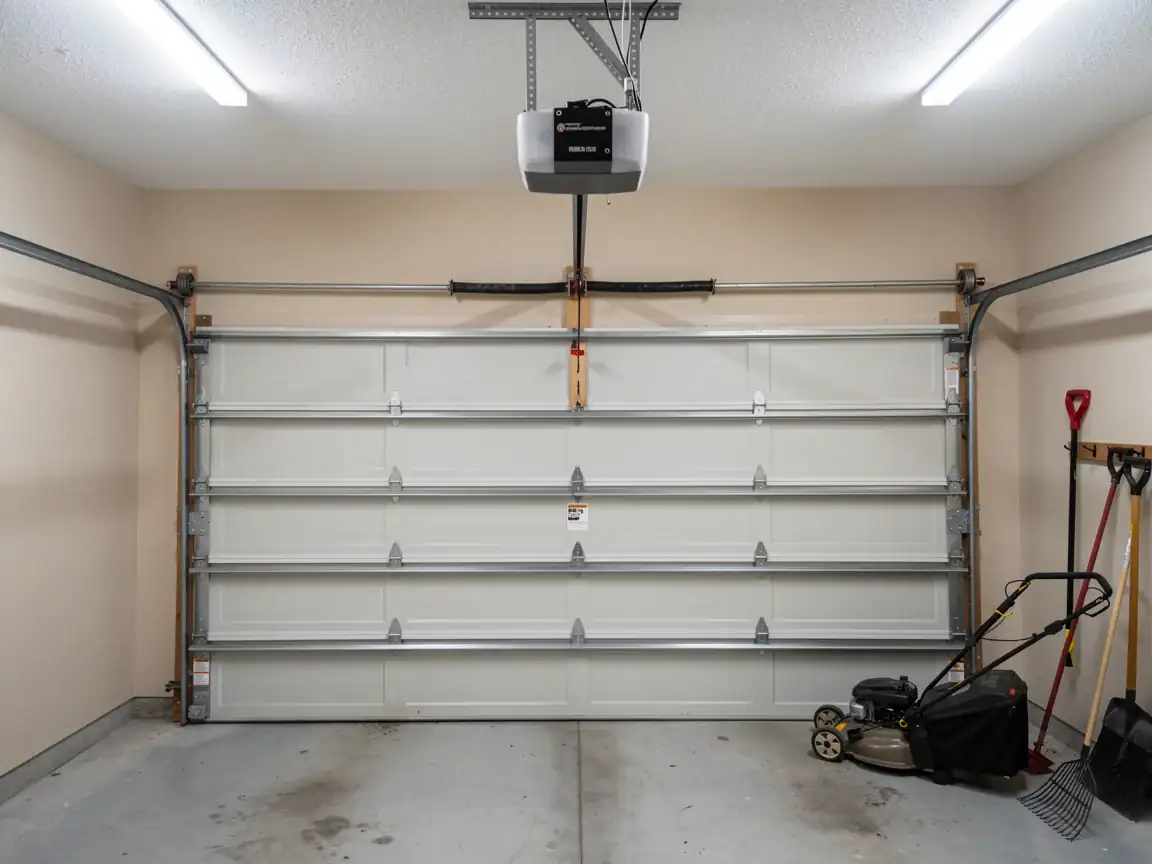
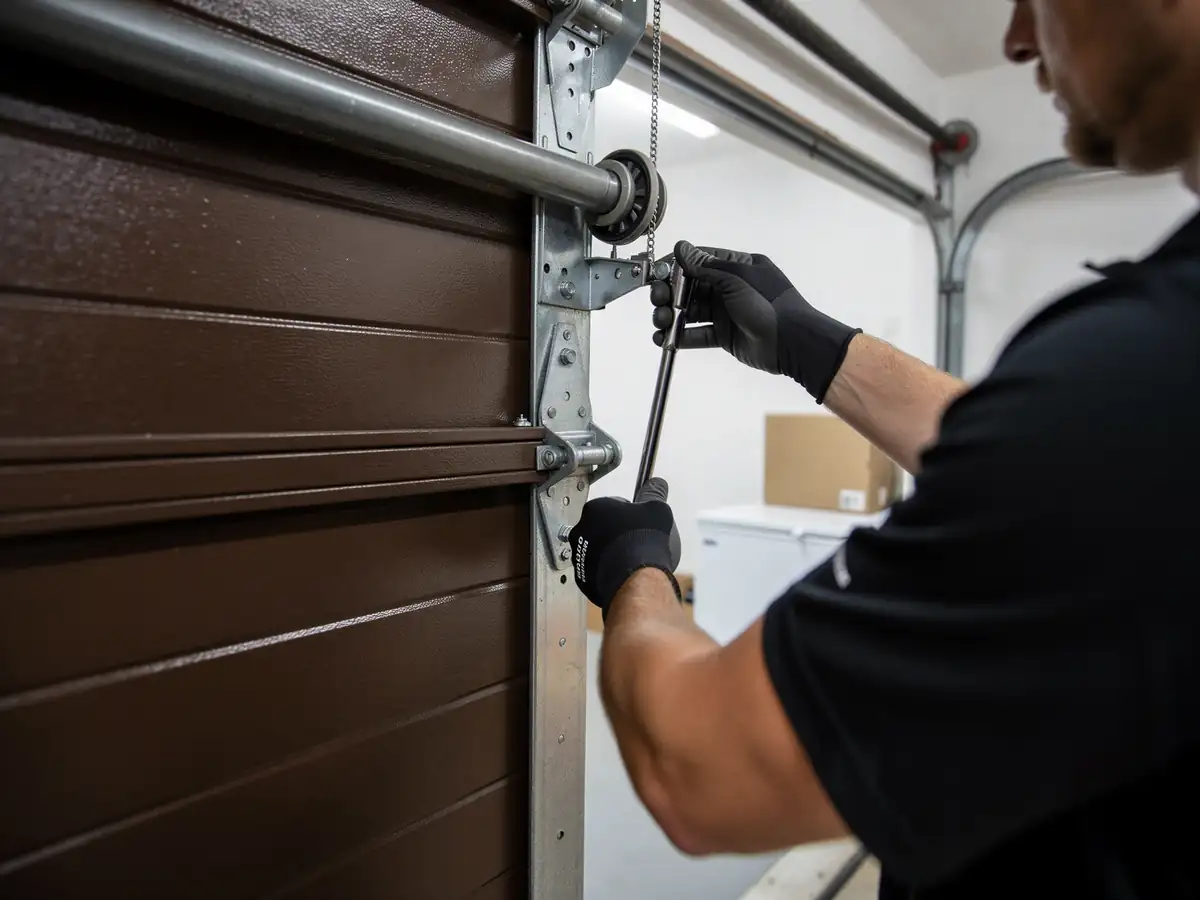
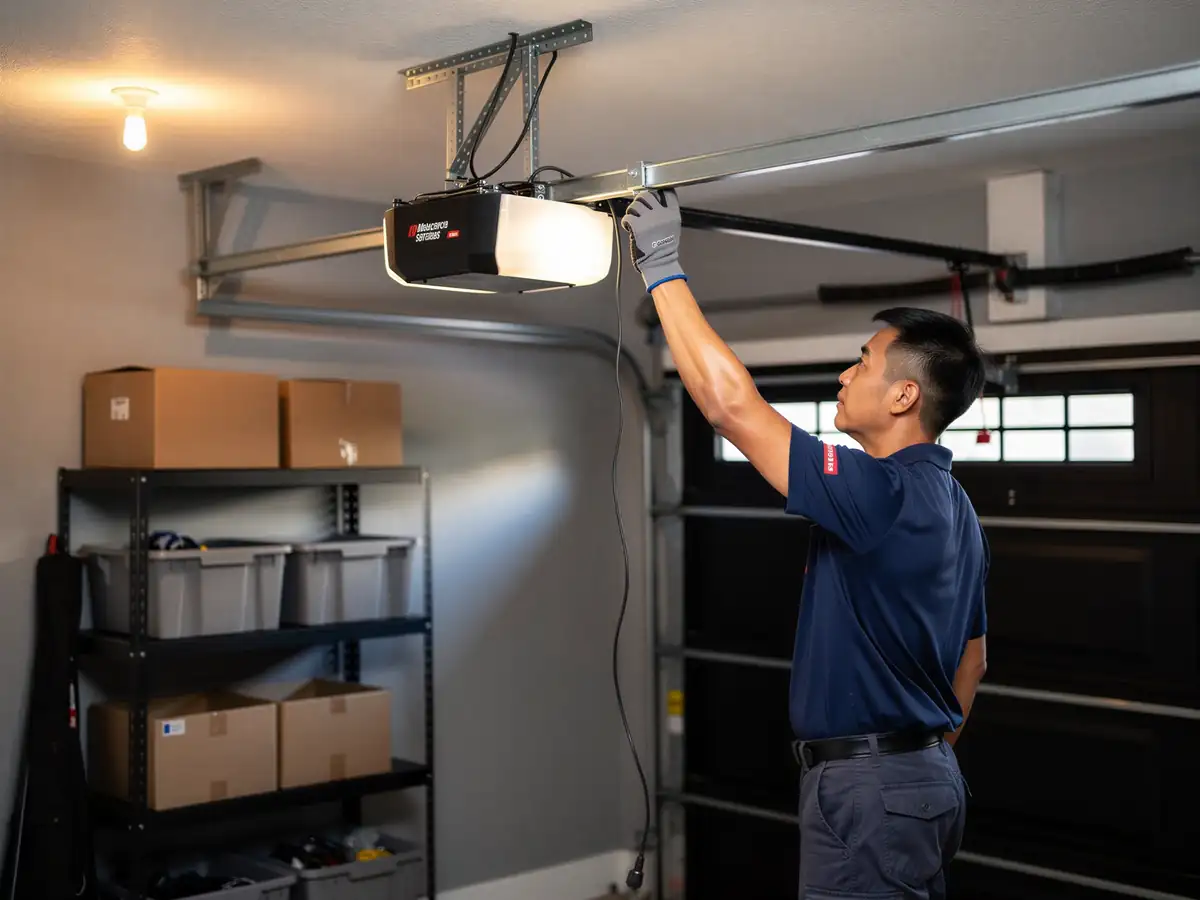
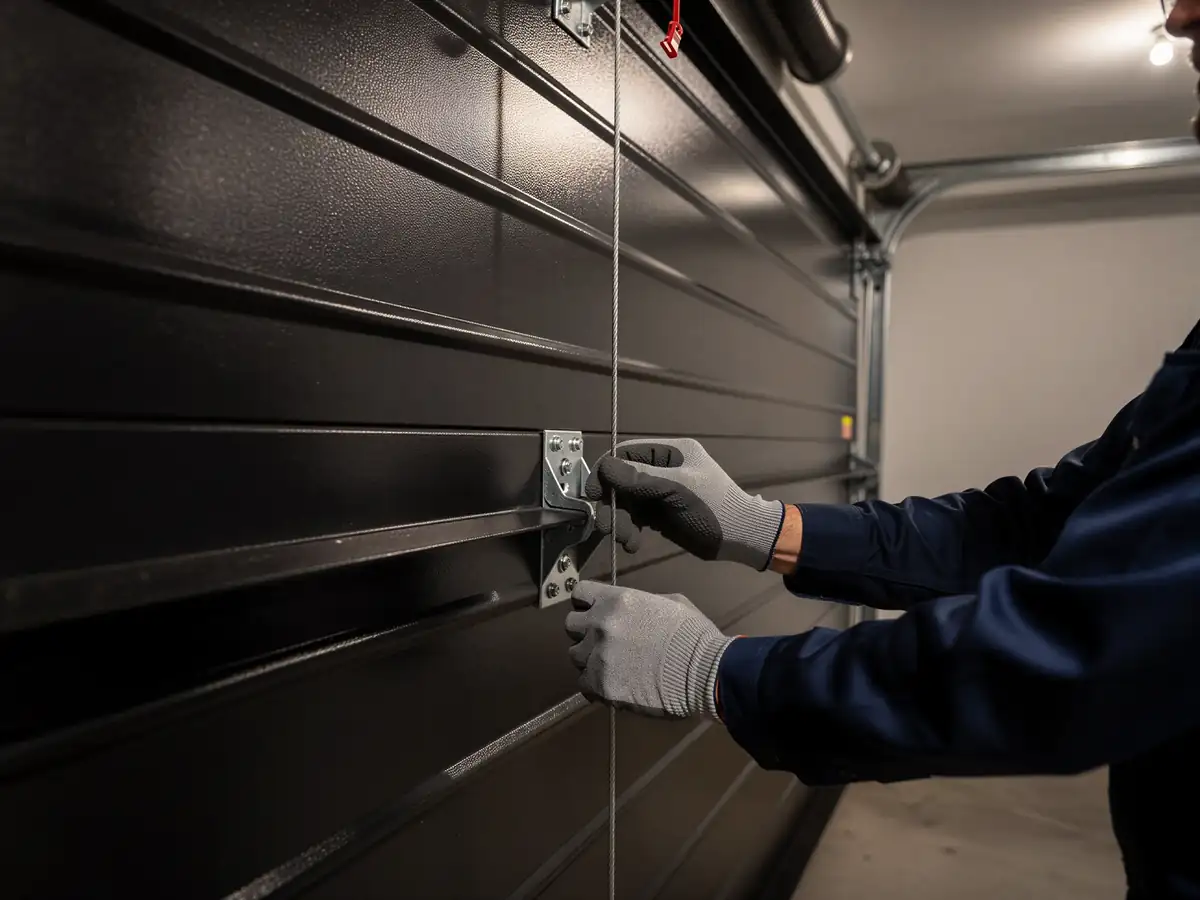
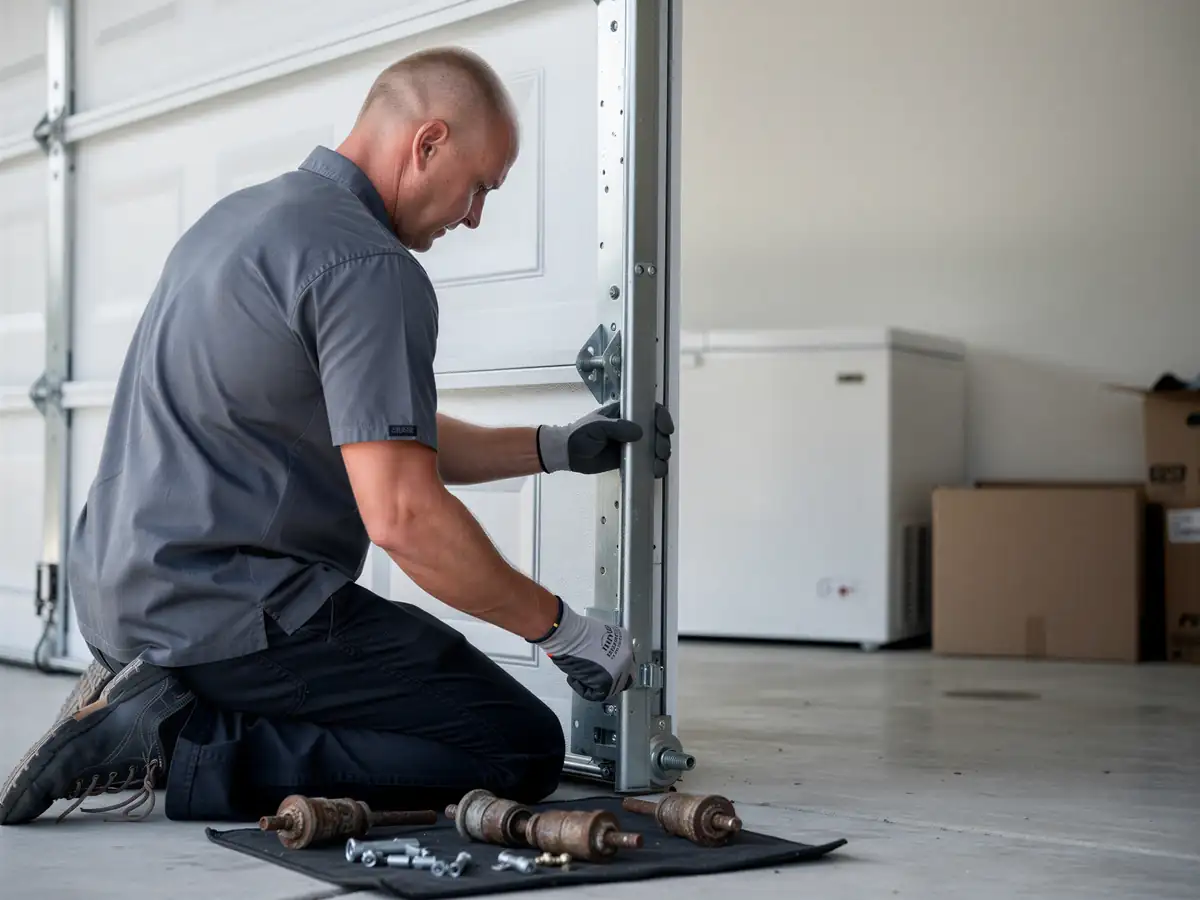
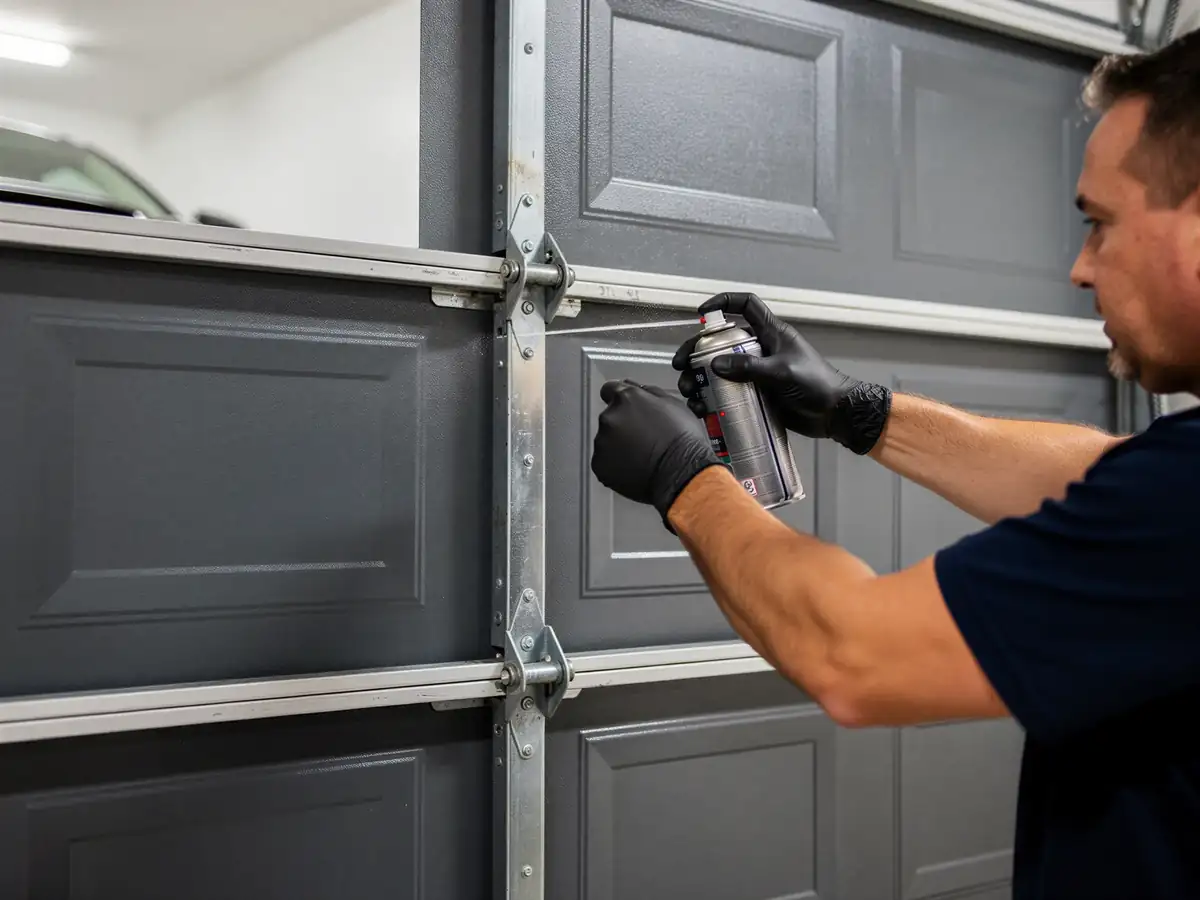
We work out of Winter Garden, 3 miles from Oakland, so a panel job here is a short trip, not a cross-town haul. On site, the work is mostly matching: pulling the damaged section, checking the track and hinge alignment on either side of it, and ordering the replacement panel to the door's existing manufacturer specs if we don't have it on the truck. Because Oakland's doors are mostly original to builds from the 2000s, matching hardware is usually available without a long wait - that's a real advantage over older neighborhoods in the service area where a 1987-era door might be running a panel style nobody makes anymore. Once the new section is in, we reset the rollers and check the balance on the whole door, since a mismatched panel weight can throw off spring tension even when the panel itself looks right. If the color doesn't come close enough to pass a quick glance from the driveway, we'll tell you before the job starts, not after.