Stocked Parts
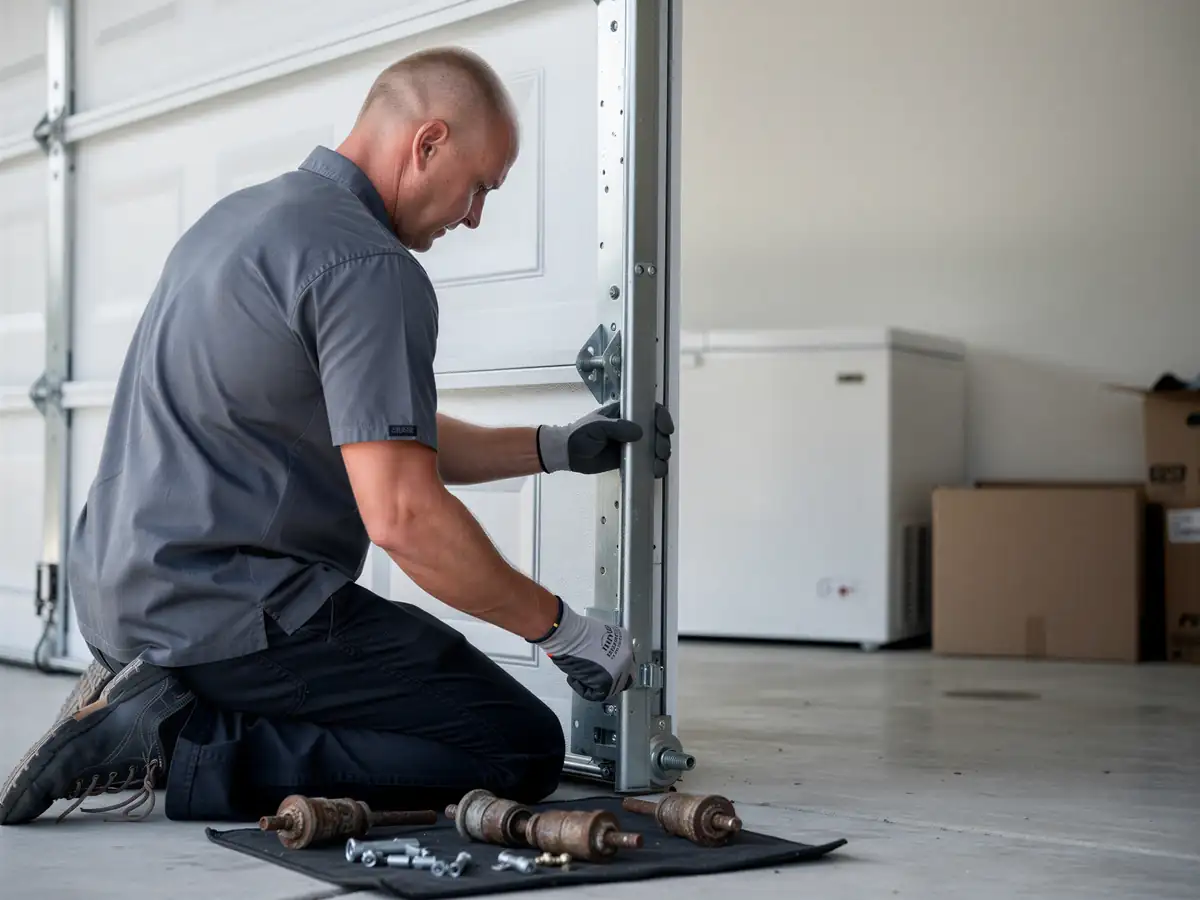
Oakland is a short drive for us, three miles out of Winter Garden, which matters more than it sounds like. A roller job is quick once we're on-site, but it's only quick if the truck already has the right roller on it, and we stock for what this town actually has rather than guessing. Most of the service area's housing runs older, built mostly in the 1980s and 90s, but Oakland's median build year sits around 2008 - a full generation newer. That means we're not pulling steel rollers off worn-out galvanized track from a 1988 door. We're dealing with factory-installed nylon rollers on doors that are now into their late teens, which is close to or past when that original hardware gives out. We carry sealed-bearing nylon rollers as the standard swap for these, plus steel ball-bearing rollers for anyone who wants a heavier-duty upgrade on a door that gets used several times a day. The short trip means we're not adding a parts delay on top of the drive - what's on the truck covers what this neighborhood needs.
What You Are Seeing
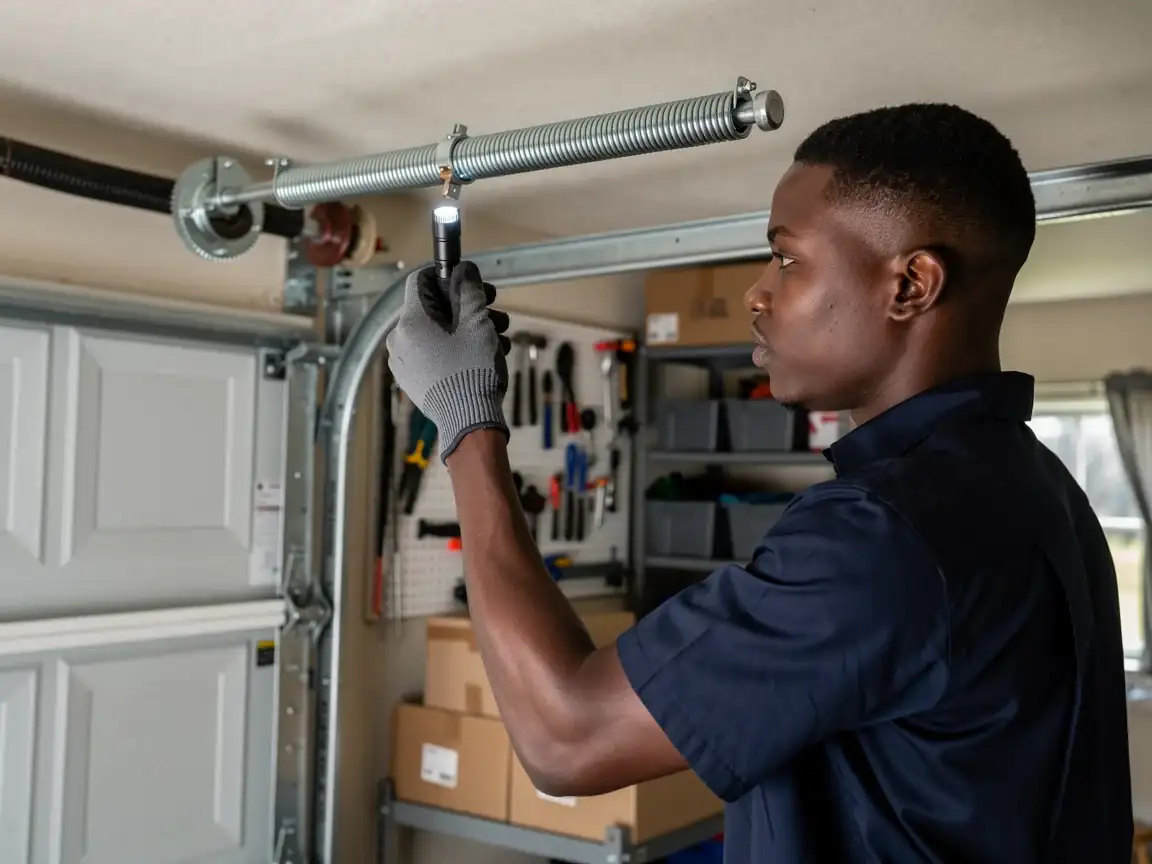
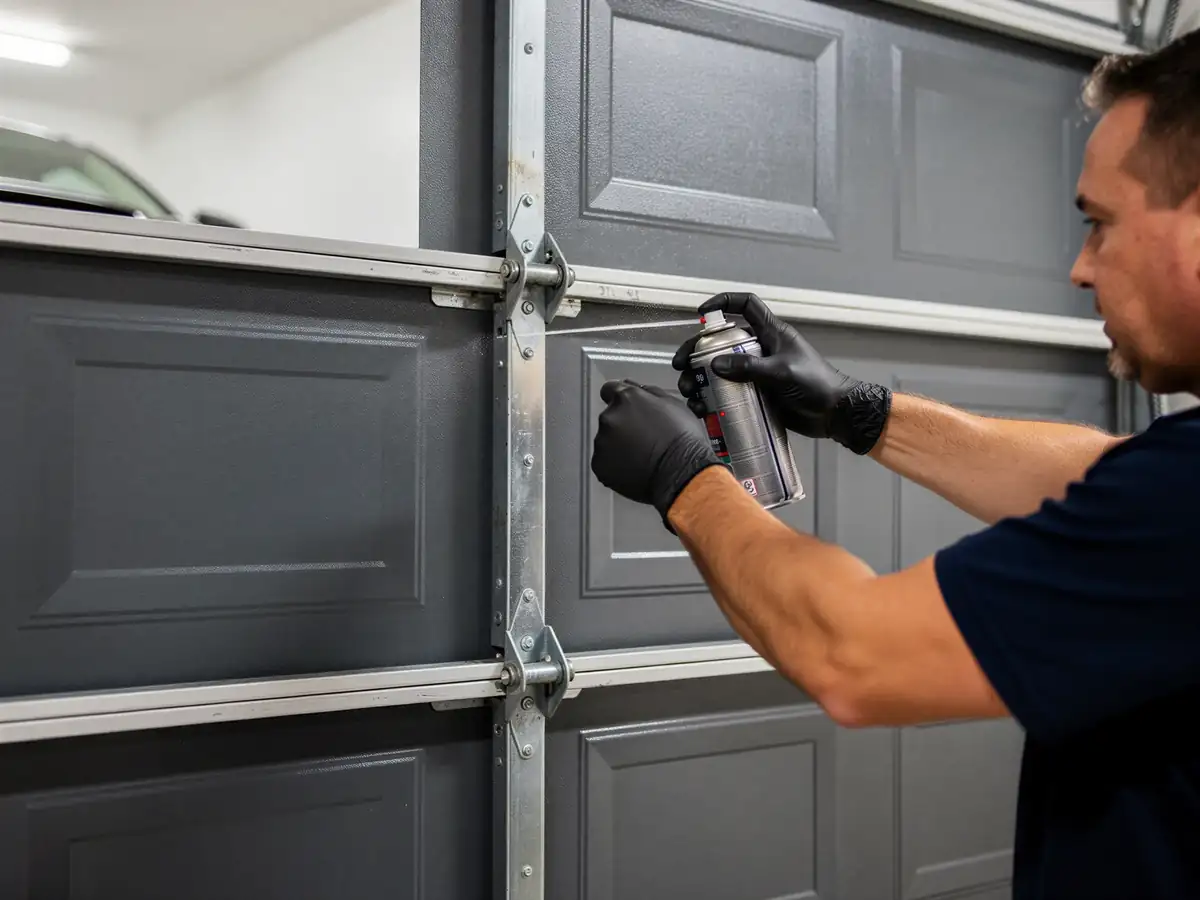
On a door built around 2008, the complaint is usually noise before it's failure - a grinding or rattling at the top of the track as the door opens, worse in the morning when everything's stiff. That's the original nylon rollers wearing down at an age where it's expected, not a sign anything else is wrong. You might also see the door hesitate or jerk partway up, which happens when a roller's worn enough that it's binding in the track instead of rolling through it. This is different from what we see on a lot of the area's older 1980s-vintage doors, where rollers often fail alongside rusted track or a spring that's also near the end of its life - multiple things wearing out together. On a 2008-era Oakland door, the roller is frequently the whole story: one worn part on an otherwise sound door. Worth noting, this area's households skew higher income than the broader service area, and we see that reflected in more owners catching the noise early and calling before a roller snaps rather than after.
What the Repair Takes
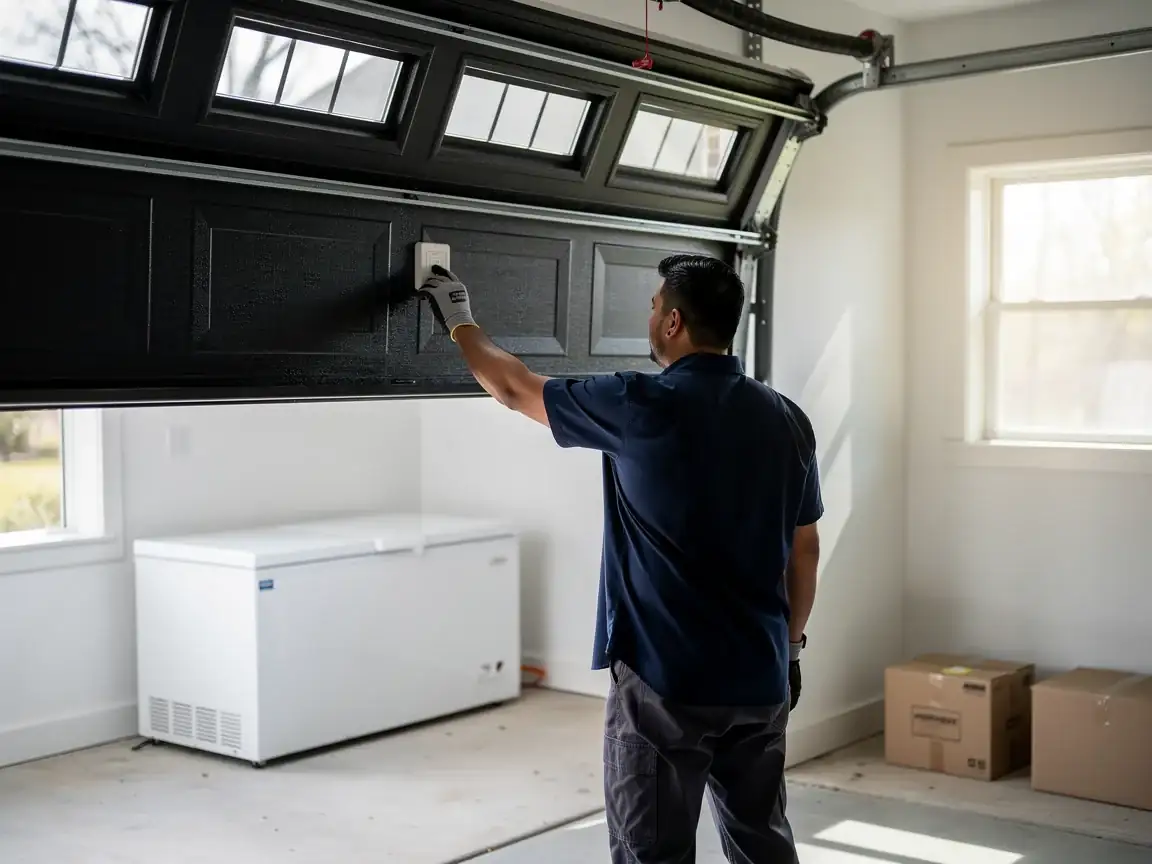
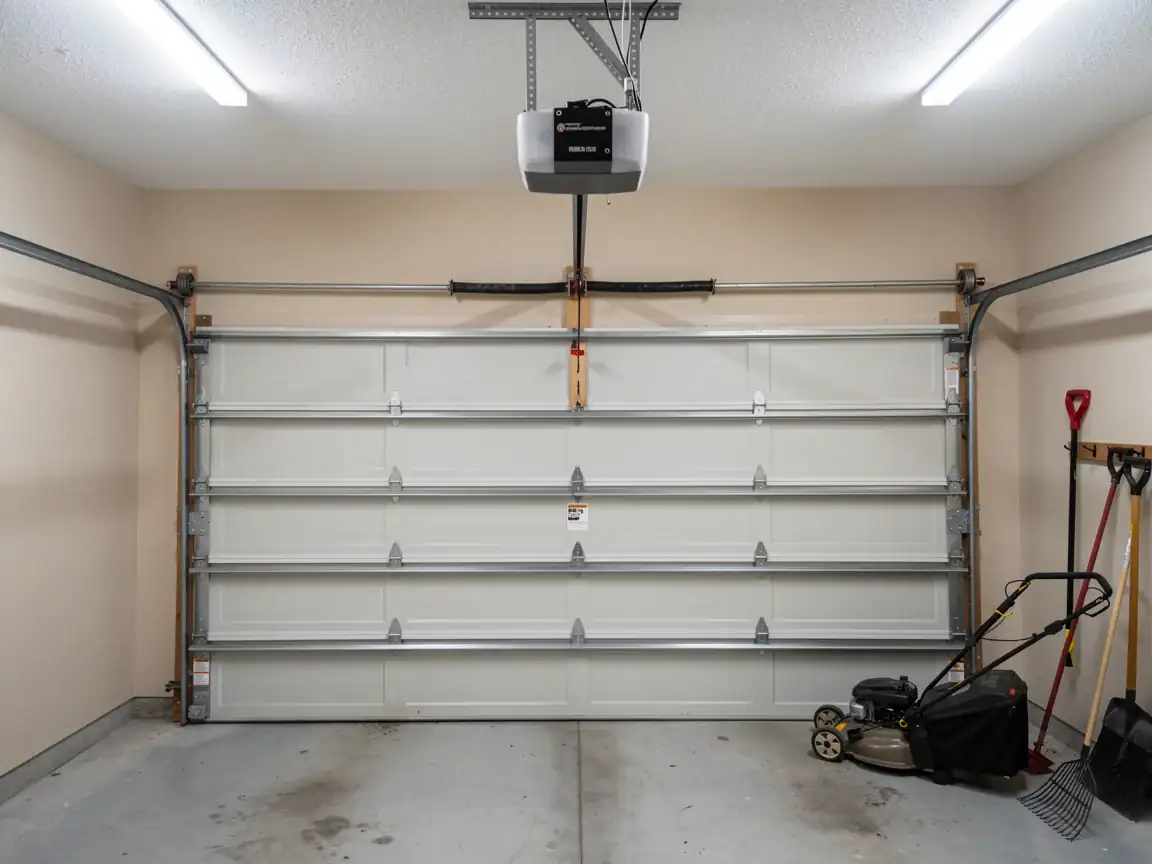
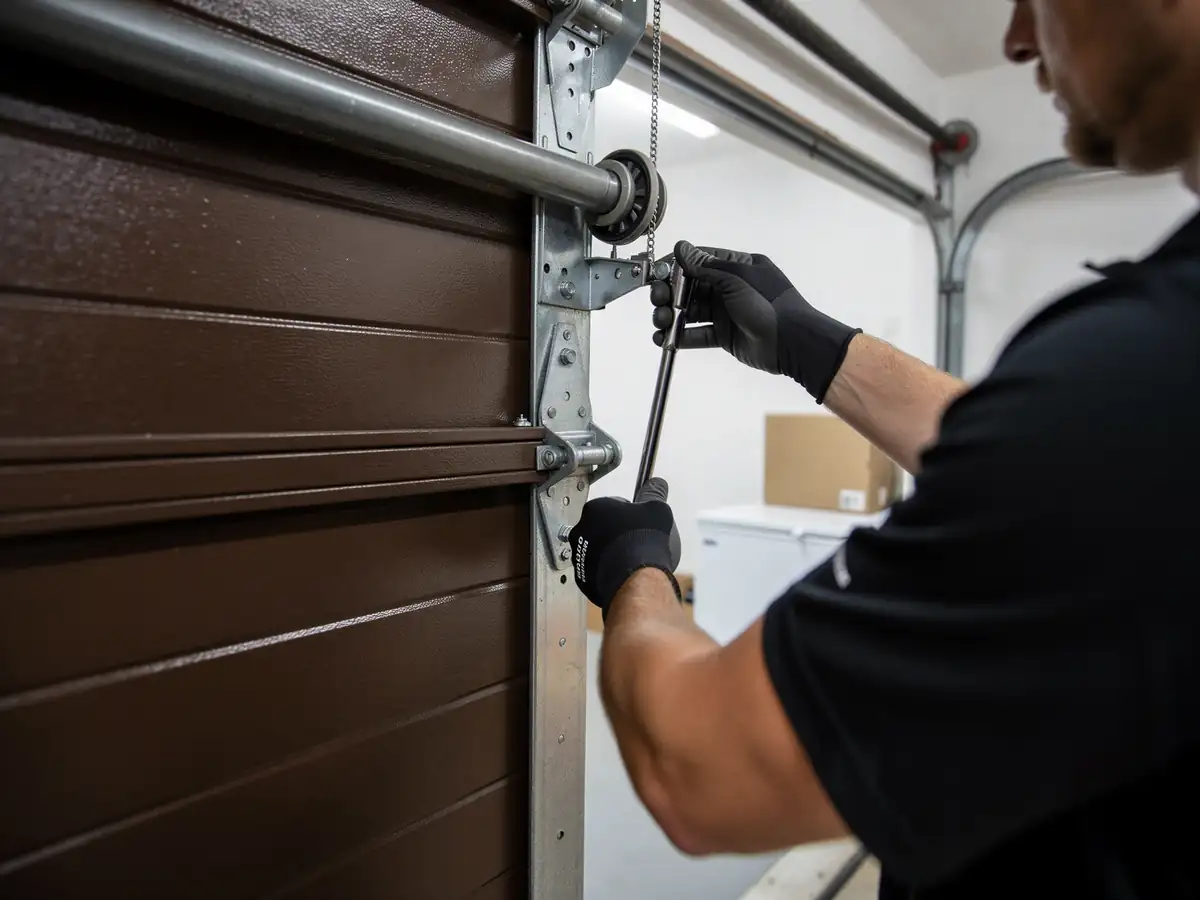
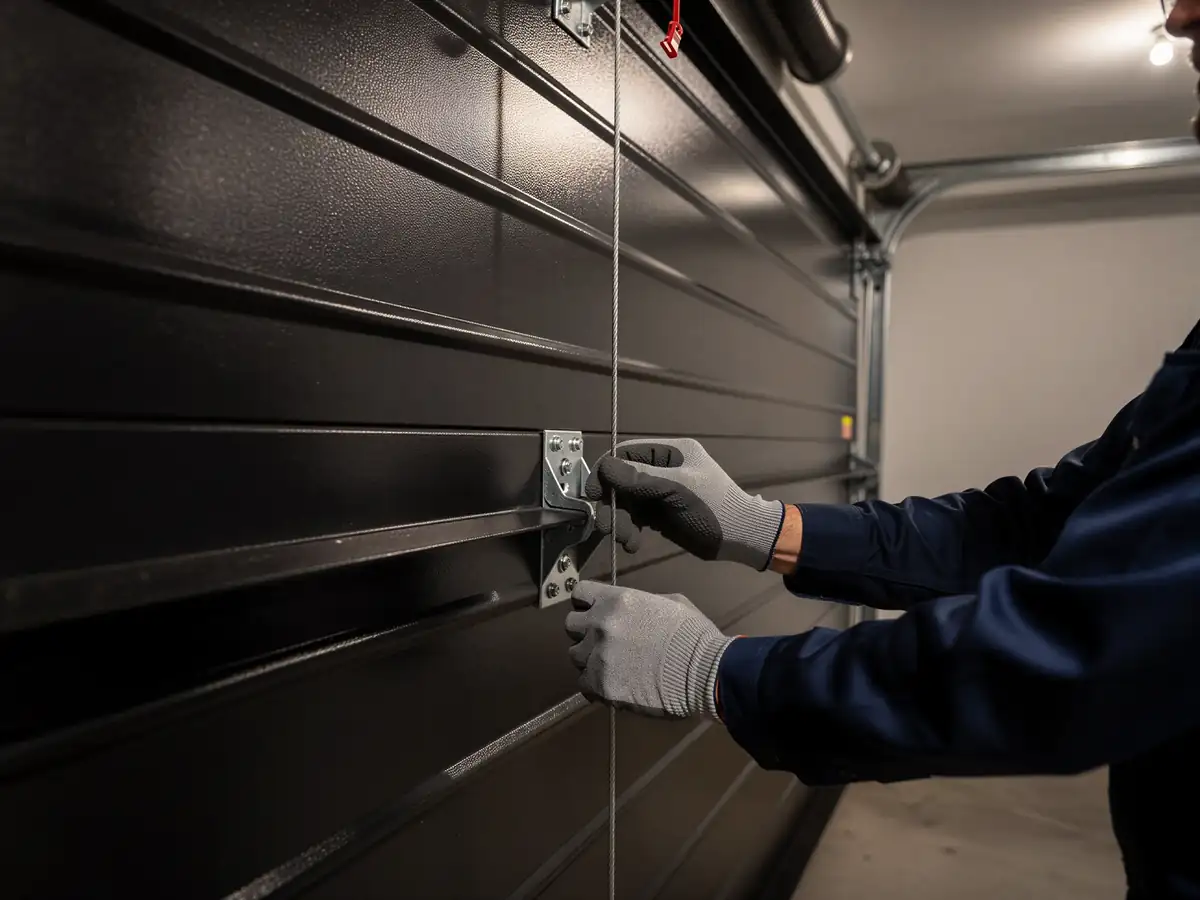
Replacing a full set of rollers is one of the more contained jobs we do - we relieve the spring tension, pull the old rollers out of the track one at a time, seat the new ones, and run the door through a full open-close cycle to check for binding before we call it done. On a door with clean track and no secondary damage, this doesn't take long. Where it takes longer is if the worn rollers have chewed up the track itself, which we do see occasionally even on newer Oakland doors if the rollers went unreplaced for a while after the noise started - at that point we're straightening or replacing a section of track, not just swapping rollers. One limitation worth saying plainly: if a roller has already seized and cracked a panel on its way out, that's a different repair, and we'll scope it separately rather than fold it into a roller quote.