Stocked Parts
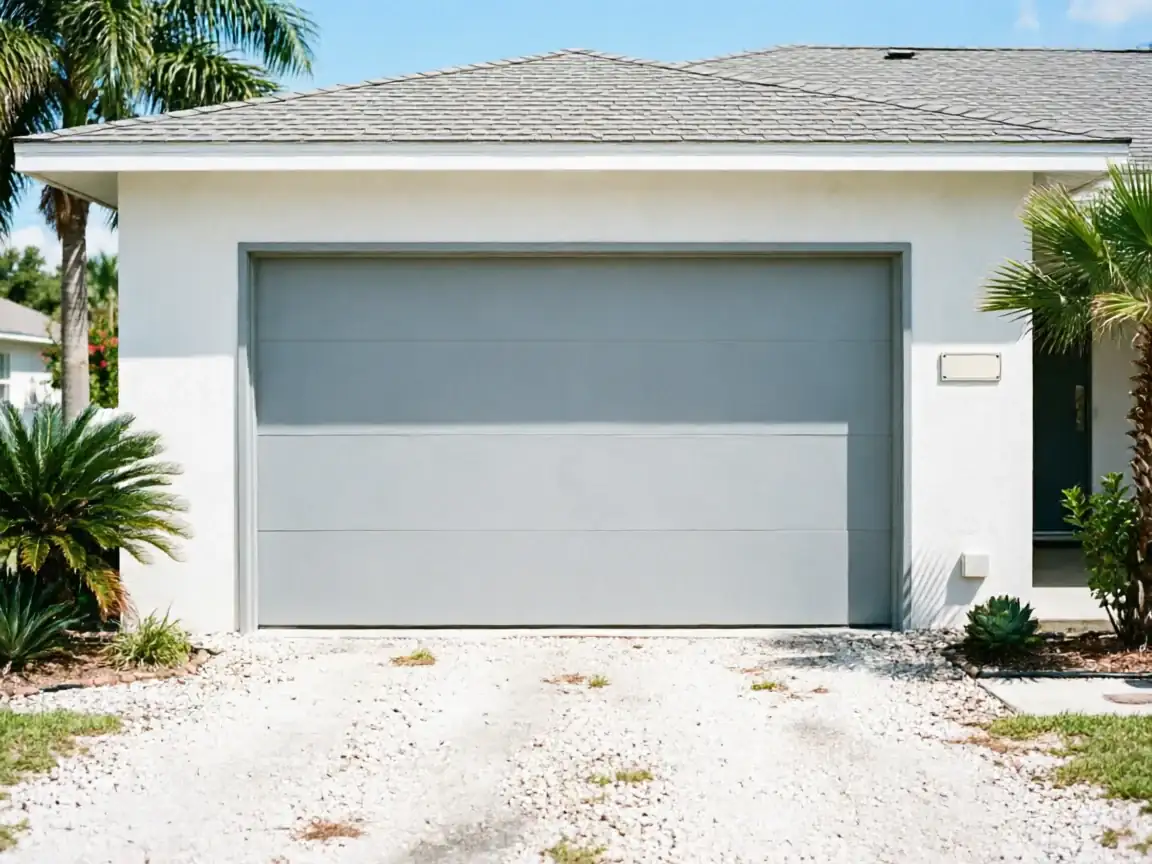
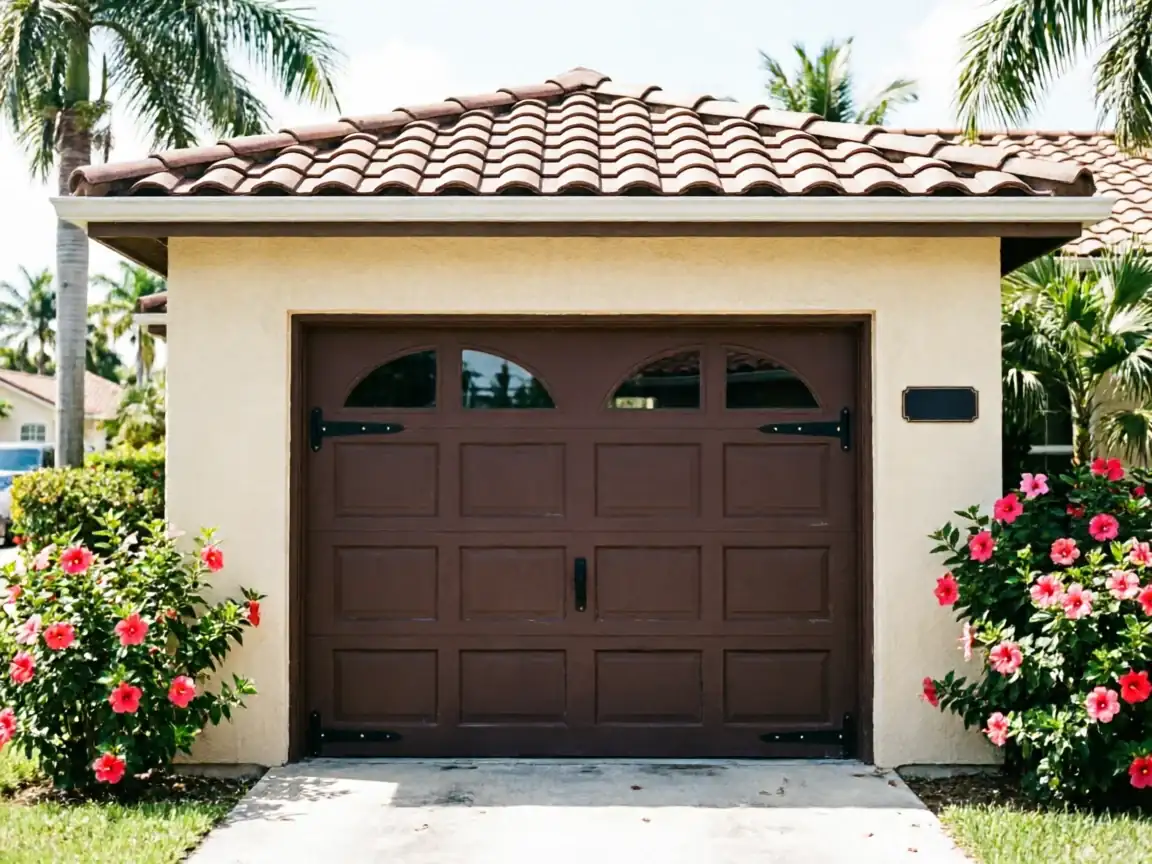
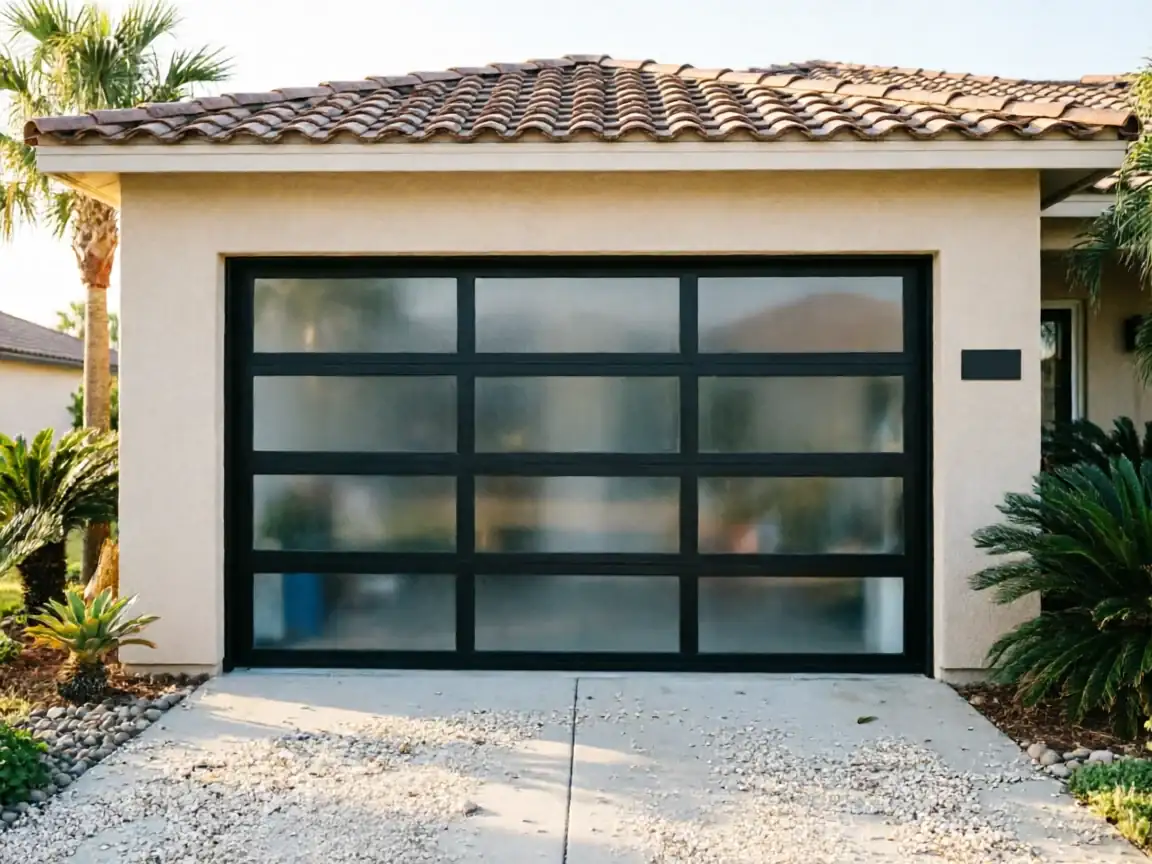
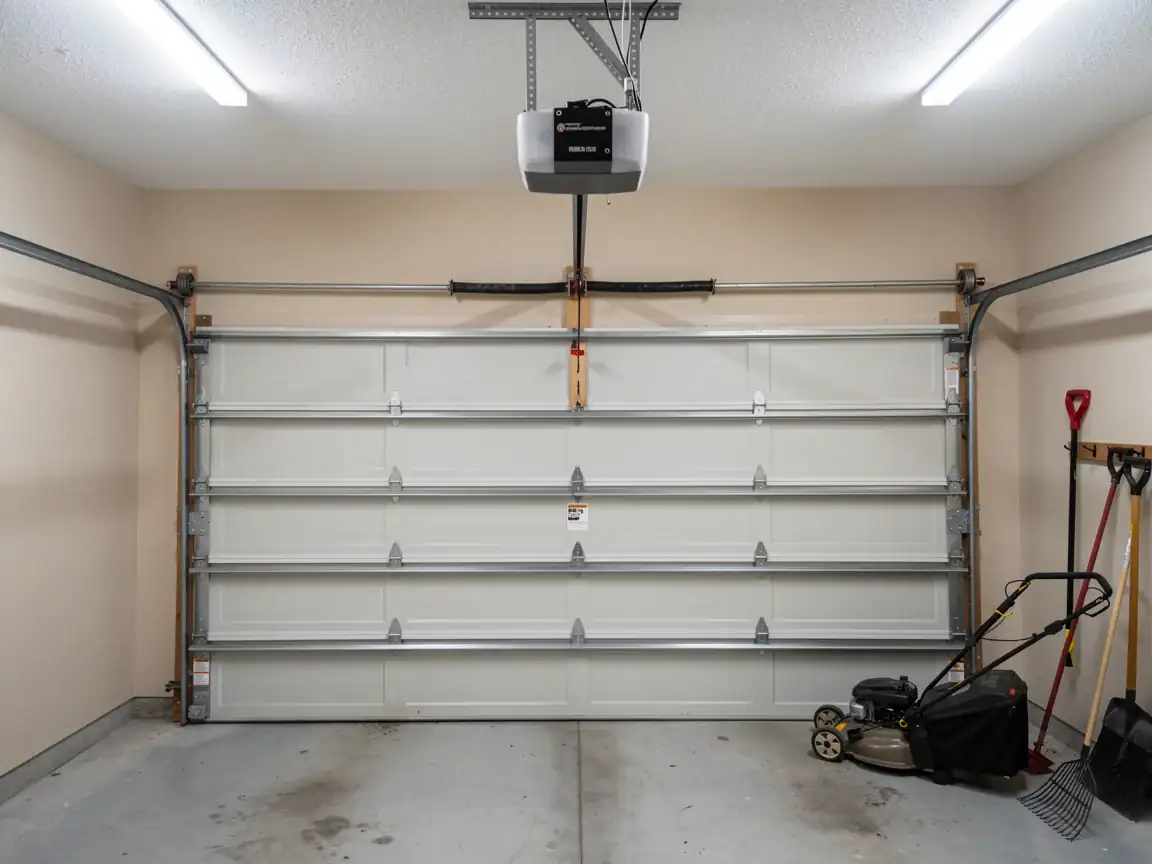
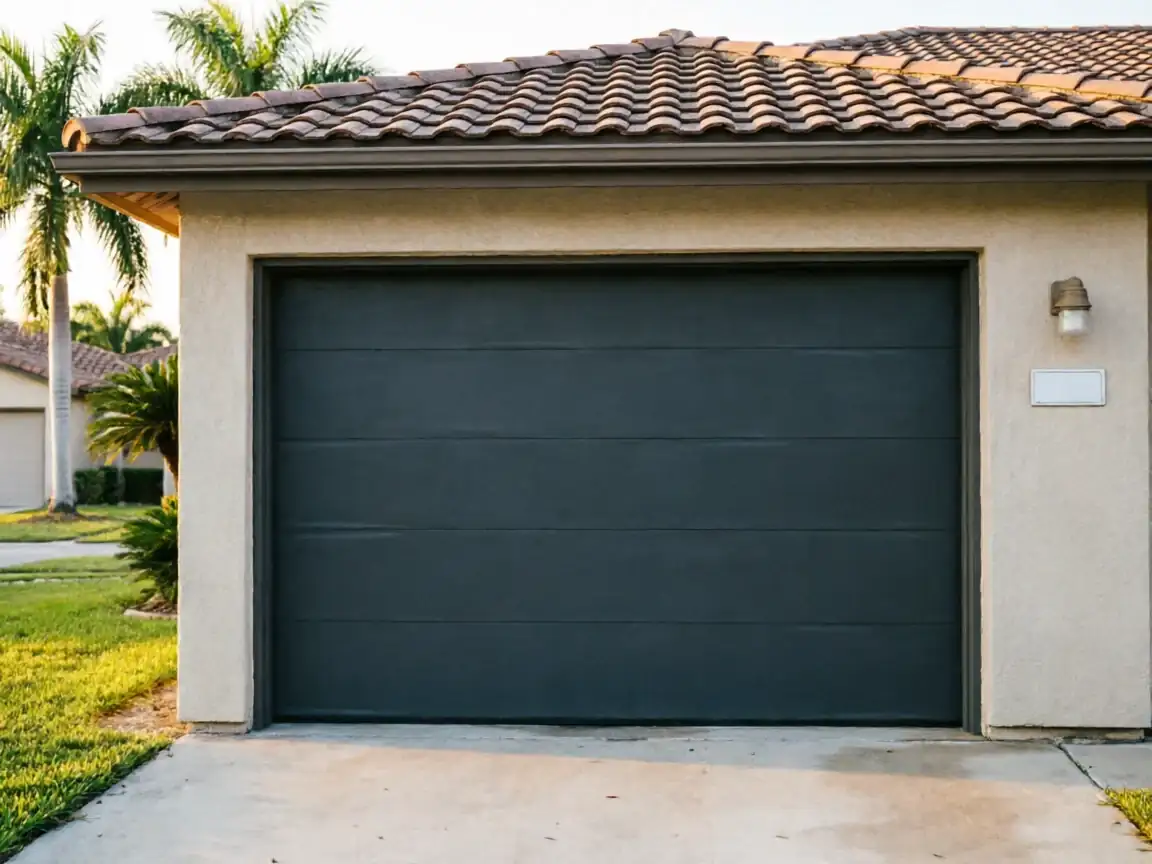
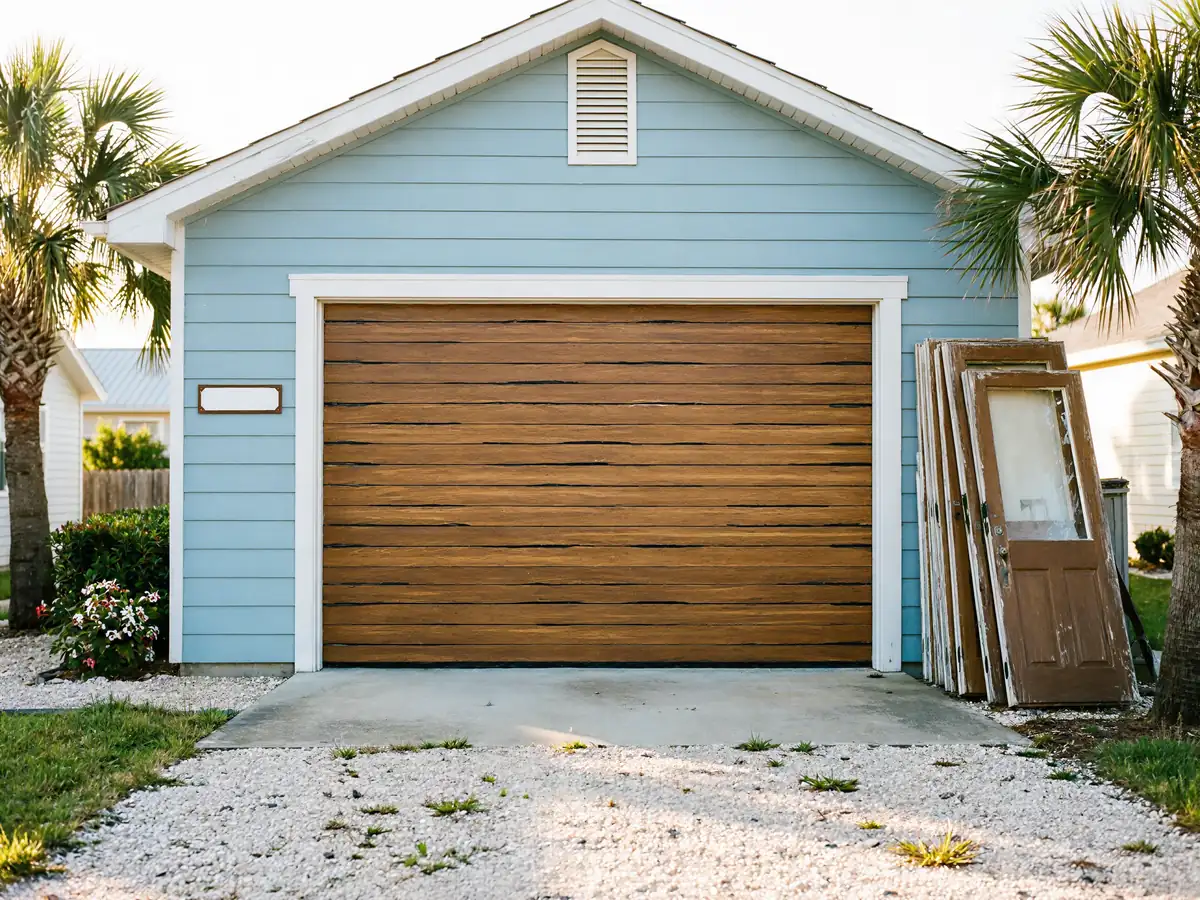
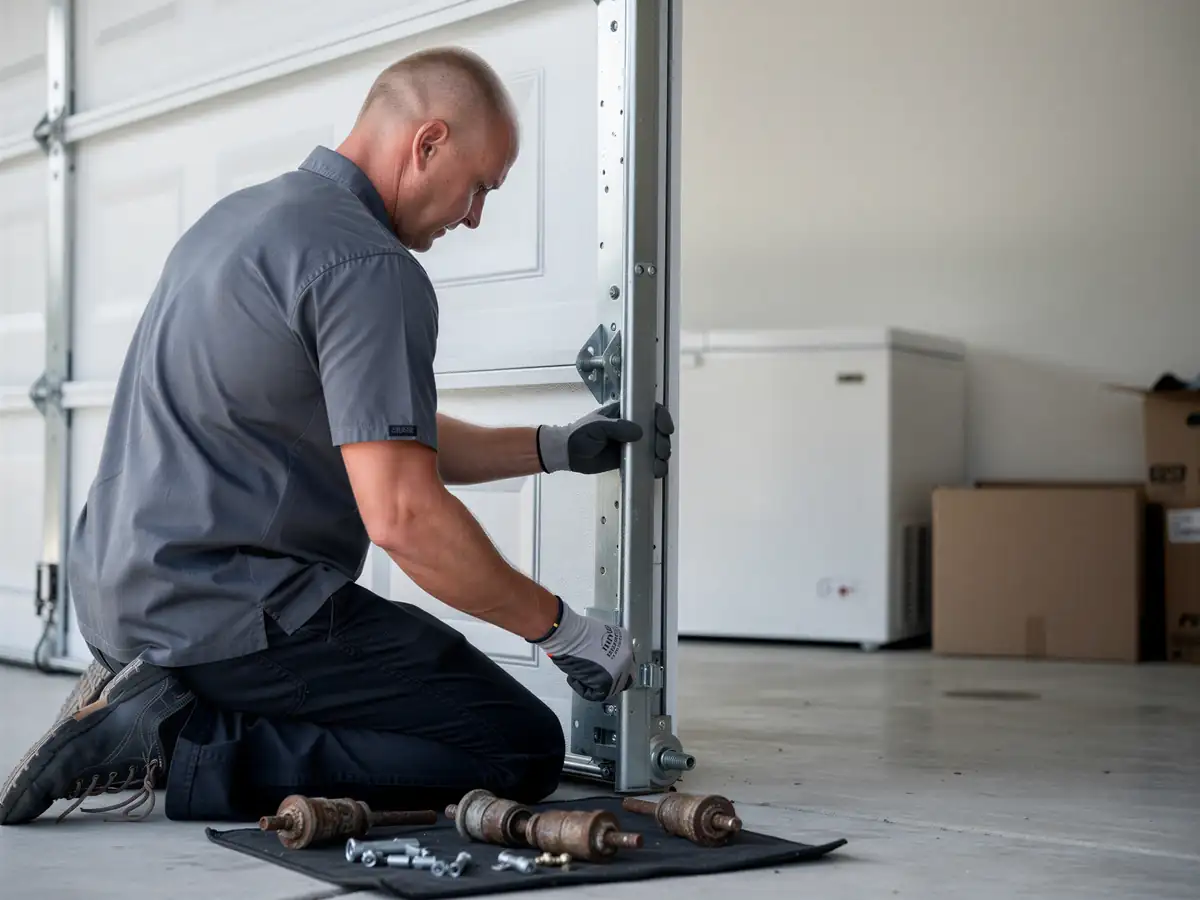
Most of Oakland went up around 2008, which puts the housing stock about two decades newer than the 1987 median build year across the rest of our service area. That matters for cable repair because builder-grade doors from that era almost all shipped with standard lift cable on torsion drums sized to a handful of common door weights - 7-foot and 8-foot sectional doors, single and double. We carry those sizes on the truck: galvanized aircraft cable in the common lengths, along with matching drums when a cable has jumped the groove and chewed up the drum edge. What we don't carry is anything custom - a wood carriage-house door with an odd spring configuration, or a specialty opener bracket from a builder who's long out of business. If that's what's on your garage, we'll need to confirm the part before we show up with it, which can add a day. For the typical Oakland install, though, the part is usually already on the shelf.
What You Are Seeing
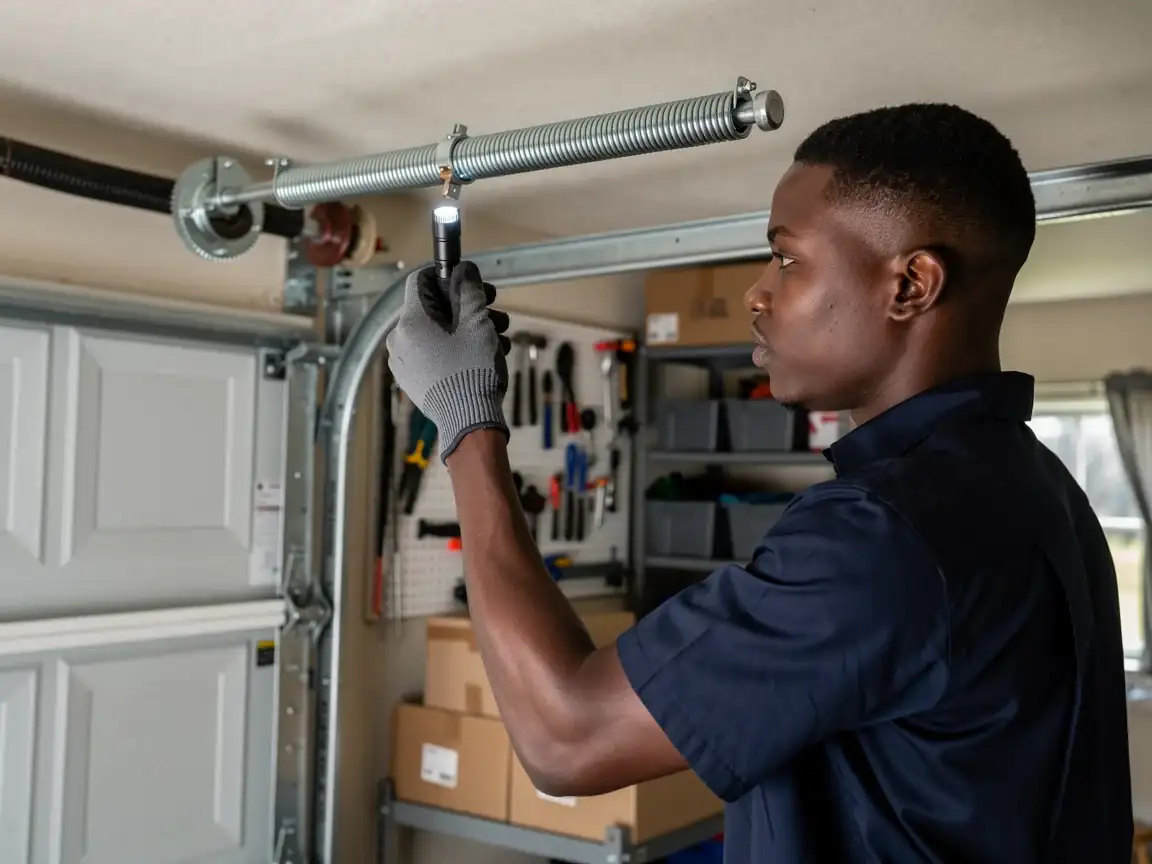
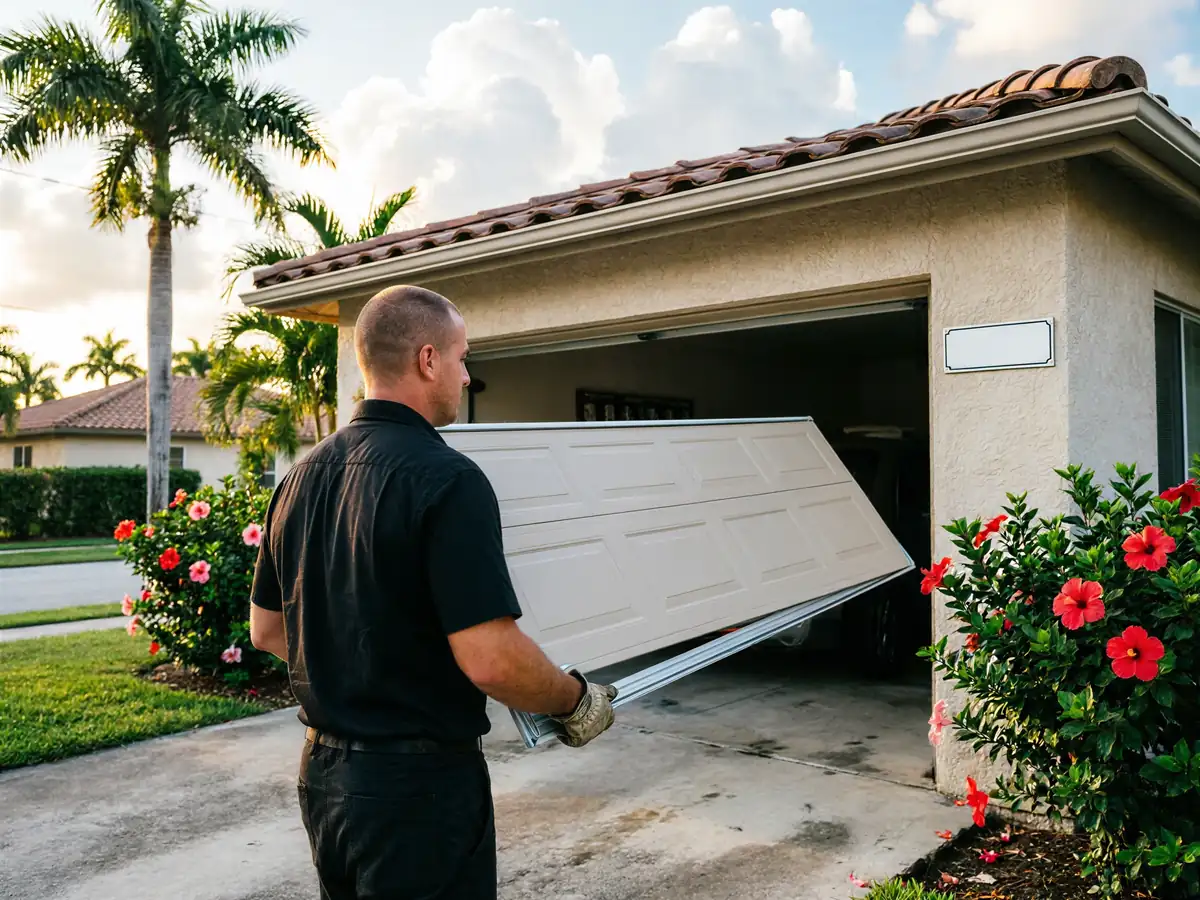
A cable that's frayed, not snapped, usually shows up first as a door that tilts to one side as it closes, with one bottom corner sitting lower than the other. That's the cable losing its grip on the drum, not yet broken but close. A fully broken cable is louder and more obvious - the door drops hard on one side and sticks there, uneven in the track, and the opener will keep straining against it. Either way, don't force the door by hand and don't run the opener trying to clear it. On a house from the 2008 era, we're mainly finding wear at the drum, not rust - these homes are too new for the rust-through corrosion you'd get on an older cable in a wetter climate, and the mild temperate conditions here aren't hard on galvanized cable. More often it's a cable that was never seated right at install, or one that's finally reached the end of a normal service life after fifteen-plus years of daily cycles.
What the Repair Takes
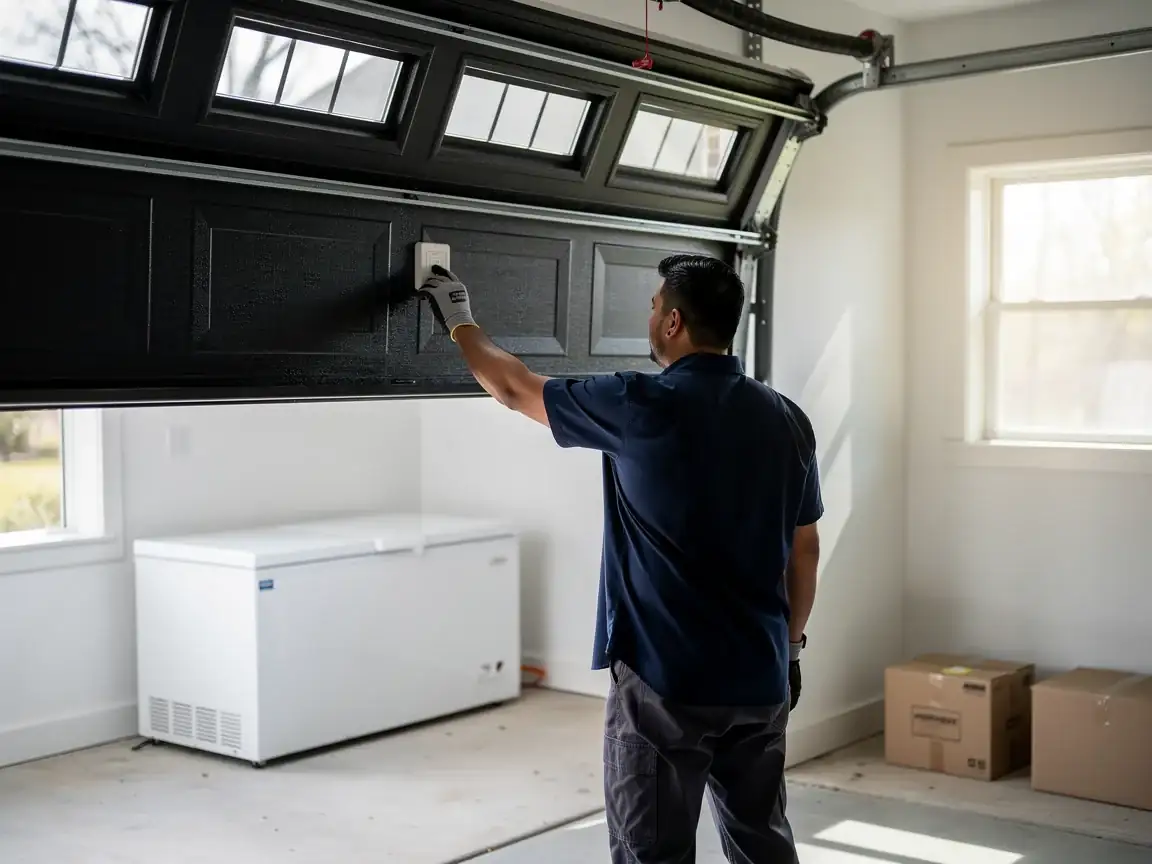
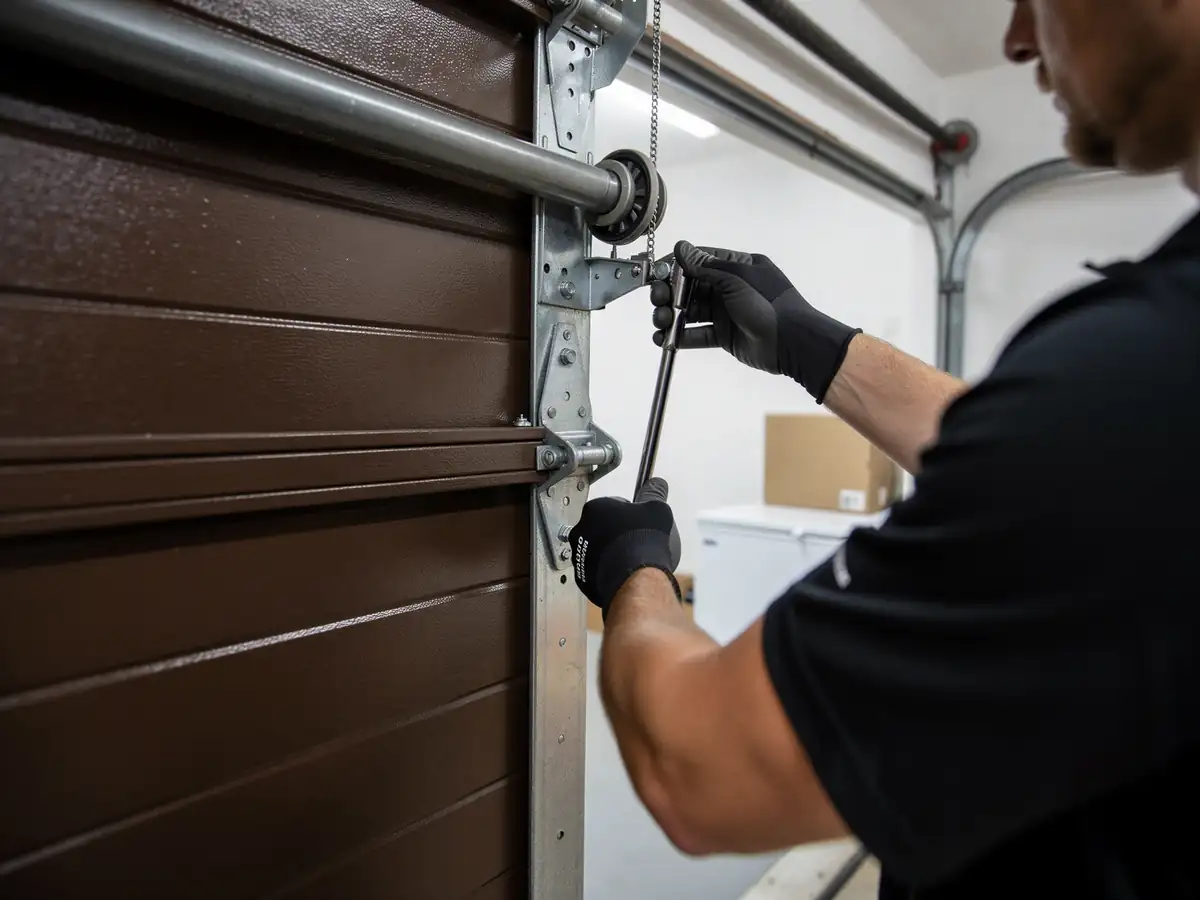
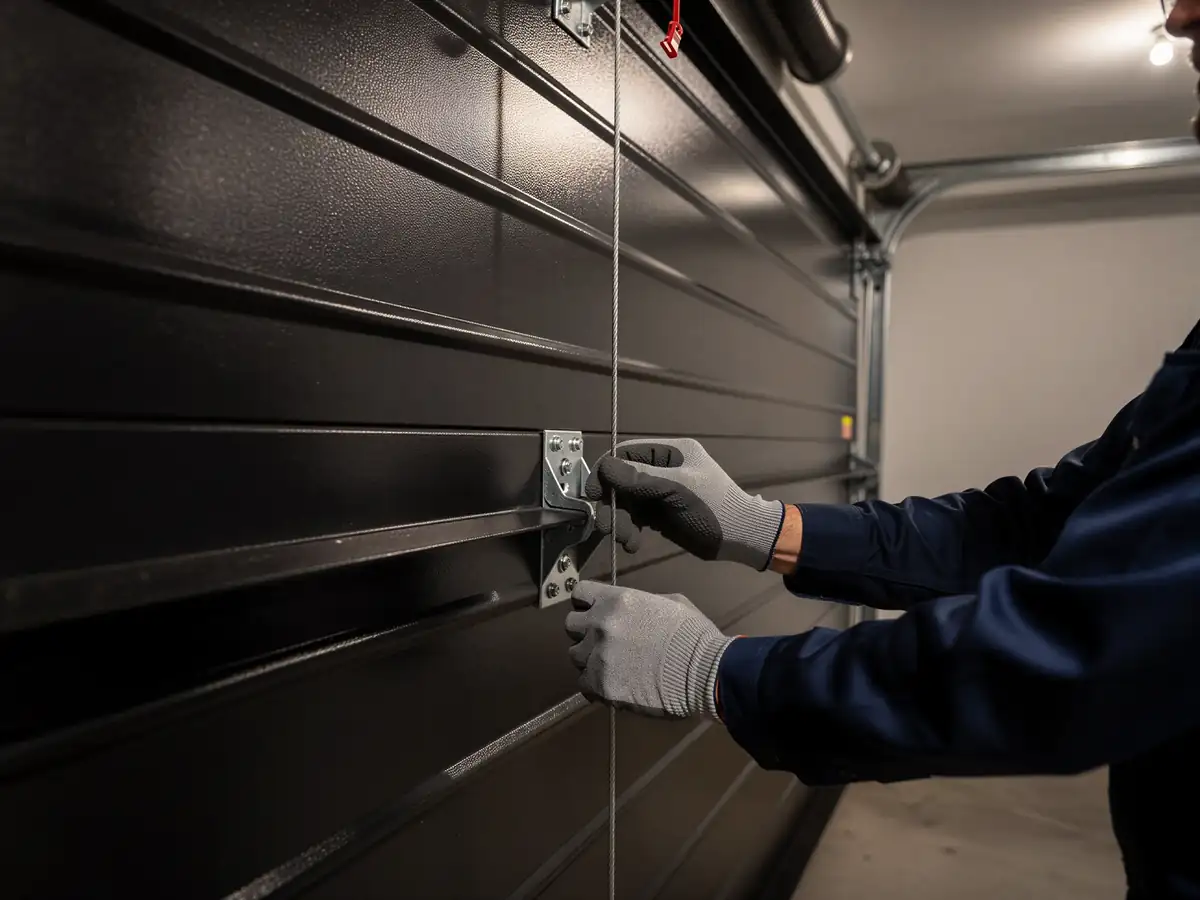
Replacing a cable means releasing tension safely first - this is not a job to do yourself if the spring is still loaded, since a torsion spring under tension can do real damage. Once the door is secured, we pull the old cable off the drum, check the drum groove for wear or burrs that caused the fray in the first place, and run new galvanized cable to match the door weight. We balance the door after, checking that it holds position halfway up on its own, which tells us the spring tension and new cable are matched correctly. On most single-cable jobs this is quick work. If both cables are original to a 2008 install and one has gone, we'll usually recommend replacing the pair rather than waiting for the second one to go - it's cheaper to do both in one visit than to pay for two separate calls.