What It Costs
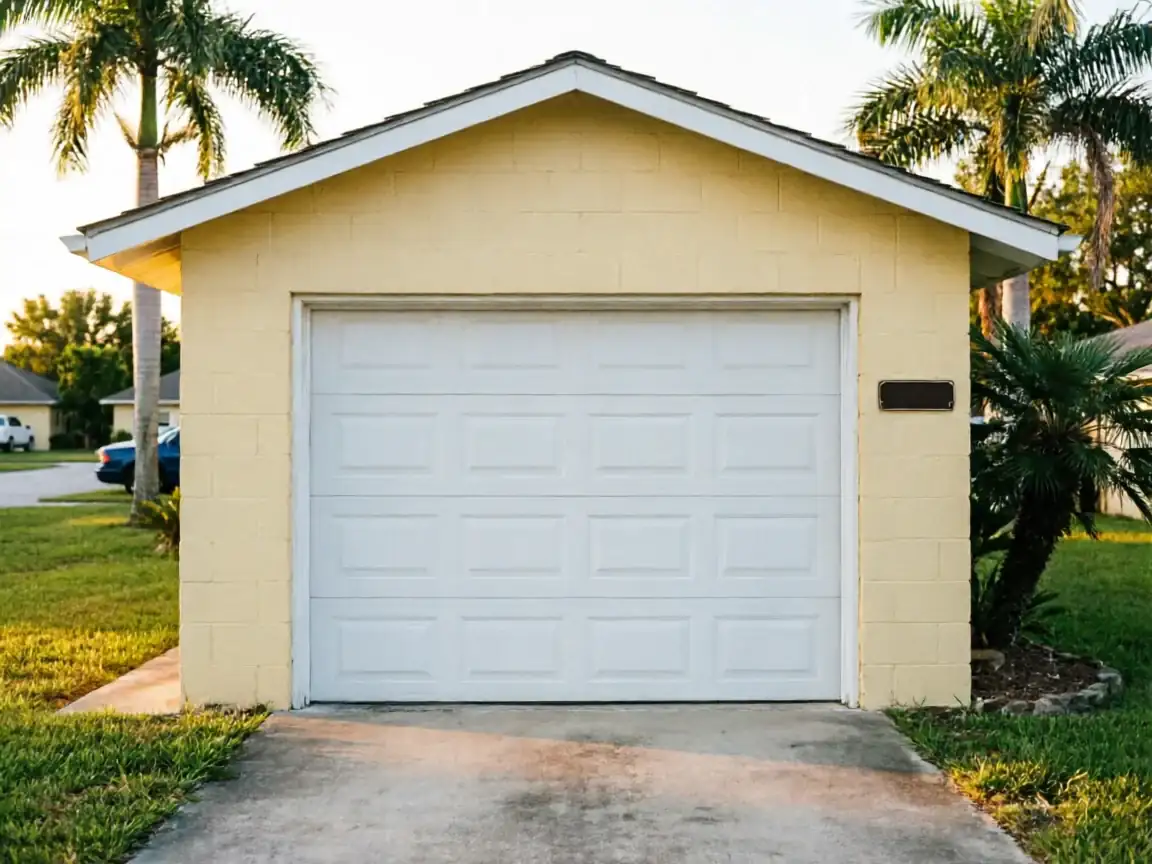
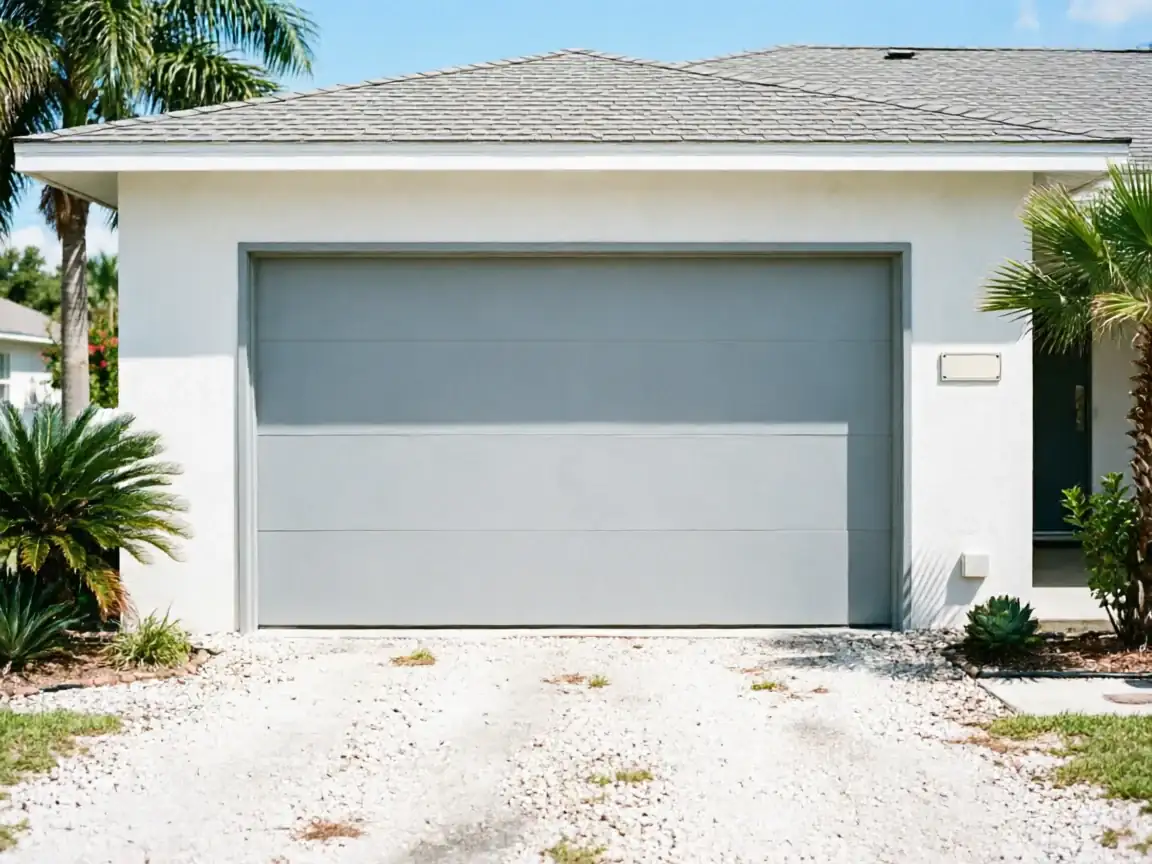
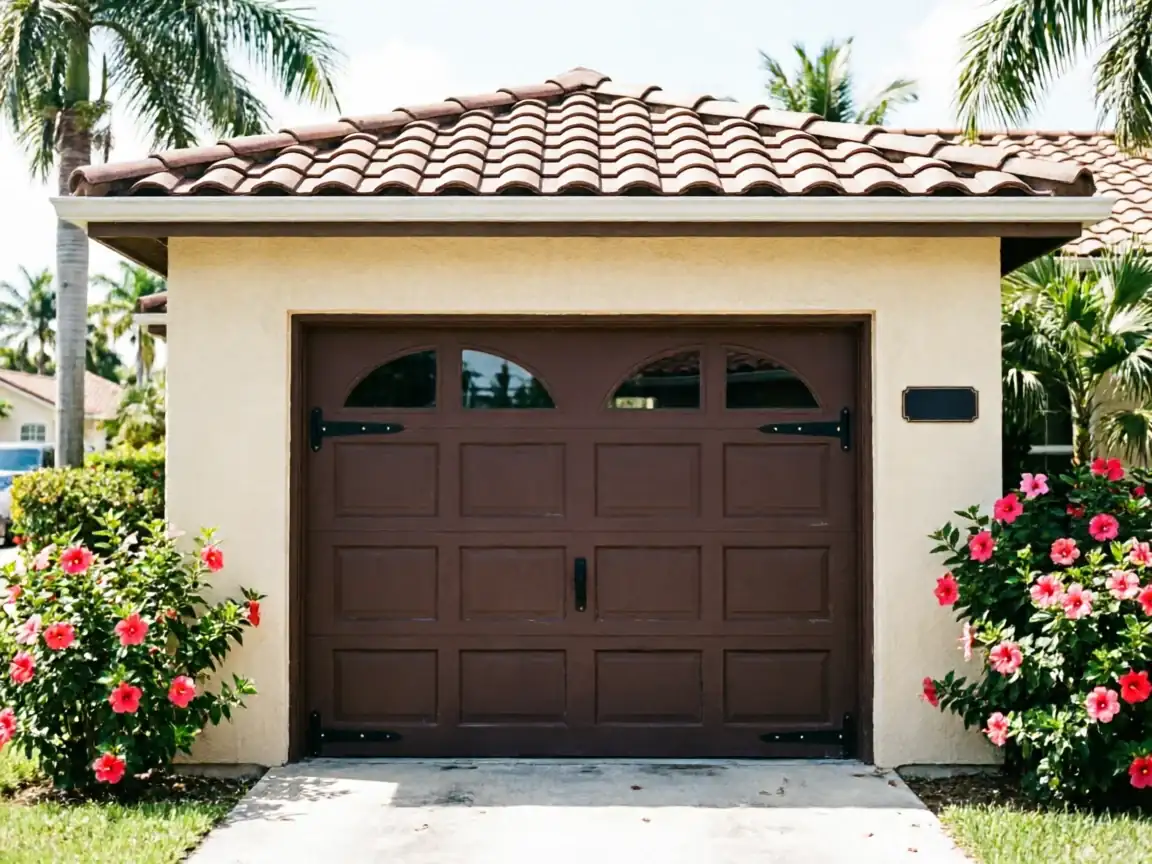
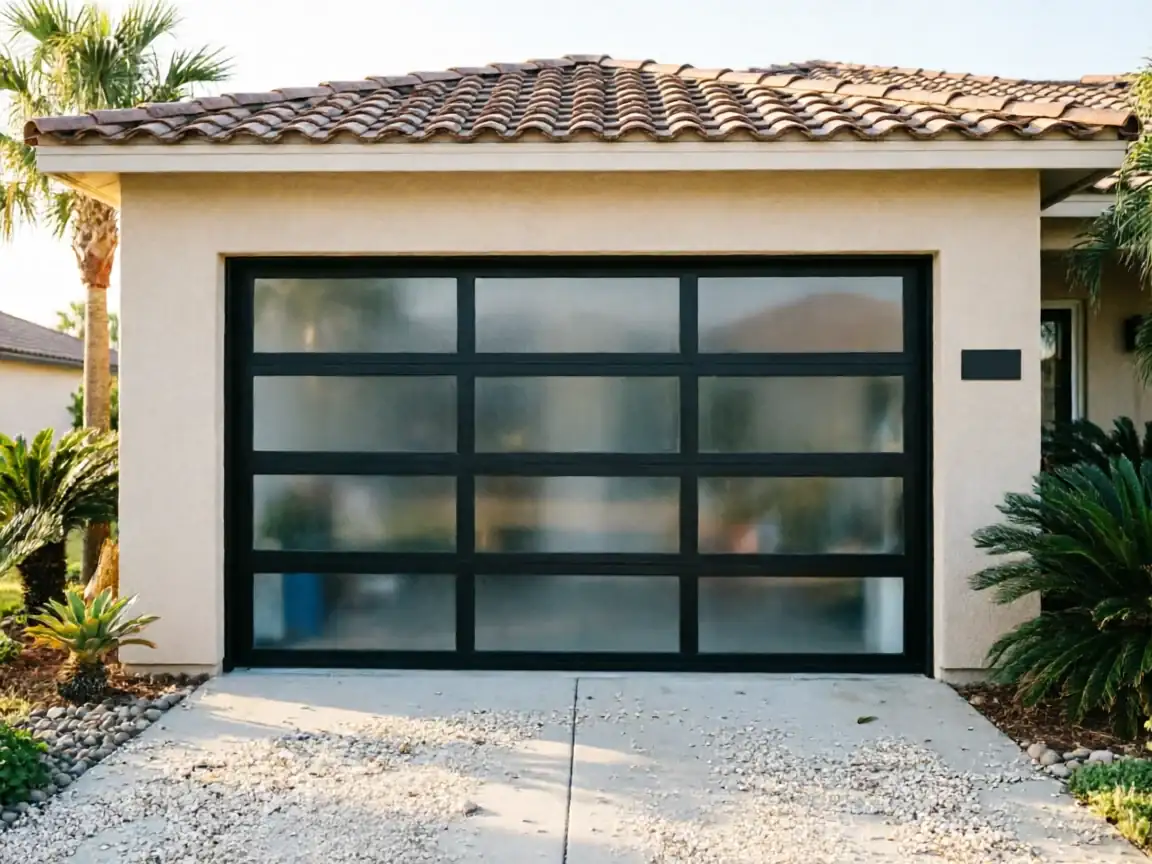
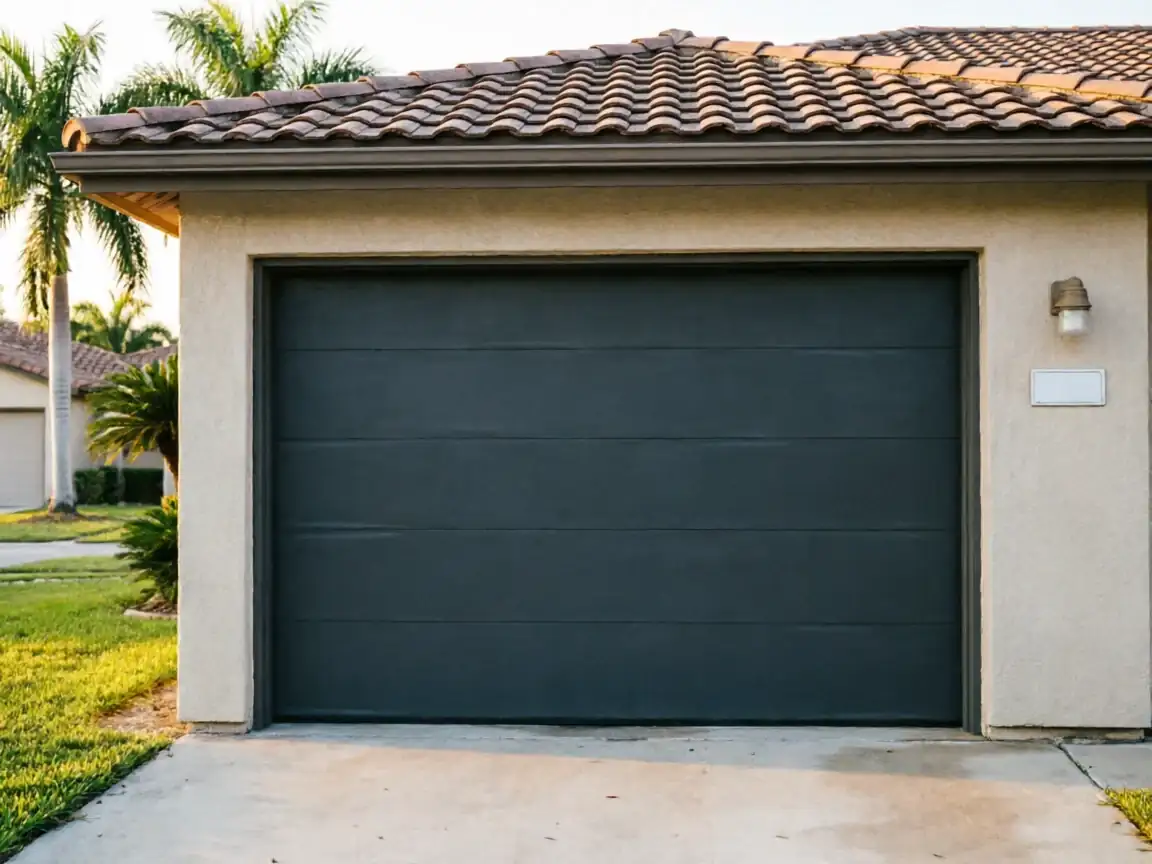
Most of Montverde's houses were built after 2001, which puts the doors here a couple of decades ahead of the older torsion setups we see closer to Winter Garden. That means standard 16x7 steel double-car doors with factory-wound torsion springs rated for a door built to post-2000 code, not the oddball single-car panels or side-mounted hardware you find on older stock. Parts for these doors are common - springs, rollers, and opener drive gears are all stock sizes, so a repair here usually doesn't involve hunting down a part that's been out of production for thirty years. We don't post a flat price list because the fix depends on what's actually broken: a cable off the drum costs a lot less than a bent track from a car backing into the door. What we can tell you is that newer doors like these tend to need fewer structural repairs - bent panels, rusted-through bottom sections - and more mechanical ones: springs reaching the end of their cycle count, openers with worn gears, sensors knocked out of alignment. We quote the job once we've looked at it, not before.
How to Book
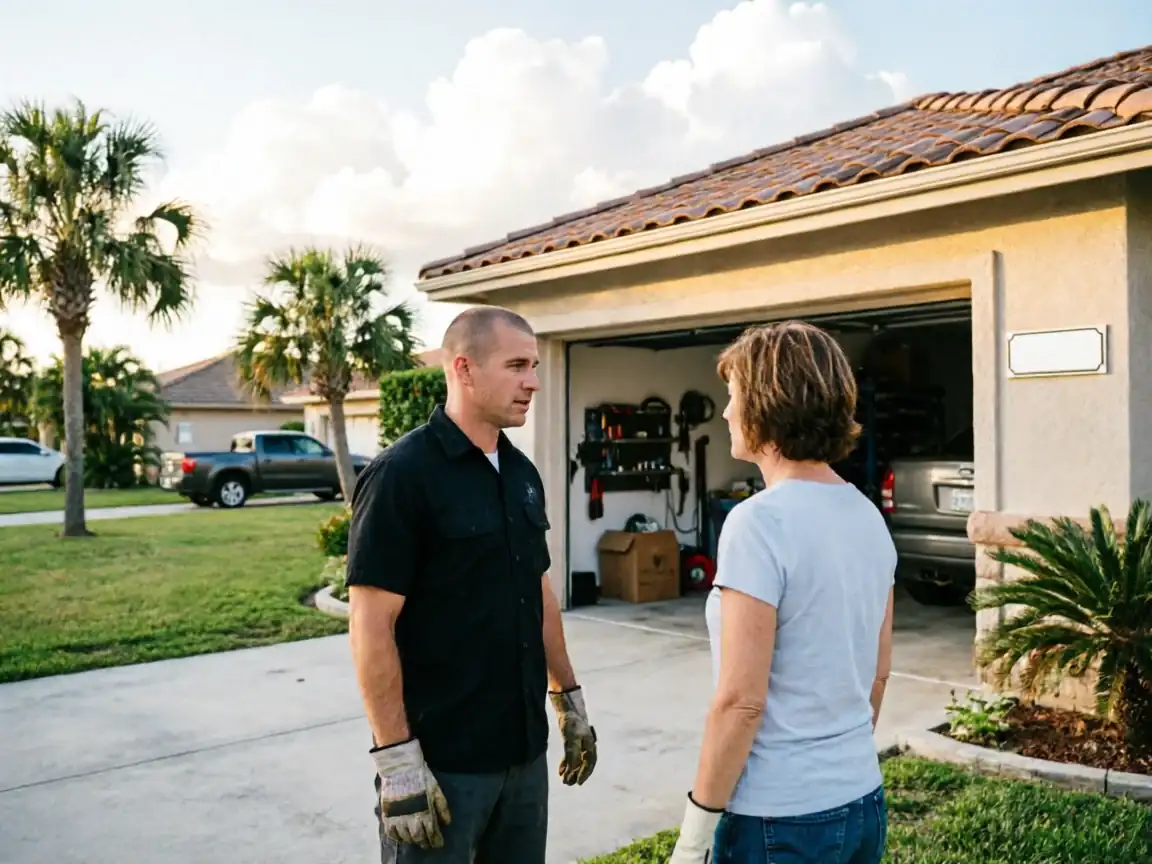
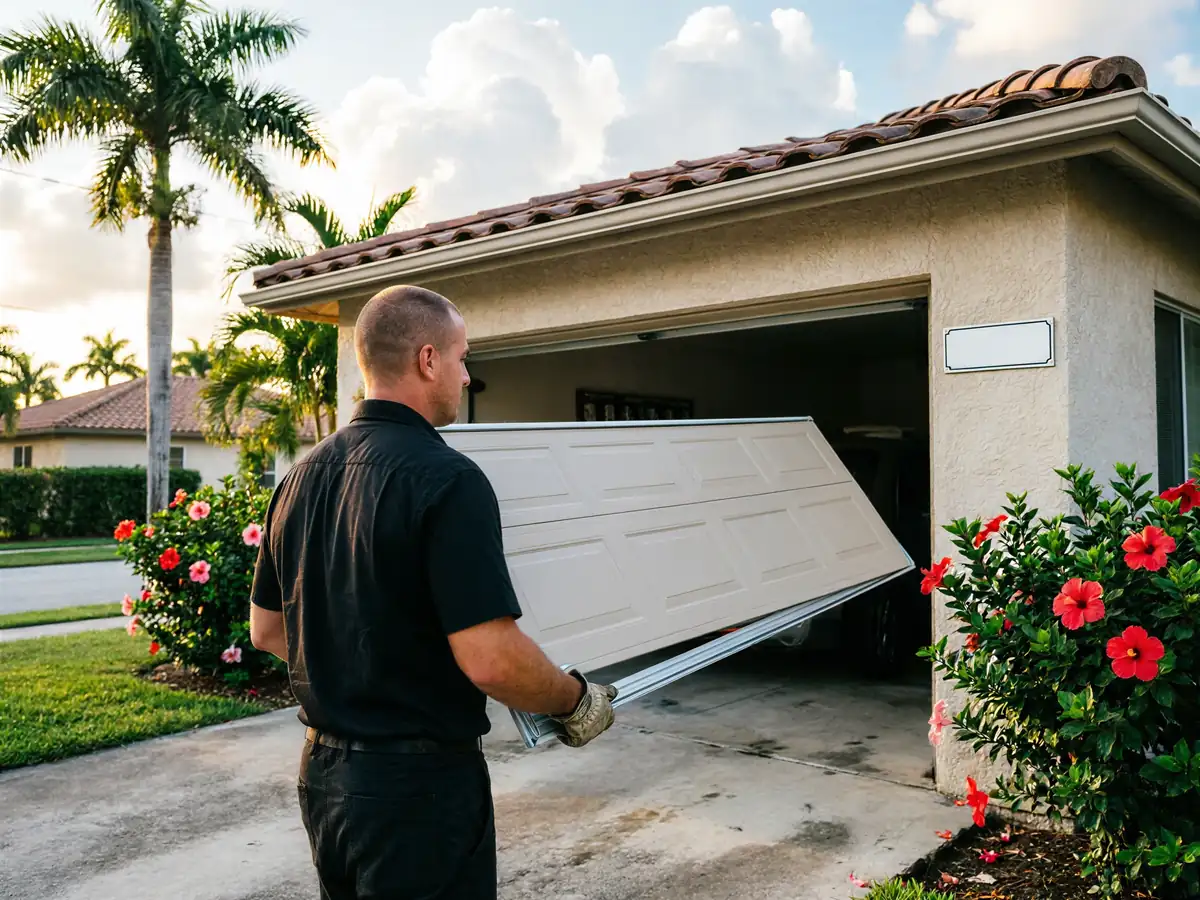
We run out of Winter Garden, about 7 miles from Montverde, and that's the honest answer to where the truck comes from - there's no branch office in town. You call, tell us what the door's doing (or not doing), and we schedule the drive out. Because Montverde is a smaller pocket than some of the areas we cover - around 654 households by the numbers we work from - we're not rolling trucks through here daily the way we might through a denser suburb, so it helps to know roughly what's wrong before you call: door won't open, door's off track, opener runs but the door doesn't move, spring visibly snapped. That lets us bring the right spring size or roller stock the first trip instead of a second one.
Why It Happens Here
With most of the housing built in and after 2001, the failures we see in Montverde skew toward wear rather than age-related rust-through or obsolete hardware. Torsion springs are rated for a cycle count, and a door opened twice a day for twenty-plus years is closing in on the end of that count regardless of how well it was built. Openers from that era are also starting to hit the age where circuit boards and drive gears wear out, even if the door itself is structurally fine. The mild temperate climate here doesn't put the kind of stress on doors that freeze-thaw cycles or heavy humidity swings do elsewhere, so what we're mostly chasing is mechanical fatigue - springs, rollers, cables - not weather damage. Higher household income in this pocket also means more owners replacing an opener before it fully fails rather than running it into the ground, which changes the mix of repair calls we get.
What the Repair Takes
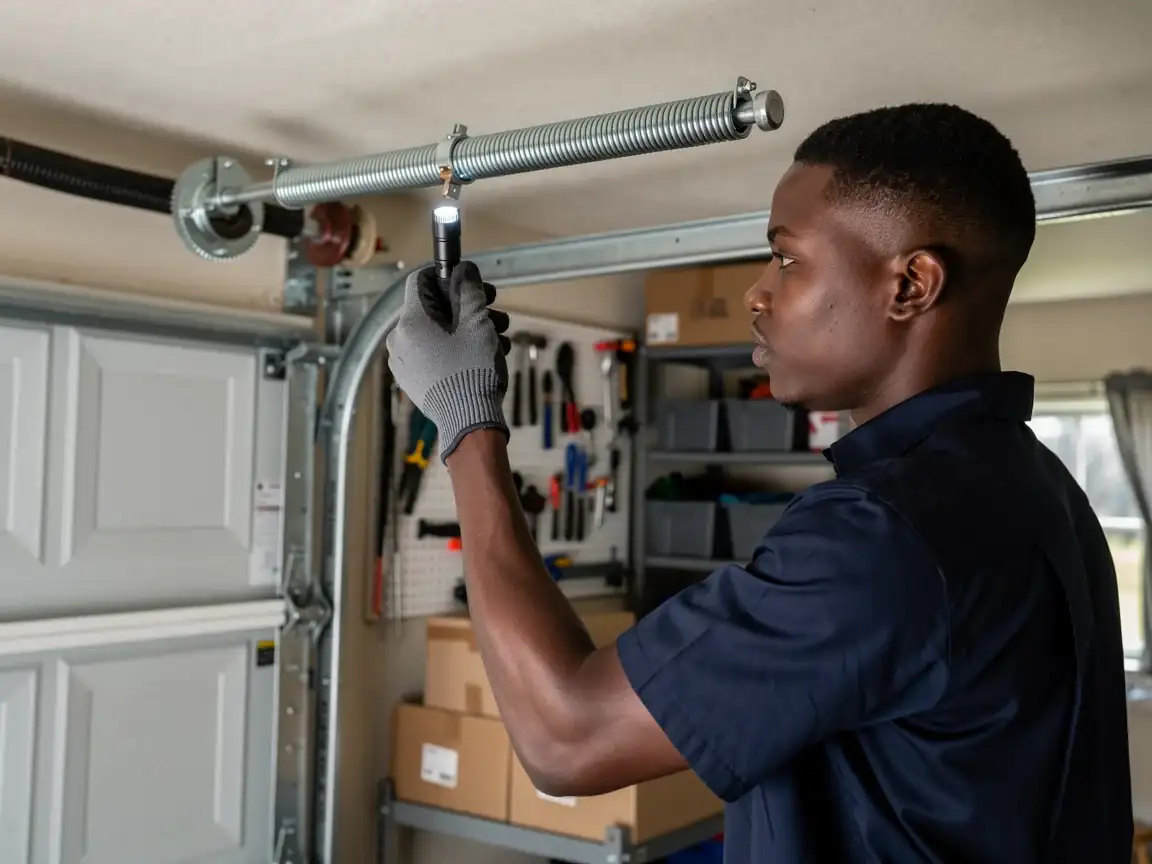
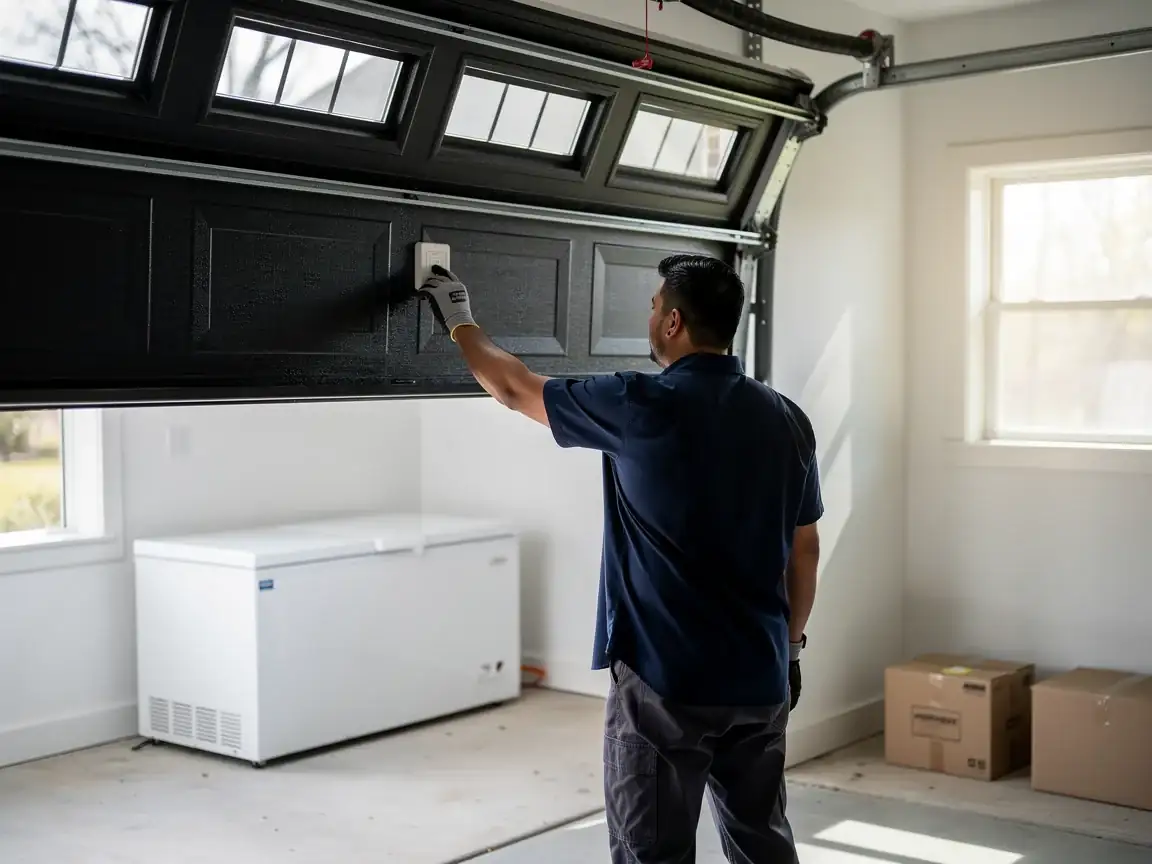
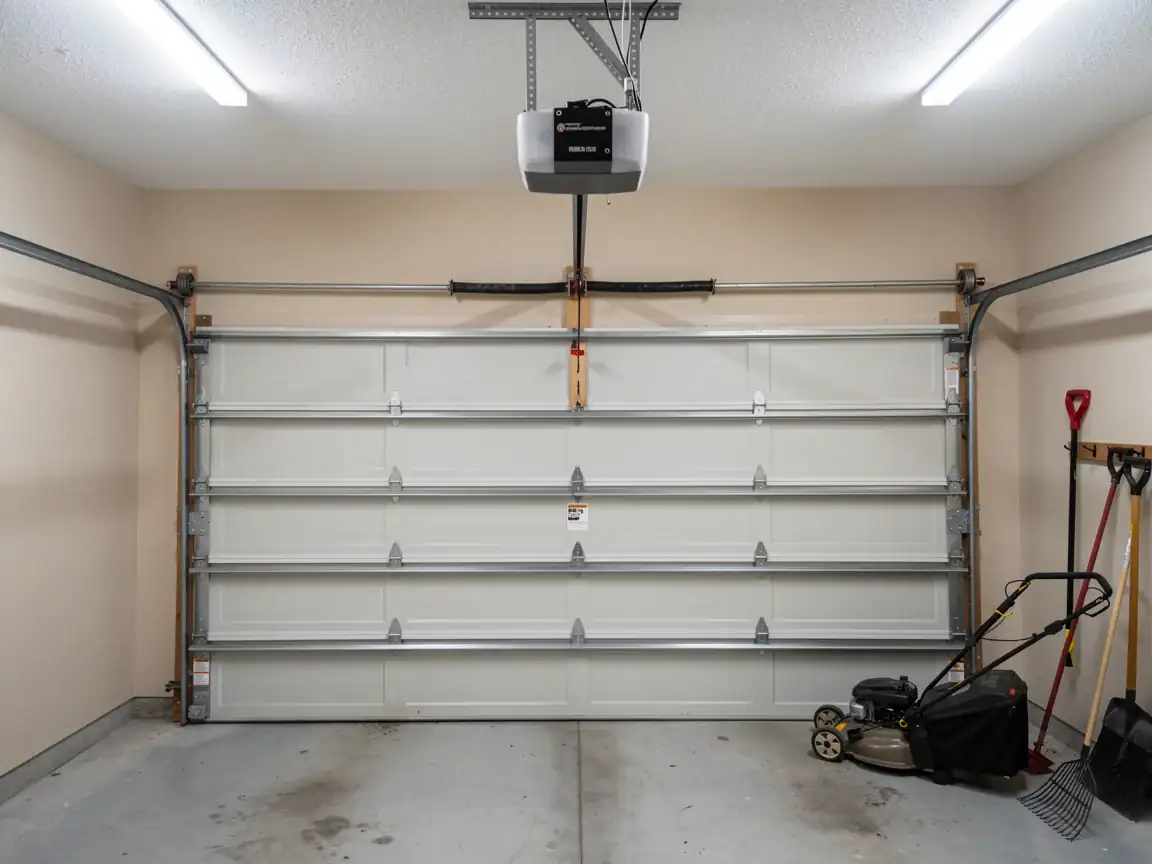
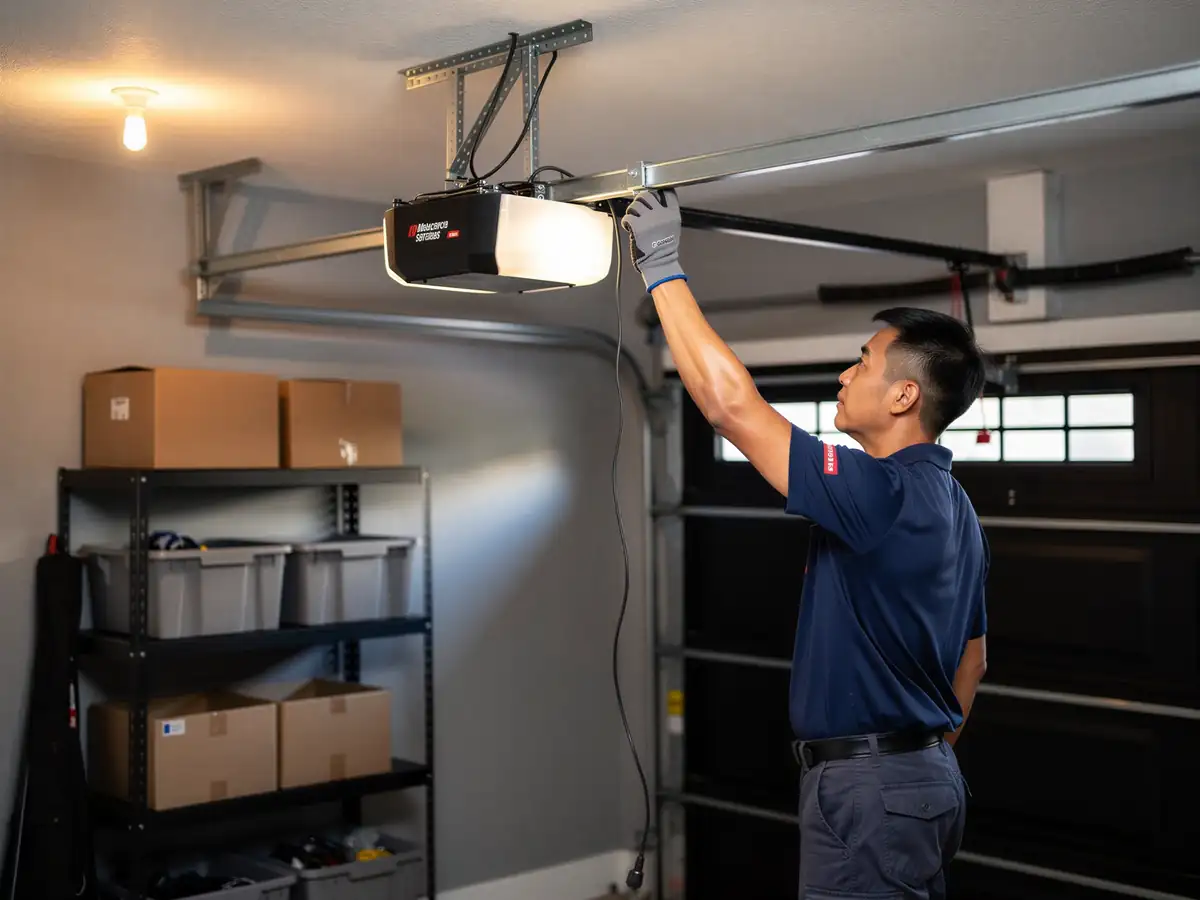
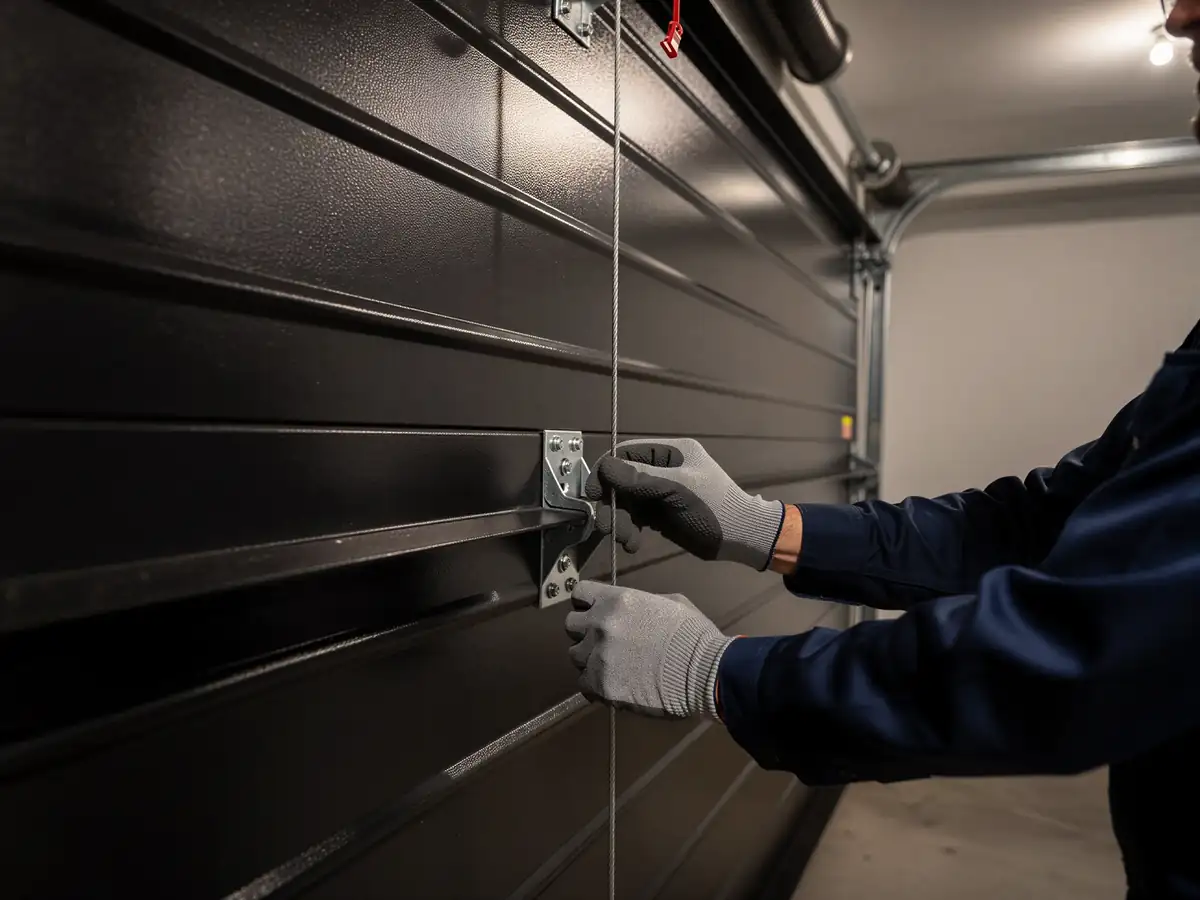
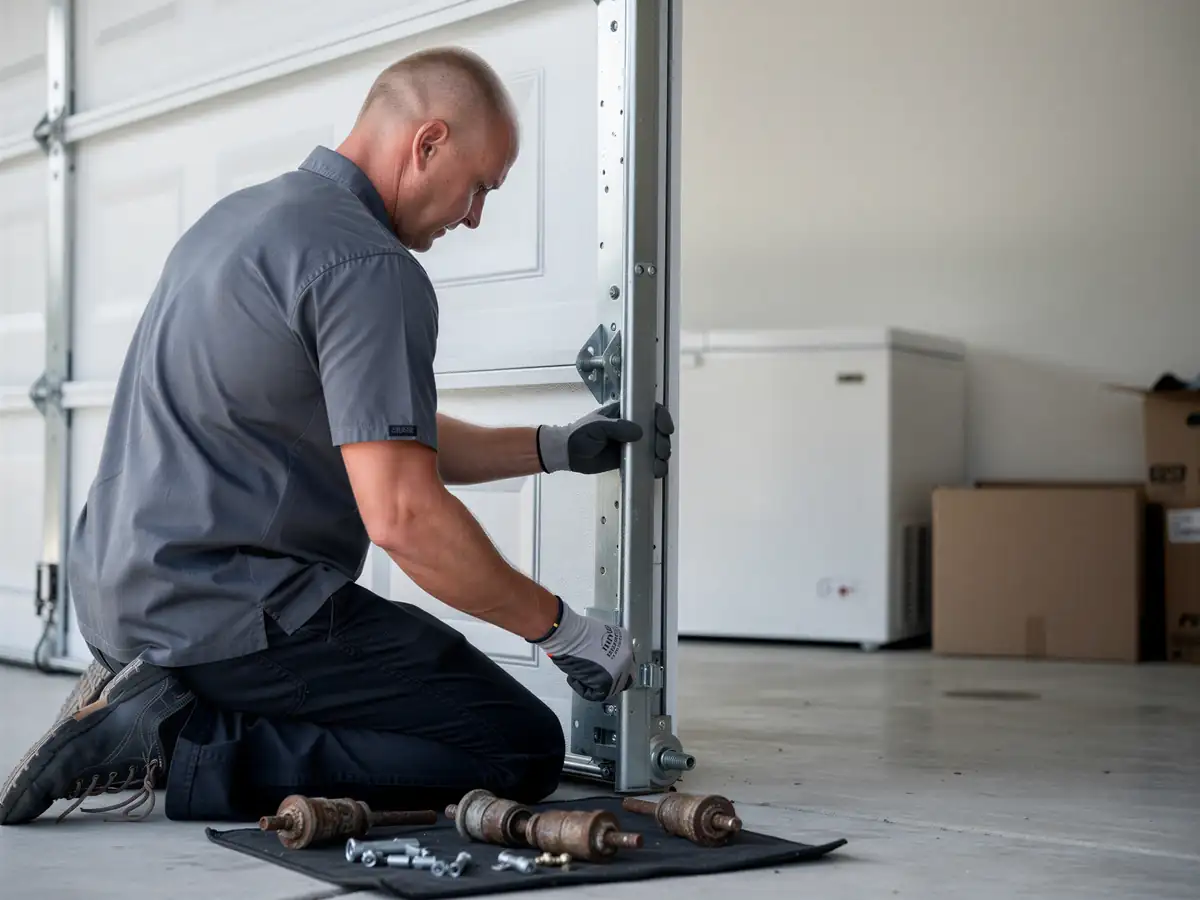
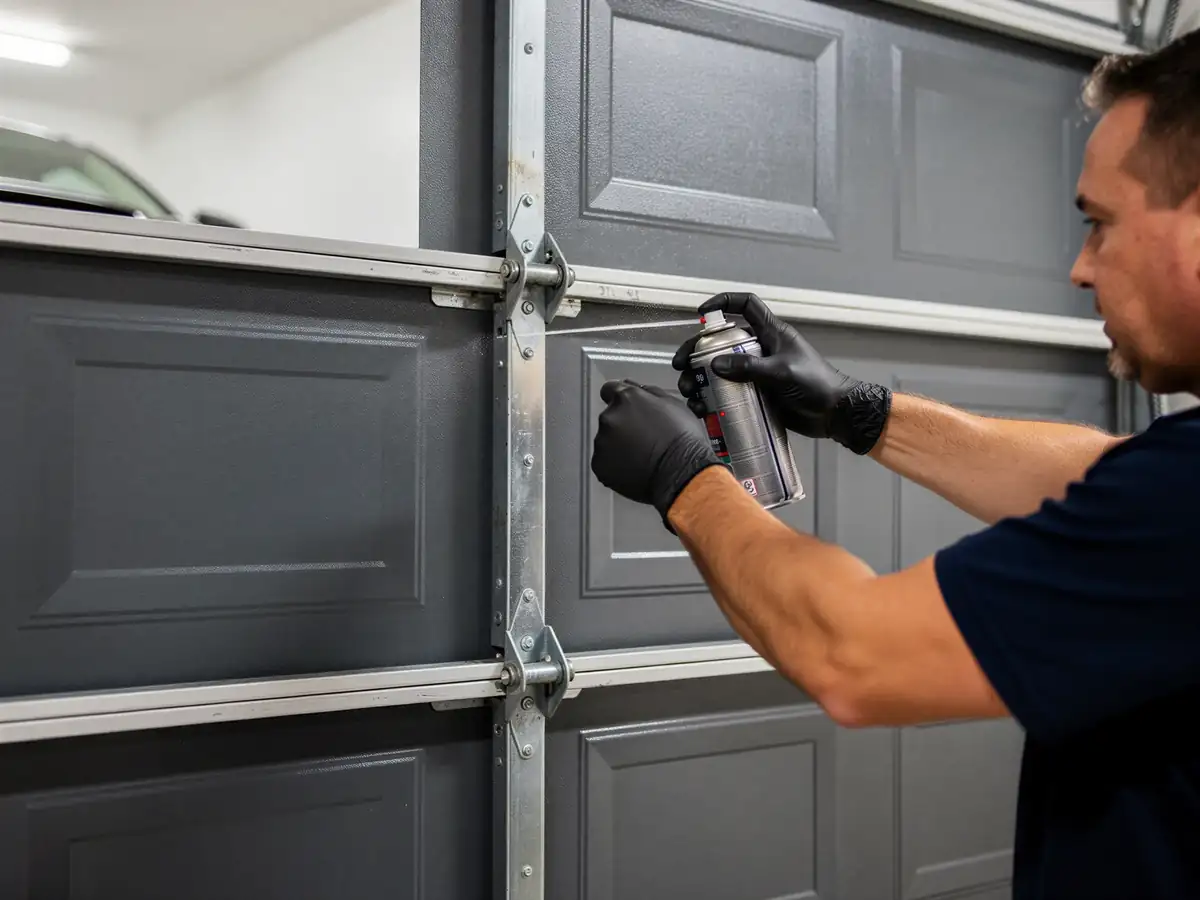
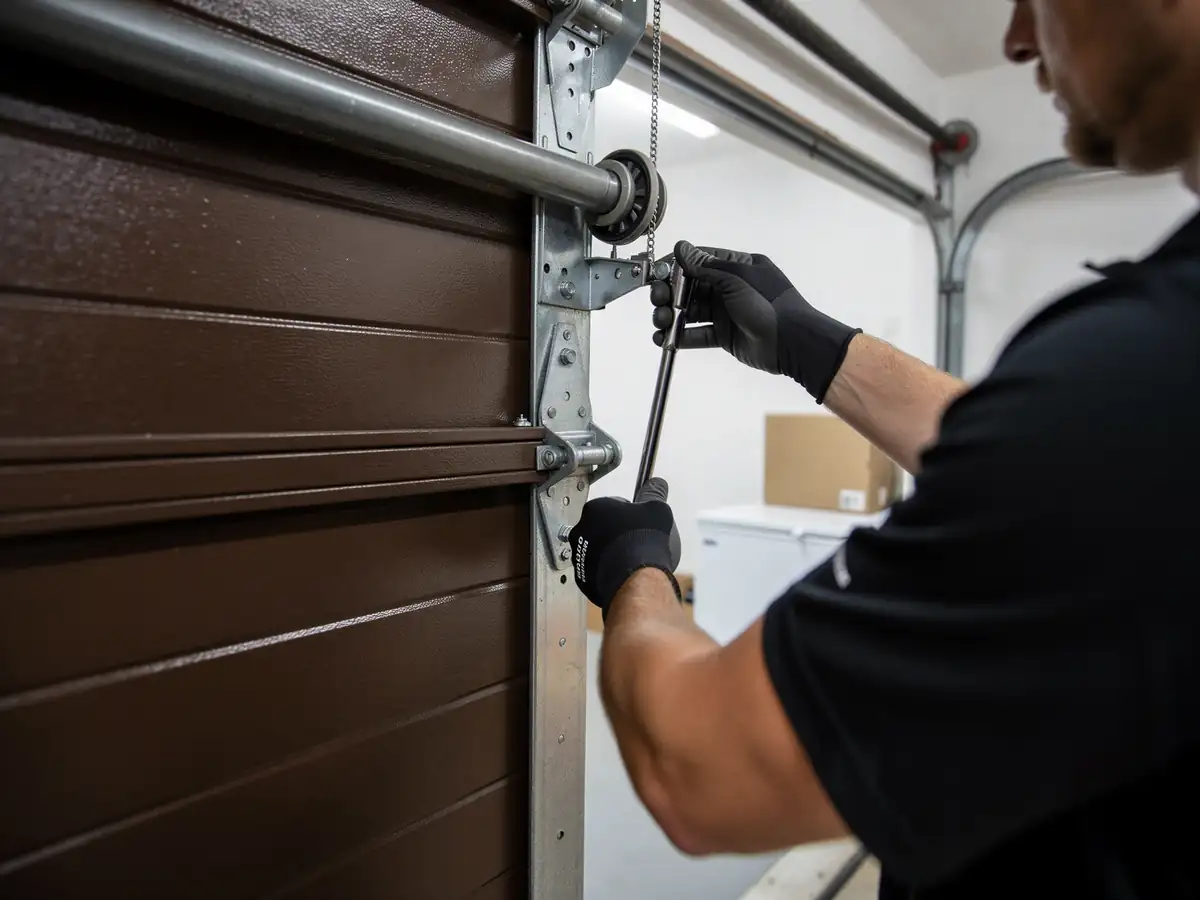
On a standard double-car torsion door, we're pulling the old spring off the shaft, matching wire size and wind to the door's weight, and setting the new spring with the right number of turns - get that wrong and the door either won't lift or slams down. Rollers and cables get checked at the same time since they wear together. For opener issues, we test the logic board, the safety sensors, and the drive gear before swapping anything - no reason to replace a board if the sensor's just knocked sideways. One limit worth being upfront about: we don't do structural carpentry on a door jamb or frame. If the opening itself has settled or shifted, that's a repair for someone else before a new door will seat right, and we'll tell you so rather than force a door into a frame that won't hold it square.