How to Book
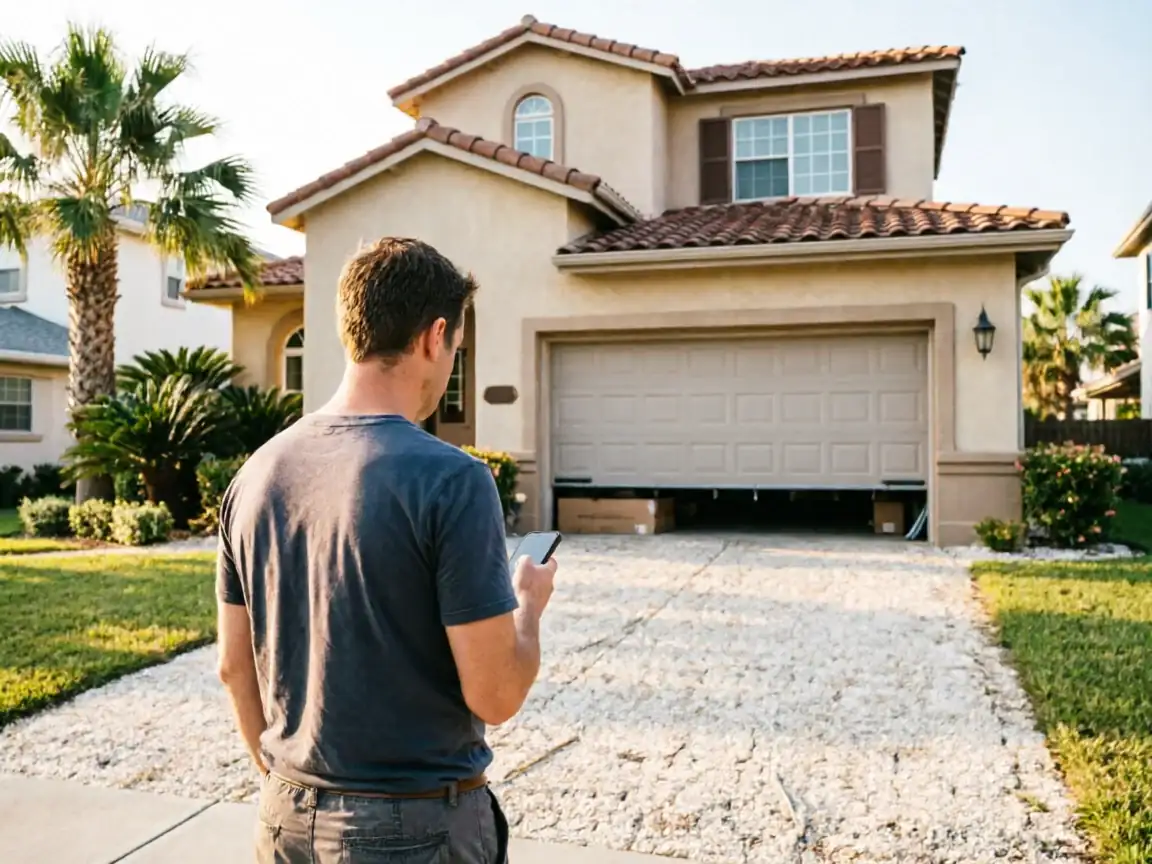
We don't keep a branch in Gotha. The truck comes from Winter Garden, about five miles up the road, so when you call you're booking a visit, not a walk-in counter. That's worth knowing because it shapes what we can promise: we can tell you what's likely wrong once we hear the symptoms, but we're not going to quote you a same-day slot before we've seen the door. With only 381 households in Gotha, we're not running a dedicated route through the area the way we might in a denser suburb, so the job gets scheduled the same way any out-of-town call does. If you're deciding between booking now or waiting, the honest answer is: don't wait on a spring that's already making noise, but a cosmetic dent can sit on the schedule. Start from the area page to see what else is nearby, or check the main Winter Garden service page if you're also weighing a full replacement instead of a repair.
What You Are Seeing
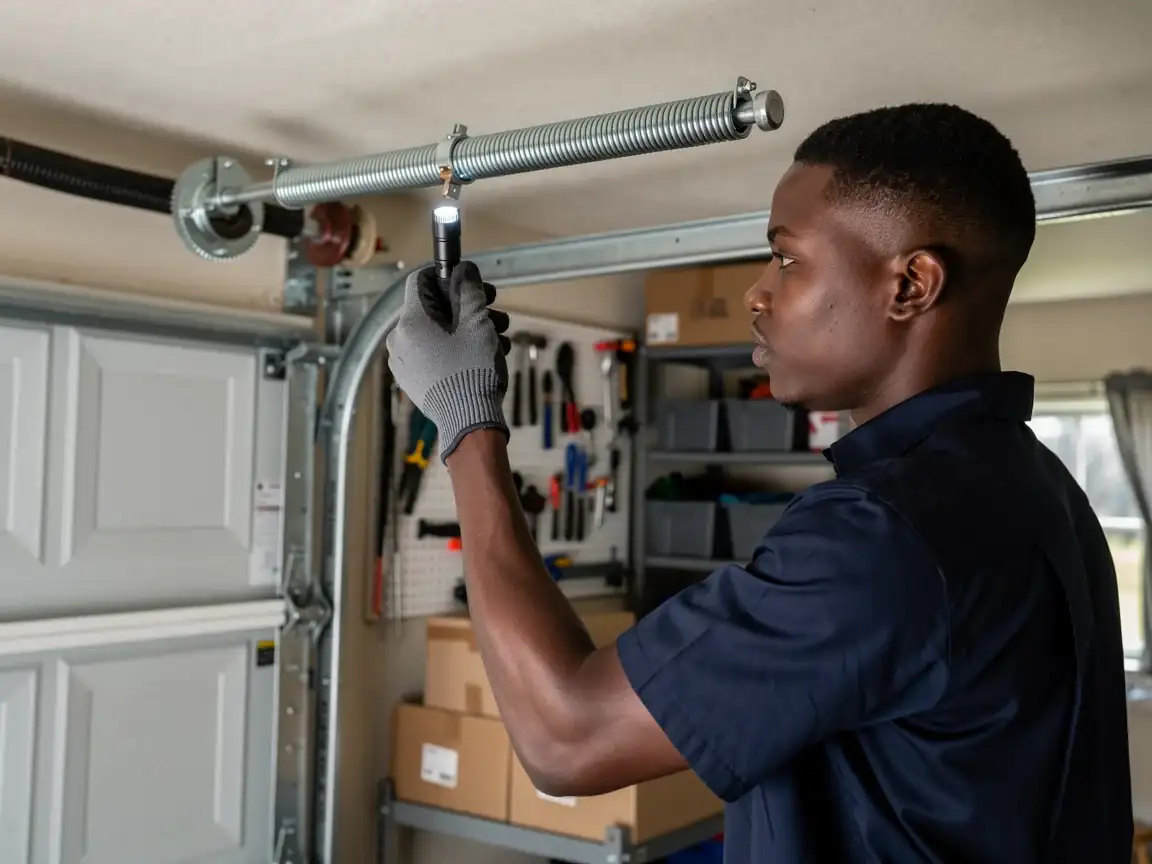
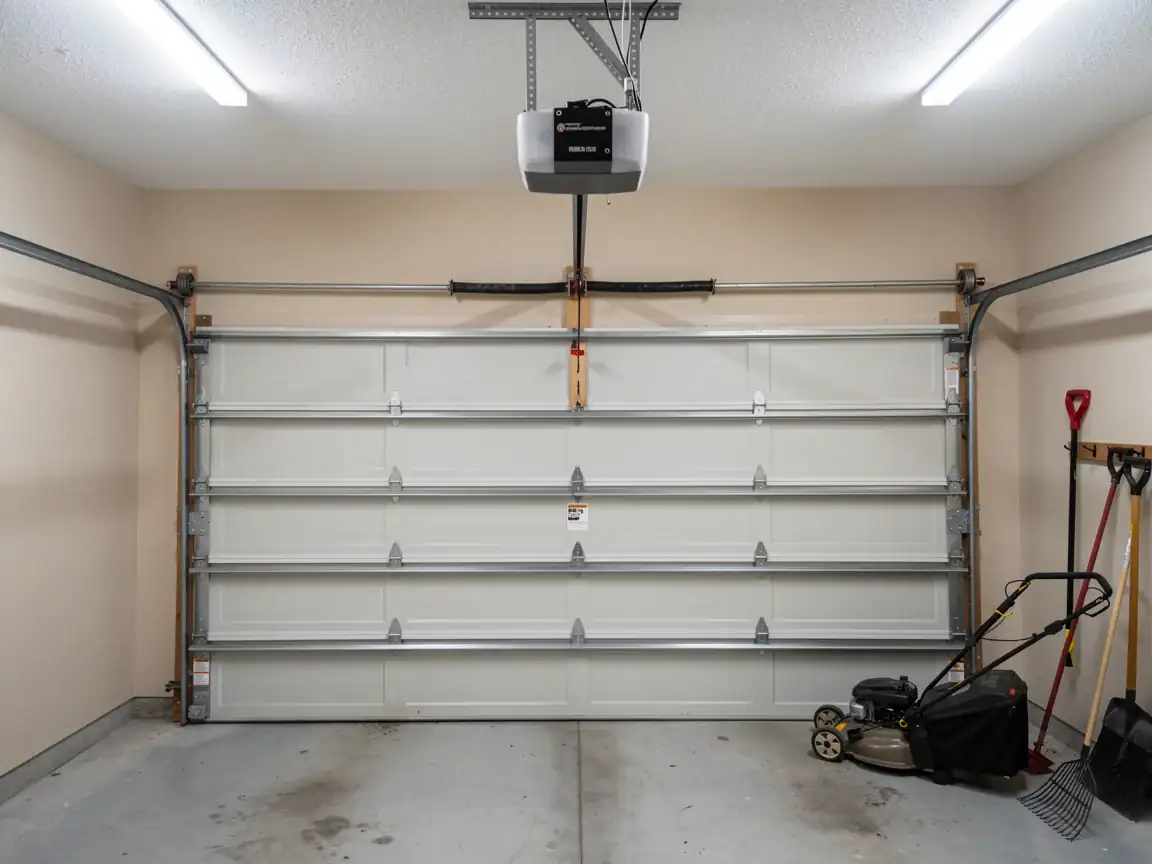
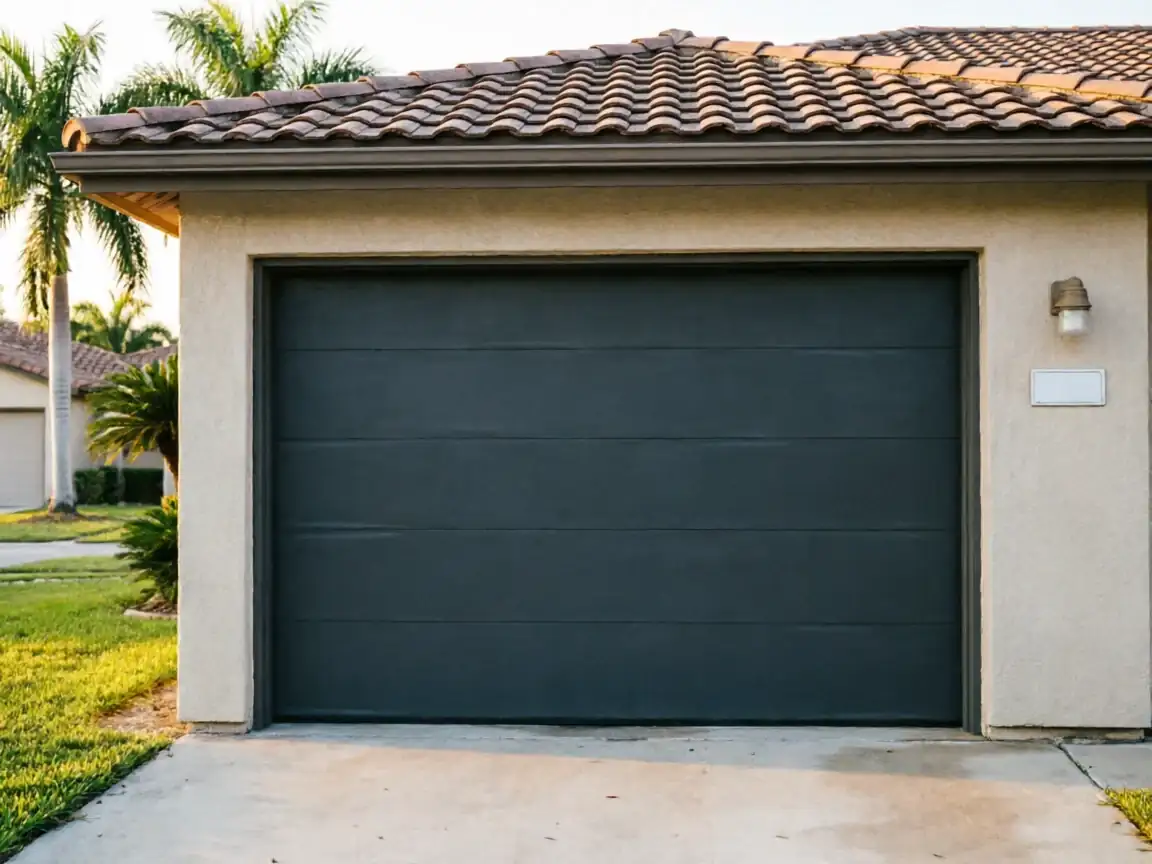
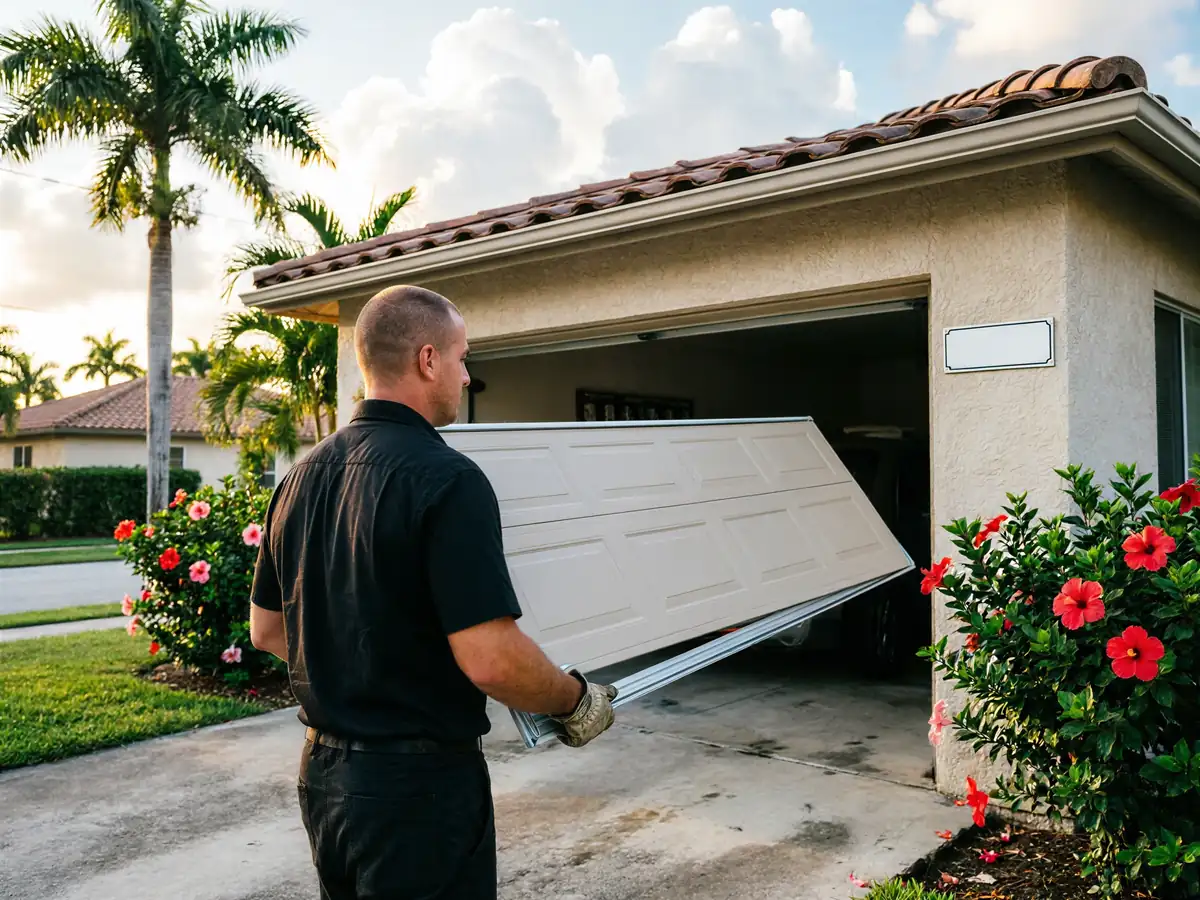
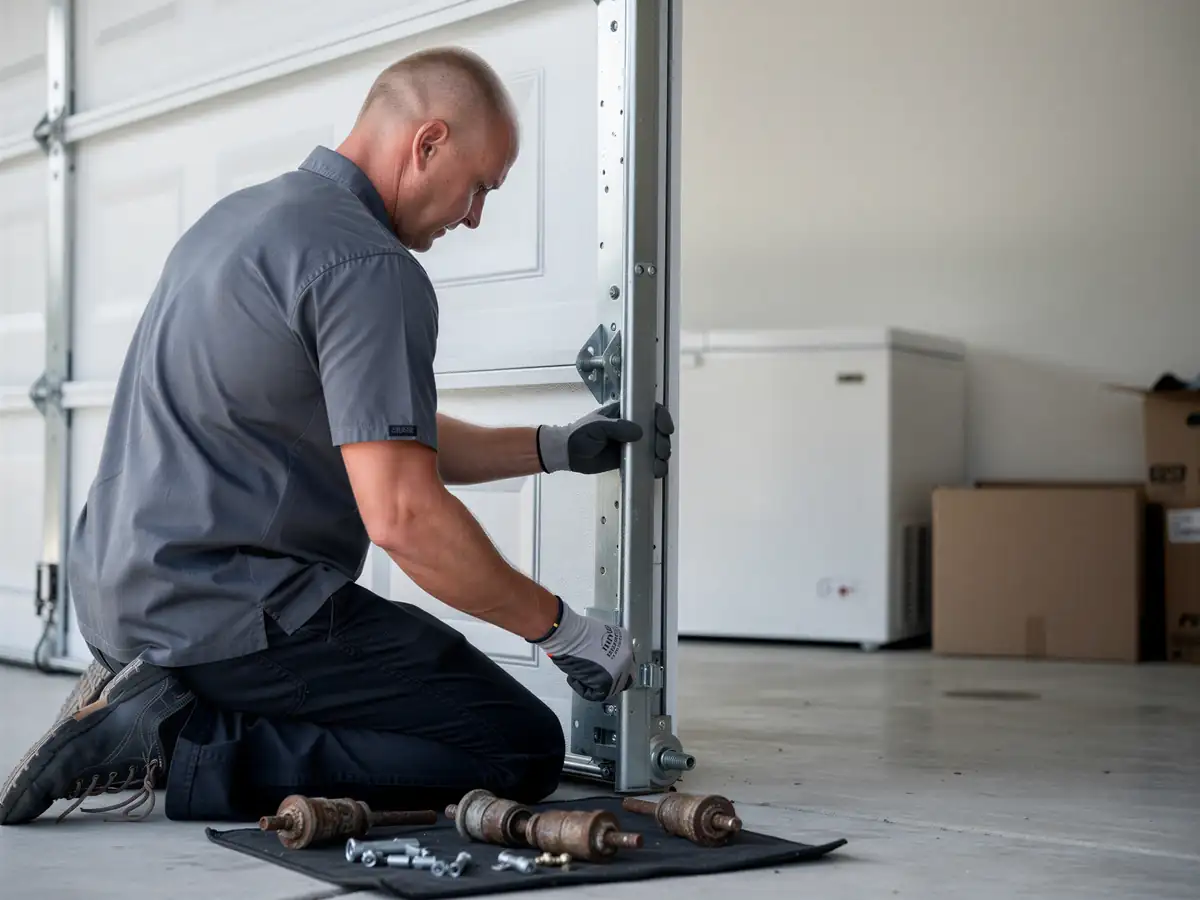
Gotha's housing stock centers on a 2002 median build year, a good fifteen years newer than the 1987 median across the rest of the service area. That matters for what actually breaks. Newer doors here are more likely to run factory steel sectional panels on torsion springs with a chain or belt-drive opener that has a circuit board, not the older relay-switch openers you'd find on a 1980s build. The climate band is mild temperate, so you're not fighting the freeze-thaw cycles that crack weatherstripping and seize springs the way colder regions do. What we do see at this build age is opener boards aging out before the door itself does, and nylon rollers wearing down from cycle count rather than rust. If your door is original to the house, you're looking at something closer to twenty years of use on the same hardware, which is right around when torsion springs built for a 10,000-cycle rating start to go.
What It Costs
Start with the number that actually drives this page: median household income in Gotha runs $181,645, more than double the $84,955 median across the rest of the service area we cover from Winter Garden. That gap changes where the repair-or-replace line falls. In a lot of the area, a failing opener gets patched - new board, new sensor - because stretching the budget on a full replacement doesn't make sense. At Gotha's income level, we see the opposite lean more often: once an opener is into its second repair, homeowners here are more likely to replace the unit outright rather than keep nursing a board that's going to need attention again in a year or two. We don't have a posted price list here - every quote depends on what's actually failing and what part it takes - but the general pattern holds: repair the single failed part when the door is otherwise sound, replace when you're facing a second or third fix on the same unit.
What the Repair Takes
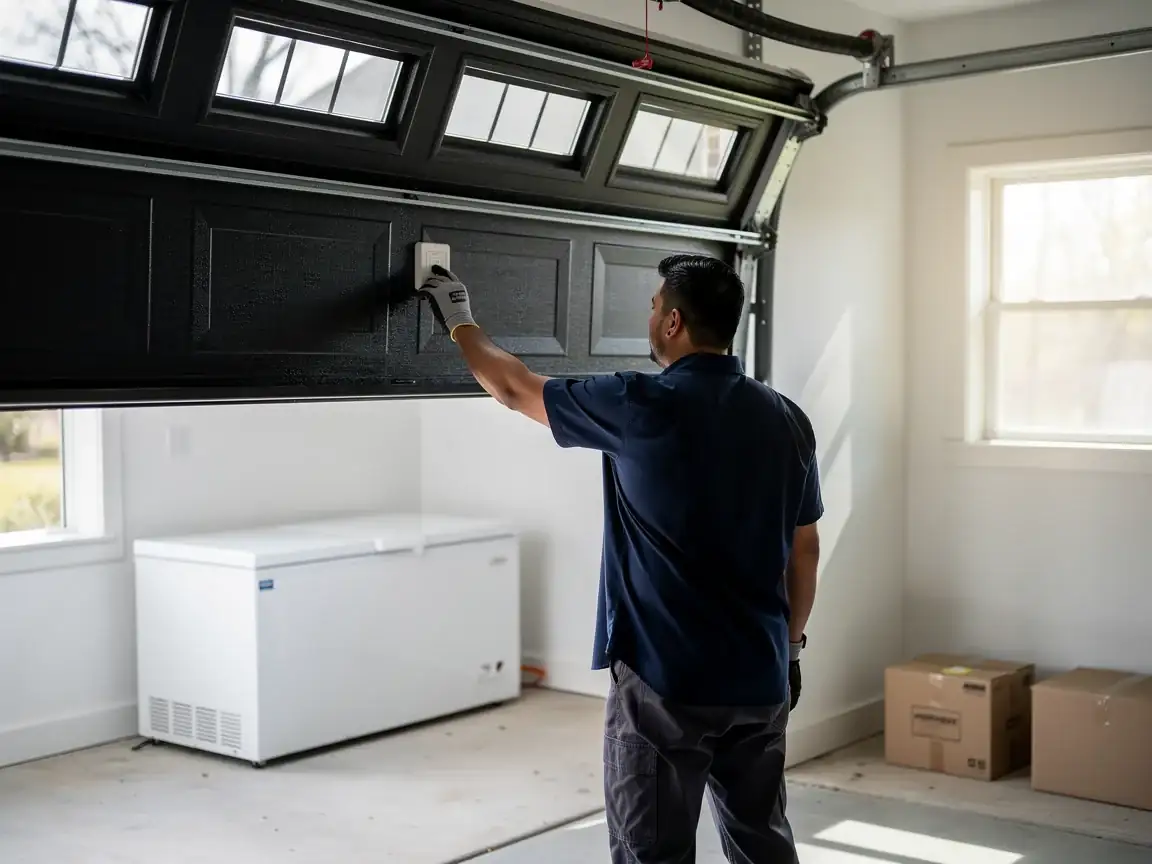
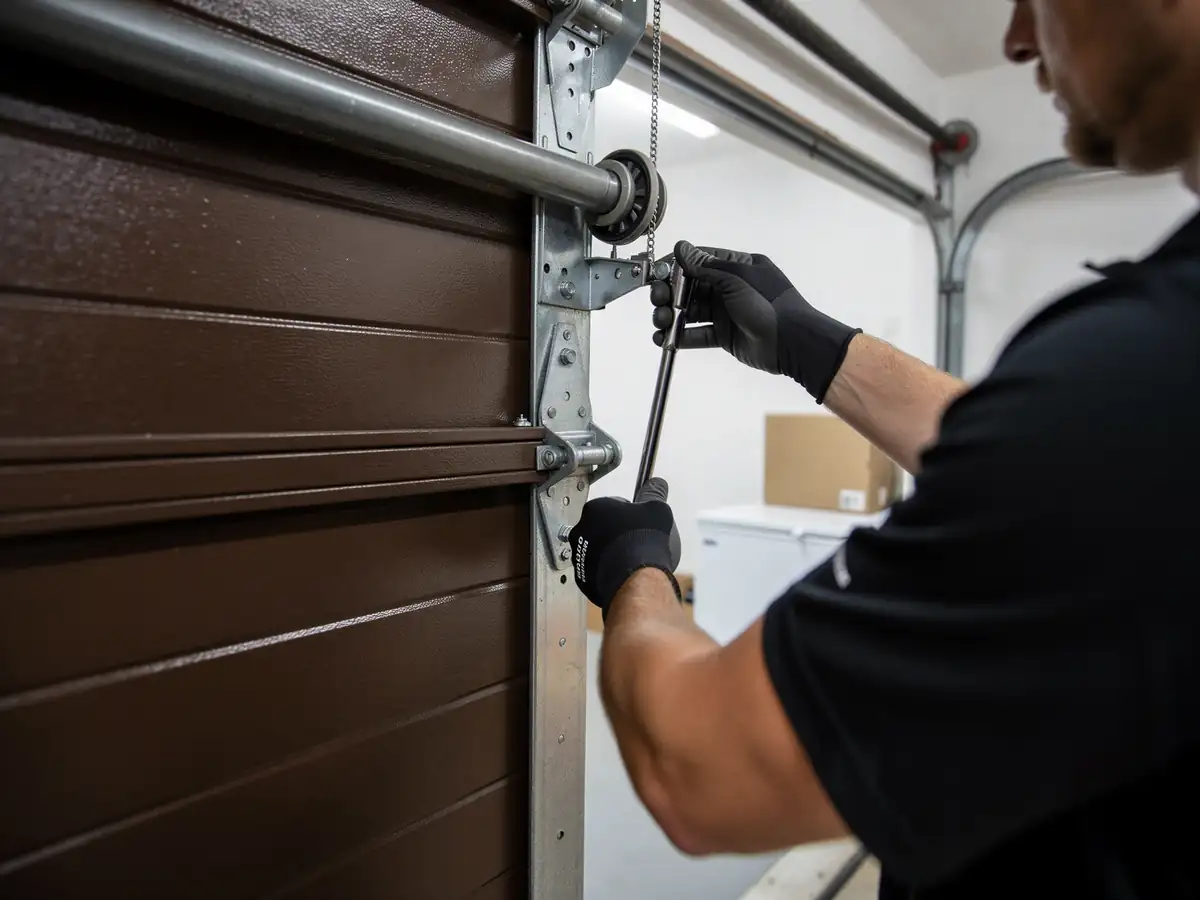
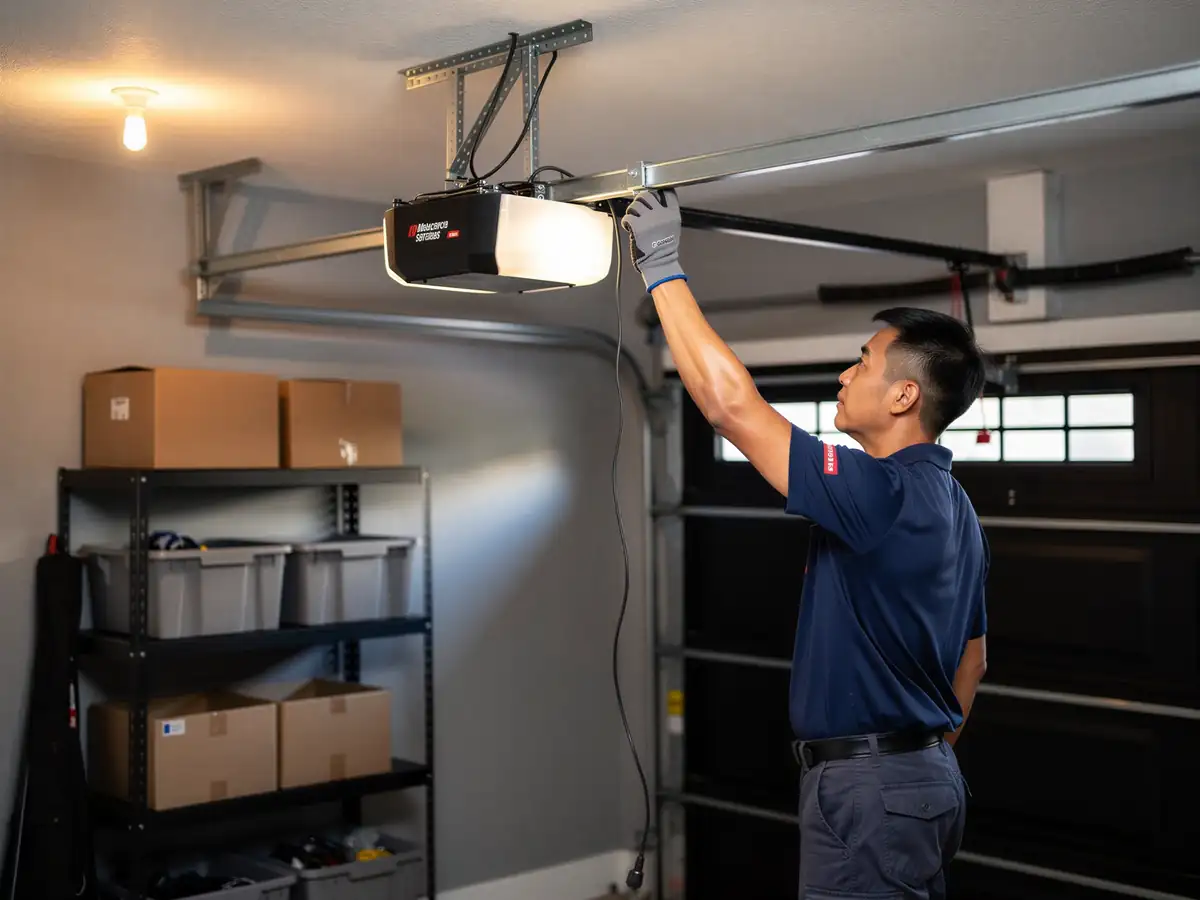
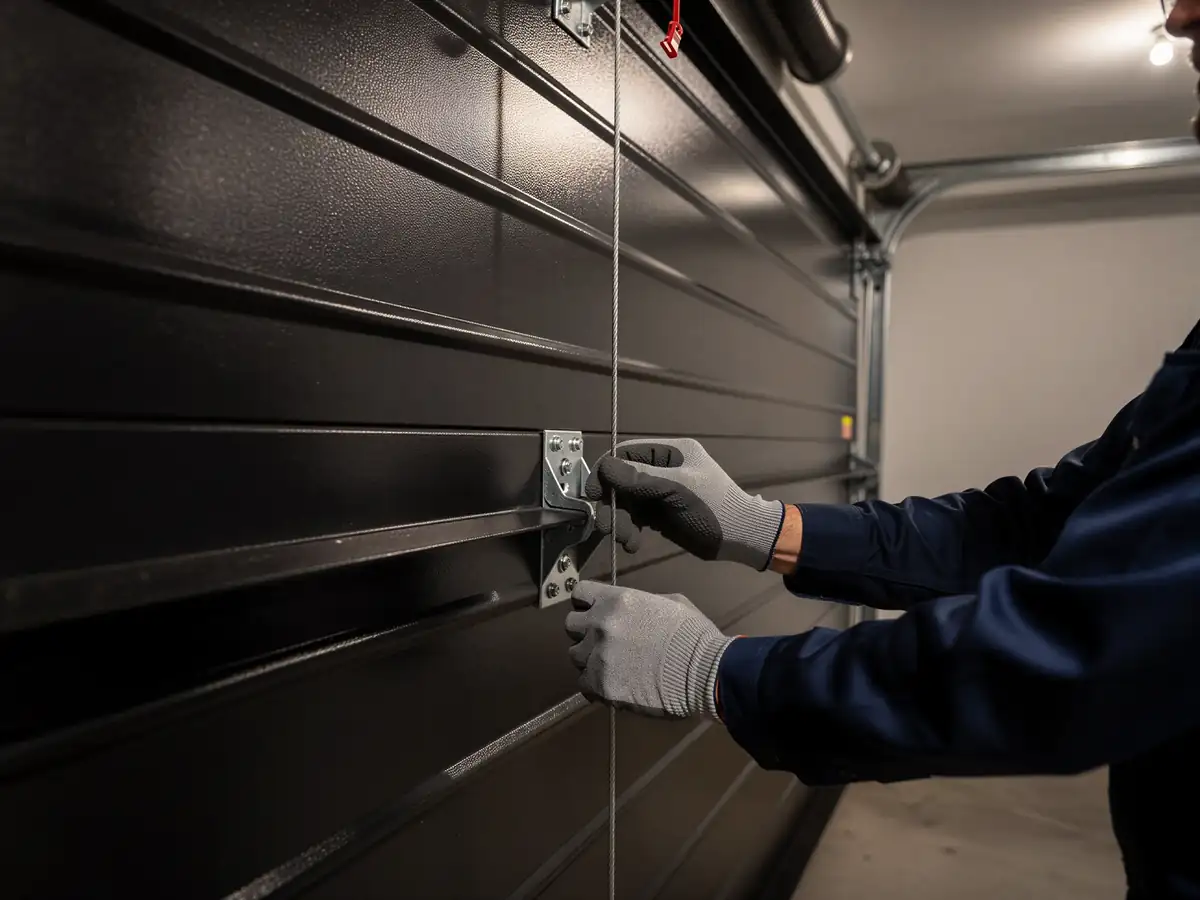
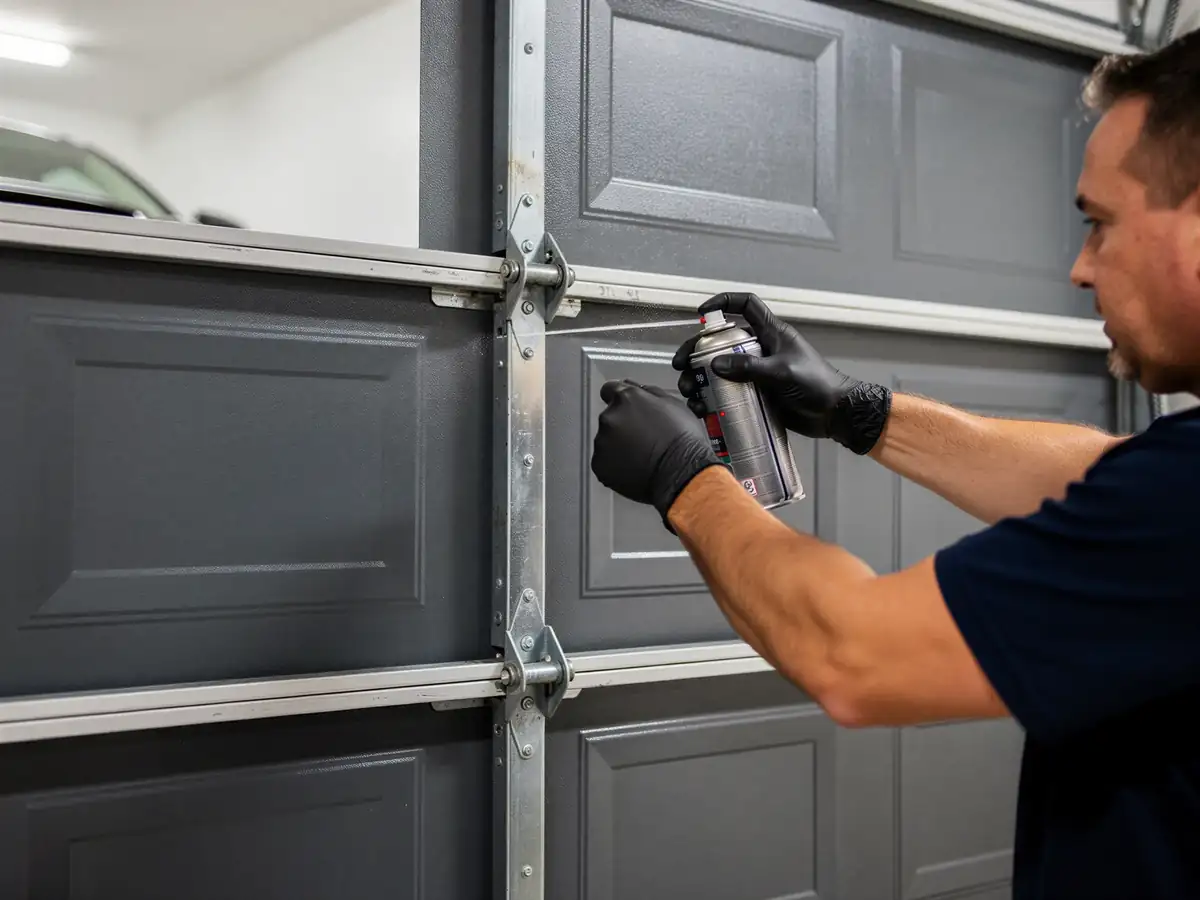
Most spring and roller jobs on a 2000s-era sectional door are a diagnose-and-fix-in-one-visit situation: we check the balance, pull the failed spring or opener board, swap it, and test the cycle. Where it takes longer is when the opener's circuit board has to be matched to a specific model year, since boards aren't universal across brands. We're not going to give you a fixed hours estimate here because that depends on what we find on site, not on the town. What we can say is that a door built in the mild climate this area sits in usually isn't fighting rust or warped track from weather, so when a repair runs long it's almost always a parts-matching issue on the opener, not a structural problem with the door itself.